

Ford Ranger 2010 Review

 Share
Share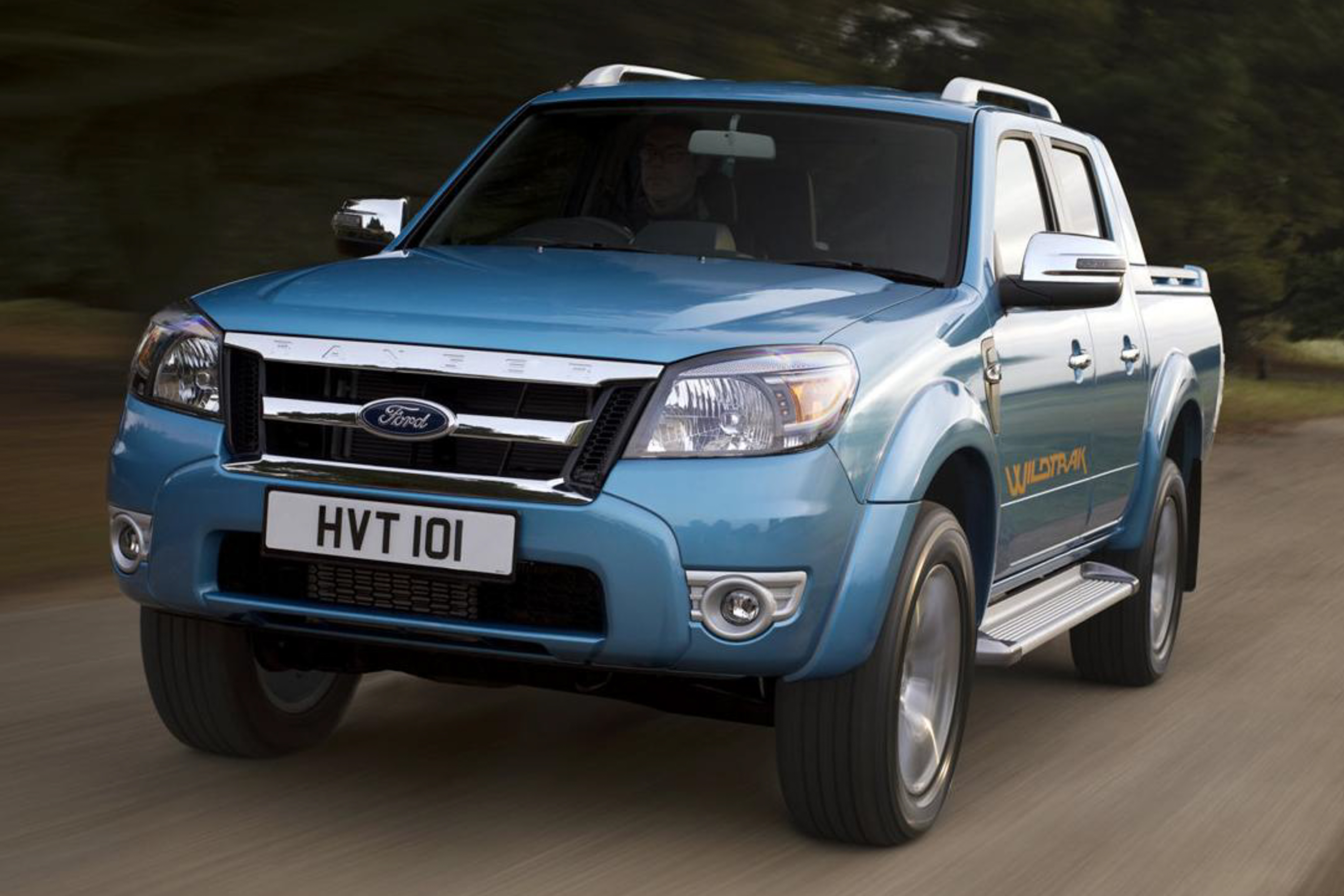
 Body Type
 Segment
 Capacity(L)
 Engine Power(PS)
 Engine Torque(Nm)
 Transmission
The current pickup truck market is attracting more and more consumers who value practicality and reliability. Especially for those users who need to balance work loading and daily commuting, there are high demands for durability and versatility in vehicles. The 2010 Ford Ranger, as one of the popular choices in the market, highlights its core advantages in robust engineering design, suitable power performance, and a space layout that combines cargo capacity. This time, we will conduct a comprehensive analysis through static experience and dynamic testing to determine whether this vehicle can meet the diverse usage scenarios of Malaysian users.
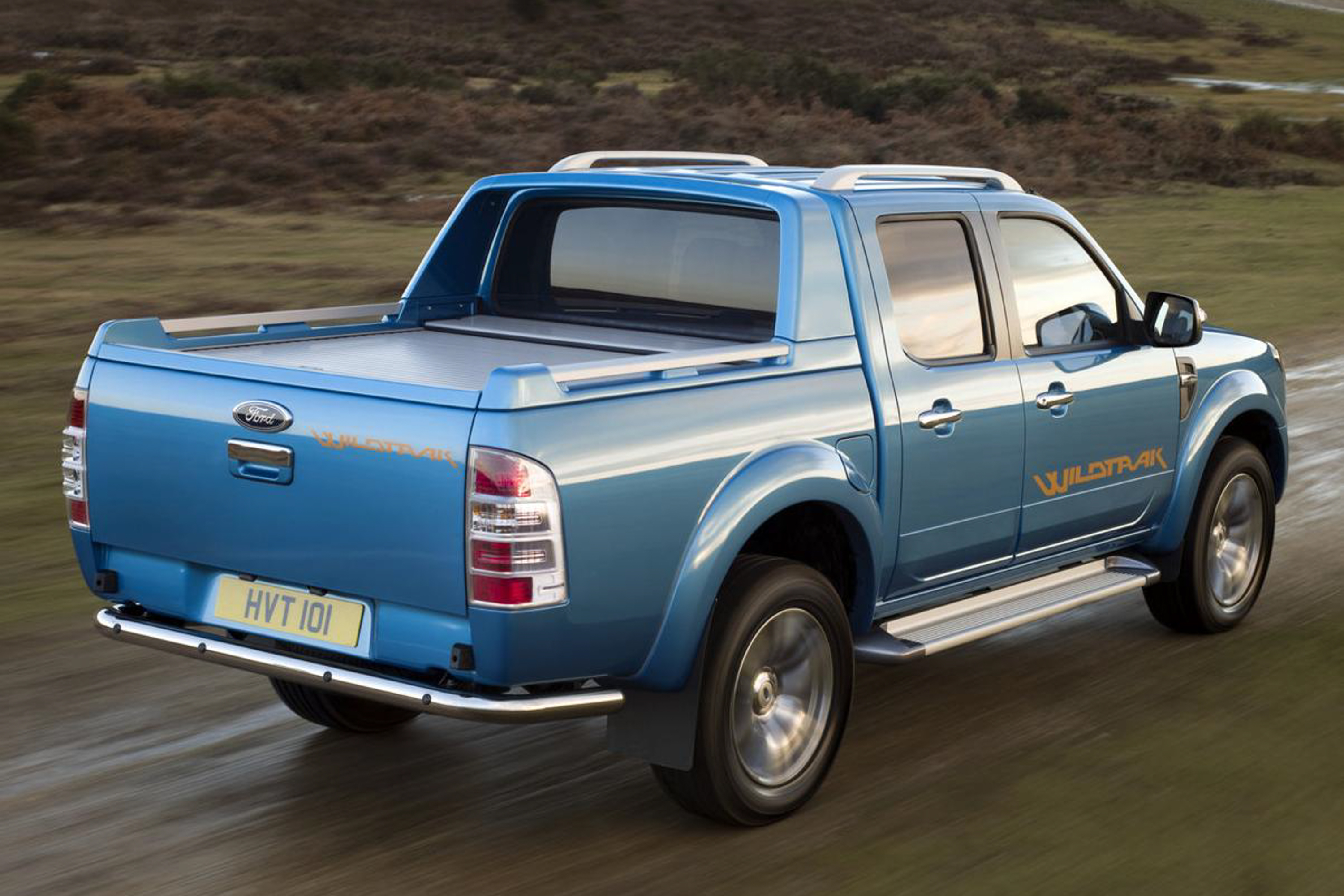
Approaching the 2010 Ford Ranger, its overall exterior design follows a rugged and practical style. The front fascia features a large black grille, complemented by rectangular headlights on both sides, which provide high recognition. The scratch-resistant guard under the front bumper offers some protection for daily light off-road or minor collisions. The side profile of the vehicle is simple, with a wheelbase of 3220mm. The height of the truck bed side panels is moderate, making it convenient to load and unload goods. As for the rear, the vertically arranged taillights naturally blend with the body lines, and the rear bumper is also equipped with scratch-resistant design. The overall shape avoids excessive decorative elements, focusing more on functional attributes.
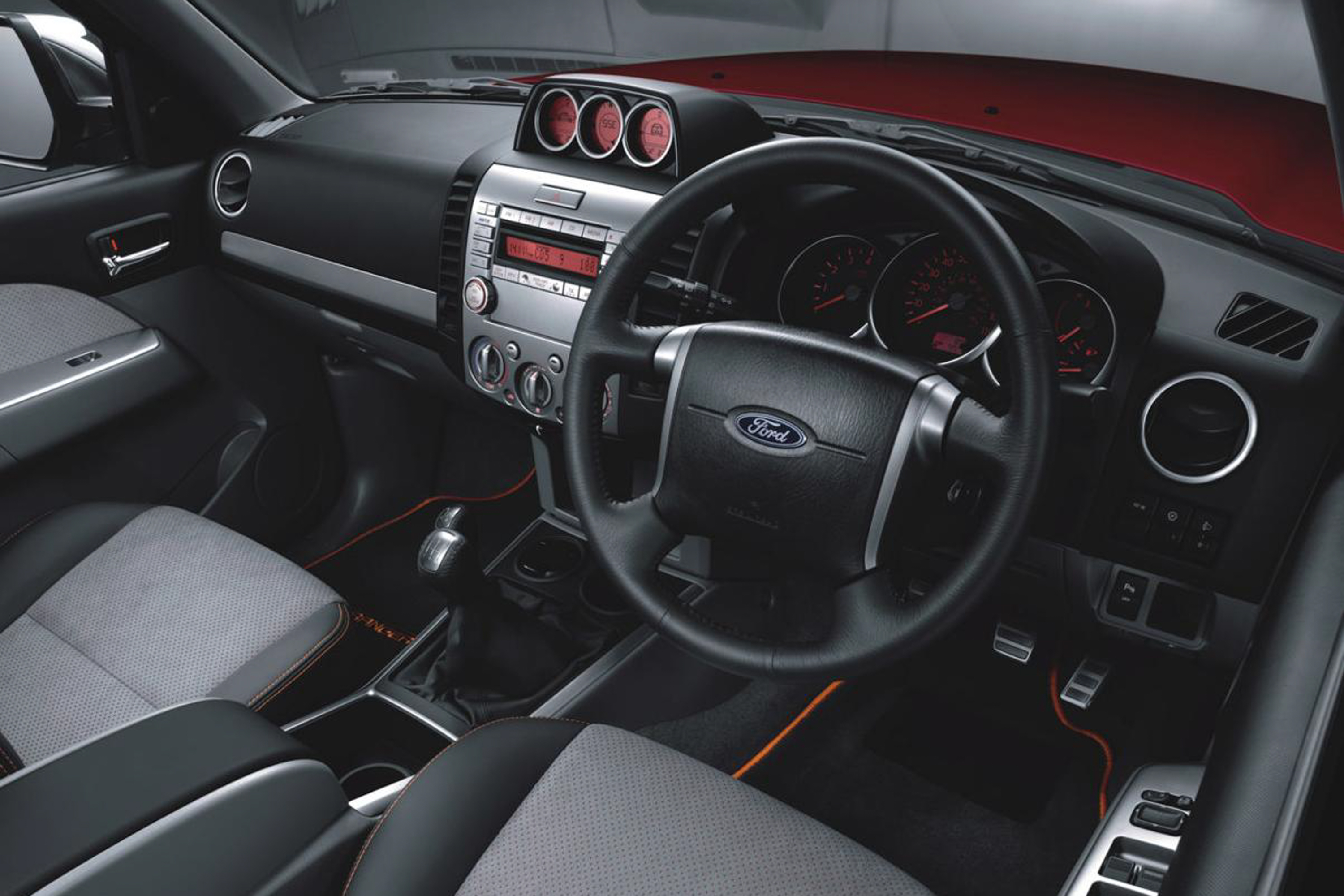
Opening the door, the interior mainly uses dark hard plastic materials. The material is appropriate for a vehicle of this segment; although the texture is somewhat stiff, the joints are neatly aligned. The center console features a clear layout with large physical buttons and knobs with moderate damping, making operations easy even when wearing gloves. In terms of core features, the high-end model is equipped with a monochrome LCD sound system supporting CD and USB input. The air conditioning system is manually adjustable, and the position of knobs and buttons is thoughtfully designed for everyday convenience. The seats are wrapped in fabric material, providing good support for both the cushions and backrests. The front seats are manually adjustable for backrest angle and fore-aft positioning, and they remain comfortable even during long drives.
In terms of space, the 2010 Ranger comes in single and double cab models. The double cab version tested has a body size of 5359mm×1800mm×1745mm, with a wheelbase of 3220mm. The front cabin offers ample legroom; with a 175cm-tall occupant adjusting the seat to a comfortable position, there is a headroom clearance of about a fist and two fingers. The rear legroom measures about two fists, with headroom at about one fist. Although the middle floor has a slight bulge, it is still comfortable for three people on short trips. For storage, the front door panels feature slots capable of holding two 500ml bottles of water. The central armrest box has a deep compartment, suitable for storing documents, tools, or other small items. The truck bed measures 1549mm×1560mm×511mm and can carry up to about 1 ton of goods under standard conditions, meeting daily cargo needs. The rear row is also equipped with air conditioning vents and a power outlet, enhancing the comfort and convenience for rear passengers.
In terms of power, the 2010 Ranger is equipped with a 2.5L Duratorq TDCi diesel engine, delivering a maximum power of 143 horsepower (105kW) and a maximum torque of 330N·m, paired with a 5-speed manual transmission. During actual driving, the power output is smooth during the initial acceleration phase, with a clear clutch engagement point that even beginners can quickly adapt to. When the engine reaches 1500rpm, the turbocharger kicks in noticeably, and the torque is abundant. During mid-to-high-speed acceleration, pressing the accelerator delivers a timely power response, allowing the speed to increase smoothly from 60km/h to 100km/h without any apparent lag.
In terms of handling and chassis performance, the steering wheel has a relatively heavy feel, precise directionality, with no noticeable play. The steering wheel remains stable during high-speed driving without any floatiness. The chassis adopts a combination of independent double wishbone front suspension and non-independent leaf spring rear suspension, which is tuned on the firmer side. It does not completely filter out minor road bumps, but when going through speed bumps or uneven roads, the rear suspension provides strong support, and the vehicle body shows no excessive swaying. In cornering tests, the body roll is kept within a reasonable range, and the tire grip performs well, delivering an overall driving feel that leans towards stability and reliability.
In the fuel consumption test, we chose a mix of city congestion and highway cruising for a total distance of 200km, with 60% of the route being urban roads and 40% highways. The results showed a combined fuel consumption of 7.8L/100km, which is slightly above average among similarly classed diesel pickup trucks. Regarding braking performance, during full braking, the car body remains stable, with moderate front suspension compression. The braking distance from 100 km/h is about 42 meters, meeting the standards for this class of vehicle.
As for ride comfort, during regular driving, engine noise remains within an acceptable range. However, when the speed exceeds 80km/h, wind and tire noise gradually become more noticeable, although they do not affect normal conversations inside the cabin. The fabric material of the seats offers good breathability, ensuring they don't feel stuffy during long drives. The reclining angle of the rear seats is quite comfortable, ensuring adequate comfort for short journeys.
Overall, the core advantages of the 2010 Ford Ranger lie in its robust and durable diesel powertrain, practical spatial layout, and features that align with its positioning as a utility vehicle. Compared to its peer, the Toyota Hilux, the Ranger slightly edges out in power figures and offers a larger cargo bed with stronger loading capability. On the other hand, the Hilux has a slight advantage in brand residual value, but the Ranger's lower price point makes it stand out with higher value for money.
This vehicle is suitable for user groups such as small business owners who need a vehicle for both cargo transport and daily commuting, families frequently traveling between urban and rural areas, and outdoor enthusiasts who place high demands on vehicle reliability. Its robust engineering design is capable of dealing with Malaysia's diverse road conditions, while its practical space and power performance cater to a wide range of use scenarios.
In summary, the 2010 Ford Ranger is a utility-focused pickup truck that avoids overly fancy features, instead providing balanced performance in power, space, and reliability. If you're looking for a vehicle that can haul, perform well, and has low maintenance costs, this Ranger is worth considering.
Ford Ranger Car Compare
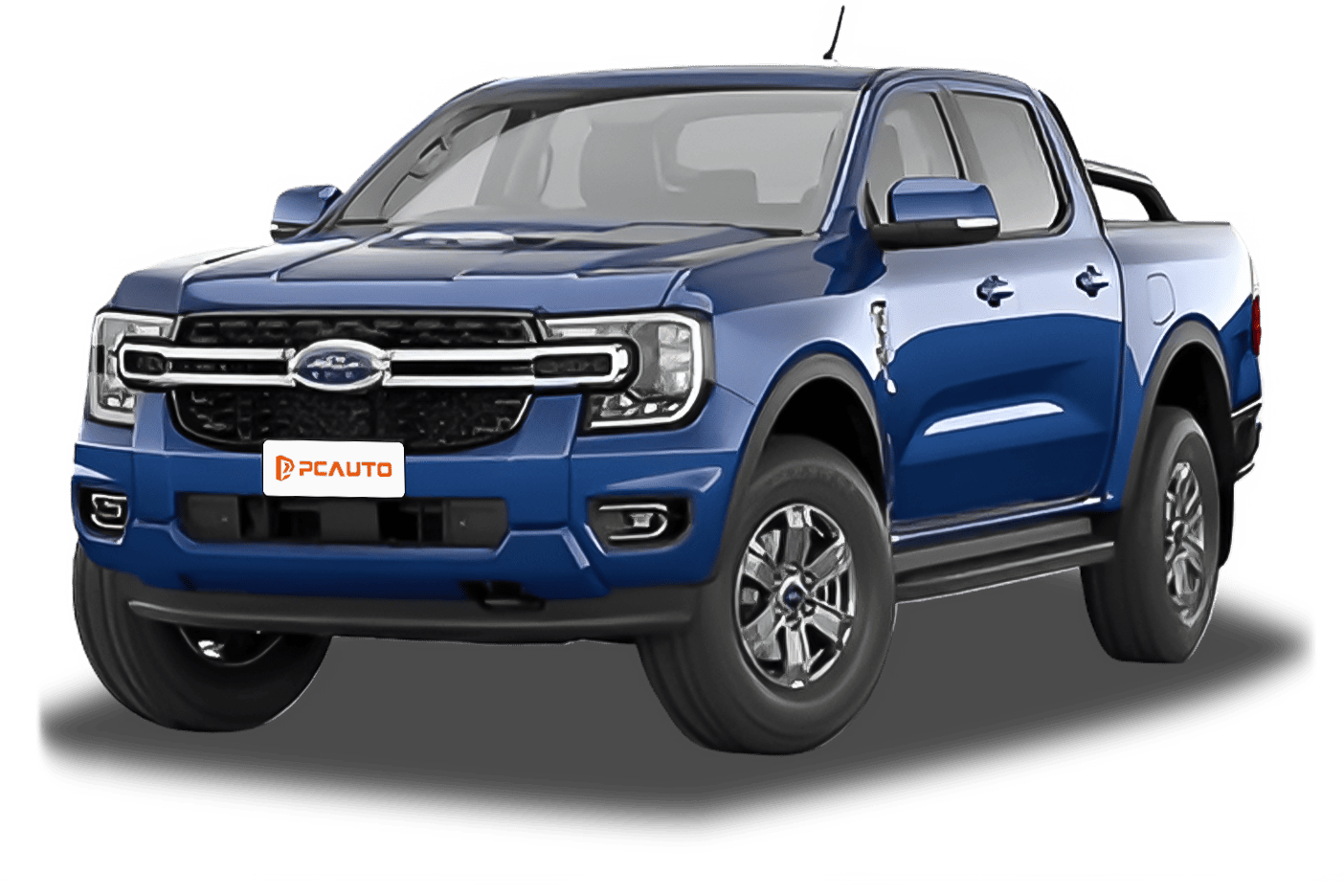
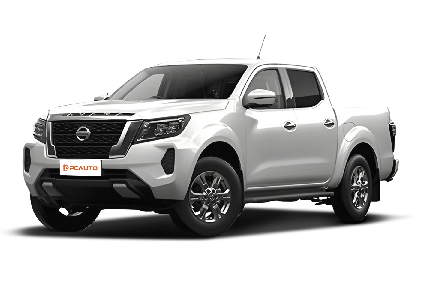
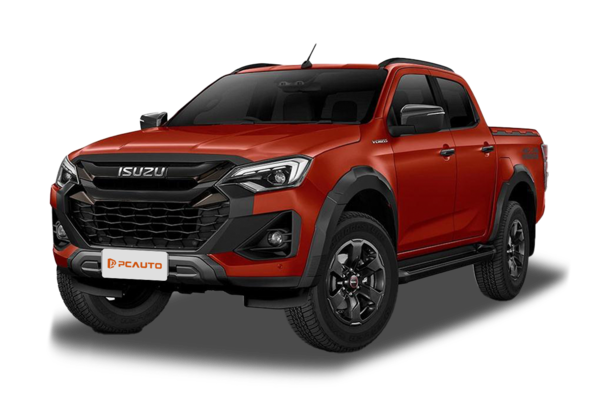
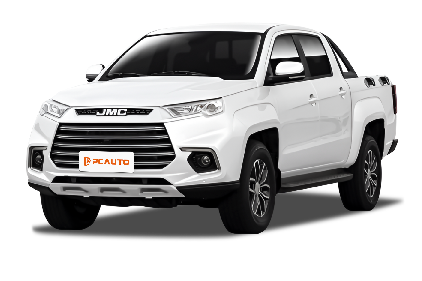
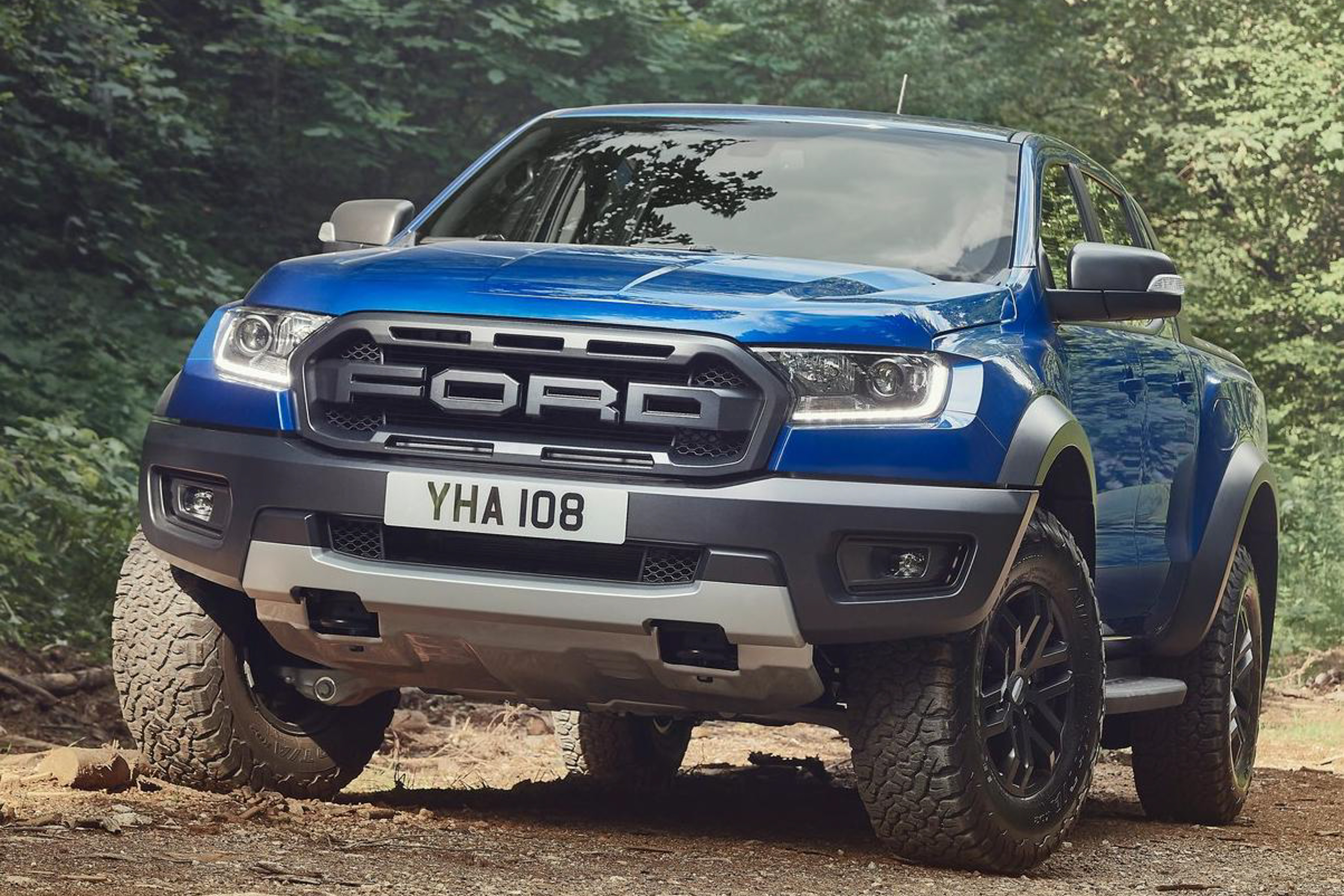
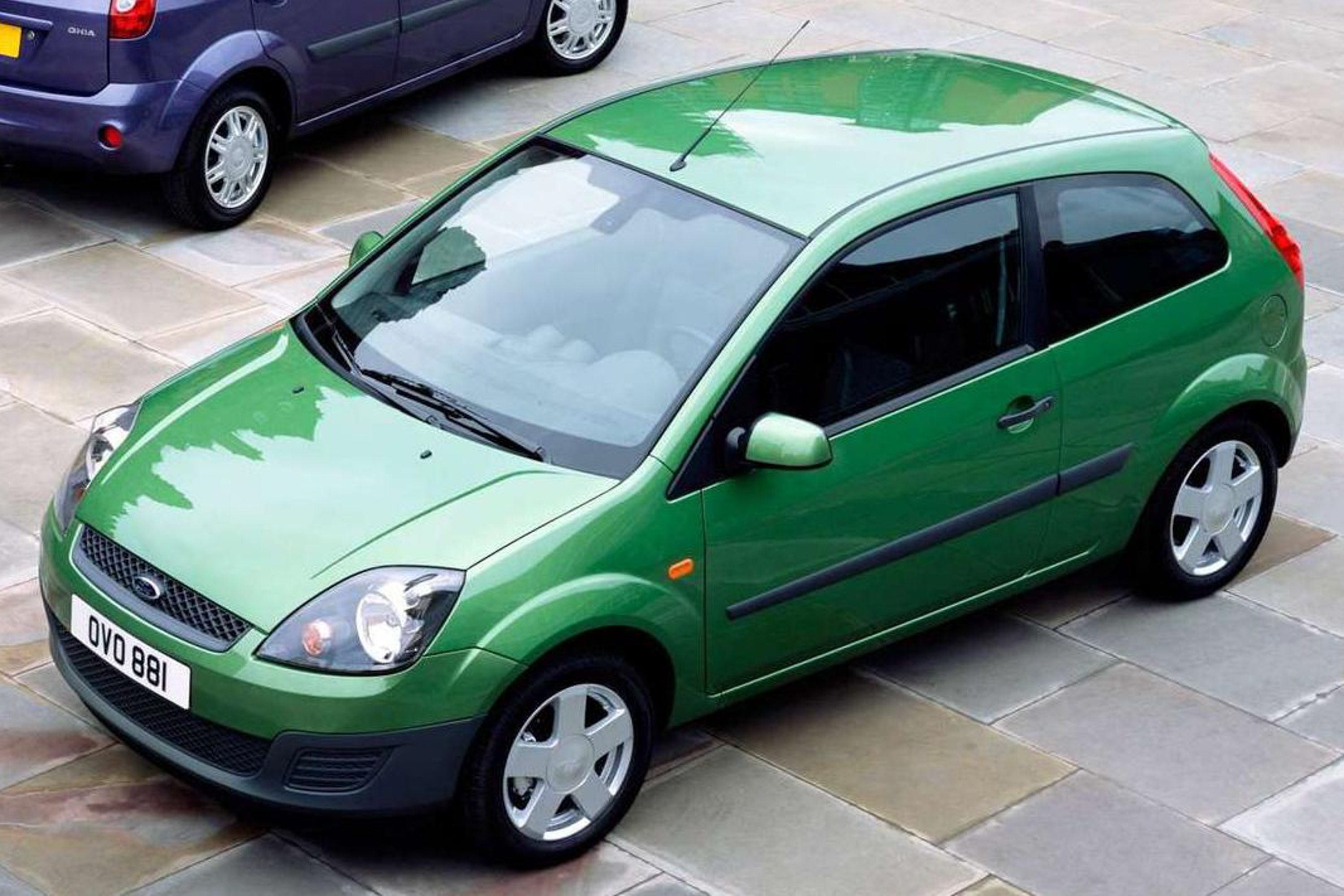
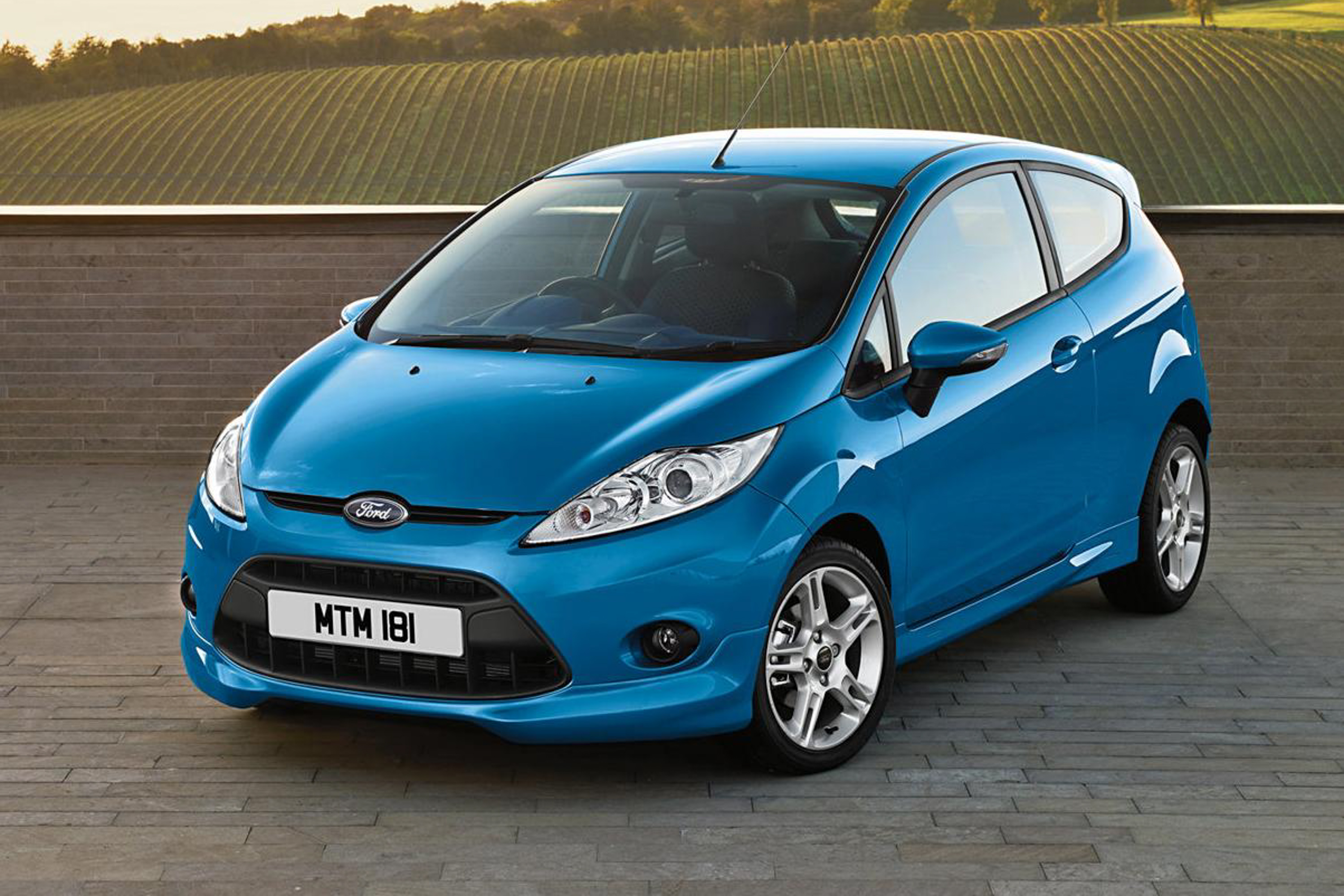
Cars With Similar Price And Features
5
Rank in Pickup
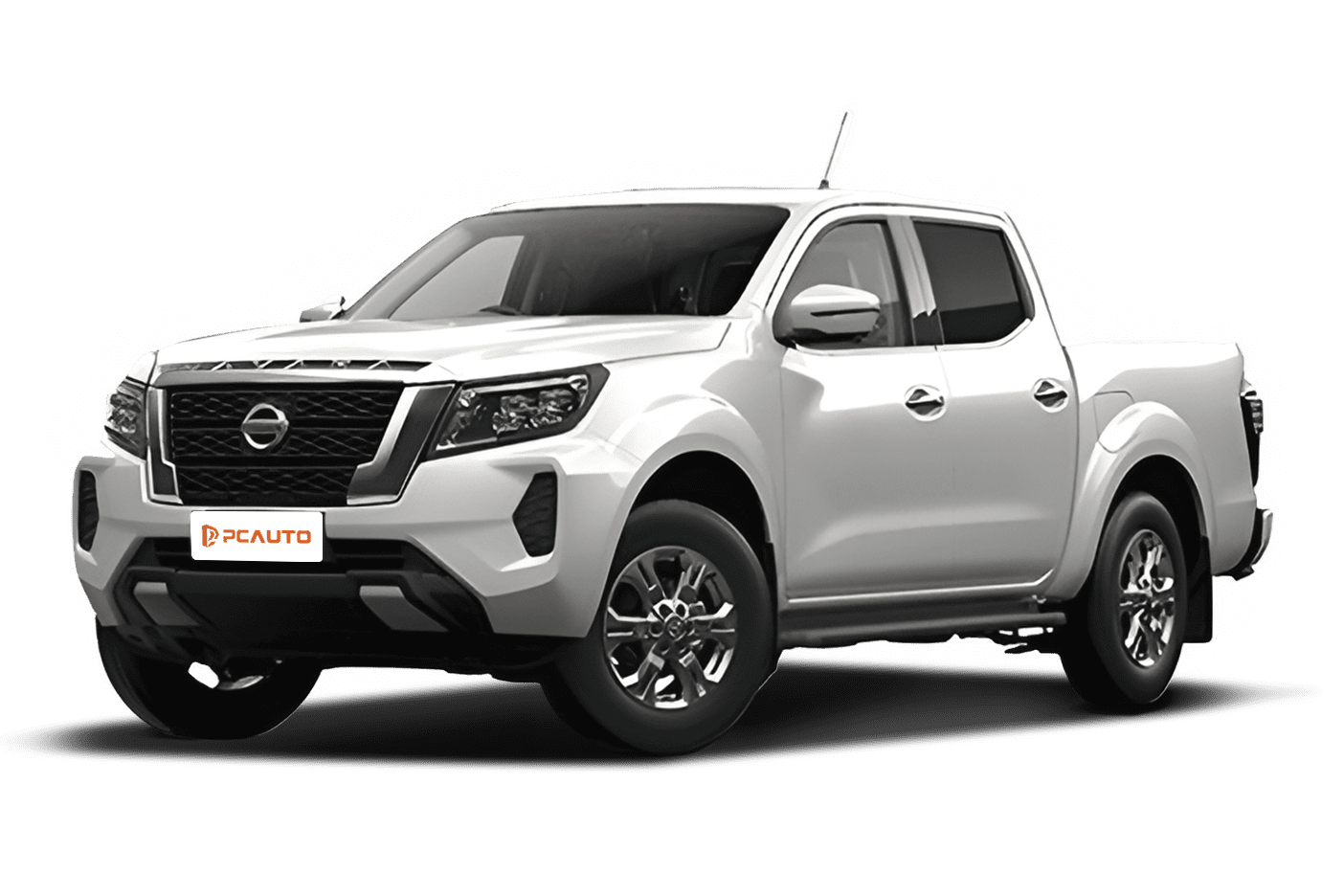
2023 Nissan Navara 2.5 VL Black Edition is a pickup truck that balances household comfort with light off-road capability, featuring exclusive black trims, a full suite of active safety features, and practical configurations, precisely catering to the needs of families and small business owners.
4
Rank in Pickup
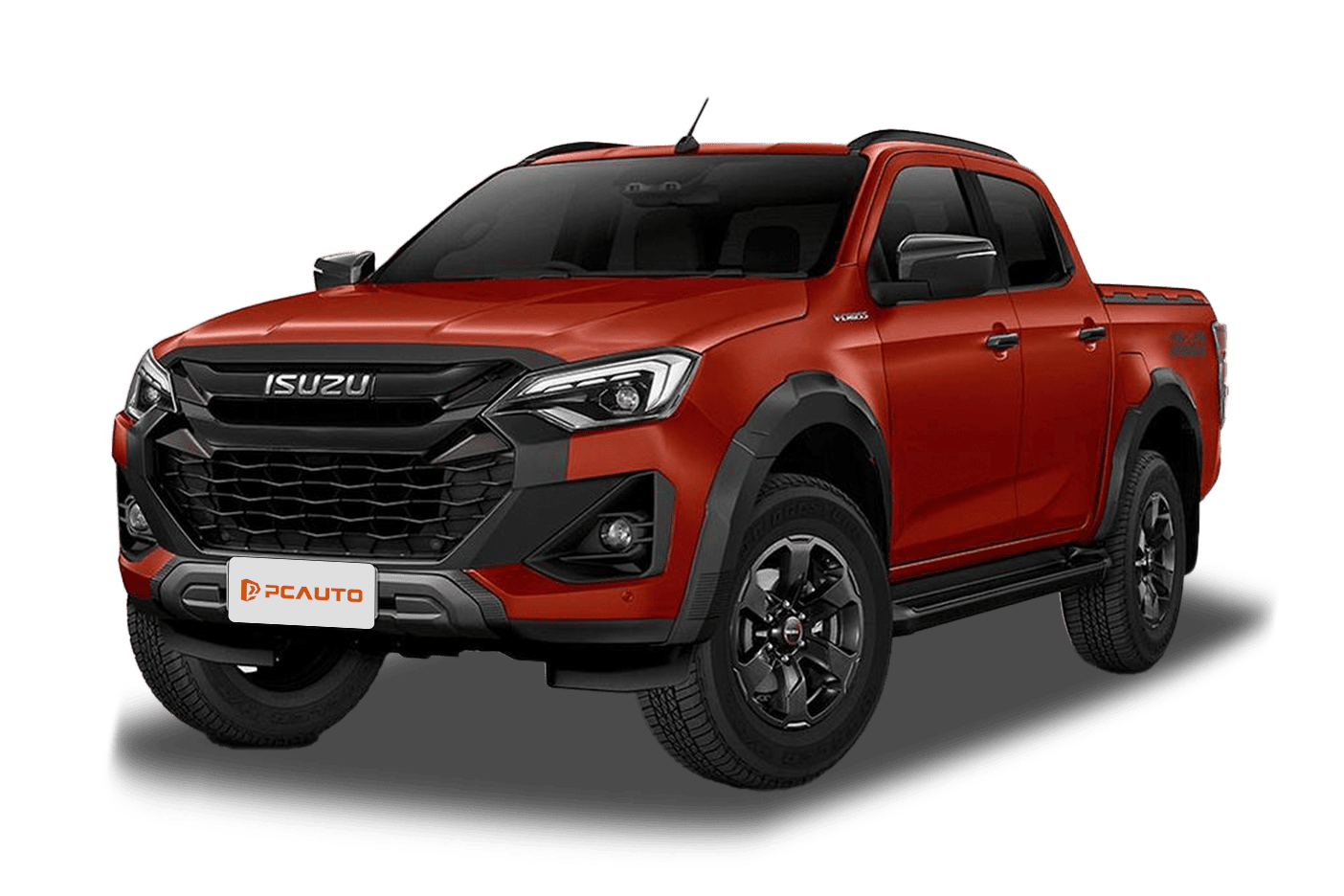
2025 Isuzu D-MAX 1.9L 4x2 Low Ride is an entry-level passenger pickup, offering a balance of practical space, reliable diesel performance, and fuel economy, suitable for family transport and small business cargo needs.

2023 JMC Vigus Pro White Series 2.0L 4WD 8AT combines rugged design, practical features, and powerful diesel performance, balancing everyday durability and mild off-road needs, making it a high-value choice for pickup users.
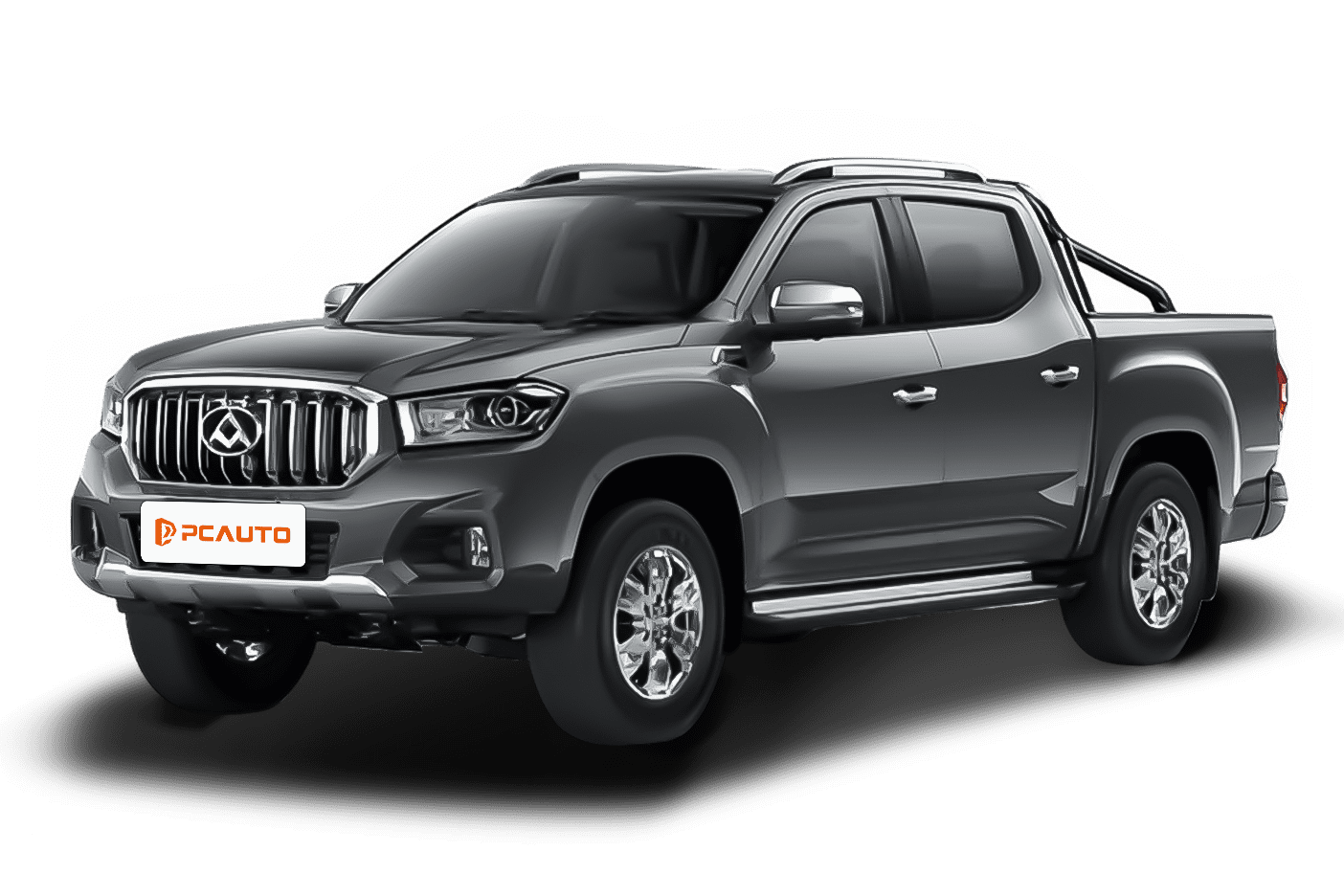
2022 Maxus T60 2.8L 4WD AT is a practical pickup truck that balances work and life. The strong diesel torque and 4WD capability meet cargo and off-road needs, while the premium features and spacious interior enhance daily comfort.