

Ford Ranger 2016 Review

 Share
Share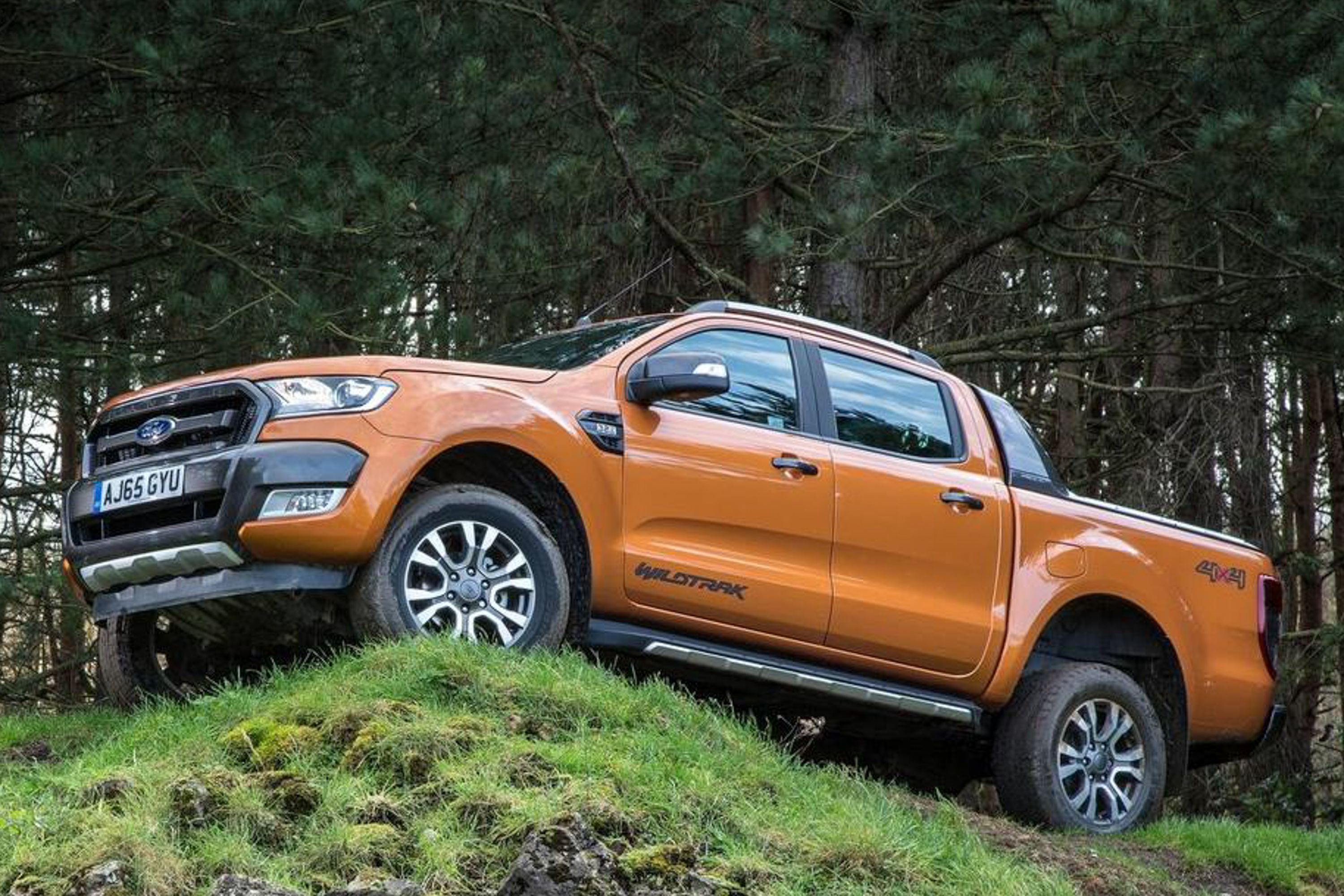
 Body Type
 Segment
 Capacity(L)
 Engine Power(PS)
 Engine Torque(Nm)
 Transmission
The competition in the Southeast Asian pickup truck market has always revolved around "durability" and "versatility." The 2016 Ford Ranger, as a popular model in this segment, attracts many commercial vehicle users and off-road enthusiasts with its rugged design and practical configurations. In this test drive, we focused on verifying its overall performance to see if it truly meets the demands of daily cargo transport, family outings, and light off-road needs.
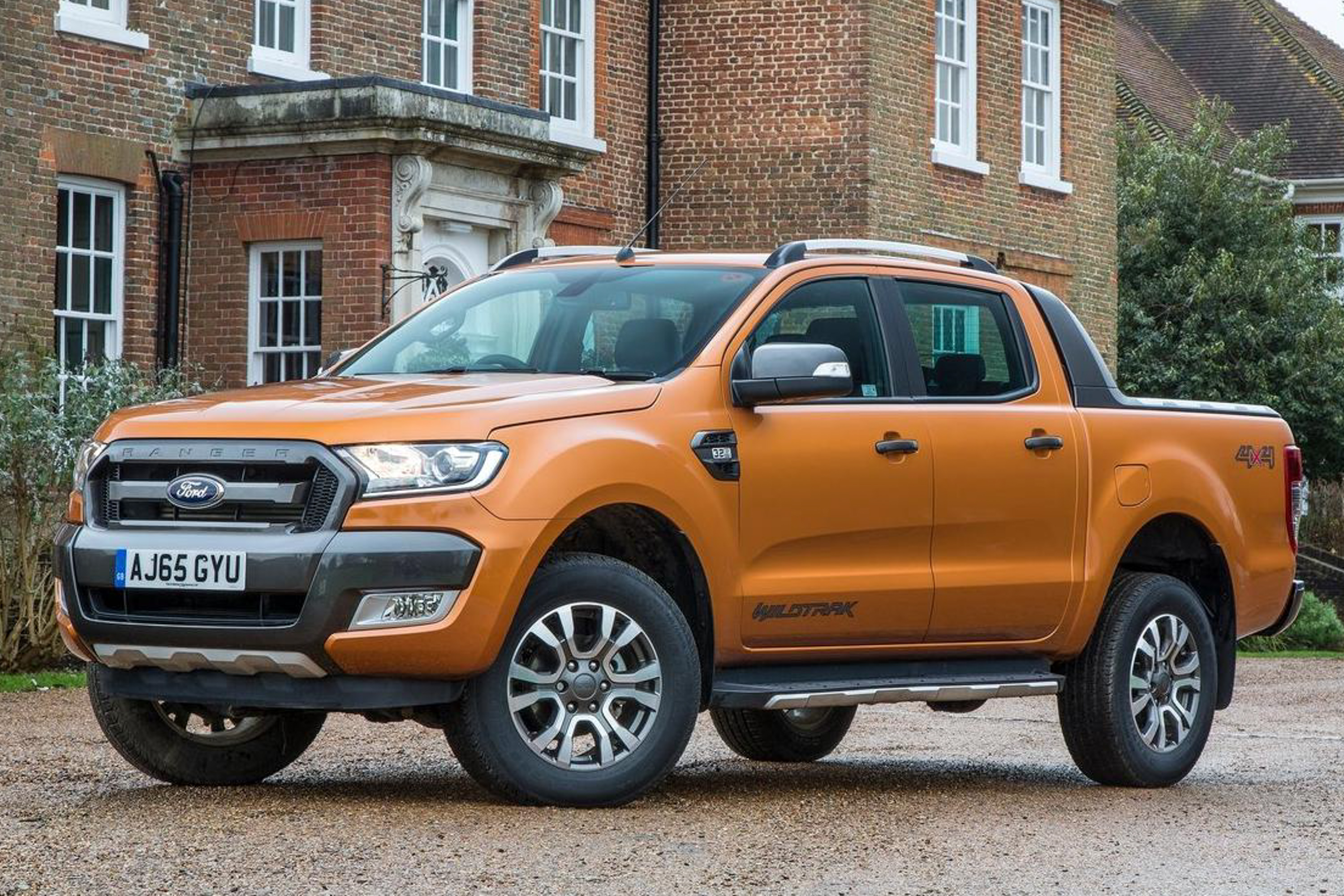
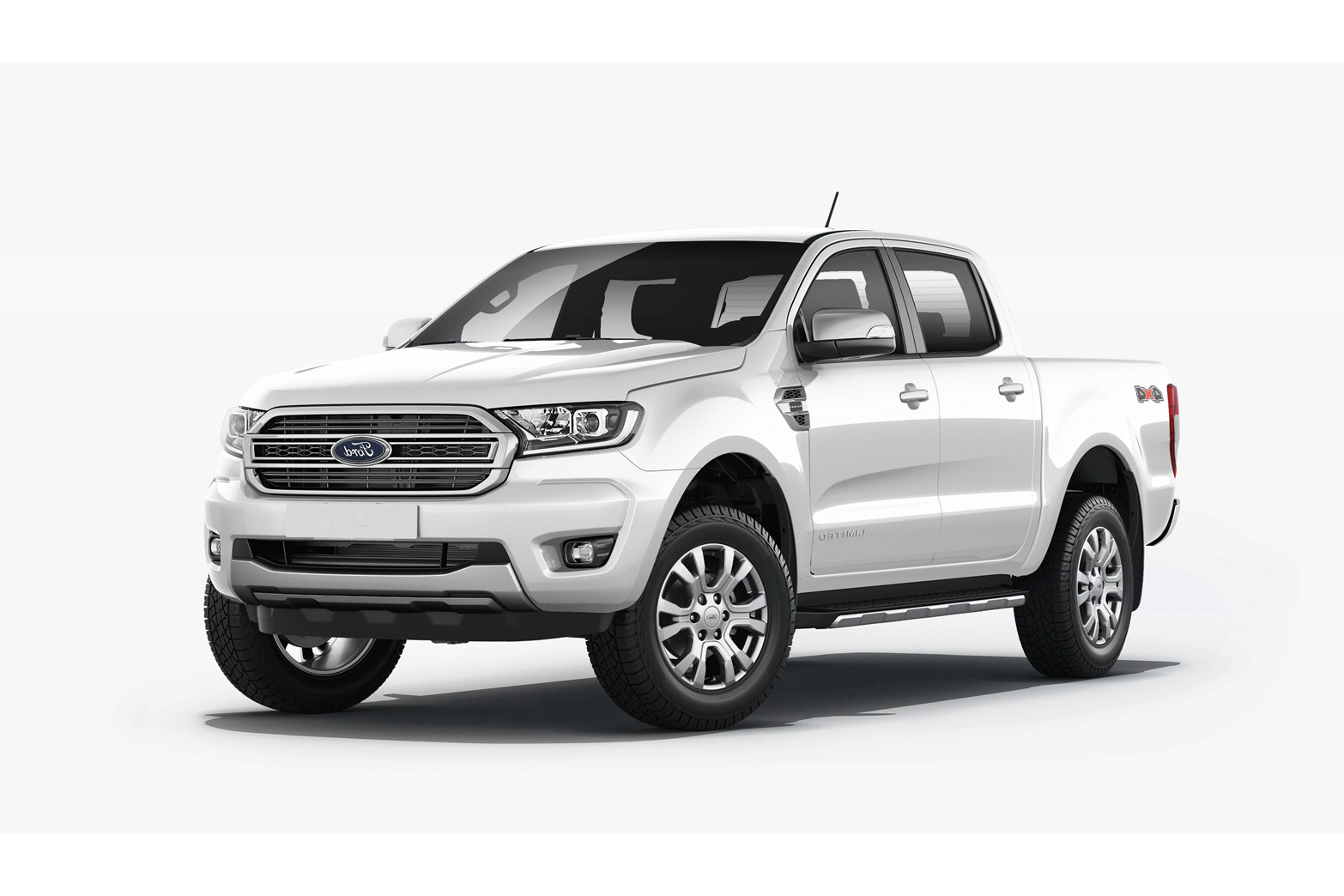
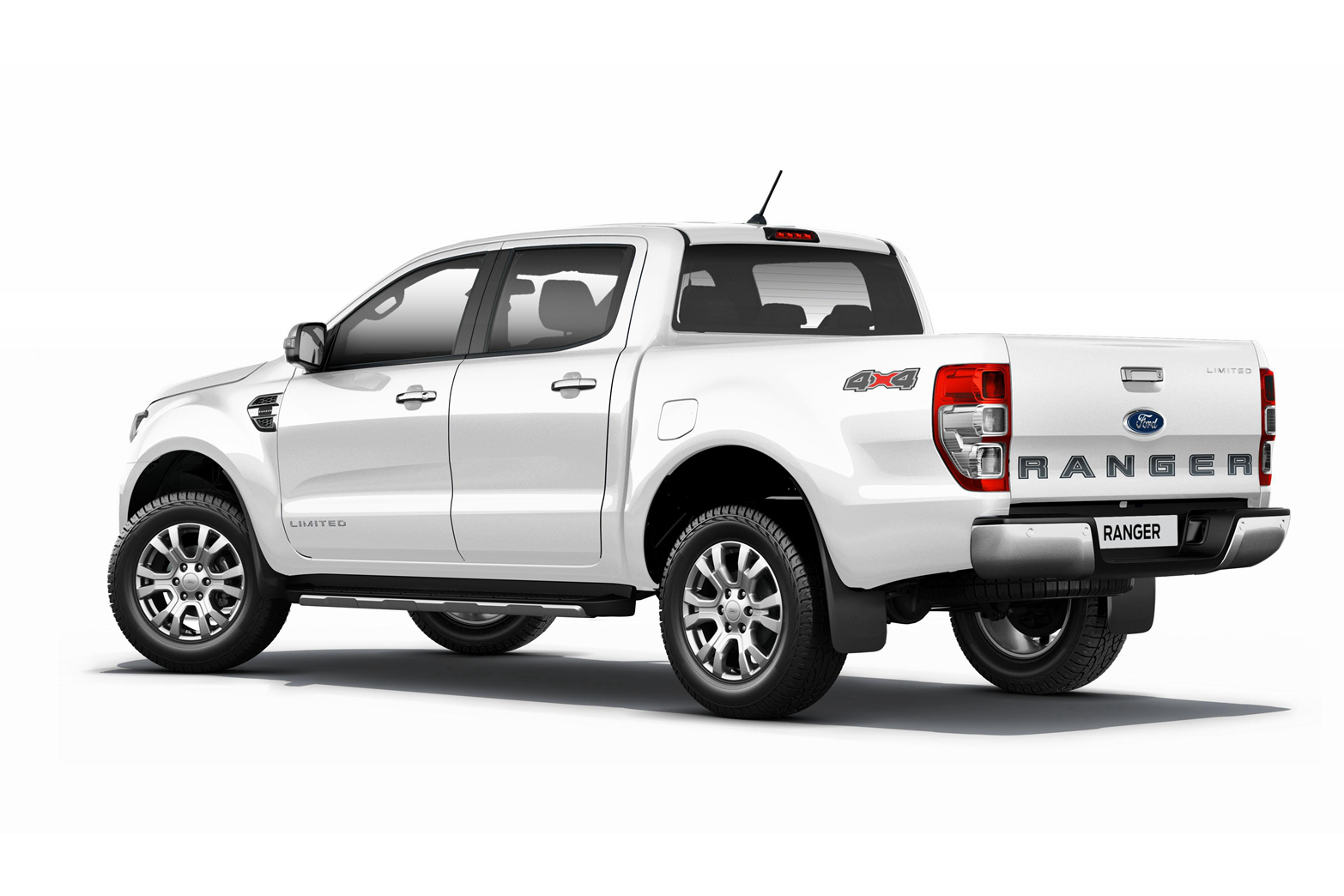
From an exterior perspective, the 2016 Ranger continues the rugged style of American pickups. The front end features a large trapezoidal grille, paired with chrome trims and angular halogen headlights on both sides, giving it high recognizability overall. The side of the vehicle has straight lines, and the 16-inch steel wheels (some configurations offer aluminum alloy) ensure load capacity, while the muscular design around the wheel arches enhances the off-road vibe. At the rear, the vertical taillights echo the front design, and the tailgate is equipped with a convenient handle for easier operation. In terms of the lighting system, although the top trim comes with LED daytime running lights, the halogen headlights on the base version offer average performance in nighttime illumination.
Inside the cabin, the interior is primarily practical, with dark hard plastic materials occupying most areas. Although the texture feels hard, it is stain-resistant and easy to clean, aligning well with the vehicle's pickup characteristics. The center console layout is simple, featuring an 8-inch touchscreen supporting Bluetooth connectivity and basic navigation functions, while physical buttons are retained for air conditioning adjustment and volume control, making operation intuitive. The seats are made of fabric materials, with the front seats offering manual adjustment and decent lumbar support, ensuring no significant fatigue during long drives. Regarding rear space, the wheelbase reaches 3,220mm, providing two fists of legroom for a 175cm tall passenger seated in the back, with ample headroom as well, making it suitable for short family trips. Storage space is commendable, with the front door pockets able to hold two bottles of mineral water, a central armrest box deep enough for small items, and a hidden storage box under the rear seats, offering strong practicality.
In terms of power, the 2016 Ranger offers two choices: a 2.2L diesel engine and a 3.2L diesel engine. We test-drove the 2.2L version, which delivers a maximum power of 118kW and a maximum torque of 385N·m, paired with a 6-speed manual or 6-speed automatic transmission. The power response is smooth at start-up, and the low-end torque performance is commendable, allowing for easy starts even when carrying a full load. During acceleration, the transmission's shift logic is clear, and when overtaking, stepping on the gas pedal deeply provides linear power output without significant lag. In off-road mode, the part-time 4WD system switches conveniently, and with the rear differential lock, it performs well on muddy roads or light cross-axle terrains.
In terms of handling, the steering wheel offers moderate resistance and precise steering, with good stability during high-speed driving. The suspension system adopts a front double wishbone independent suspension and a rear leaf spring non-independent suspension, with a stiff tuning. This results in noticeable vibrations for rear passengers on bumpy roads, but this setup ensures rigidity when carrying loads. The braking system performs consistently, with a braking distance of about 42 meters per 100 kilometers, matching the standard for vehicles in this class. Fuel consumption for the 2.2L diesel version is approximately 7.5L/100km on average, and can drop to as low as 6.8L/100km under highway conditions, showcasing exceptional fuel economy.
In terms of driving comfort, the engine noise is well-controlled at idle, but wind noise and tire noise are more noticeable at high speeds, which is a common issue for pickup trucks. The seat comfort is decent, with the fabric material providing good breathability, making it comfortable for long durations in summer without feeling stuffy. The air conditioning system delivers rapid cooling, and the rear row is equipped with independent air vents, ensuring the comfort of rear passengers.
Overall, the core advantages of the 2016 Ford Ranger lie in its durability, practicality, and fuel efficiency. Compared to the Toyota Hilux in the same class, the Ranger has richer configurations and is more competitively priced; compared to the Mitsubishi Triton, its power performance and off-road capabilities are superior. This vehicle is suitable for users who need to balance cargo and family use, such as small business owners, outdoor enthusiasts, or families that need occasional off-road capabilities.
In conclusion, the 2016 Ford Ranger is a well-rounded pickup truck that meets daily cargo needs, handles light off-road scenarios, and is ideal for family outings, making it a worthy choice among its class.
Ford Ranger Car Compare
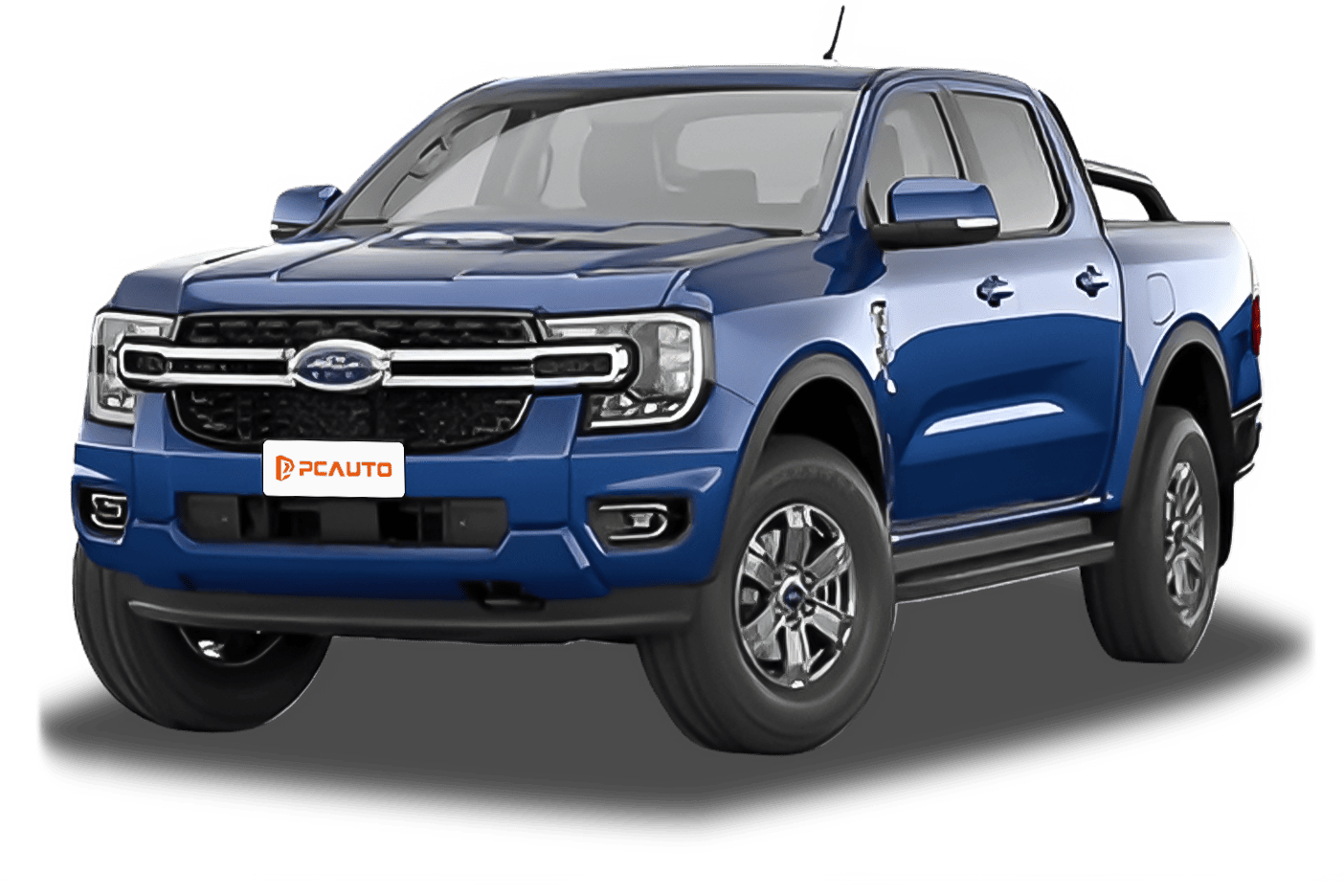
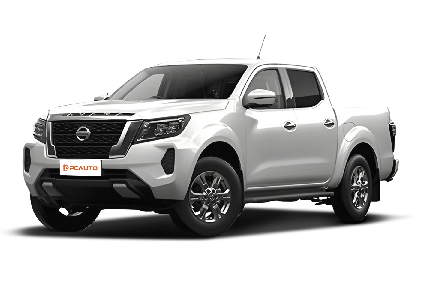
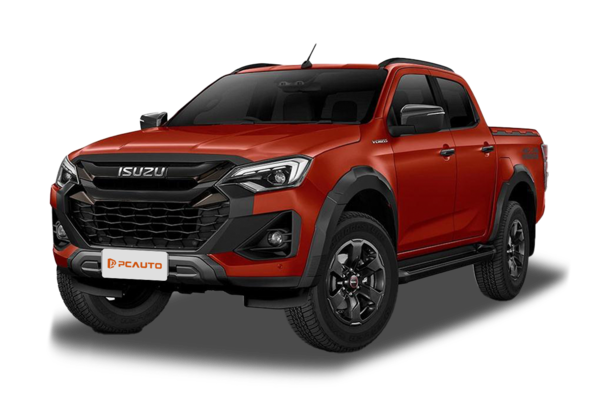
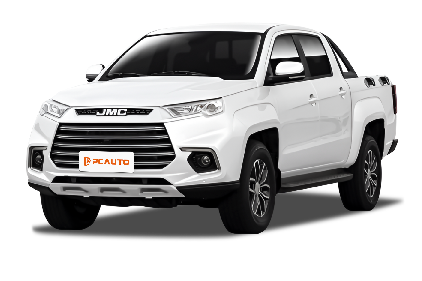
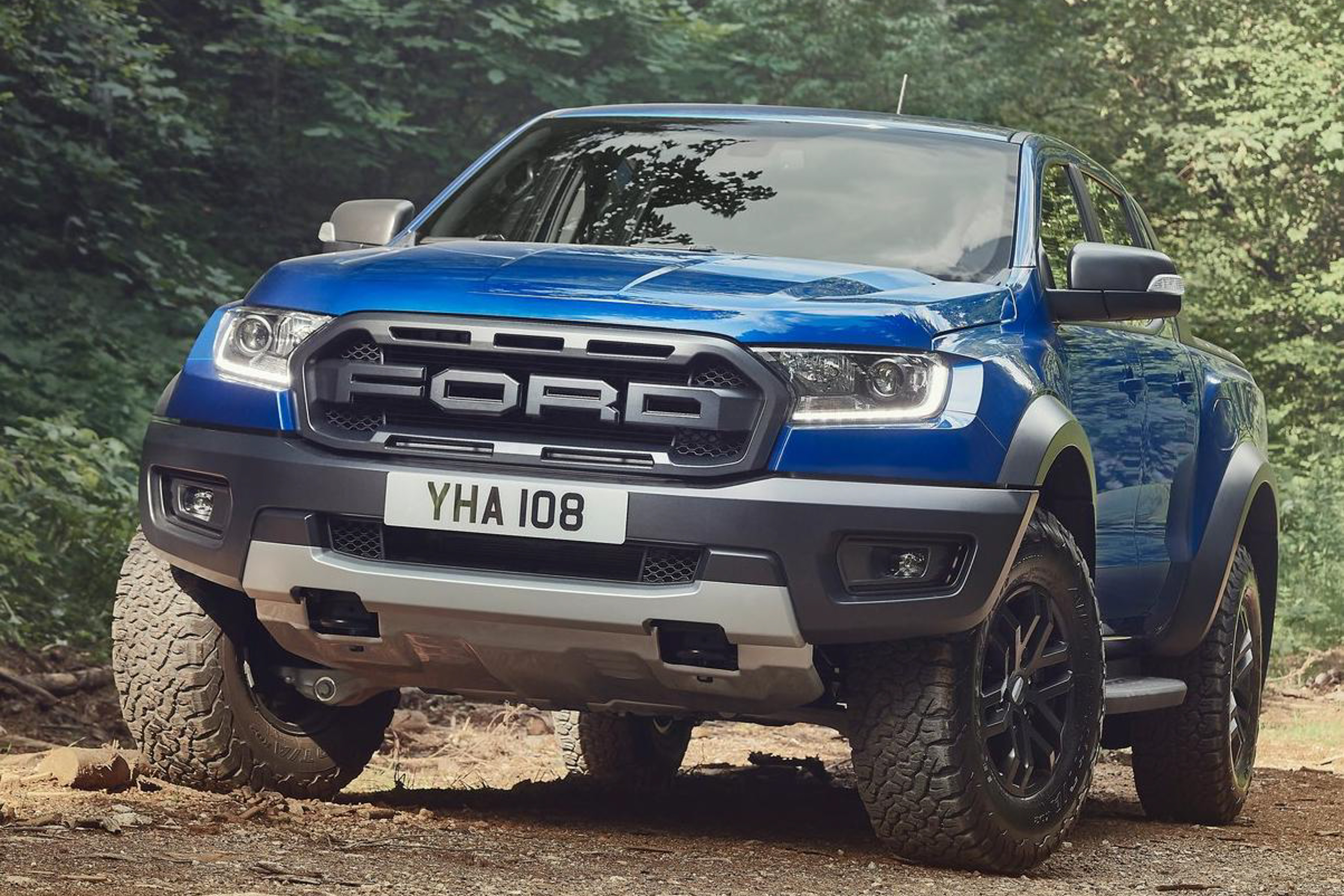
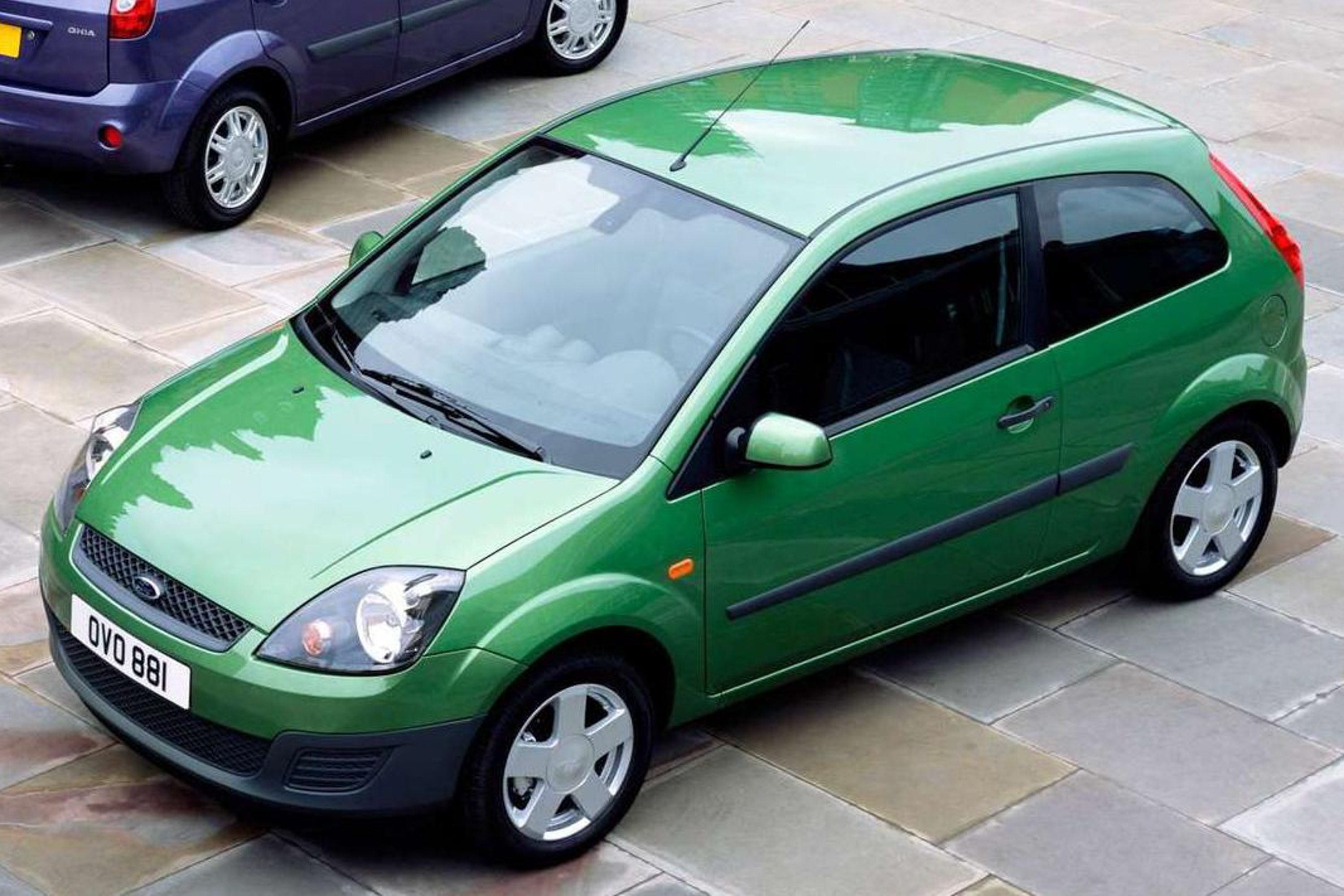
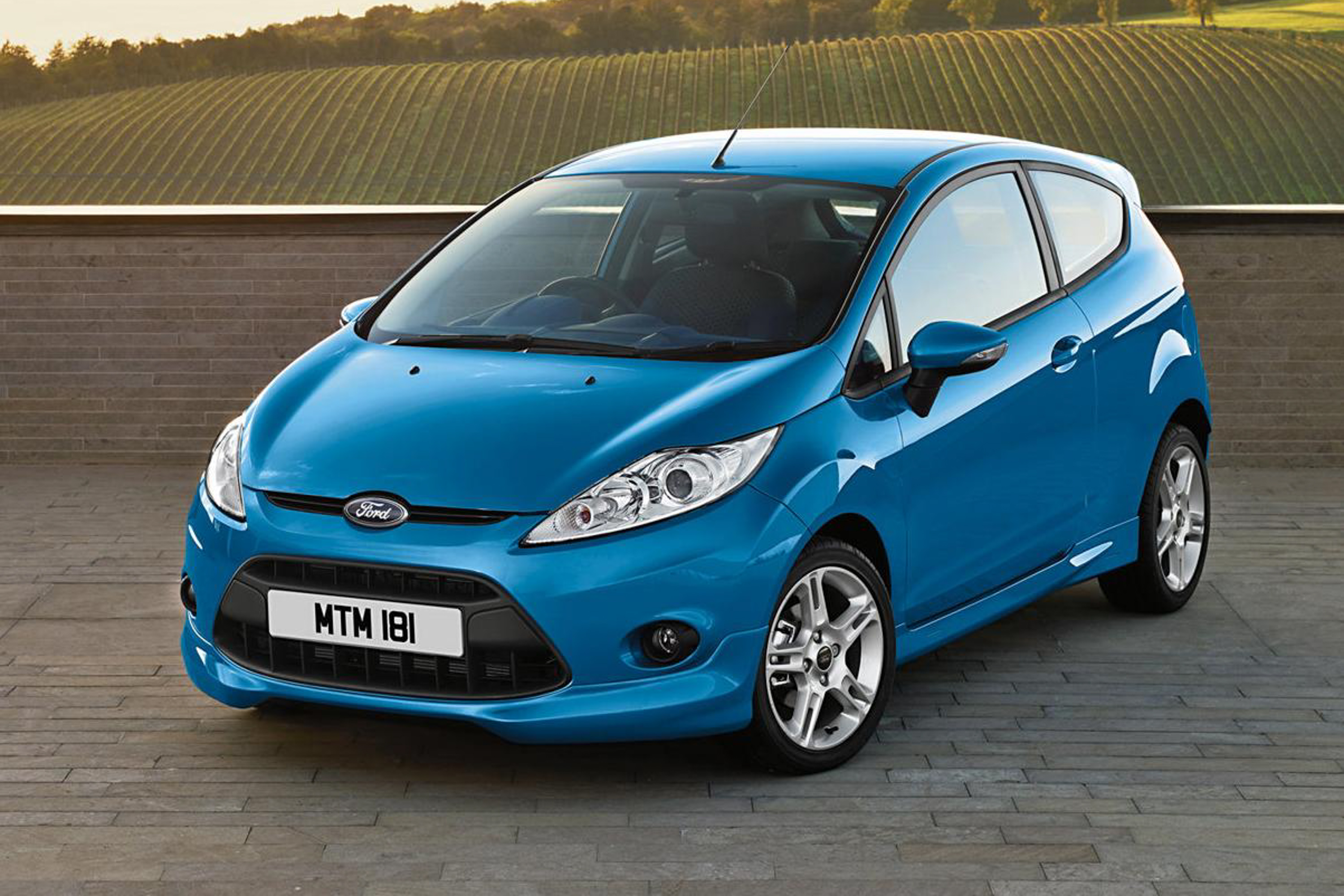
Cars With Similar Price And Features
5
Rank in Pickup
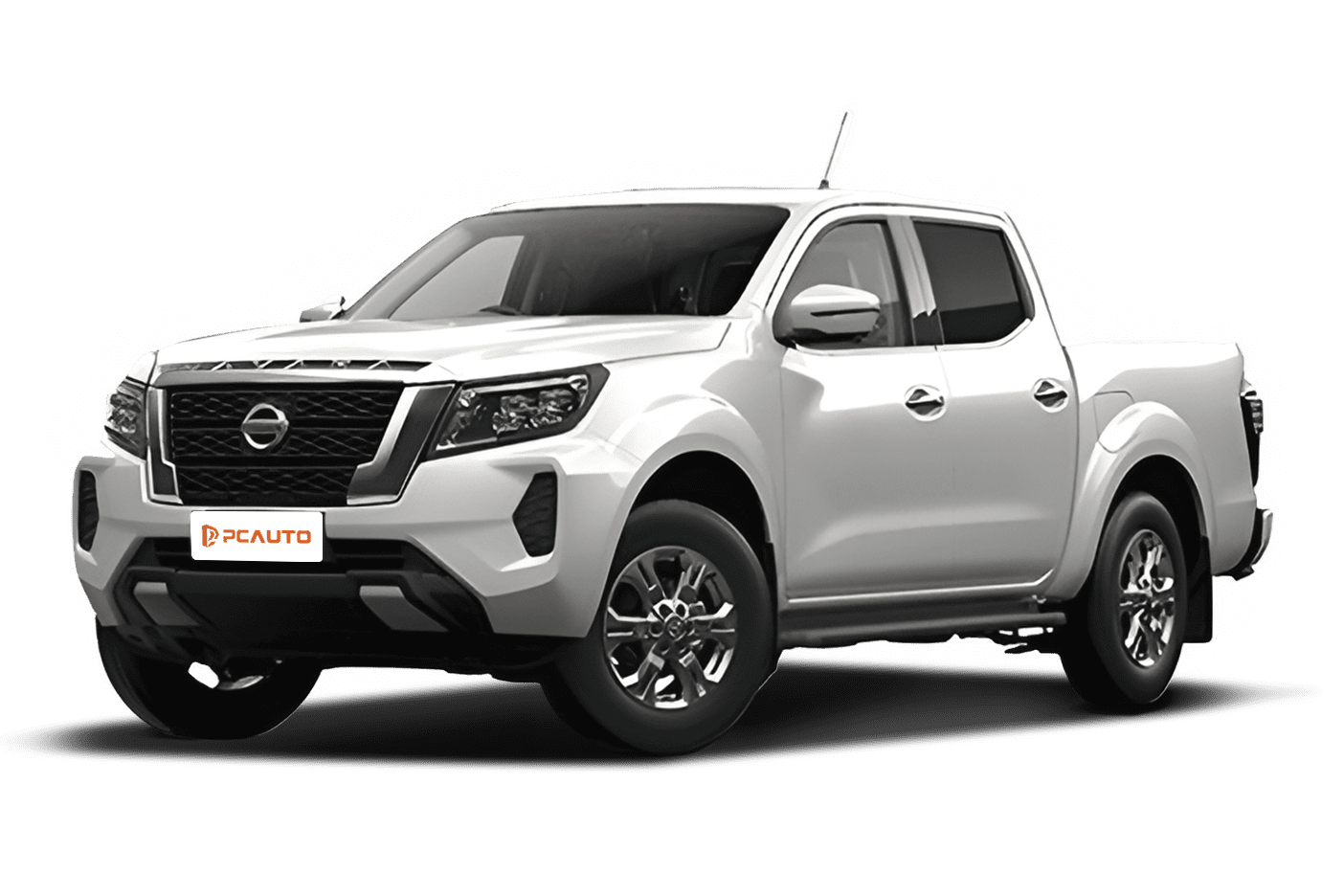
2023 Nissan Navara 2.5 VL Black Edition is a pickup truck that balances household comfort with light off-road capability, featuring exclusive black trims, a full suite of active safety features, and practical configurations, precisely catering to the needs of families and small business owners.
4
Rank in Pickup
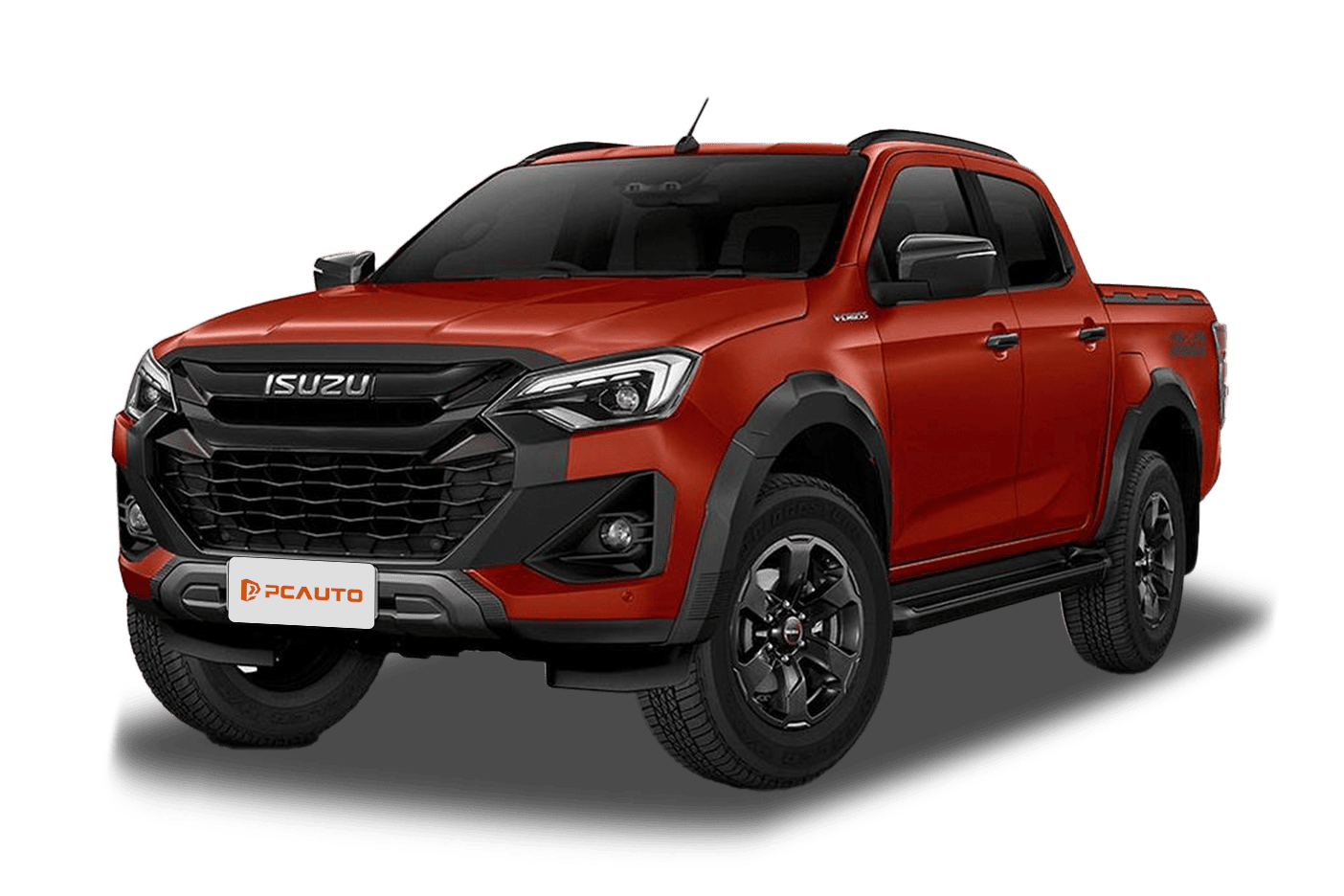
2025 Isuzu D-MAX 1.9L 4x2 Low Ride is an entry-level passenger pickup, offering a balance of practical space, reliable diesel performance, and fuel economy, suitable for family transport and small business cargo needs.

2023 JMC Vigus Pro White Series 2.0L 4WD 8AT combines rugged design, practical features, and powerful diesel performance, balancing everyday durability and mild off-road needs, making it a high-value choice for pickup users.
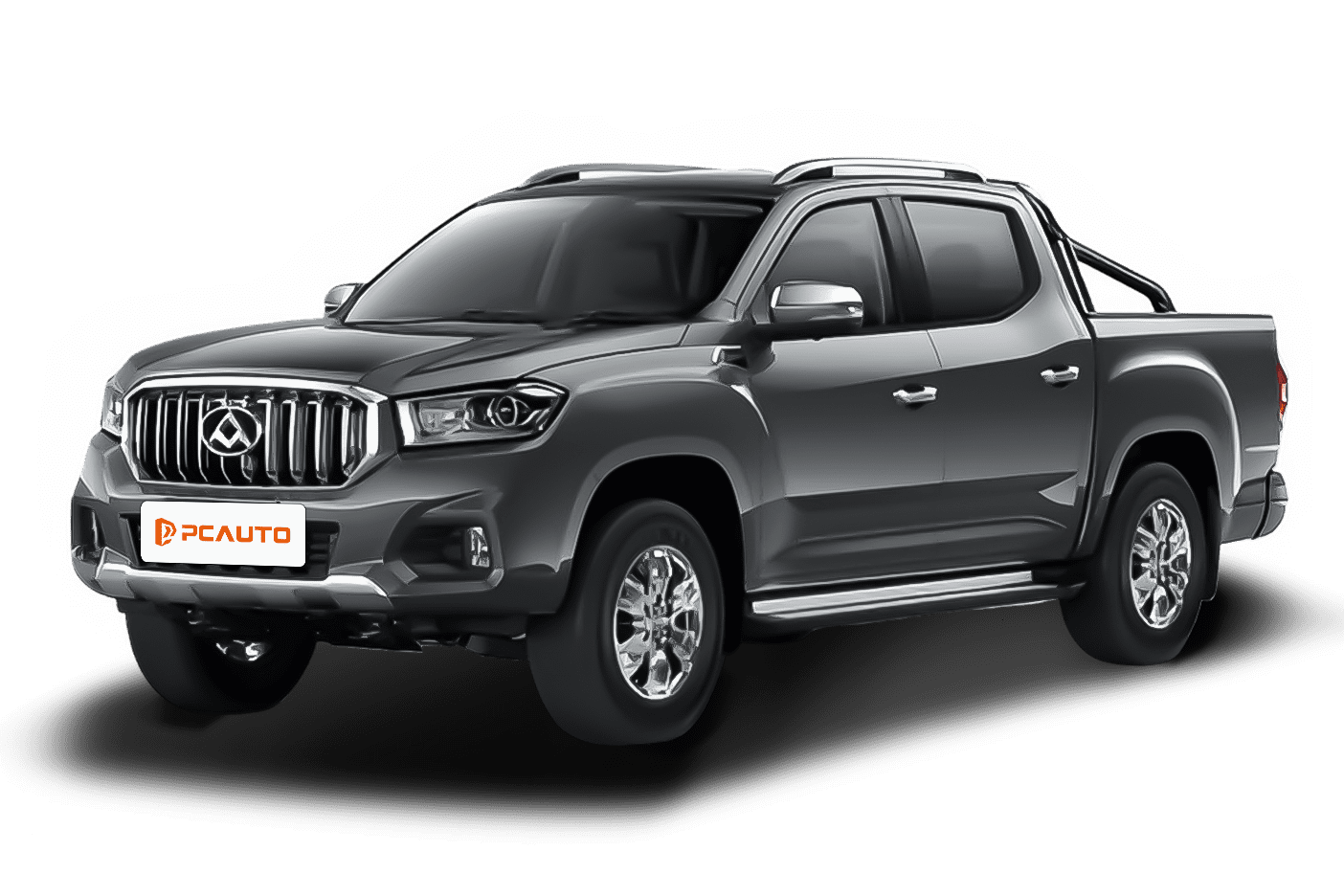
2022 Maxus T60 2.8L 4WD AT is a practical pickup truck that balances work and life. The strong diesel torque and 4WD capability meet cargo and off-road needs, while the premium features and spacious interior enhance daily comfort.