

Ford Ranger 2019 Review

 Share
Share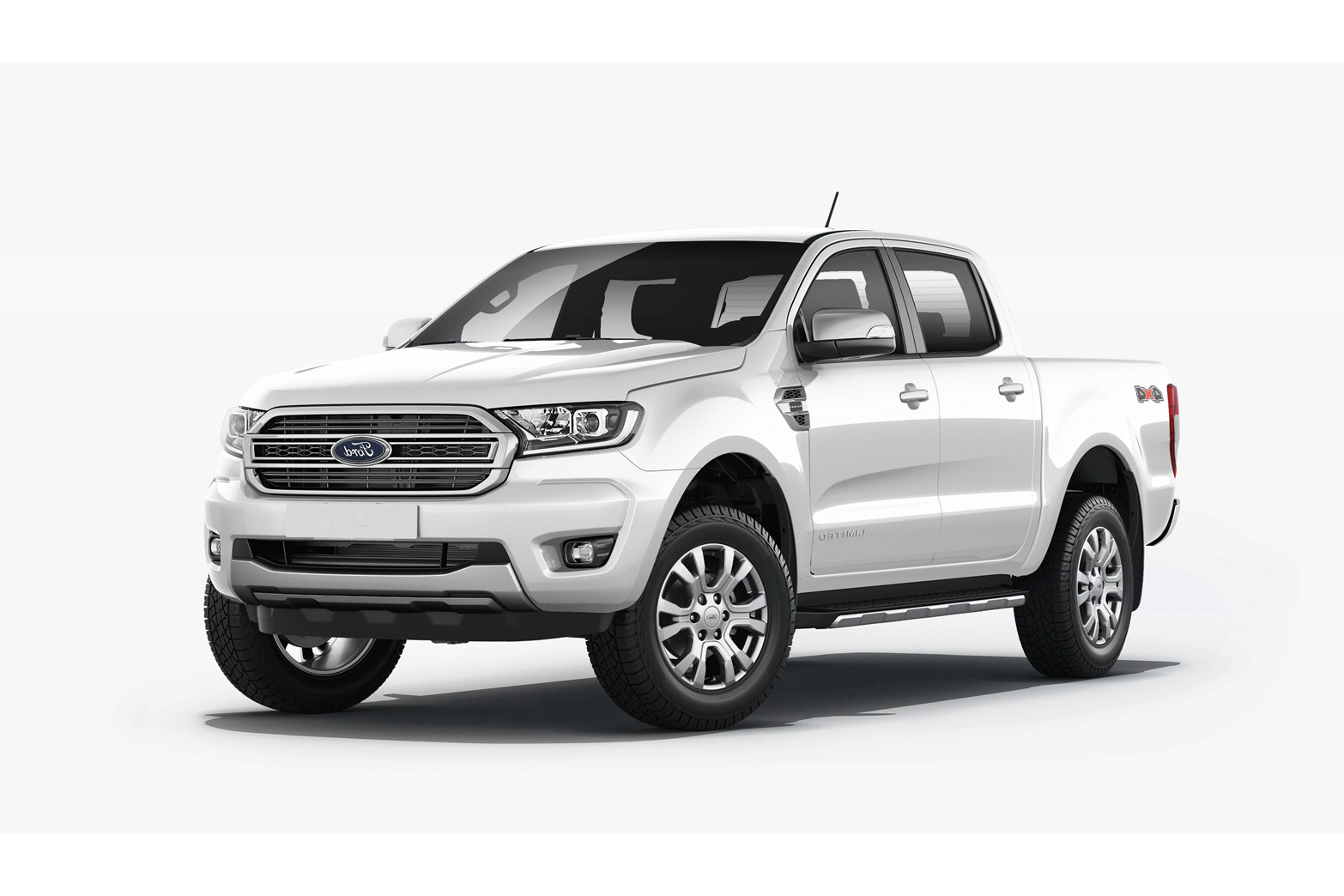
 Segment
 Body Type
 Engine Power(PS)
 Capacity(L)
 Engine Torque(Nm)
 Transmission
In recent years, Malaysia's pickup truck market has been steadily growing, with an evident increase in demand from families and commercial users for vehicles that balance practicality and comfort. This has brought mid-range passenger-oriented pickup trucks into the spotlight. The 2019 Ford Ranger 2.0L XLT Limited Edition is specifically designed to target this niche market. Its key selling points are richer configurations compared to the base model and reasonable pricing. This test drive will focus on evaluating its static features for daily use and dynamic performance to see if it meets both passenger and cargo needs.
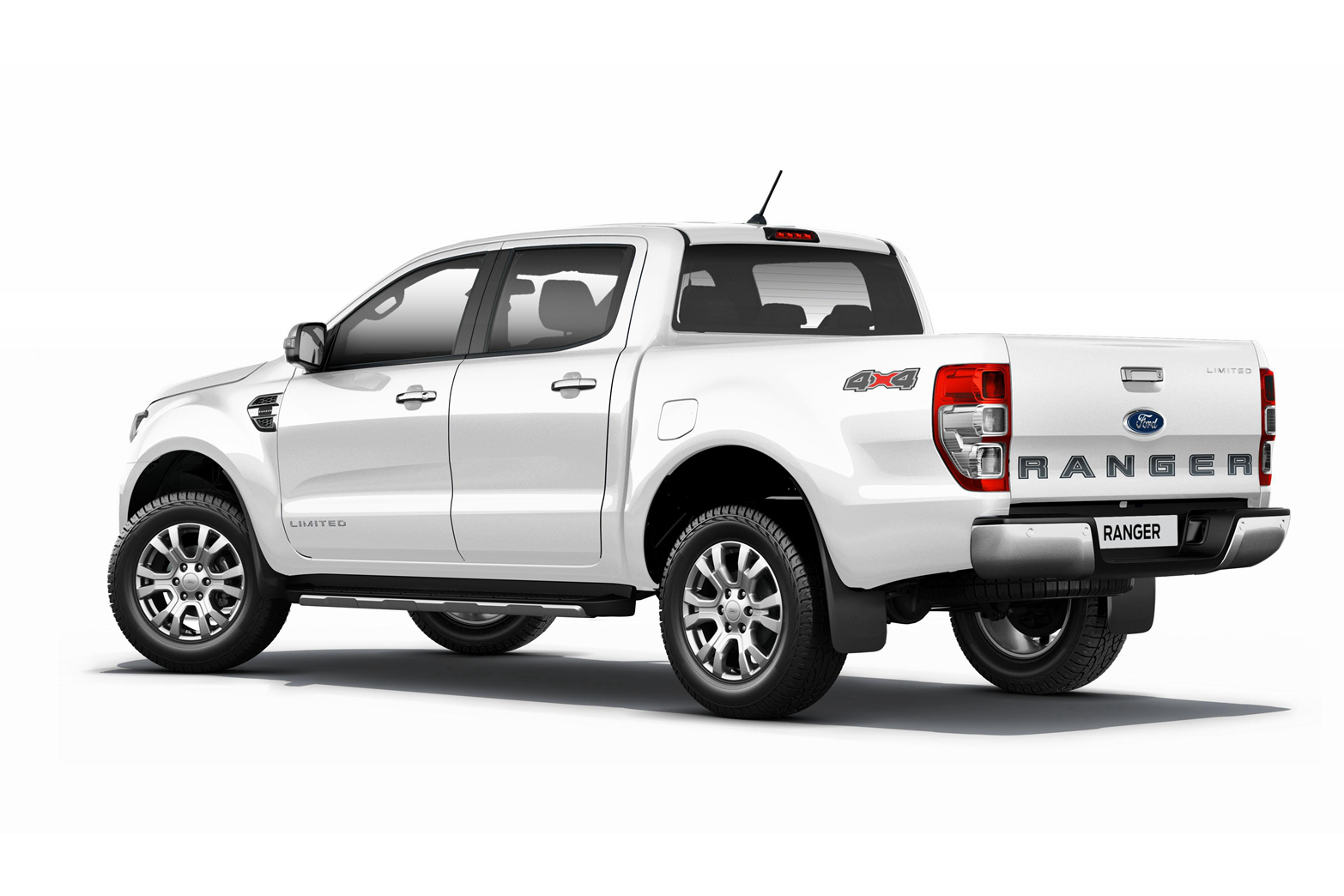
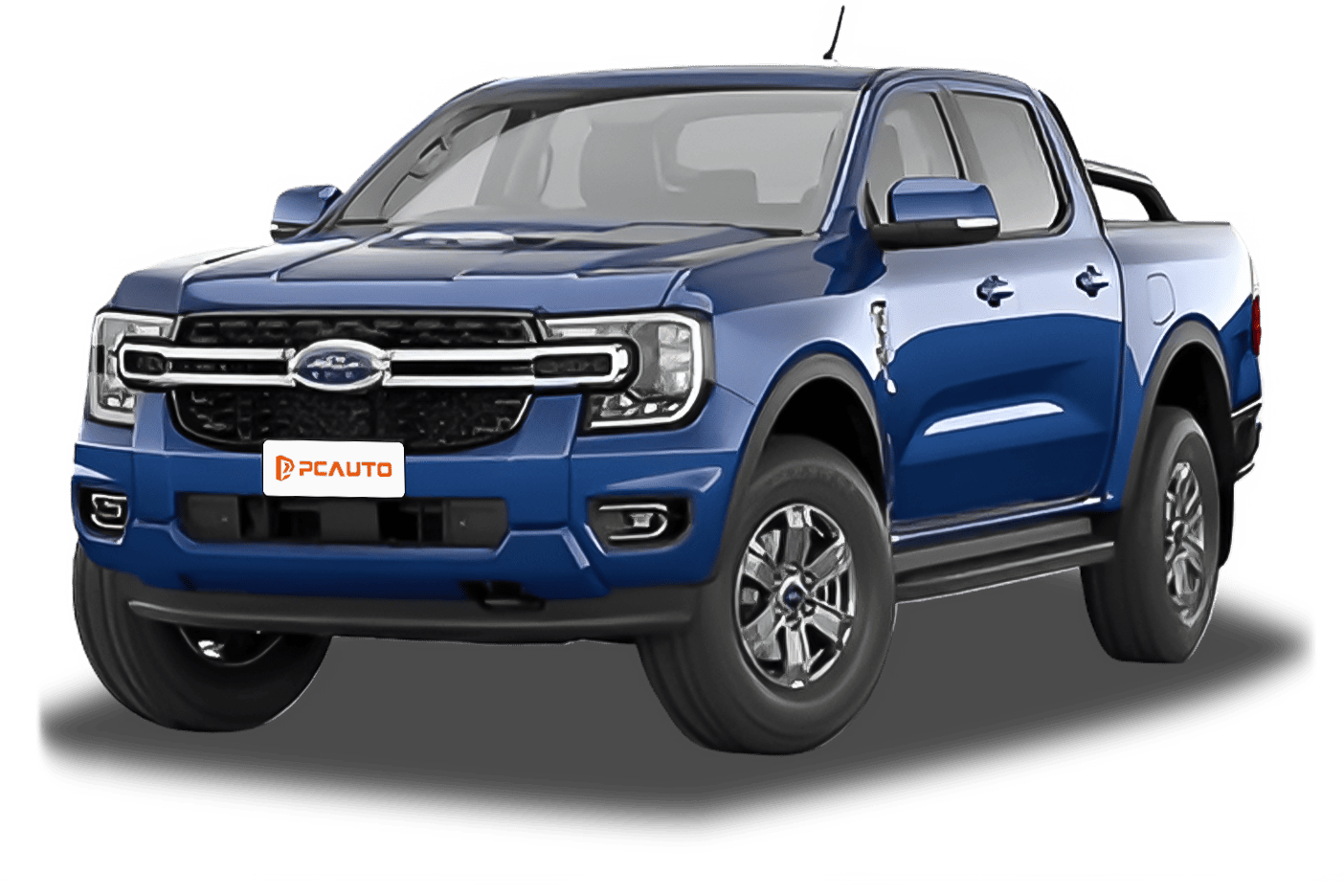
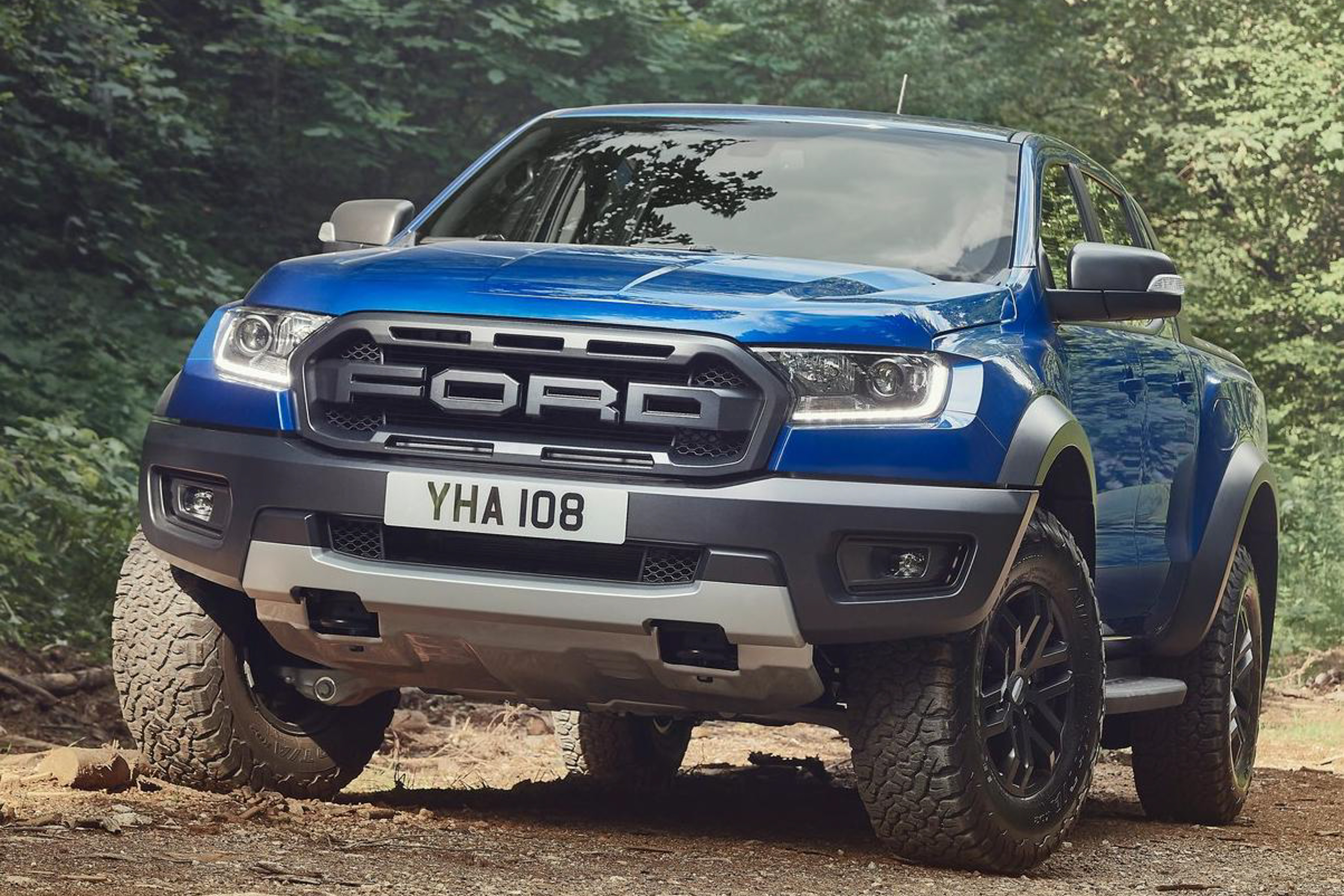
From an exterior perspective, this Ranger XLT Limited Edition retains the iconic rugged style of pickup trucks but enhances its recognition with exclusive design details. The front fascia features a large trapezoidal grille, adorned with black honeycomb-style trims, flanked by sharply designed LED daytime running lights. The standard fog lights are embedded on both sides of the lower bumper. Overall, the visual effect appears more refined than the standard version. The side profile features straight lines, and the 18-inch alloy wheels paired with 265/60 R18 tires ensure passability while enhancing the strength of the side view. The addition of wheel arches and side steps not only improves practicality but also creates a more balanced body proportion. At the rear, the vertically arranged tail lamps echo the front-end design, while the OEM-installed roll bar and chrome trim on the bed are exclusive to the Limited Edition. The rear bumper integrates parking sensors, balancing safety and aesthetics.
Upon entering the cabin, the interior design focuses on practicality, but the materials and configurations are an upgrade from the base model. The dashboard is covered in soft-touch foam material and accented with silver trims. While the overall design leans towards ruggedness, the tactile experience of the reachable areas does not feel cheap. The center console is equipped with a 3.8-inch touchscreen that supports Bluetooth connectivity and basic multimedia functions, with a straightforward and user-friendly operation logic. Below it, the physical buttons are neatly arranged, and the air conditioning adjustment knobs have moderate resistance, making them easy to operate by touch alone. The seats are upholstered in fabric material, with the front seats offering manual multi-directional adjustments and decent lateral support, making long drives less fatiguing. Although the backrest angle of the rear seats is slightly upright, the legroom can comfortably accommodate passengers of 175 cm in height, and the middle floor hump is not too high, making it not overly cramped for three temporary passengers. In terms of storage space, the door panel storage slots, the center armrest box, and the front cup holders provide sufficient capacity for daily use. Additionally, there is a hidden storage compartment underneath the rear seats for storing small items conveniently.
In terms of powertrain, this model is equipped with a 2.0L turbocharged gasoline engine, delivering a maximum power output of 180PS, paired with a 6-speed automatic transmission. During actual driving, the power response at start-up is smooth. Once the turbo kicks in (around 1800 rpm), there is a noticeably strong torque output, allowing for easy overtaking in urban traffic or climbing hills. When stepping hard on the throttle, the transmission quickly downshifts, providing seamless power delivery, which fully meets the daily needs of passenger transport or light cargo hauling. On highways, the acceleration weakens slightly after the speed exceeds 100 km/h, but when cruising at 120 km/h, the engine RPM stabilizes at around 2200, and the noise control is acceptable. In terms of handling, the steering wheel provides moderate resistance, and its precision is among the best in the pickup segment. Despite the relatively long body, lane changes and U-turns do not feel cumbersome. The chassis adopts a double-wishbone front suspension and leaf spring rear suspension structure. The suspension is tuned to be firm, effectively filtering out minor vibrations on rough roads. However, rear passengers may experience noticeable bouncing. On the other hand, during high-speed driving or cornering, the firm suspension provides sufficient support, keeping body roll within a reasonable range.
In terms of fuel economy, after comprehensive testing in urban congested areas and highway sections, the fuel consumption is approximately 10.5L per 100 km. Considering its 2.0T displacement and four-wheel-drive system, this performance is considered mid-level among pickups in the same class. Noise control performs well, with tire noise and wind noise not noticeable below 60 km/h. During highway cruising, engine noise slightly enters the cabin but does not affect normal conversations. Regarding seat comfort, the front seats are moderately firm and provide good lumbar support. Although the rear seats are generally less supportive, they can still remain comfortable for long-distance rides of 1-2 hours.
Overall, the core advantage of the 2019 Ford Ranger 2.0L XLT Limited Edition lies in its balance — richer configurations compared to the base model, adequate power, and a solid chassis. Meanwhile, the pricing of 138,888 RM offers a better cost-performance ratio compared to the Toyota Hilux 2.4G Double Cab in the same class. It is suitable not only for small business owners who occasionally need to transport goods but also for families looking to go out on weekend trips, especially for consumers prioritizing practicality, who have certain configuration demands but a limited budget.
On the whole, this Ranger XLT Limited Edition has no particularly obvious shortcomings. Its static performance suits everyday usage scenarios, and its dynamic performance balances power and off-road capability. If you are looking for a pickup that can handle work needs and also meet family travel requirements, it is a worthwhile option to consider.
Ford Ranger Car Compare
Ford Ranger Loan Calculator
More Ford Reviews
Cars With Similar Price And Features
5
Rank in Pickup
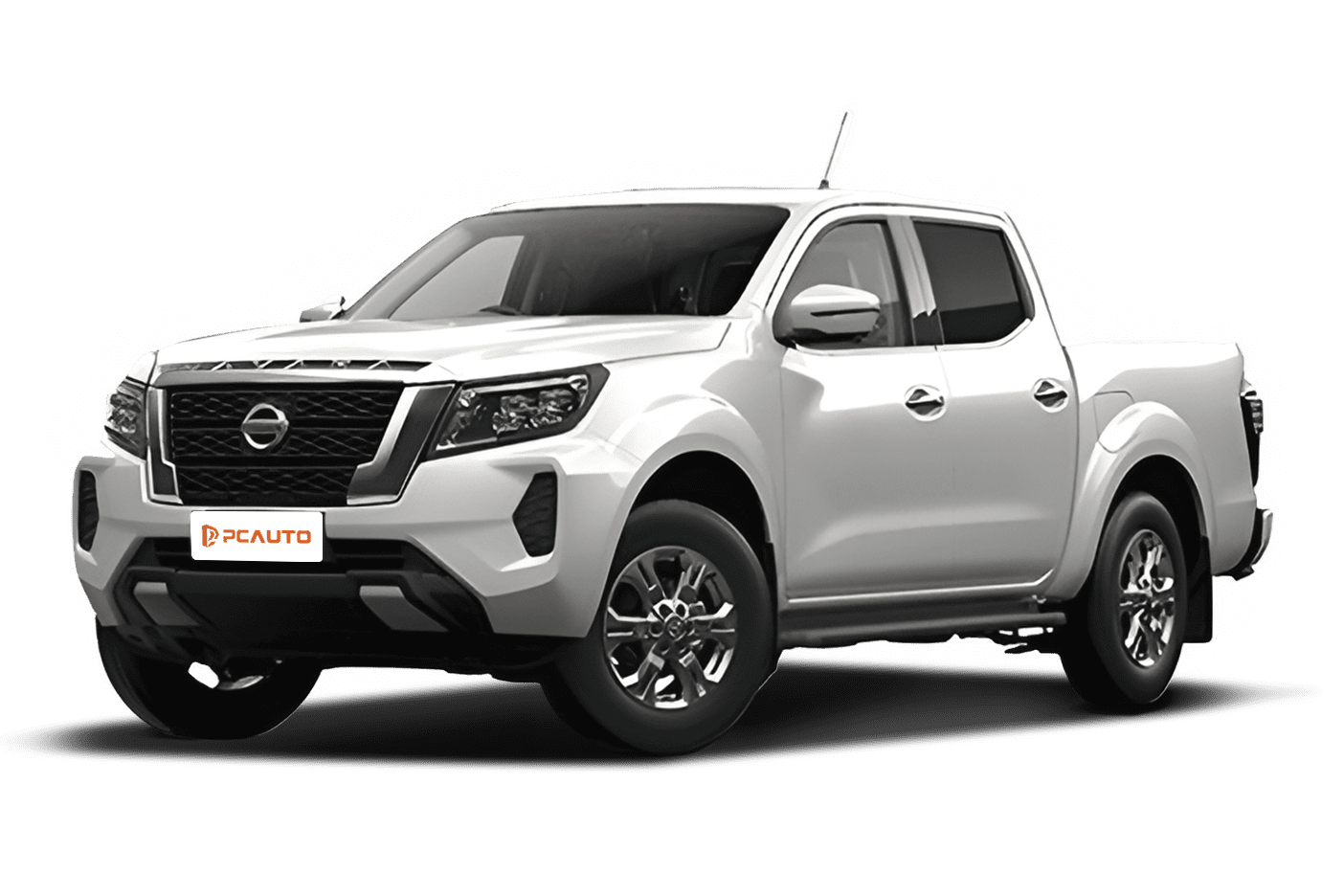
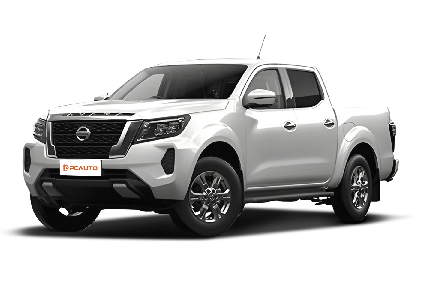
2023 Nissan Navara 2.5 VL Black Edition is a pickup truck that balances household comfort with light off-road capability, featuring exclusive black trims, a full suite of active safety features, and practical configurations, precisely catering to the needs of families and small business owners.
4
Rank in Pickup
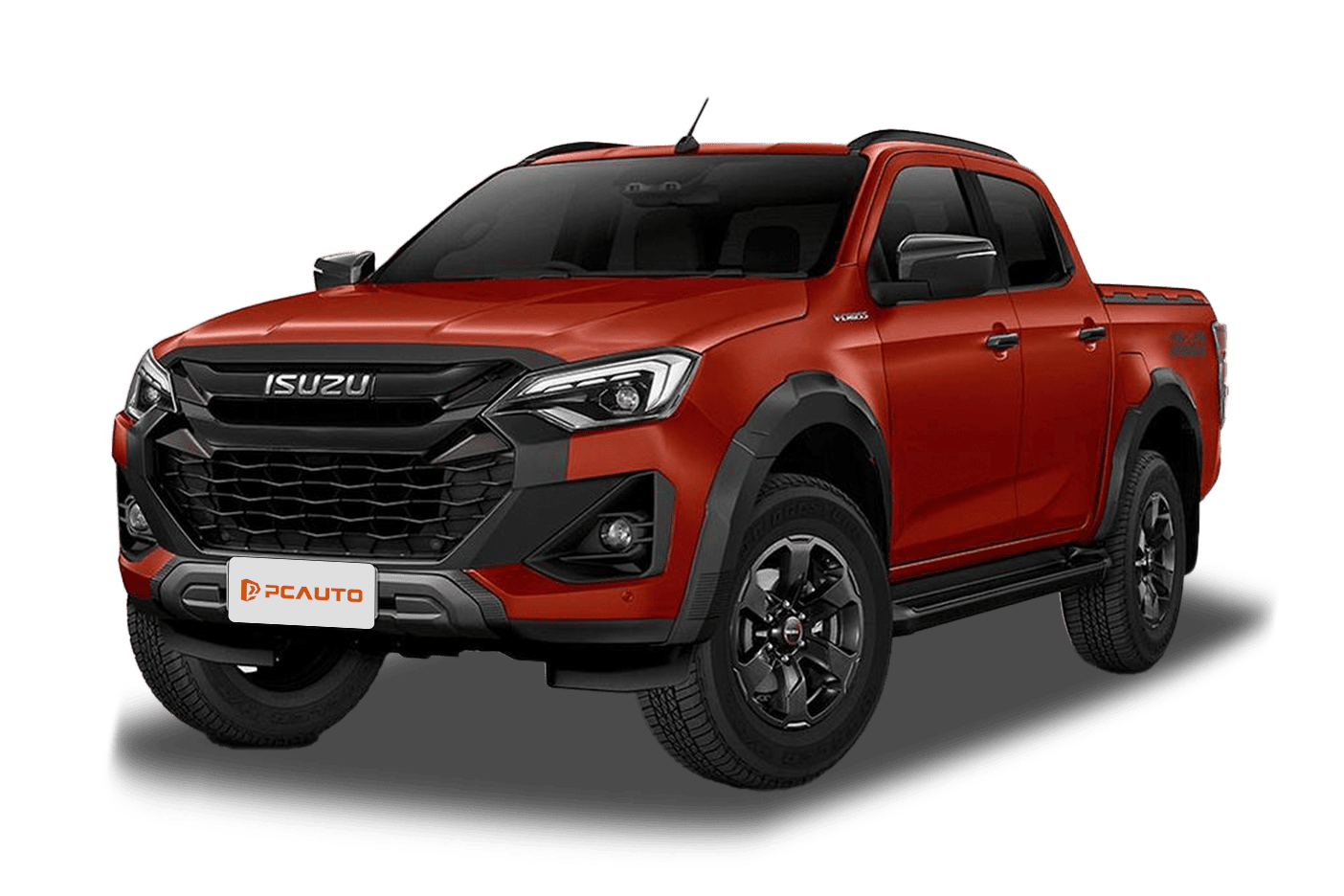
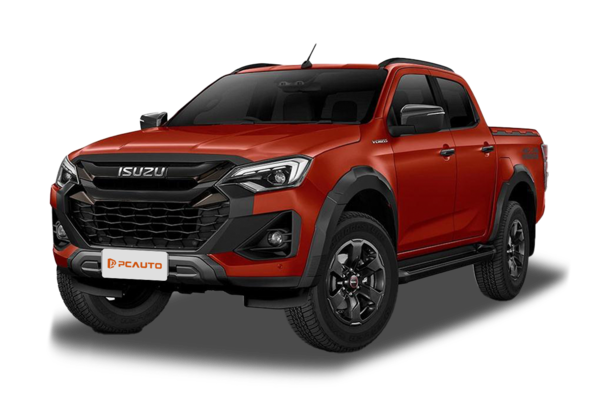
2025 Isuzu D-MAX 1.9L 4x2 Low Ride is an entry-level passenger pickup, offering a balance of practical space, reliable diesel performance, and fuel economy, suitable for family transport and small business cargo needs.

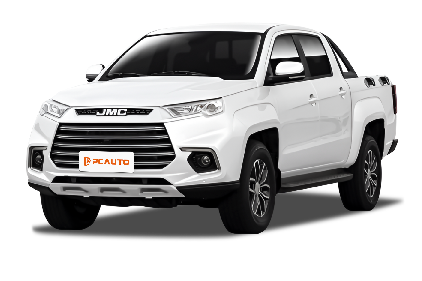
2023 JMC Vigus Pro White Series 2.0L 4WD 8AT combines rugged design, practical features, and powerful diesel performance, balancing everyday durability and mild off-road needs, making it a high-value choice for pickup users.
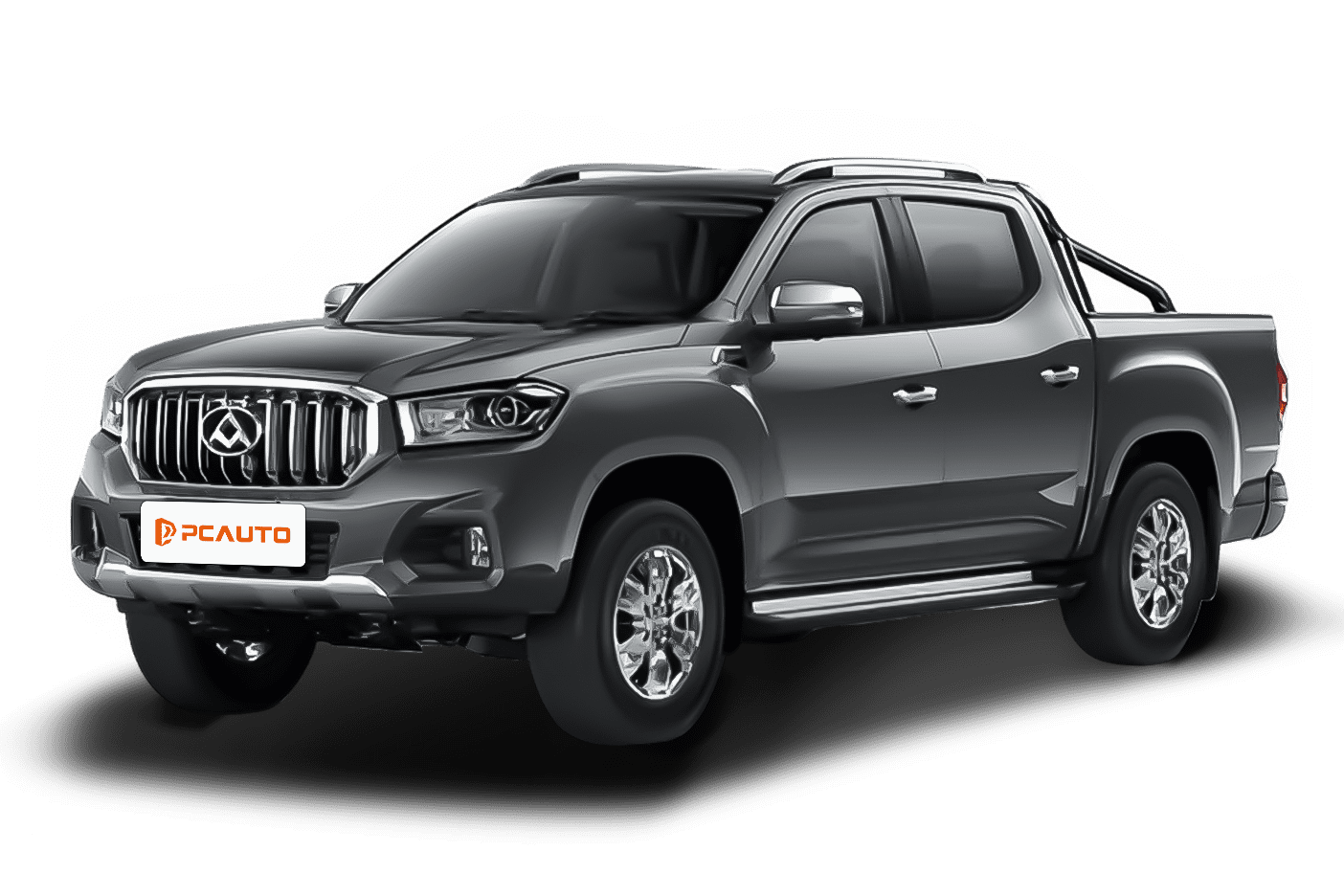
2022 Maxus T60 2.8L 4WD AT is a practical pickup truck that balances work and life. The strong diesel torque and 4WD capability meet cargo and off-road needs, while the premium features and spacious interior enhance daily comfort.