

Honda City 1.5L RS Review

 Share
Share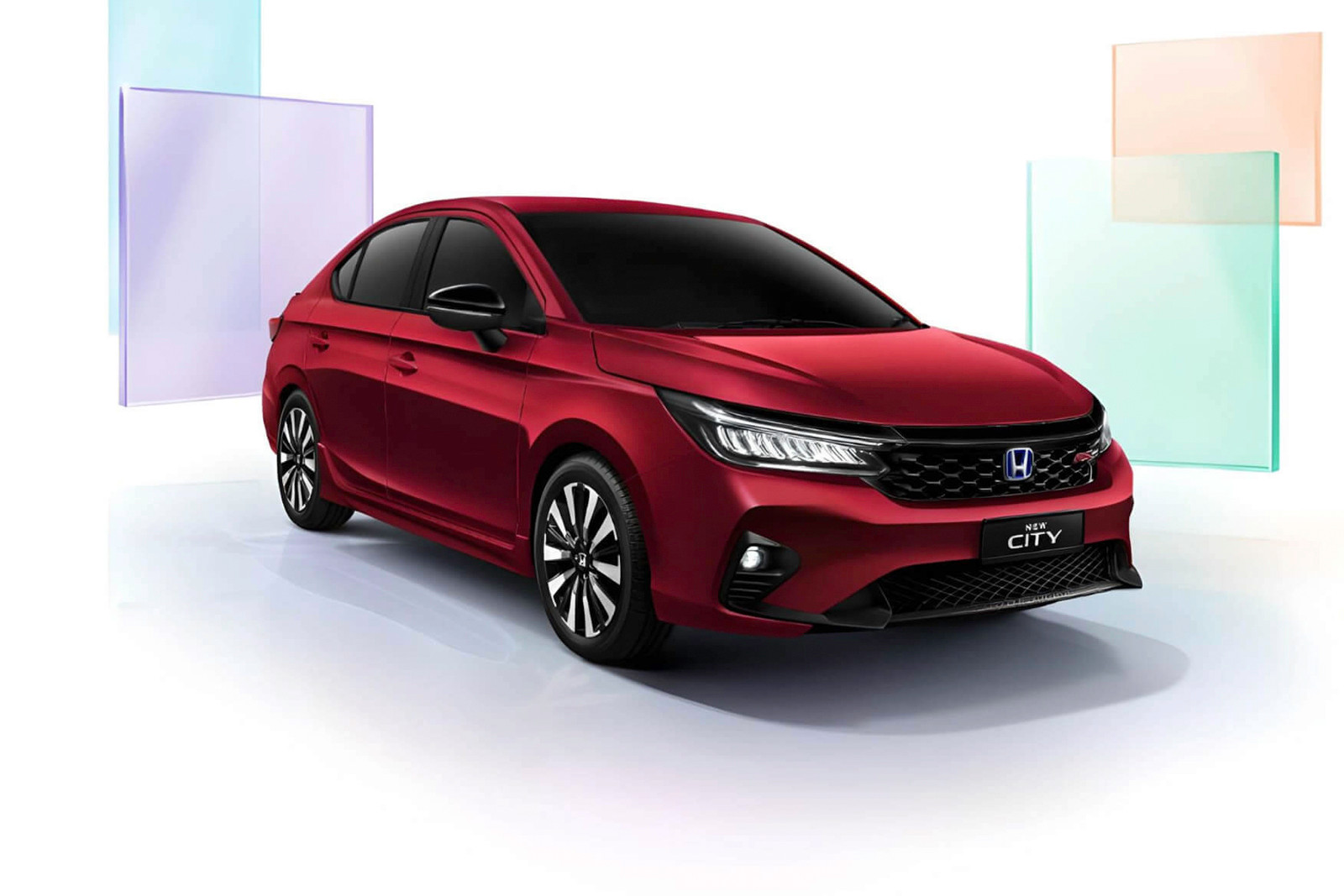
 Segment
 Body Type
 Capacity(L)
 Engine Power(PS)
 Transmission
 Driven Wheels
In Malaysia's B-segment sedan market, consumers increasingly demand a balanced offering — needing sufficient space for family use, without compromising on smart features, all within a reasonable price range. As an evergreen model in this segment, the 2023 Honda City 1.5L RS version comes with enhanced features and an RS sporty kit, promoting itself as "a no-compromise family car with delightful details." We've got our hands on a test car this time to see how it performs in daily commuting and family outings and whether it truly lives up to the positioning of "an all-round family car."
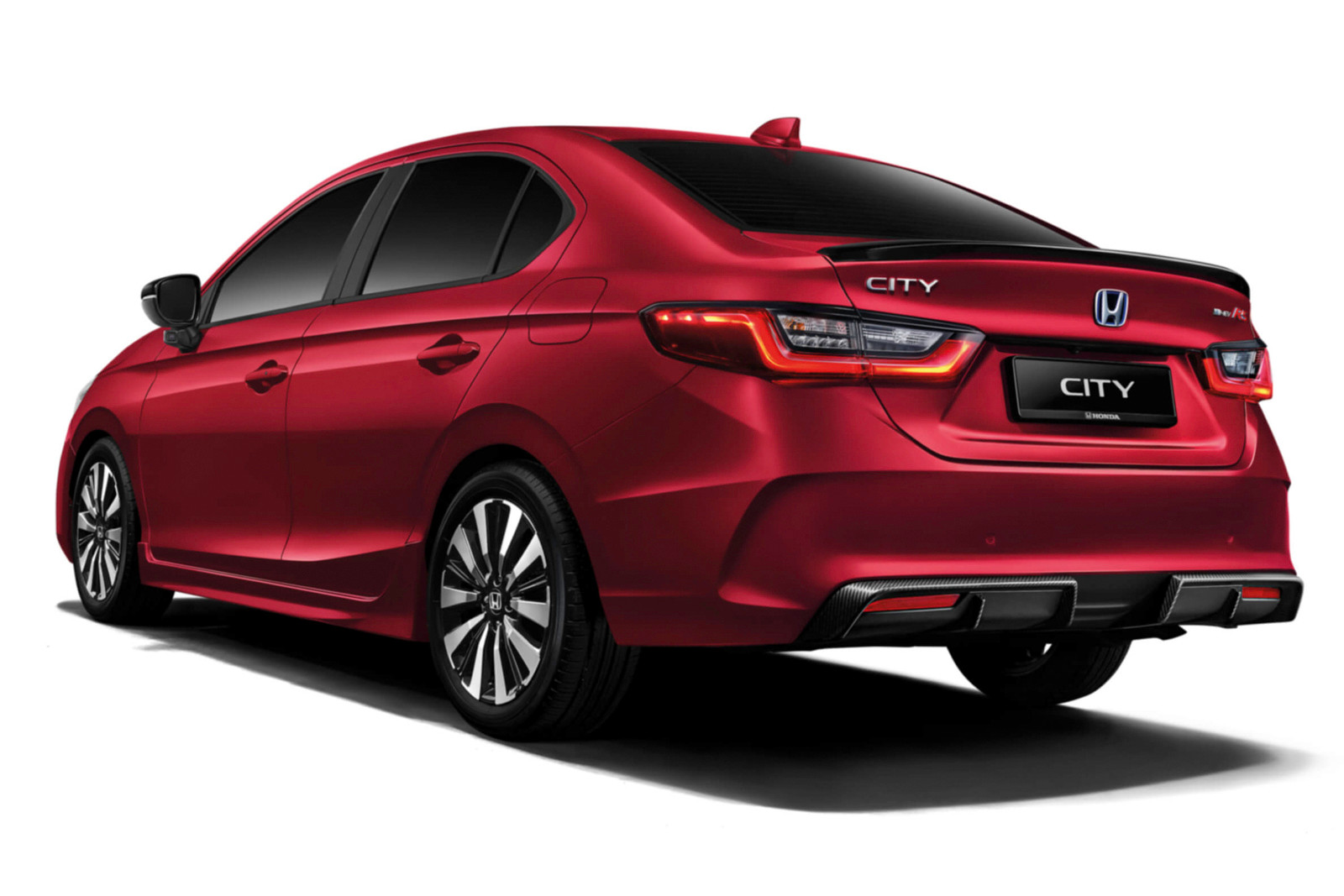
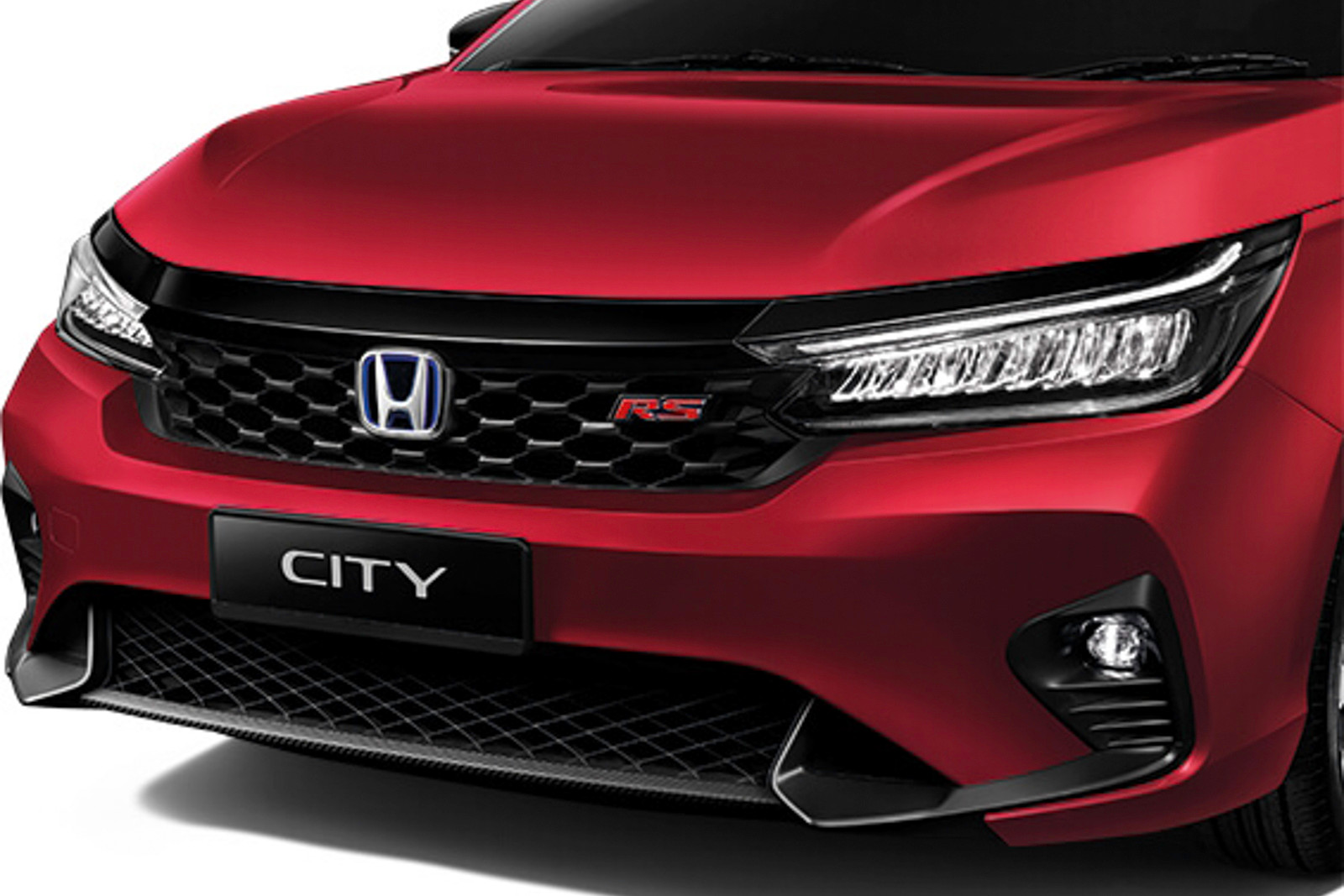
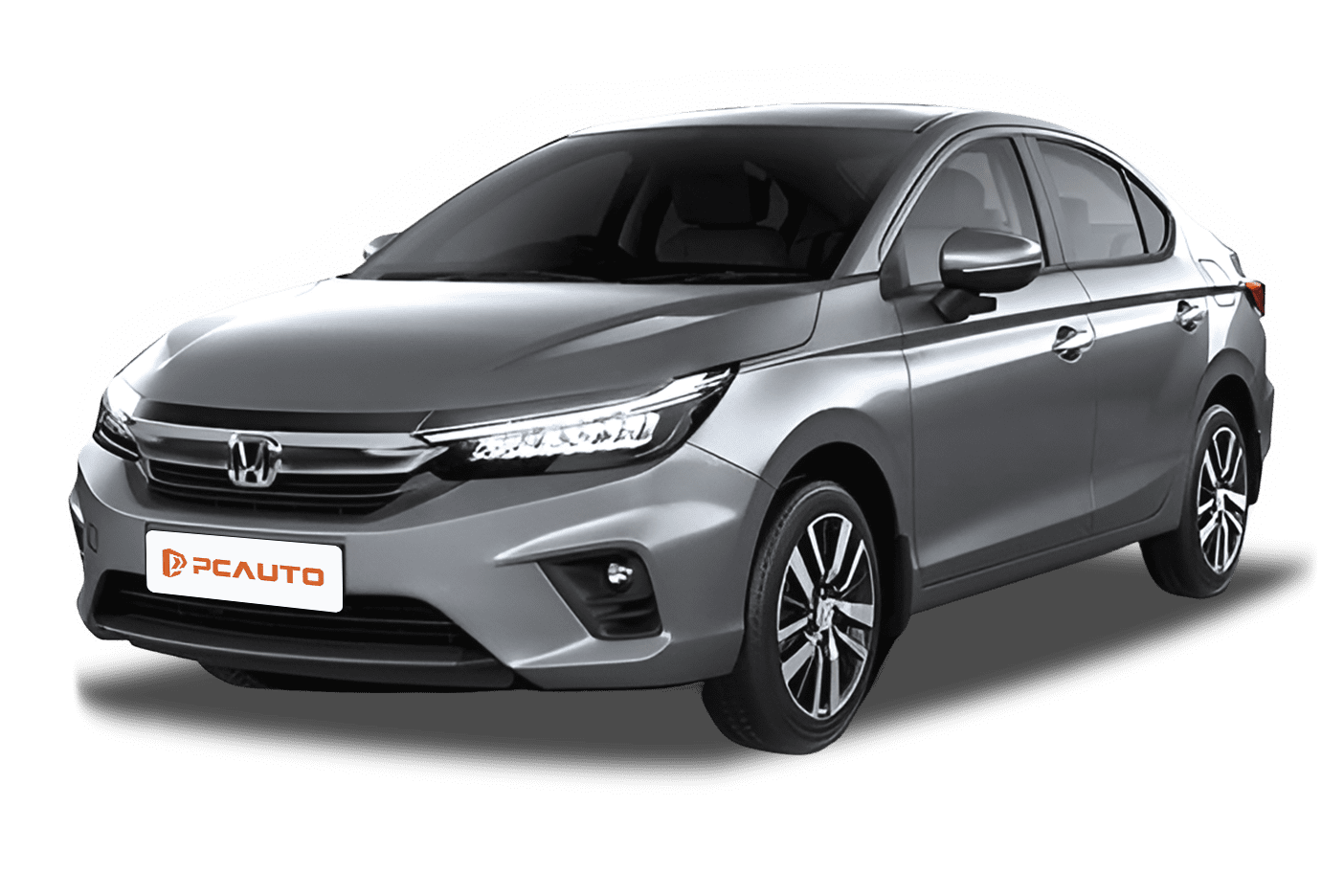
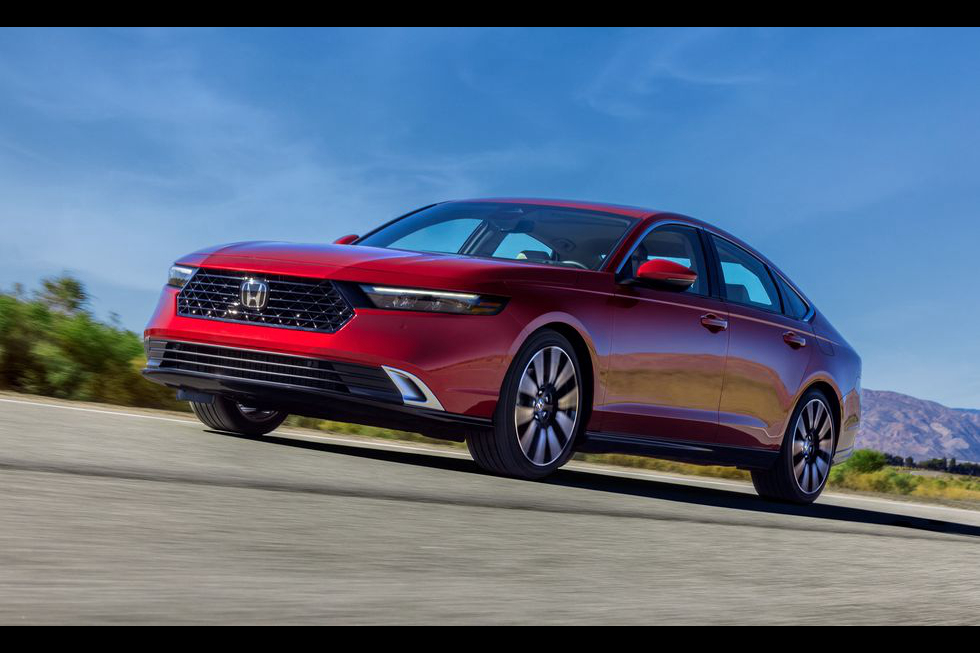
From the exterior, the sporty feel of the City 1.5L RS is more apparent compared to the standard version. The front features a black honeycomb grille paired with an RS-exclusive red front lip trim, giving it high recognizability. The side of the car has smooth lines, with 16-inch black multi-spoke wheels and a slightly upturned waistline, making the car look less "family-oriented." The LED taillights at the rear have a through-type design, providing a noticeable effect when lit. A small spoiler on the trunk lid and a black diffuser decoration at the bottom further enhance its sporty attributes. The lighting system comes equipped with full LED setups across the board, including headlights, taillights, and fog lights, ensuring sufficient night-time illumination and safety during daily drives.
Stepping inside, the interior layout maintains Honda’s consistent practical style. The RS version incorporates black leather seats with red stitching. The side bolsters on the seats offer slight support, enhancing the sporty feel. The 8-inch touchscreen at the center console is the main feature, supporting Apple CarPlay and Android Auto; its operation is smooth, though the screen angle may cause slight reflections, requiring adjustments to seating posture, especially in bright sunlight. In terms of features, this car is generously equipped: adaptive cruise control (ACC), lane-departure warning, and forward-collision warning are all standard, making highway commutes less tiring. The front row has one USB port and a 220V power outlet, while the rear row includes air conditioning vents and a USB charging port, catering to the entire family’s charging needs. For storage, door panel pockets can hold two bottles of water, the central armrest box is sufficiently deep, and the trunk has a capacity of 519 liters, enough to fit two 28-inch suitcases and a few backpacks. The rear seats support 60:40 split-folding, which comes in handy for carrying larger items occasionally.
The spatial performance meets mainstream standards for the B-segment category, with a 2600mm wheelbase. After adjusting the front seats to the ideal position, the rear legroom still provides about two fists of space, ensuring no cramp for passengers up to 175cm tall. Although the seats are manually adjusted, they offer good support, making long rides less tiring. Notably, the rear floor hump is low, allowing middle passengers to place their feet comfortably, which is very user-friendly for family use.
For the powertrain, the 1.5L naturally aspirated engine delivers a maximum output of 121PS and a torque of 145N·m, paired with a CVT transmission. The car has a smooth and light take-off, with linear throttle response, ensuring no jerking when following traffic at low speeds in the city. After accelerating to 80km/h, the power output becomes more stable, and overtaking requires deeper throttle input. The transmission simulates gear shifts, but there isn’t a strong push-back sensation. There are two driving modes: normal and sport. In sport mode, the throttle response becomes more sensitive, but the overall power performance still leans towards family usage. The chassis tuning is comfort-oriented, with a front MacPherson strut and rear torsion beam setup. It absorbs small bumps and speed bumps in the city quite well, though larger potholes result in noticeable vibrations for rear passengers. The steering is precise with little play, body roll during turns is kept within a reasonable range, and the car remains stable at high speeds without feeling floaty.
The fuel consumption performance meets expectations. The official combined fuel consumption is 5.6L/100km. In our actual tests, it was about 6.5L under congested urban conditions, and could drop below 5L with steady highway driving. The fuel tank capacity is 40L, giving a full tank range of approximately 700km, which is sufficient to refuel once a week for daily commuting. As for noise control, tire and wind noise are not prominent at speeds below 60km/h in urban areas; at 120km/h on the highway, wind noise becomes slightly more noticeable but does not interfere with in-car conversations. The braking performance is standard, with a moderate pedal travel distance. The initial braking force is adequate, and during emergency braking, the vehicle’s posture remains stable without significant nosediving.
Overall, the core advantages of the City 1.5L RS are clear: it is well-equipped, has comprehensive safety features, sufficient space, and economical fuel consumption. Compared to its class rival, the Toyota Vios, it offers richer features at a similar price; compared to the Proton Persona, it has superiority in brand reliability and resale value. This car is suitable for family users who prioritize balance—it is fuel-efficient for daily commuting, spacious enough for family outings, equipped with comprehensive safety features, and can even cater to occasional sporty driving desires. If you don't require extreme power and are looking for a "worry-free, adequate, and well-rounded" family car, the City 1.5L RS is a great choice.
Honda City Car Compare
Honda City Loan Calculator
Cars With Similar Price And Features
6
Rank in Sedan
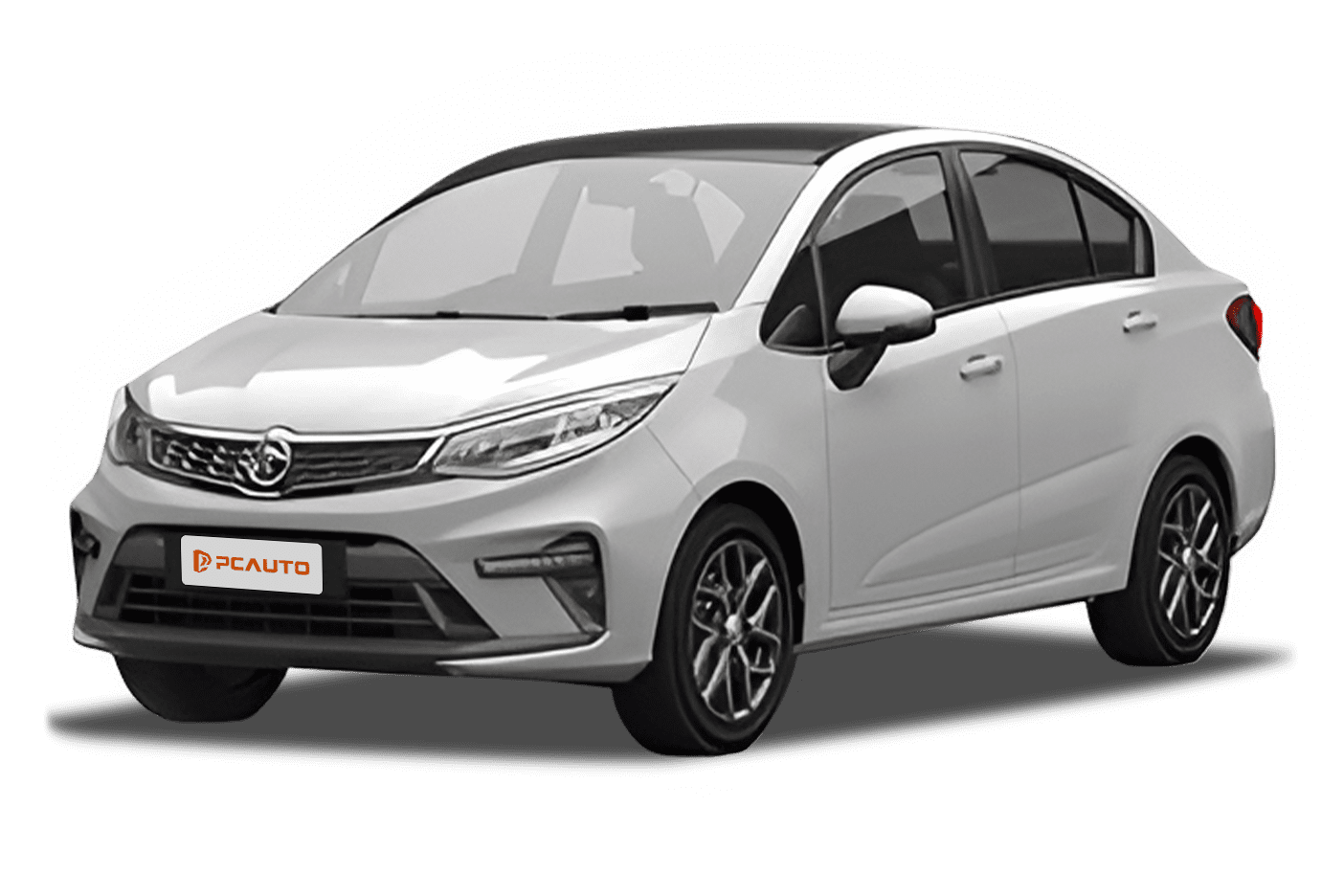
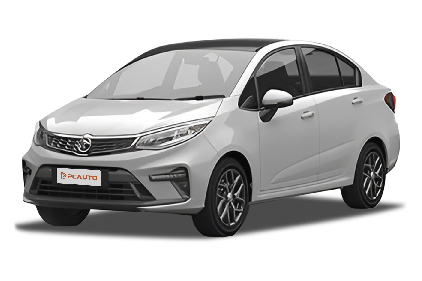
2023 Proton Persona 1.6 Standard CVT is an affordable, safety-configured entry-level family sedan with practical space, balancing daily commuting and family needs.
18
Rank in Sedan
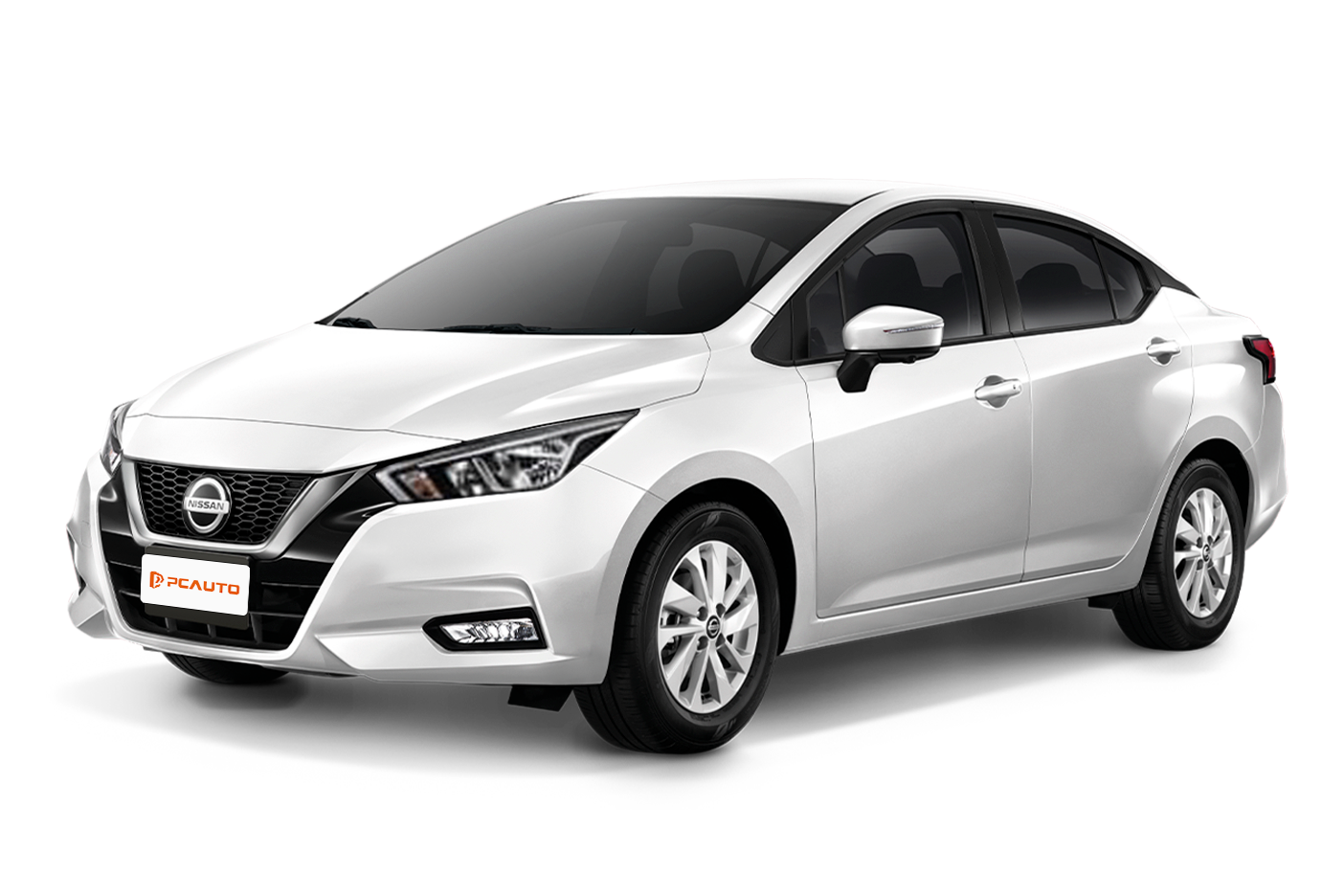
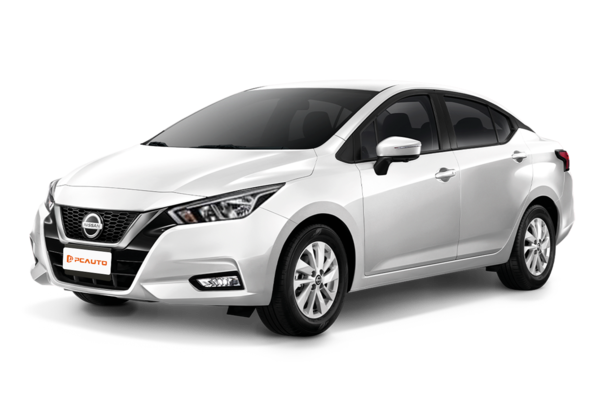
The 2024 Nissan Almera 1.0L Turbo VL is an affordable, practical, fuel-efficient, and well-equipped mid-size family sedan designed for consumers who value hassle-free commuting and family needs.
5
Rank in Sedan
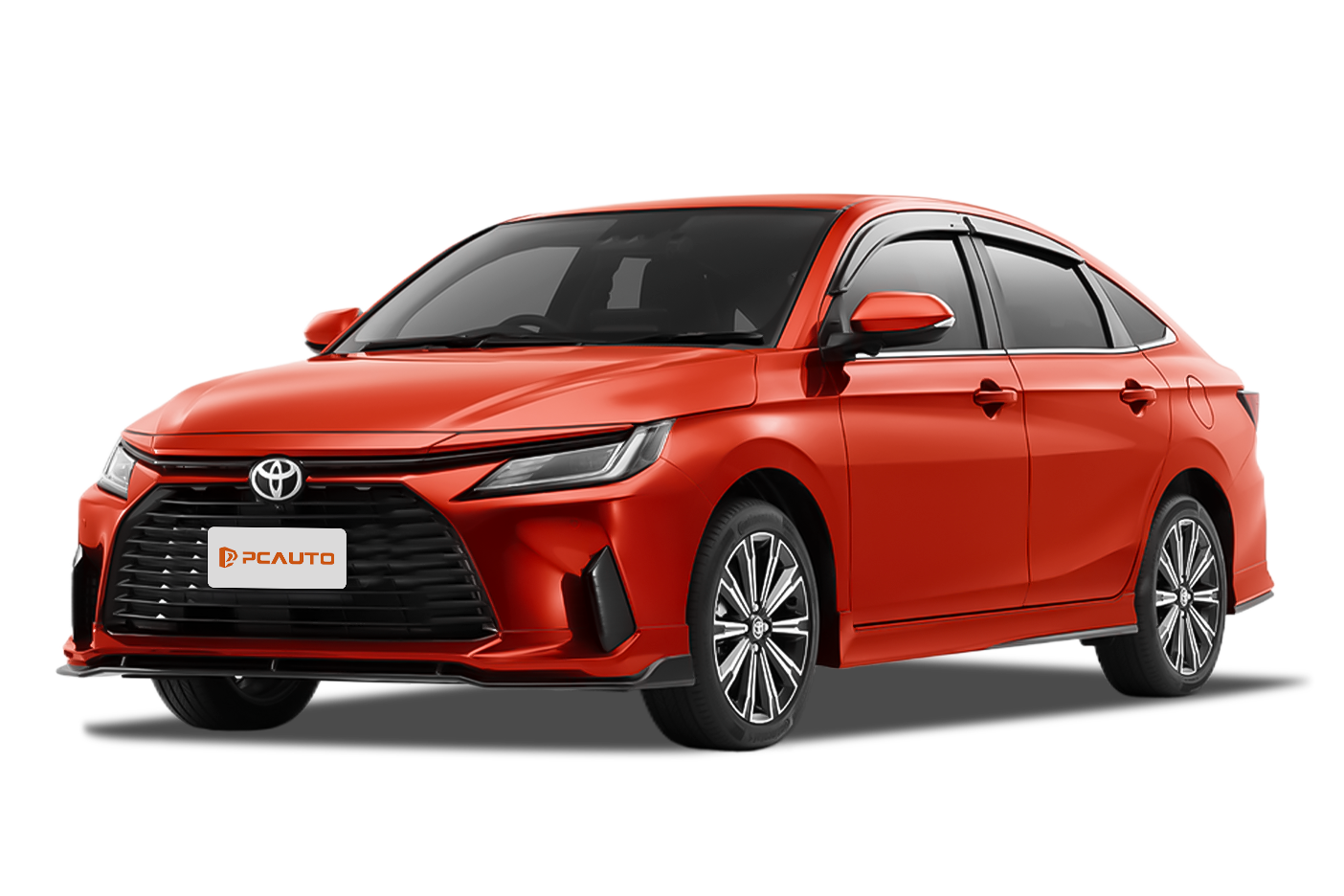
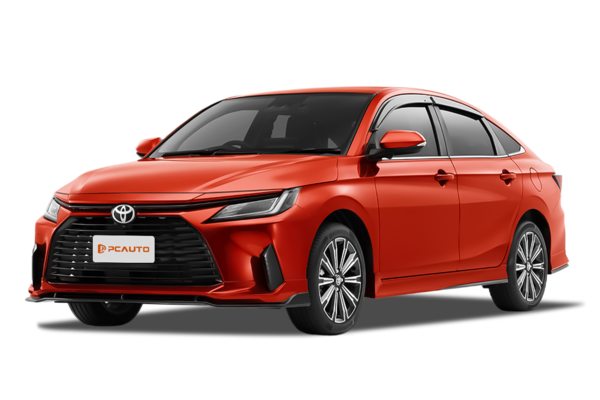
2023 Toyota Vios 1.5E AT, as a mid-range model in the facelift, with features such as the TSS Intelligent Safety System, HUD, and other high-end features being made available, along with balanced space and fuel efficiency, making it a high-value B-segment sedan choice in Malaysia.
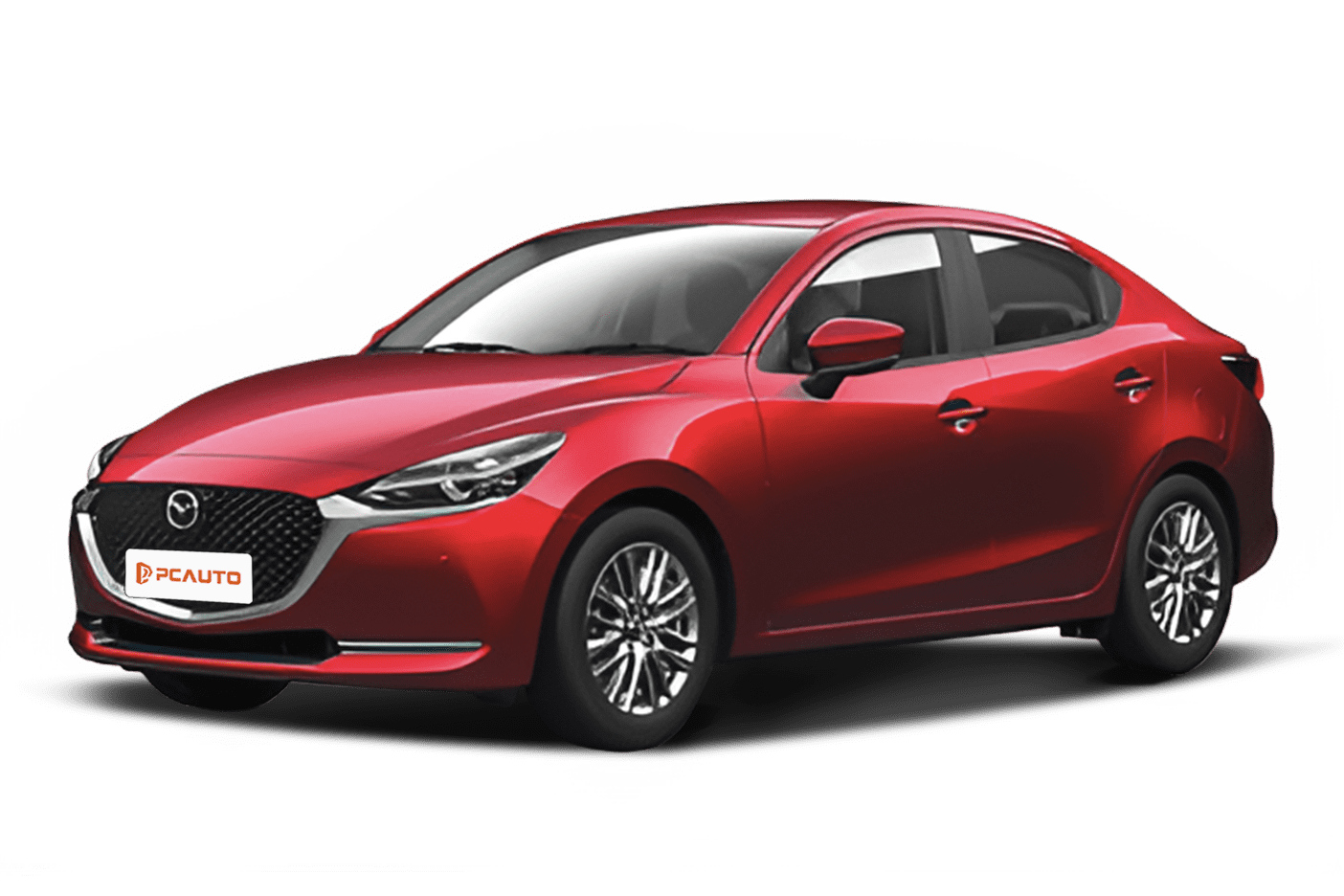
2023 Mazda 2 Sedan 1.5L is a family sedan that balances driving dynamics and practical features, with a price slightly over 100,000 MYR, making it suitable for urban commuting needs.