

Honda City 2009 Review

 Share
Share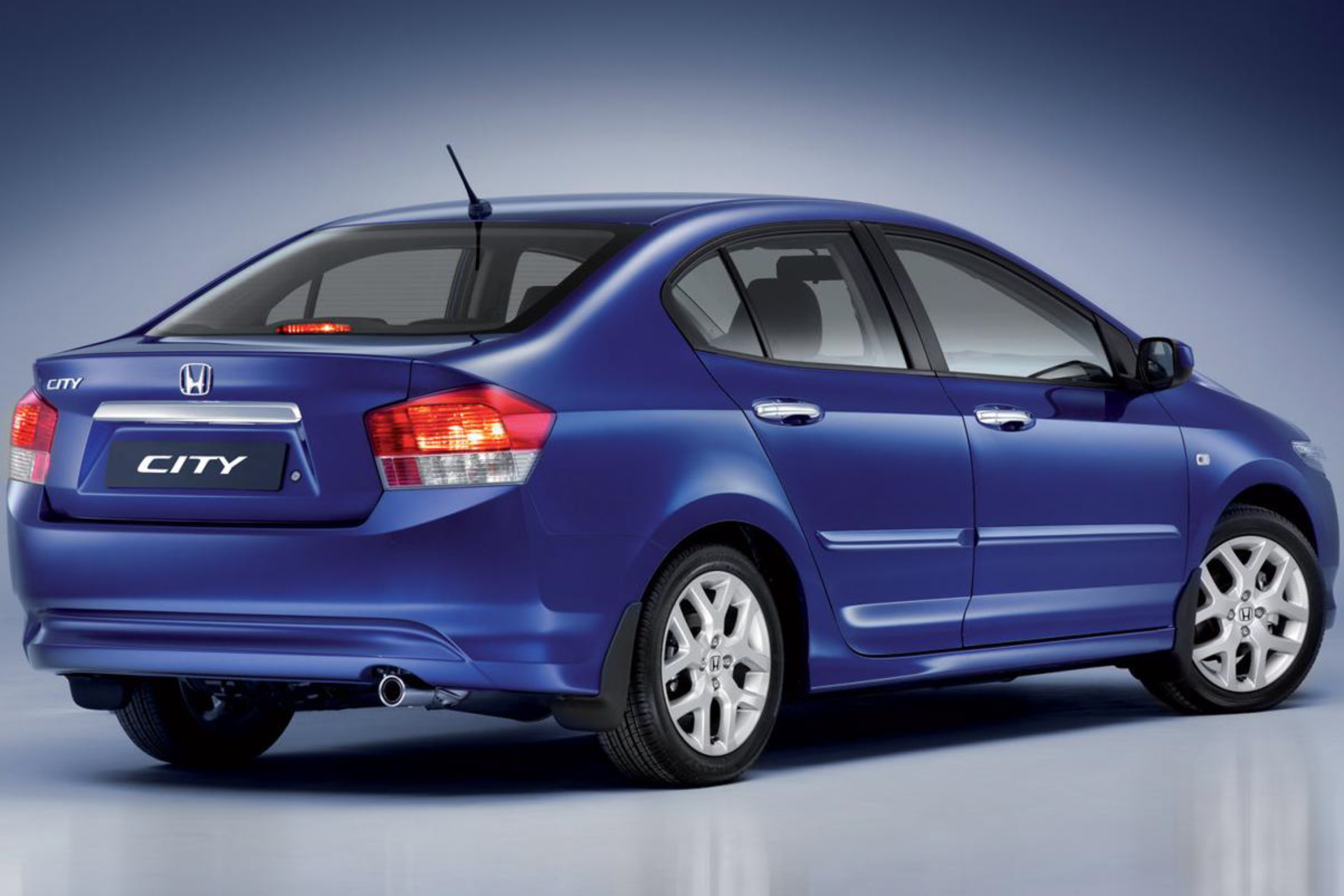
 Body Type
 Segment
 Capacity(L)
 Engine Power(PS)
 Engine Torque(Nm)
 Transmission
The compact sedan market in Malaysia has always been a hotly contested battleground for family cars, where consumers prioritize space practicality, fuel efficiency, and reliability. The 2009 Honda City, as a popular choice in this segment, has long been among the top in sales thanks to Honda's durable reputation and well-rounded performance. The model tested here is the Public version, which emphasizes high cost-performance, and it’s the perfect opportunity to assess its real-world performance during everyday use—after all, for most family users, durability, ease of driving, and sufficient space are the core needs.
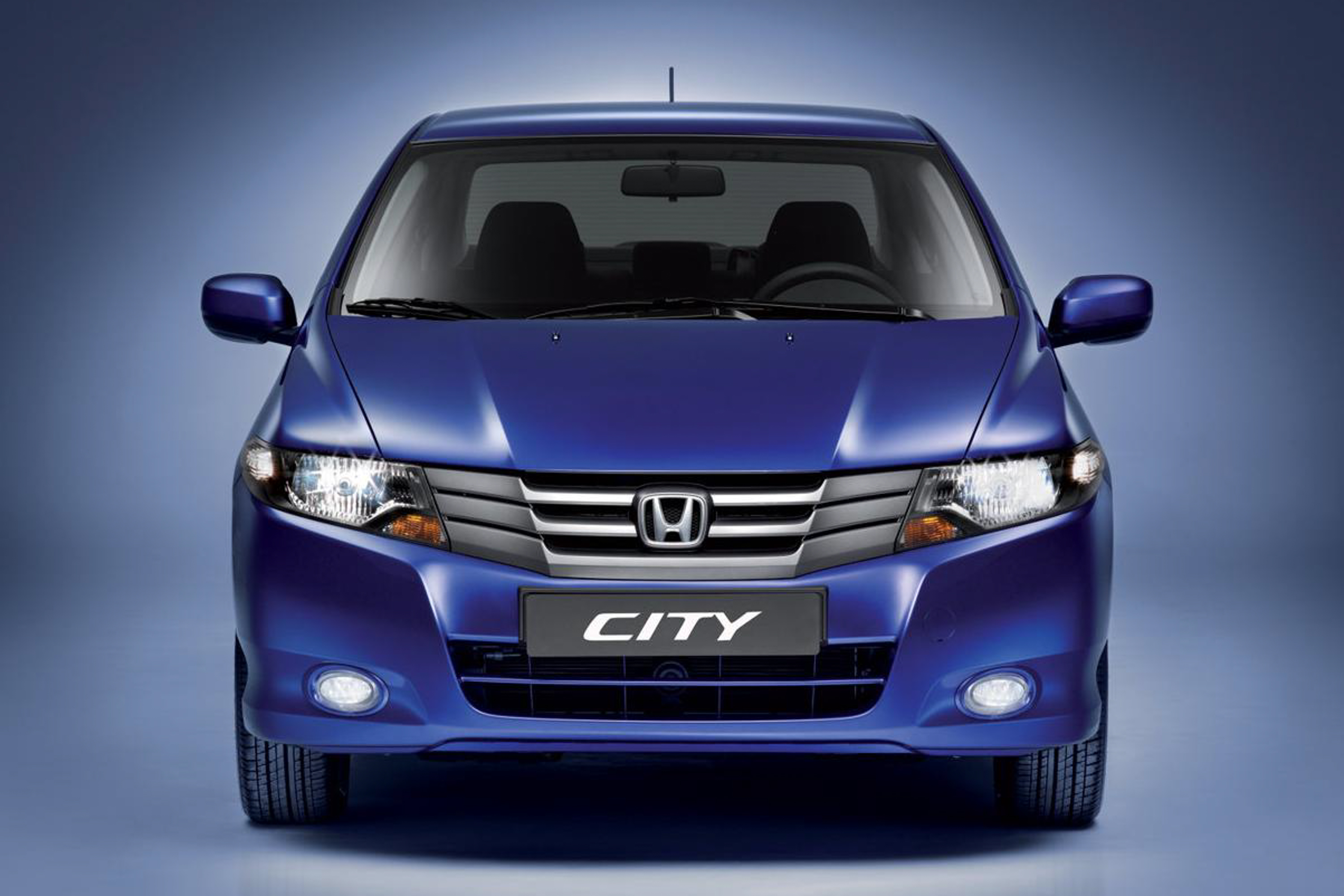
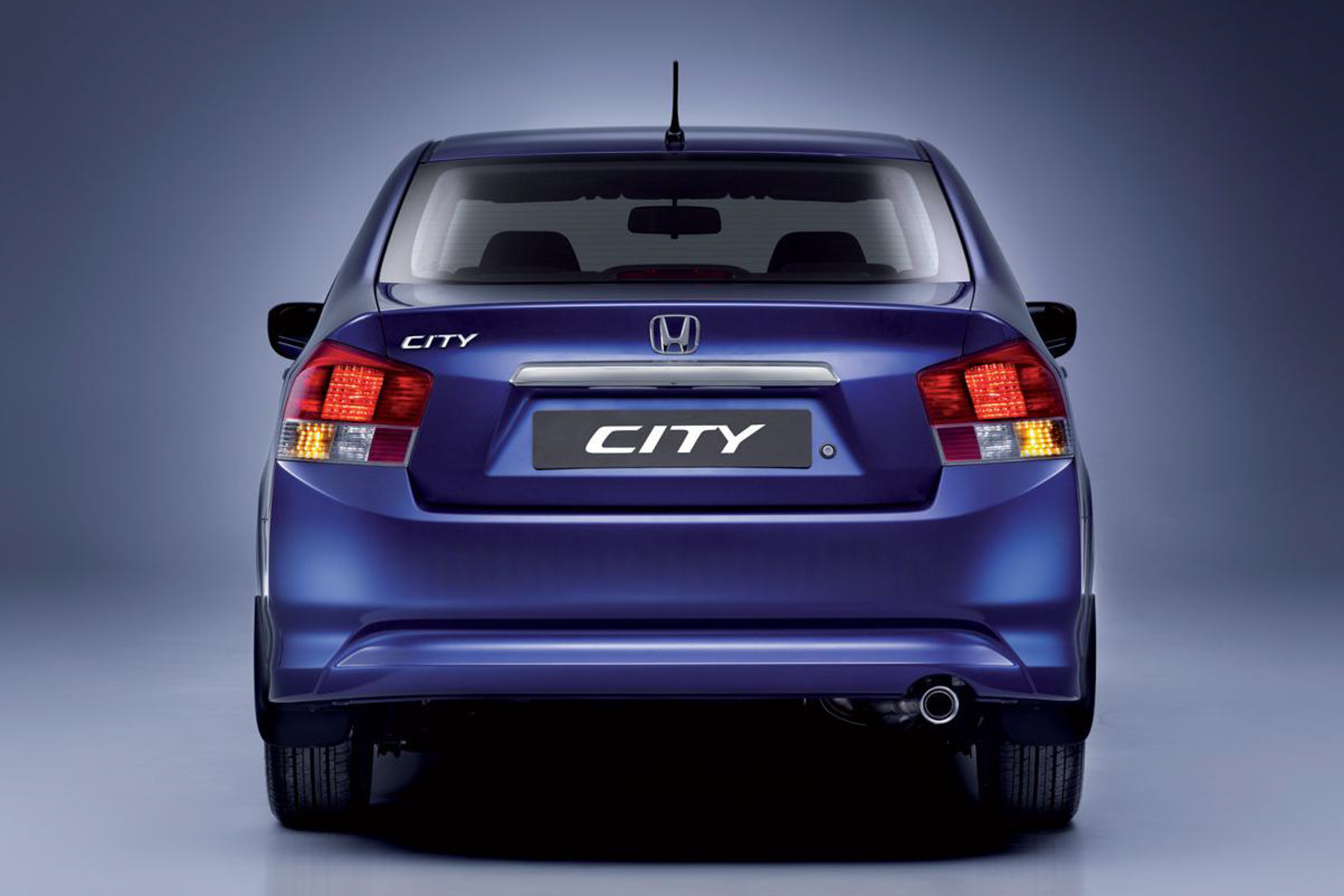
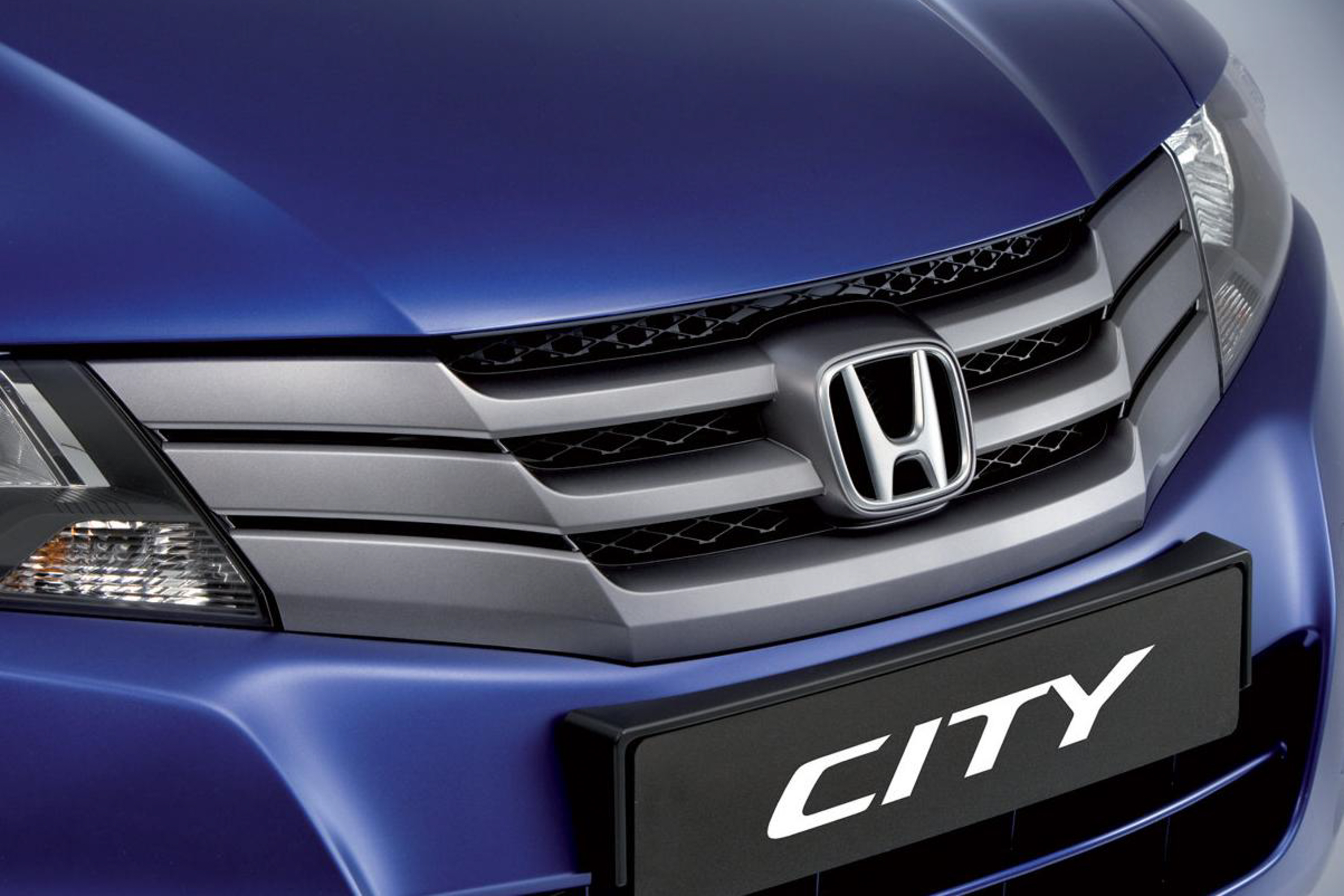
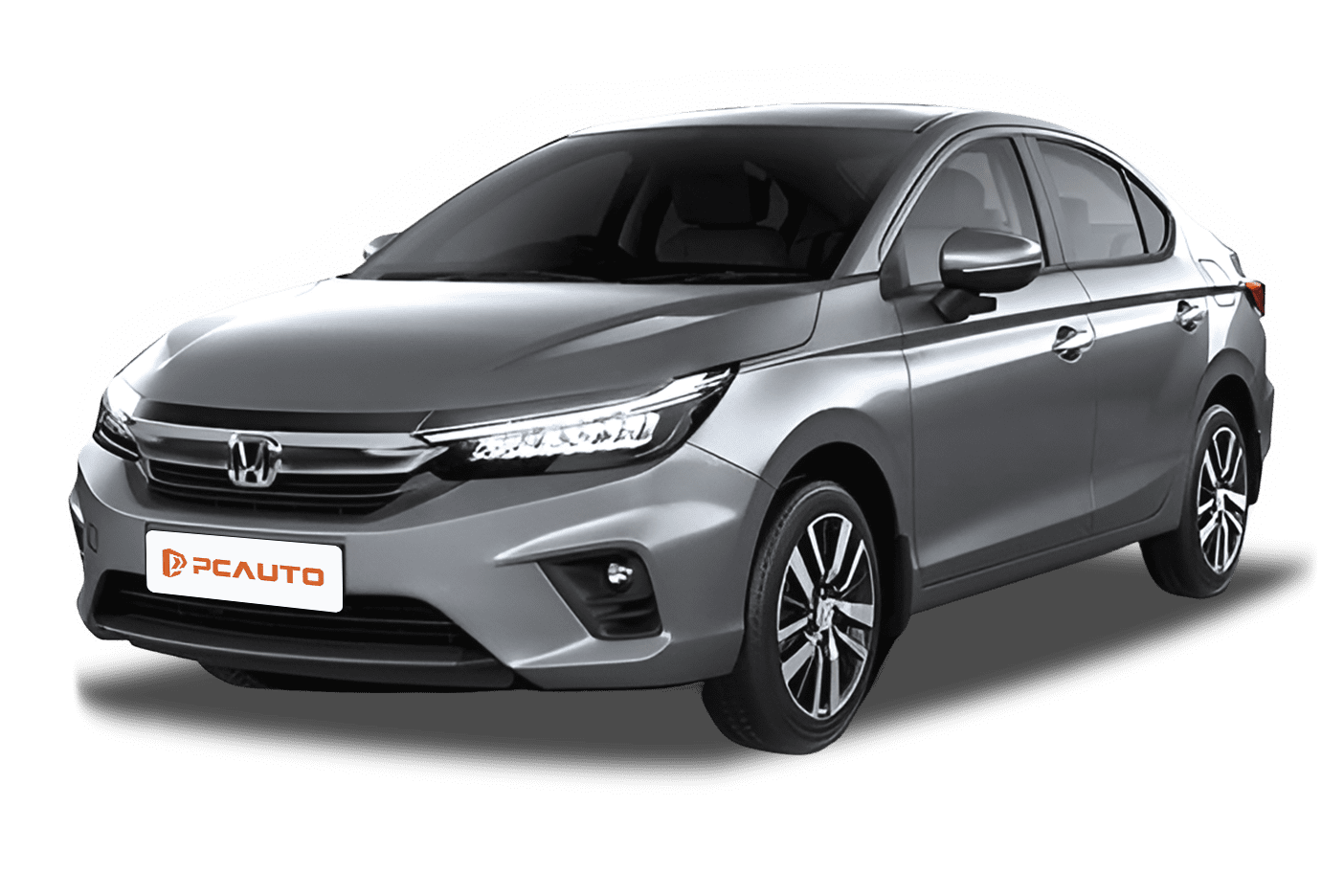
From the exterior, the 2009 City retains Honda’s consistent rounded design style. Its overall lines are smooth but understated, perfectly in line with the positioning of a family car. The front features chrome trim connecting the headlights on both sides, which, though not large in size, adds a touch of elegance. The headlights use halogen bulbs, providing sufficient illumination for daily needs, though brightness is slightly inadequate for high-speed driving at night. The side profile shows a waistline extending from the front to the rear, paired with 15-inch multi-spoke alloy wheels, which adds visual variety without looking too plain. The rear design is relatively simple: the vertical tail lamp layout offers decent recognition, and a small spoiler on the trunk lid provides a highlight, albeit mainly for decorative purposes. The overall exterior design lacks flashy elements but relies on being visually enduring, catering to the aesthetic preferences of family users.
Stepping inside, the interior design emphasizes practicality, with the dashboard featuring a two-tone upper dark and lower light color scheme. The proportion of plastic materials is not excessively high, considering it’s an entry-level sedan. The three-spoke steering wheel has a basic button layout and feels comfortable to operate, although the absence of multifunction buttons is somewhat inconvenient. At the center of the dashboard is a single-DIN audio system that supports CDs and FM radio. Although it lacks today’s touchscreen displays, the rotary knobs and buttons offer a good tactile experience, allowing hassle-free blind operation. The seats are made of fabric material with firm padding; however, the support is decent, ensuring comfort over long distances. The rear seat space is a pleasant surprise; the 2550mm wheelbase places it among the top in its class. A 175cm tall passenger sitting in the rear will have about two-fist worth of legroom, and headroom is sufficient without their head touching the roof. In terms of storage space, the door pockets can hold two bottles of mineral water, the center armrest box offers ample depth, and the 400L trunk capacity easily accommodates three 20-inch suitcases, meeting daily family needs with ease.
For performance, the Public version is equipped with a 1.5L i-VTEC naturally aspirated engine, delivering a maximum power of 79kW (107PS) and a peak torque of 143Nm, paired with a 5-speed manual transmission. During actual driving, the initial power response is relatively brisk, with sufficient torque output in the low RPM range (1500-3000rpm) for daily commuting, such as following traffic or overtaking from a stop. However, on highways, accelerating further past 100 km/h requires more frequent pedal input, with the engine needing to rev above 4000rpm to provide noticeable output—understandable given the limited engine displacement. The chassis uses a combination of front MacPherson struts and a rear torsion beam, tuned for comfort. It absorbs most of the impact when encountering speed bumps or uneven roads, avoiding any significant jolts. The steering wheel feels lightweight with minimal dead zones and decent accuracy, making U-turns or parking in city driving very maneuverable.
Fuel consumption performance is one of the advantages of this car. After a week of testing, the fuel consumption in urban conditions (with frequent congestion) was around 6.5-7.0L/100km, while on highways (steady speed at 100km/h) it dropped below 5.5L/100km. This is very economical for a family car. In terms of braking, the front disc and rear drum braking system performed fairly standardly. The brake pedal travel is relatively long, but the braking force is released linearly, and the vehicle remains stable during emergency braking without any significant nose-dive. For noise control, at speeds below 60km/h, the in-cabin noise mainly comes from the tires. When exceeding 80km/h, wind noise and engine noise gradually become more noticeable but remain within an acceptable range, not affecting normal conversations.
In summary, the core advantage of the 2009 Honda City Public lies in its balance – spacious, economical fuel consumption, high reliability, and affordable pricing (with a guide price of around 60,000 MYR at the time). Compared with its competitor, the Toyota Vios, the City offers a larger rear space and more responsive power delivery. Although its configuration is not as feature-rich as the Vios, it provides a better value-for-money ratio. This car is particularly suitable for families emphasizing practicality or young graduates looking for their first car. It meets daily commuting and weekend getaway needs. If you don't pursue trendy technological features and simply want a durable, spacious family car, the 2009 Honda City Public is definitely a great choice.
Honda City Car Compare
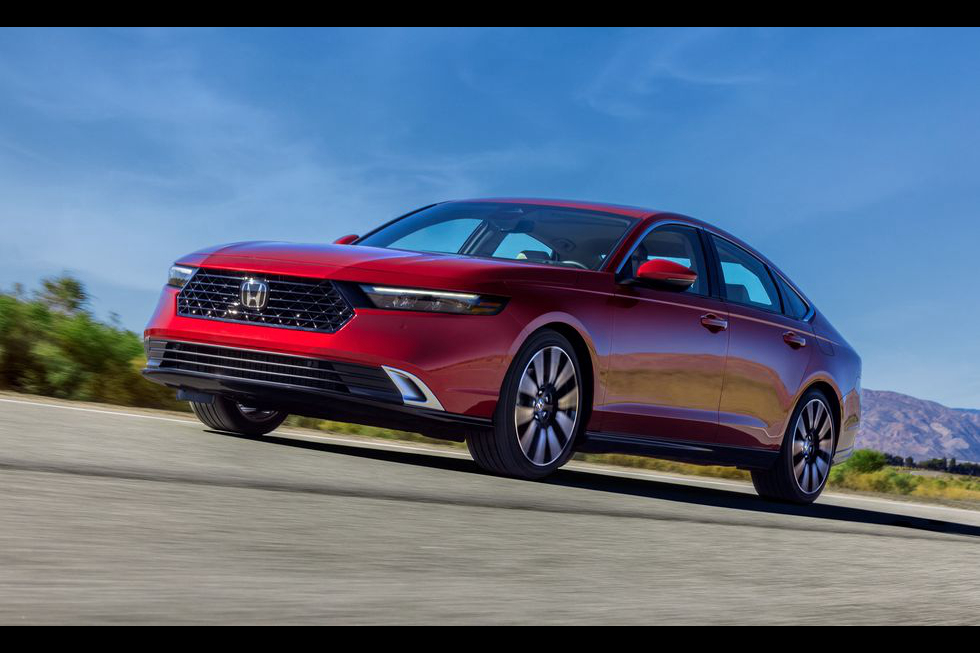
Cars With Similar Price And Features
6
Rank in Sedan
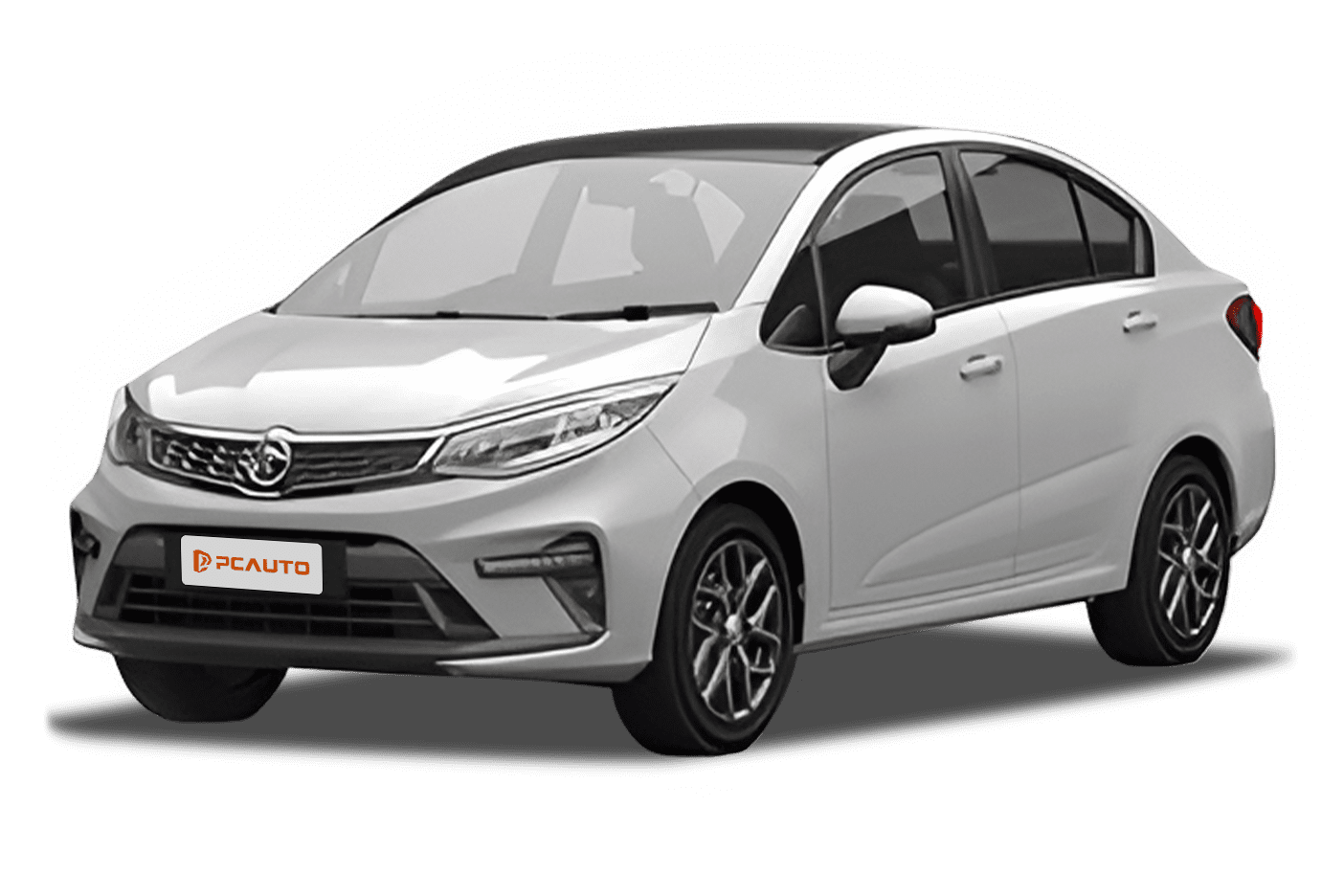
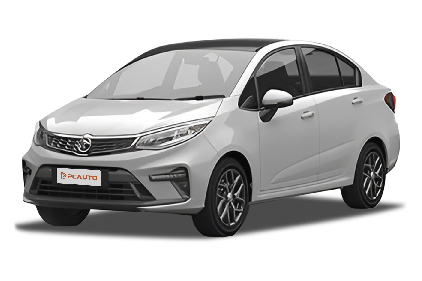
2023 Proton Persona 1.6 Standard CVT is an affordable, safety-configured entry-level family sedan with practical space, balancing daily commuting and family needs.
18
Rank in Sedan
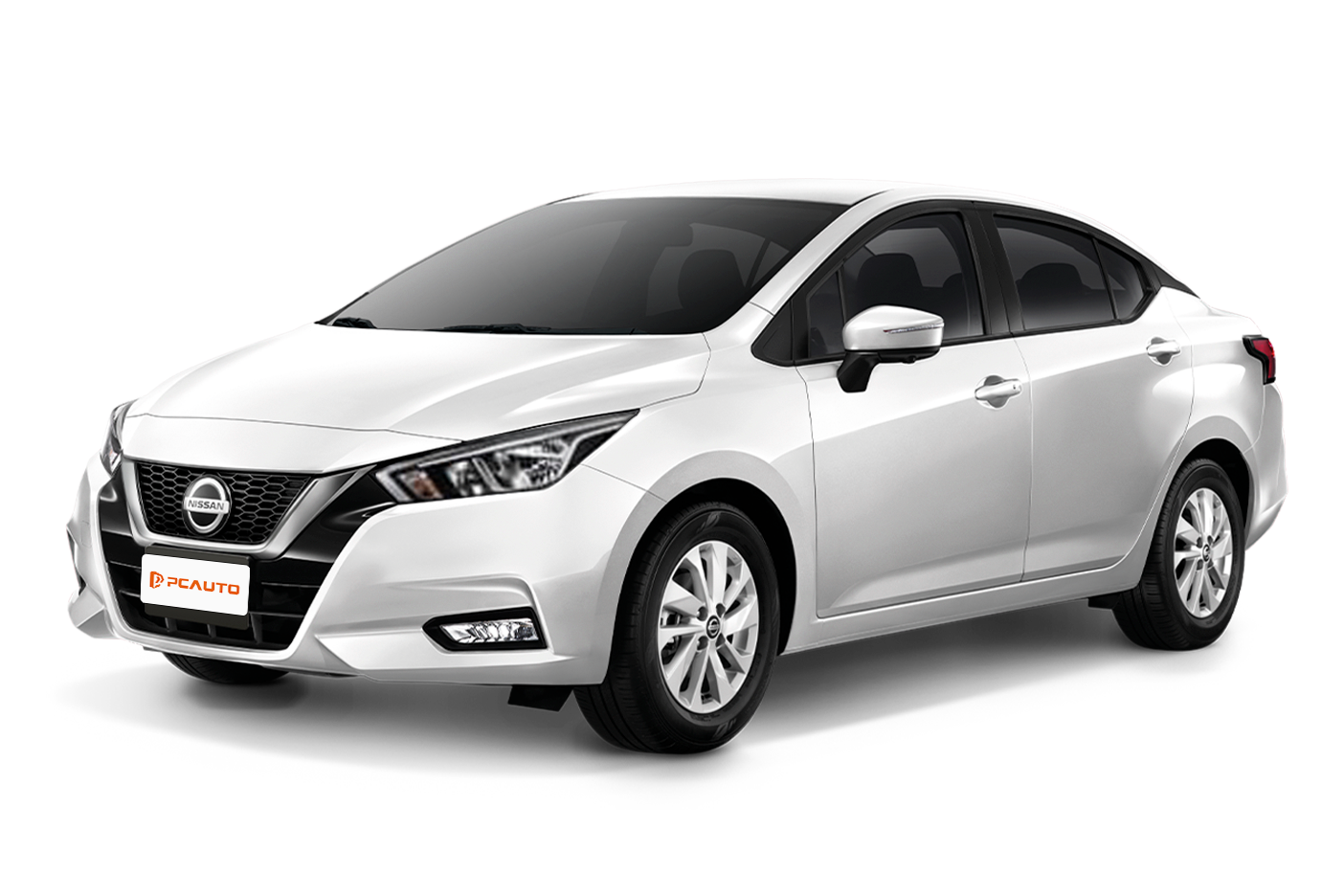
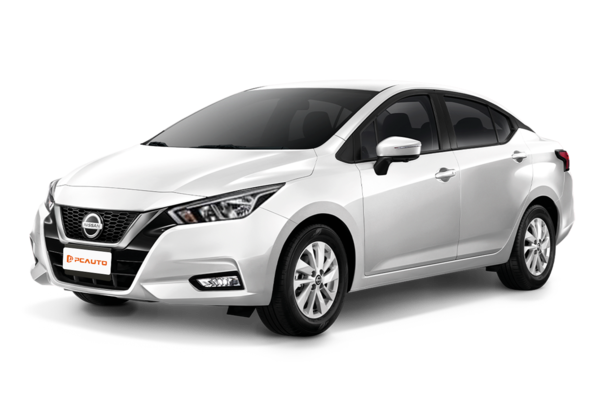
The 2024 Nissan Almera 1.0L Turbo VL is an affordable, practical, fuel-efficient, and well-equipped mid-size family sedan designed for consumers who value hassle-free commuting and family needs.
5
Rank in Sedan
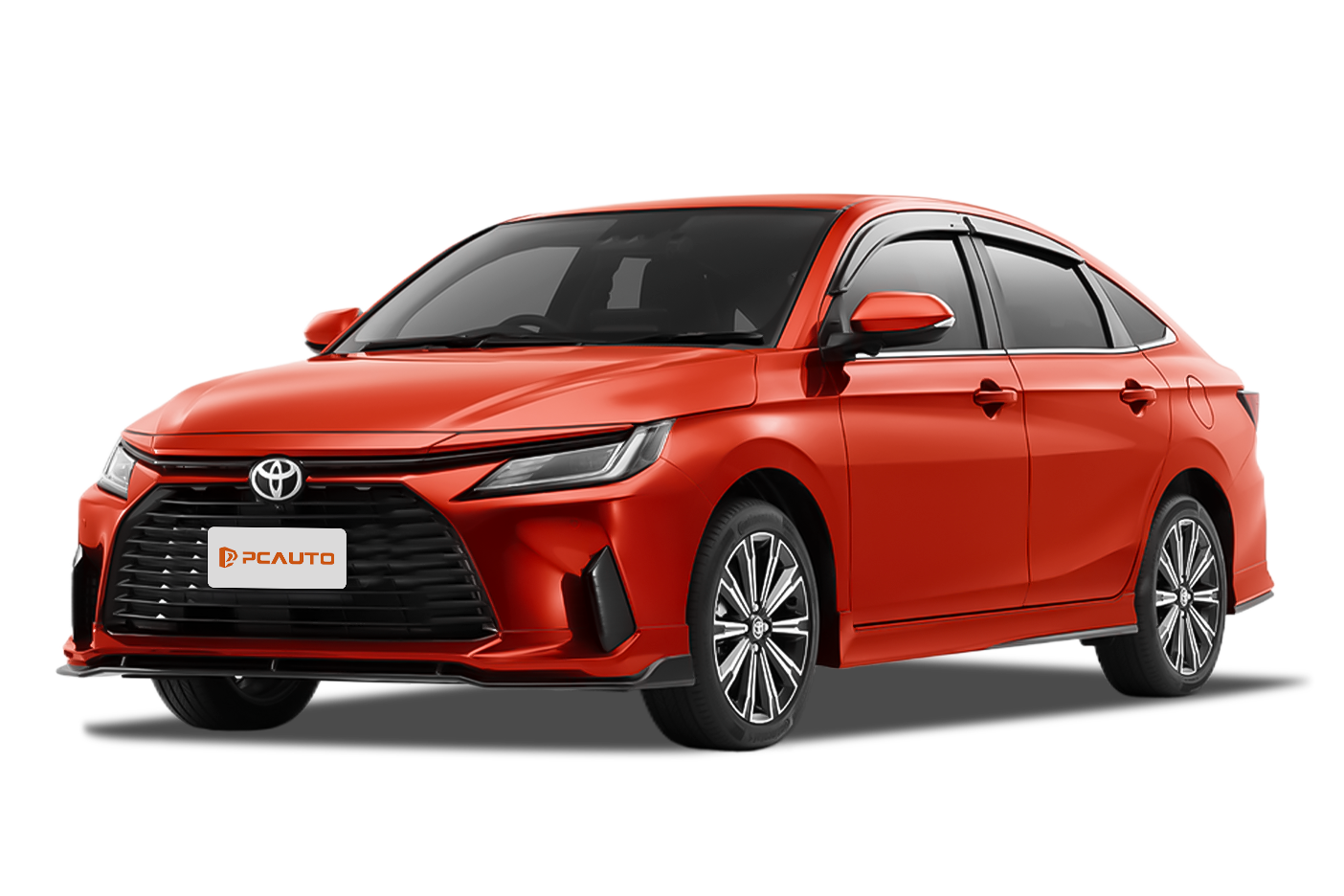
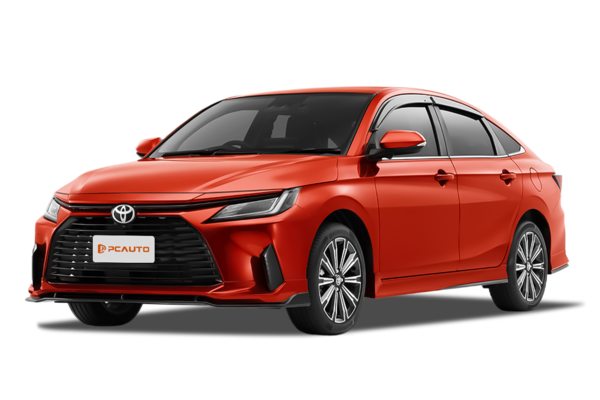
2023 Toyota Vios 1.5E AT, as a mid-range model in the facelift, with features such as the TSS Intelligent Safety System, HUD, and other high-end features being made available, along with balanced space and fuel efficiency, making it a high-value B-segment sedan choice in Malaysia.
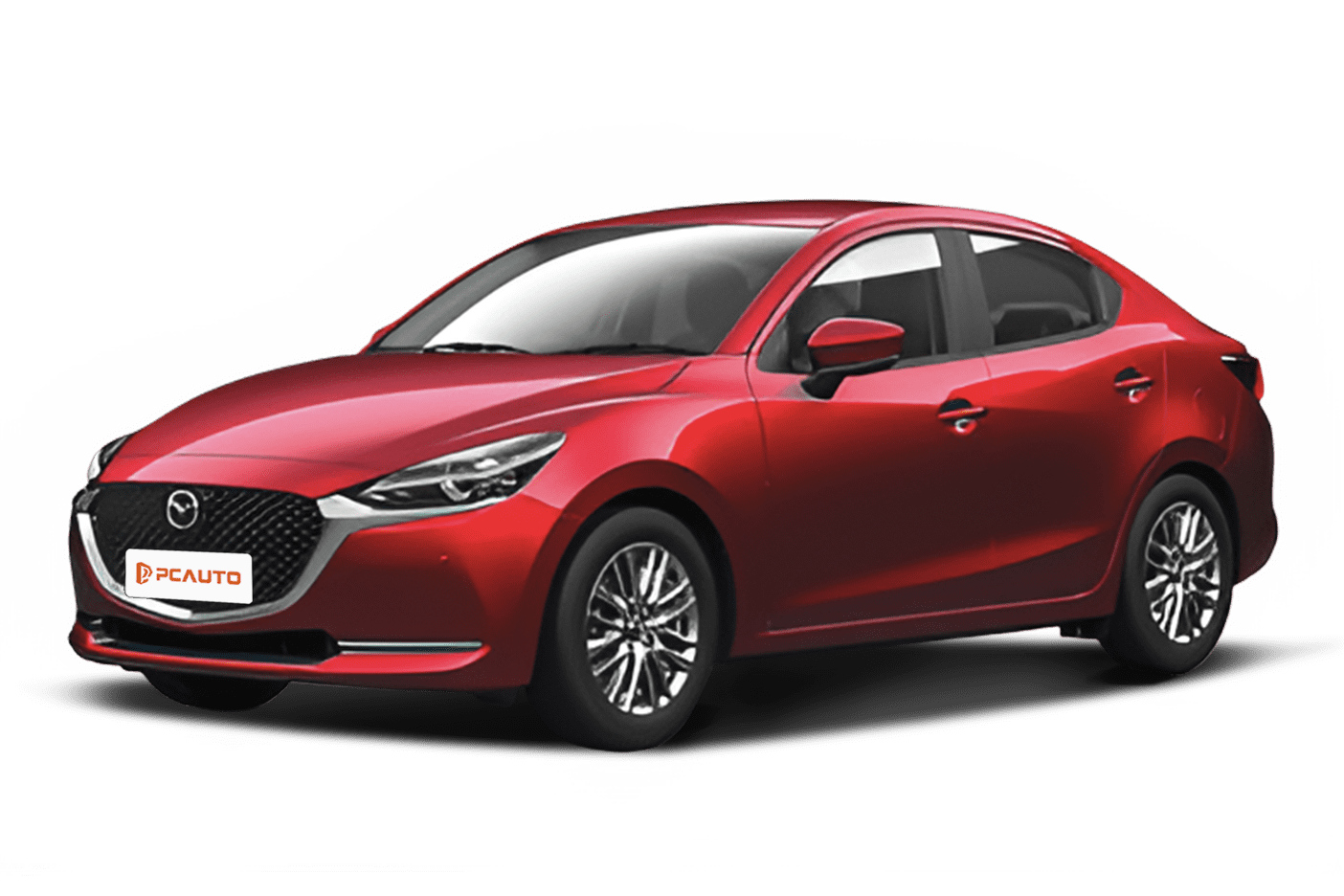
2023 Mazda 2 Sedan 1.5L is a family sedan that balances driving dynamics and practical features, with a price slightly over 100,000 MYR, making it suitable for urban commuting needs.