

Honda City 2021 Review

 Share
Share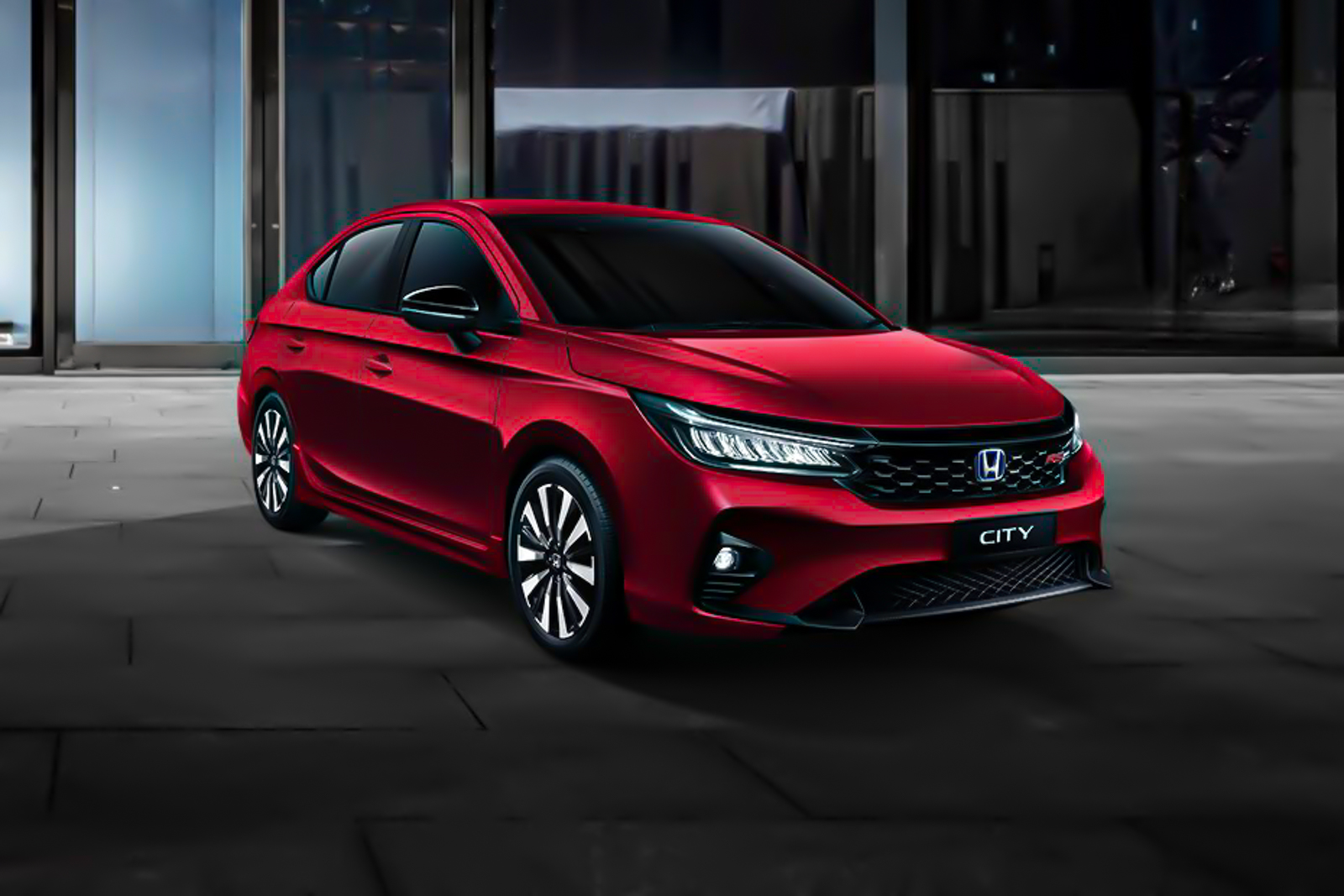
 Segment
 Body Type
 Capacity(L)
 Engine Power(PS)
 Transmission
 Driven Wheels
In Malaysia's B-segment sedan market, a balance of practicality, reliable fuel efficiency, and adequate basic configurations have always been the core considerations for family users when choosing a car. The 2021 Honda City 1.5 S, as the entry-level version of the series, enters the market with a price of RM 84,900. Its core selling point is "getting standard configurations of a joint-venture brand with an entry-level budget"—including keyless entry, reverse camera, rear air conditioning vents, and more. These features are not commonly seen in vehicles at this price range. This test drive focuses on verifying: as an entry-level model, does it meet the core needs of daily family usage, and does it have any obvious shortcomings in terms of configuration and performance?
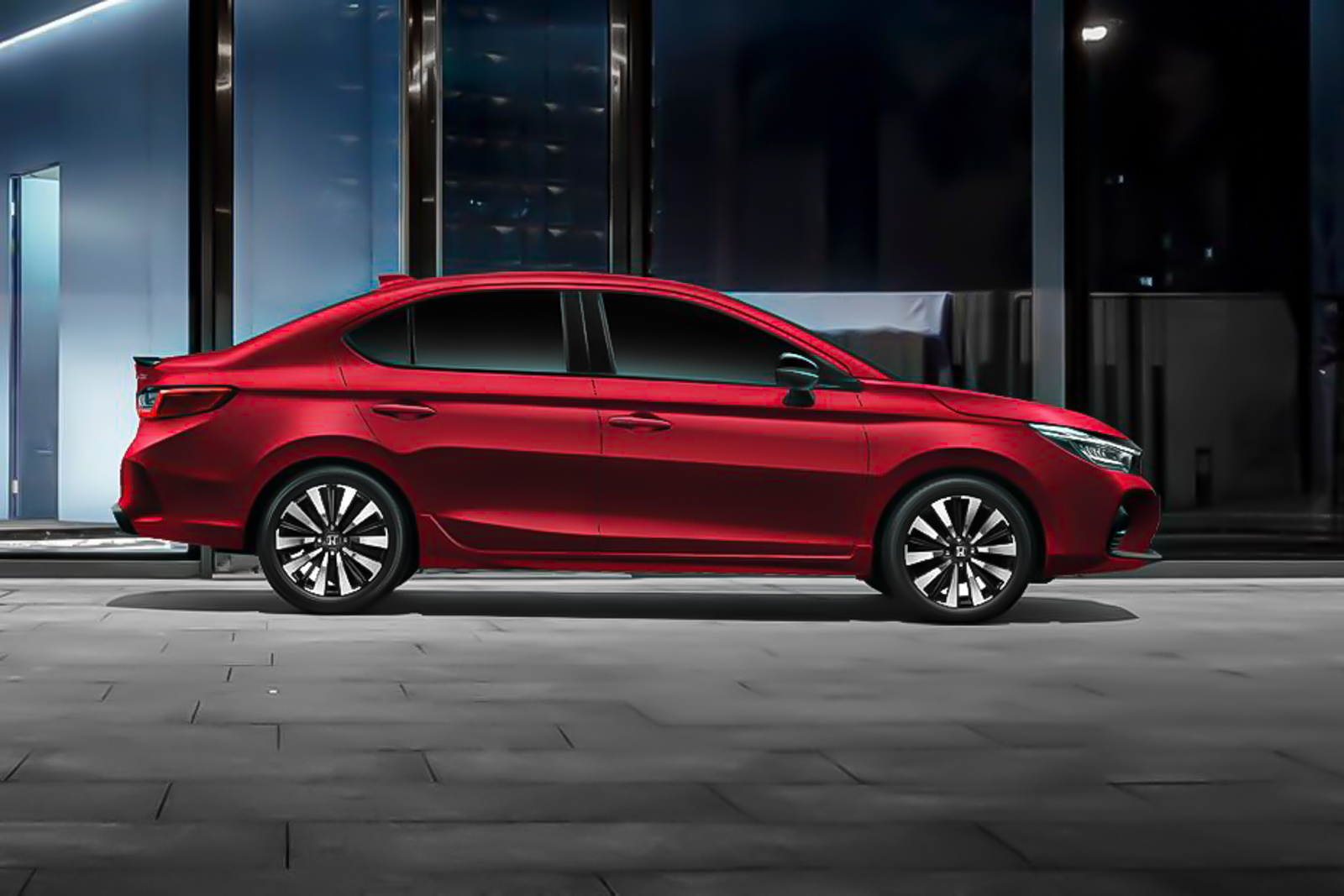
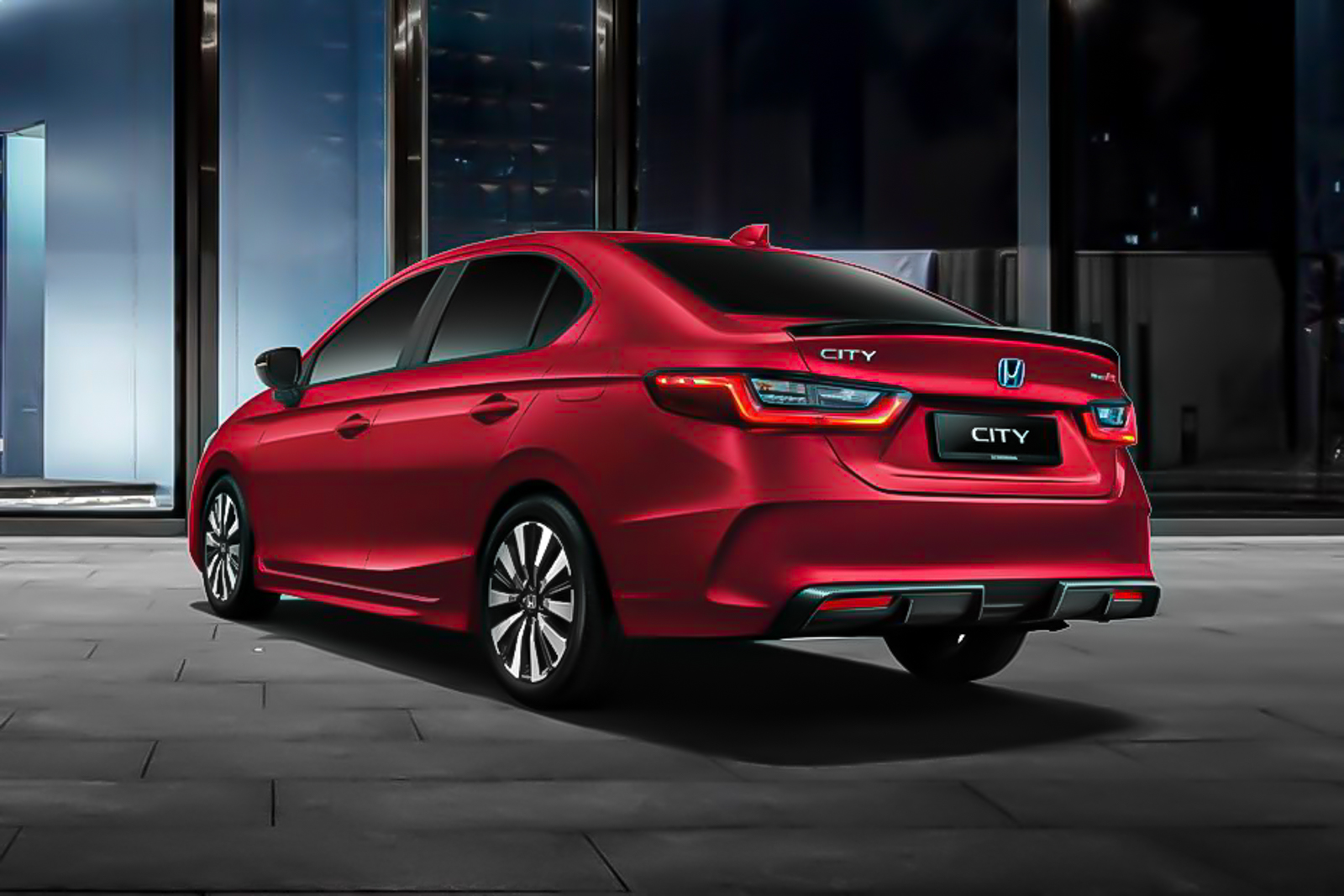
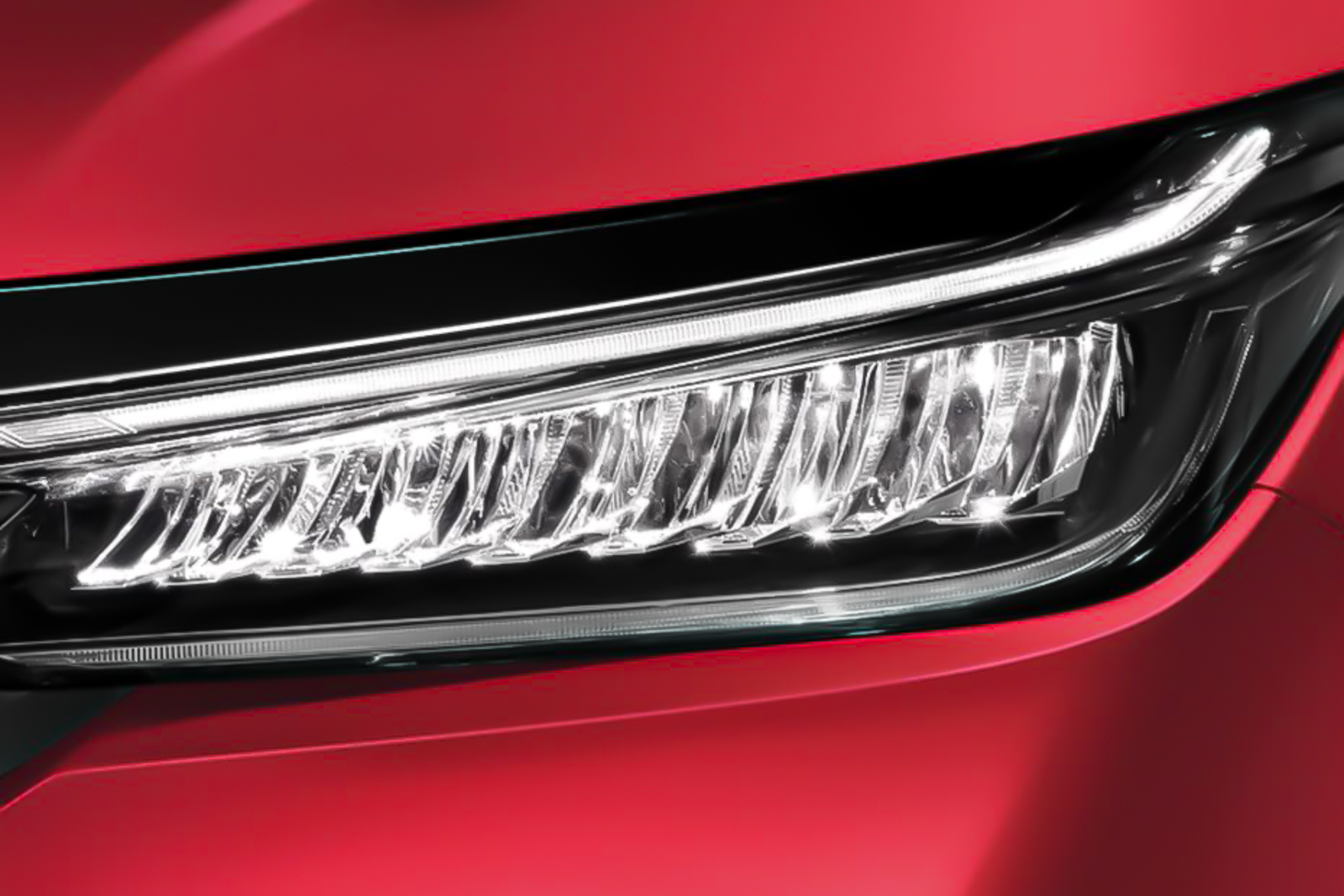
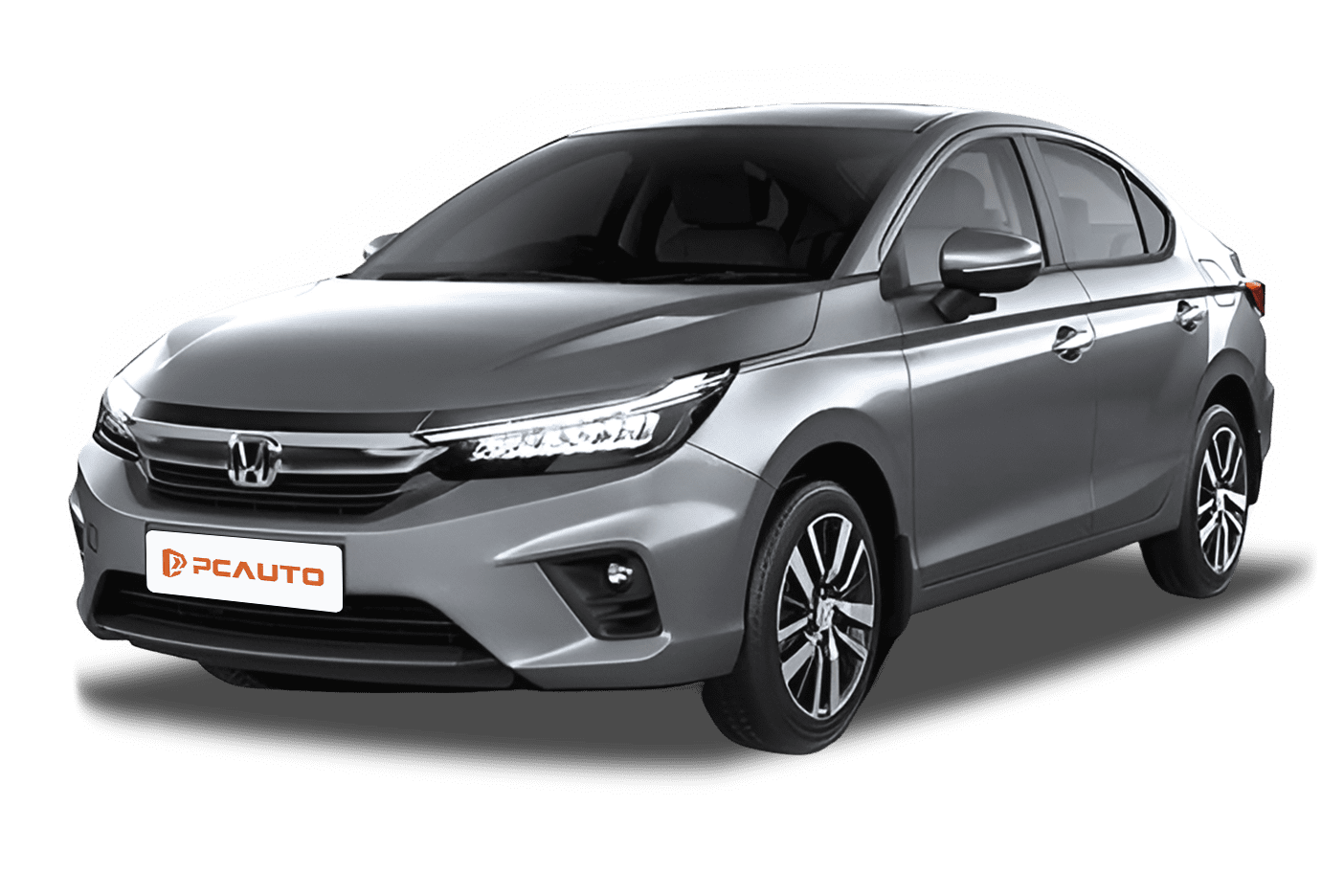
Let’s look at the exterior first. The overall style of the 2021 City 1.5 S leans towards being more stable and does not include the sporty kit of the RS version, but the design details still retain its distinct identity. The front face employs Honda's family-style chrome trim that connects both front headlights. The headlight group combines halogen and LED designs, with slender LED daytime running lights that are easily recognizable when illuminated. The side profile of the car features smooth lines, with a waistline that extends from the hood to the rear, giving the car a sleek appearance. The 15-inch tires are paired with multi-spoke rims, which, though not large in size, complement the proportions of the vehicle well. At the rear, the taillight assembly adopts a horizontal design, incorporating LED elements. The chrome strip below the trunk lid echoes the front face, giving the overall look a simple and elegant style that fits the positioning of a family sedan.
Sitting inside the car, the interior primarily uses black as the main color. The center console layout is clear, with the top made of hard plastic materials, while the lower section is covered with textured plastic. Although there is no leather wrapping, the craftsmanship is relatively neat. The center control screen is a touchscreen design with a moderate size, good responsiveness, and is capable of displaying the reverse camera and basic multimedia information. A multifunction steering wheel is standard, with buttons on the left controlling audio and phone, and buttons on the right managing instrument cluster information, making daily operation very convenient. The instrument cluster is a combination of mechanical dials and a digital display, clearly showing information such as RPM, speed, fuel level, and mileage. The seats are fabric, with manually adjustable front seats. The seatback and cushions provide good support, making long periods of sitting comfortable. The rear seats excel in legroom performance. A passenger with a height of 175cm sitting in the rear will have about two fist widths of space between their knees and the front seat, while headroom offers an additional fist of clearance. Coupled with rear air conditioning vents and a 220V power outlet, the comfort of rear-seat passengers is well taken care of. The trunk has a capacity of 519L, which easily accommodates two 28-inch suitcases along with some miscellaneous items. The rear seats support a 60:40 split fold, making it possible to expand the space when carrying larger items.
Starting the vehicle, the 1.5L naturally aspirated engine runs very quietly. Shifting into D gear and lightly pressing the accelerator, the vehicle starts smoothly, with the CVT transmission offering excellent smoothness and no noticeable jerks. This engine produces a maximum power of 121PS and achieves its peak torque at 4300rpm. For everyday city driving, the car starts and cruises at low speeds with great ease. Even when the car reaches 60km/h and accelerates further, the power response remains prompt. During overtaking, pressing the accelerator deeply causes the engine RPM to rise quickly. While it doesn’t have the explosive power of a turbocharged engine, it is fully adequate for daily family use. The official 0-100km/h acceleration time is 10.2 seconds, and during actual driving, this level of performance doesn't feel "weak."
In terms of handling, the steering wheel offers moderate resistance and precise control without any dead zones, making lane-changing and turning agile during daily driving. The front suspension is a MacPherson independent suspension, while the rear suspension is a torsion beam that is tuned for comfort. When going over speed bumps or bumpy roads, the suspension absorbs most of the vibrations, so passengers won’t feel jolted. At high speeds, the vehicle's stability is quite good; even at 120 km/h, the steering wheel remains steady and doesn’t feel light. Fuel consumption meets expectations. We drove an equal distance on city roads and highways, and the actual average fuel consumption was around 5.8L/100km, which is close to the official figure of 5.4L/100km. Based on the 40L fuel tank capacity, a full tank can provide a range of approximately 680 kilometers, offering sufficient mileage for daily commutes and short weekend trips.
As for noise control, the cabin remains relatively quiet during low-speed city driving, with minimal tire noise and engine noise. Once the speed exceeds 80 km/h, wind noise gradually increases but stays within an acceptable range, not interfering with normal conversations among passengers. The braking performance is also linear, providing proportional response to the amount of pressure applied, with a moderate braking distance that inspires confidence during daily driving.
In summary, the core strength of the 2021 Honda City 1.5 S is its "balanced performance without significant shortcomings." As an entry-level model, it doesn’t sacrifice key configurations due to its low price—features valued by family users, such as keyless entry, a reversing camera, rear air conditioning, and four airbags, are all included. Its space and fuel economy are among the top in its class. Compared to competitors at the same price range, such as the Toyota Vios 1.5G (RM 89,600), the City 1.5 S is more affordable while offering advantages like rear air conditioning and larger trunk capacity. When compared to its own E version (RM 89,900), the 1.5 S lacks automatic air conditioning and paddle shifters on the steering wheel, but it is RM 5,000 cheaper, which is an attractive price difference for budget-conscious users.
This car is most suitable for practical and budget-conscious families, especially consumers who need to commute daily and occasionally take family trips on the weekends. It doesn’t require you to pay extra for unnecessary features while meeting all the essential needs for everyday use. If you’re looking for a reliable, fuel-efficient, and spacious compact sedan from a joint venture brand, the 2021 Honda City 1.5 S is a choice you can’t go wrong with.
Honda City Car Compare
Honda City Loan Calculator
More Honda Reviews
Cars With Similar Price And Features
6
Rank in Sedan
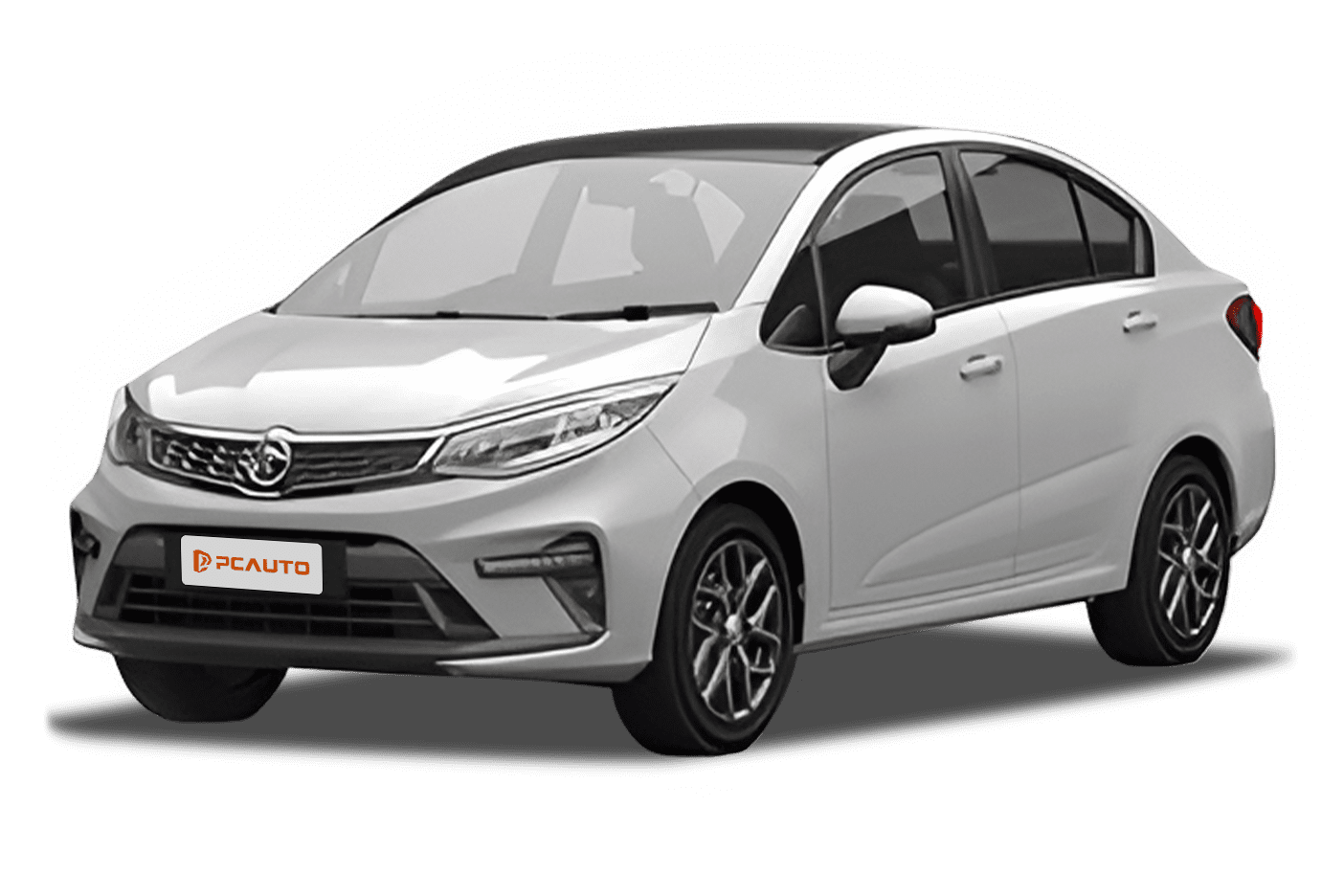
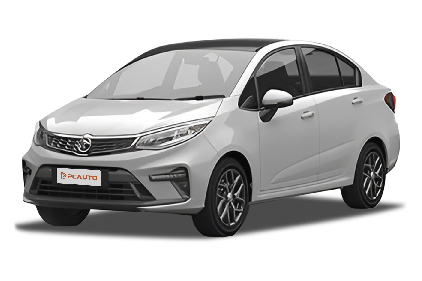
2023 Proton Persona 1.6 Standard CVT is an affordable, safety-configured entry-level family sedan with practical space, balancing daily commuting and family needs.
18
Rank in Sedan
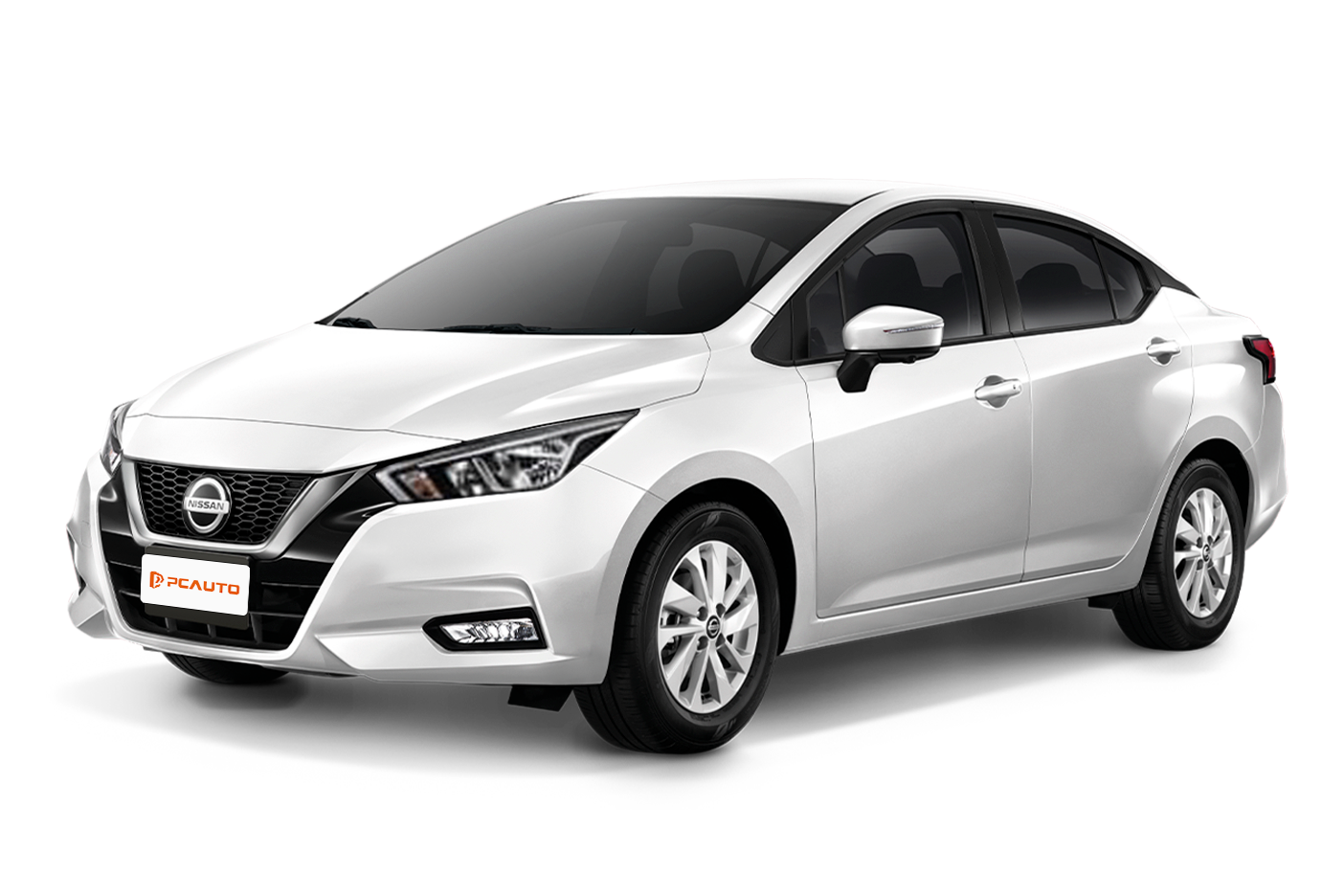
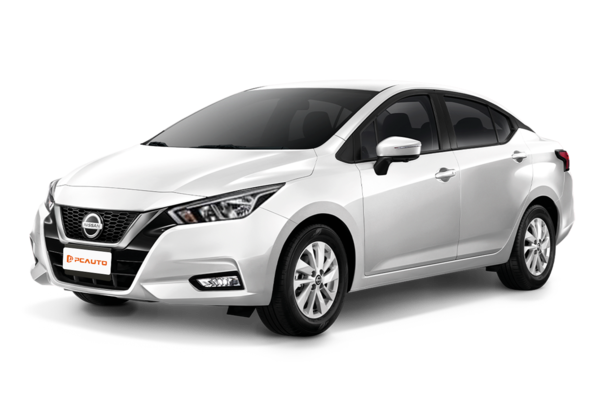
The 2024 Nissan Almera 1.0L Turbo VL is an affordable, practical, fuel-efficient, and well-equipped mid-size family sedan designed for consumers who value hassle-free commuting and family needs.
5
Rank in Sedan
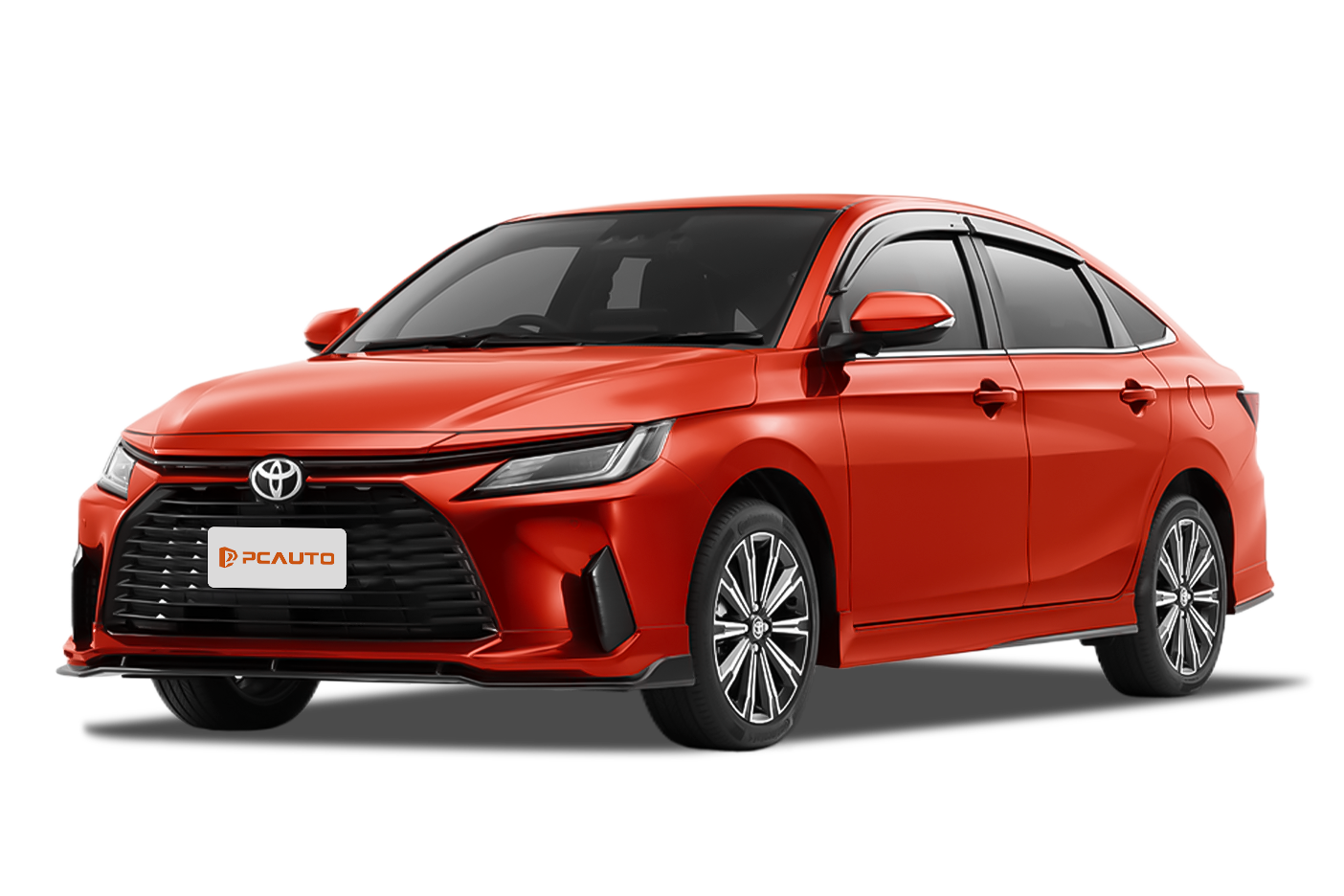
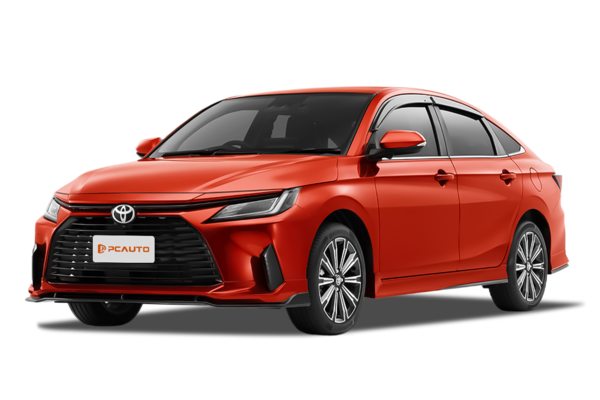
2023 Toyota Vios 1.5E AT, as a mid-range model in the facelift, with features such as the TSS Intelligent Safety System, HUD, and other high-end features being made available, along with balanced space and fuel efficiency, making it a high-value B-segment sedan choice in Malaysia.
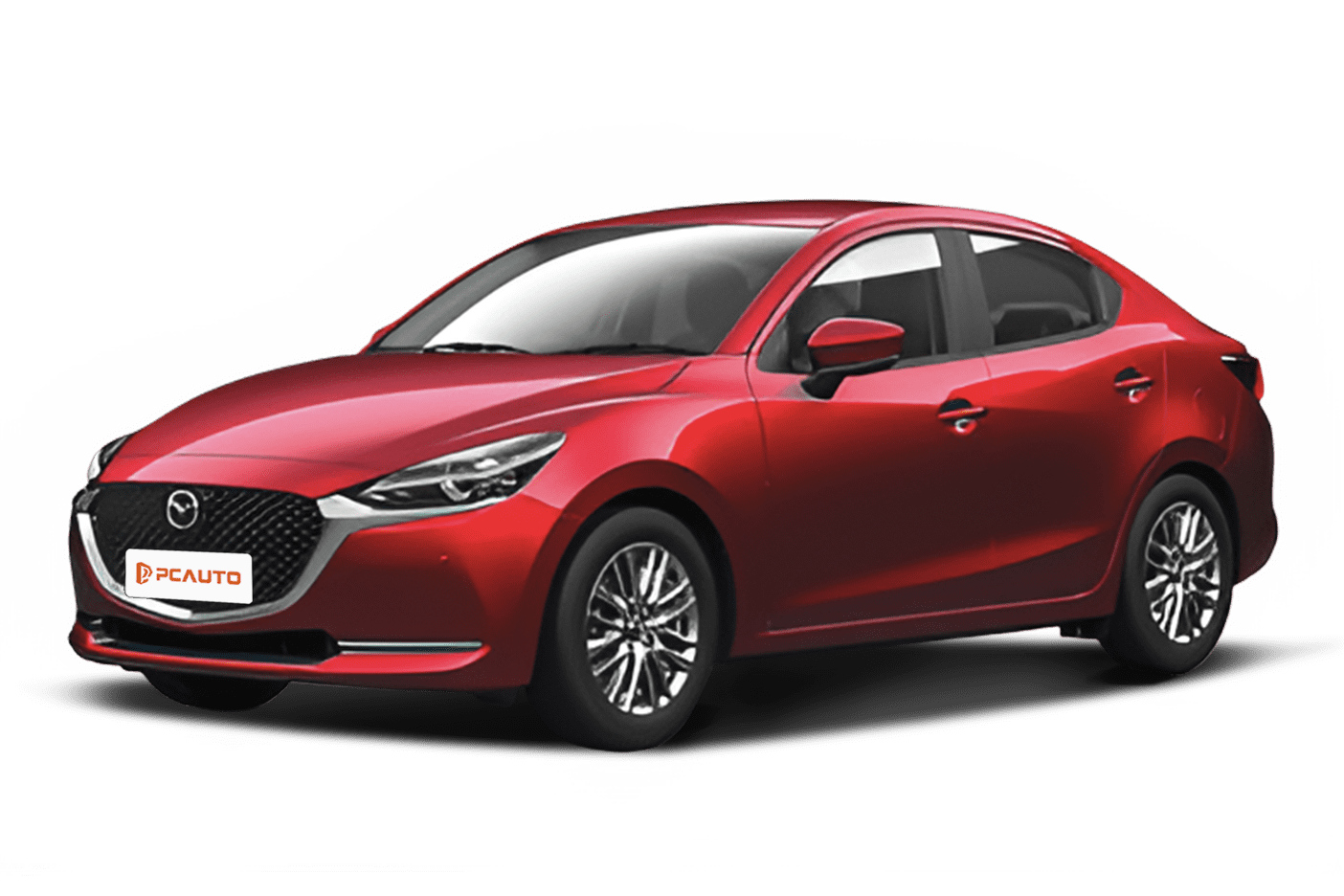
2023 Mazda 2 Sedan 1.5L is a family sedan that balances driving dynamics and practical features, with a price slightly over 100,000 MYR, making it suitable for urban commuting needs.