

Honda City 2023 Review

 Share
Share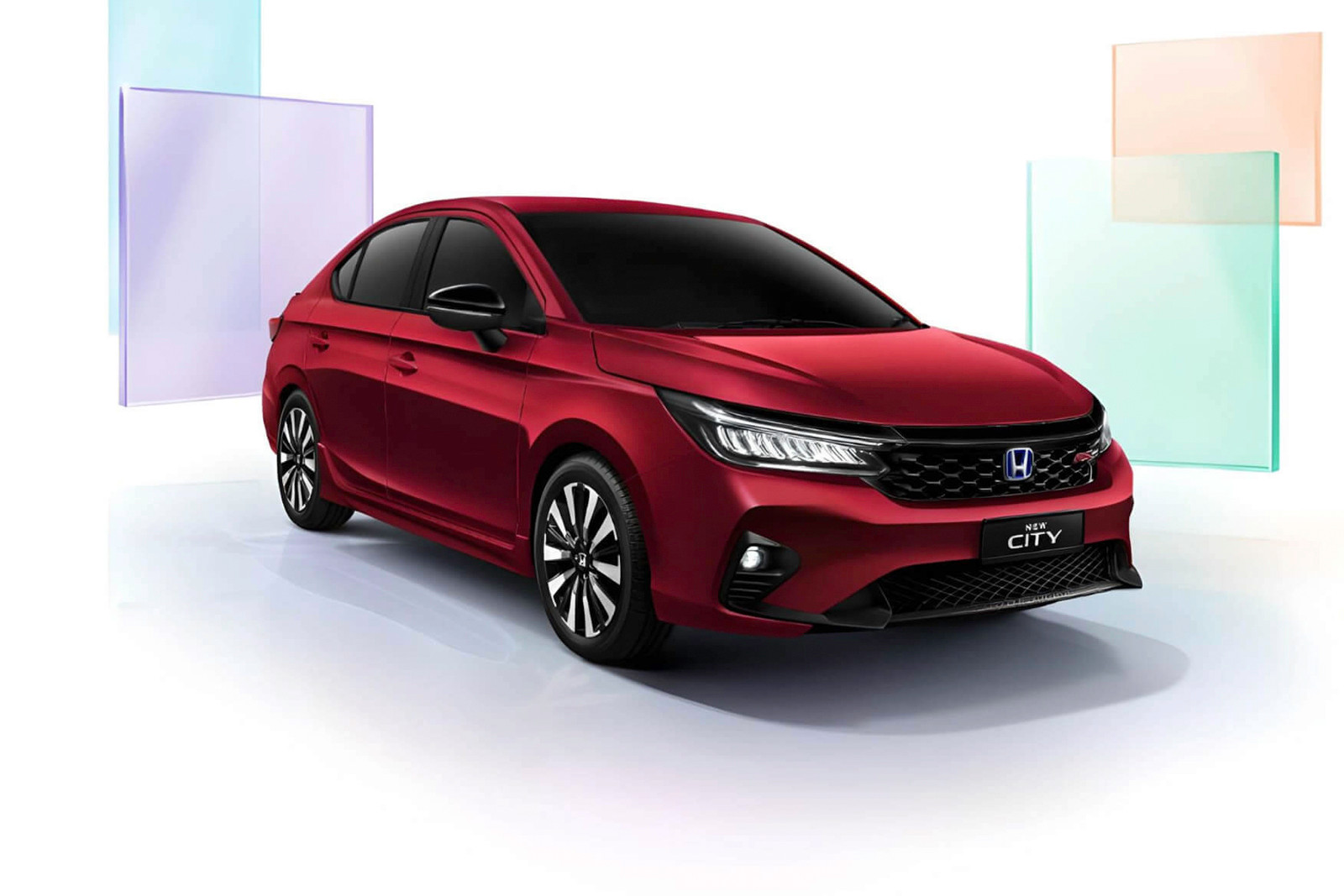
 Segment
 Body Type
 Capacity(L)
 Engine Power(PS)
 Transmission
 Driven Wheels
The B-segment sedan market has always been the core choice for Malaysian family users. Consumers value fuel economy for daily commuting as well as space practicality and completeness of basic configurations. The 2023 Honda City 1.5 S, as the entry-level version of the series, is priced at RM 84,900 and comes equipped with advanced safety features such as 6 airbags and adaptive cruise control (ACC) as standard. This has made many budget-conscious users curious: Can the entry-level model truly achieve "entry-level but not low-spec"? In this test drive, we will focus on its static performance, dynamic experience, and daily practicality to see if it meets the core needs of family users.
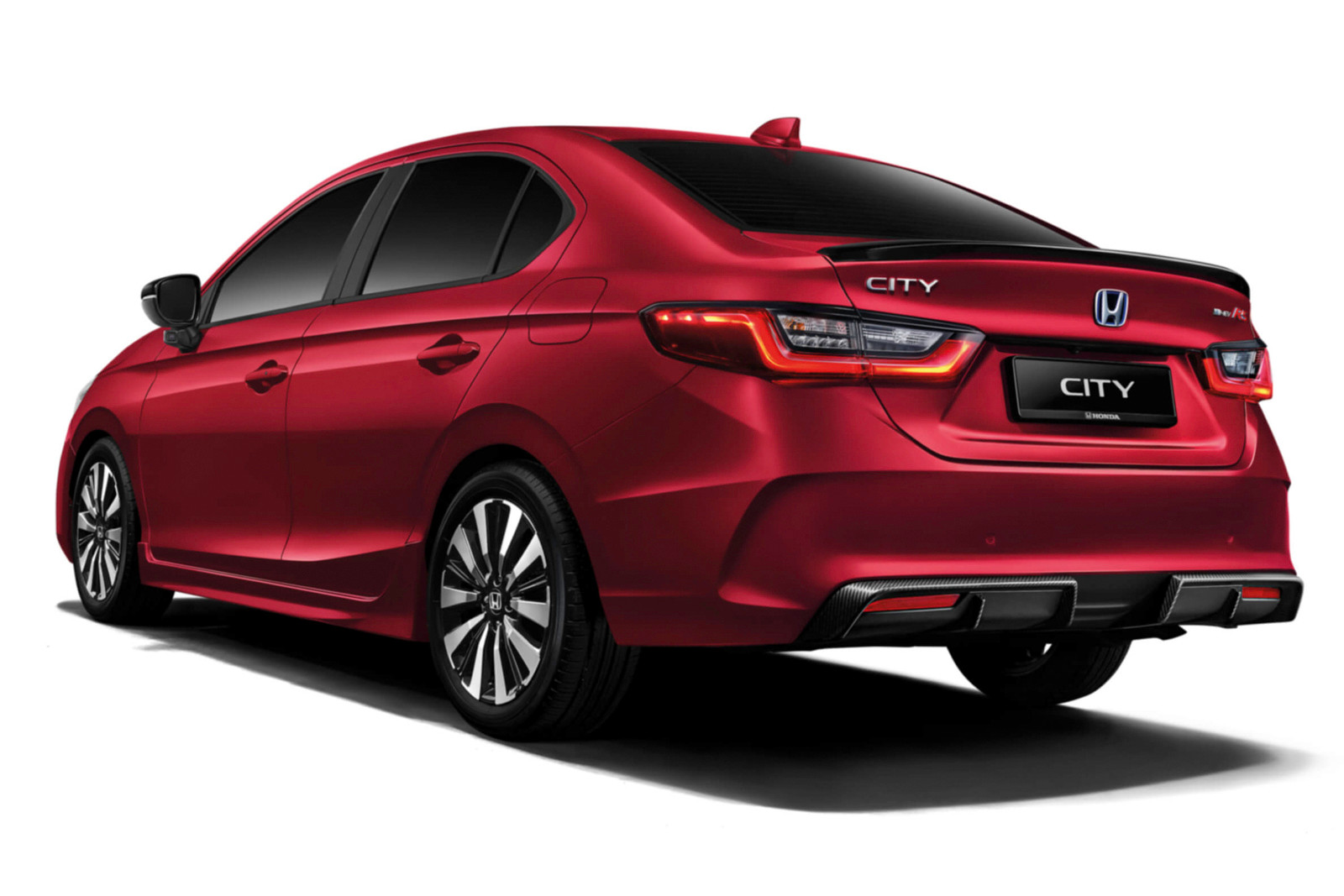
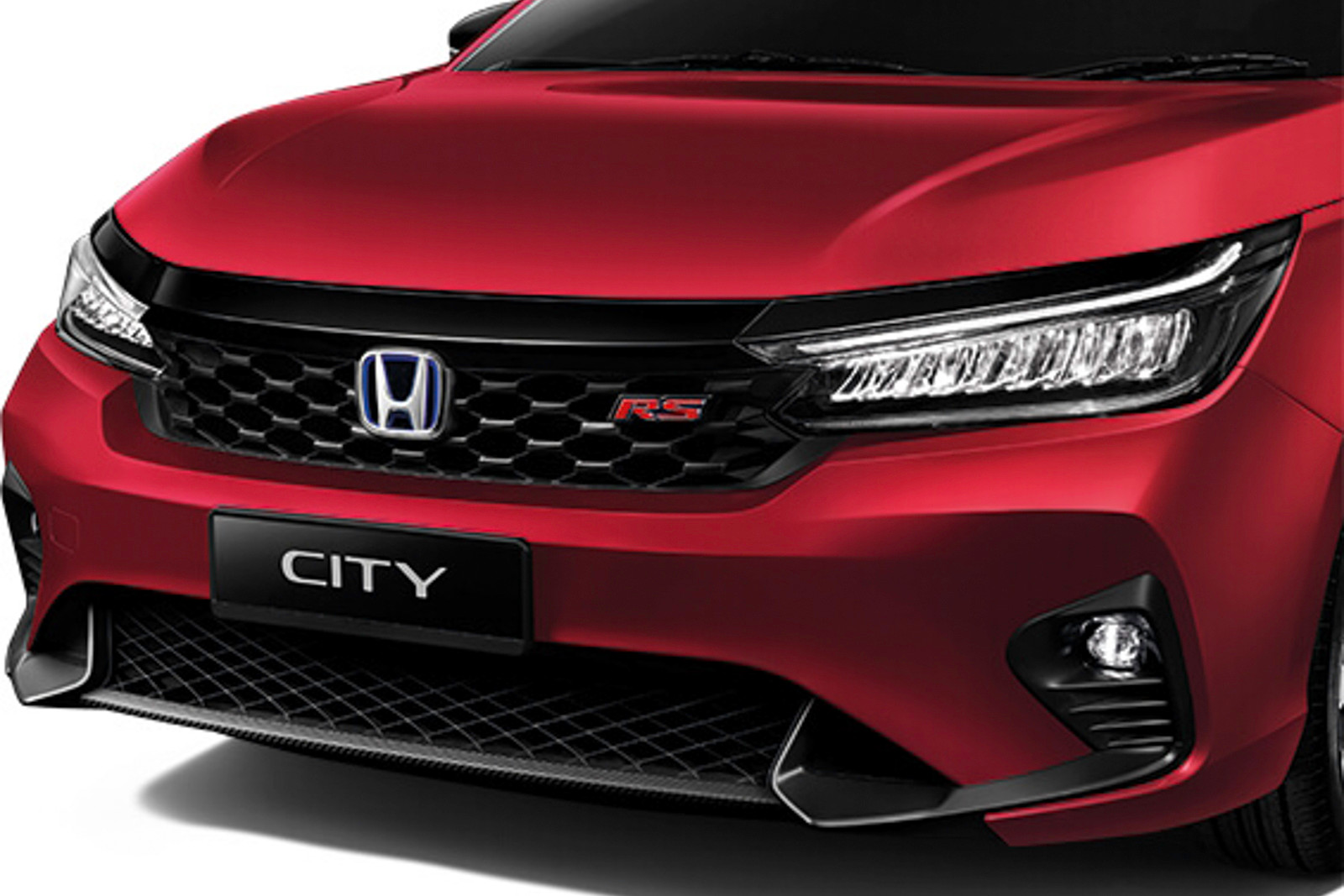
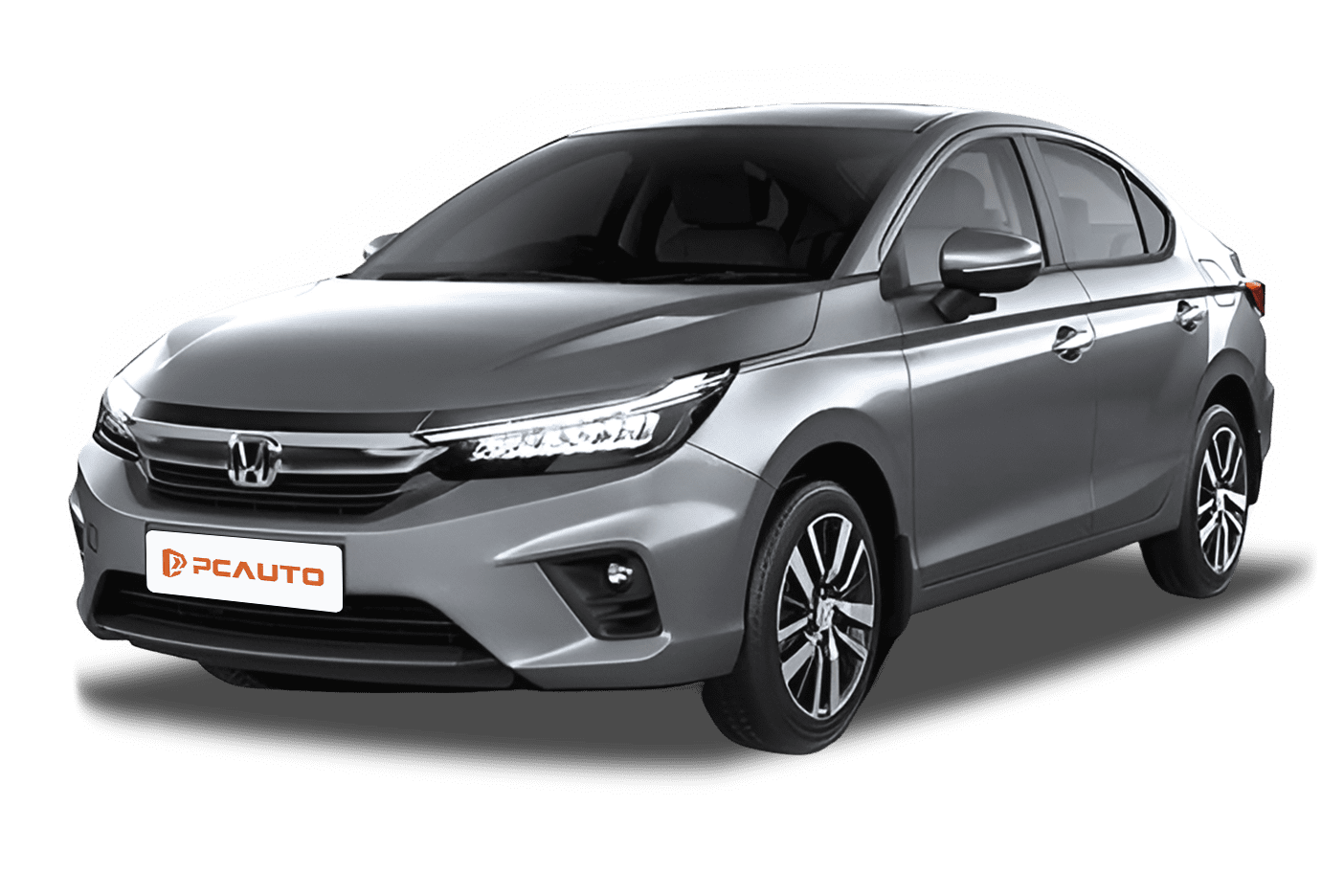
In terms of appearance, the City 1.5 S maintains the overall design style of the series. The front features Honda's signature chrome grille, paired with halogen headlights on both sides. Although it lacks the LED light sources found in the mid- and high-end trims, the lighting effect after turning them on is sufficient for daily use. The body side has smooth lines, with a wheelbase of 2600mm and 15-inch steel rims (with plastic covers). The overall proportions are well-balanced, without an obvious "entry-level" feel. At the rear, LED tail lights are standard across the range, offering good recognition when lit. The chrome strip on the lower part of the rear bumper adds a touch of refinement. Overall, the appearance is enduring and aligns well with the aesthetic preferences of family users.
Inside, the City 1.5 S features a predominantly black interior. The dashboard uses hard plastic materials, which feel firm to the touch but have relatively well-controlled gaps between panels. The build quality is in line with the expectations at this price range. The steering wheel is made of plastic and supports up and down adjustments. The left side integrates ACC cruise control and multimedia control buttons with a clear operational logic. The center console is not equipped with a touchscreen display but instead adopts traditional physical buttons and knobs to control the audio system. While it lacks the tech-savvy feel of the mid- and high-end models, it is more convenient for blind operation. The seats are fabric and can be manually adjusted in the front. The cushion and backrest provide decent support, making extended periods of sitting not overly tiring.
Space performance has always been a traditional strength of the City series. The 2600mm wheelbase gives the rear seats sufficient legroom of about two fists. A passenger with a height of 175cm can sit in the rear, and there is still ample space between their knees and the front seats, with about one fist of headroom, making the interior feel spacious rather than cramped. The rear row is outfitted with independent air vents, and the floor's small hump ensures that the comfort of the middle passenger is not significantly compromised when fully seated with three people. The trunk offers a capacity of 519 liters with a wide opening that can easily fit two 28-inch suitcases and some miscellaneous items. The rear seats support a 60:40 split-folding design, allowing for extra space when loading longer items. Additionally, there are numerous storage compartments inside the car, with the front door panels accommodating two bottles of water, and the central armrest box and glove compartment providing ample space for daily storage needs.
In terms of performance, the City 1.5 S is powered by a 1.5L naturally aspirated engine, delivering a maximum power output of 121PS. While the peak torque is not specified, the actual performance is comparable to vehicles with similar engine displacement, paired with a CVT transmission. During daily commuting, the power response during initial acceleration is quite brisk. Lightly pressing the accelerator allows the car to keep up with traffic, and acceleration is smooth within speeds of 60km/h, making it well-suited for urban driving. When the accelerator is pressed harder, the engine's RPMs quickly increase. While it does not provide a strong pushback sensation, the process of accelerating from 60km/h to 100km/h is relatively linear, requiring a bit of planning when overtaking. The CVT transmission offers good smoothness, with almost no noticeable shift shocks, meeting the needs of family car users.
In terms of handling and chassis performance, the steering wheel is relatively light, making daily driving effortless. The steering precision is moderate, with no obvious slack. The chassis adopts a front MacPherson independent suspension and rear torsion beam non-independent suspension, tuned for comfort. When passing speed bumps or rough roads, the suspension filters out most minor bumps, and the car body does not have excessive bouncing. During cornering, body roll is kept within a reasonable range, and it doesn't feel loose. The stability at high speeds is commendable; at a speed of 120km/h, the steering wheel does not show visible vibration. The brake pedal offers linear resistance, and the braking distance meets the average level for this class, making it reliable for daily use.
In the fuel consumption test, we simulated a mixed scenario of city commuting and highway driving, with a total driving distance of approximately 200km, of which 60% was urban roads and 40% was highways. The actual calculation showed a fuel consumption of about 6.2L per 100km, slightly higher than the official figure of 5.6L. However, considering urban traffic congestion, this result is still quite reasonable. After filling the 40L fuel tank, the range can reach about 640km, which is sufficient for a week's commuting needs.
In terms of ride comfort, the fabric seats provide good breathability and remain comfortable even during extended rides in summer. Noise control inside the car is average. Below 80km/h, tire noise and engine noise are relatively minimal, but wind noise becomes significantly noticeable above 100km/h, though still within an acceptable range. The air conditioning system is manually adjustable, with independent air vents for the rear seats. The cooling performance is impressive, capable of quickly reducing the interior temperature. Additionally, the standard rear ISOFIX anchors and rear air vents across all trims are quite practical for families with children.
Overall, the main advantage of the 2023 Honda City 1.5 S is its "balance": an entry-level price that comes equipped with safety features such as 6 airbags, adaptive cruise control (ACC), and vehicle stability control. The space performance meets mainstream standards for its class, and its fuel economy can satisfy the needs of family users. Compared to competitors in the same class, such as the Toyota Vios 1.5 J (RM 77,200), the City 1.5 S has better safety features and space despite being slightly more expensive. On the other hand, compared to its sibling model, the City 1.5 E (RM 89,900), the base model lacks automatic air conditioning and an 8-inch display but offers a clear attraction to budget-conscious buyers with a RM 5,000 price difference.
This car is most suitable for budget-conscious family users within the RM 80,000-90,000 range, especially those looking for a vehicle that can handle daily commutes as well as weekend family outings. It doesn't boast flashy features but excels in areas most valued by families—safety, space, and fuel economy, all of which are above the acceptable benchmark. If you're after high value for money and complete basic features without being too concerned about a large screen or LED headlights, the City 1.5 S is an entry-level model in the B-segment sedan market that is worth prioritizing.
Honda City Car Compare
Honda City Loan Calculator
More Honda Reviews
Cars With Similar Price And Features
6
Rank in Sedan
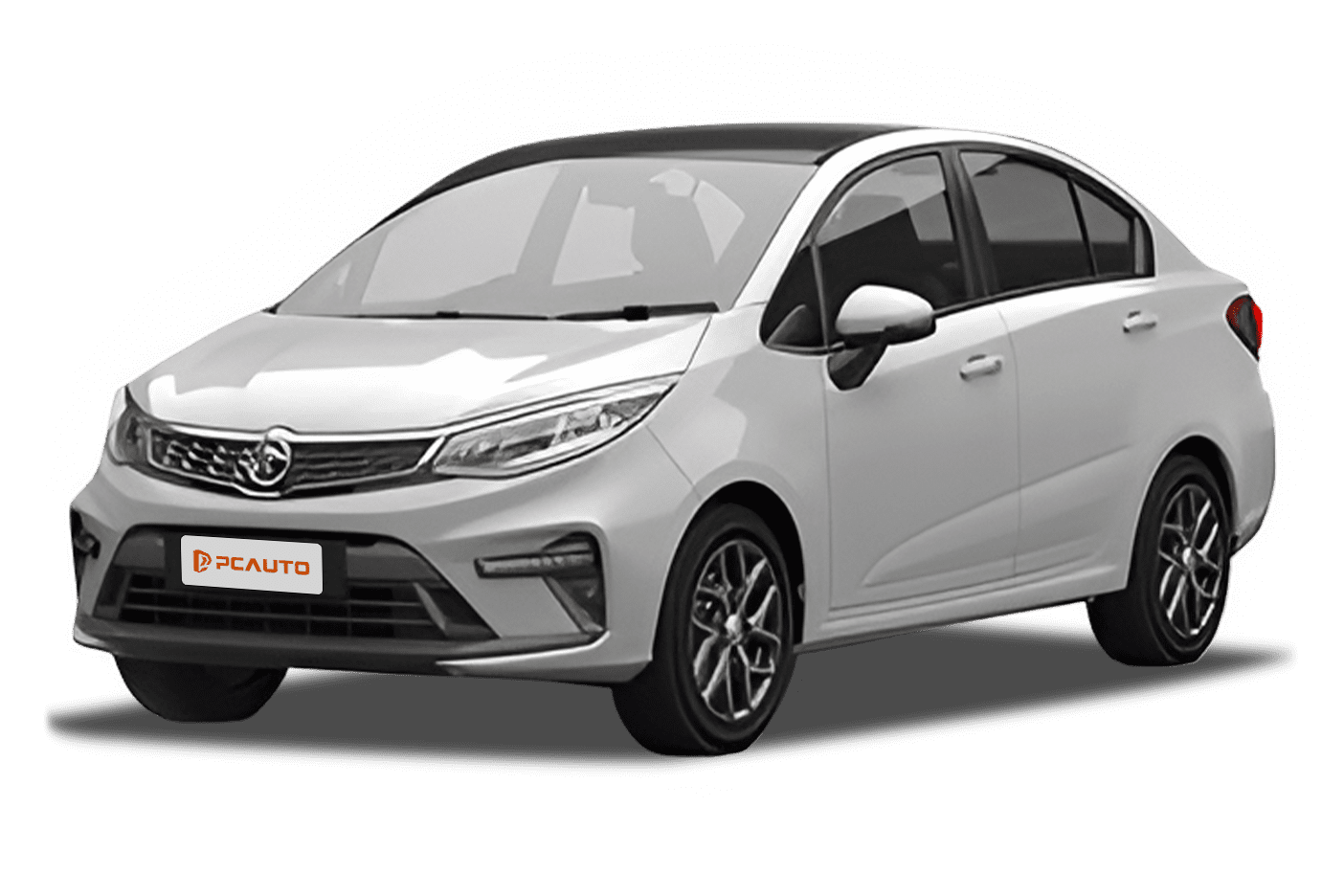
2023 Proton Persona 1.6 Standard CVT is an affordable, safety-configured entry-level family sedan with practical space, balancing daily commuting and family needs.
18
Rank in Sedan
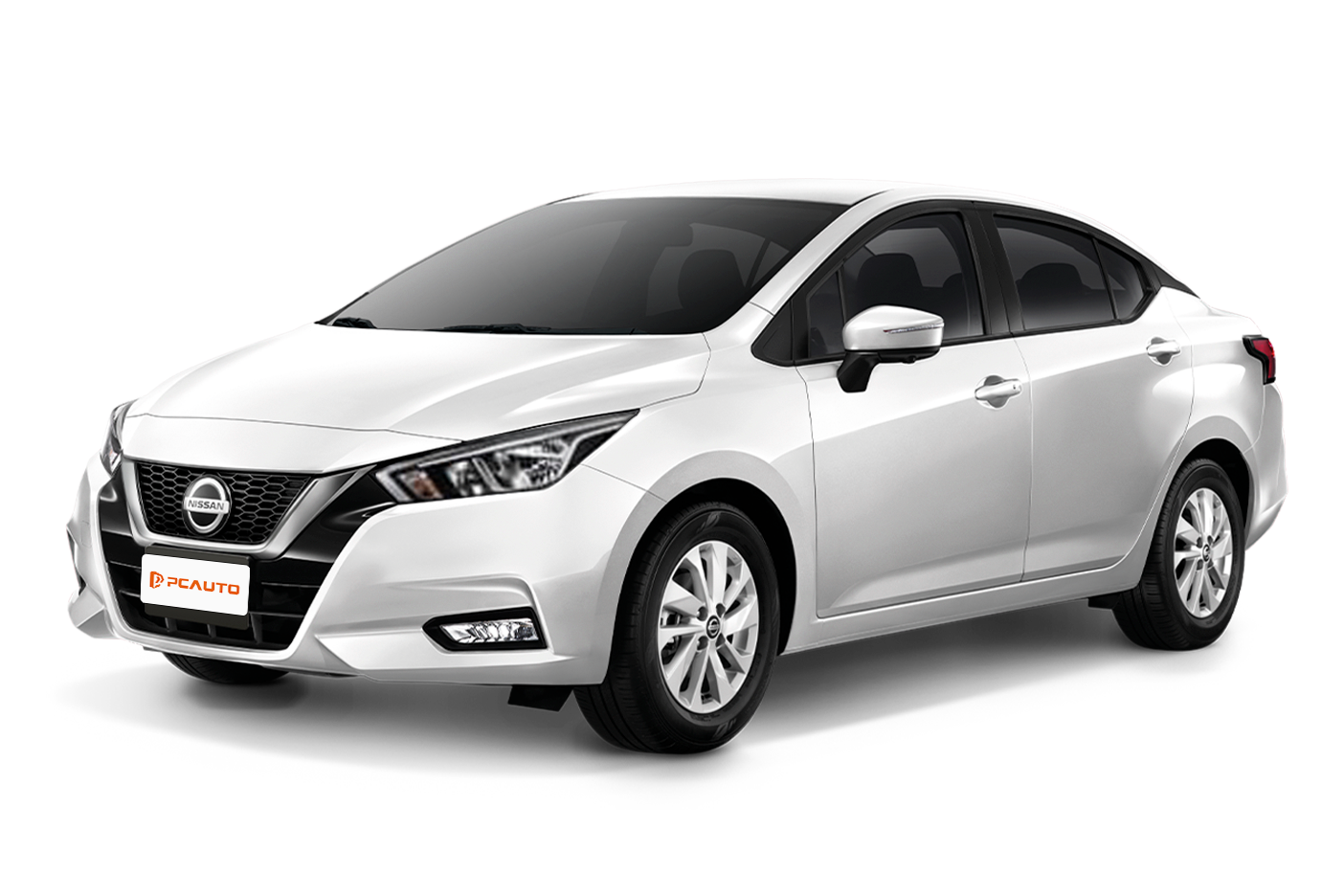
The 2024 Nissan Almera 1.0L Turbo VL is an affordable, practical, fuel-efficient, and well-equipped mid-size family sedan designed for consumers who value hassle-free commuting and family needs.
5
Rank in Sedan
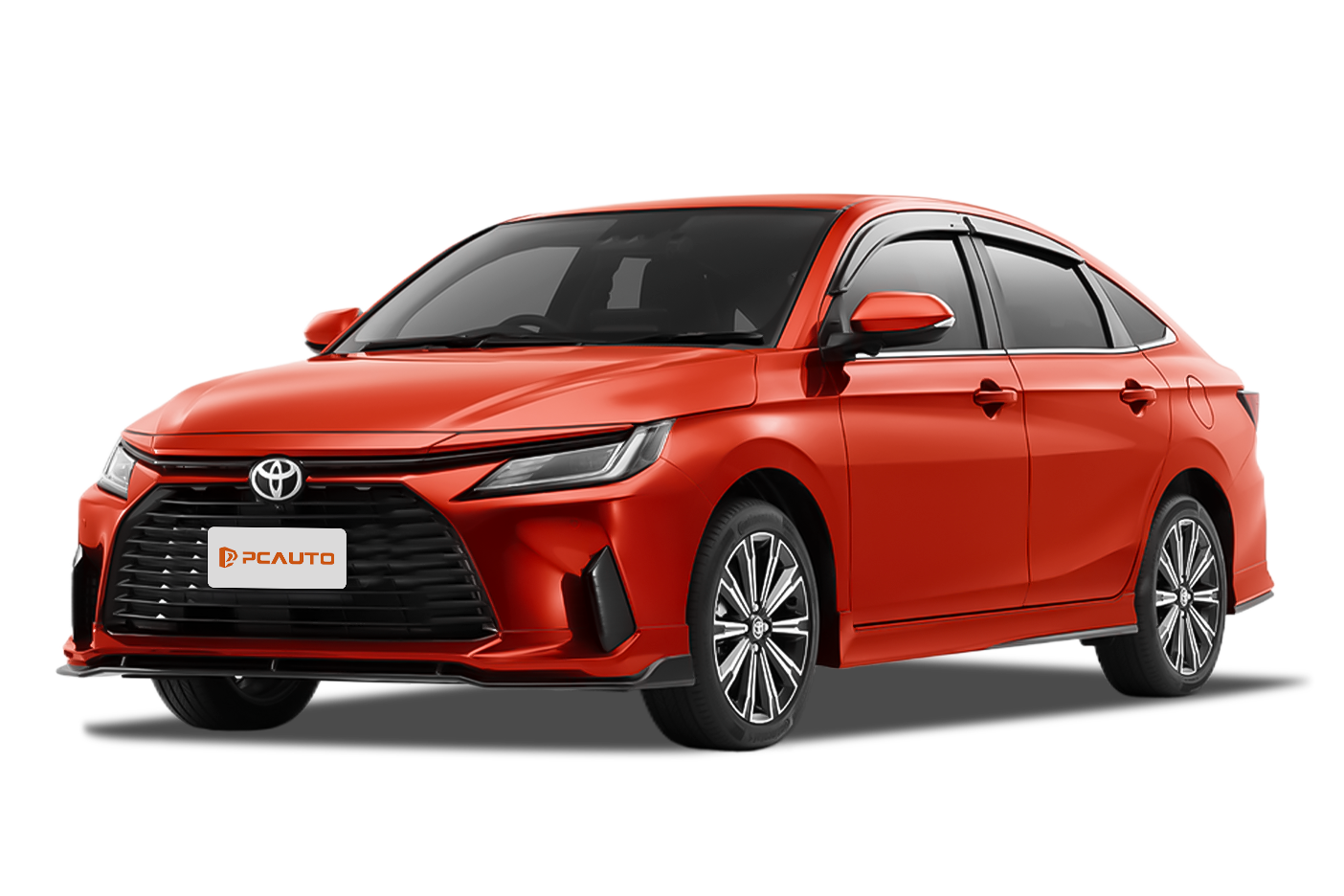
2023 Toyota Vios 1.5E AT, as a mid-range model in the facelift, with features such as the TSS Intelligent Safety System, HUD, and other high-end features being made available, along with balanced space and fuel efficiency, making it a high-value B-segment sedan choice in Malaysia.
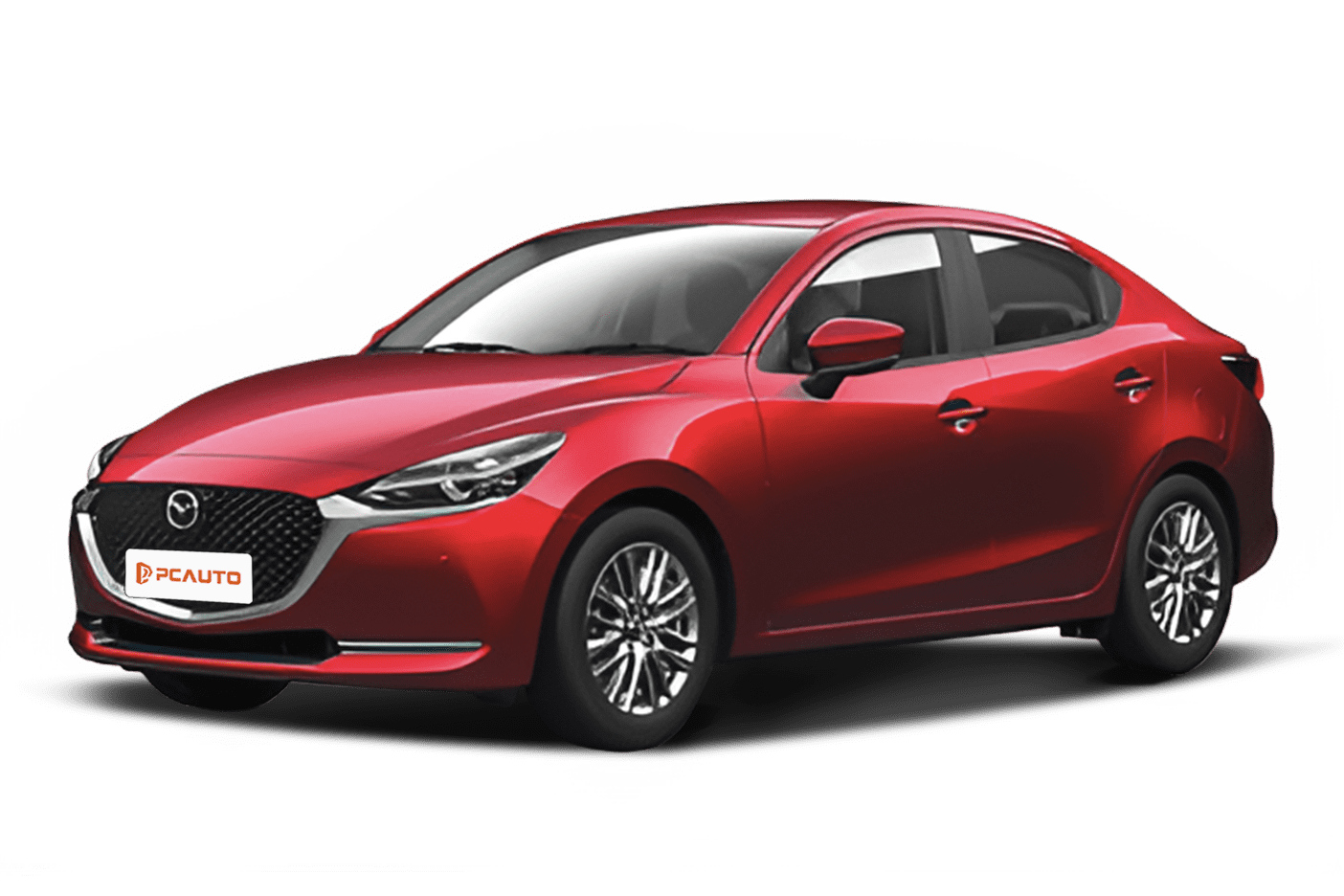
2023 Mazda 2 Sedan 1.5L is a family sedan that balances driving dynamics and practical features, with a price slightly over 100,000 MYR, making it suitable for urban commuting needs.