

Hyundai i30N Review

 Share
Share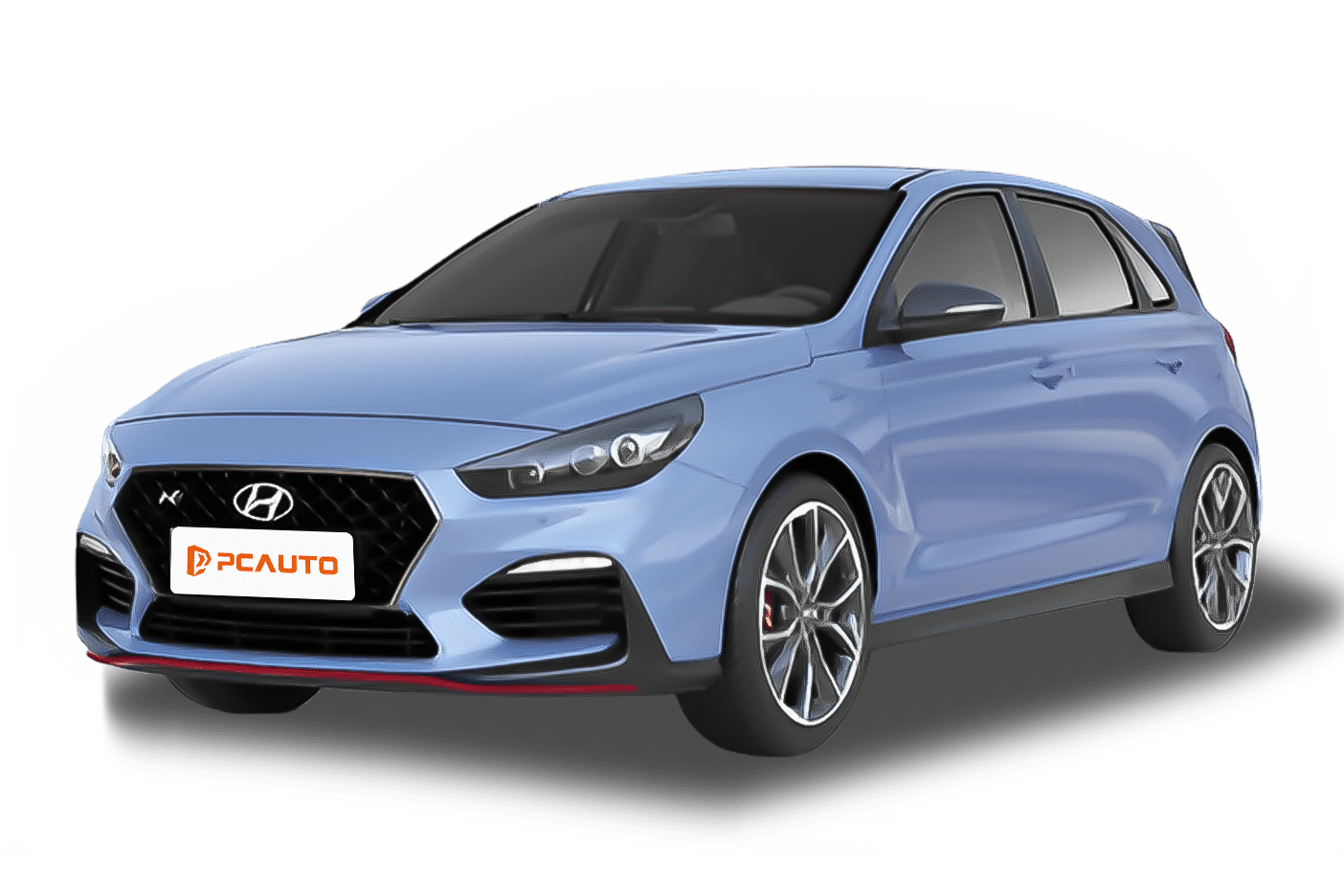
 Segment
 Body Type
 Capacity(L)
 Engine Power(PS)
 Transmission
 Driven Wheels
In today's highly competitive C-segment market in Malaysia, consumers are looking for practicality for daily commuting while also wanting to experience driving pleasure occasionally. Such demand has made high-performance hatchbacks a niche but stable choice. As the brand's first locally introduced "N" series performance car, the 2020 Hyundai i30N has attracted considerable attention from performance enthusiasts upon its launch, thanks to its 2.0T engine delivering 275PS and paired with a manual transmission. In this test drive, our focus is to verify whether it can balance the convenience of daily use with the driving excitement expected of a performance car.
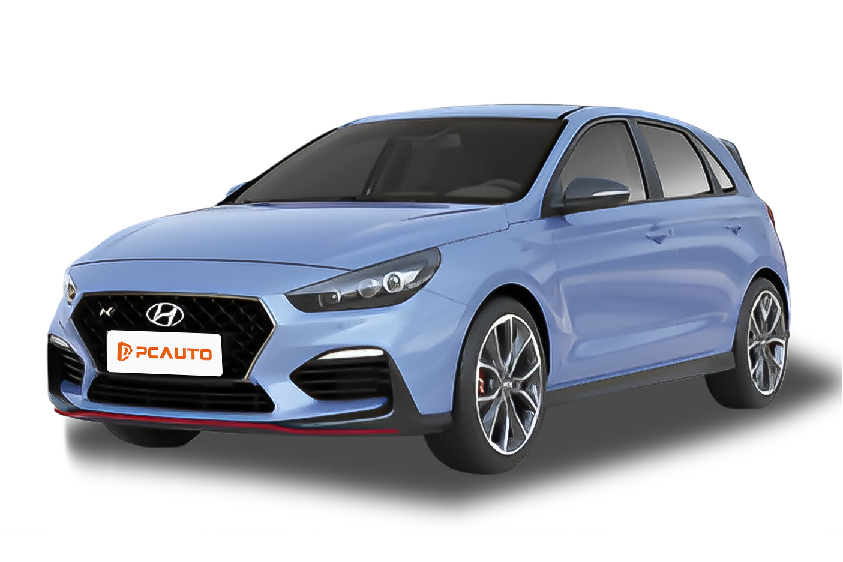
From the exterior, the performance positioning of the i30N is very intuitive. The front features a large honeycomb grille with a glossy black "N" badge embedded in the center. The sharp LED daytime running lights on either side connect to the edges of the grille, giving it a high level of recognition. The side profile boasts compact lines, with a muscular beltline extending from the front fender to the rear. Its 19-inch glossy black multi-spoke wheels and 235/35 R19 wide tires strongly emphasize the sporty vibe. At the rear, the compact roof spoiler and the functional design of the lower diffuser are minimalistic yet efficient, while the twin round exhaust tips on both sides are classic markers of a performance car. The overall design avoids unnecessary embellishments, with every detail emphasizing its performance attributes.
Stepping inside the car, the driver-oriented central control layout is immediately noticeable, making operations highly intuitive. The interior is predominantly black, with red stitching added to the seats and door panels for accents. The steering wheel and seats also feature "N" badges, enhancing the sporty feel. In terms of materials, the top of the dashboard is covered with soft plastic, which feels nice to the touch, while the lower sections use hard plastic, though the assembly quality maintains Hyundai's consistent standards. Key features include an 8-inch touchscreen infotainment system that supports CarPlay and Android Auto, with responsive and smooth performance meeting expectations. The 4.2-inch fully digital instrument cluster displays essential performance data like engine RPM and turbo pressure, which are very practical for performance enthusiasts. For the seats, the driver's seat features 10-way electric adjustment with excellent cushioning and support, making long drives relatively comfortable, while the passenger seat is manually adjustable. The rear seats can be folded down in a 60:40 split, enhancing the practicality of its 395L trunk space, which is sufficient for daily cargo needs. Additionally, features like keyless entry, dual-zone automatic air conditioning, and a panoramic sunroof cater to daily convenience.
In terms of space, the 2650mm wheelbase is standard for the C-segment class. The front-row space is quite spacious, comfortably accommodating a 180cm-tall passenger with ample headroom and legroom. The rear space is adequate for adults, offering about two fists of legroom, though headroom might feel slightly cramped due to the sunroof, but it's sufficient for everyday family use. Storage solutions, such as door pockets, a central armrest box, and front cup holders, are practical, and there are also rear cup holders and air conditioning vents, showing thoughtful attention to detail.
The powertrain is the highlight of the i30N. It is equipped with a 2.0T turbocharged engine providing a maximum power output of 275PS and a peak torque of 353N·m, paired with a 6-speed manual transmission. During actual driving, the turbocharged thrust is evident right from the start, with peak torque kicking in at just 1450rpm, delivering excellent low-end torque. This makes city driving and overtaking quite effortless. When switched to "N" mode, throttle response becomes more sensitive, engine RPM stays high, and the gear-shifting gives a precise and satisfying feel. Coupled with a well-calibrated clutch, the driving experience is highly engaging. However, in traffic jams, frequent gear changes can feel slightly cumbersome, making it more suitable for drivers who enjoy manual transmissions.
In terms of handling, the i30N performs remarkably well. The steering is precise with minimal play, and during cornering, it provides clear feedback on road conditions, giving the driver great confidence. The suspension system is tuned towards stiffness, so it doesn't thoroughly filter out road bumps, but it provides sufficient support in corners with minimal body roll and excellent stability. The braking system also performs exceptionally well, with a moderate pedal travel, linear braking force release, and a stable body posture during emergency braking, meeting expected braking distances. As for fuel consumption, the official combined fuel consumption is 8.5L/100km. In actual driving conditions, it consumes around 10-11L in urban traffic congestion and drops to 7-8L on highways, which is reasonable for a 2.0T performance car.
When it comes to driving comfort, the i30N is relatively balanced among performance cars. In terms of sound insulation, tire and wind noise are well-controlled at low speeds, whereas tire noise becomes slightly noticeable at high speeds but remains within an acceptable range. The seats are very comfortable, offering a good balance of support and cushioning, ensuring that long drives are not too tiring. However, the stiffer suspension tuning means that passing speed bumps or rough road surfaces can result in direct bumps, which might slightly impact the comfort for rear passengers.
Overall, the core advantages of the 2020 Hyundai i30N lie in its powerful performance, precise handling, and rich features. Compared to its peer, the Volkswagen Golf GTI, the i30N offers more competitive power figures and is also more affordable, making it highly cost-effective. However, the Golf GTI's dual-clutch transmission provides greater convenience for daily use, which is more suitable for users who prefer not to drive a manual. In terms of positioning, the i30N is more suitable for young consumers who want a car that can handle daily commutes while also delivering an enjoyable driving experience, or for families that demand performance, as it also meets the requirements for space and features for daily use.
To summarize in one sentence, the 2020 Hyundai i30N is a versatile performance hatchback that can "take on the track and handle grocery runs." It combines the driving fun of a performance car with everyday practicality, making it a very competitive choice among vehicles in its class.
Hyundai i30N Car Compare
Hyundai i30N Loan Calculator
More Hyundai Reviews

Cars With Similar Price And Features
5
Rank in Hatchback

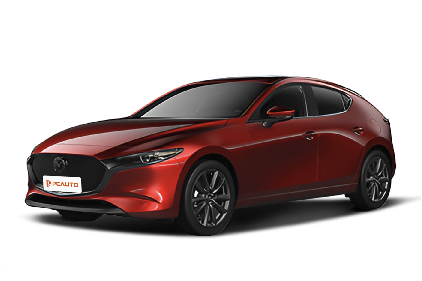
2025 Mazda 3 Hatchback 1.5 L highlights its KODO design, balancing fuel efficiency and practicality. Despite being an entry-level model, it retains core safety features, making it suitable for family users who value design and daily commuting.
6
Rank in Hatchback

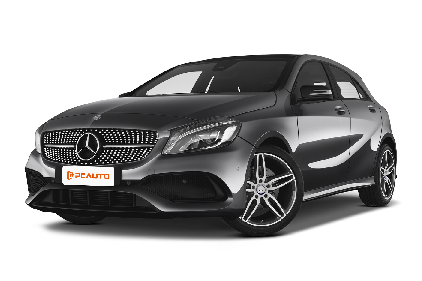
2018 Mercedes-Benz A-Class A200 Progressive Line offers luxurious features such as dual screens at an entry-level price, balanced space, and smooth power, making it a textured choice favored by young families and professionals.

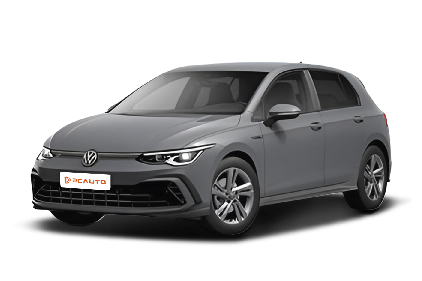
2024 Volkswagen Golf GTI Edition 50, as the anniversary model of the classic performance hatchback, features an upgraded Harman Kardon sound system, a fully digital instrument cluster, and a powerful 2.0T engine, combining driving pleasure with family practicality.