

Hyundai Ioniq 5 2024 Review

 Share
Share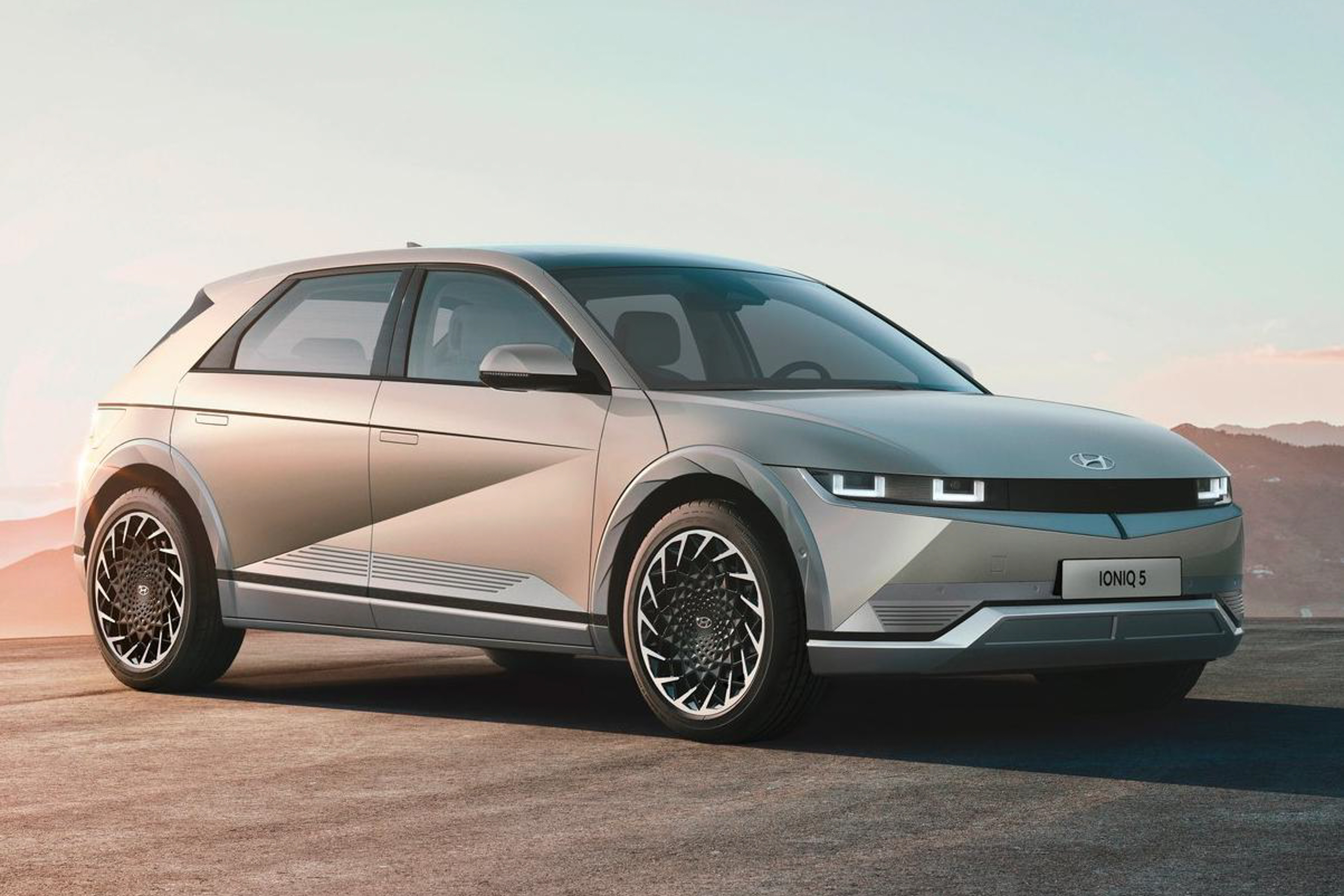
 Segment
 Body Type
 Motor Output(kW)
 Motor Torque(Nm)
 EV Range(km)
 Battery Capacity(kWh)
The Southeast Asian pure electric performance car market has been gradually heating up in recent years, with an increasing number of consumers seeking driving pleasure turning their attention to vehicles that combine zero emissions with strong power. Hyundai's Ioniq 5 N, set to launch in 2024, aims to target this niche market—it not only continues the futuristic design of the standard Ioniq 5 but also breaks the stereotype that "electric vehicles lack driving excitement" with its dual motor system delivering 609 horsepower and 0-100 km/h acceleration in 3.4 seconds. This time we experienced the overseas test version of the car in advance, with the core purpose of seeing whether this performance EV, built on the E-GMP platform, can strike a balance between power, handling, and daily practicality.
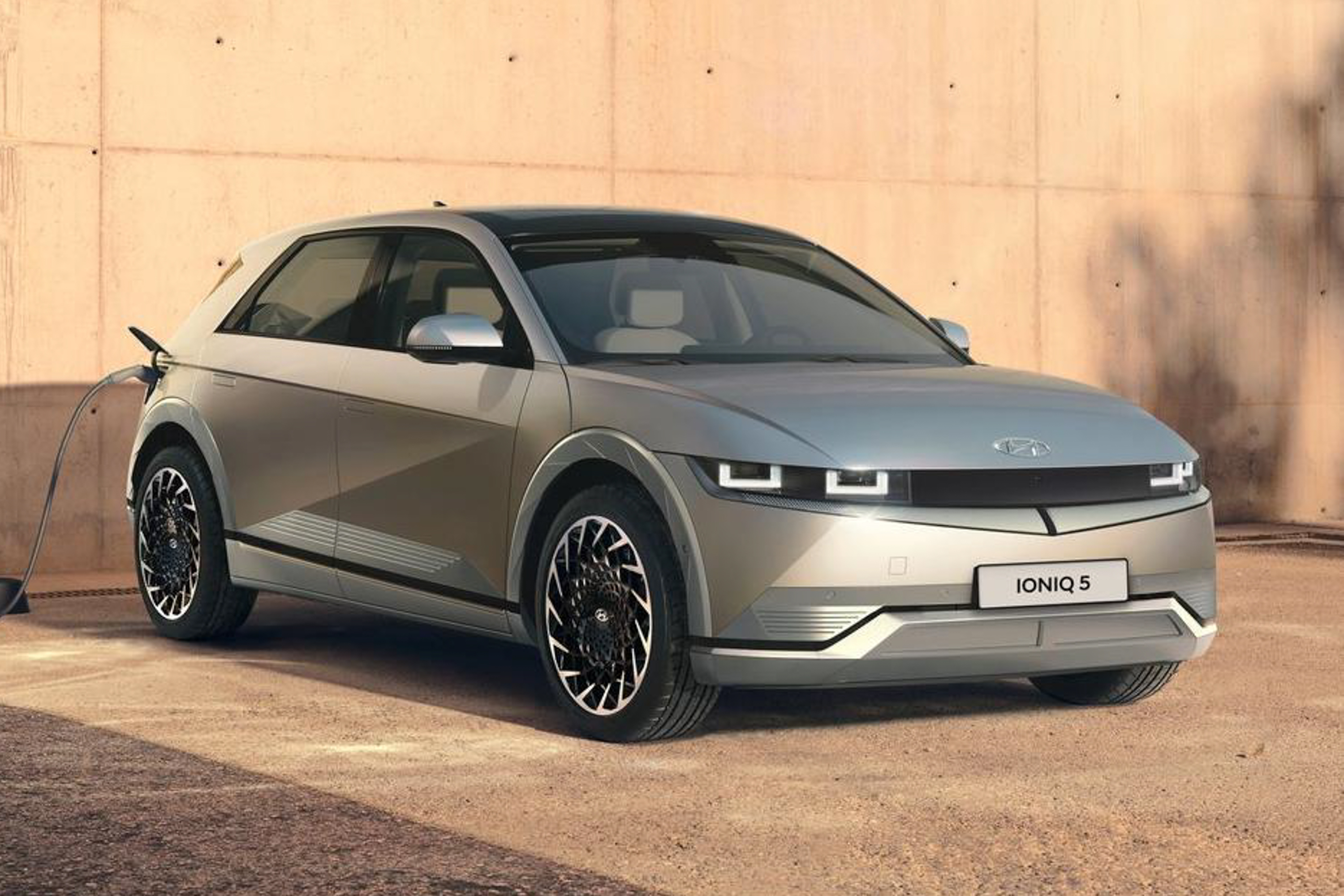
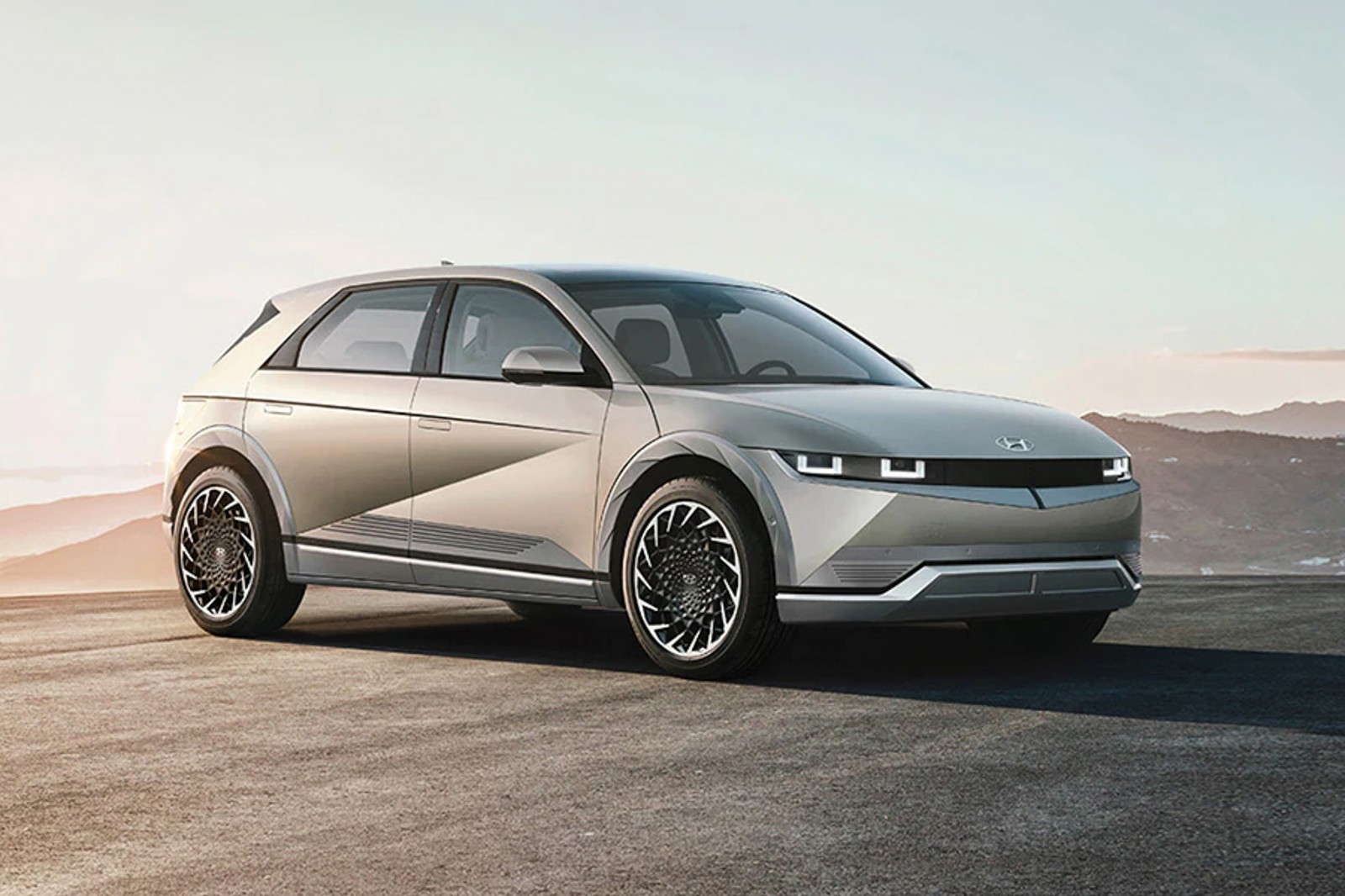
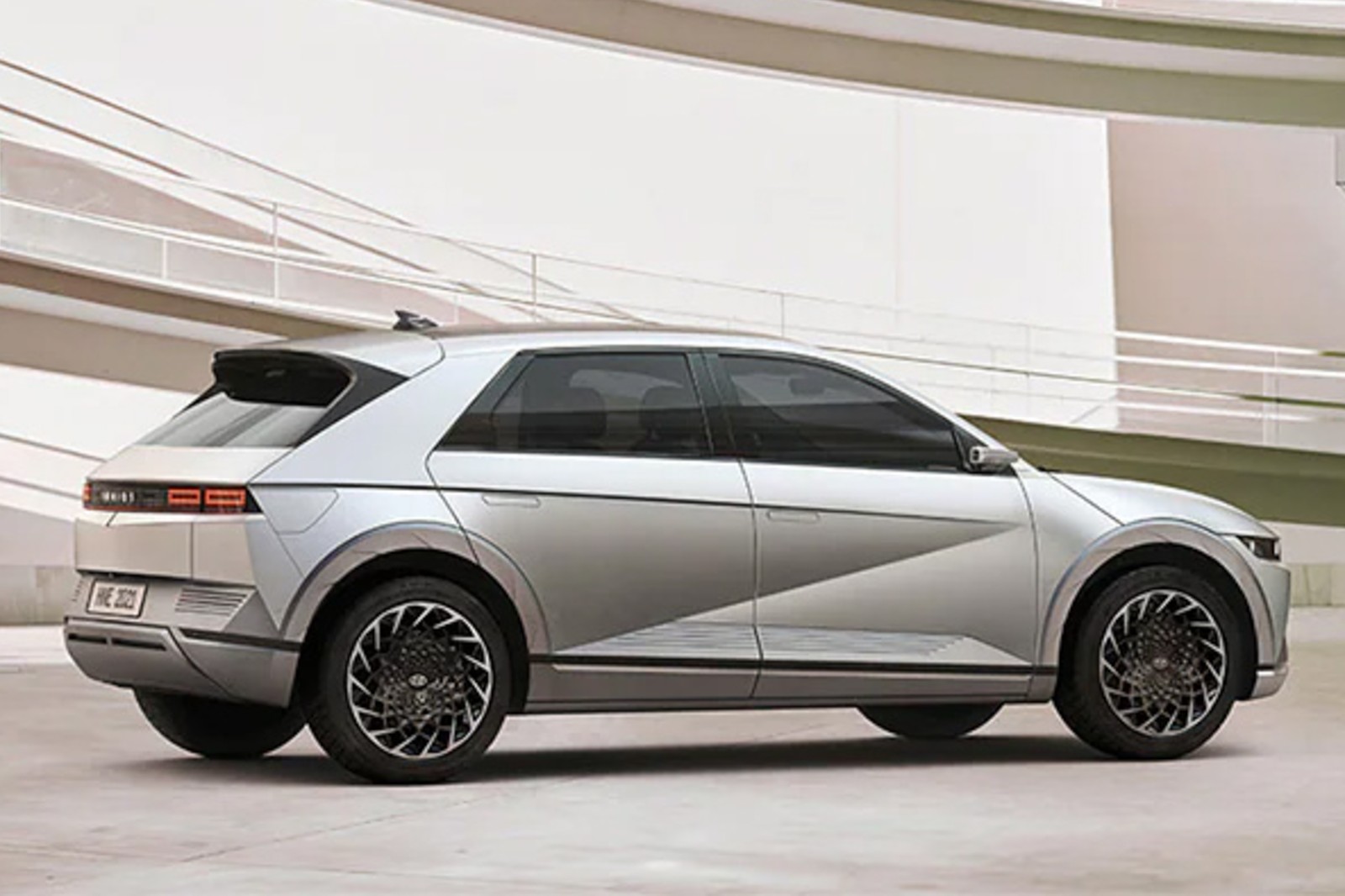
From the exterior, the Ioniq 5 N carries forward the standard version's "Parametric Pixel" design language but noticeably enhances the performance attributes in its details. The front retains the iconic rectangular headlights, but the lower bumper incorporates a larger honeycomb-shaped air intake grille, with added air ducts on both sides that not only improve cooling efficiency but also give the front end a more aggressive look. Changes on the side of the body are equally apparent: the wheel arches are widened by 20 millimeters, paired with 21-inch matte gray sport wheels and Pirelli P Zero tires, giving a more grounded appearance. A black spoiler is added to the roof, and side skirts are equipped below the doors, with the overall stance lowered by 10 millimeters compared to the standard version, reducing the center of gravity while also enhancing aerodynamic performance. The rear modifications focus on the diffuser area, which is larger than that of the standard version. Combined with the through-type pixel tail lights and quad-exit virtual exhaust sound system (simulating the roar of fuel-powered performance cars), it significantly enhances its recognition.
Upon entering the cabin, the interior of the Ioniq 5 N retains the tech-savvy feel of the standard version while adding many performance elements. The dashboard still features a dual 12.3-inch connected display design, integrated with the latest Bluelink smart system, supporting wireless connectivity for Apple CarPlay and Android Auto, with smooth operation and responsive speed. The difference lies in the steering wheel, which is replaced with a three-spoke sport steering wheel featuring N-mode buttons, with red buttons on both sides for one-touch switching of power modes and braking intensity. Behind the wheel are metal paddle shifters (used to adjust regenerative braking strength or switch driving modes). The seats adopt N-exclusive sports bucket seats wrapped in Alcantara material, offering excellent support for both the waist and legs, ensuring the body remains firmly in place even during aggressive driving. The sides of the seats are embroidered with the "N" logo, showcasing its identity in the details. In terms of materials, the dashboard and inner door panels are wrapped in soft leather, combined with metal trims and carbon fiber-patterned accents, achieving an overall texture that fits the positioning of a D-segment car.
In terms of space, the Ioniq 5 N continues to benefit from the long wheelbase advantage of the E-GMP platform. The vehicle dimensions are 4615×1940×1585 millimeters, with a wheelbase of 3000 millimeters. The front passenger's headroom is approximately 980 millimeters, while legroom can be adjusted up to 1050 millimeters depending on seat configuration, ensuring that even passengers with a height of 185 centimeters won't feel cramped. The rear space is equally spacious, with 850 millimeters of legroom and 950 millimeters of headroom. The nearly flat middle floor ensures that the middle passenger remains comfortable even with three people seated. For storage, the front central armrest box has a capacity of about 5 liters, and the door panel storage slots can hold two 500-milliliter water bottles. The trunk offers a standard volume of 527 liters, which can be expanded to 1587 liters by folding down the rear seats, making it sufficient for daily shopping or short trips. Additionally, a front trunk is available with a capacity of about 52 liters, suitable for storing charging cables or small backpacks, offering good practicality.
In dynamic driving, the performance of the Ioniq 5 N completely lives up to its positioning as a "performance car." It is equipped with front and rear dual permanent magnet synchronous motors, with a combined maximum power output of 448 kW (609 horsepower) and a peak torque of 740 Nm. In N Grin Boost mode, the power can temporarily increase to 478 kW (650 horsepower), achieving 0-100 km/h acceleration in just 3.4 seconds with a very strong sense of pushback—there might be slight tire slippage during launch, but the electronic stability system quickly intervenes to adjust. The acceleration process is linear and sustained, with only slight power attenuation noticeable after 160 km/h. There are various driving modes to choose from, including Eco, Normal, Sport, and N modes. In N mode, the steering wheel resistance increases, the suspension becomes stiffer, and the power response is more responsive. Meanwhile, the N Race mode further optimizes power output and the cooling system, making it suitable for track driving.
The handling and chassis performance are highlights of the Ioniq 5 N. It is equipped with an N-specific electronically controlled suspension that supports three-stage damping adjustment. During daily driving (Normal mode), the suspension can filter out most road bumps, with comfort levels close to the standard version. But when switched to Sport or N mode, the suspension becomes noticeably stiffer, road feedback is clearer, and body roll is kept to a minimum when cornering. The precision of the steering system is very high, with almost no dead zone in the steering wheel. Even during high-speed lane changes, it accurately follows your input. As for the chassis, the body rigidity has been improved by 20% compared to the standard version. The front suspension adopts a MacPherson strut design, while the rear uses a multi-link design. With the support of an electronic limited-slip differential (e-LSD), torque can be effectively distributed between the left and right wheels during cornering, reducing understeer. Overall, its handling significantly outperforms typical electric vehicles.
In terms of range and charging, the Ioniq 5 N is equipped with an 84 kWh ternary lithium battery pack, with an official pure electric range of 448 km. During our test under mixed roadway conditions (60% urban roads, 40% highways, with air conditioning at 24°C), the actual range was about 390 km, achieving around 87% of the claimed range, which is fairly standard performance. As for fast charging, it supports 800V ultra-fast charging technology, requiring only 18 minutes (official data) to charge from 10% to 80%. In our actual test, using a 150 kW fast-charging station, it took about 20 minutes to go from 10% to 80%, which is indeed very quick and helps alleviate range anxiety. In terms of energy consumption, the overall power consumption is about 19.5 kWh/100 km, while on highways (cruising at 120 km/h), the consumption is about 23 kWh/100 km, which is within the normal range for a performance electric vehicle.
In terms of ride comfort, the Ioniq 5 N exceeds expectations. Although it is a performance car, noise control during everyday driving is well-executed. At speeds below 60 km/h, motor noise is almost inaudible, while at higher speeds wind and tire noise slightly increase but do not hinder in-car conversations. The energy recuperation system supports four levels of adjustment, with the highest setting providing a recovery force close to one-pedal driving mode, reducing the need for using the brakes in daily commutes. In N mode, the regeneration force automatically decreases, making the driving experience closer to the linear feel of a fuel vehicle. The seat comfort is also commendable. Despite being sports bucket seats, the padding is not overly firm, ensuring long-term comfort (e.g., during continuous two-hour drives) without causing fatigue.
Overall, the core advantages of the Hyundai Ioniq 5 N are very clear: it combines the eco-friendliness and smoothness of an electric vehicle with the driving fun of a performance fuel car. It is one of the rare "daily commuter and track-capable" performance EVs on the market today. Compared to competitors in the same class such as the Tesla Model Y Performance, the Ioniq 5 N has advantages in handling and interior quality, as well as faster charging speeds. Against the BMW i4 M50, it offers more space and is expected to be more competitively priced (approximately 450,000 RM in the Malaysian market).
The target demographic for this car is very distinct: first, young consumers who seek driving excitement but do not want to compromise on everyday practicality; second, users who want an EV but also enjoy the sound and handling of performance cars. It caters to the comfort needs of daily commuting, can take the family on short trips over the weekend, and occasionally hit the track to experience the thrill of speed and passion. It is a versatile vehicle that balances performance and practicality.
In summary, the Hyundai Ioniq 5 N is not merely a car focused on acceleration as a "drag racing king," but a true performance EV with driving quality. It proves through its performance that electric vehicles can also offer rich handling enjoyment. If you're looking for a "well-rounded" performance car, the Ioniq 5 N is worth looking forward to.
Hyundai Ioniq 5 Car Compare
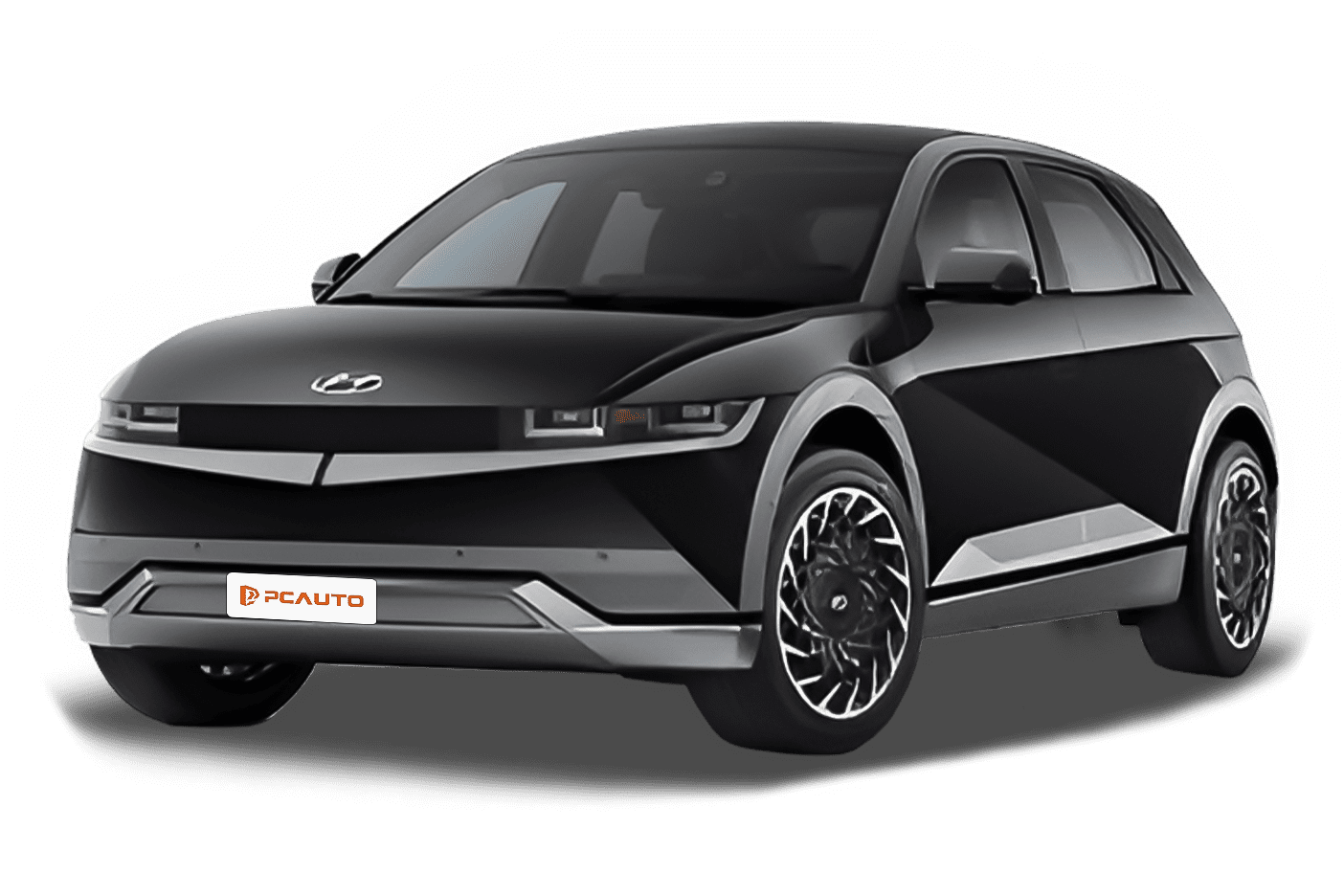

More Hyundai Reviews
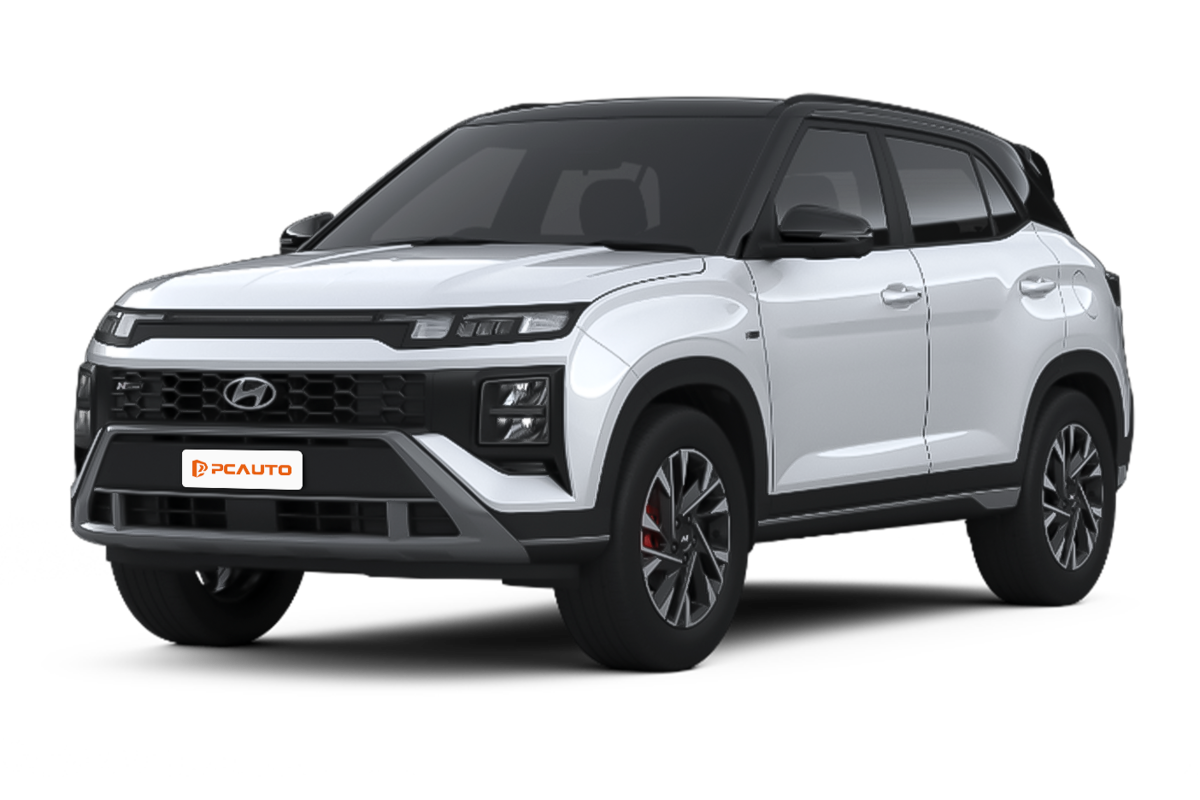
Cars With Similar Price And Features

24
Rank in SUV
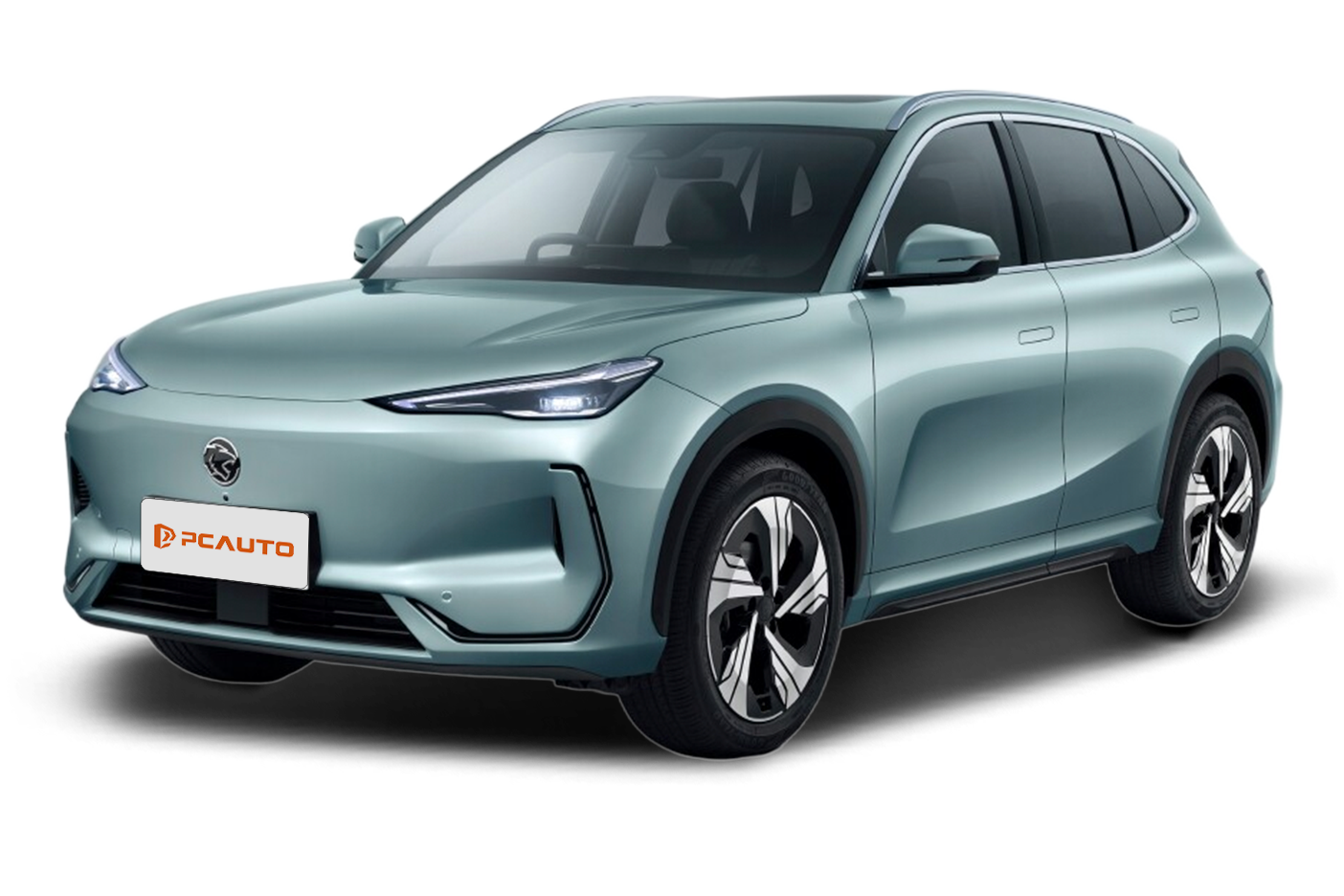
2024 Proton e.Mas 7 Prime is a D-segment family electric vehicle featuring high cost-performance, providing 410km range, L2 level assisted driving, and spacious interior to meet family practicality needs.
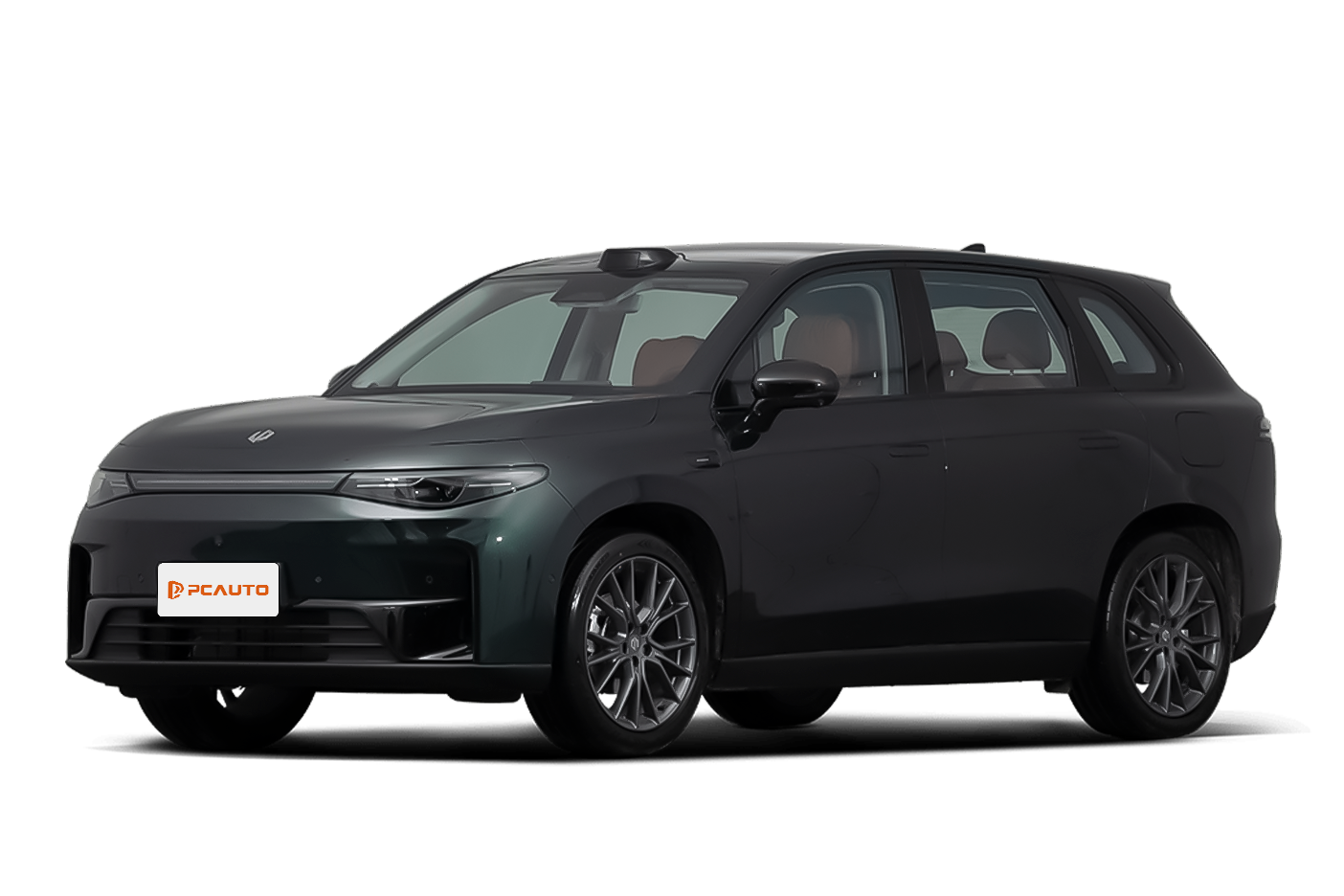
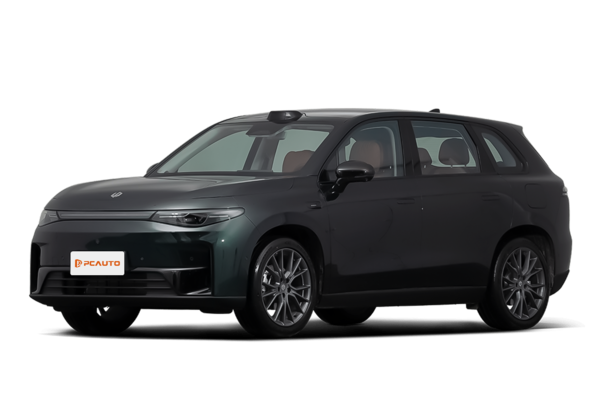
2025 Leapmotor C10 EV is a high-cost-performance D-class pure electric SUV, offering reduced prices and extended range, with practical space and generous configurations to meet the daily travel needs of family users.
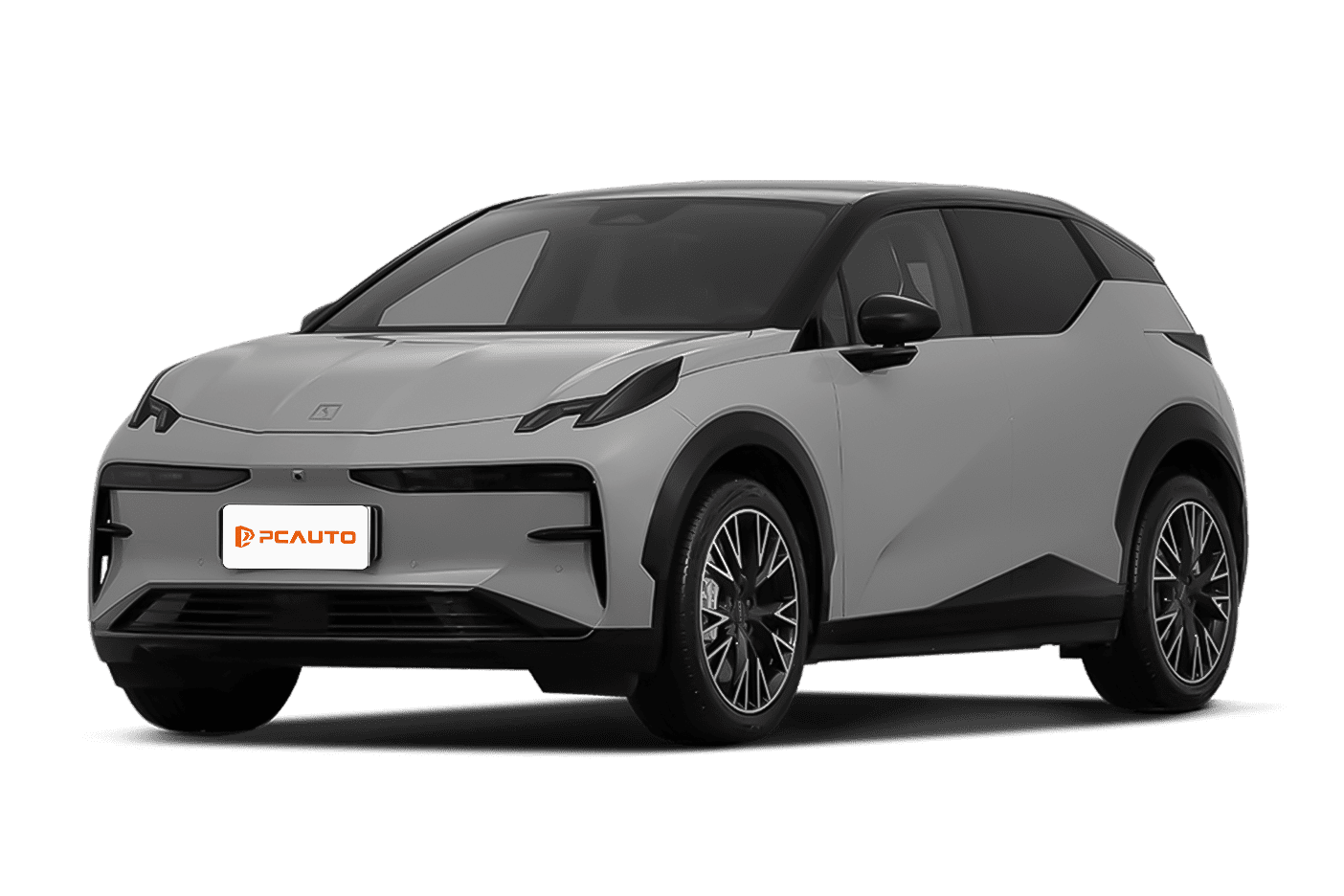
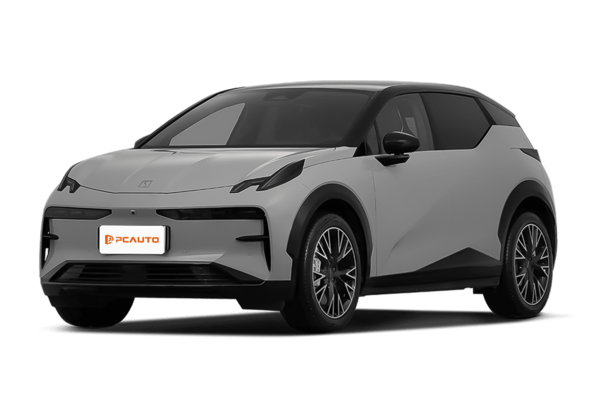
2024 ZEEKR X Premium RWD is a compact pure electric SUV that focuses on high cost performance, featuring 272PS rear-wheel drive power, L2-level assistance, and Yamaha audio, balancing driving control and household practicality.
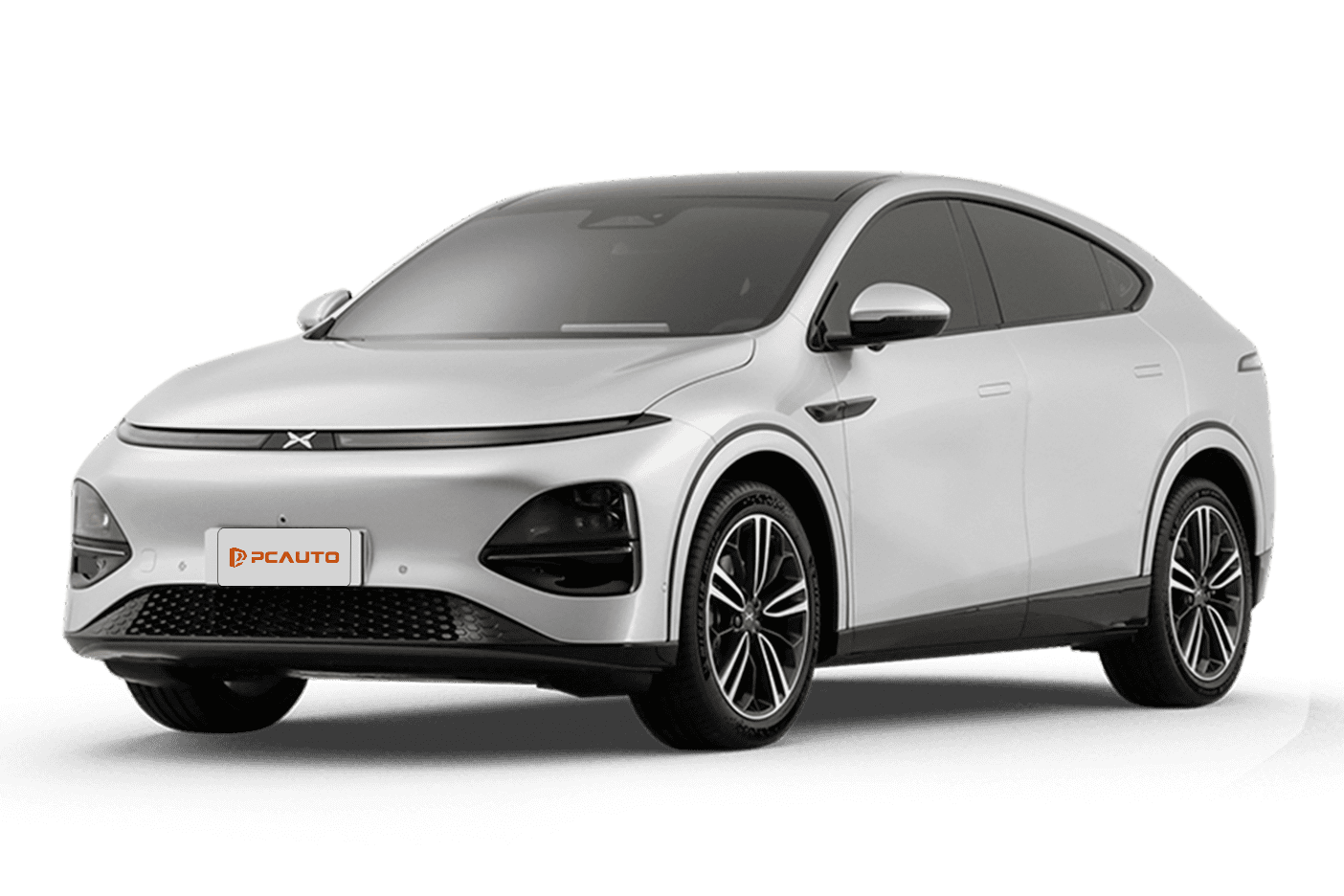
2025 Xpeng G6 Standard Range is a high-value D-class pure electric SUV with solid range (525km), upgraded configuration (18-speaker sound system + ventilated and heated seats), and practical space to meet the needs of family users.