

Hyundai Ioniq 5 N Upcoming 2024 Review

 Share
Share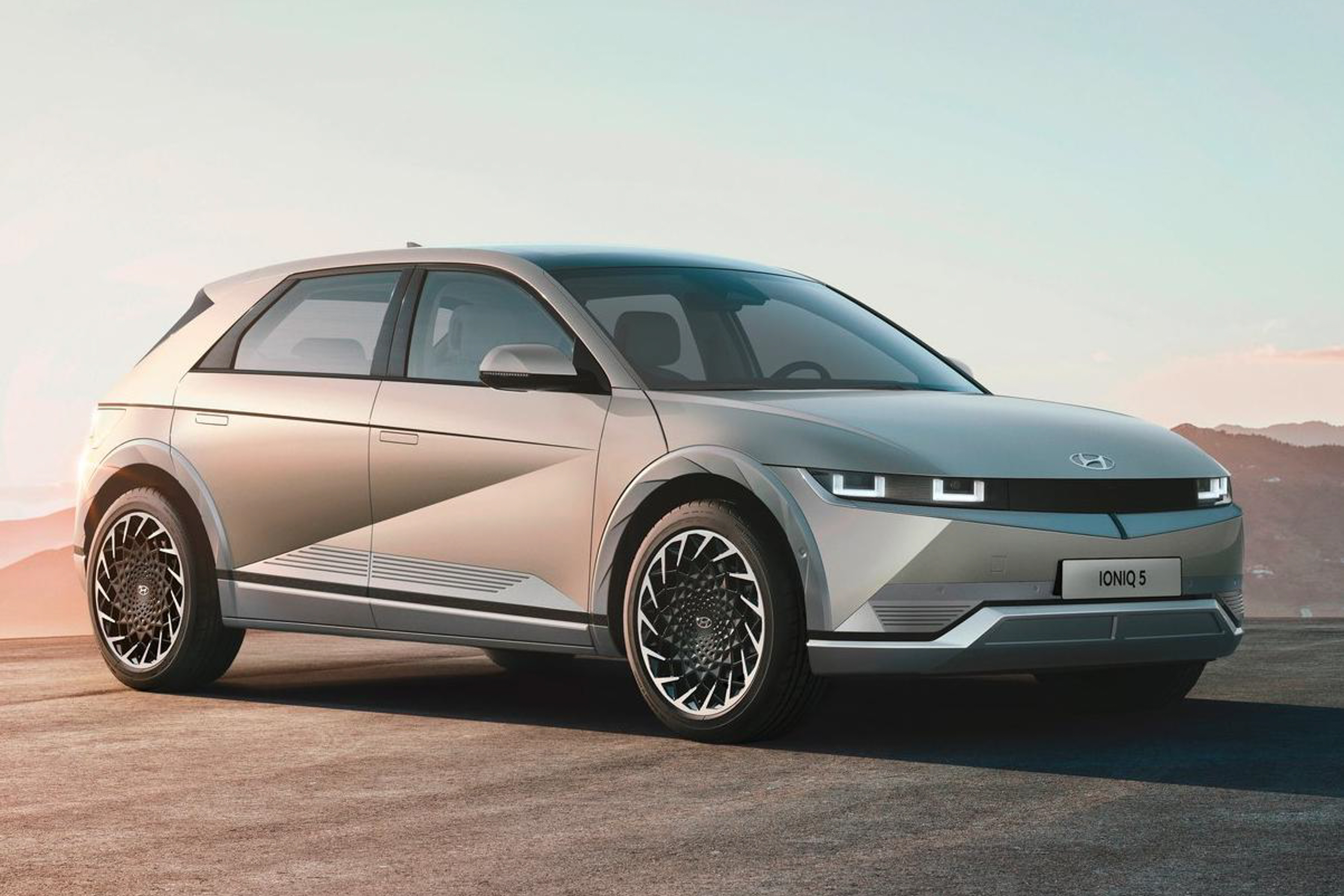
 Segment
 Body Type
 Motor Output(kW)
 Motor Torque(Nm)
 EV Range(km)
 Battery Capacity(kWh)
The electric vehicle market is rapidly transitioning from household commuting to the performance sector. In the D-segment pure electric vehicle market, there is a growing number of consumers seeking a balance between high performance and daily practicality. As the first pure electric model under Hyundai's N performance sub-brand, the Ioniq 5 N, which will hit the market in 2024, not only continues the avant-garde design of the standard version but also elevates the motor's power to 448kW (609PS) and torque to 740N·m, achieving 0-100km/h acceleration in just 3.4 seconds. Such specifications would be impressive even among fuel-powered performance cars, let alone a model built on a pure electric platform. This time, we had the chance to test the car in advance, focusing on verifying whether it balances "N-series track genes" and "daily commuting practicality" while exploring the new possibilities that a pure electric architecture can bring to performance vehicles.
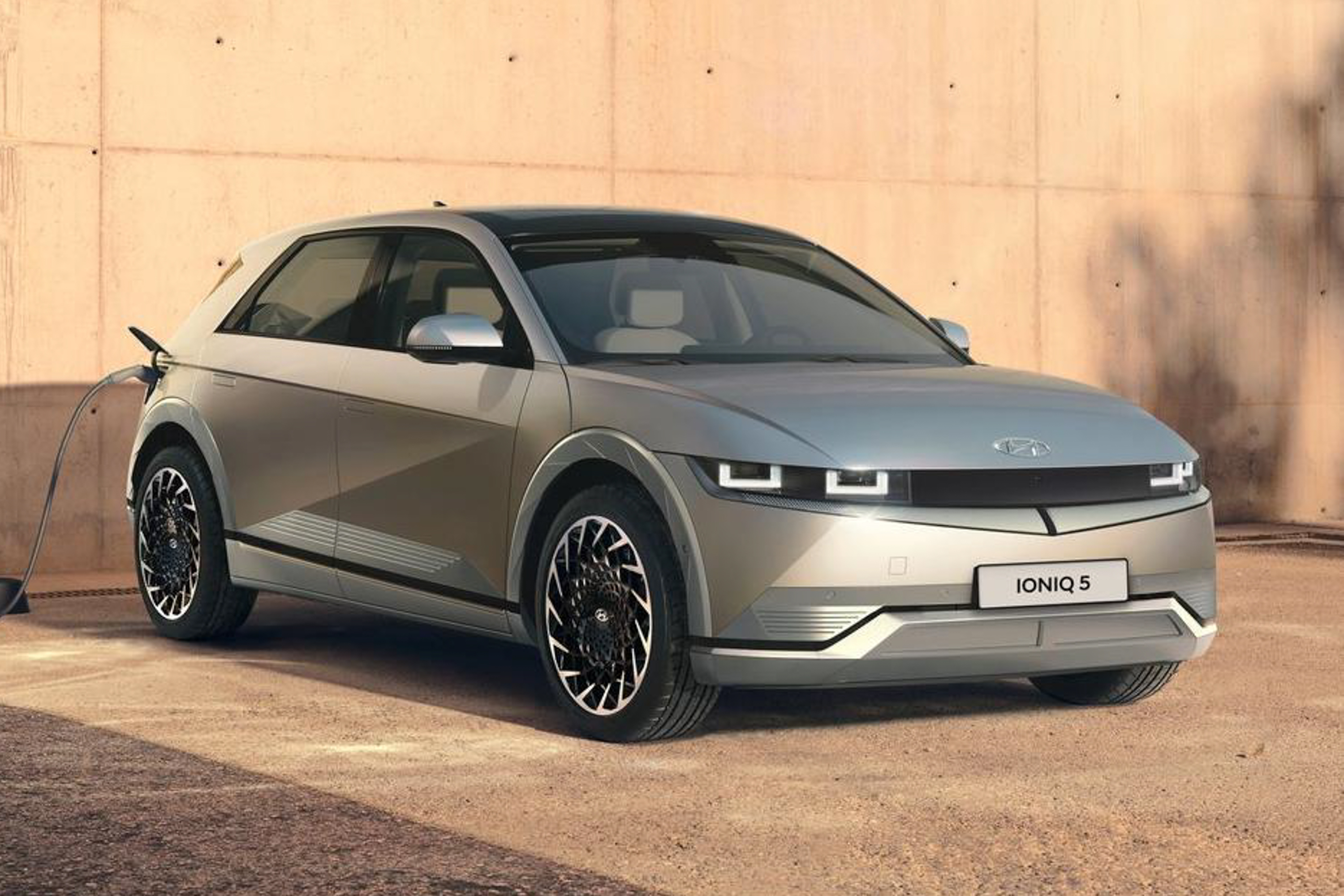
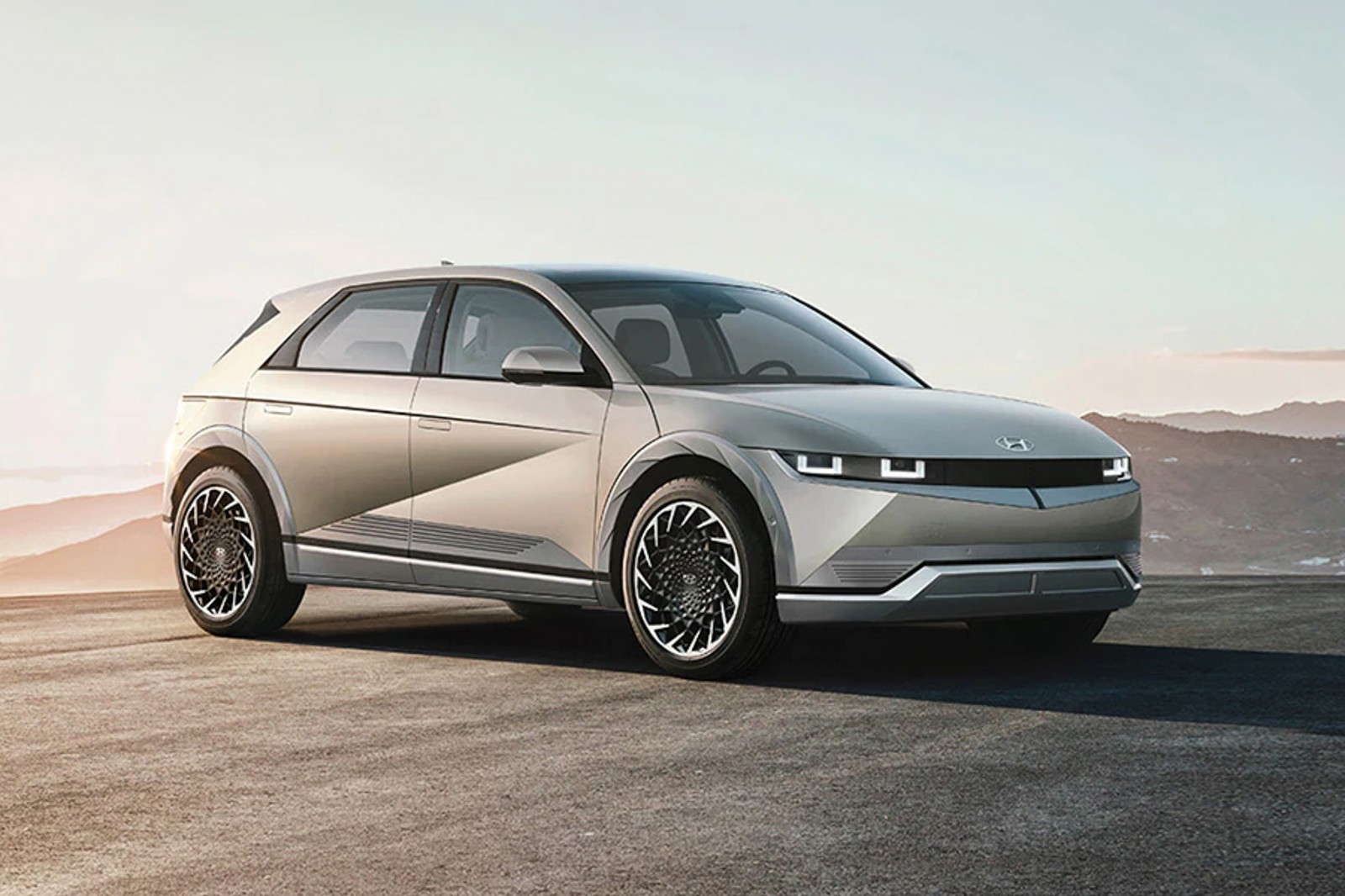
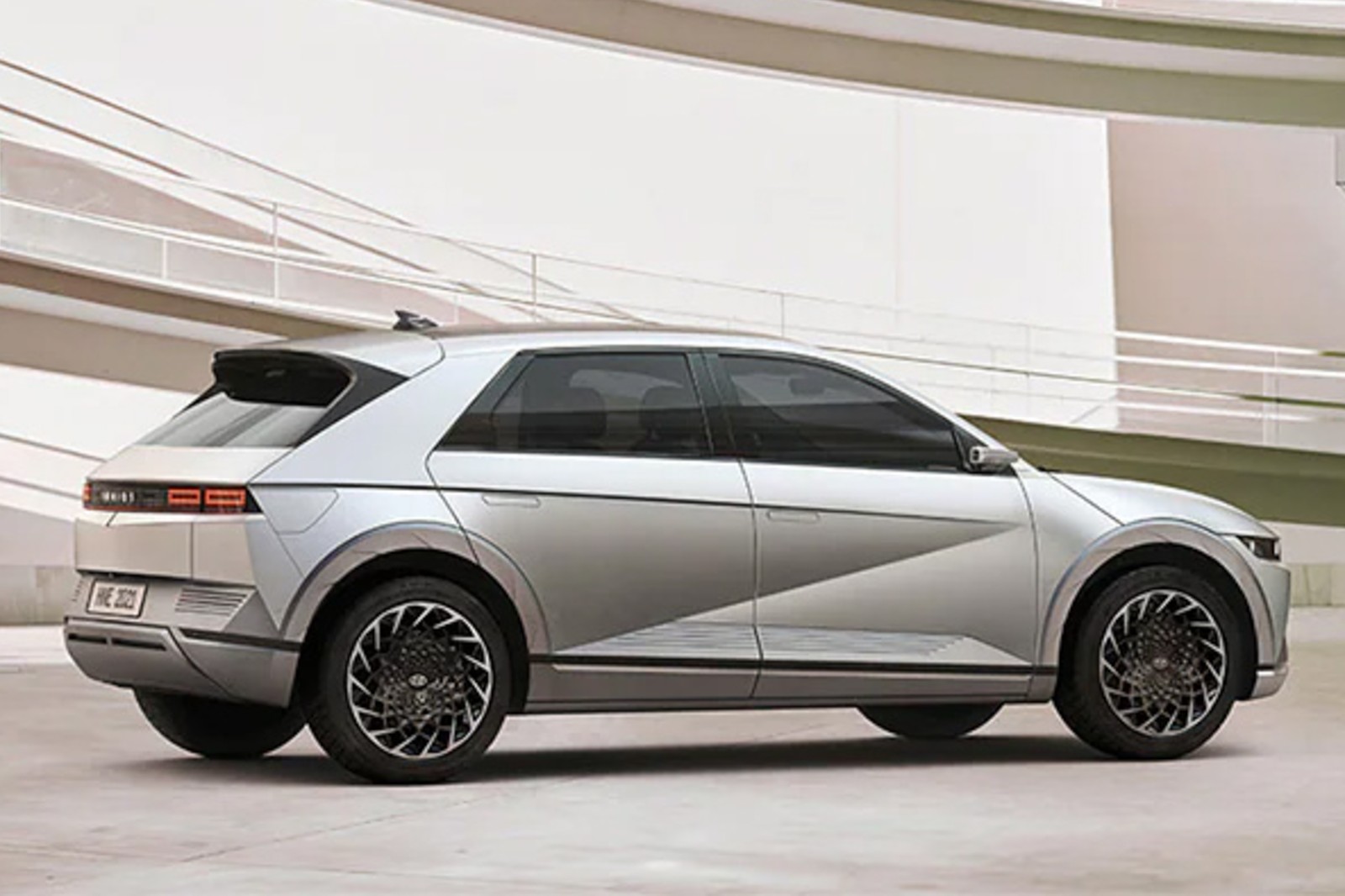
In terms of exterior design, the Ioniq 5 N is built on the E-GMP platform, maintaining the square and futuristic silhouette of the standard version while incorporating performance-specific adjustments in the details. The front end features a more aggressive blacked-out closed grille, along with a large air intake on the lower front bumper and air vents above the hood, which optimize cooling and enhance aggressiveness; the side profile is marked by 10-spoke 21-inch matte gray wheels paired with red brake calipers, immediately signaling its performance orientation. The wheel arches have also been widened, and the floating roof design and hidden door handles are retained, adding a muscular feel while maintaining a futuristic look. At the rear, the standout feature is the carbon fiber spoiler, with a larger rear diffuser compared to the standard version. Both sides of the diffuser feature decorative elements resembling exhaust outlets (which are actually motor cooling vents), and the full-width taillights are treated with a blackened finish to maximize recognizability. It is worth noting that the car also offers a dedicated Performance Blue paint option, further emphasizing its N-series identity.
Inside the cabin, the Ioniq 5 N's interior continues the minimalist style of the standard version but incorporates numerous performance elements. The steering wheel is an N-series exclusive three-spoke design with customizable buttons on both sides and blue N Mode buttons, enabling one-touch switching to performance mode. The steering wheel feels solid and includes a heating function; the seats are N-specialized sports seats with suede upholstery, offering better shoulder and lumbar support to keep the body firmly in place during spirited driving, while retaining the standard version's electric adjustment and ventilation/heating functions. The center console features a 12.3-inch dual connected screen with an N-series exclusive UI interface, capable of displaying real-time performance data such as motor power, torque output, and battery temperature. The onboard system supports CarPlay/Android Auto and voice control, providing sufficient convenience for daily use. For interior details, the center console and door panels feature carbon fiber trim, the seat headrests are embossed with N logos, and the air vents and gear shifter area are embellished with blue stitching, creating an atmosphere that balances a sense of performance and luxury.
In terms of space, the Ioniq 5 N has a wheelbase of 3000mm, the same as the standard version. The legroom in the rear seat is quite spacious, with a 180cm passenger having two fist-widths of space between their knees and the front seat. The headroom provides an additional fist of space, so it doesn't feel cramped. The rear row is equipped with independent air conditioning vents and Type-C charging ports, and the central armrest includes cup holders, meeting the practical needs of families. The trunk offers a standard volume of 527L, which can be expanded to 1587L by folding down the rear seats, making it capable of accommodating two 28-inch suitcases along with some other items. However, due to the battery layout, the trunk floor is slightly raised, so lifting heavy items might require a bit more effort. In terms of storage space, there is an open storage slot beneath the center console, and the central armrest box also provides ample space, ensuring everyday carry items can be conveniently stored.
The power performance is the highlight of the Ioniq 5 N. It is equipped with front and rear dual permanent magnet synchronous motors, with a total power output of 448kW (609PS). When the N Grin Boost mode is activated, the power can temporarily increase to 478kW (650PS), while the torque remains at 740N·m. During actual driving, you can feel a strong push-back sensation from the start, and the accelerator pedal responds extremely quickly. The 0-100km/h acceleration time of 3.4 seconds is absolutely realistic. Mid-range acceleration (80-120km/h) is also rapid, and overtaking requires just a light press of the accelerator, showing ample power reserves. The driving modes include Eco, Normal, Sport, and N. In Eco mode, the power output is smoother, suitable for daily commuting, while N mode fully unleashes performance, with a heavier steering wheel feel and more direct motor response. Notably, it is also equipped with the N e-Shift function, which simulates the shift jerks of a fuel car to enhance driving pleasure. Paired with the N Active Sound+ system (which simulates three different engine sounds, including those of fuel-powered performance vehicles and sci-fi electronic sounds), it allows the driver to gain an experience closer to that of traditional performance cars.
In terms of handling, the Ioniq 5 N's chassis has been exclusively tuned for the N series. The suspension system uses a front MacPherson strut and rear multi-link structure. The stiffness of the springs and shock absorbers has been increased by 30% compared to the standard version, and the vehicle height is reduced by 20mm, significantly enhancing anti-roll capability. In corners, the steering is precise with minimal play, and the car follows through exceptionally well, maintaining stability even during aggressive driving. When dealing with bumpy roads, the suspension performs better than expected in absorbing vibrations. Although the stiffness is on the higher side, it does not feel excessively rough and does not cause too much discomfort for daily commuting. The braking system is equipped with Brembo four-piston calipers and 380mm drilled brake discs, providing short braking distances and a linear pedal feel, with no significant brake fade during continuous braking. Additionally, it comes with an electronic limited-slip differential (e-LSD), which optimizes torque distribution in corners to improve cornering speed.
Regarding range and charging, the Ioniq 5 N is equipped with an 84kWh ternary lithium battery, offering an official pure electric range of 448km. In our mixed road condition test (urban + highway) with Normal mode activated and air conditioning set to 23°C, the actual range achieved about 85% of the claimed range. At a constant speed of 120km/h on the highway, power consumption was approximately 22kWh/100km, while in city driving, it was about 18kWh/100km. Overall, these results are in line with expectations for a performance electric vehicle. In terms of charging speed, it supports 800V fast-charging technology, allowing a fast charge from 10% to 80% in just 0.3 hours (18 minutes), making daily recharging quite convenient. However, it is worth noting that aggressive driving will significantly increase power consumption, and frequent use of N mode could result in a range reduction of about 30%.
As for driving comfort, the performance of the Ioniq 5 N exceeds expectations. Despite being a performance vehicle, its NVH control is excellent. At speeds below 100km/h, tire and wind noise are not obvious, and the electric motor operates very quietly. Although the seats are sporty, the cushioning is sufficiently soft, so long drives won't cause back pain. The regenerative braking system offers three adjustable levels, with the highest setting providing a recovery force close to one-pedal driving, reducing the need for using the brakes during daily driving, while the lowest setting offers a rolling experience similar to a fuel-powered car, catering to various driving preferences. However, due to the stiff suspension, there is noticeable vibration transmitted to the cabin when going over speed bumps, which is an inevitable compromise stemming from its performance-oriented nature.
Overall, the core advantages of the Hyundai Ioniq 5 N are clear: it is a pure electric performance car that balances track performance and daily commuting. With 609PS of power output and an acceleration time of 3.4 seconds, it can fully compete with traditional fuel-based performance cars. The instantaneous torque and precise handling brought by the pure electric platform are incomparable to fuel cars. At the same time, it retains the spacious interior and fast-charging capabilities of the standard version, making daily use highly convenient. Compared to competitors in the same segment, such as the Tesla Model Y Performance, the advantage of the Ioniq 5 N lies in its richer performance configurations (such as the exclusive N mode and simulated shifting feature) and more unique design, while its disadvantage is a slightly shorter range.
The target audience for this car is very clear: first, those who love driving, pursue performance, but also need a car for daily use—it can provide thrilling track experiences on weekends while also being suitable for daily commutes and school runs. Second, young people who prefer avant-garde designs; the futuristic exterior and performance details of the Ioniq 5 N make it more distinctive compared to traditional fuel-powered performance cars. Third, consumers who are highly receptive to electric vehicles and have fixed charging conditions; the fast-charging capability alleviates range anxiety.
All in all, the Hyundai Ioniq 5 N is not a car that "sacrifices everything for performance." Instead, it redefines the potential of performance cars with pure electric technology—it proves that electric vehicles can not only be fast but also "fun" while retaining everyday practicality. For consumers looking for a "versatile" performance car, it is undoubtedly one of the most anticipated models of 2024.
Hyundai Ioniq 5 Car Compare

More Hyundai Reviews
Cars With Similar Price And Features

24
Rank in SUV
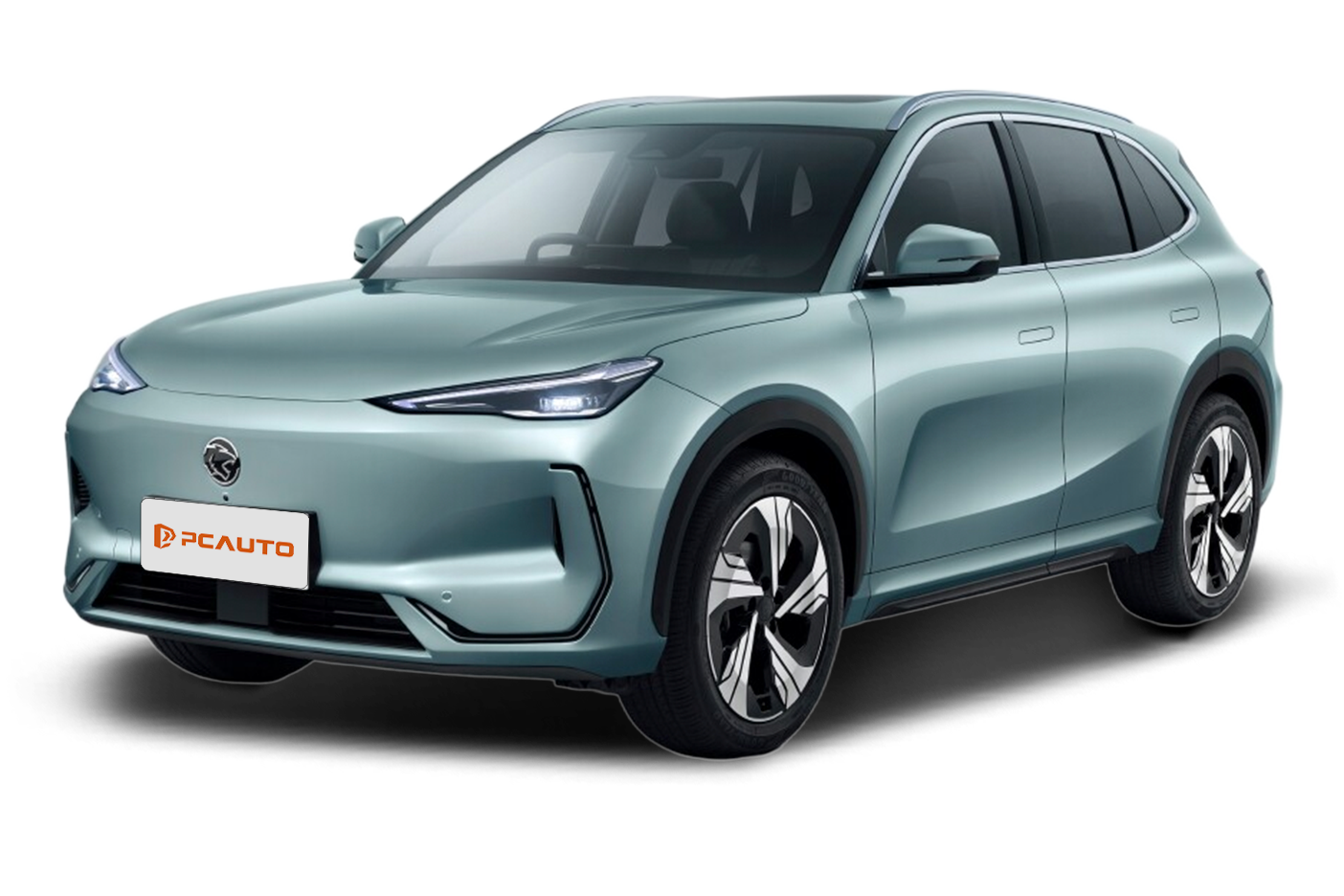
2024 Proton e.Mas 7 Prime is a D-segment family electric vehicle featuring high cost-performance, providing 410km range, L2 level assisted driving, and spacious interior to meet family practicality needs.
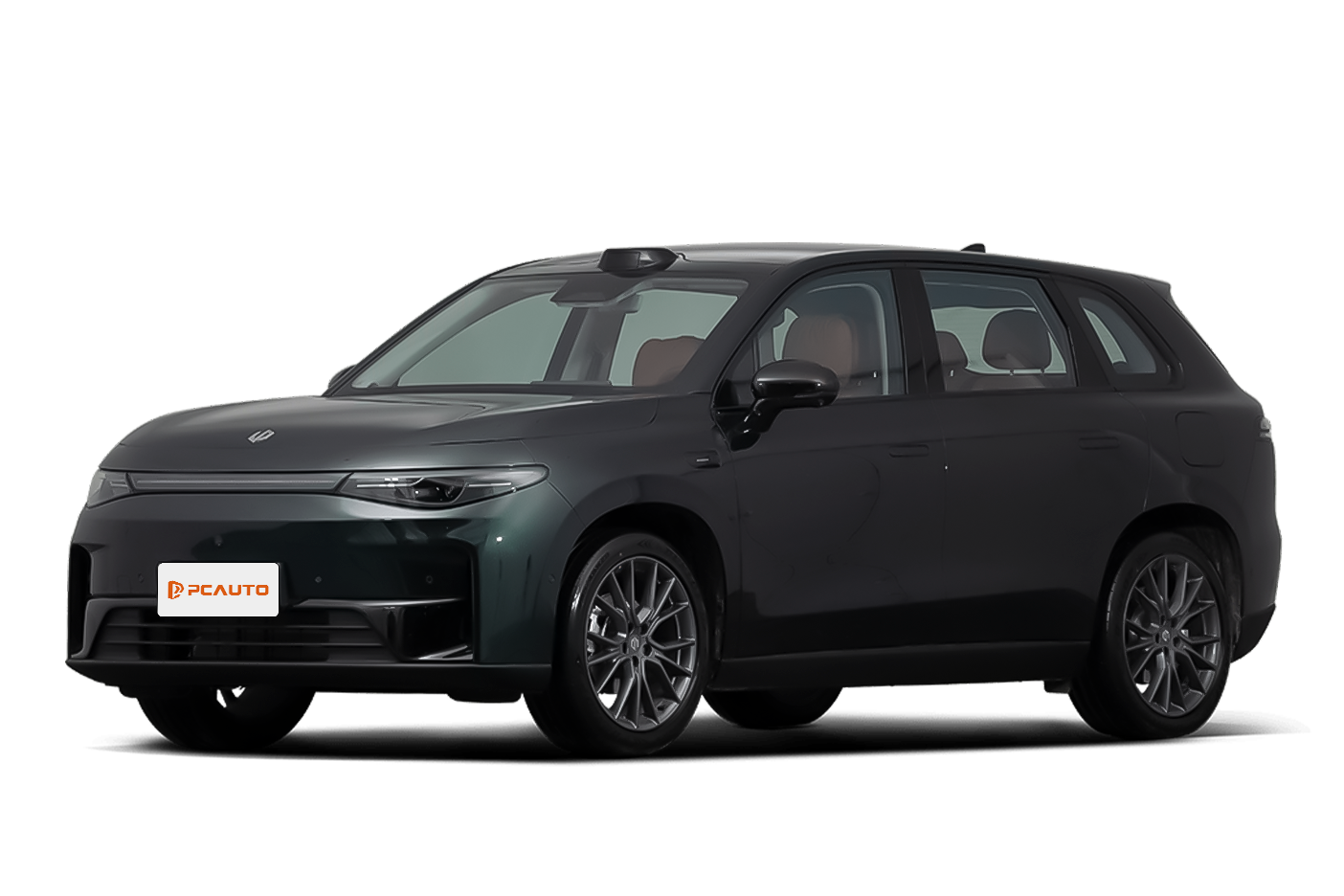
2025 Leapmotor C10 EV is a high-cost-performance D-class pure electric SUV, offering reduced prices and extended range, with practical space and generous configurations to meet the daily travel needs of family users.
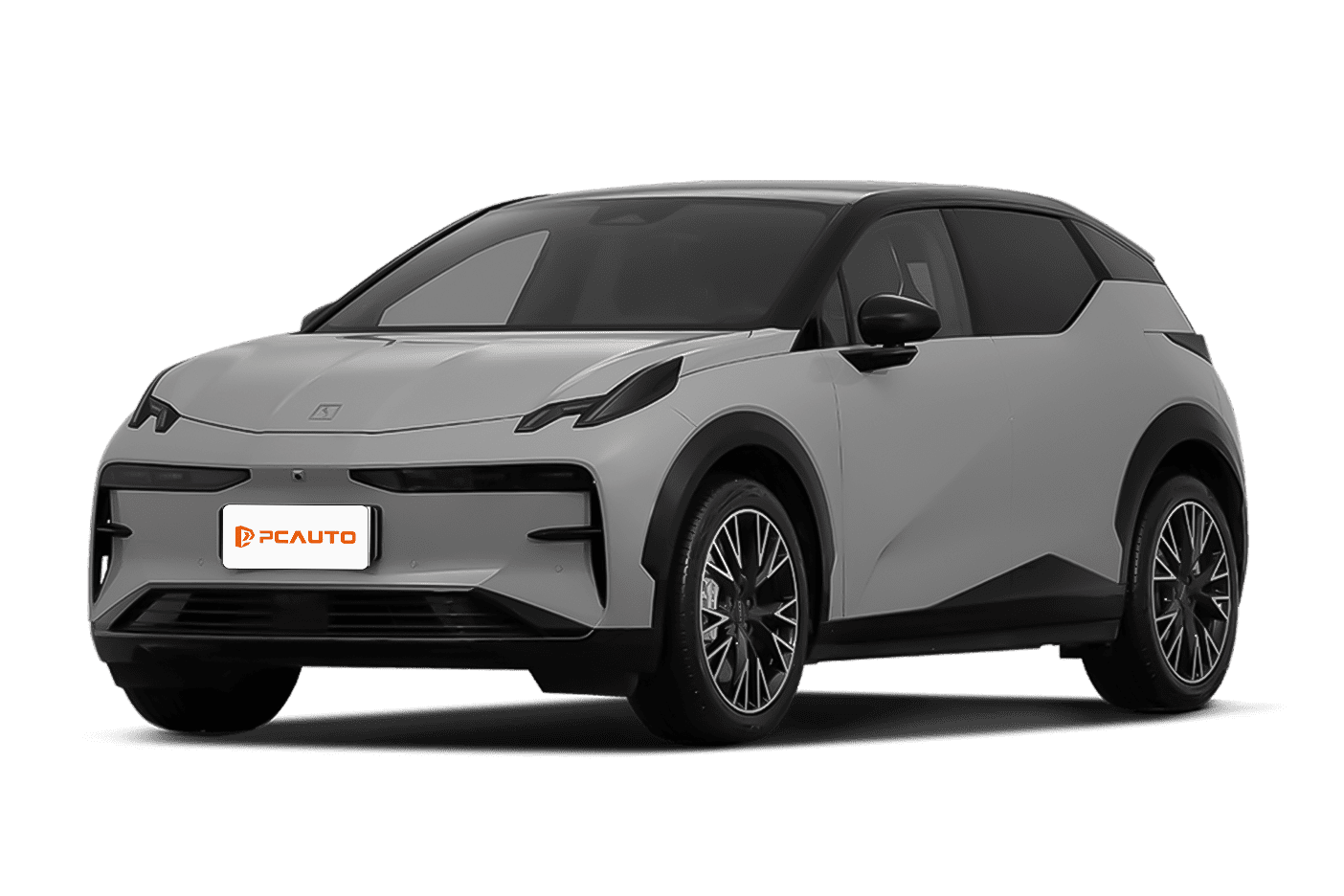
2024 ZEEKR X Premium RWD is a compact pure electric SUV that focuses on high cost performance, featuring 272PS rear-wheel drive power, L2-level assistance, and Yamaha audio, balancing driving control and household practicality.
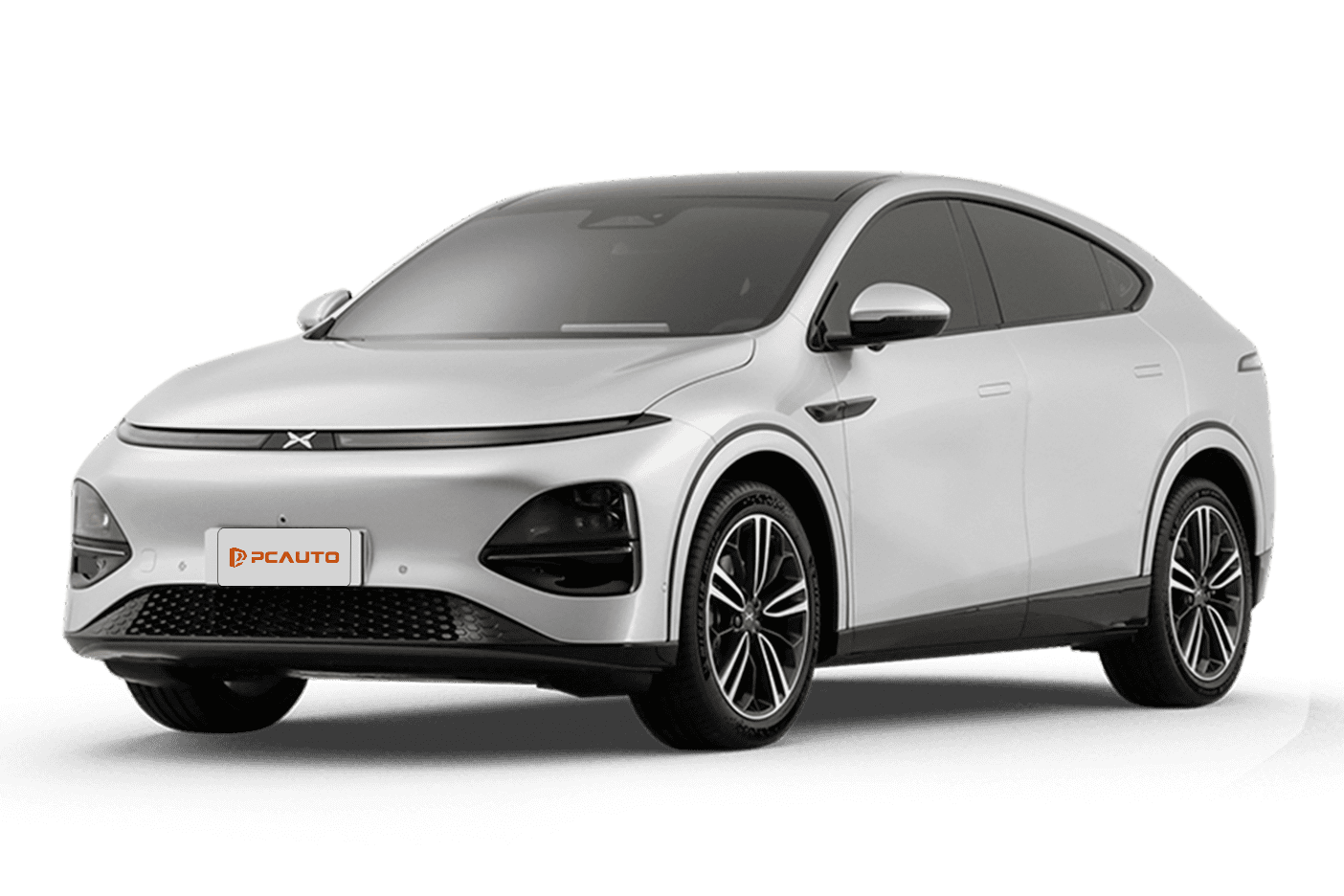
2025 Xpeng G6 Standard Range is a high-value D-class pure electric SUV with solid range (525km), upgraded configuration (18-speaker sound system + ventilated and heated seats), and practical space to meet the needs of family users.