

Hyundai Kona 2018 Review

 Share
Share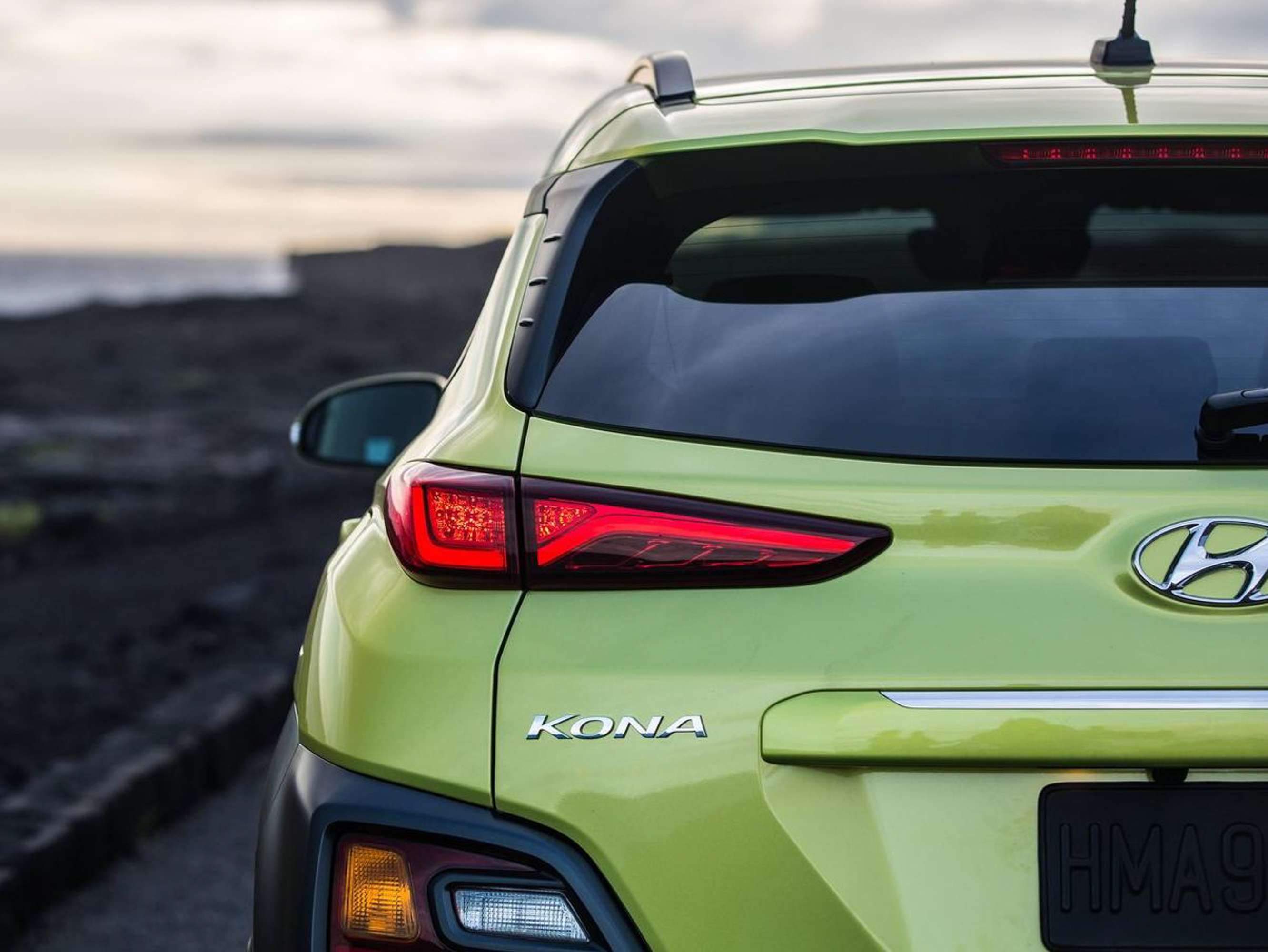
 Body Type
 Segment
 Capacity(L)
 Engine Power(PS)
 Engine Torque(Nm)
 Transmission
As the competition in the compact SUV market becomes increasingly fierce, consumers' demands for this type of vehicle are no longer limited to basic transportation—they require youthful design that catches the eye, as well as practicality in space and configurations to meet daily needs. As one of the early participants in this segment, the 2018 Hyundai Kona public captured considerable attention with its distinctive exterior and balanced performance. This test will focus on its static design, space practicality, and dynamic driving experience to see whether this car still has competitiveness today.
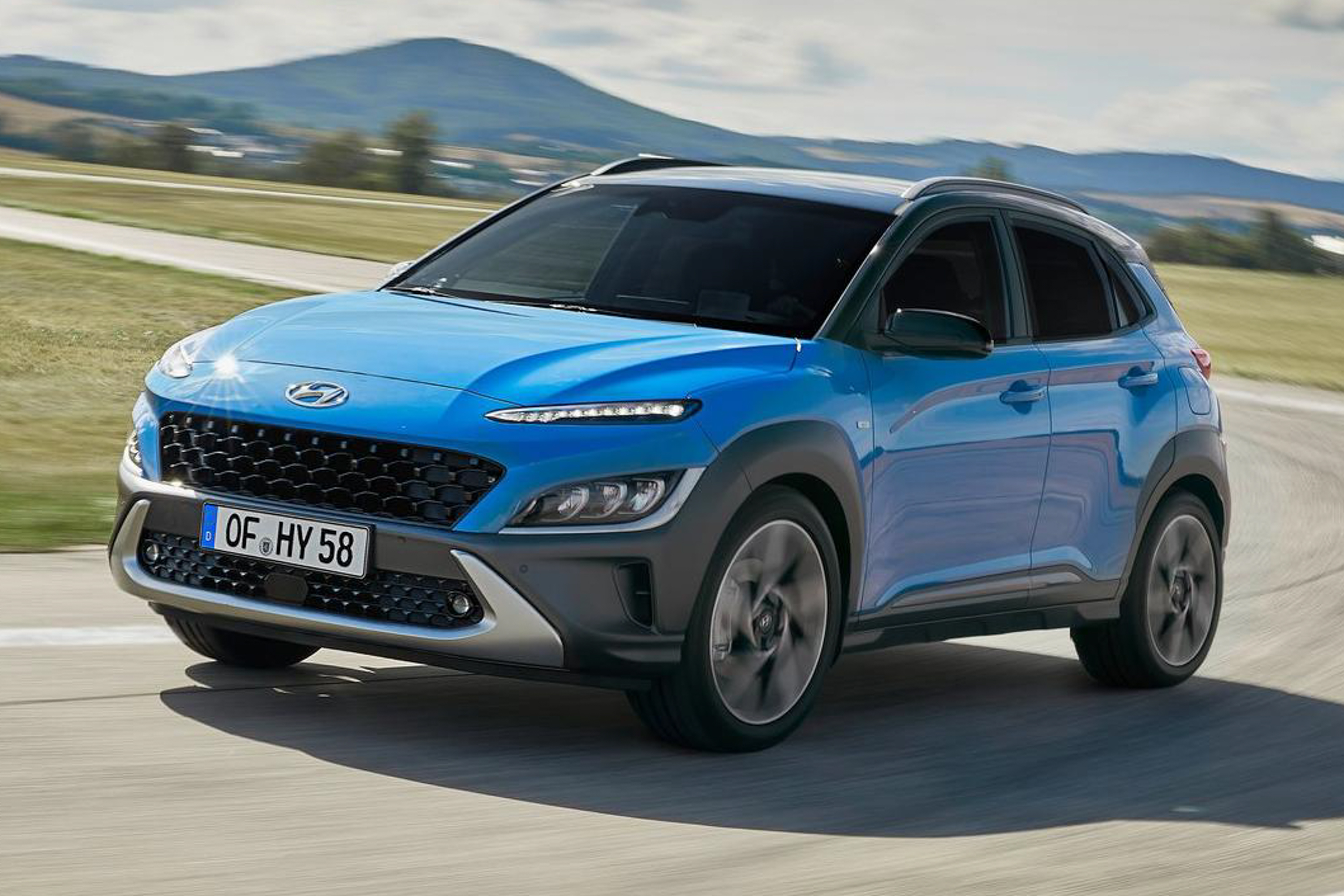
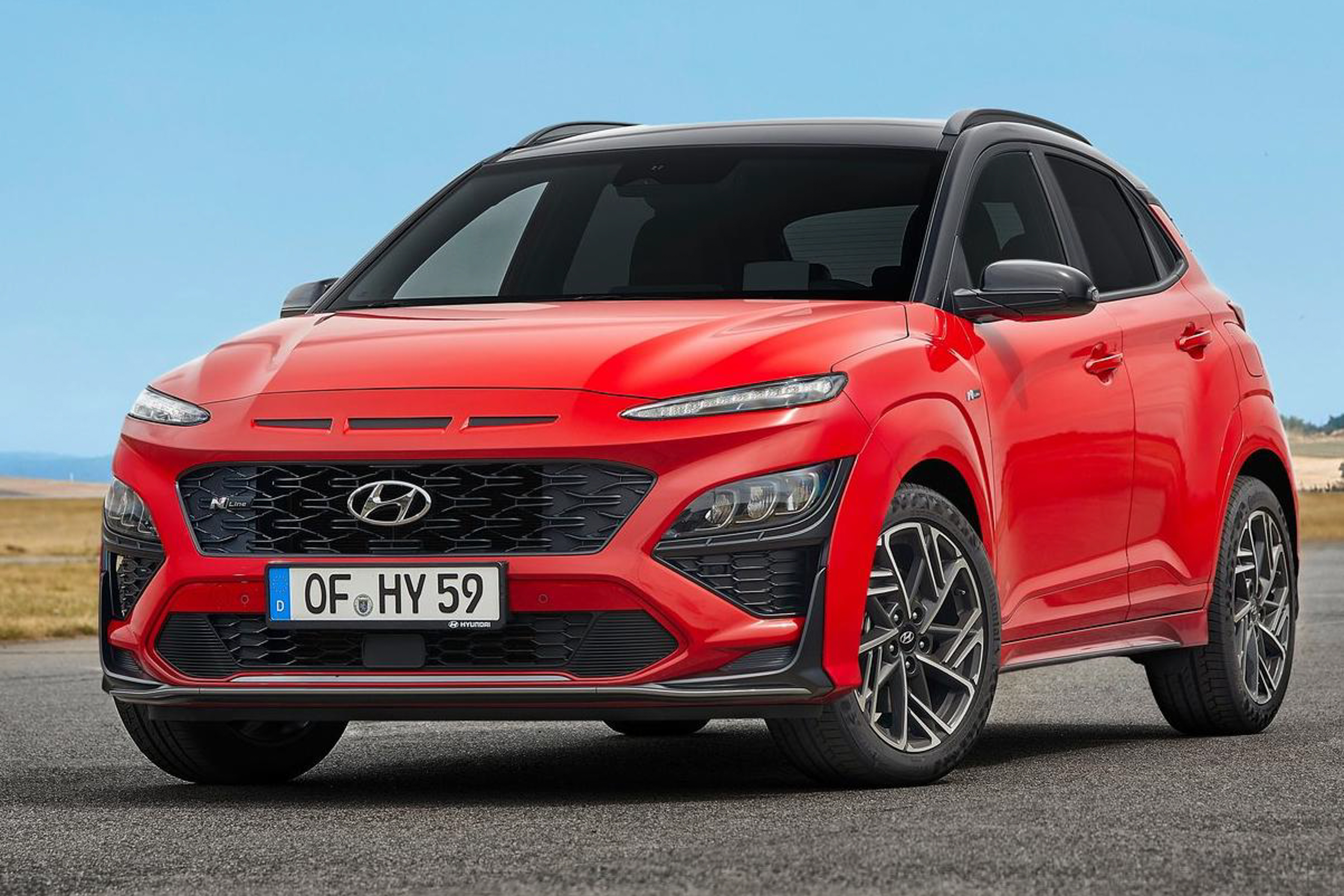
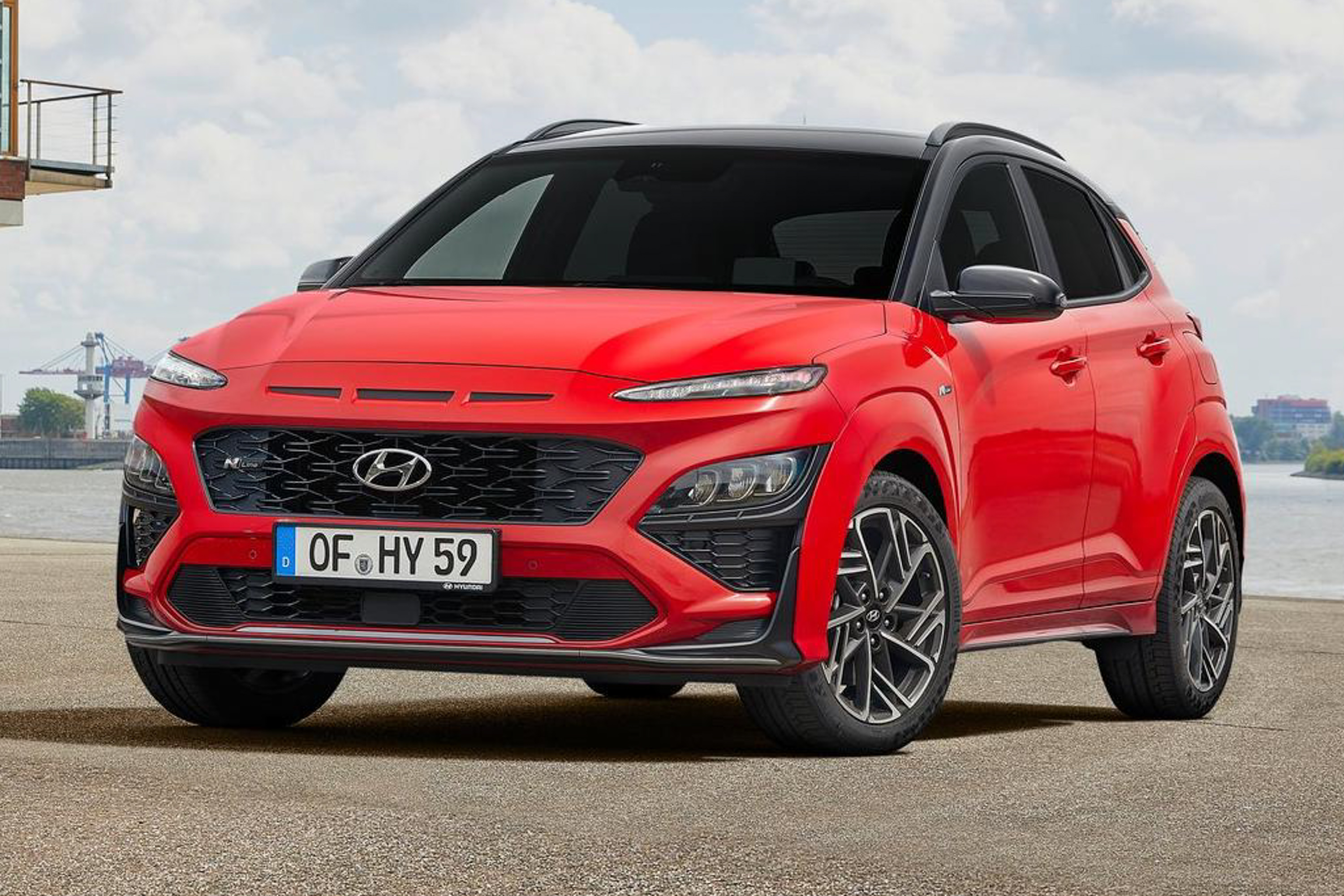
In terms of exterior design, the 2018 Kona public adopts Hyundai's family "Fluidic Sculpture" 2.0 design language of the time, with an overall style inclined towards being rugged and youthful. At the front, the split headlight design is its most distinctive feature: the upper section has slim LED daytime running lights, while the lower section integrates circular headlamp units with the grille, providing high recognizability. The front grille uses a black honeycomb design, complemented by decorative elements in the fog lamp areas, enhancing the sporty feel. The side profile features clean lines, with a waistline running from the front fender to the rear, paired with a floating roof design (C-pillar treated in black), giving the side a more elongated appearance. In terms of body dimensions, the length, width, and height are 4165mm×1800mm×1550mm, with a wheelbase of 2600mm, which categorizes it as a standard-sized compact SUV. At the rear, horizontally arranged taillights echo the daytime running lights at the front, while a silver skid plate decorates the lower rear bumper, further emphasizing the rugged SUV character.
Stepping inside, the interior of the 2018 Kona public adopts a symmetrical layout, with an overall style oriented towards practicality. The top of the dashboard uses hard plastic materials, but stitching details and silver trim accents enhance its texture to some extent. The central control area is equipped with a 7-inch touchscreen display that supports Apple CarPlay and Android Auto connectivity. Its operating smoothness and responsiveness were considered mainstream at the time. The instrument panel employs traditional mechanical dials, with a 4.2-inch color information display in the middle that provides information such as fuel consumption, range, and tire pressure. In terms of features, the test vehicle comes equipped with practical amenities like automatic air conditioning, push-button start, keyless entry, and a leather multifunction steering wheel. Safety features include an ESC system, hill-start assist, and rear parking sensors as basic standard equipment.
In terms of space performance, thanks to the 2600mm wheelbase, the front cabin offers ample room, with a 175cm tall individual having about a fist and two fingers of headroom after adjusting their seat position. The rear cabin space is moderate, with the same individual having about a fist of legroom and a fist of headroom, sufficient for basic daily household use. In terms of storage space, the center armrest box and the storage compartments in the door panels offer decent capacity, able to accommodate items such as mobile phones and water bottles. The trunk has a standard capacity of 361L, and the rear seats support a split-folding design; when folded flat, the space expands to up to 1143L, sufficient for transporting large items. The rear also comes equipped with air conditioning vents and a USB charging port, enhancing passenger comfort for those seated in the back.
In terms of dynamic driving, the 2018 Kona public is equipped with a 1.6T turbocharged engine, delivering a maximum power of 177 horsepower and a peak torque of 265N·m, paired with a 7-speed dual-clutch transmission. The power output is decent, with responsive acceleration at the start. Once the turbocharger kicks in (around 1500rpm), there’s a noticeable thrust. During mid-range acceleration and overtaking, the transmission shifts quickly and the power transition is smooth. Regarding drive modes, it offers three options: Eco, Normal, and Sport. In Sport mode, throttle response becomes more sensitive, shift timing is delayed, and the power performance is more aggressive.
For handling and chassis, the Kona public features a front MacPherson strut independent suspension and a rear torsion beam semi-independent suspension system. The chassis tuning leans toward comfort; when passing over speed bumps or rough roads, the suspension filters out the majority of small vibrations, but the rear suspension may experience some residual vibrations when handling larger bumps. The steering wheel has moderate resistance, minimal play, and decent precision, making everyday driving quite effortless. During cornering, the body roll is controlled within reasonable limits, and overall stability is good.
As for fuel consumption testing, the test was mainly conducted on urban roads, with some highway sections included, and the air conditioning was on throughout the journey. After approximately 100km of testing, the displayed fuel consumption was 7.8L/100km, while the calculated actual fuel consumption was about 8.2L/100km. This performance is considered average among subcompact SUVs.
In terms of ride comfort, the vehicle's control of tire noise and wind noise is acceptable. When driving on urban roads, the noise level inside the cabin is low, while at higher speeds (120km/h), the wind noise becomes slightly noticeable, but it doesn’t interfere with normal conversations. The seats are upholstered in fabric material, with average support and wrap-around features. However, long periods of sitting do not cause significant fatigue.
Overall, the 2018 Hyundai Kona public's main strengths lie in its unique exterior design, balanced power performance, and practical interior space. Compared to competitors in the same class, such as the Honda HR-V, it offers better power parameters, though it falls slightly short in brand influence and resale value. Compared to the Toyota C-HR, it provides a more practical use of space, but the interior texture and design are slightly inferior.
This car is more suitable for young family users who value a unique exterior design and balanced performance. It can meet the needs of daily urban commuting and short weekend trips. If your space requirements are not high and you prefer a rugged SUV style, the 2018 Kona public is still a worthy option to consider.
Hyundai Kona Car Compare

More Hyundai Reviews
Cars With Similar Price And Features
8
Rank in SUV
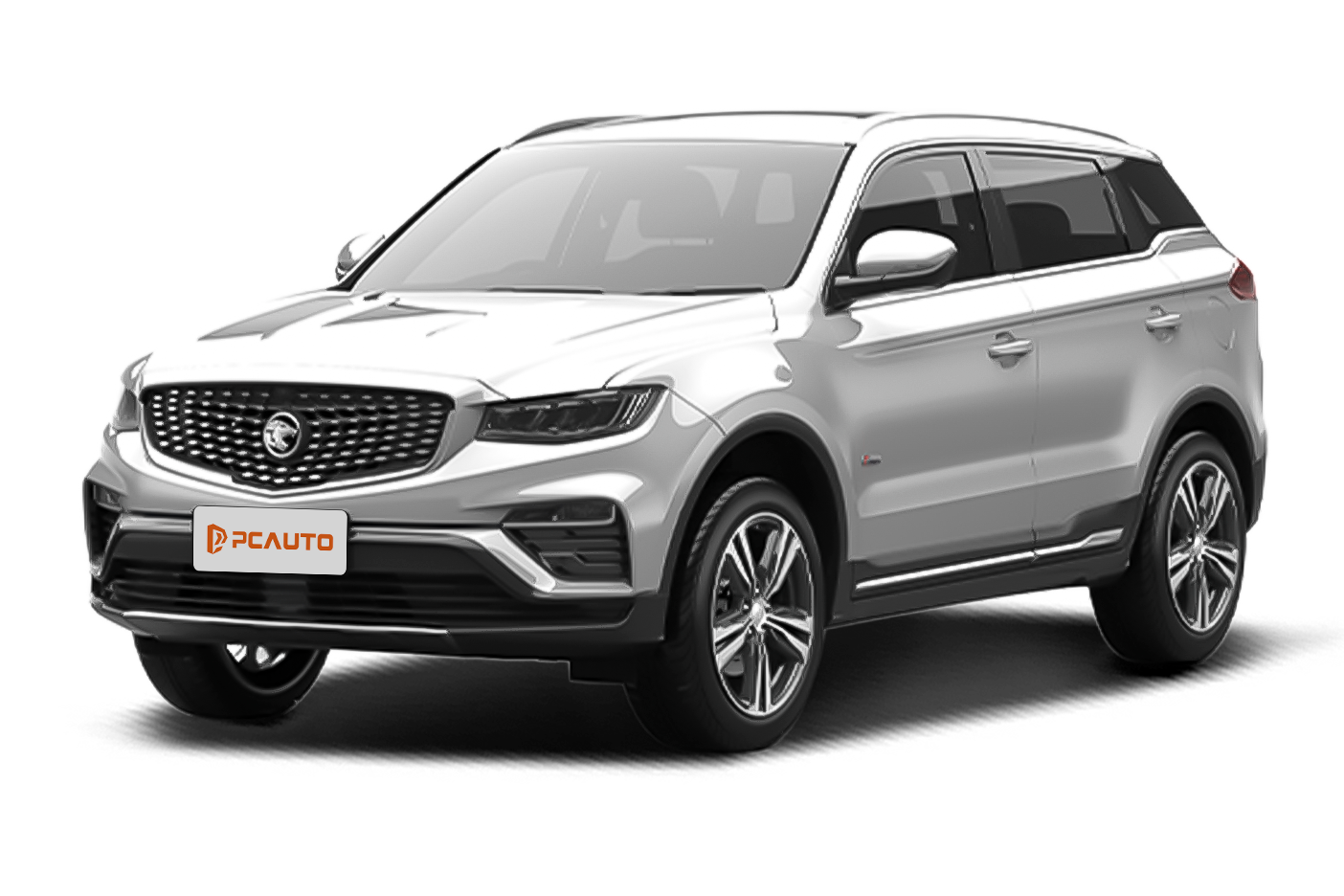
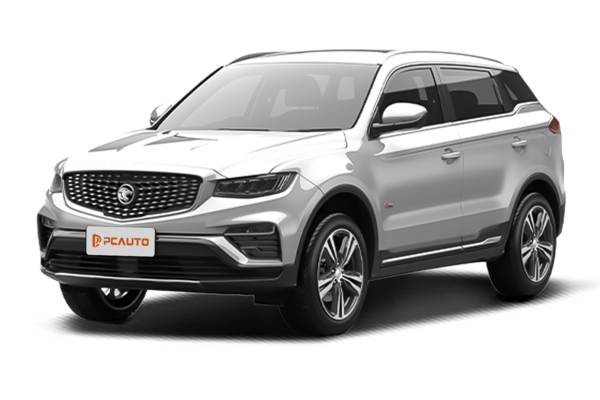
2026 Proton X70 1.5 TGDi Executive focuses on upgrading to a four-cylinder engine, practical configurations, and affordable pricing. It balances family commute practicality with value for money, making it a sensible choice among similarly priced C-segment SUVs.
10
Rank in SUV
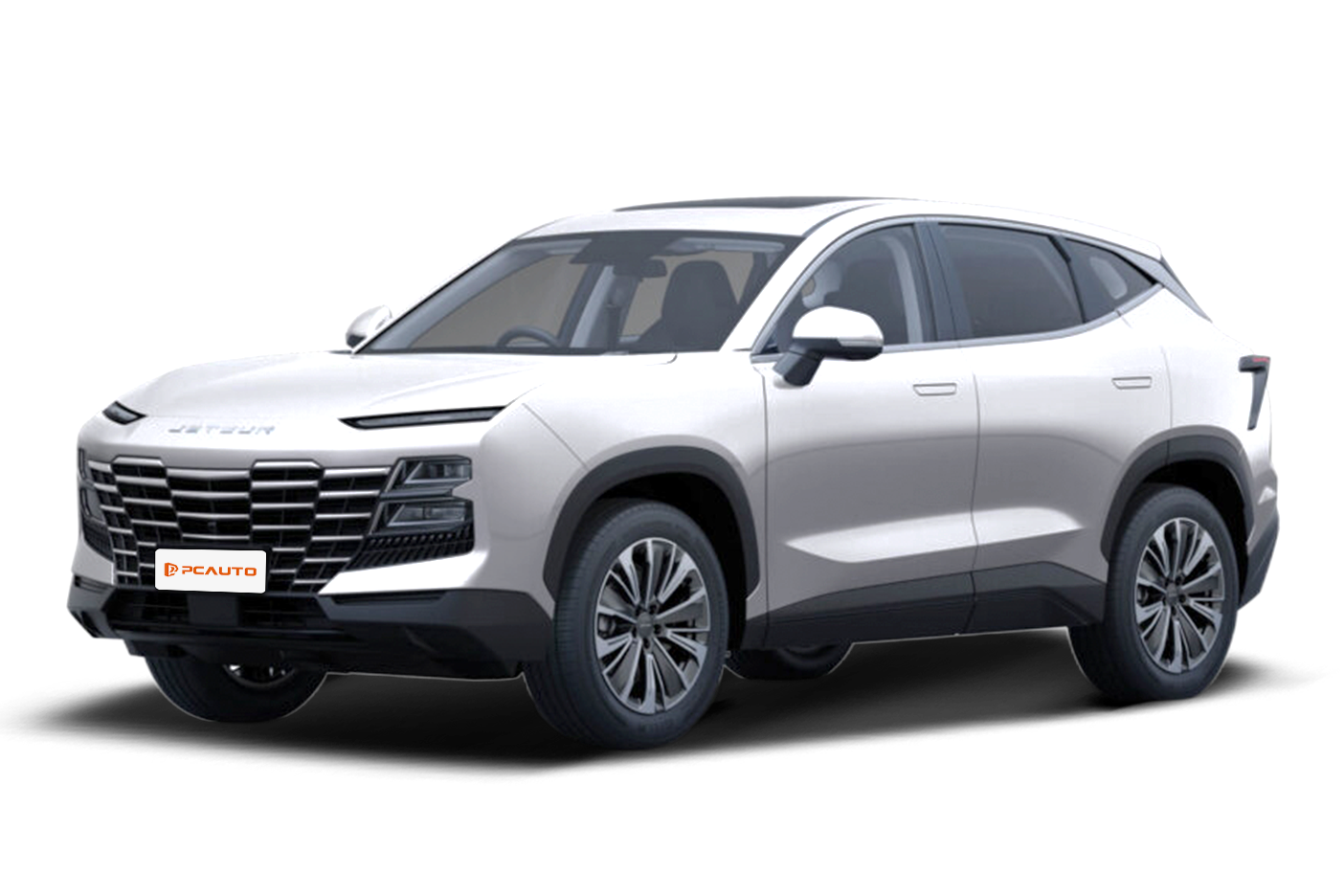
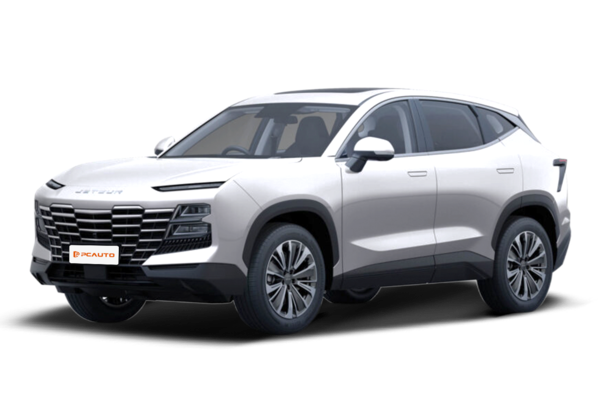
Jetour Dashing 1.5 TCI Comfort 2025 features a 2720mm long wheelbase and a 10.25-inch dual screen as its core, focusing on balanced cost performance to meet family practical needs.
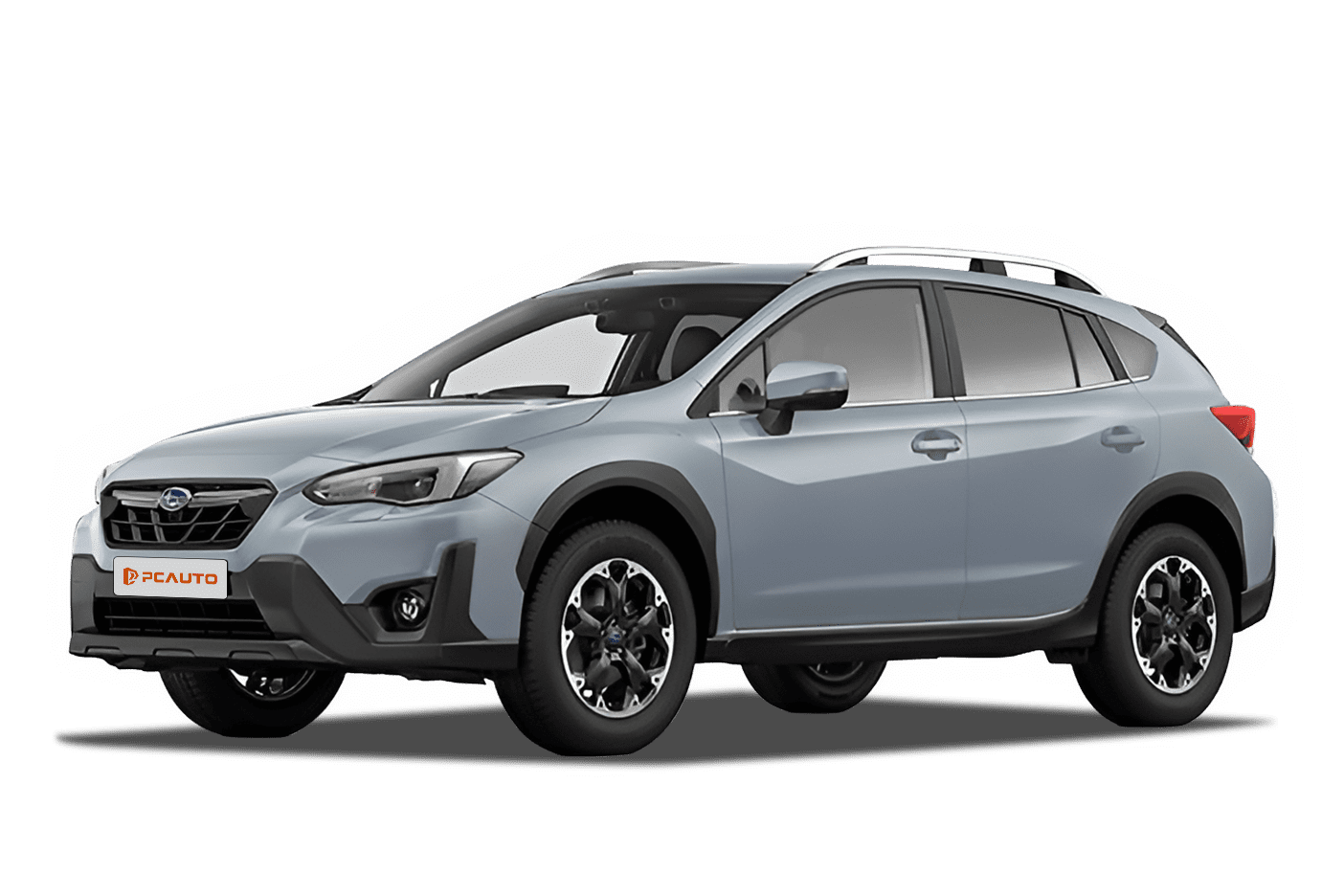
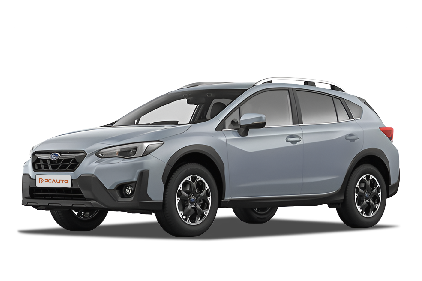
The 2021 Subaru XV 2.0i is a model targeting the C-segment crossover market, equipped with standard all-wheel drive and high safety features, balancing off-road capability and handling, with practical space.
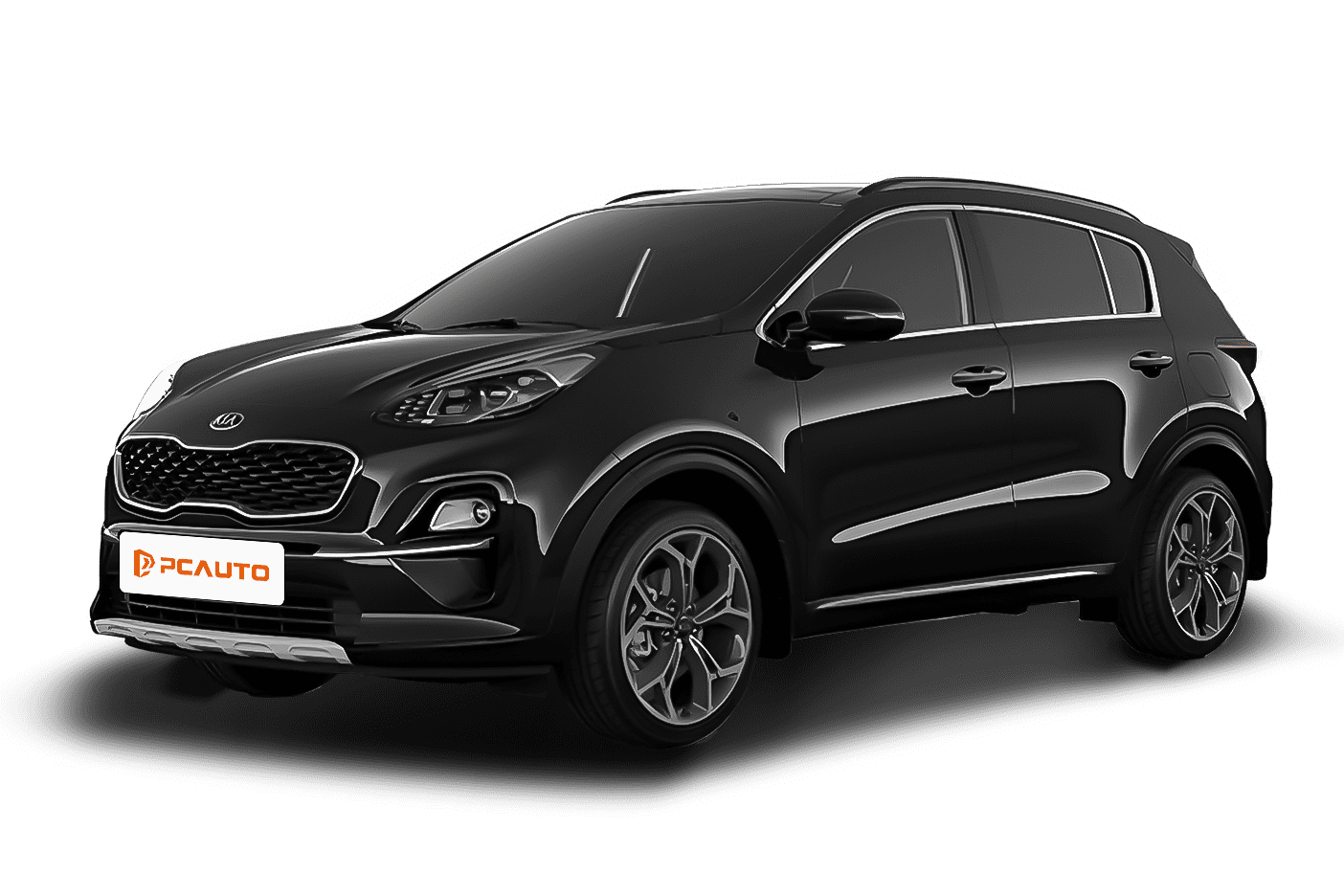
2024 Kia Sportage 2.0G 2WD, as the entry-level fuel version, with avant-garde design, 12.3-inch full LCD instrument panel, practical space, and economical fuel consumption, precisely meets the needs of family and cost-effectiveness-focused users.