

Hyundai Santa Fe 2010 Review

 Share


 Body Type
 Segment
 Capacity(L)
 Engine Power(PS)
 Engine Torque(Nm)
 Transmission
In the 2010 mid-size SUV market, family users needed a car that was both practical and durable, while also providing ample space and basic features, which made the 2010 Hyundai Santa Fe public a popular choice for many. This car focuses on "balanced practicality" — offering enough space, features that are not overly flashy but are sufficient, and sufficient power for daily needs. In this test drive, we will examine whether it truly suits Malaysian family users and evaluate its performance from daily commuting to weekend short trips to see if it can meet expectations.
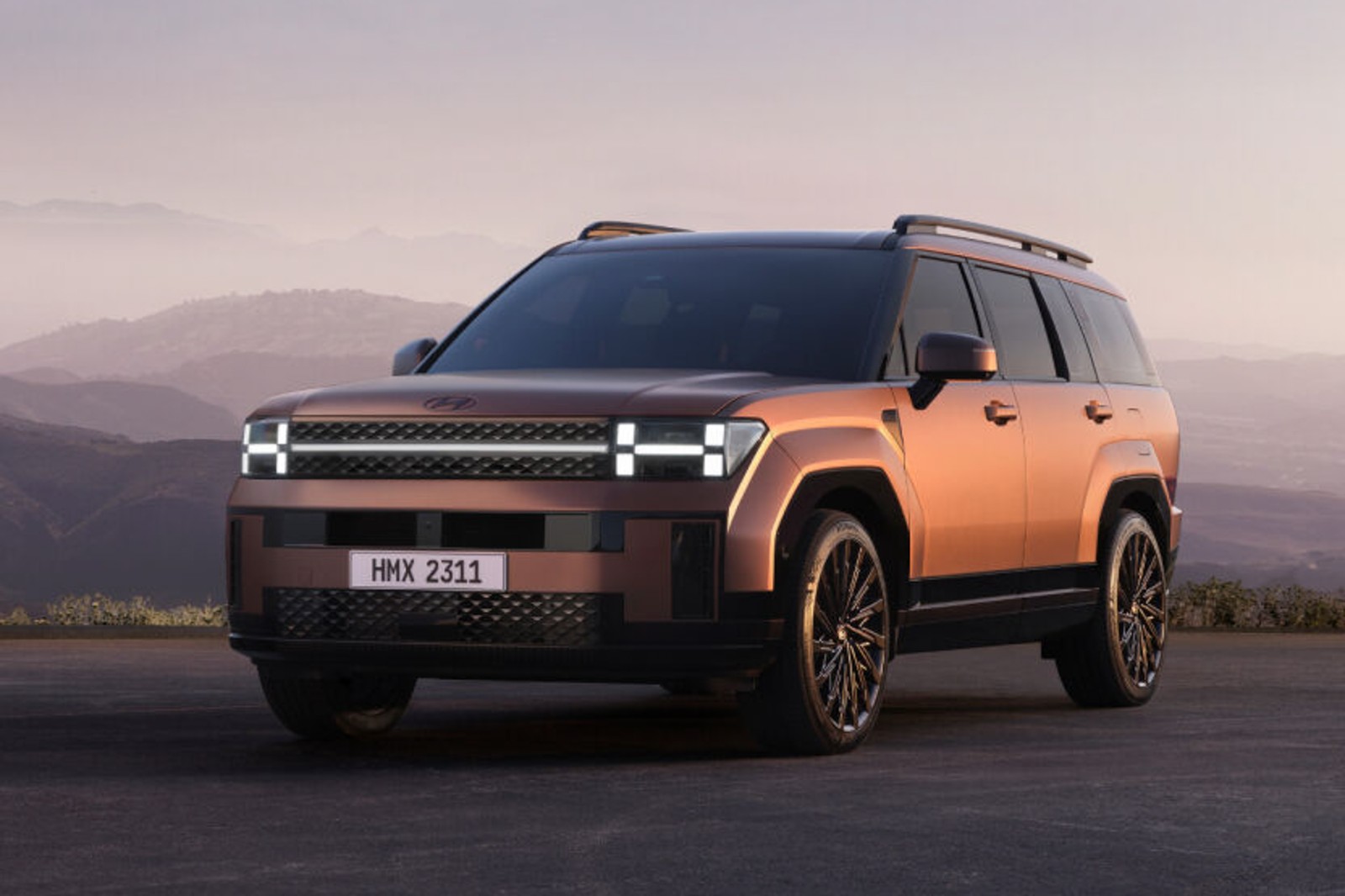
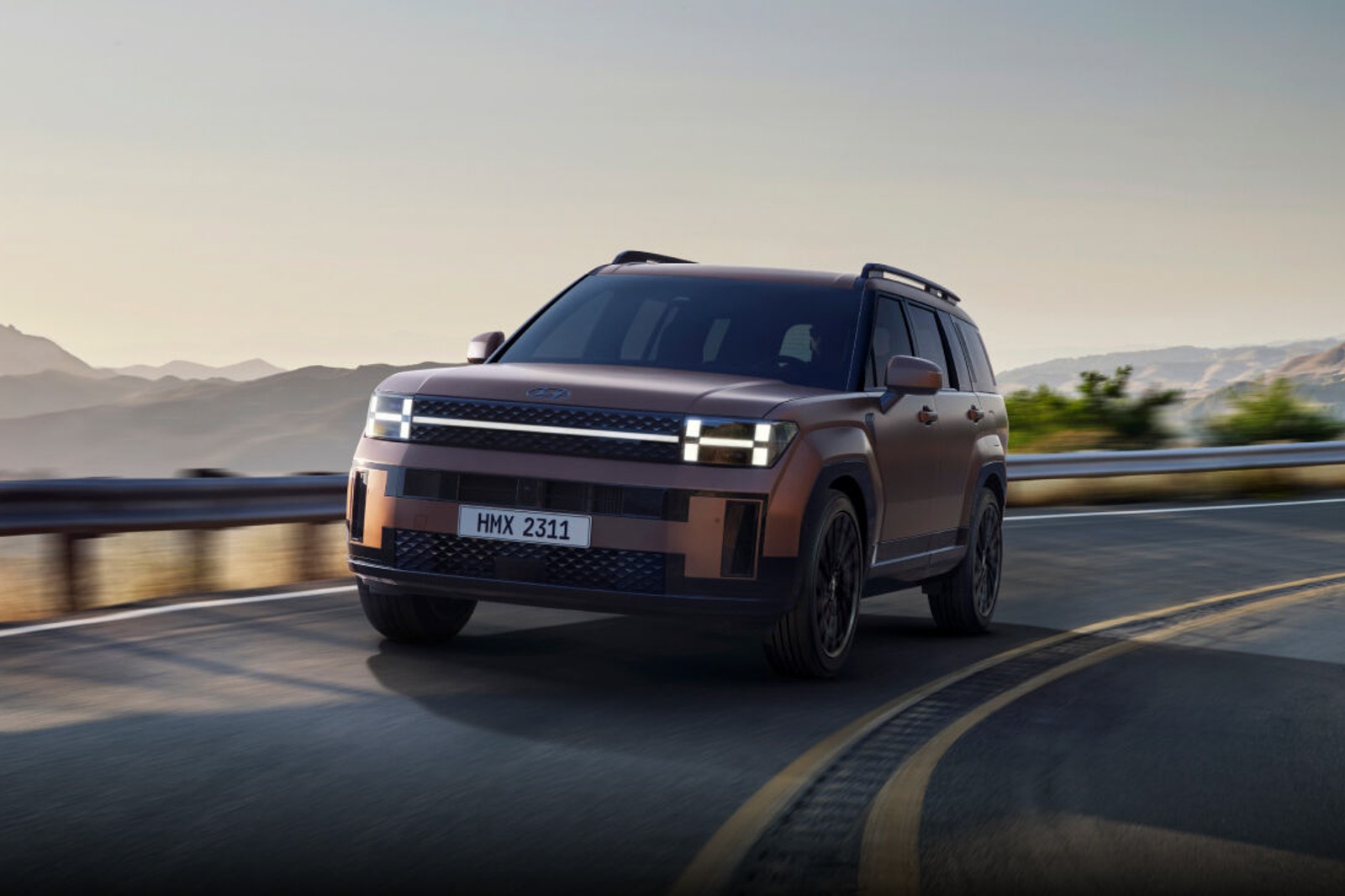
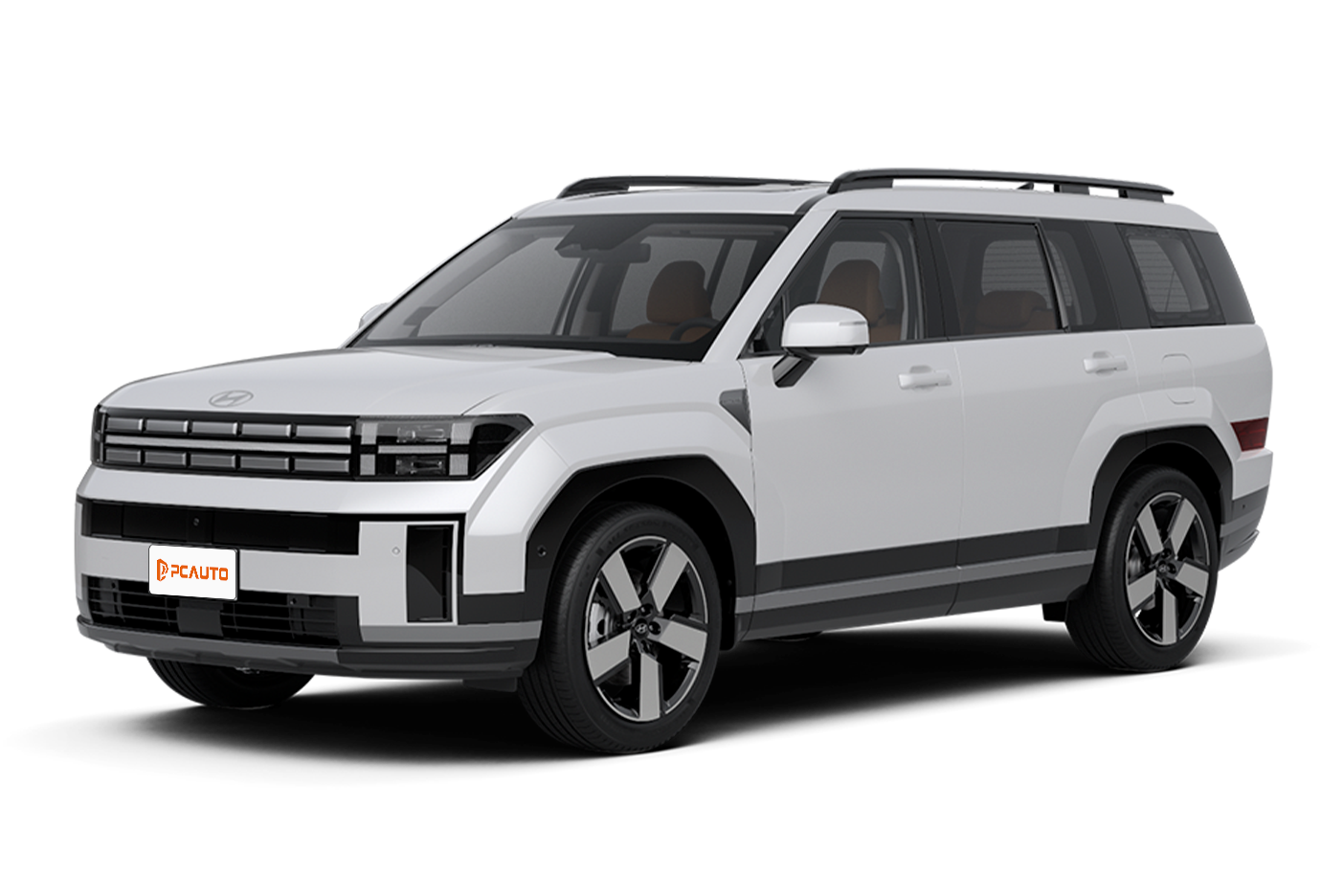
First, let's look at the exterior. The 2010 Santa Fe public follows a steady and composed design path. The overall lines are square, without overly complicated designs, but it is visually appealing in its simplicity. The front grille with chrome accents is moderately sized, with the Hyundai logo embedded in the middle. The headlights on both sides are well-shaped with halogen light sources. Although not as bright as LEDs, they are sufficient for Malaysian road conditions. The waistline of the car runs from the front to the rear, accompanied by 17-inch alloy wheels, giving it a stable and sturdy visual impression. The rear design is relatively simple, with vertically aligned taillights that are quite recognizable. The silver skid plate under the rear bumper adds a touch of SUV ruggedness. Overall, the exterior may not be exceptionally eye-catching, but as a family car, its low-key durability is more suitable for the intended purpose.
Stepping inside, the interior style matches the practicality of the exterior. The center console adopts a two-tone design with a dark top and light bottom, which aligns with its family car positioning. Although hard plastics are mostly used, the craftsmanship is decent, with no obvious gaps. The layout of the center console area is very clear. The 7-inch touchscreen is adequately sized, supports Bluetooth connectivity and a reverse camera, and is not overly complicated to operate, though the response speed is average. The steering wheel is wrapped in genuine leather, offering a decent grip, and integrates volume controls along with call-answering buttons for convenient daily use. The seats are made of fabric material, which, while not as premium as leather, offers good breathability — ideal for Malaysia's weather, as it prevents feeling stuffy when seated. The front seats support manual adjustments, and the lumbar support is adequate, ensuring comfort during long drives.
In terms of space, the 2010 Santa Fe public has a wheelbase of 2700mm, a length of 4675mm, a width of 1890mm, and a height of 1725mm, making it slightly above average in its class. The front-row space is spacious, and a 180cm tall passenger sitting inside still has ample headroom and legroom. The rear-row space is even more impressive, comfortably seating three adults without crowding. The legroom offers more than two fists of space, and the flat middle floor ensures that the middle passenger's feet are comfortably positioned. The trunk provides 585 liters of capacity in five-seat mode, which can easily accommodate three 20-inch suitcases. If the rear seats are folded down, the capacity expands to 1546 liters, making it suitable for transporting larger items. Moreover, the car's interior offers plenty of storage spaces, such as the front armrest box, door storage slots, and glove compartment, making it convenient to store small items like phones and water bottles.
As for the powertrain, the test drive features the 2.4L naturally aspirated engine version, delivering a maximum power of 174 horsepower and a maximum torque of 225 Nm, paired with a 6-speed manual-automatic transmission. During daily commutes, the throttle response is relatively linear, and while the initial acceleration is not very fast, it is quite smooth, making it well-suited for relaxed driving. Once the speed climbs past 60 km/h, the power becomes more abundant. When overtaking and pressing the accelerator more firmly, the transmission downshifts relatively actively. Although it lacks the turbocharged "push-back" feeling, it is sufficient for driving on Malaysian highways. When fully loaded, the power might feel slightly weaker, but it is still within an acceptable range.
In terms of handling, the steering wheel is quite precise with minimal free play, making it very easy to get used to for daily driving. The suspension system consists of a front MacPherson strut and rear multi-link setup, and it is tuned for comfort. When passing over speed bumps or uneven roads, most of the jolts are absorbed, so rear passengers won't feel too bumpy. The car's stability is also good. When driving at 120km/h on the highway, the steering wheel doesn't feel light, and the body roll is minimal during lane changes. However, since it is an SUV with a higher center of gravity compared to a sedan, you'll still need to slow down during sharp turns.
In terms of fuel consumption, we test drove it for a week, dividing the time equally between city and highway driving. The average fuel consumption was approximately 10.5L/100km, which is within the normal range for a 2.4L SUV in the same class. It's not particularly fuel-efficient but not overly wasteful either. The braking performance is quite good, with a moderately firm brake pedal. During emergency braking, the car remains stable without a noticeable forward lurch.
As for driving comfort, the cabin's sound insulation is average. At low speeds, the noise level is not high, but at highway speeds, road noise and wind noise become more noticeable, although playing music can help mask it. The seats are very comfortable. The fabric seats provide good support and won't cause fatigue during long rides. The air conditioning is very effective; in Malaysia's hot weather, the car cools down in just a few minutes. Additionally, the rear has independent air conditioning vents, taking care of rear passengers as well.
Overall, the core advantage of the 2010 Hyundai Santa Fe public is its balance—spacious interior, practical features, adequate power, and relatively affordable price. Compared to other cars in the same class, such as the Toyota Fortuner, it offers more sophisticated interior features and a larger rear space; when compared to the Mitsubishi Pajero Sport, it has better fuel efficiency and a more comfortable driving experience. This car is well-suited for Malaysian family users, especially those who frequently travel with family but do not want to spend too much money. While it doesn’t have any particularly standout features, it also has no obvious shortcomings, making it a dependable family SUV choice where you can't go wrong.
Hyundai Santa Fe Car Compare
More Hyundai Reviews
Cars With Similar Price And Features
21
Rank in SUV
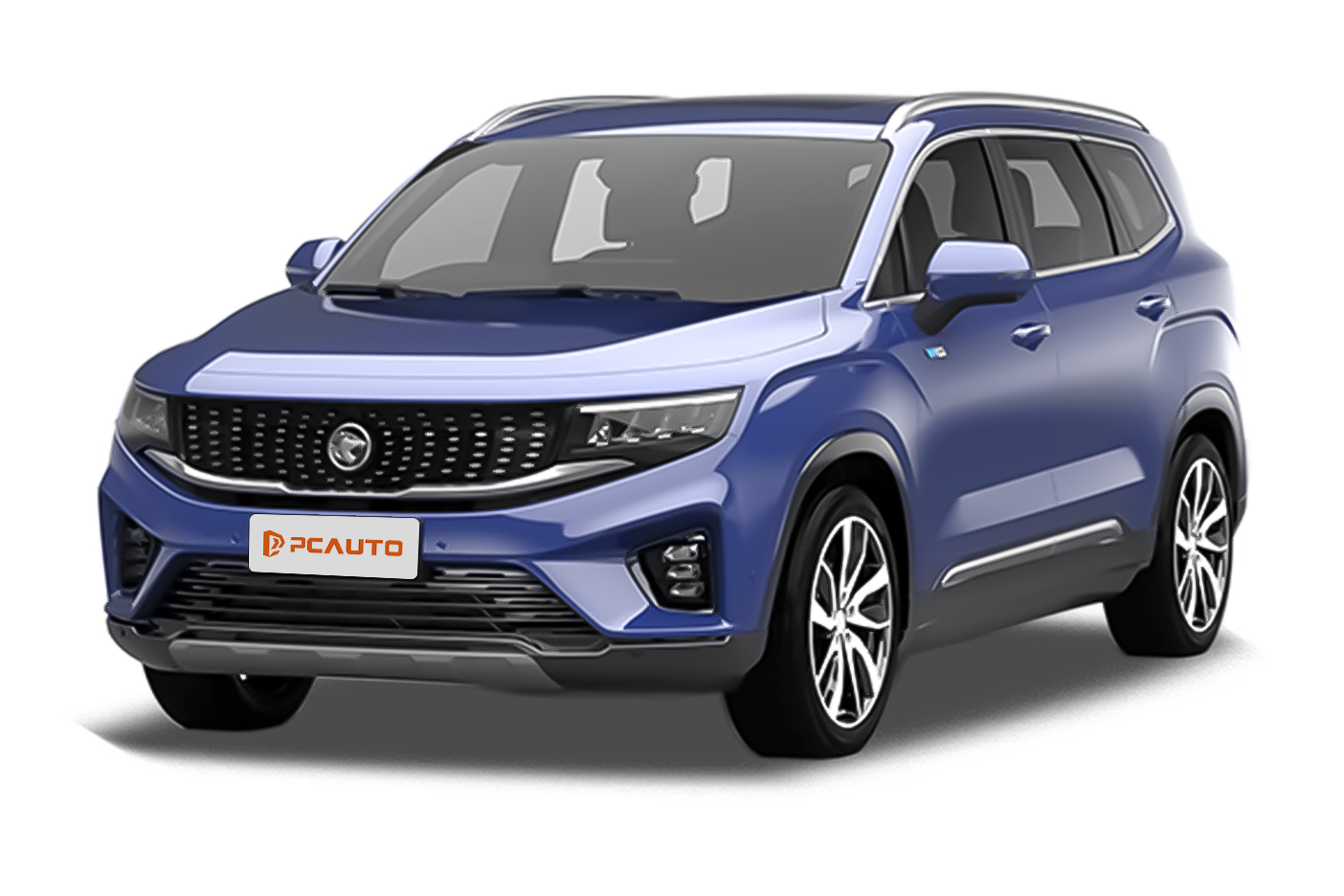
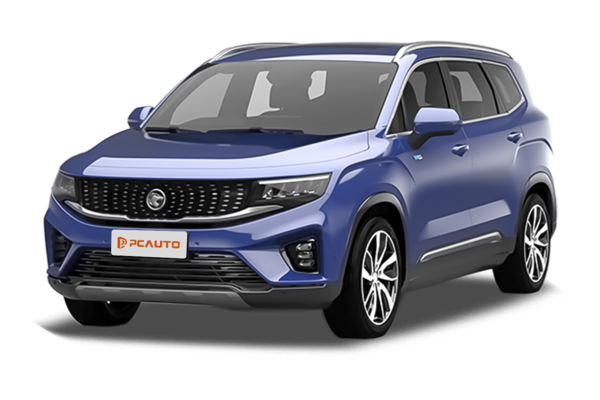
Proton X90 1.5TGDI BSG Standard 2023 is a family-oriented mid-size SUV that balances the practicality of a spacious 7-seater, the fuel economy of 1.5T mild hybrid, and mainstream technology features, offering outstanding value for money.

11
Rank in SUV
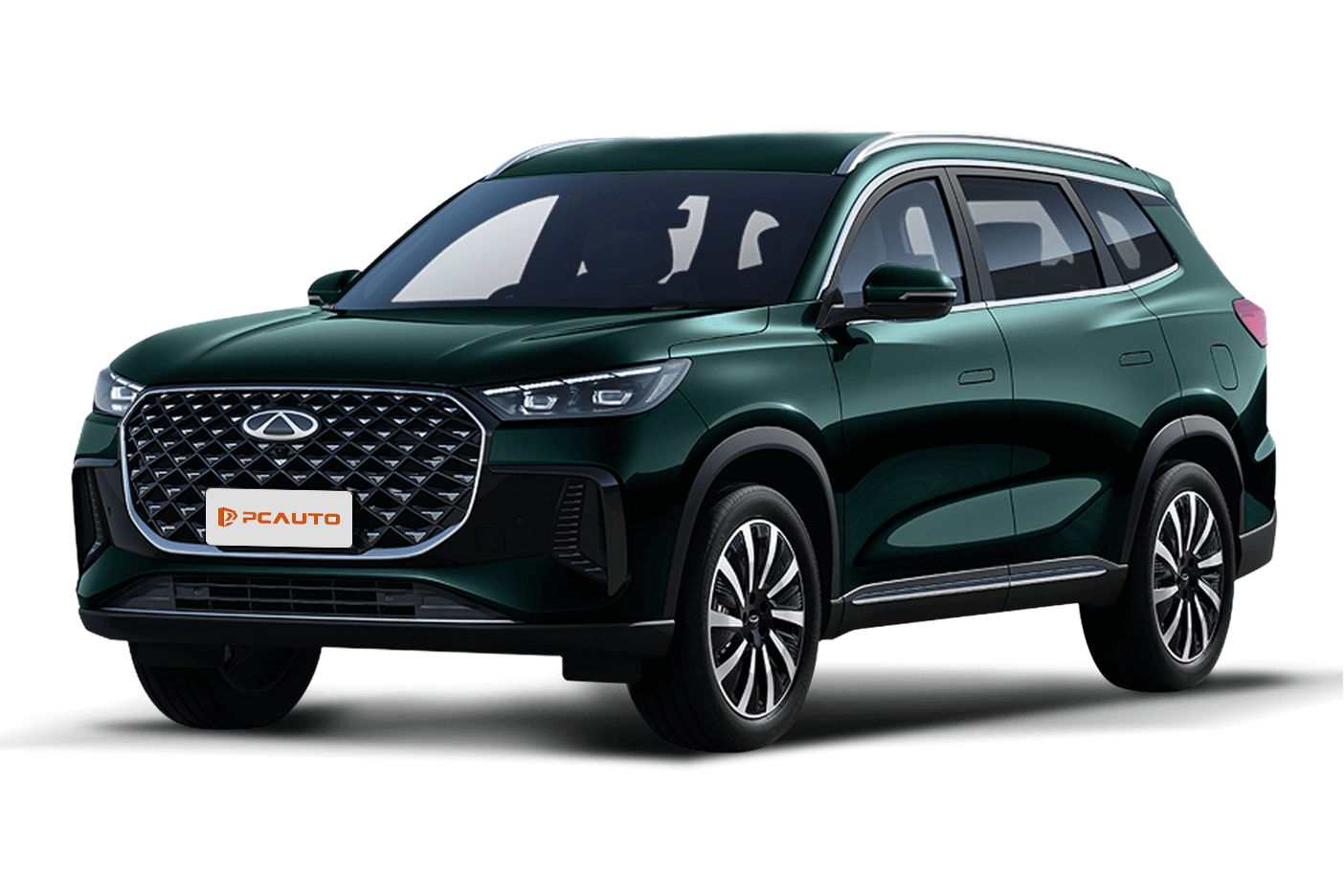
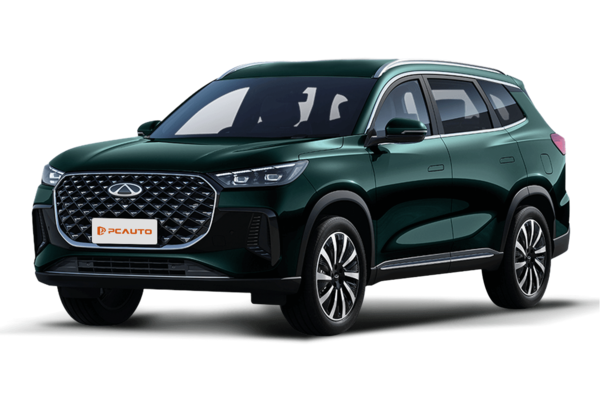
2026 Chery Tiggo 8 is a D-Segment SUV aimed at family users, offering superior configurations, practical space, and smooth power at a high cost-performance ratio, meeting both commuting and light off-road needs.
16
Rank in SUV

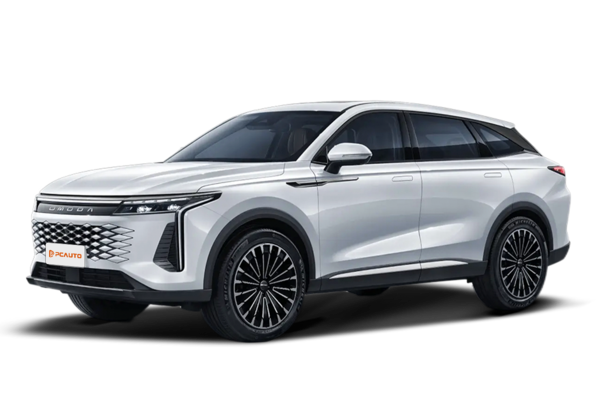
2024 Chery OMODA C9 2WD with 2.0T+8AT powertrain, L2 level assistance, and dual 12.3-inch screens, breaking the stalemate in the D-Segment market and becoming a high-value disruptor.

2022 Volvo XC60 B5 Momentum is a mid-size luxury SUV with strong safety features, equipped with a 48V mild hybrid system, practical space, and high cost-effectiveness, meeting the needs of both families and young users.