

Hyundai Santa Fe 2013 Review

 Share
Share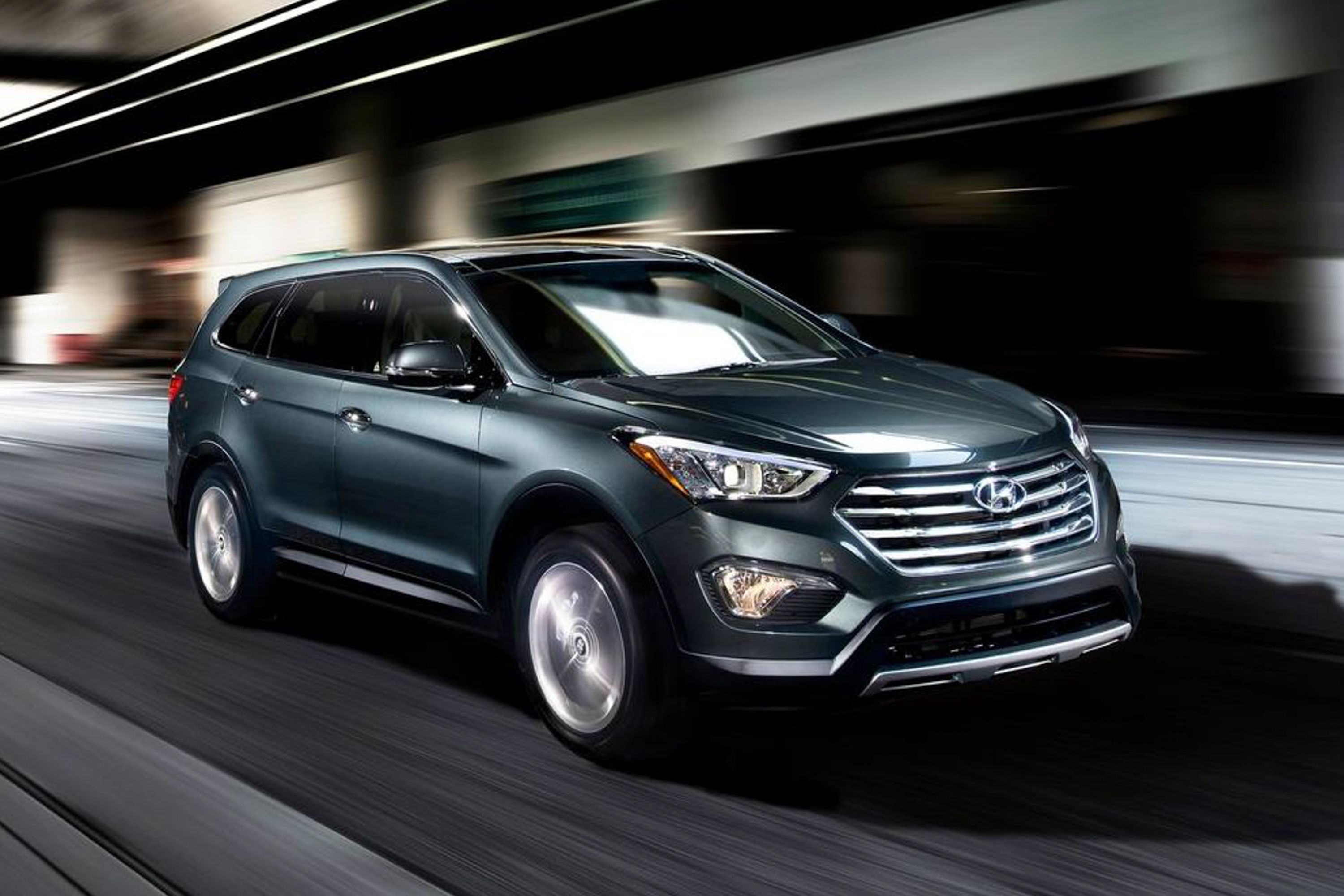
 Body Type
 Segment
 Capacity(L)
 Engine Power(PS)
 Engine Torque(Nm)
 Transmission
The compact SUV market has experienced continuous growth in Southeast Asia in recent years. Consumer demand for such models has gradually shifted from "sufficient" to "comprehensive," requiring practicality in space, reliable power, and decent configurations. Today, we’ll discuss the 2013 Hyundai Santa Fe, which was renowned in the compact SUV market at the time for its balanced performance. Its seven-seat layout and rich features particularly attracted many family users. In this review, we will focus on experiencing its practicality in space, dynamic performance, and daily driving comfort to see if it can still meet today’s family needs.
From the appearance, the 2013 Santa Fe adopts Hyundai’s family-style "Fluidic Sculpture" design language, with smooth yet understated lines. The hexagonal front grille with chrome trim gives it a distinctive look. The sharp headlight design, while using halogen light sources, provides sufficient illumination for daily use. The side of the vehicle features a waistline extending from the front fender to the rear, paired with 17-inch aluminum alloy wheels, giving it a sturdy appearance. At the rear, the LED taillight design complements the headlights, and the chrome trim on the rear trunk connects the taillights on both sides, visually widening the rear of the car. The overall design leans towards a family-oriented style without excessive aggressive elements, meeting the aesthetic preferences of most family users.
Sitting inside the car, the first impression is of the materials and craftsmanship of the interior. The upper part of the dashboard is wrapped in soft materials, offering a pleasant touch; the middle part is hard plastic, but the seams are uniform, making the overall texture above average for its class. The center console is simply laid out, with an 8-inch touchscreen located in the middle, supporting Bluetooth connectivity and a rearview camera. Its operating logic is straightforward, and the response speed was considered mainstream at the time. The multi-functional steering wheel is wrapped in leather, offering a comfortable grip—controls for the audio system and phone are on the left side, while cruise control functions are on the right. As for the seats, the front seats support manual adjustment, and the cushions and backrests provide good support. The second-row seats are spacious, with about two fist-widths of legroom. The center floor is almost flat, ensuring comfort for the middle passenger. The third-row seats are more suitable for children or adults on short trips, as legroom is somewhat cramped—still, this performance is acceptable for a seven-seater SUV. In terms of storage space, the front door panels have storage slots that can hold two bottles of water, the center armrest box has a relatively large capacity, and while the trunk space is small in the seven-seat configuration, folding the third row expands it considerably, meeting the storage needs for family trips.
In terms of power, the 2013 Santa Fe is equipped with a 2.4L naturally aspirated engine, delivering a maximum power output of 170 horsepower and a peak torque of 227 Nm, paired with a 6-speed automatic transmission. During daily driving, the start-up is relatively smooth, and the throttle response is not particularly sensitive. However, when pressing the accelerator down by two-thirds, the power output has a noticeable boost, requiring earlier pressing of the accelerator for overtaking. The transmission shifts smoothly and upshifts pro-actively, though there’s slight jerkiness when downshifting, which doesn’t significantly affect the driving experience. There are two driving modes: Eco and Sport. In Eco mode, the throttle response feels more subdued, making it suitable for daily commuting. In Sport mode, the transmission delays upshifts, and power delivery becomes more immediate, making it more suitable for high-speed driving.
In terms of handling, the steering wheel has moderate steering force, with minimal play and clear directionality. The suspension system adopts a front MacPherson independent suspension and a rear multi-link independent suspension, with a tuning bias toward comfort. When crossing speed bumps or uneven roads, the suspension can filter out most of the vibrations, ensuring passengers inside the car do not feel significant discomfort; during cornering, the body roll is controlled within a reasonable range without excessive swaying. As for braking, the brake pedal delivers a linear feel, the braking distance is moderate, and it inspires confidence for daily driving.
As for fuel consumption, we drove 100 kilometers each on urban roads and highways. The urban fuel consumption is about 11L/100km, highway fuel consumption is about 8L/100km, and the combined fuel consumption is about 9.5L/100km. This performance is at an average level among seven-seat SUVs of the same class. Regarding noise control, wind and tire noise are relatively noticeable when driving at high speeds, but it remains within an acceptable range and does not affect normal communication inside the car.
Overall, the 2013 Hyundai Santa Fe delivers a balanced performance. The seven-seat layout and spacious interior make it suitable for family users. Although its power and handling are not outstanding, they are sufficient for daily family use. Compared with vehicles of the same class, its configuration was relatively rich at the time, especially the seven-seat version, which offers good value for money. However, with the passage of time, its powertrain and technological features may no longer meet current mainstream standards. Still, for budget-conscious family users who value practicality, a second-hand 2013 Santa Fe remains a worthwhile option to consider.
If you are a family user in need of a seven-seat SUV, have a budget below 100,000 RMB, and prioritize space utility and everyday driving comfort, the 2013 Santa Fe would be a good choice. While lacking in cutting-edge technological features, its balanced performance is enough to meet most family travel needs.
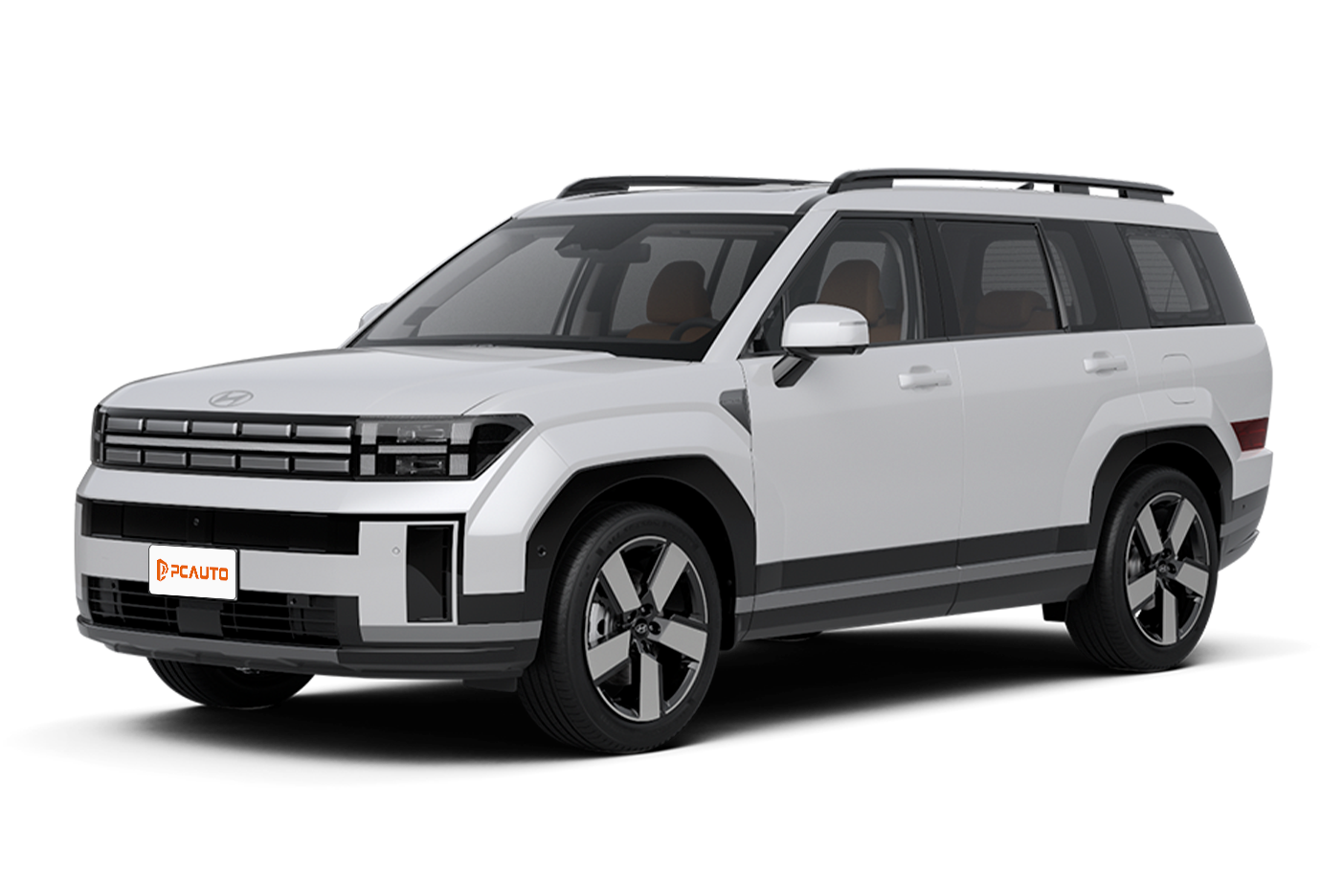
Hyundai Santa Fe Car Compare
More Hyundai Reviews
Cars With Similar Price And Features
21
Rank in SUV
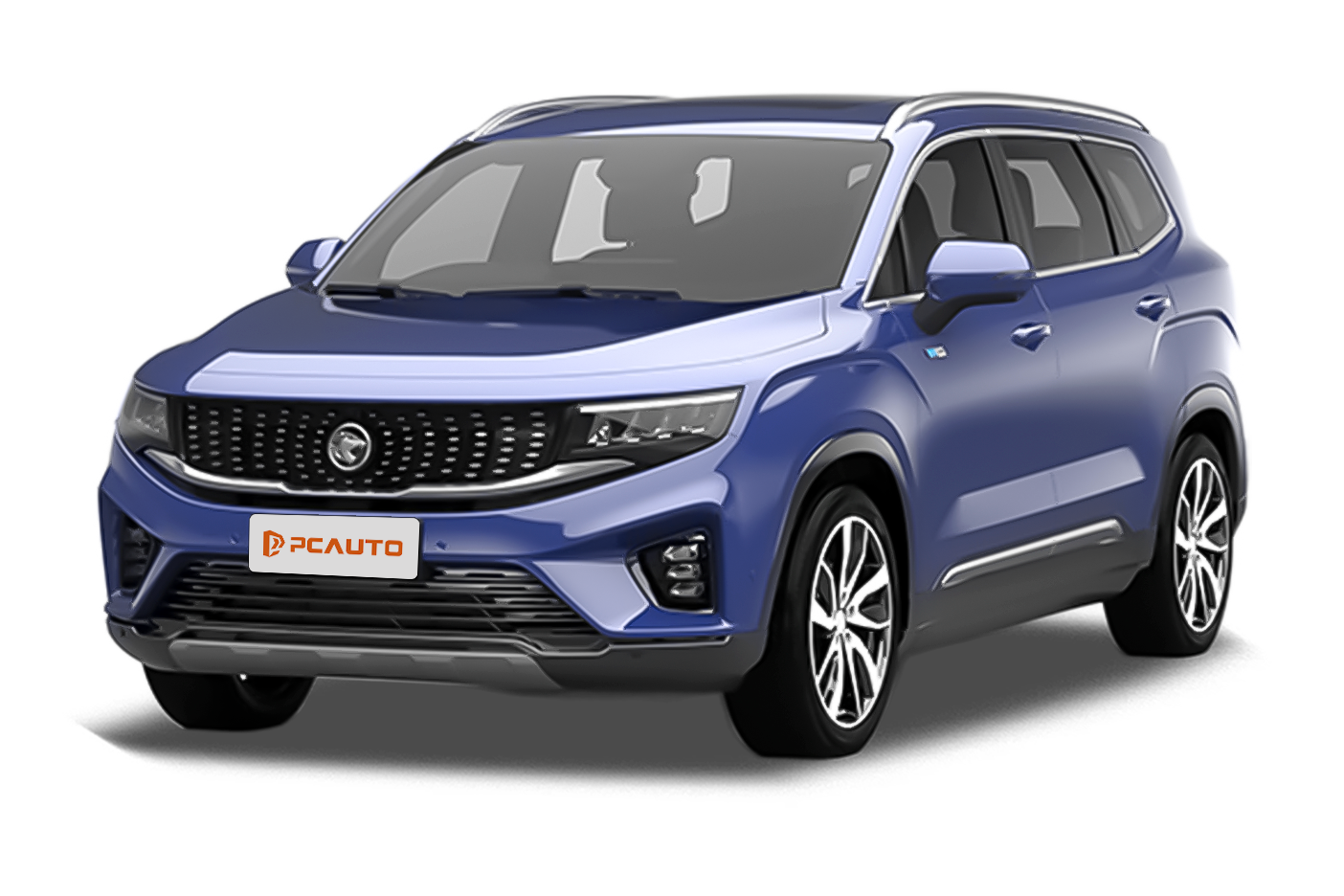
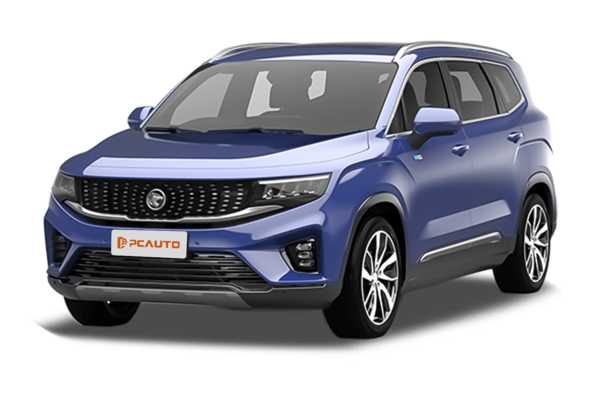
Proton X90 1.5TGDI BSG Standard 2023 is a family-oriented mid-size SUV that balances the practicality of a spacious 7-seater, the fuel economy of 1.5T mild hybrid, and mainstream technology features, offering outstanding value for money.

11
Rank in SUV
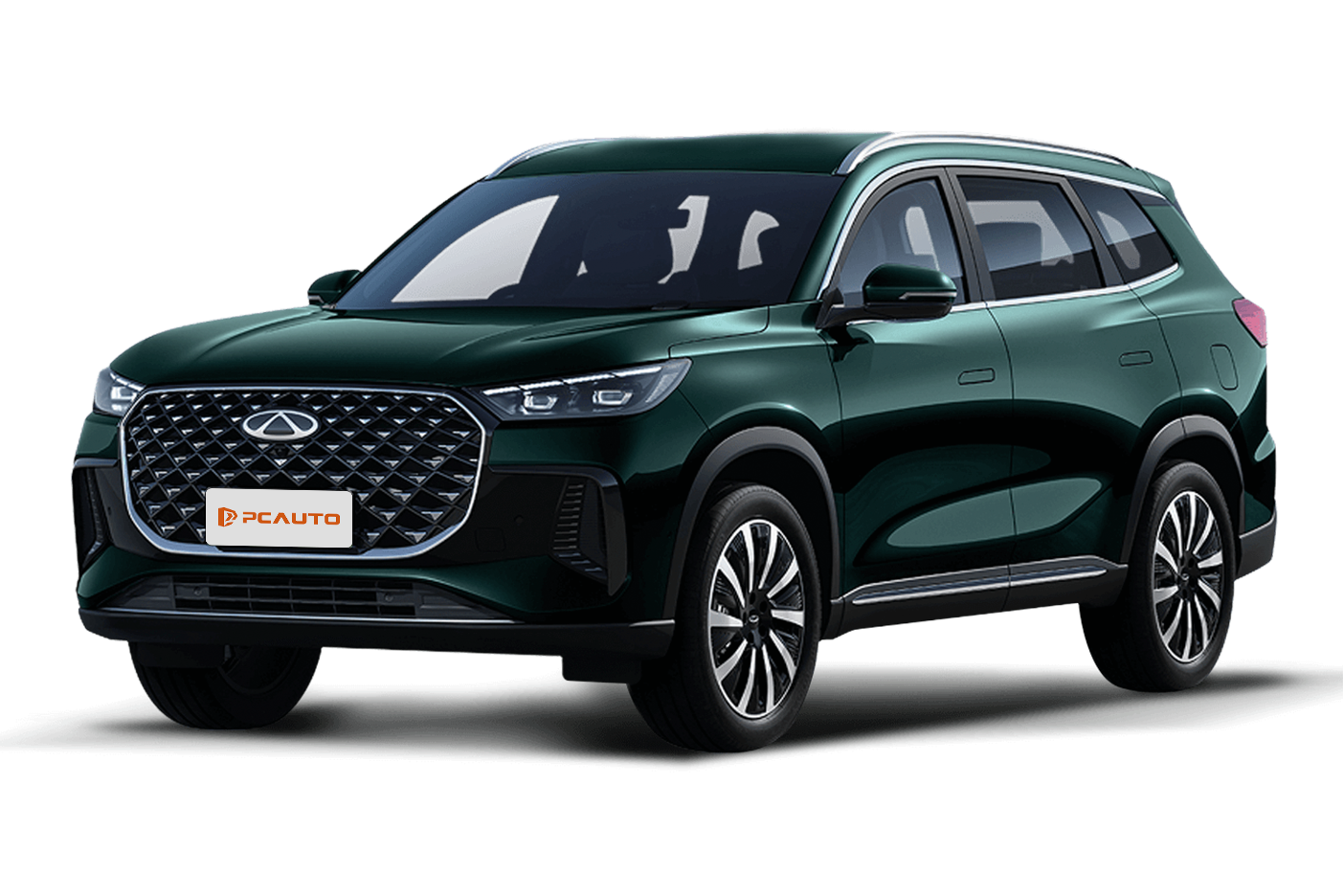
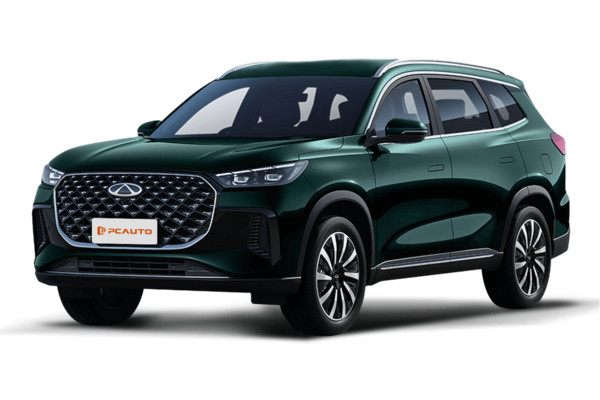
2026 Chery Tiggo 8 is a D-Segment SUV aimed at family users, offering superior configurations, practical space, and smooth power at a high cost-performance ratio, meeting both commuting and light off-road needs.
16
Rank in SUV

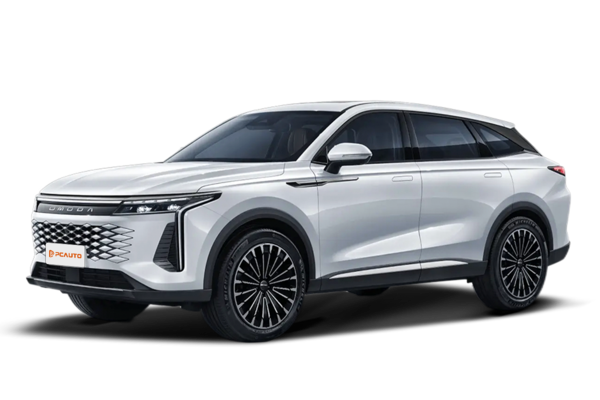
2024 Chery OMODA C9 2WD with 2.0T+8AT powertrain, L2 level assistance, and dual 12.3-inch screens, breaking the stalemate in the D-Segment market and becoming a high-value disruptor.

2022 Volvo XC60 B5 Momentum is a mid-size luxury SUV with strong safety features, equipped with a 48V mild hybrid system, practical space, and high cost-effectiveness, meeting the needs of both families and young users.