

Hyundai Santa Fe 2024 Review

 Share
Share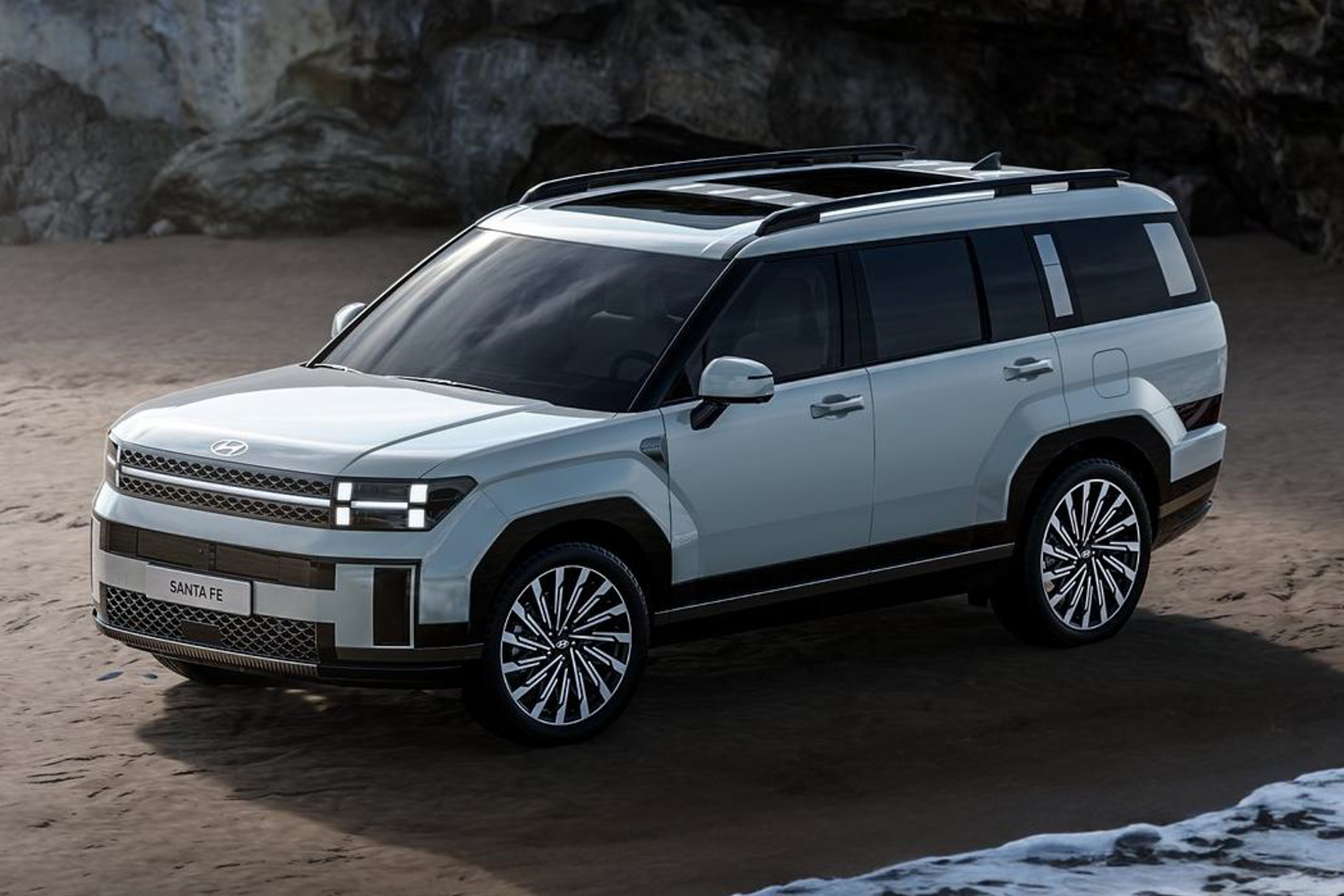
 Segment
 Body Type
 Capacity(L)
 Engine Power(PS)
 Engine Torque(Nm)
 Transmission
The D-class 7-seater SUV market is becoming increasingly diverse. Family users not only want enough space and practical features but also hope to balance fuel efficiency without bearing excessive fuel costs during daily commutes. The 2024 Hyundai Santa Fe Hybrid Plus aims to meet this demand—it combines a 1.6T turbocharged engine and an electric motor, ensuring power output while reducing energy consumption. Priced at RM 185,888, it is quite competitive among hybrid models in the same class. In this review, we conducted static and dynamic tests to see if it truly satisfies the core needs of family users.
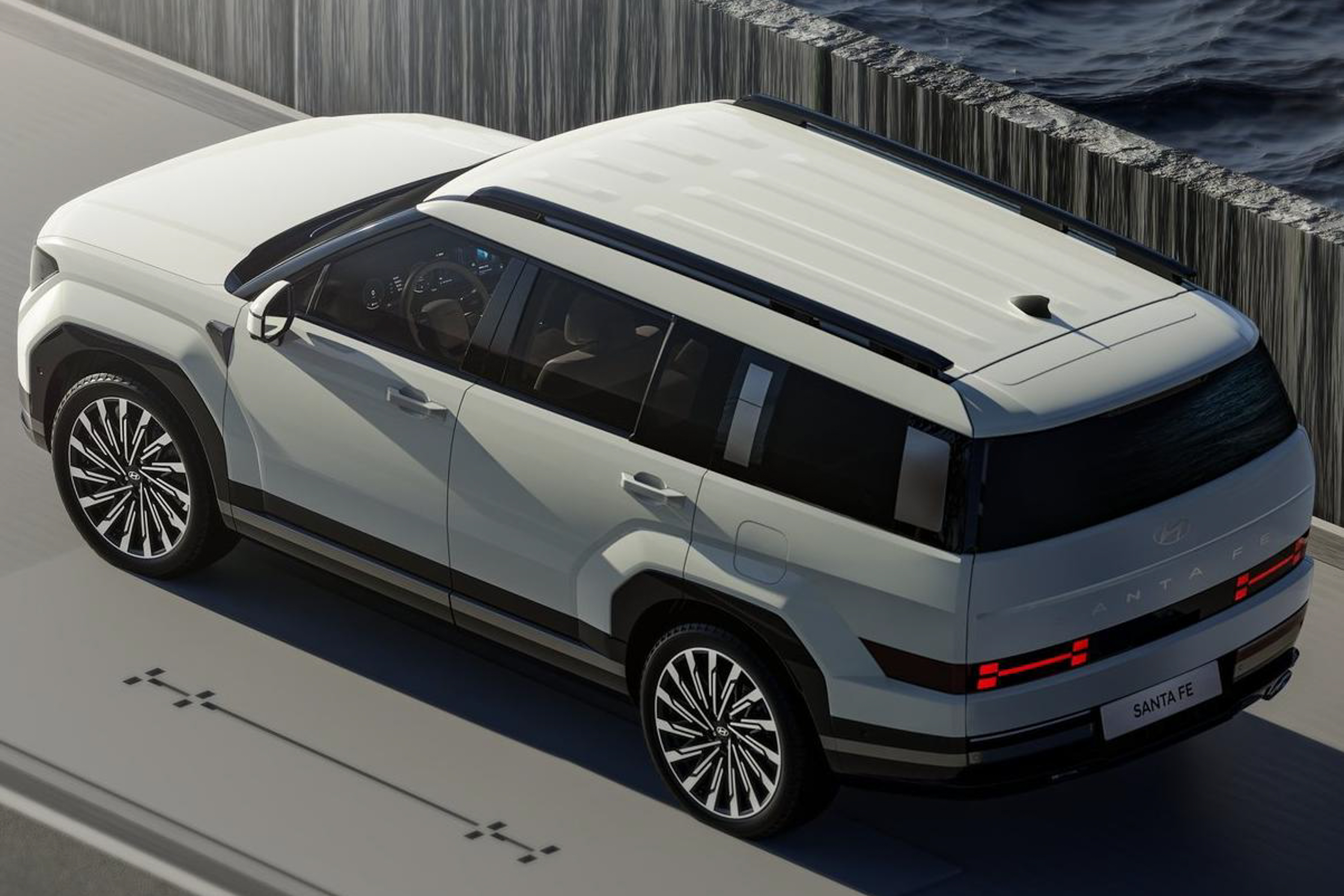
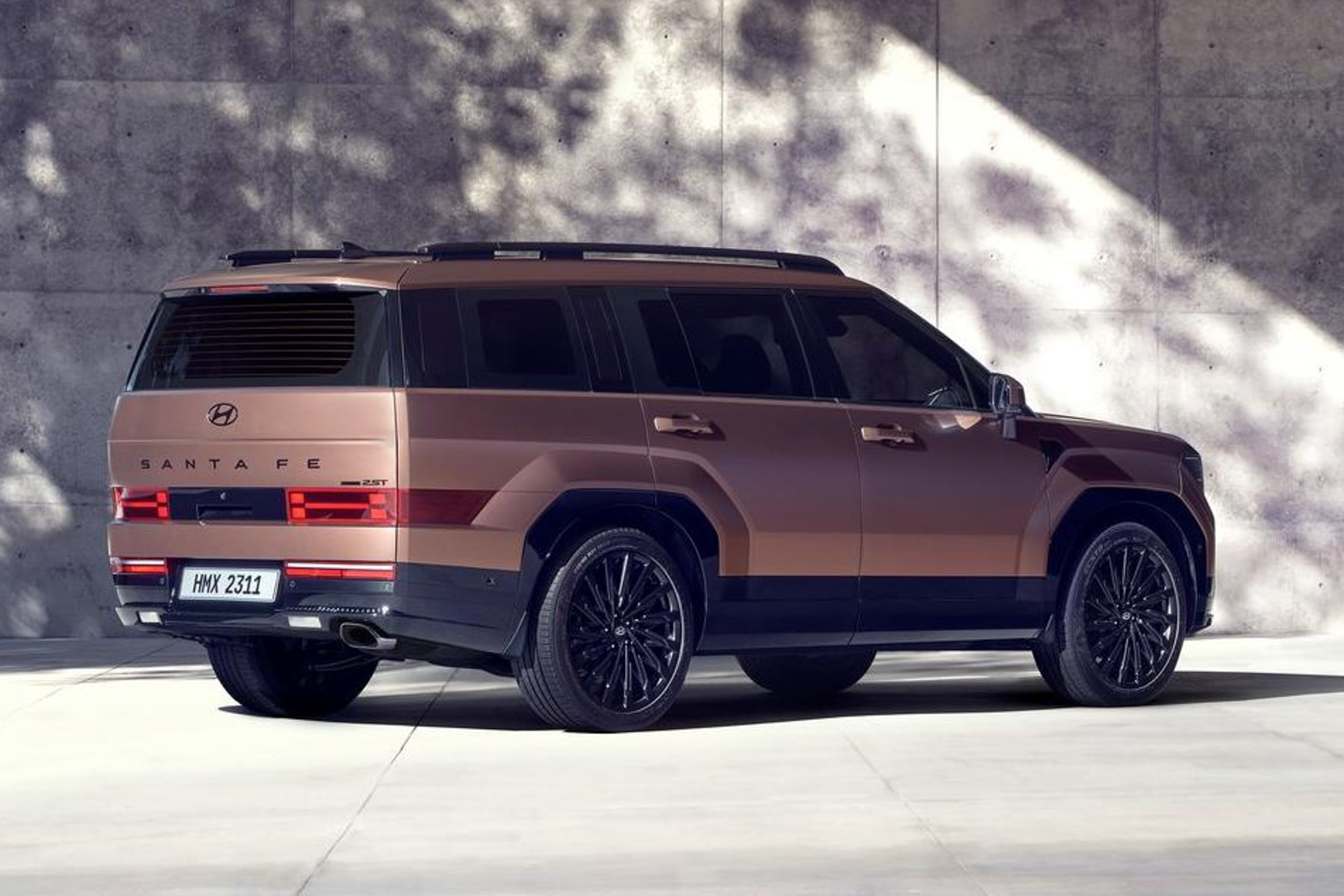
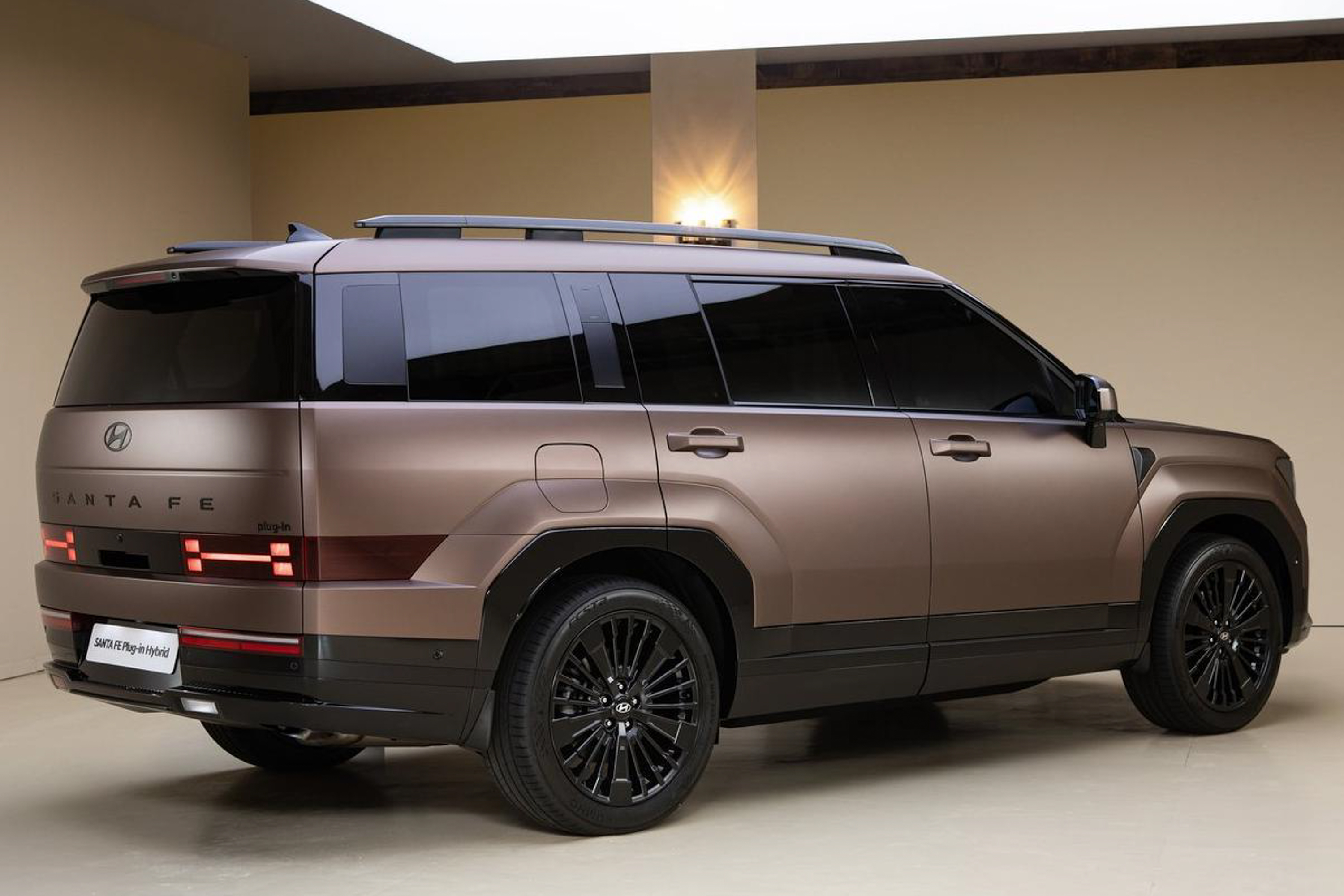
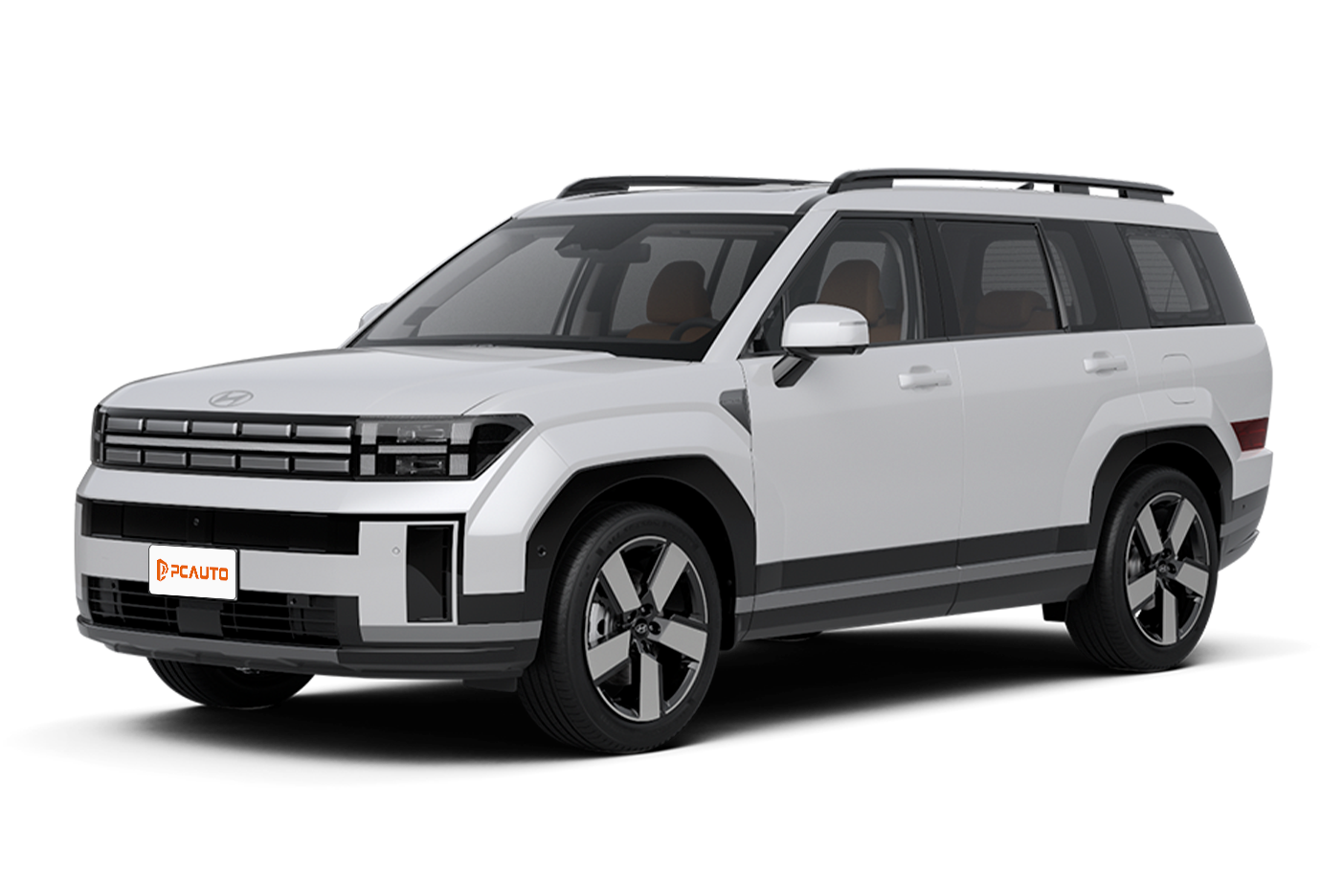
Approaching the Hyundai Santa Fe Hybrid Plus, the first thing that catches the eye is its rugged exterior style. The vehicle measures 4785mm×1900mm×1685mm, with a wheelbase of 2765mm, presenting a square and stable profile that exudes a sense of reliability. The front features a large grille paired with sharp LED headlights on both sides, providing good recognition; the side profile is characterized by straight lines extending from the front to the rear, with a clear yet understated waistline. The 235/65 R17 tires offer a balance of off-road capability and comfort. At the rear, the LED taillight design echoes the front, with a simple style, while the silver skid plate at the bottom of the rear bumper adds a hint of an off-road vibe. Overall, its exterior avoids overly flashy designs and leans more towards a practical and grand family-oriented look.
Opening the door to step inside, the interior style is predominantly simple, with a clear dashboard layout and the operational area concentrated below the central infotainment screen. In terms of materials, while constrained by cost, there is a fair amount of hard plastic, but key touch points such as the steering wheel and door armrests are wrapped with soft materials, providing a relatively comfortable feel. The 12.3-inch fully digital instrument cluster displays information clearly, presenting data such as power flow and fuel consumption in real-time; the 8-inch touchscreen supports basic multimedia functions and has decent responsiveness, although the interface design is relatively plain. In terms of features, the front seats support electric adjustments, allowing both the driver and passenger to find comfortable seating positions, and practical amenities like rear air conditioning vents and front USB ports are present. Keyless entry, one-touch start, and a multi-functional steering wheel add convenience to daily use. Notably, it comes standard with six airbags, blind-spot monitoring, lane departure warning, and automatic emergency braking, providing safety features in line with family users' expectations.
Space performance is a core consideration for family SUVs, and the Hyundai Santa Fe Hybrid Plus doesn't disappoint. The front-row seating provides ample space, with a 175cm tall person finding one fist and two fingers worth of headroom after adjusting the seat. The second-row seats support a 40:20:40 split fold and can slide forward and backward, providing two fists of leg space when the seats are pushed back completely; even with three passengers, it does not feel cramped. The third-row space is relatively tight, better suited for children or short-distance trips for adults. However, this is typical for 7-seater SUVs. The trunk has a standard capacity of 634L, sufficient for several suitcases, and folding down the third-row seats further expands the storage space, catering to family trips or transporting larger items. As for storage compartments, areas like the door panels and central armrest box offer moderately sized spaces, making it convenient for storing daily small items.
In terms of dynamic driving, the Hyundai Santa Fe Hybrid Plus is equipped with a 1.6T turbocharged engine + motor combination, providing a total system power of 230PS and a total torque of 350N·m, paired with a 6AT transmission. When starting, the motor engages first, delivering responsive and smooth power without the lag often felt with fuel-powered vehicles at take-off. At low to medium speeds, the engine and motor work together to ensure quick acceleration. Pressing the accelerator deeply for overtaking results in a seamless power delivery. The official 0-100km/h acceleration time is 8.9 seconds, which is adequate for a 7-seat SUV. There are three driving modes available: Eco, Normal, and Sport. In Eco mode, the power output leans towards a smooth delivery, suitable for daily commuting. In Sport mode, the throttle response is sharper, with more power reserves, making it ideal for situations requiring quick acceleration.
In terms of handling, the steering wheel provides moderate weight and decent precision, making it comfortable for everyday driving without feeling heavy. The suspension system consists of a MacPherson strut front and multi-link rear independent suspension, tuned towards comfort. It effectively absorbs small road bumps and even when encountering speed bumps or uneven roads, the vibrations felt inside the cabin are not overly harsh, ensuring comfort for rear passengers. However, body roll is more noticeable during high-speed cornering. After all, this is an SUV prioritizing family comfort, and handling is not its primary focus.
Fuel consumption is a key advantage for hybrid vehicles. In our tests across a mix of urban traffic, highway cruising, and suburban roads, the average fuel consumption was about 6.5L per 100km. Compared to similar fuel-powered vehicles (such as the 2.2T diesel version of the Santa Fe), fuel consumption decreases by approximately 2-3L. This can lead to significant fuel cost savings over the long term for users who frequently travel with the whole family. In terms of noise control, the cabin remains quiet at low to medium speeds, and the motor's operational sound is almost negligible. At higher speeds, some wind and tire noise may seep into the cabin, but it remains within an acceptable range and does not interfere with normal conversations.
Comparing with competitors in the same segment, the Hyundai Santa Fe Hybrid Plus clearly has notable advantages: priced at RM 185,888, it is RM 20,000 cheaper than the Hybrid Max variant. While some detailed upgrades (such as smaller tire sizes) are missing, it does not compromise on core safety and comfort features. Compared to the diesel version, the Santa Fe Diesel Max, it offers better fuel efficiency and lower daily usage costs, with the hybrid system providing smoother operation. However, it does have some shortcomings, such as the relatively tight third-row space and a basic central control screen that lacks support for CarPlay or Android Auto.
Overall, the 2024 Hyundai Santa Fe Hybrid Plus is a practical 7-seat SUV suitable for family use. It offers spacious interiors, practical configurations, good fuel economy from the hybrid system, and adequate power performance for daily needs. If you are a family-oriented user who focuses on space, fuel efficiency, and safety, with a budget around RM 180,000 and no need for a four-wheel drive system, this model would be a great choice. While it doesn't stand out in any particular aspect, it achieves a good balance between space, fuel efficiency, features, and price, making it a pragmatic companion for family outings.
Hyundai Santa Fe Car Compare
Hyundai Santa Fe Loan Calculator
More Hyundai Reviews
Cars With Similar Price And Features
21
Rank in SUV
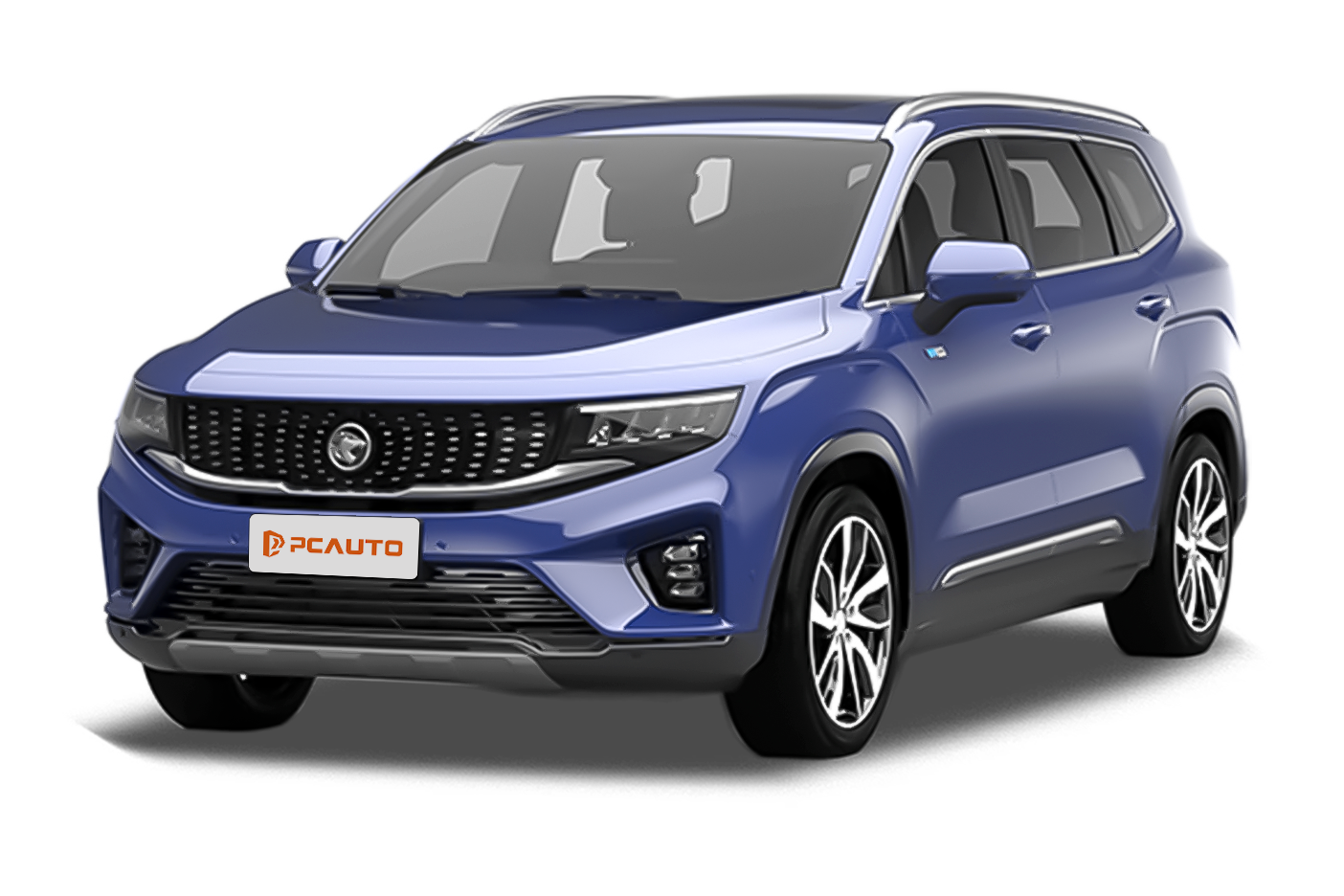
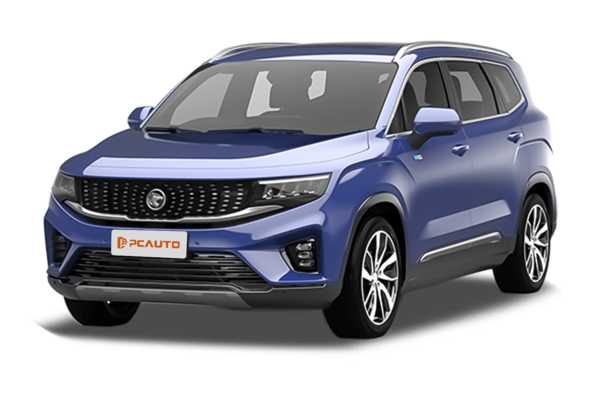
Proton X90 1.5TGDI BSG Standard 2023 is a family-oriented mid-size SUV that balances the practicality of a spacious 7-seater, the fuel economy of 1.5T mild hybrid, and mainstream technology features, offering outstanding value for money.

11
Rank in SUV
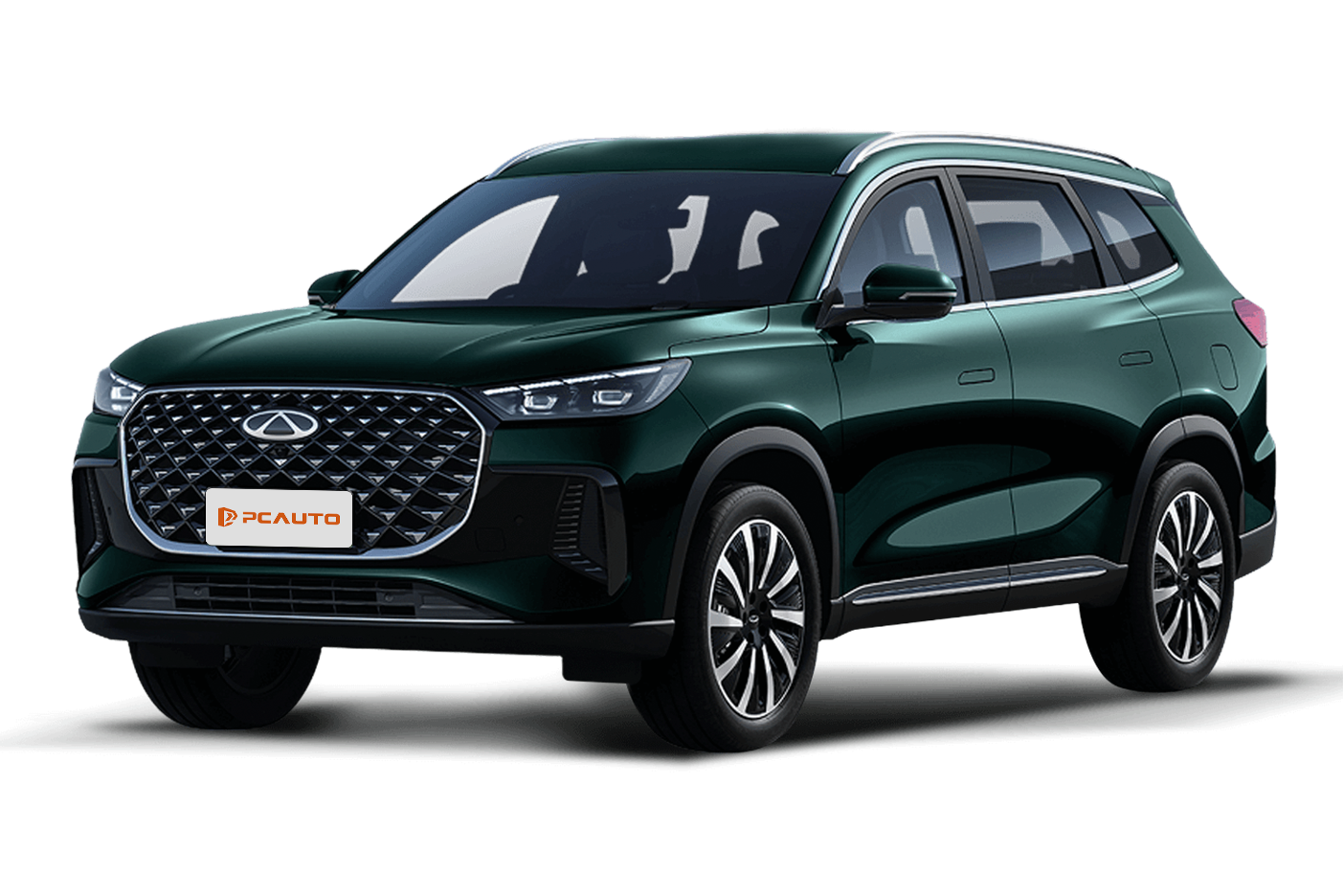
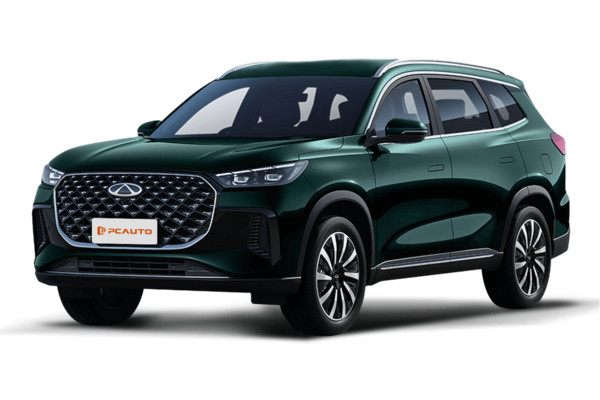
2026 Chery Tiggo 8 is a D-Segment SUV aimed at family users, offering superior configurations, practical space, and smooth power at a high cost-performance ratio, meeting both commuting and light off-road needs.
16
Rank in SUV

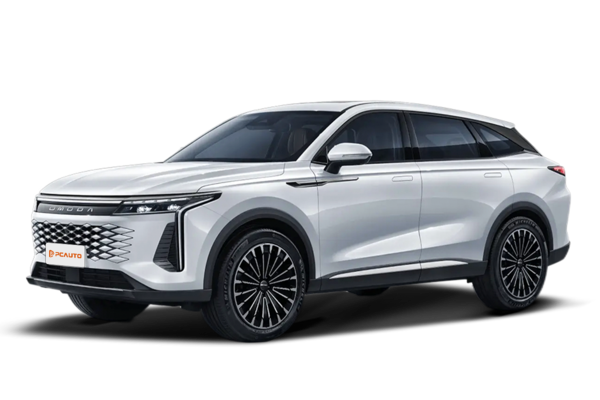
2024 Chery OMODA C9 2WD with 2.0T+8AT powertrain, L2 level assistance, and dual 12.3-inch screens, breaking the stalemate in the D-Segment market and becoming a high-value disruptor.

2022 Volvo XC60 B5 Momentum is a mid-size luxury SUV with strong safety features, equipped with a 48V mild hybrid system, practical space, and high cost-effectiveness, meeting the needs of both families and young users.