

Hyundai Sonata 2005 Review

 Share
Share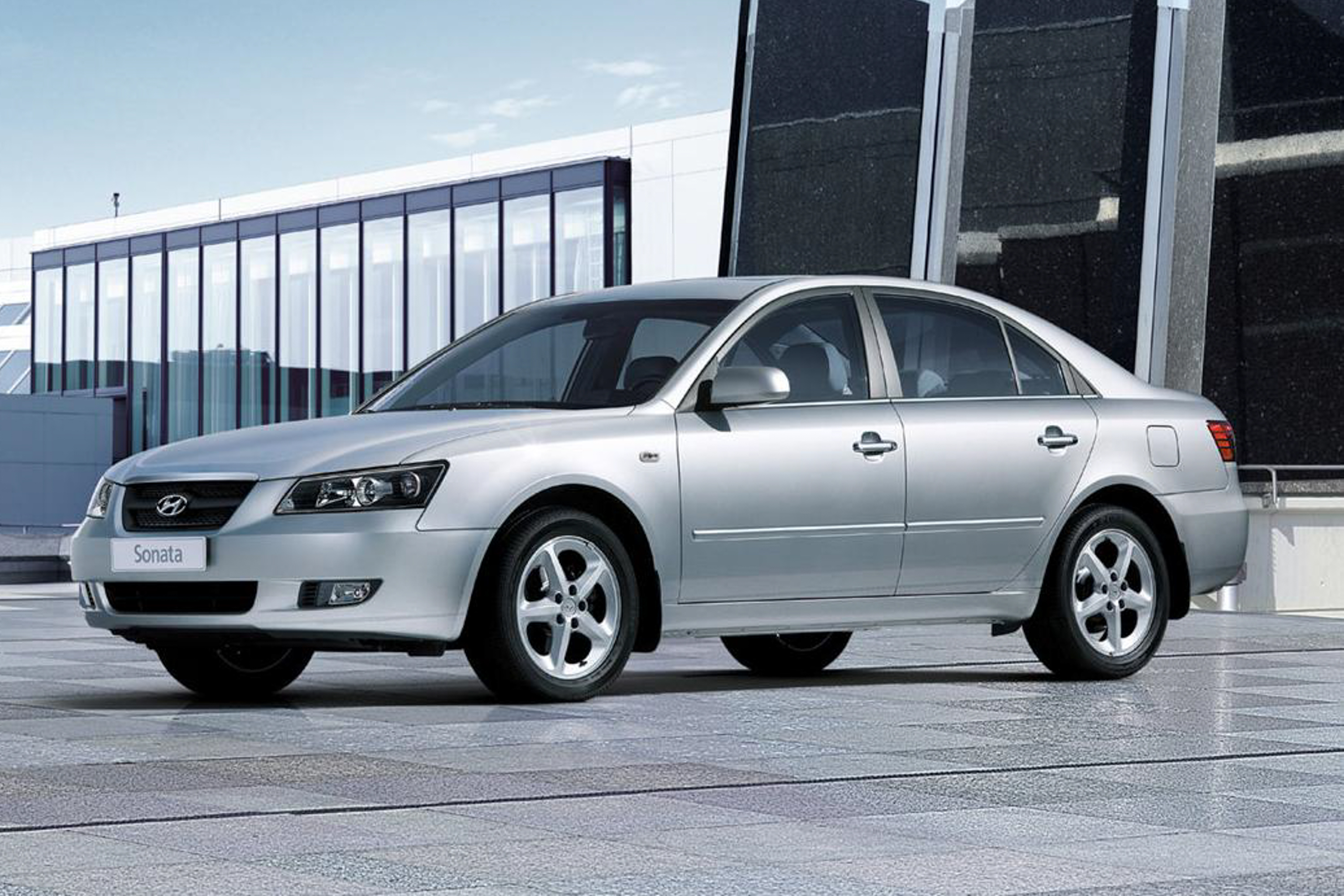
 Body Type
 Segment
 Capacity(L)
 Engine Power(PS)
 Engine Torque(Nm)
 Transmission
In recent years, the competition in Malaysia’s mid-size sedan market has been growing increasingly intense, with consumers expressing ever-clearer demands for practicality in space, smooth performance, and balanced configurations. The 2005 Hyundai Sonata Public was launched specifically targeting this niche market. As one of Hyundai's flagship models in the mid-size car segment at the time, it aimed to carve out a position in a market dominated by Japanese competitors with its selling points of larger body dimensions, more extensive standard features, and a mature powertrain. This test drive will comprehensively evaluate whether this vehicle meets the core needs of family users, focusing on daily usage scenarios from static design to dynamic performance.
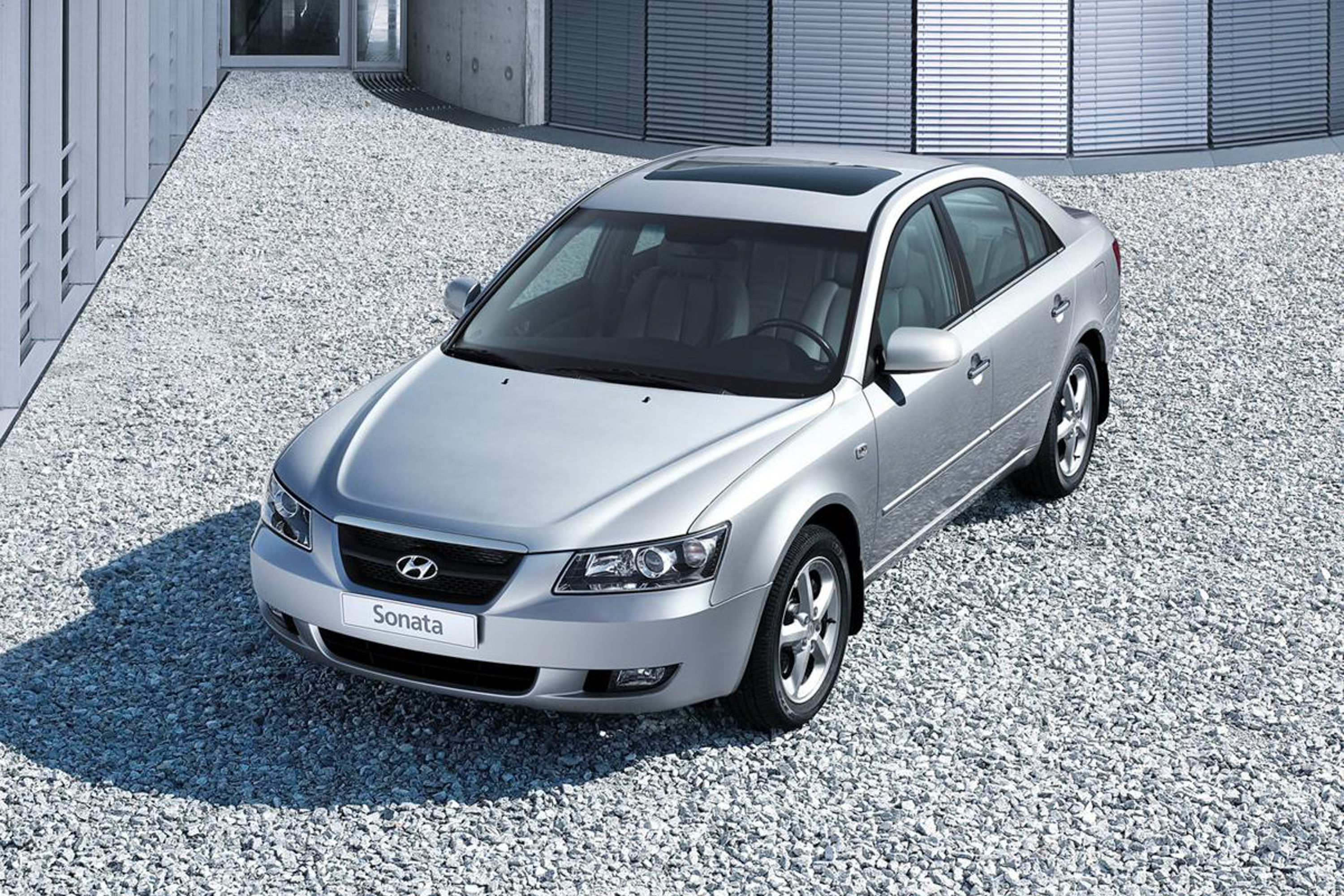
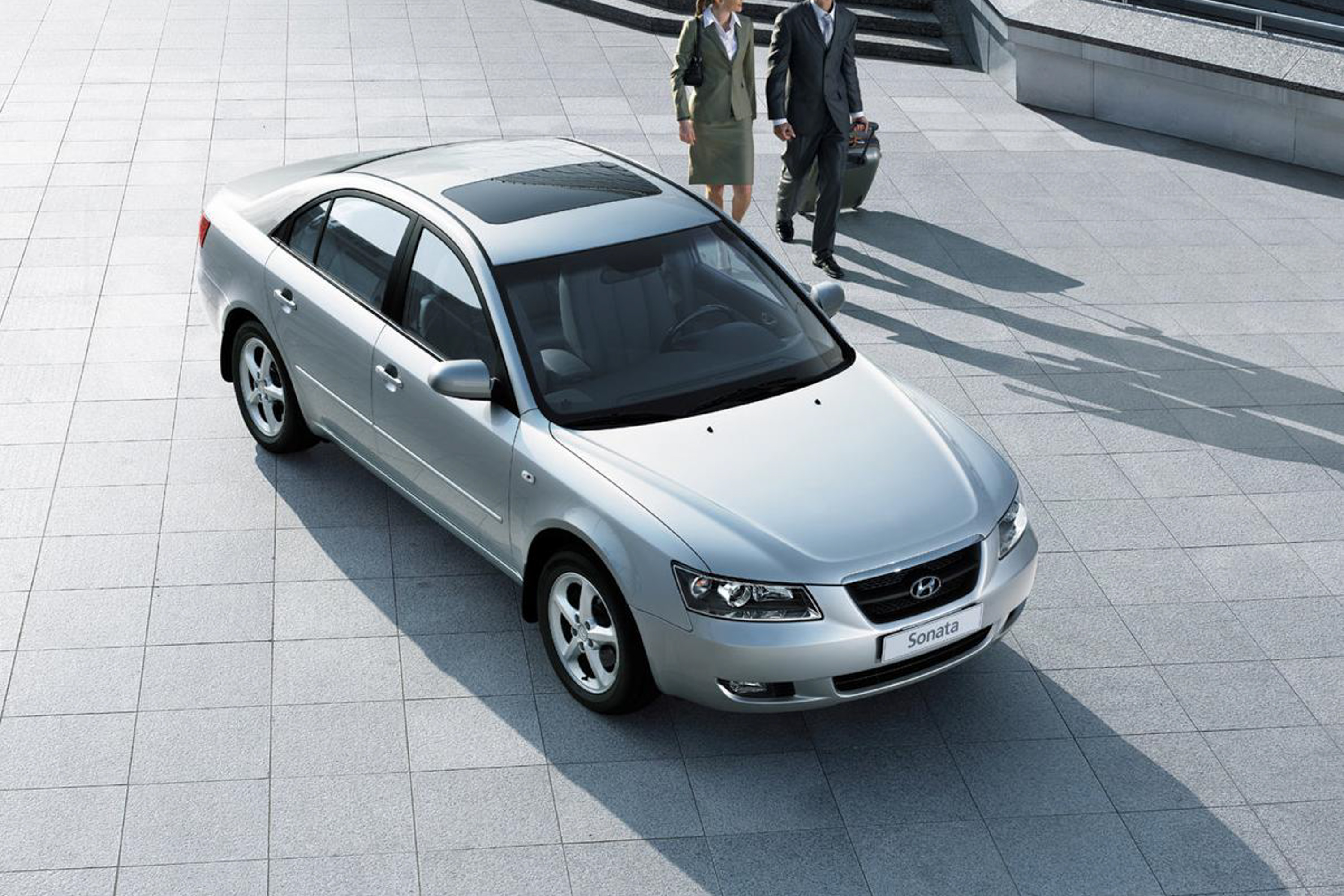
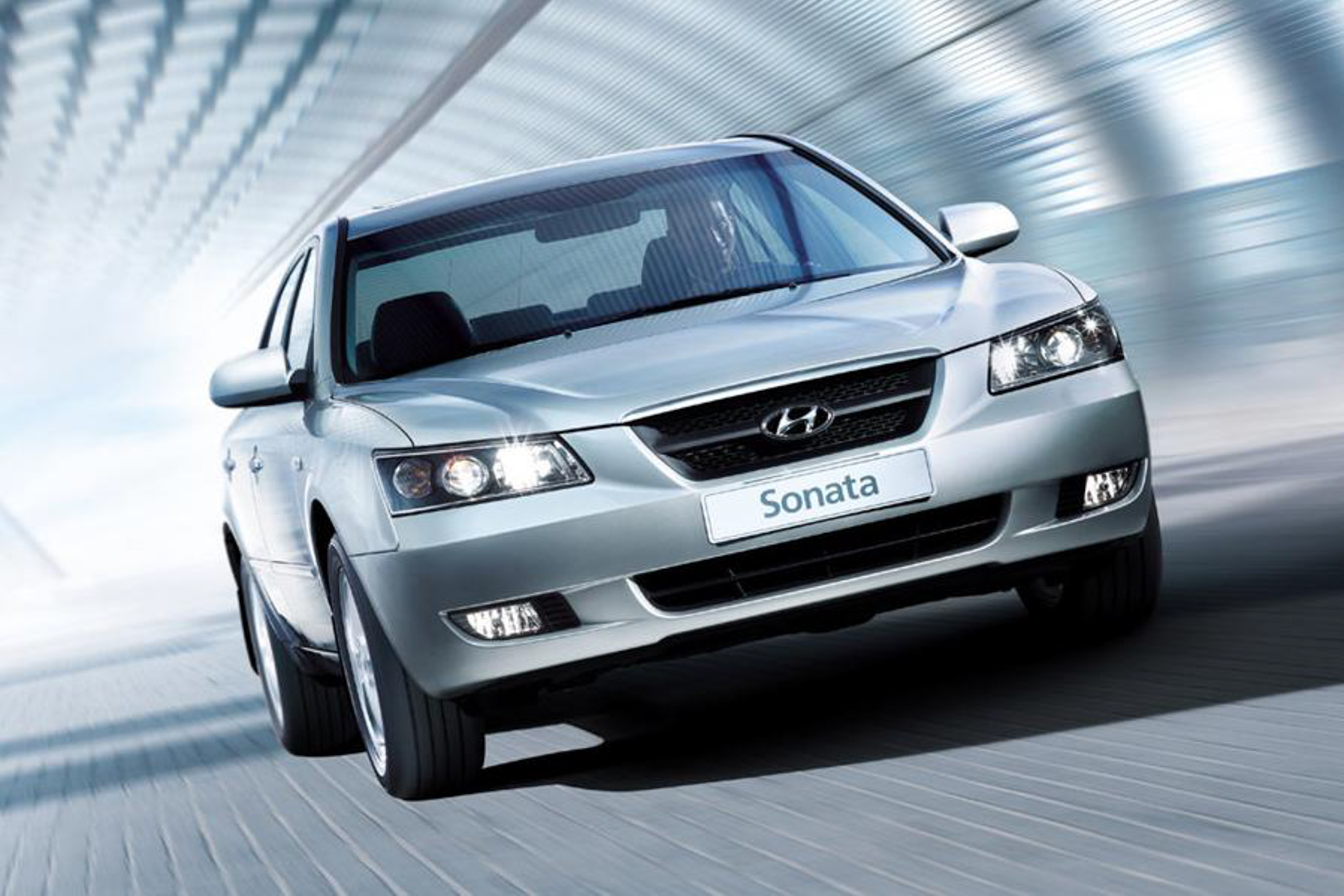
In terms of exterior design, the 2005 Sonata Public adopts Hyundai's family design language of the time, which leans toward a stable and solid style. The chrome grille at the front is moderately sized, with the Hyundai logo embedded in the center. The sharp-edged combination headlights on both sides are connected to the edges of the grille, visually broadening the width of the front. The side profile features smooth lines, with a waistline running through the entire body from the front fender to the rear, adding continuity. The 16-inch multi-spoke alloy wheels bring a touch of sportiness to the side view. At the rear, the design is relatively simple, with horizontally arranged taillights that include brake lights and turn signals, offering decent visibility when lit. A chrome strip underneath the trunk lid echoes the chrome grille at the front, enhancing the refinement of the rear. Overall, the exterior doesn’t overly emphasize aggressive design elements, better meeting the "elegant and timeless" aesthetic preferences of family sedan buyers.
Inside the car, the interior adopts a two-tone color scheme with a darker upper section and a lighter lower section, and the dashboard layout prioritizes practicality. The steering wheel features a three-spoke design, with volume control and Bluetooth call buttons on the left side, offering clear tactile feedback during operation. The instrument panel uses traditional mechanical dials, including a tachometer, speedometer, fuel gauge, and temperature gauge. A monochrome LCD display in the center shows basic information such as mileage and fuel consumption, with clear and intuitive readings. Positioned at the top of the center console is a 6.5-inch touchscreen display that supports Bluetooth connectivity and USB multimedia input. The screen’s responsiveness is average compared to other vehicles of the same era. The air conditioning controls use a combination of physical buttons and knobs, with moderate resistance that makes blind operations less prone to errors. Regarding materials, hard plastic dominates the top of the dashboard, while the door panels and seats are leather-wrapped. Although the overall texture cannot match that of higher-end models, it is reasonable within the same price range.
Space performance is a key advantage of the Sonata Public. The dimensions of the vehicle are 4800mm × 1835mm × 1475mm, with a wheelbase of 2730mm. The front seats support manual adjustments, with cushions of moderate length that provide adequate leg support. A passenger with a height of 175cm sitting in the front row has approximately a fist and two fingers of headroom left. The rear space is even more spacious; passengers of the same height sitting in the rear have around two fists of legroom and about one fist of headroom, making it comfortable even with three adult passengers. In terms of storage, the front door panels can hold two bottles of mineral water, and the storage compartment under the center console can accommodate items like a phone or wallet. The central armrest box has a deep interior, suitable for storing small objects. The trunk offers a standard capacity of 523 liters, which can be expanded to approximately 1,300 liters by folding down the rear seats, making it capable of carrying large items. Moreover, the rear seat comes with independent air conditioning vents and two USB charging ports, further enhancing passenger comfort in the back.
In terms of the power system, the Sonata Public tested this time is equipped with a 2.0L naturally aspirated engine, with a maximum power of 150 horsepower and a peak torque of 194 Nm, paired with a 6-speed manual-automatic transmission. During daily driving, the engine delivers steady power output below 2000 rpm, and there is no obvious jerkiness during the start-up phase; when the speed increases to above 3000 rpm, the power response becomes more active, and stepping hard on the accelerator during overtaking will prompt the transmission to downshift quickly, delivering sufficient power to handle highway overtaking needs. Three driving modes are provided: Economy, Standard, and Sport. In Economy mode, throttle response is slower, which is suitable for congested urban roads; in Sport mode, the transmission delays shifting gears, keeping the engine at high revs, resulting in more direct power output. Overall, this power system is mature and reliable, suitable for daily commuting and long-distance family trips.
Handling performance leans towards comfort, with a light steering wheel that allows for easy one-handed operation at low speeds, while at high speeds, the steering weight increases slightly, improving driving stability. The chassis adopts a combination of front MacPherson independent suspension and rear multi-link independent suspension, tuned primarily to filter out bumps. When driving on city-paved roads, the suspension effectively absorbs small vibrations, making it nearly impossible for passengers inside to feel the unevenness of the road; when passing speed bumps or uneven roads, the suspension handles impacts softly without a noticeable stiffness. However, during cornering, the body lean is relatively pronounced, which is a common feature of most mid-size family sedans, making it more suitable for smooth driving rather than aggressive handling.
In terms of fuel consumption, after a mixed test of urban congested roads and highways, the average fuel consumption is about 8.5L per 100 kilometers, with urban fuel consumption around 9.8L and highway consumption about 7.2L. This performance ranks in the mid-to-high range among mid-size cars with the same engine displacement. Noise control performance is decent; at speeds below 60 km/h, the main noise inside the cabin comes from the tires; above 80 km/h, wind noise becomes gradually evident but does not affect normal conversation among passengers inside the car. The seats provide good support for extended driving, making two-hour continuous drives comfortable without noticeable fatigue.
In summary, the core advantages of the 2005 Sonata Public lie in its spacious interior, mature power system, and practical configurations. Compared to competing Japanese models in the same segment, its rear-seat space and trunk capacity are more advantageous, and the basic configurations are also more comprehensive, while the price is relatively lower, offering outstanding value for money. However, its interior quality and fuel efficiency are slightly inferior to some Japanese models, and its design style leans more conservative.
This car is more suitable for family users who prioritize practicality and cost-effectiveness, especially for consumers who frequently need to take family members on long trips. For young users who pursue an aggressive driving experience or have high expectations for interior quality, it might not be the best choice. However, for groups with a "family-oriented" focus, the balanced performance of the Sonata Public is sufficient for daily use.
Overall, the 2005 Hyundai Sonata Public is a clearly positioned mid-size family car. While it does not have particularly standout features, it achieves a balance in space, power, and configuration, making it a pragmatic choice for family users.
Hyundai Sonata Car Compare

More Hyundai Reviews
Cars With Similar Price And Features
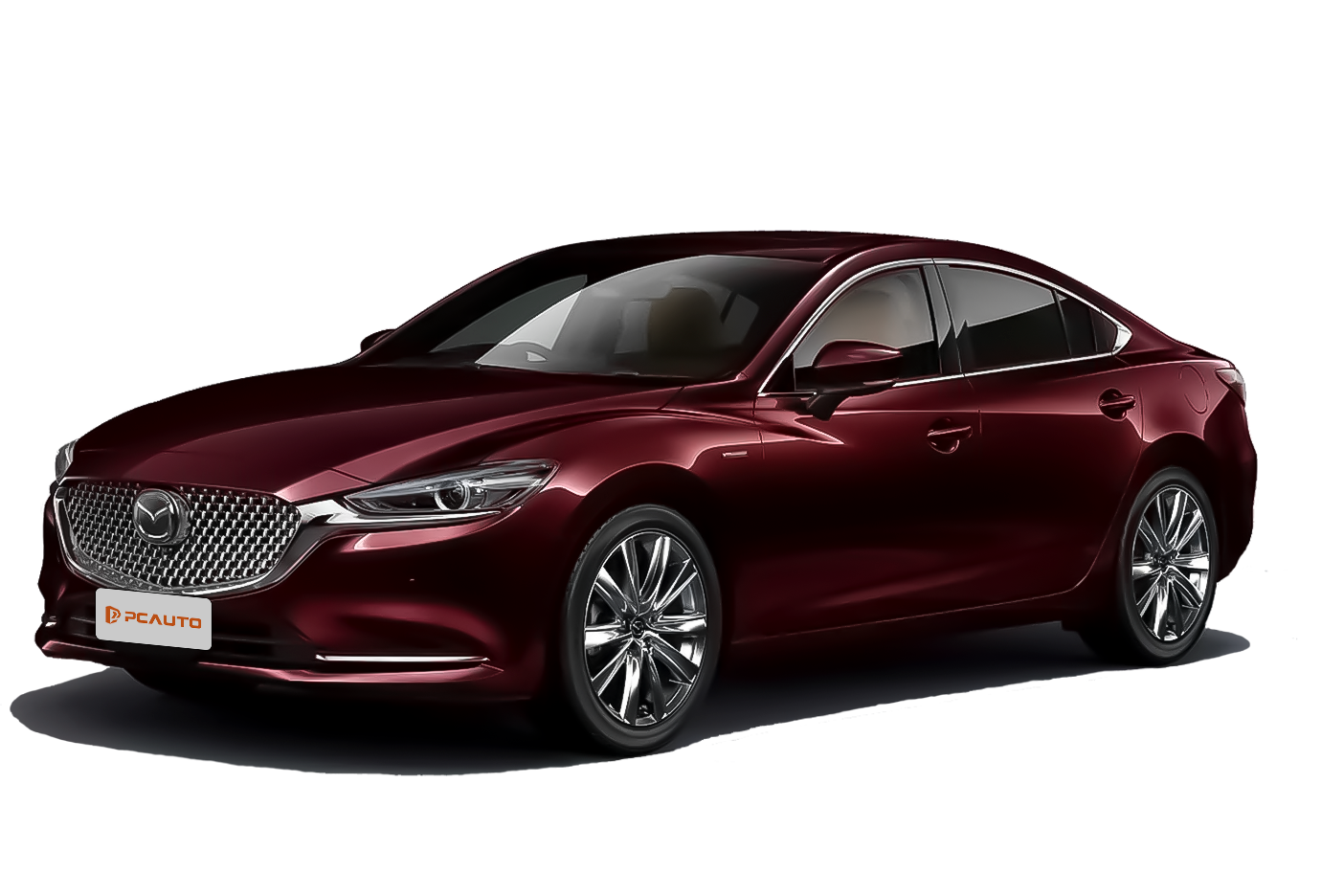
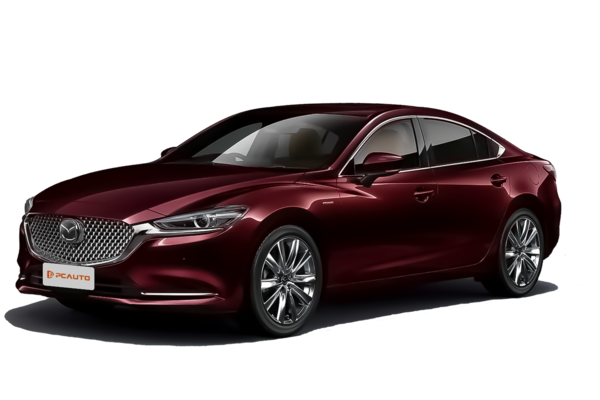
2023 Mazda 6 Sedan 2.0 SkyActiv-G meets the rational needs of family users for joint-venture quality, comfortable configurations, and fuel economy with its KODO design, practical space, and balanced driving control.

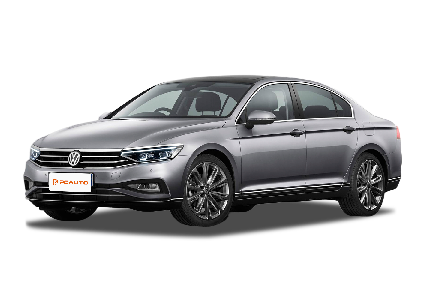
2022 Volkswagen Passat 2.0 TSI R-Line combines business elegance with sporty personality, featuring 220PS power, 14-way massage seats, and Harman Kardon audio system to meet the diverse needs of families and young professionals.
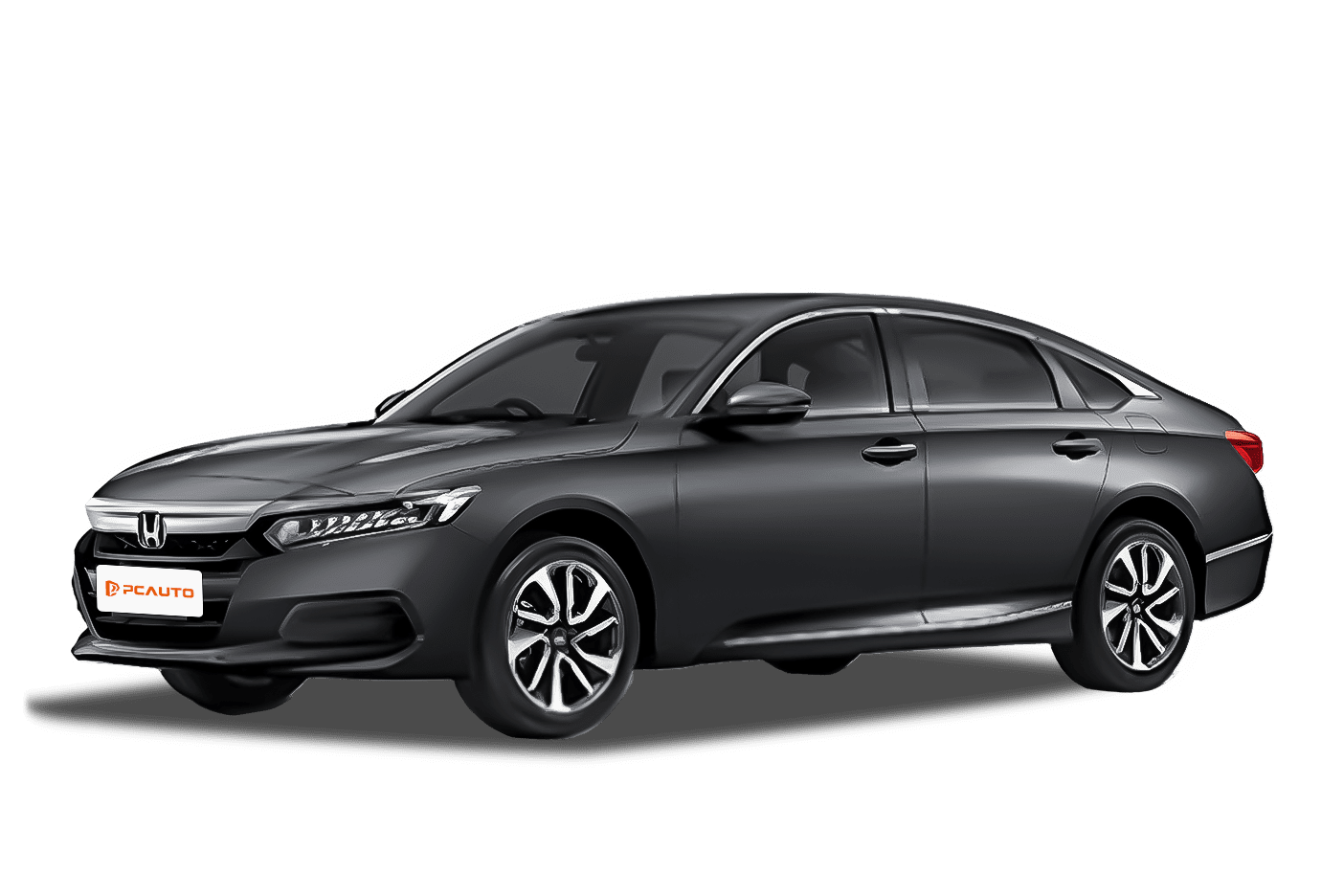
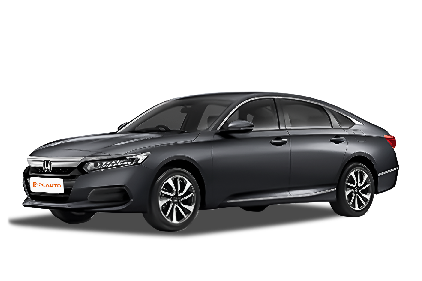
The 2023 Honda Accord 1.5 TC is a D-segment sedan that balances both business and family use, with core selling points of spacious interior, comfortable driving, and efficient performance, making it suitable for practical family users.
23
Rank in Sedan
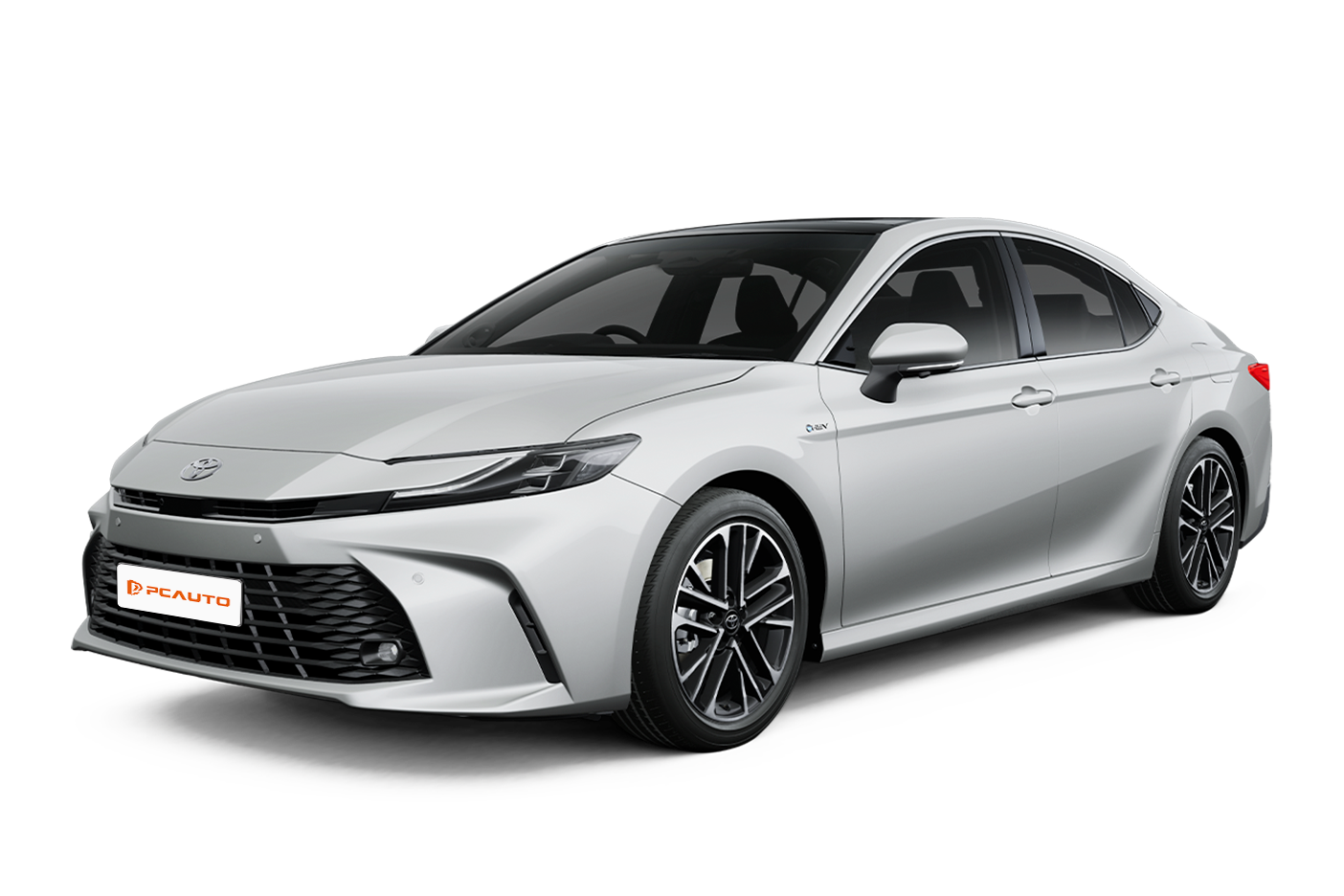
2025 Toyota Camry 2.5 V features an extended body, upgraded large-screen interior to enhance household comfort, 2.5L+8AT smooth power with more comprehensive intelligent driving, precisely meeting the reliable household needs of the D-segment.