

Hyundai Sonata 2011 Review

 Share
Share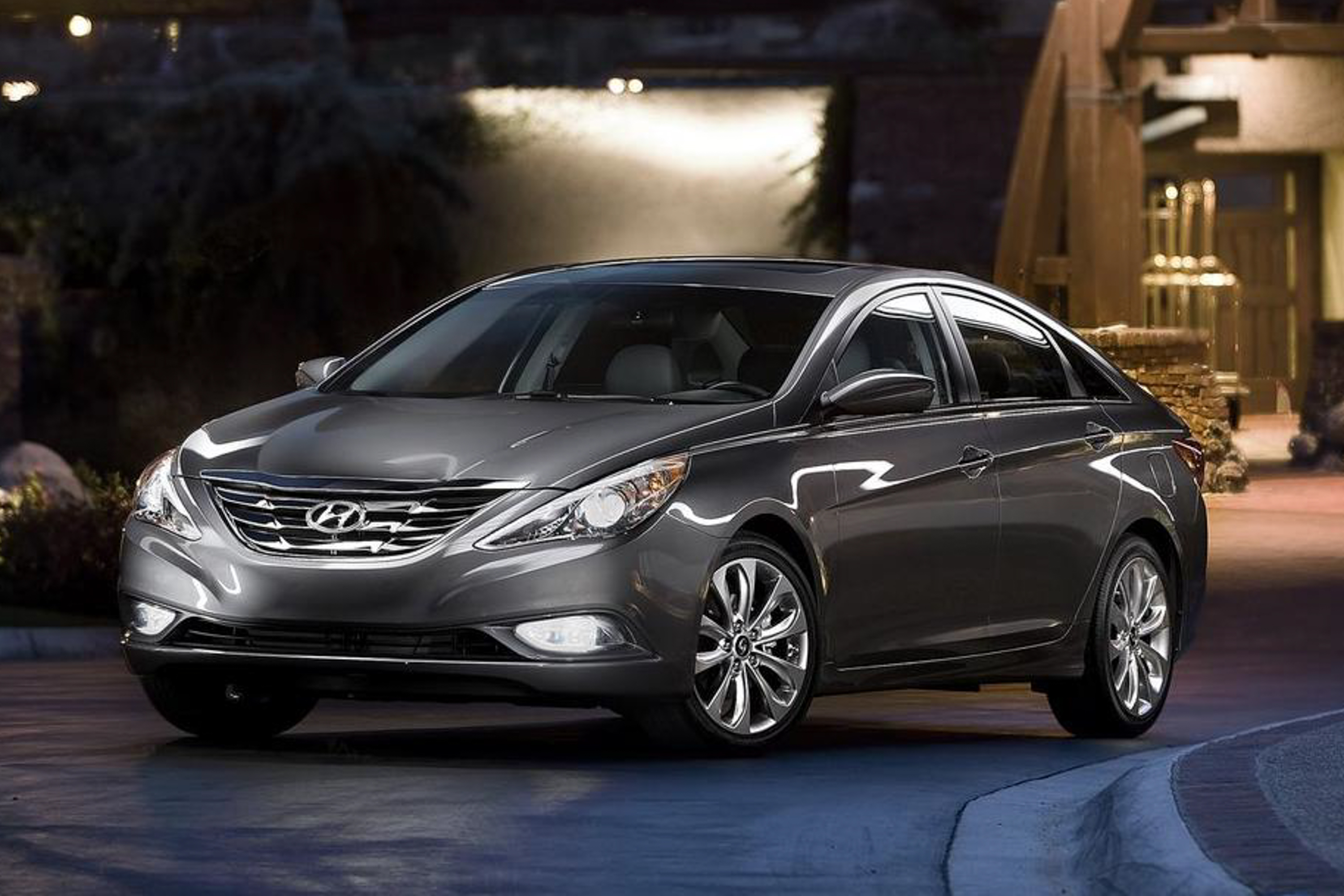
 Body Type
 Segment
 Capacity(L)
 Engine Power(PS)
 Engine Torque(Nm)
 Transmission
In recent years, the competition in the Malaysian mid-size sedan market has become increasingly intense. Many consumers prioritize cost-effectiveness when making a purchase, while also having certain expectations for design and features. The 2011 Hyundai Sonata public, as a representative model in this segment, has attracted considerable attention from family users with its sleek exterior design and relatively balanced features. In this review, we conduct a static experience and dynamic test drive to evaluate the actual performance of this car and see if it can meet the daily needs of local users.
From the exterior, the 2011 Sonata public adopts Hyundai's family-style "Fluidic Sculpture" design language, with smooth and dynamic lines throughout. The hexagonal grille on the front, paired with chrome trims, enhances its recognizability; the sharp headlights on both sides are connected to the grille, visually widening the front proportions. On the side, the waistline extending from the front fender to the rear creates a coupe-like posture, complemented by a slightly upturned rear. At the rear, the horizontal tail lights are integrated with the chrome strip along the trunk edge, offering a cohesive look; the dual exhaust outlets on both sides add a hint of sportiness. In terms of the lighting system, the headlights utilize halogen light sources. While the brightness is average, it is sufficient for daily use.
Inside the car, the interior adopts a two-tone color scheme of dark on top and light on the bottom, aligning with its positioning as a family car. The center console has a simple layout, with a multimedia display screen on top (some configurations feature a 7-inch touchscreen) and physical buttons and dials below, offering clear functionality and easy-to-use controls. For materials, the upper part of the dashboard is made of hard plastic. However, texture treatments and silver trim accents slightly enhance the overall quality feel. In terms of features, mid-to-high configurations include automatic air conditioning, a multifunction steering wheel, and Bluetooth connectivity. Some variants also feature a power sunroof and leather seats, further enhancing comfort.
Regarding space performance, the 2011 Sonata public has dimensions of 4820mm×1835mm×1470mm and a wheelbase of 2795mm, placing it slightly above average among its class. The front seats offer good support, and with a height of 175cm, the test occupant has around a fist's worth of headroom space after adjusting the seating position. The rear row is a highlight of this car: a passenger of the same height sitting in the rear has two fists of legroom and about one fist of headroom. Even with three adult passengers, the space does not feel excessively cramped. For storage capacity, the front door panels can hold two bottles of water, and the central armrest box is relatively deep, allowing for the storage of some personal items. The rear floor's middle hump is low, providing adequate foot space for the middle passenger, and it is equipped with a central armrest and cup holders. The trunk has a standard capacity of 523L with a wide opening, enough to fit two 28-inch suitcases without issue, catering to family travel needs.
In terms of power, the 2011 Sonata public is equipped with a 2.0L naturally aspirated engine, delivering a maximum output of 165 horsepower and a peak torque of 198N·m, paired with a 6-speed automatic transmission. During actual driving, the power output is steady during the starting phase, and the throttle does not feel overly sensitive, but it is sufficient for everyday urban commuting. During acceleration, the transmission shifts smoothly, and after pressing the throttle more deeply, the engine's power output becomes apparent above 3000 RPM, giving the driver confidence for overtaking. There are two driving modes: Economy and Sport. In Economy mode, the throttle response is slower, suitable for daily commutes; in Sport mode, the transmission shifts at higher RPMs, delivering more direct power output, suitable for occasional driving enjoyment.
In terms of handling and chassis performance, the steering wheel has a moderate steering force and decent precision with no obvious play, making daily driving relatively easy. The suspension system uses a combination of front MacPherson independent suspension and rear multi-link independent suspension, which is tuned for comfort. When passing over speed bumps or bumpy roads, the suspension effectively filters out most vibrations. However, when encountering larger potholes, the rear passengers may feel slight residual shocks. During cornering, the body roll is controlled within reasonable limits, offering sufficient support without giving a loose feeling. Regarding braking performance, the brake pedal feedback is linear, with uniform brake force distribution, and the vehicle maintains stable posture during emergency braking.
Fuel consumption is a major concern for family users. We tested 50km each in urban congested areas and on highways, with the air conditioning on throughout. The final combined fuel consumption is approximately 8.5L/100km, which is moderate among the same-class 2.0L models. The daily usage cost is not high.
Regarding ride comfort, the seats are softly padded, making them comfortable for long periods without causing fatigue; the rear seat backrest angle is appropriate and equipped with air conditioning vents, enhancing rear passenger comfort. Noise control is average, and beyond a speed of 80km/h, tire noise and wind noise become gradually noticeable but do not affect normal conversation. However, the soundproofing material coverage is not extensive, so the cabin's quietness at high speeds could be improved further.
Overall, the core advantages of the 2011 Hyundai Sonata include balanced space performance, sleek exterior design, and relatively practical configurations. Compared to competitors in the same class like the Toyota Camry, it offers more spacious rear seats and a younger design; while compared to the Honda Accord, it has a lower price point and higher cost-effectiveness. This car is suitable for family users who value practical space and fuel economy, especially those who often travel with full capacity. If you're on a budget but want a mid-sized car that balances family utility and status, the 2011 Sonata is a worthy consideration.
Hyundai Sonata Car Compare

More Hyundai Reviews
Cars With Similar Price And Features
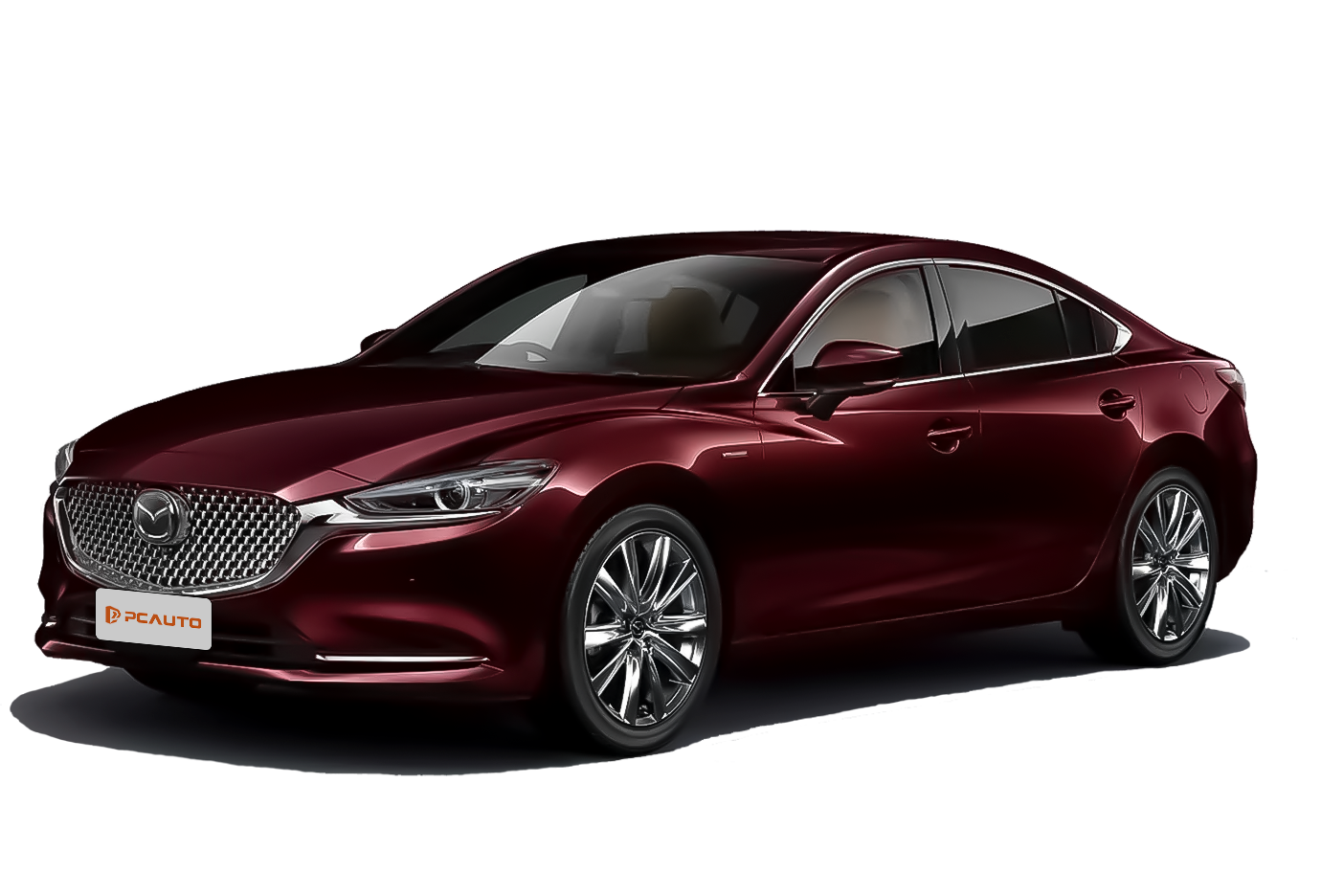
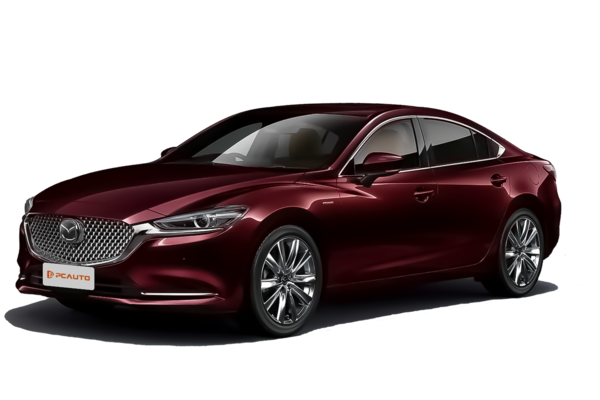
2023 Mazda 6 Sedan 2.0 SkyActiv-G meets the rational needs of family users for joint-venture quality, comfortable configurations, and fuel economy with its KODO design, practical space, and balanced driving control.

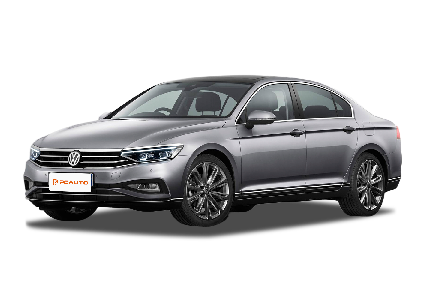
2022 Volkswagen Passat 2.0 TSI R-Line combines business elegance with sporty personality, featuring 220PS power, 14-way massage seats, and Harman Kardon audio system to meet the diverse needs of families and young professionals.
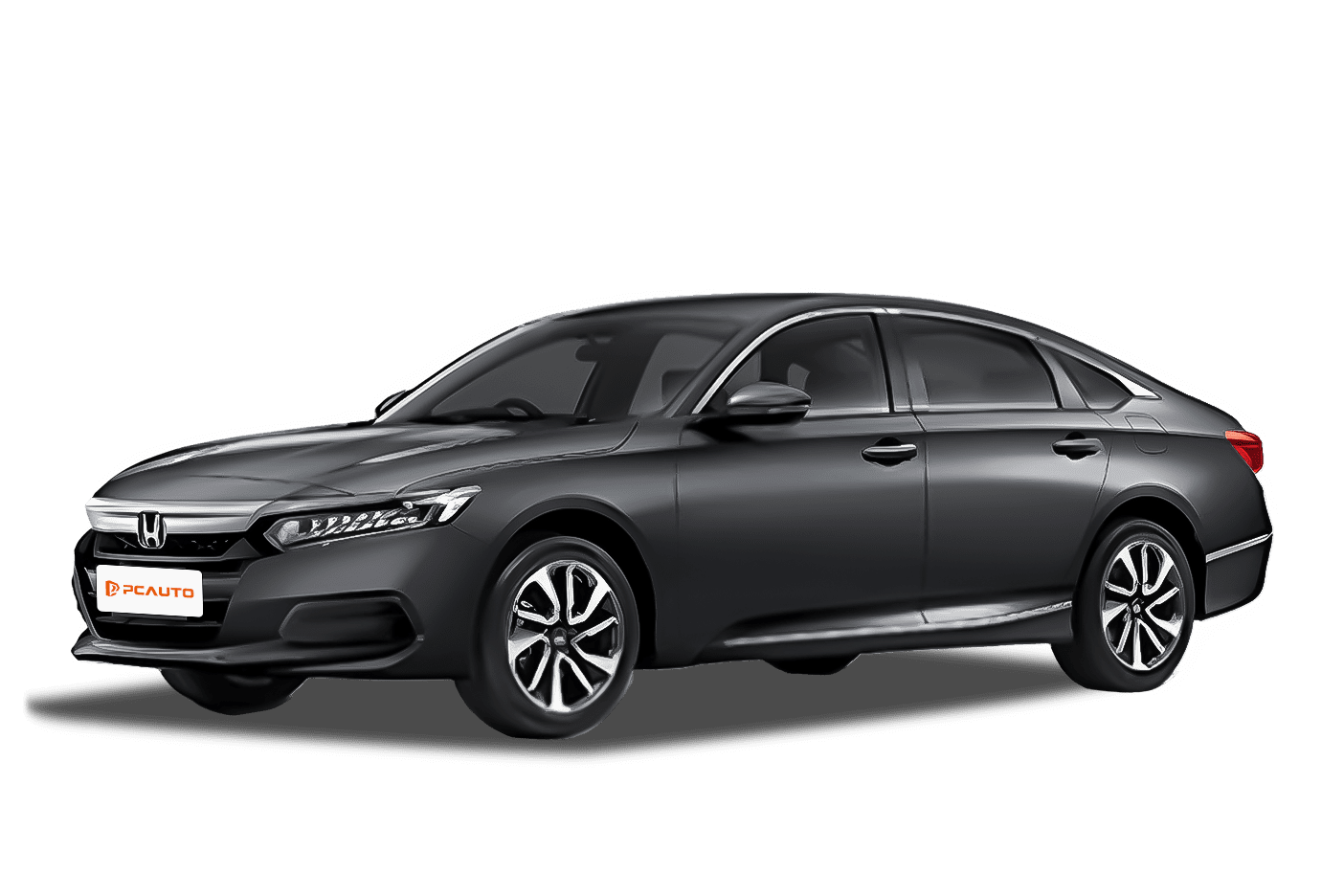
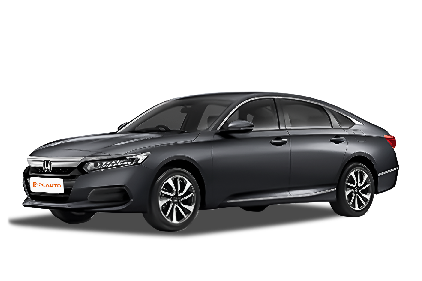
The 2023 Honda Accord 1.5 TC is a D-segment sedan that balances both business and family use, with core selling points of spacious interior, comfortable driving, and efficient performance, making it suitable for practical family users.
23
Rank in Sedan
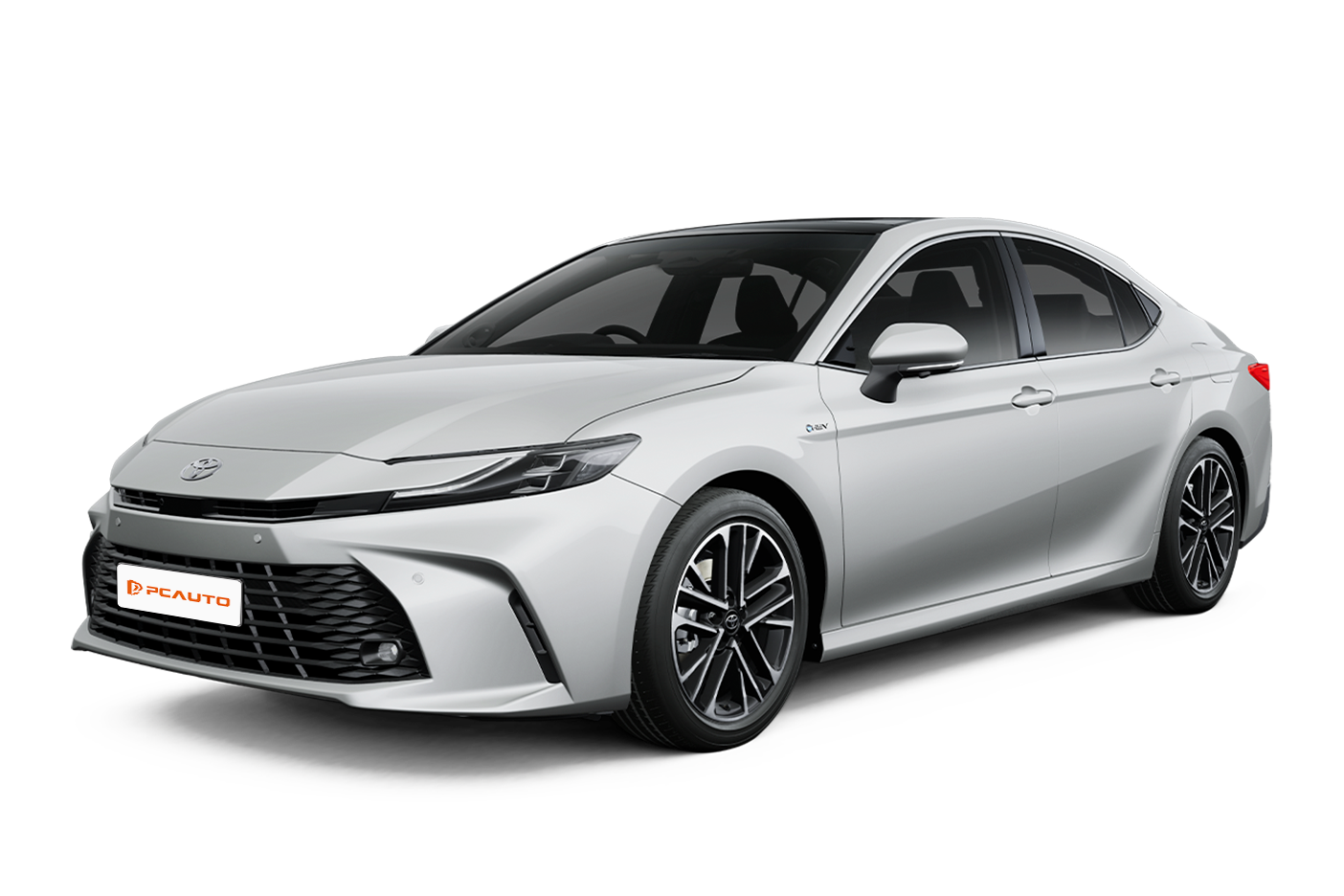
2025 Toyota Camry 2.5 V features an extended body, upgraded large-screen interior to enhance household comfort, 2.5L+8AT smooth power with more comprehensive intelligent driving, precisely meeting the reliable household needs of the D-segment.