

Hyundai Tucson 2025 Review

 Share
Share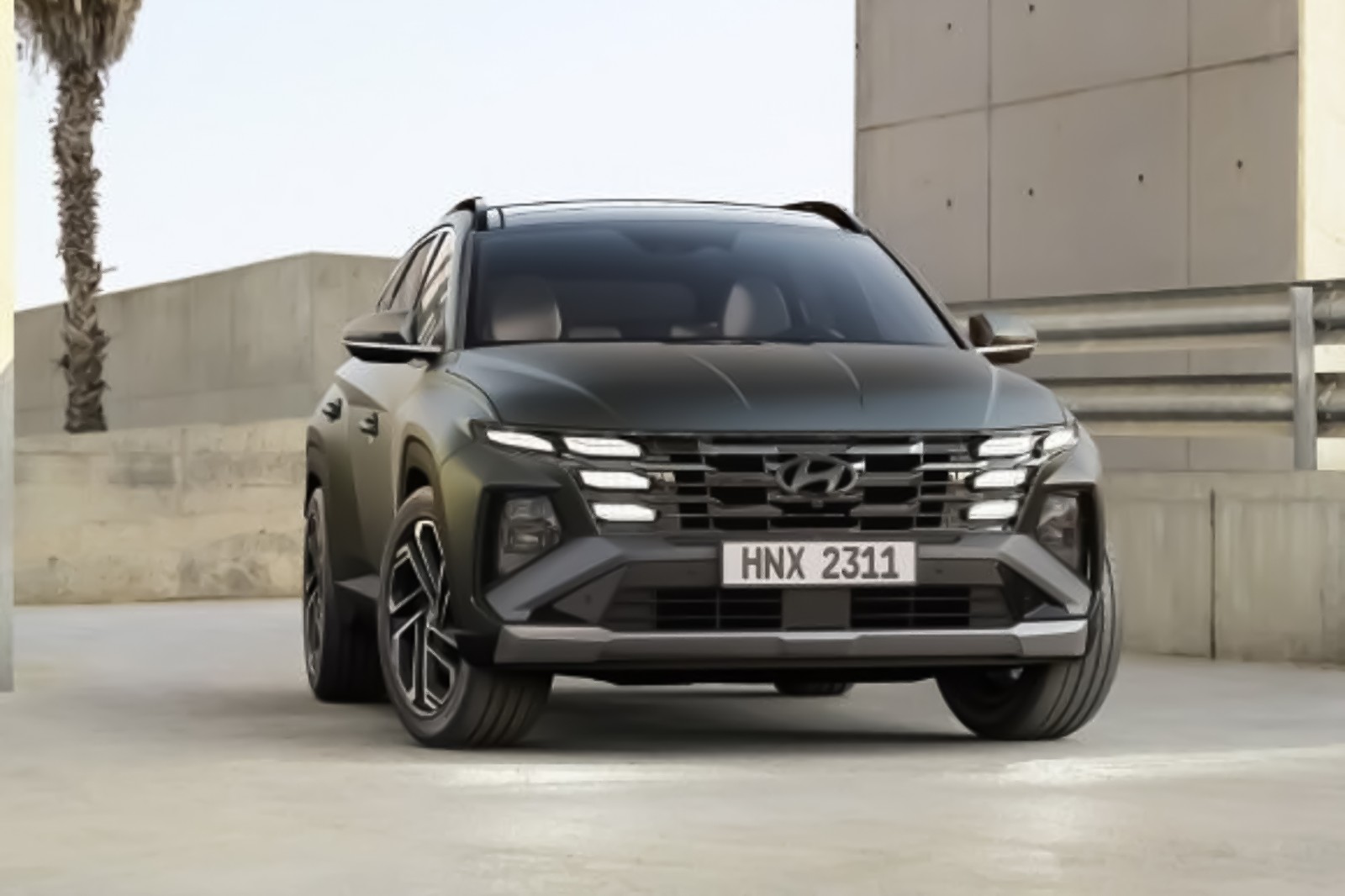
 Segment
 Body Type
 Capacity(L)
 Engine Power(PS)
 Engine Torque(Nm)
 Transmission
The C-segment SUV market has always been a popular choice for Malaysian families, catering to the practicality of daily commutes while also meeting space needs for weekend trips. As the entry-level version of the lineup, the 2025 Hyundai Tucson Style G2.0 MPi comes with a price tag of RM 143,888 and touts itself as a "high-value, well-balanced choice"—retaining the signature design language of the Tucson family while elevating core features to a leading level for its price range. In this test drive, we focus on whether it can strike the optimal balance between power, space, and features to meet the core needs of most family users.
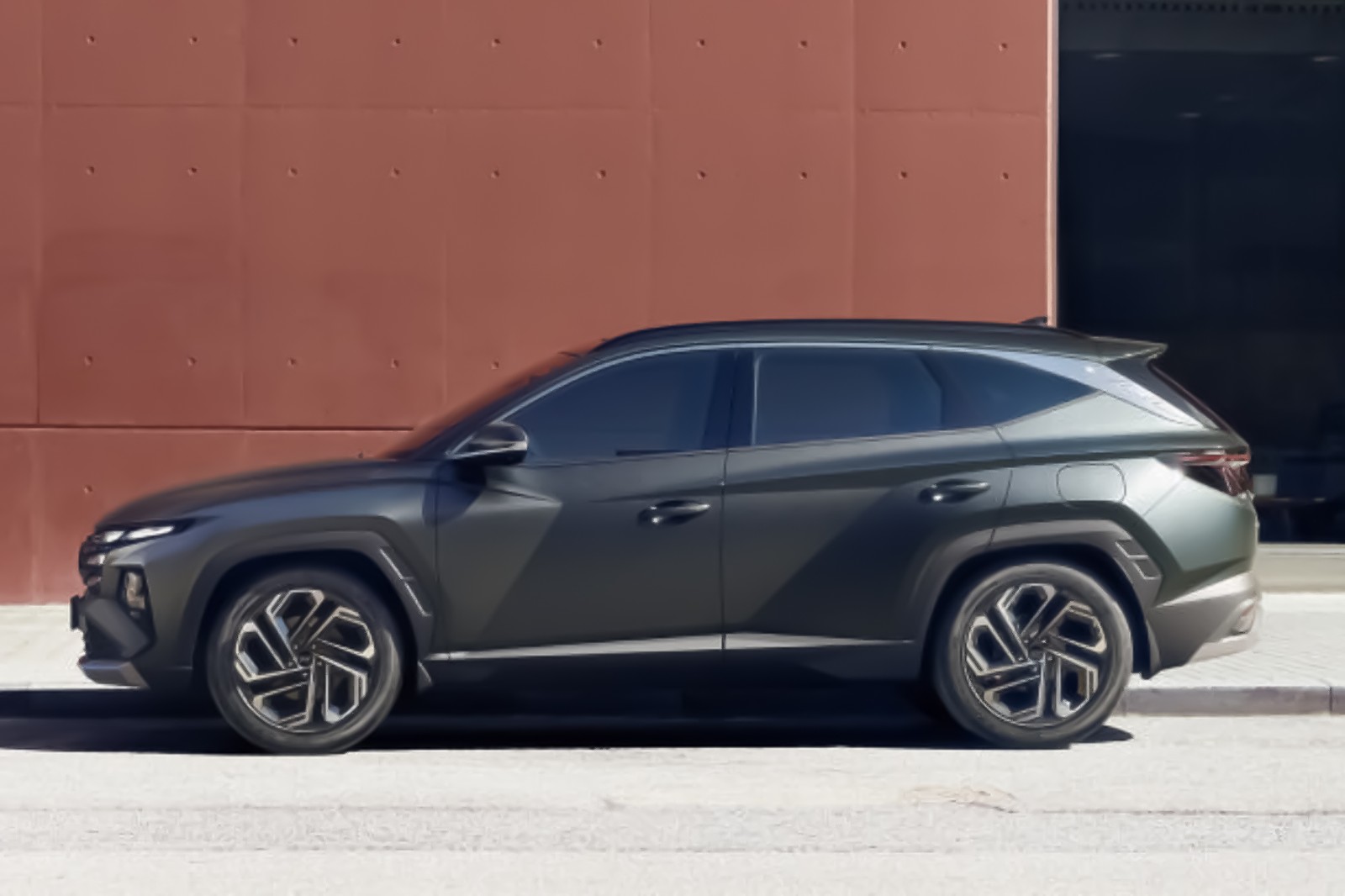
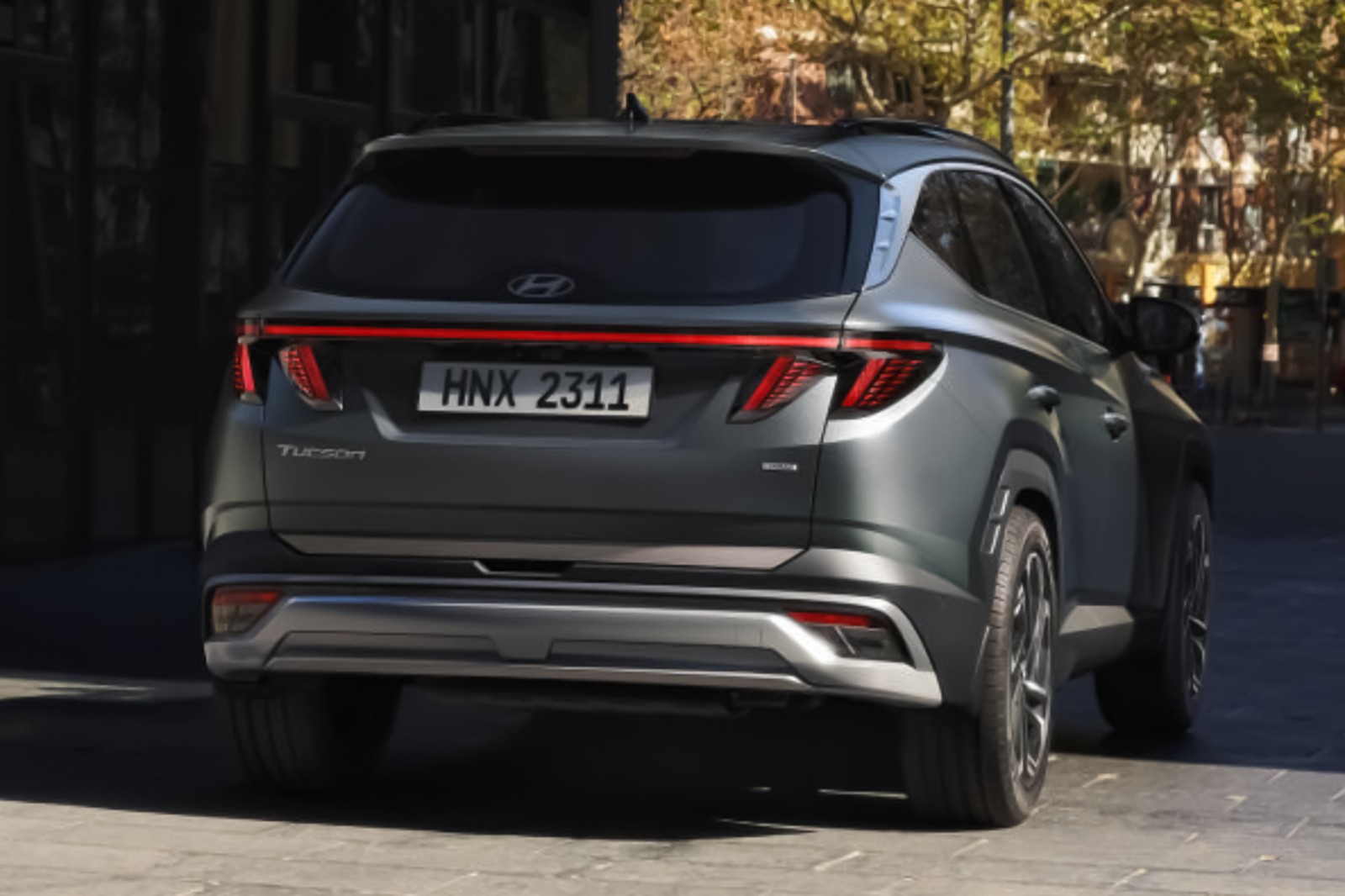
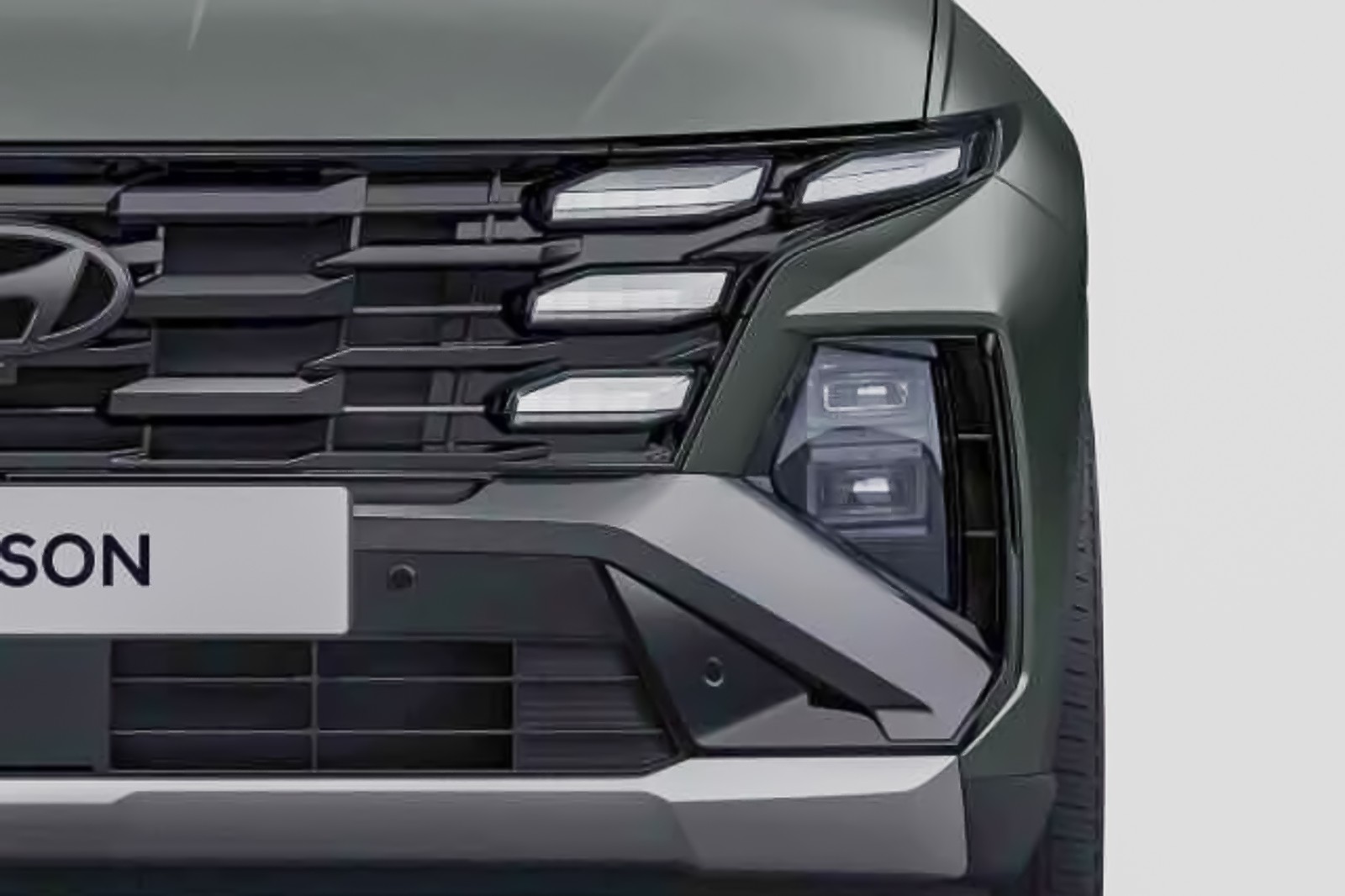
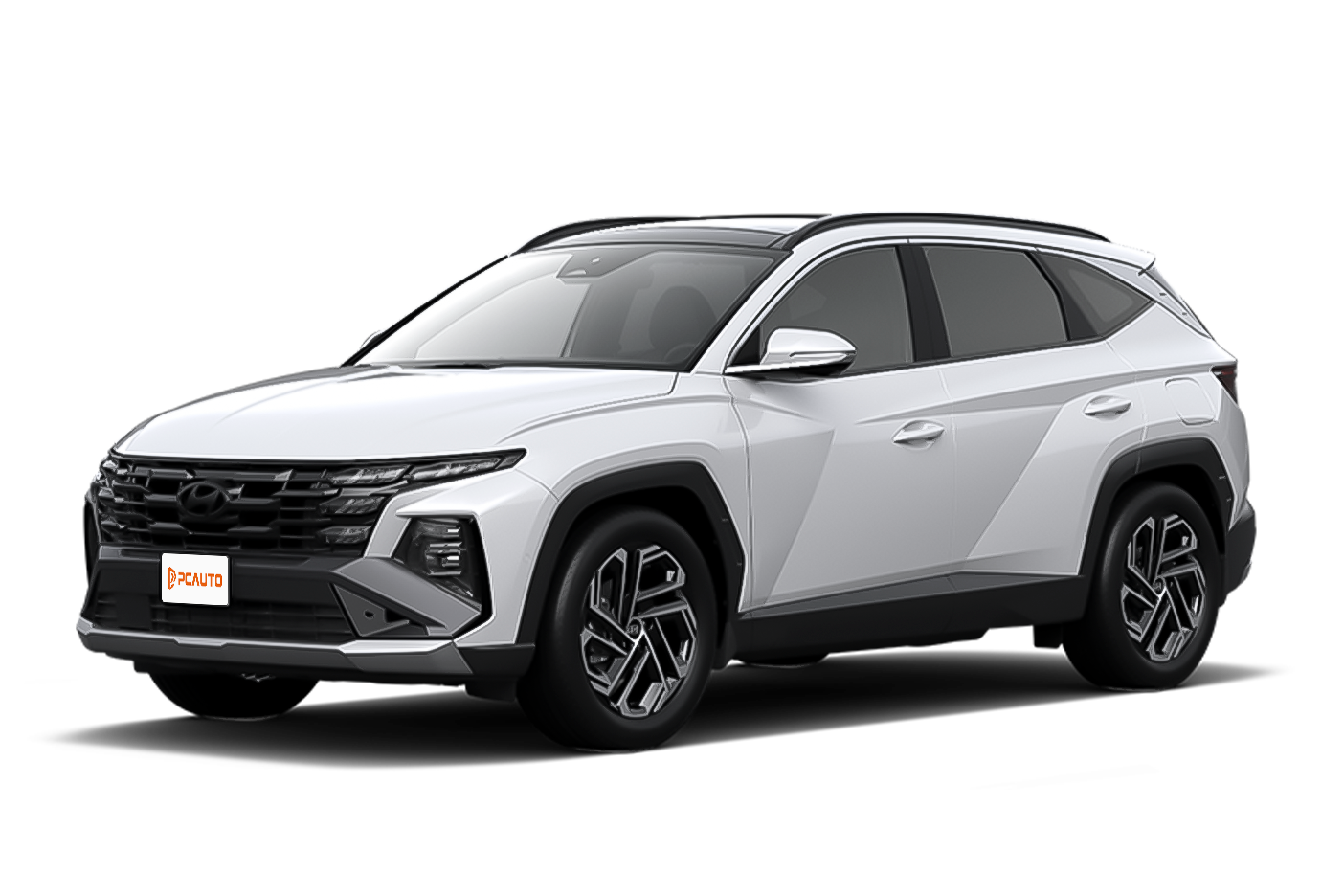
From its appearance, the Style version continues Tucson's iconic parametric jewel grille, paired with sharp LED daytime running lights on both sides, providing significant recognizability overall. The side profile features simple lines, and its 4640mm length and 1865mm width lend it a robust look. While its 17-inch wheels are smaller compared to the 18- and 19-inch options on higher trims, the 235/65 R17 tires are better suited for Malaysia's frequently uneven roads. The full-width LED taillights at the rear are a design highlight, creating a coherent visual effect when lit. Meanwhile, the silver skid plate on the rear bumper adds a hint of rugged SUV character. The overall design refrains from being overly flashy and falls into the category of being aesthetically pleasing and appealing to the broader audience.
Inside the cabin, the layout of the Style version prioritizes practicality. The dashboard features a layered design, with a 12.3-inch curved high-definition central touchscreen above, and partially retained physical buttons below for ease of operation during driving. In terms of materials, the upper section of the dashboard and the door armrests are wrapped in soft-touch plastics, ensuring the expected level of refinement. For features, it comes equipped with keyless entry, push-button start, automatic air conditioning, and rear air vents, which are commonly used in daily life. The seats are manually adjustable but offer decent support, and the front row seating position can be adjusted to a comfortable level. The rear floor is nearly flat, making it more accommodating for middle passengers. Regarding storage space, the front row includes two cup holders and a center console box with wireless charging (though it is not explicitly mentioned whether this version includes wireless charging, the basic storage capacity is sufficient). The trunk has a standard capacity to fit three 20-inch suitcases, and folding the rear seats expands it, fully meeting the cargo needs of a family.
Regarding performance, the Style version is powered by a 2.0L naturally aspirated engine, delivering a maximum output of 156 PS and a peak torque of 192 N·m, paired with a 6-speed automatic transmission (6AT). For daily commutes, the initial power delivery is smooth without the abruptness caused by turbo engagement, and the 6AT gearbox offers clear shifting logic, with minimal jolt during low-speed drives. During acceleration, the power reserve feels sufficient—overtaking in the city only requires stepping harder on the accelerator, with the gearbox quickly downshifting for acceleration. However, when accelerating further at highway speeds above 100 km/h, power response tends to be slightly slower. The vehicle offers three driving modes: Eco, Normal, and Sport. Switching to Sport mode enhances throttle sensitivity, maintains higher RPMs, and delivers more enthusiastic power output.
In terms of handling, the Style version's front MacPherson + rear multi-link independent suspension is tuned for comfort. When driving on city roads, small bumps on the road can be effectively filtered out, and the rebound of the suspension when passing speed bumps is relatively crisp, without excessive shaking. The steering wheel has a moderate resistance, precise directionality, and is very easy to drive on a daily basis. When tackling corners, the body roll is kept within a reasonable range, and there’s no feeling of instability. Fuel consumption meets expectations, approximately 8.5L/100km under city traffic conditions, and dropping to 6.8L/100km during highway cruising. For a 2.0L SUV, this fuel efficiency level is within an acceptable range.
In terms of driving comfort, the noise control in the Style version is commendable. At speeds below 60km/h in urban areas, tire and wind noise are negligible. At 120km/h on highways, wind noise increases slightly but does not interfere with in-car conversations. The seat padding has moderate thickness, making long rides comfortable without causing fatigue. The brake pedal offers a linear feel, and the brake force distribution is even, instilling a sense of confidence.
Overall, the core advantage of the 2025 Tucson Style G2.0 MPi lies in its balance. Compared to competitors in the same price range, such as the entry-level Honda CR-V, it features a larger central control screen, standard ACC adaptive cruise control, and rear air vents, boasting better configurations. Compared to its own Prime version, although its 1.6T turbocharged engine is less powerful, it is RM 21,000 cheaper, allowing budget-conscious families to use the saved money to cover a few years of fuel costs. Its target audience is very clear—families focusing on practicality and cost-efficiency, capable of meeting both daily commuting and weekend family outings. If stronger performance and more advanced intelligent driving assistance features are not necessary, the Style version is entirely a "safe pick." It offers a base-level price with a foundational experience that exceeds expectations.
Hyundai Tucson Car Compare
Hyundai Tucson Loan Calculator
More Hyundai Reviews
Cars With Similar Price And Features
8
Rank in SUV
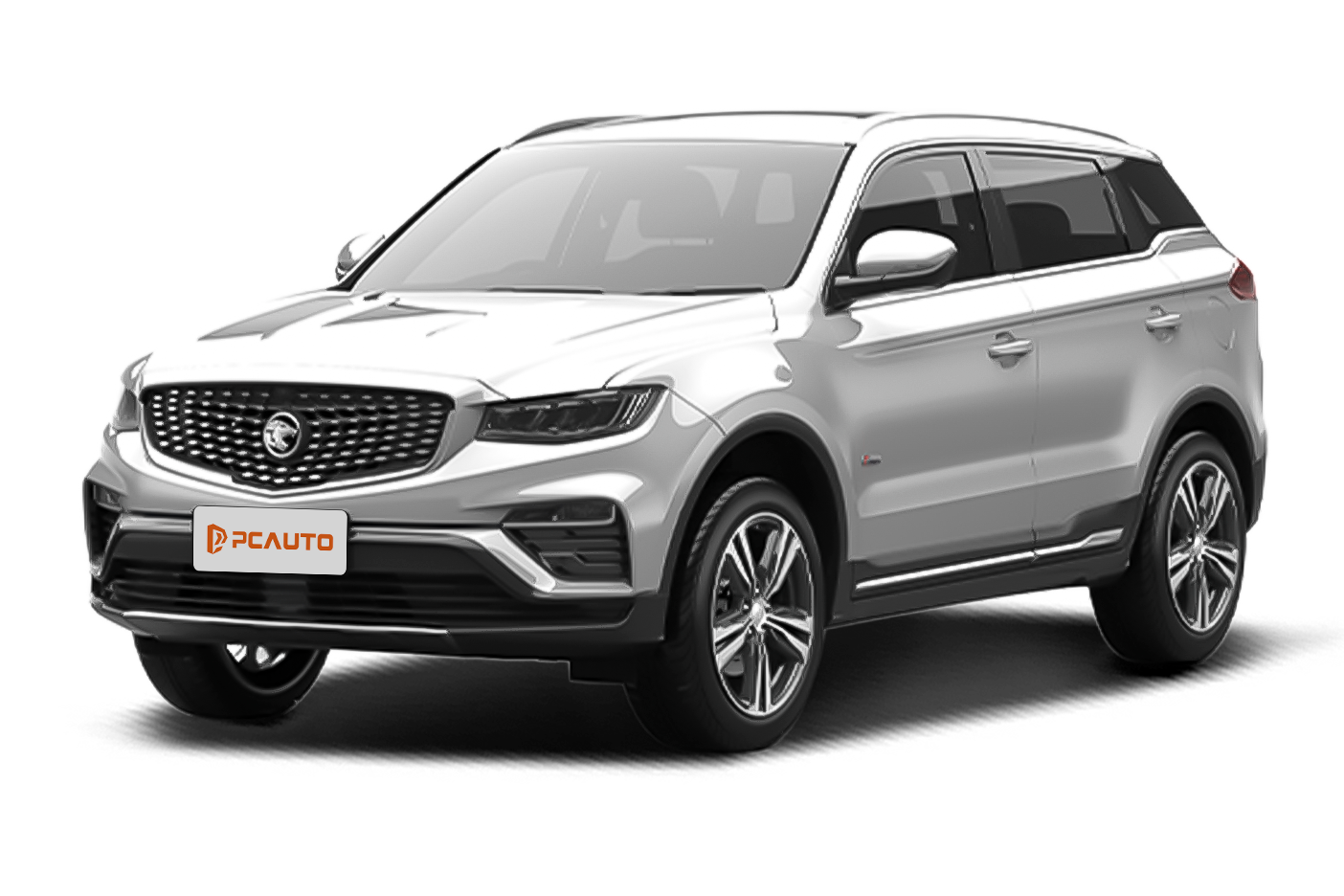
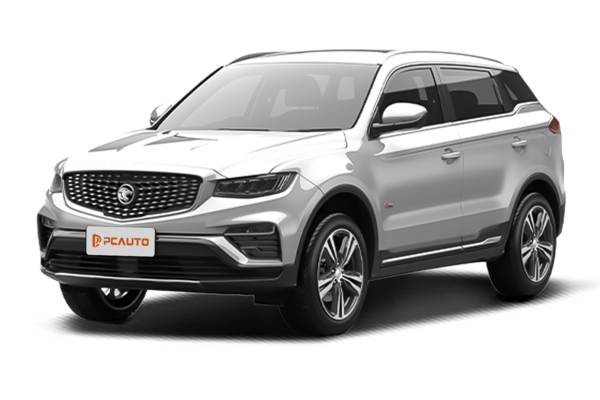
2026 Proton X70 1.5 TGDi Executive focuses on upgrading to a four-cylinder engine, practical configurations, and affordable pricing. It balances family commute practicality with value for money, making it a sensible choice among similarly priced C-segment SUVs.
10
Rank in SUV
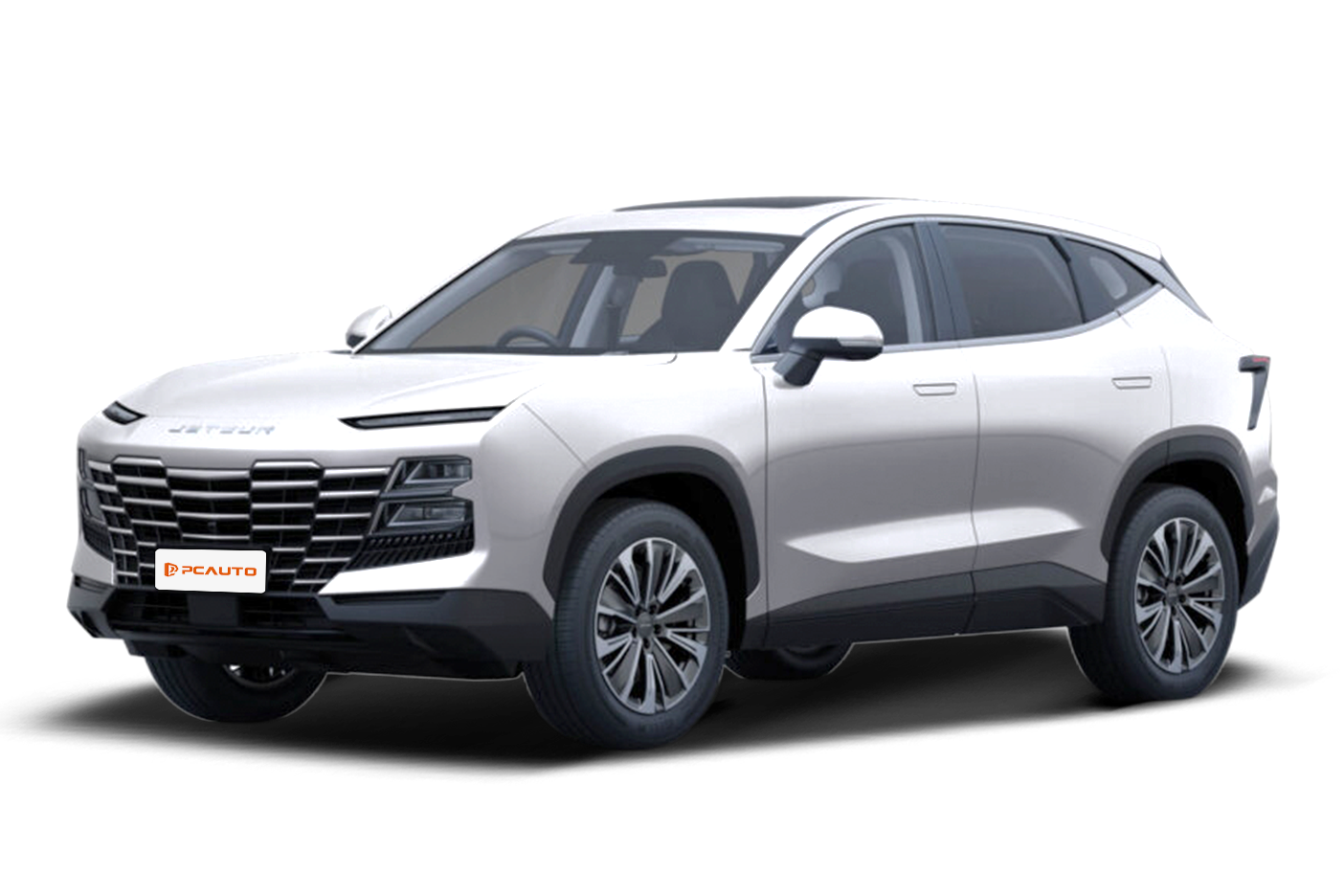
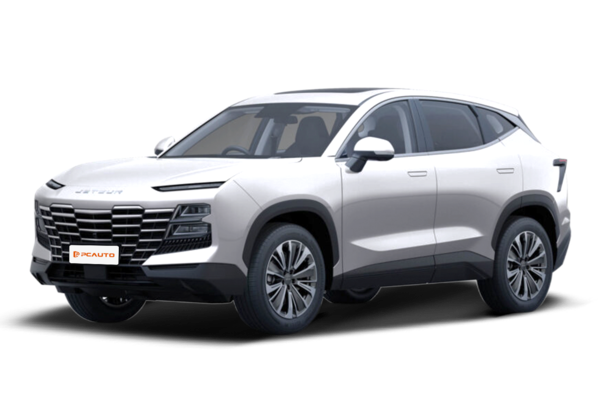
Jetour Dashing 1.5 TCI Comfort 2025 features a 2720mm long wheelbase and a 10.25-inch dual screen as its core, focusing on balanced cost performance to meet family practical needs.
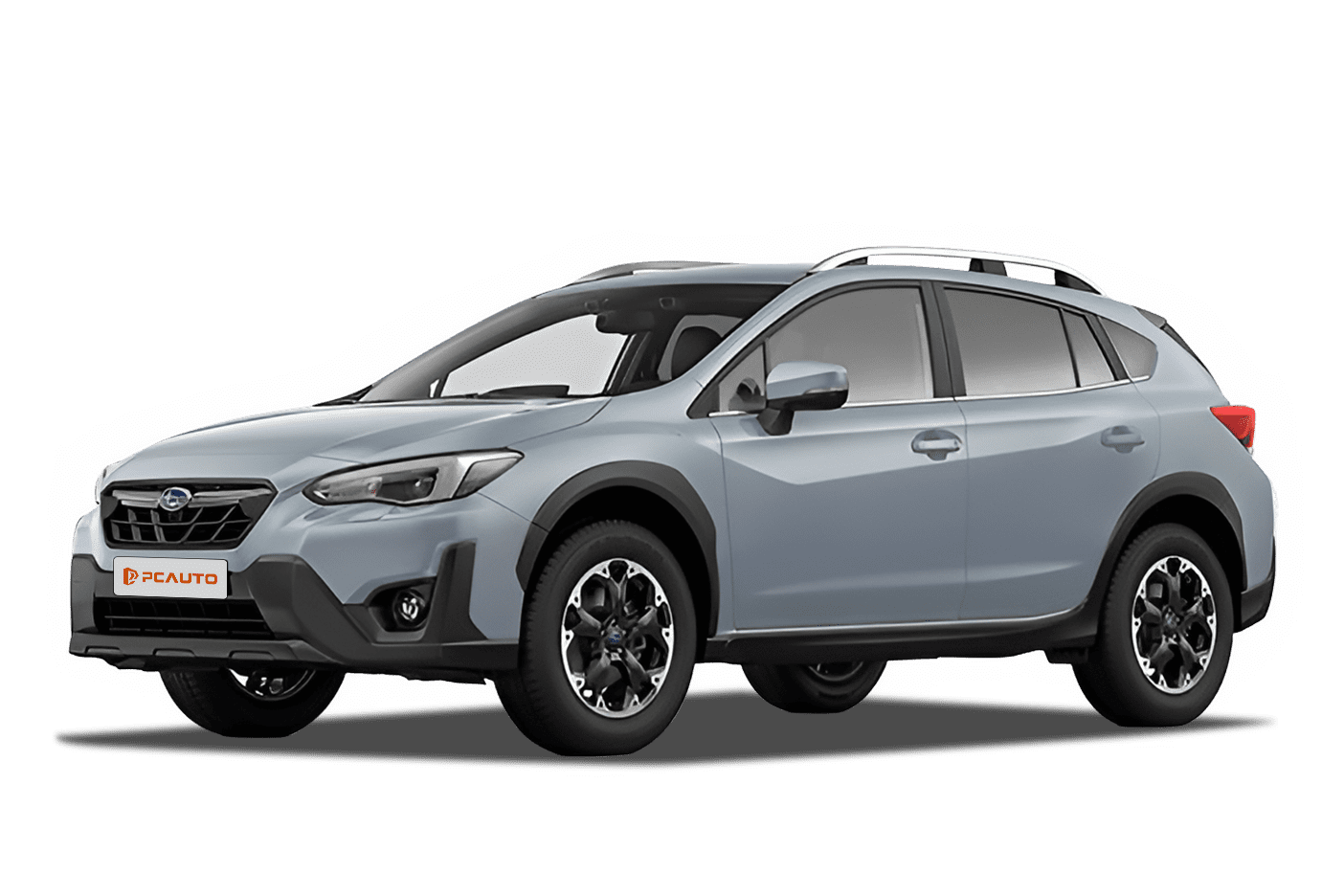
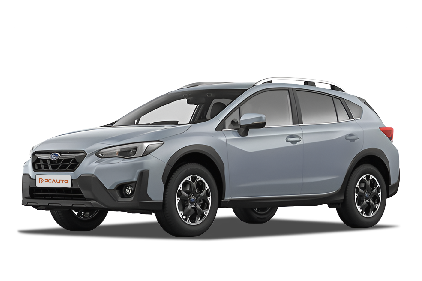
The 2021 Subaru XV 2.0i is a model targeting the C-segment crossover market, equipped with standard all-wheel drive and high safety features, balancing off-road capability and handling, with practical space.

2021 Hyundai Kona 2.0 Standard, as a high-value entry-level compact SUV, retains essential safety and practical features with an affordable price, meeting the daily commuting and loading needs of families.