

Isuzu D-MAX 2025 Review

 Share
Share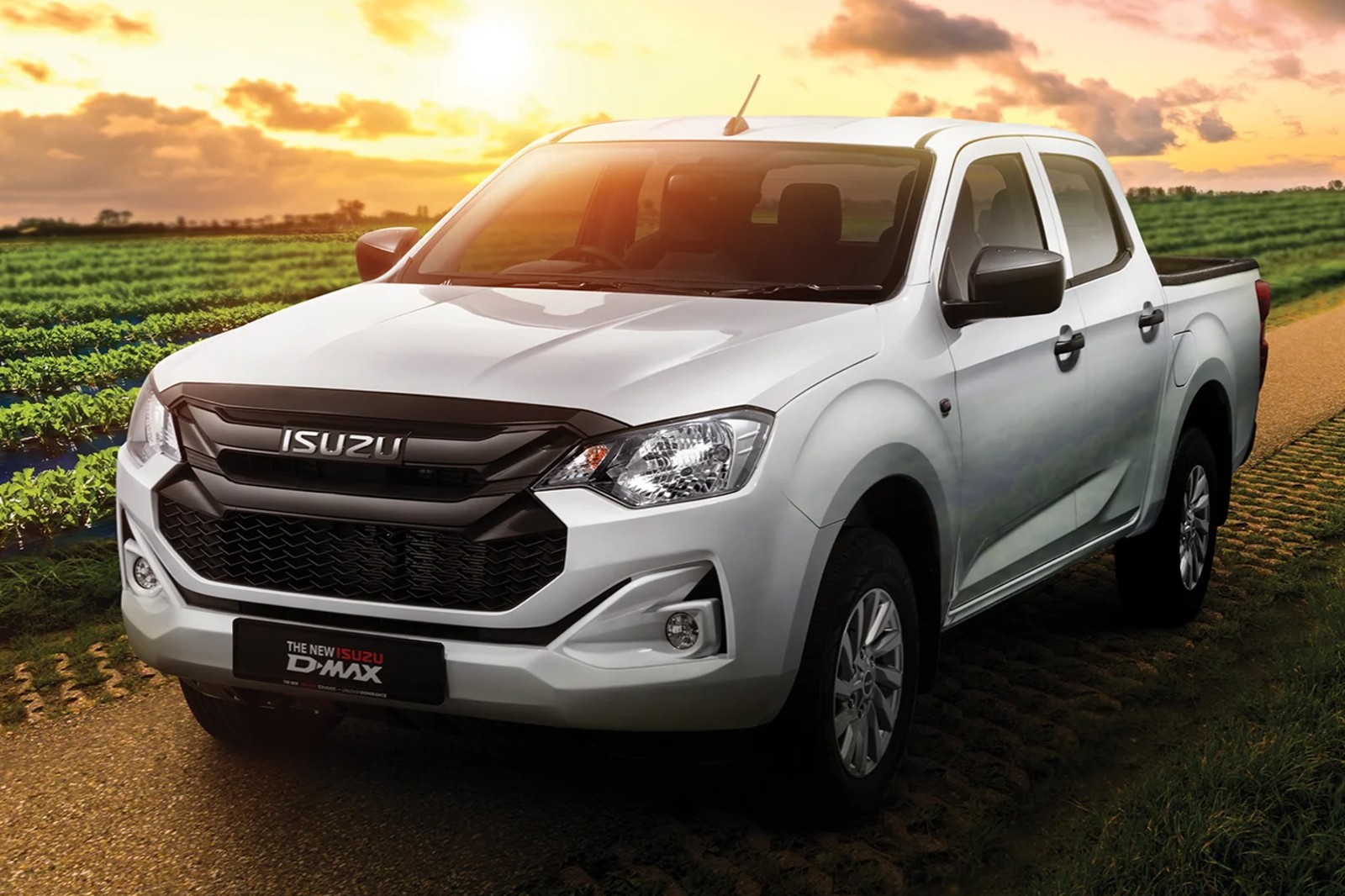
 Segment
 Body Type
 Capacity(L)
 Engine Power(PS)
 Engine Torque(Nm)
 Transmission
In the Malaysian pickup market, economical models that combine daily commuting and light cargo capacity have always been popular choices for family users and small business owners. The 2025 Isuzu D-MAX 1.9L 4x2 Low Ride specifically targets this demand—it offers a competitive price (RM 92,199) to deliver great value for money, while retaining the durable DNA of the D-MAX series. In this test drive, we focus on whether it can balance practicality, performance, and daily comfort, as many buyers are looking for an "all-arounder" entry-level pickup truck.
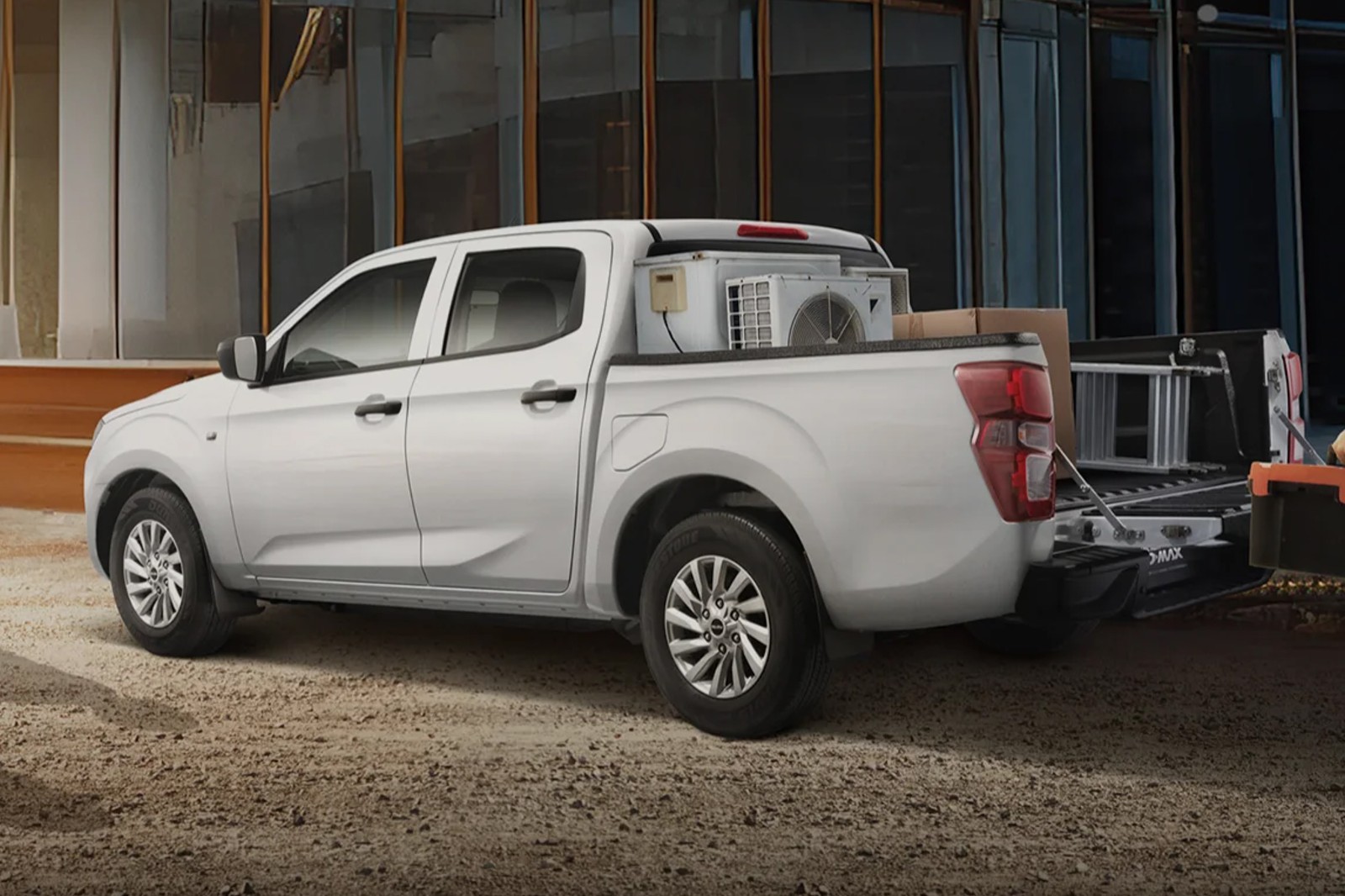
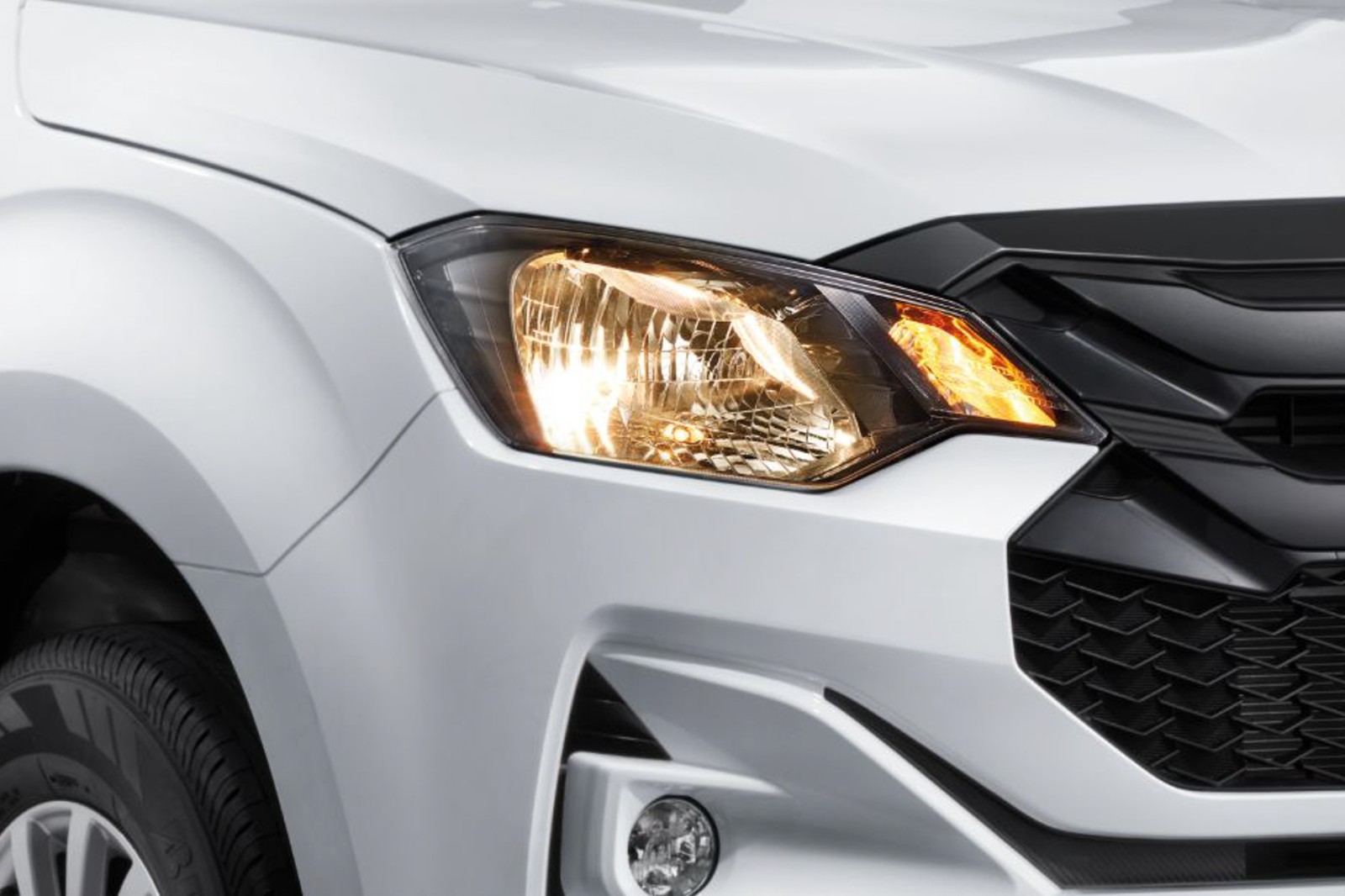
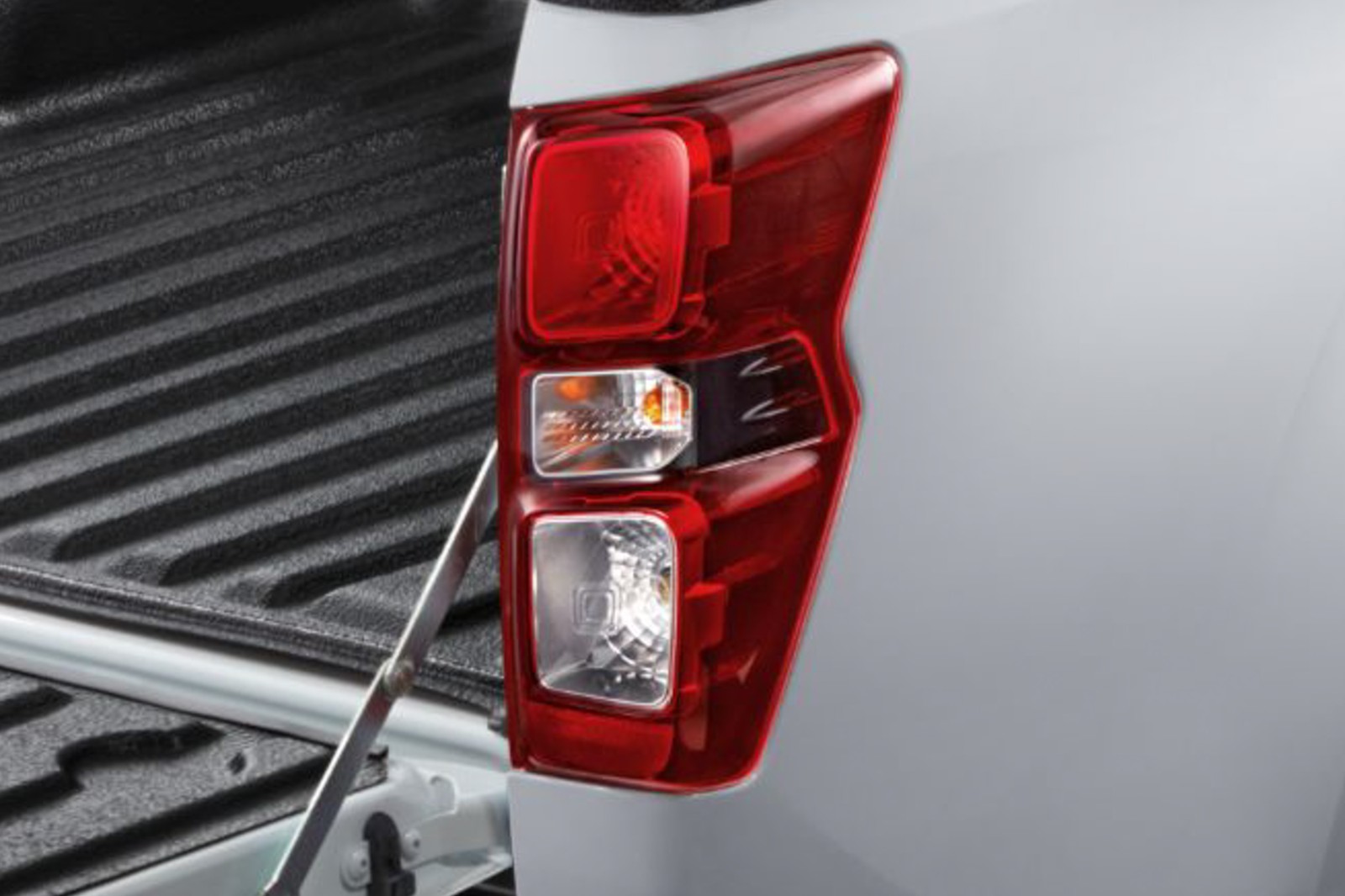
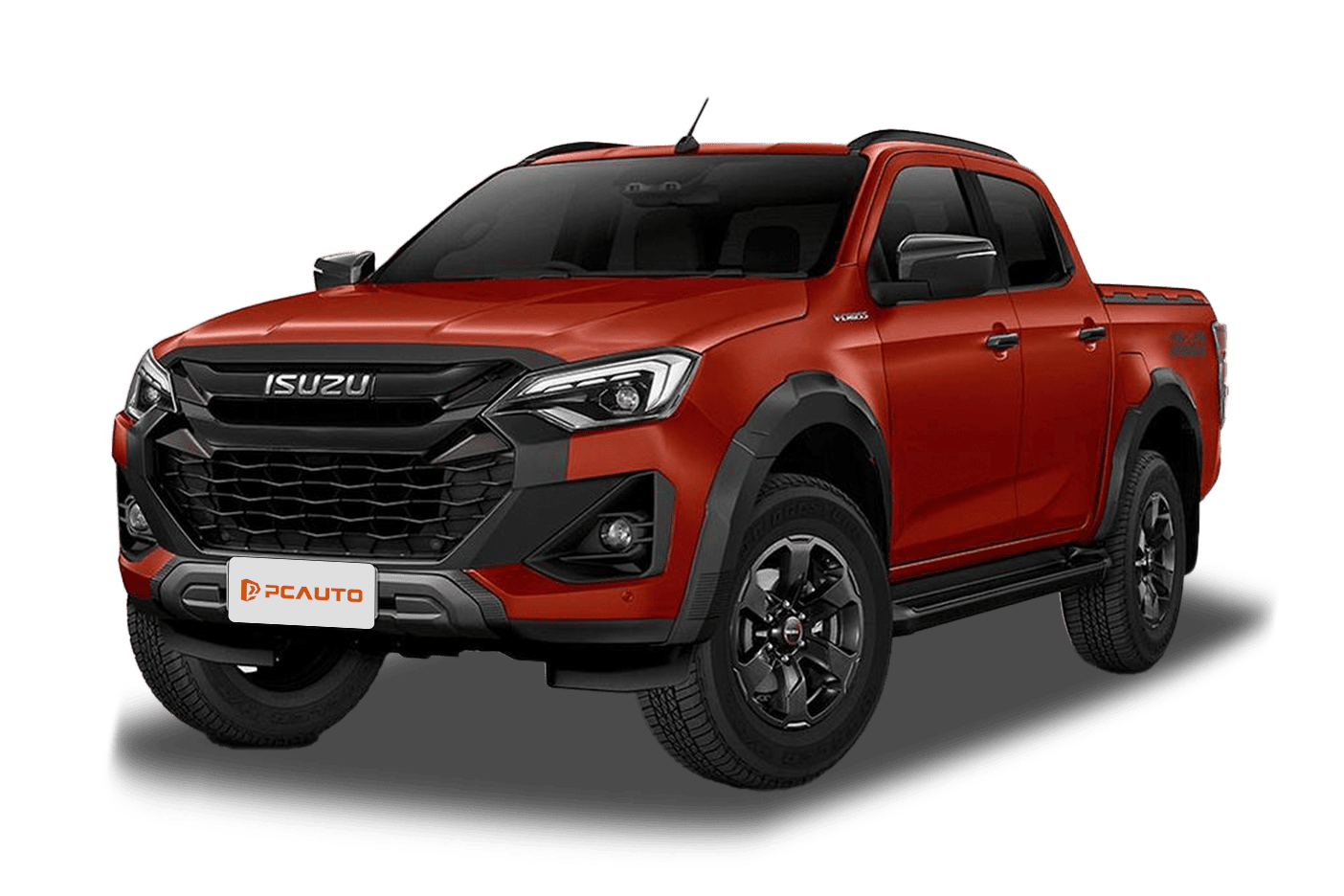
In terms of appearance, this model retains the rugged lines of the D-MAX family, with an overall design leaning more towards practicality rather than fanciness. The front features a large chrome grille, paired with halogen headlights on both sides, which provide enough recognition but aren't particularly impressive; the fog lights on the lower front bumper enhance visibility during rainy or nighttime driving. The side profile is straight-lined, and the 5285mm length along with a 3125mm wheelbase ensures ample rear seat space and cargo bed length. The 1695mm low stance (compared to the high-ride version) makes getting in and out easier, while the 215/70 R16 tires balance both on-road comfort and light off-road capability. The rear taillights are equipped with LED bulbs, making brake signals clear, and the tailgate is designed with easy-to-grip handles for effortless opening and closing. Overall, the exterior has no unnecessary decorations and is entirely focused on utility.
Entering the cabin, the interior follows a minimalist design, with a high proportion of plastic materials, but the craftsmanship is generally decent. A multi-functional steering wheel is standard, with audio and Bluetooth phone controls on the left side, and the controls are straightforward. The instrument panel uses traditional analog dials with adjustable brightness, and the display information is clear, making it easy to read speed and RPM. The centerpiece of the dashboard is a 3.5-inch monochrome LCD display, showing audio, Bluetooth, and basic vehicle information. It relies on physical buttons for operation, which, although lacking a touchscreen, are fairly responsive. The seats are made of fabric materials, and both driver and passenger seats support 4-way manual adjustment. The seat cushions are adequately long with moderate lumbar support, so long hours of driving may require an additional lumbar cushion. The rear seats come with a 60:40 split design, providing enough space for three adults with about two fists of legroom and one fist of headroom. They are comfortable for short trips, but tight for long distances. In terms of storage space, the door panels can hold two water bottles, the center console box has an average depth, and there are two cup holders in the front row, which is sufficient for everyday use.
For performance, the 1.9T diesel engine offers 150PS horsepower and 350N·m torque, paired with a 6-speed manual transmission. During takeoff, with the maximum torque range of 1800-2600rpm, gently lifting the clutch allows for a smooth start without needing to apply much throttle. Even when fully loaded (rear seats occupied + 200kg cargo in the bed), starting off does not feel sluggish. The shifting feel is standard, with clear gear positions though lacking solid engagement, making it easy for beginners to adapt. When accelerating, the torque output becomes evident above 2000rpm. In the city, overtaking or accelerating beyond 80km/h on the highway is smooth, with responsive power delivery when pressing the accelerator, avoiding a "sluggish" feeling. We tested the combined fuel consumption in the city and on highways. In congested urban conditions, it averaged around 8.5L/100km, while maintaining a steady 90km/h on the highway brought it down to 6.8L/100km. With a fuel tank capacity of 76L, the full fuel range can reach roughly 850km. This performance is considered adequate among diesel pickups in the same class.
The driving experience feels like the steering wheel is relatively heavy, with minimal play. When making U-turns or parking in the city, it requires several turns, but it offers good stability when driving on the highway. The suspension consists of a double-wishbone independent front suspension and a rear leaf spring non-independent suspension. When encountering speed bumps or potholes in the city, the front suspension absorbs most of the minor vibrations, while the rear suspension tends to bounce more, especially when the vehicle is unloaded. However, body roll is not very pronounced when cornering; considering it’s a pickup truck, the support is better than expected. Regarding braking, it features ventilated discs at the front and drum brakes at the rear. The brake pedal travel is relatively long, with soft feedback at the initial stage and stronger braking power in the later stage. For an emergency stop, you need to press the pedal quite deep. Noise control is average, with noticeable wind and tire noise at highway speeds of 100 km/h. The diesel engine noise is audible at idle, but it's not very intrusive once the vehicle is in motion, making it acceptable for daily commutes.
Compared to other entry-level pickup trucks in the same class, such as the Ford Ranger 1.5T 4x2 MT (priced at around RM 105k), this D-MAX model is over 10,000 RM cheaper. While it lacks features like a touchscreen infotainment system and leather seats, basic safety features (ABS, vehicle stability control, and seatbelt reminders for all seats) are not compromised, and it has an advantage in power specifications. If you’re a small business owner using it for transporting goods or a family needing a vehicle that balances daily driving and occasional cargo duties, its durability and fuel efficiency are definite pros. However, it's worth noting that it only comes with two airbags, and there are no air vents for the rear seats, making it fairly entry-level in terms of configuration. It's suitable for budget-conscious buyers seeking practicality.
Overall, the 2025 Isuzu D-MAX 1.9L 4x2 Low Ride is an “honest” vehicle—lacking flashy features but offering adequate power, fuel efficiency, and affordability. It’s not suitable for those pursuing luxury or off-road performance, but for families or small business owners needing a reliable and practical entry-level pickup truck, it’s a worthwhile option to consider.
Isuzu D-MAX Car Compare
Isuzu D-MAX Loan Calculator
More Isuzu Reviews
Cars With Similar Price And Features
5
Rank in Pickup
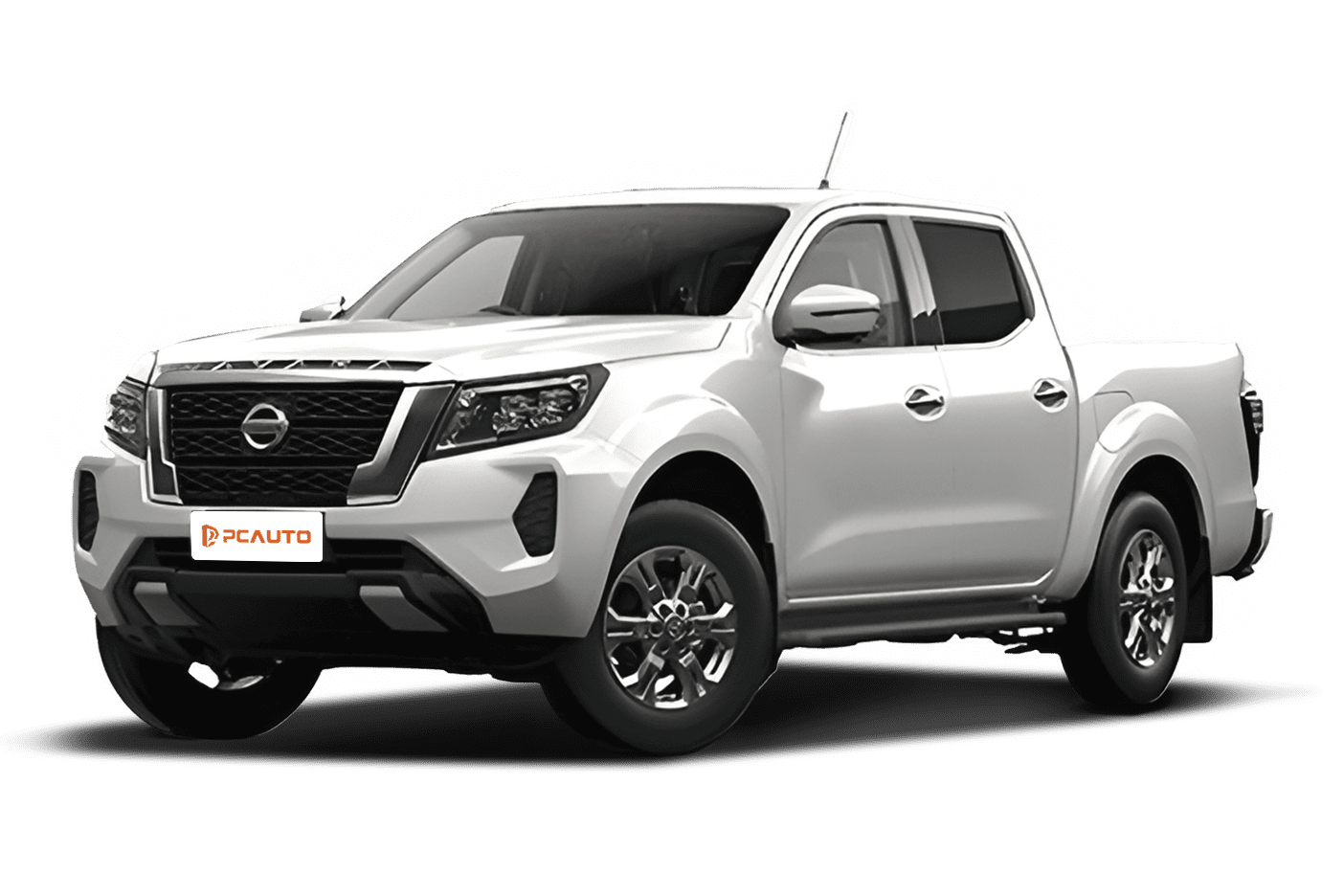
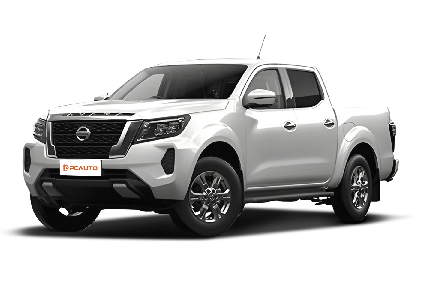
2023 Nissan Navara 2.5 VL Black Edition is a pickup truck that balances household comfort with light off-road capability, featuring exclusive black trims, a full suite of active safety features, and practical configurations, precisely catering to the needs of families and small business owners.
3
Rank in Pickup
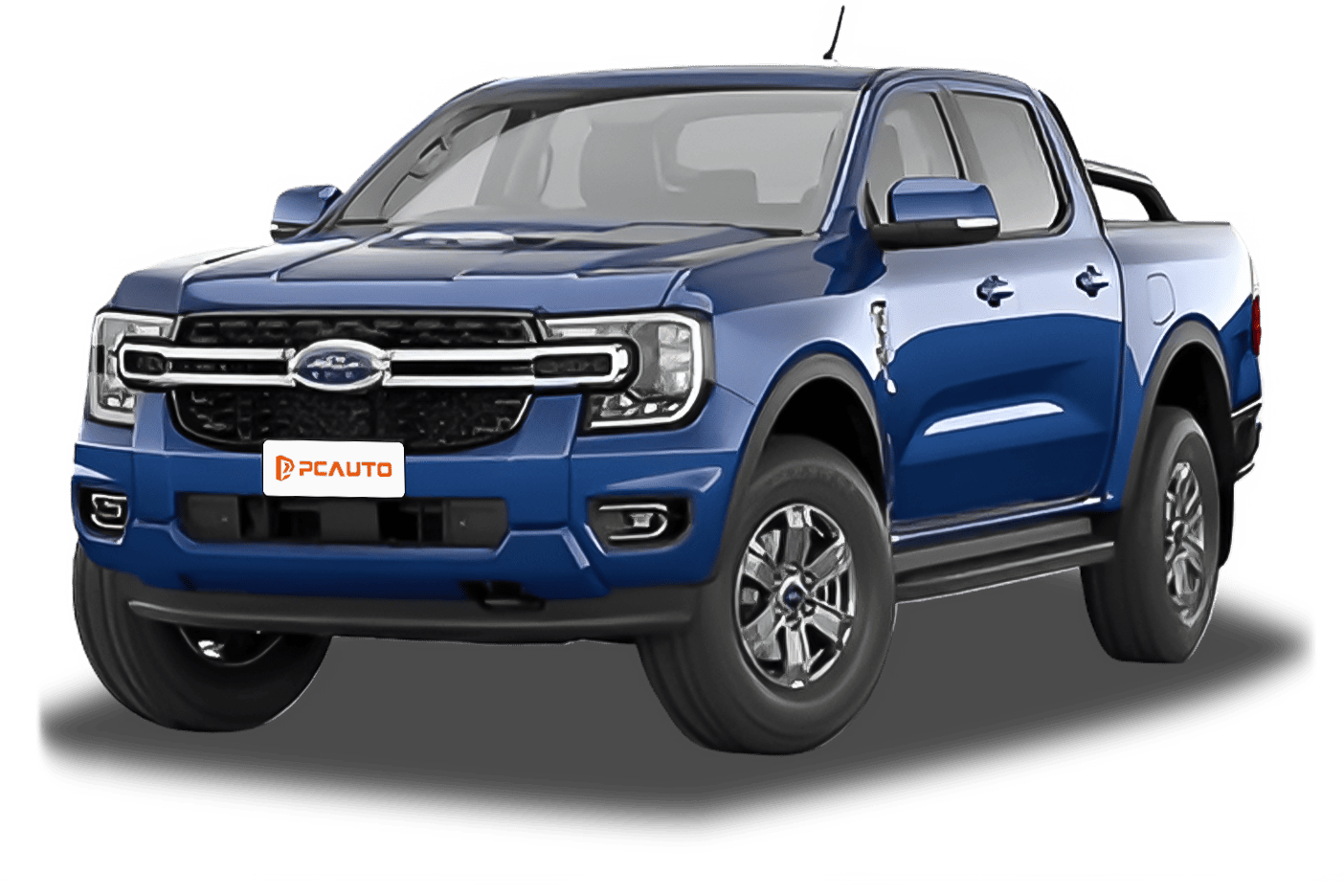
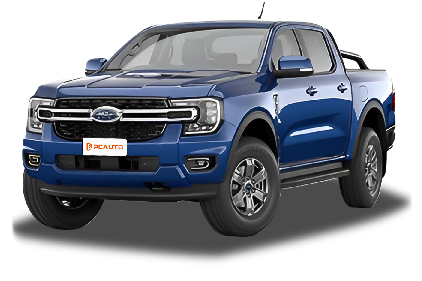
2023 Ford Ranger WildTrak is a mid-to-high-end pickup truck that balances the comfort of daily commuting with the practicality of cargo and off-road capabilities. It features powerful performance, ample space, and practical configurations, making it a versatile choice for both family and work scenarios.

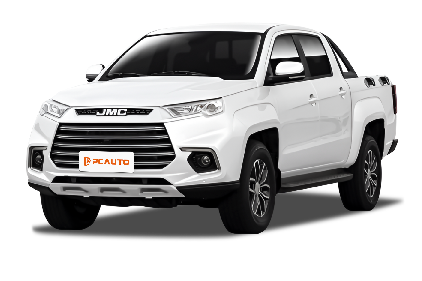
2023 JMC Vigus Pro White Series 2.0L 4WD 8AT combines rugged design, practical features, and powerful diesel performance, balancing everyday durability and mild off-road needs, making it a high-value choice for pickup users.
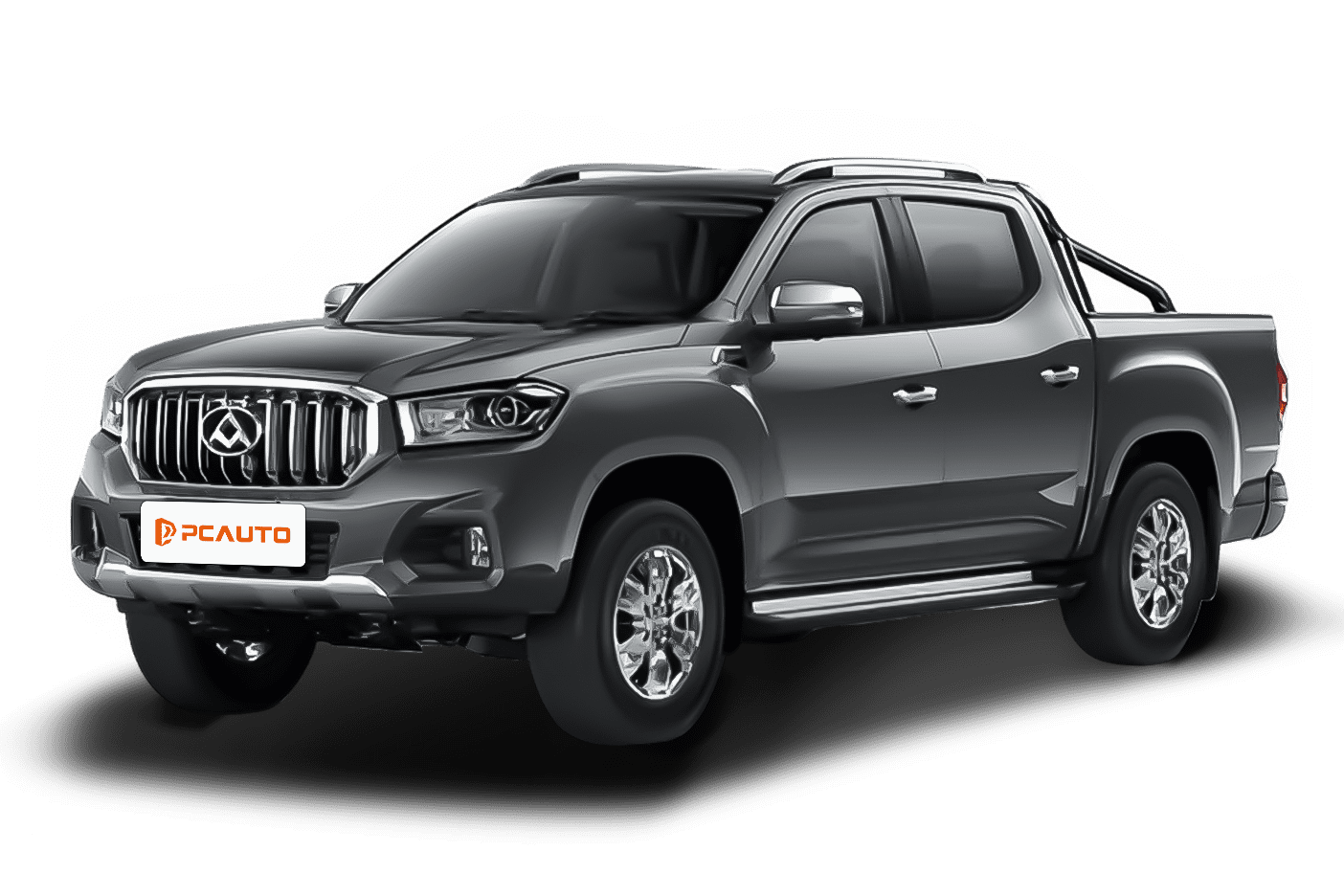
2022 Maxus T60 2.8L 4WD AT is a practical pickup truck that balances work and life. The strong diesel torque and 4WD capability meet cargo and off-road needs, while the premium features and spacious interior enhance daily comfort.