

Jaguar F-Pace 2017 Review

 Share
Share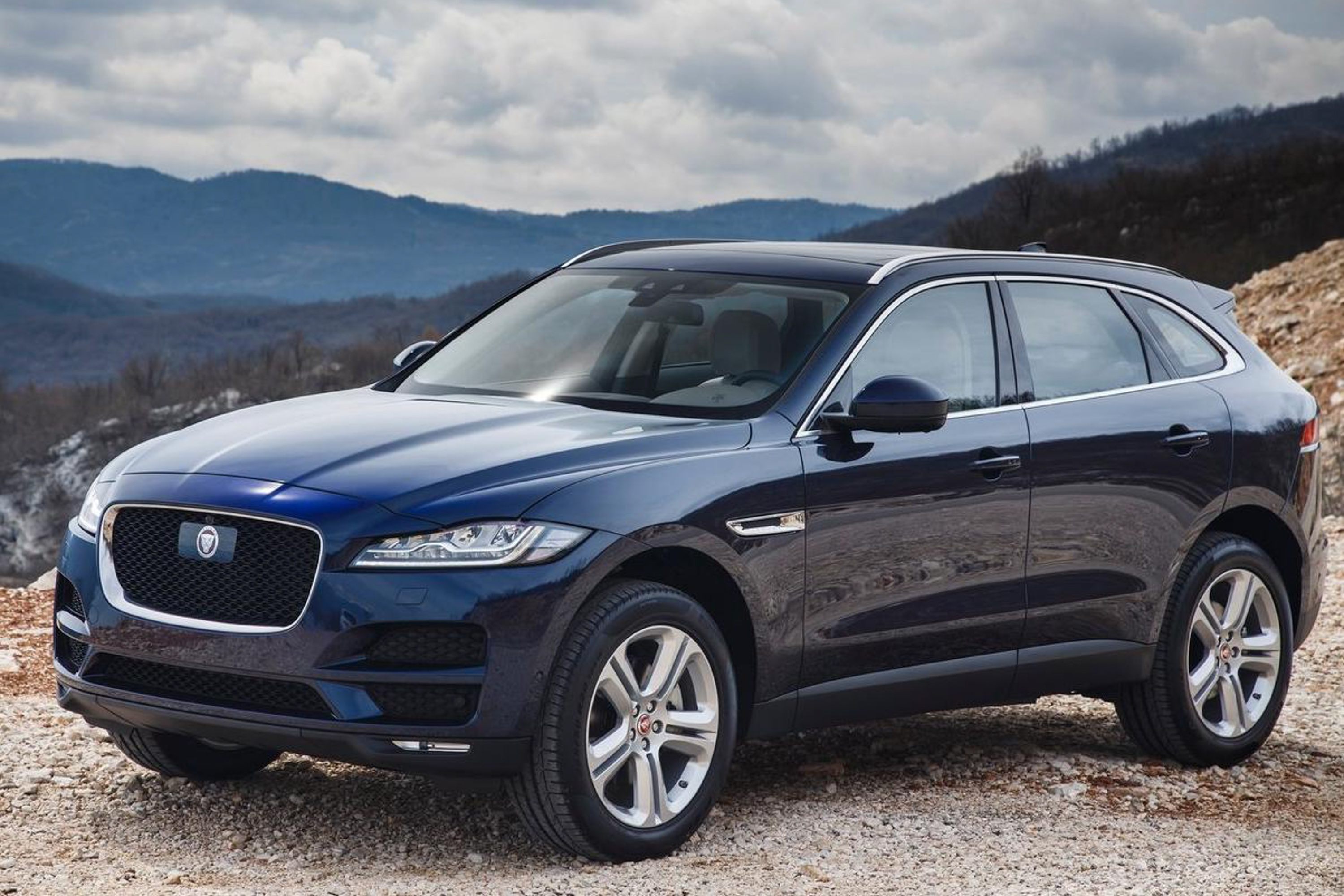
 Body Type
 Segment
 Capacity(L)
 Engine Power(PS)
 Engine Torque(Nm)
 Transmission
The compact SUV market has been a popular segment in recent years, and this SUV from the British luxury brand has attracted much attention with its unique British design style and outstanding performance. As a luxury SUV, it not only maintains the brand's consistent elegant style in exterior design but also performs well in driving and technology configurations. Today, we will explore the true capabilities of this model through an in-depth test drive.
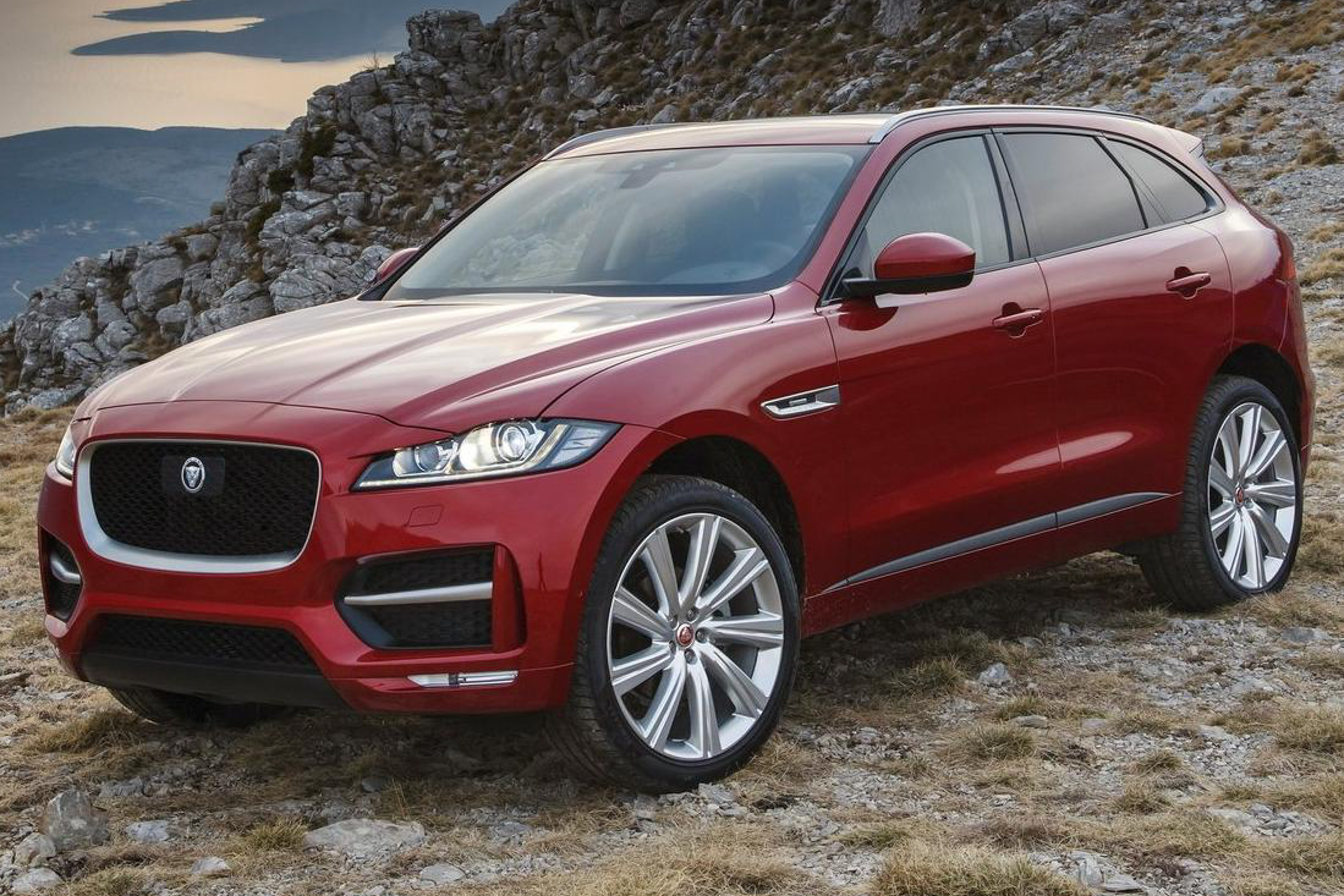
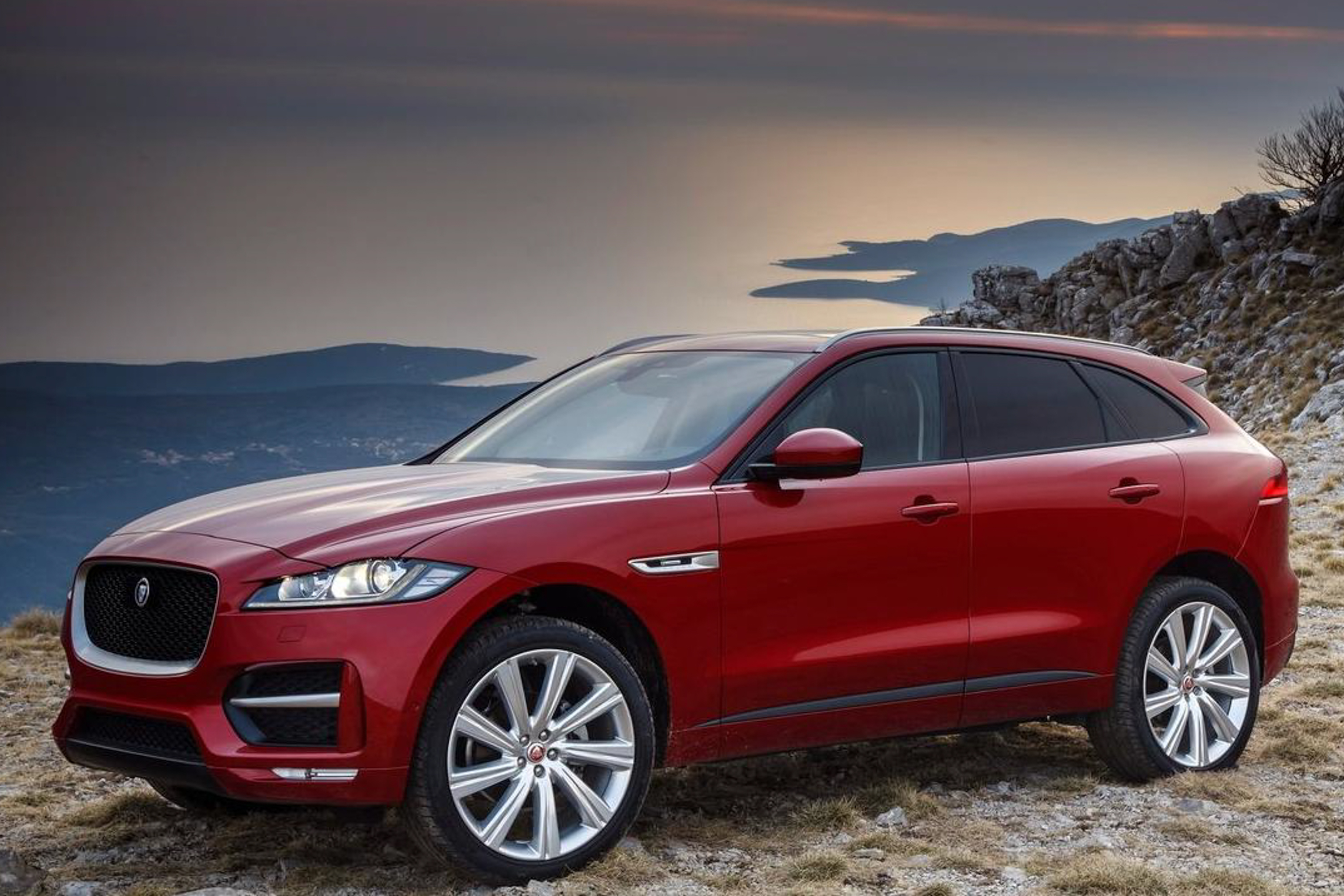
In terms of exterior design, this model adopts the brand's iconic front design. The rounded and streamlined body lines give it the elegance of a luxury car while maintaining the muscular feel expected of an SUV. At the front, the medium-sized brand’s family-style grille, paired with sharp-shaped LED headlamps on both sides, adds a touch of sportiness to the vehicle. On the side, the smooth waistline extends from the front to the rear of the car. Coupled with large multi-spoke aluminum alloy wheels, it enhances the overall visual appeal. At the rear, the smoked LED taillights echo the front-end design, and the twin tailpipes under the tailgate further reinforce its sporty attributes.
Inside the car, the interior design also reflects the brand's sense of luxury. The layout of the center console is simple and clear, with a large floating central screen integrating most of the vehicle's functions, offering smooth operation and a satisfying response speed. The air conditioning control area uses a combination of physical buttons and knobs, balancing practicality and ease of use. The seats are wrapped in genuine leather, with excellent support and cushioning, ensuring no fatigue even after long hours of driving. Additionally, both the front and rear seats are equipped with seat heating, while the front seats also support electric adjustment and memory functions, further enhancing overall comfort.
In terms of space performance, the dimensions of this model are 4432mm × 1849mm × 1664mm, with a wheelbase of 2681mm, placing it in the mid-range among vehicles of its class. The front row space performs well, with a 180cm tall occupant having adequate headroom and legroom in the front. For the rear space, an occupant of the same height has about two fists of legroom and one fist of headroom. Although not particularly spacious, it is sufficient for daily family use. As for storage, the trunk has a standard volume of 505L, and the rear seats can be folded in a 4/6 split, expanding the maximum capacity up to 1251L, meeting the needs of family outings or transporting large items.
In terms of power systems, the model we tested is equipped with a 2.0T turbocharged engine, delivering a maximum output of 200 horsepower and a peak torque of 320Nm. The transmission system is paired with a 9-speed automatic gearbox. During actual driving, the power output of this engine is smooth and linear, providing strong low-end torque, making starts feel powerful. At medium to high speeds, the transmission quickly downshifts when the accelerator is pressed deeply, offering responsive power and making overtaking confident. Additionally, the vehicle offers multiple driving modes, including Standard, Economy, Sport, and Dynamic. The power output and gearbox shifting logic vary under different modes, catering to diverse driving preferences.
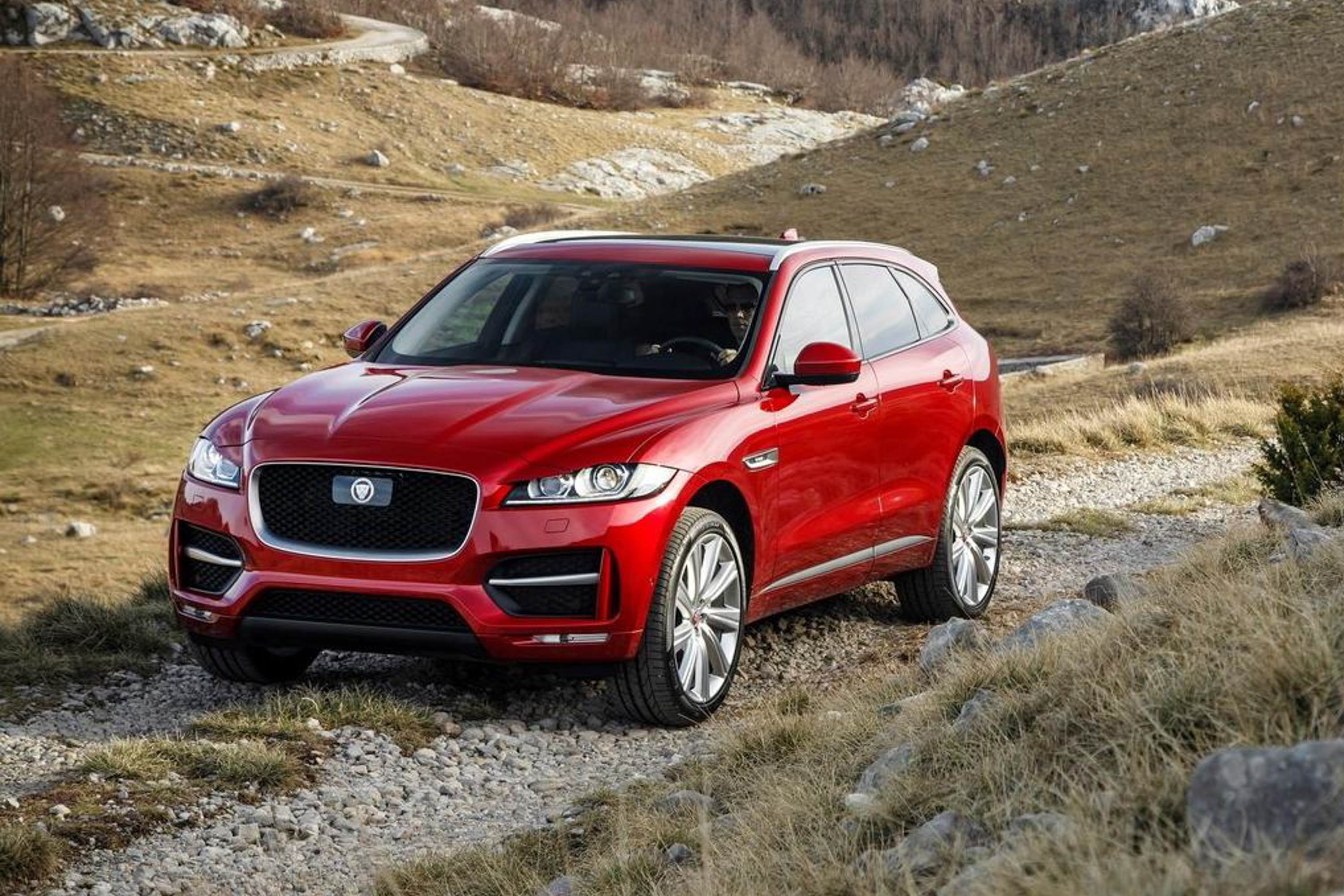
In terms of chassis and handling performance, this model adopts a combination of front MacPherson independent suspension and rear multi-link independent suspension. The suspension tuning leans toward comfort, which can effectively filter out minor road bumps and keep the body stable. However, when going over larger potholes, the rebound speed of the suspension is slightly slower, causing minor body sway. As for the steering system, the steering wheel provides moderate resistance, precise directionality, and clear road feedback, delivering a good driving experience whether on city roads or highways.
In terms of noise insulation, this model performs quite well. Even when driving at high speeds, the noise level inside the cabin is kept low, with wind and tire noise being barely noticeable, providing passengers with a quiet and comfortable driving environment. However, during rapid acceleration, engine noise becomes more noticeable inside the cabin, although it remains within an acceptable range.
In terms of fuel consumption, according to our comprehensive tests, this model achieves a combined fuel consumption of approximately 8.5 liters per 100 kilometers, which is within the mid-range for vehicles in the same class. However, in actual driving conditions, if you frequently use sports mode or drive in congested traffic, fuel consumption may increase.
Overall, this model exhibits the level of design, features, and driving experience expected of a luxury brand. Although it is not particularly outstanding in terms of space and fuel consumption, it offers balanced overall performance, making it a good choice for consumers who value brand and driving experience. However, considering its relatively high price, its cost-effectiveness compared to other luxury cars in the same class is not particularly high. If you are not particularly brand-conscious, you might consider other models that offer better value for money.
Jaguar F-Pace Car Compare

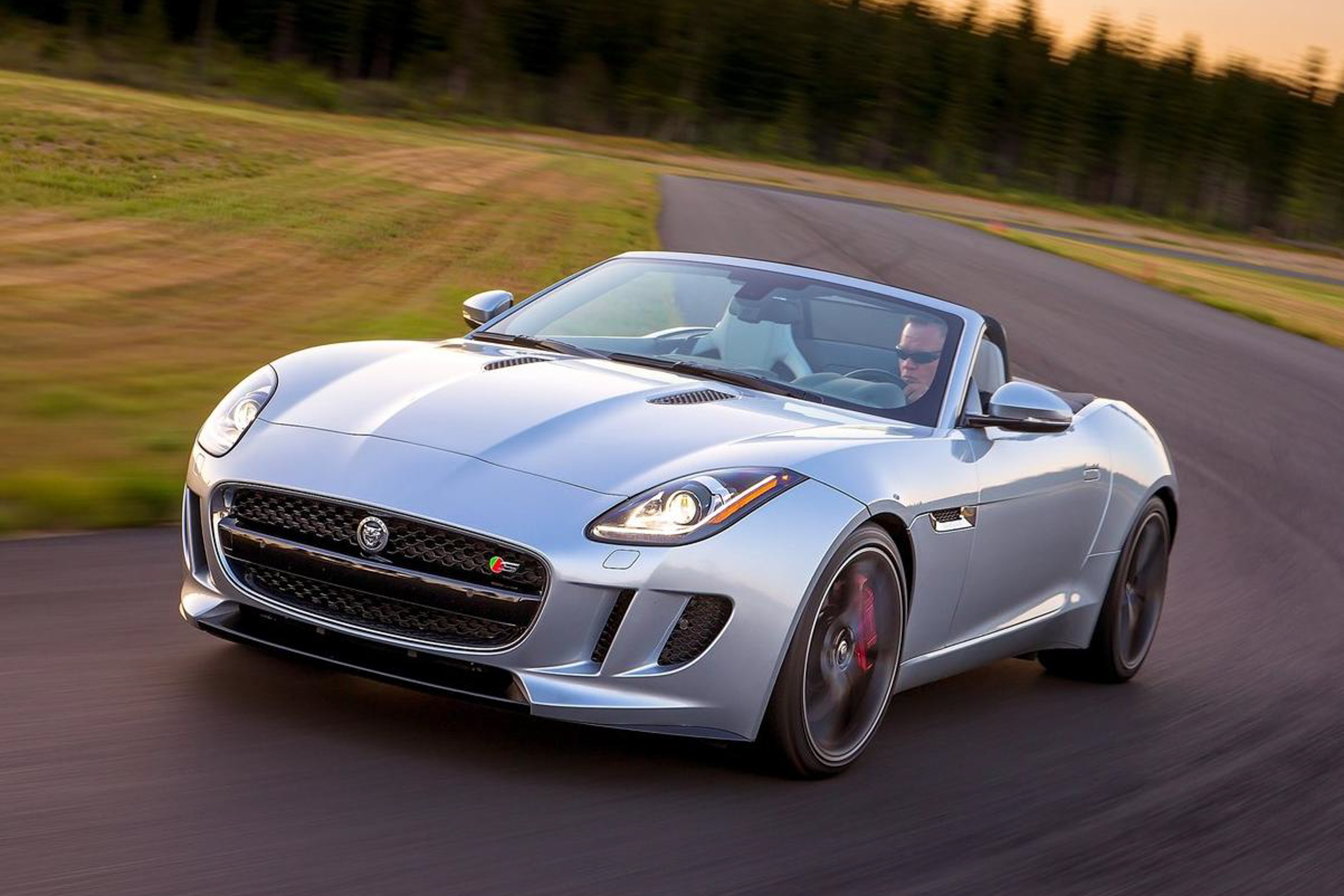
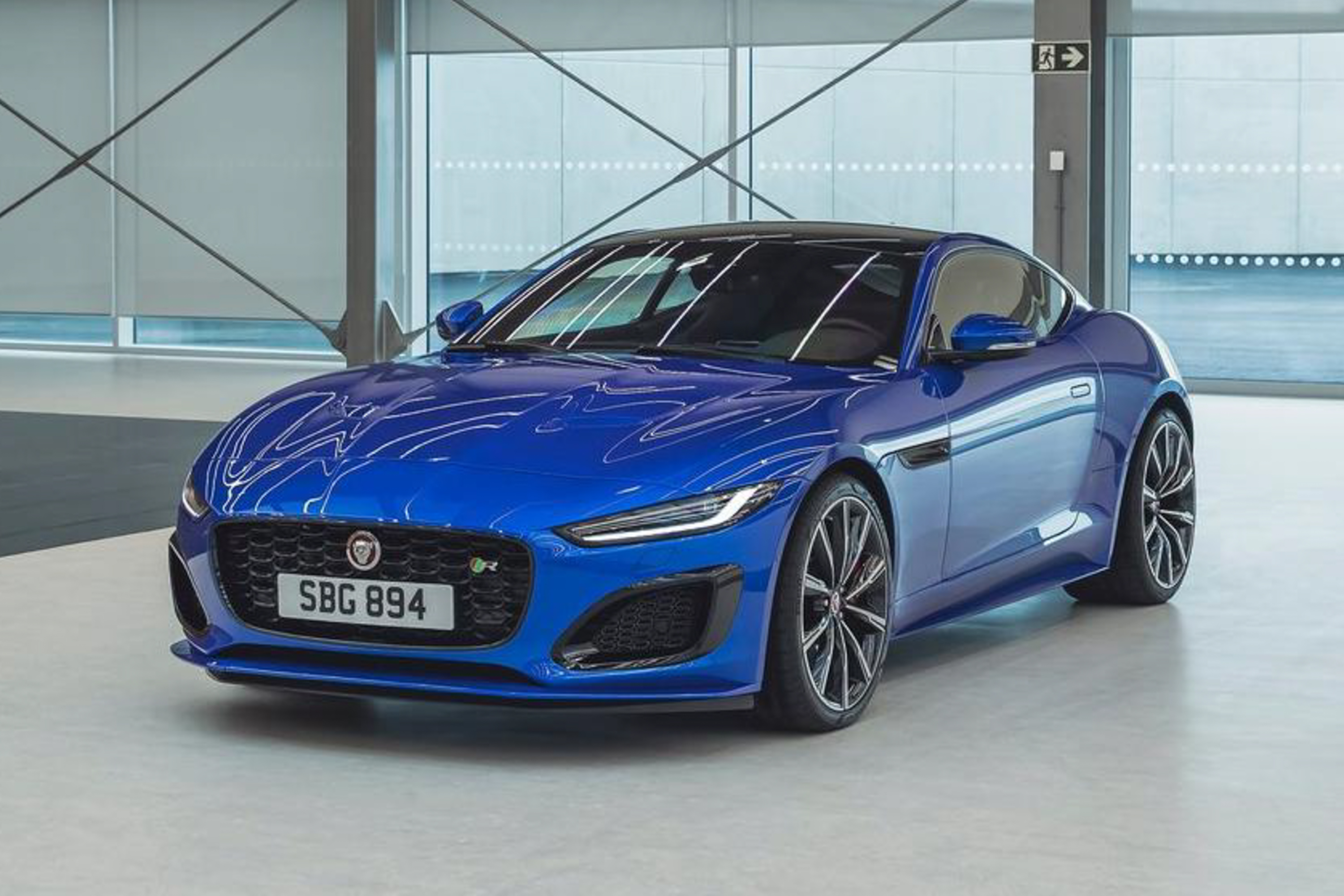
Cars With Similar Price And Features
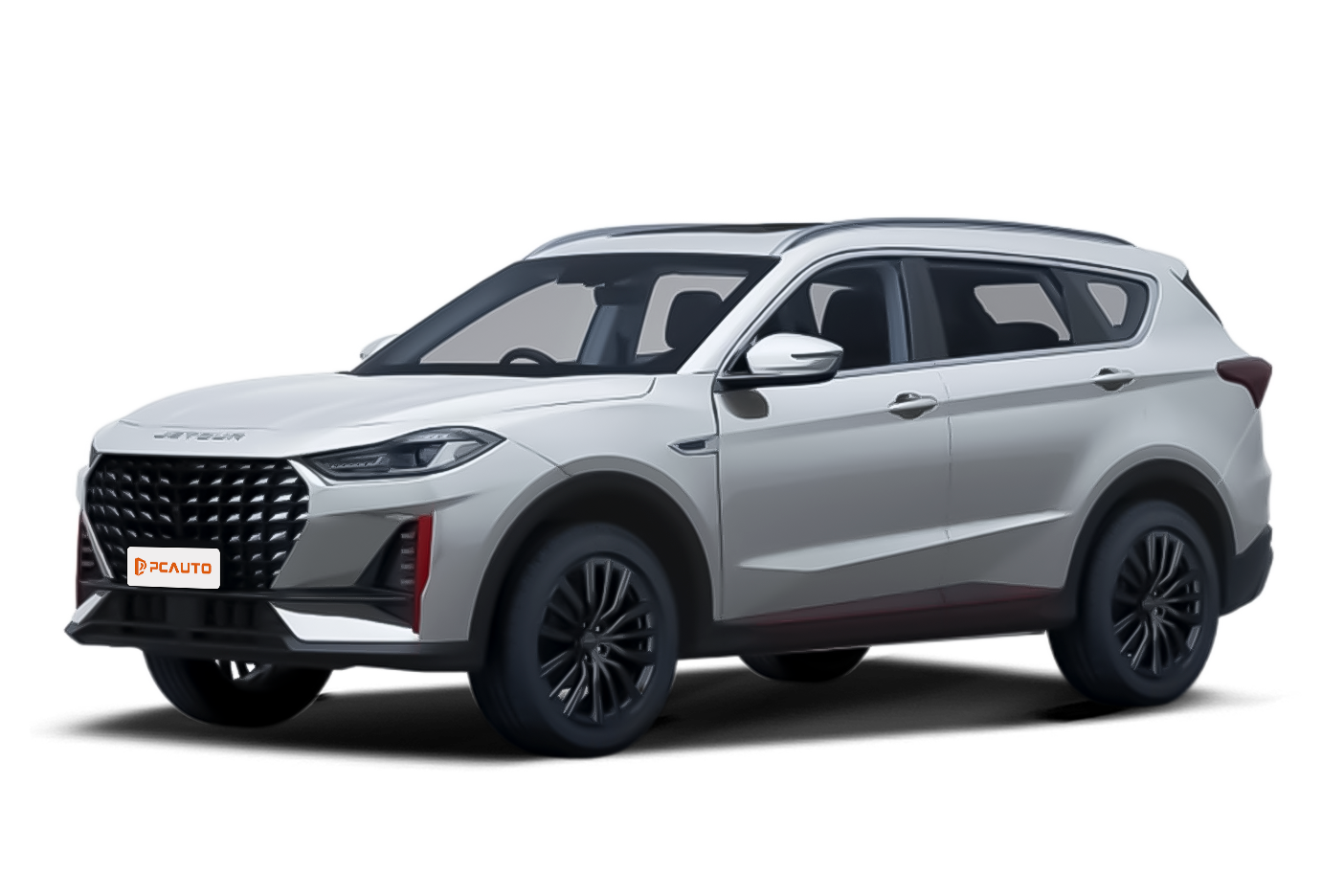
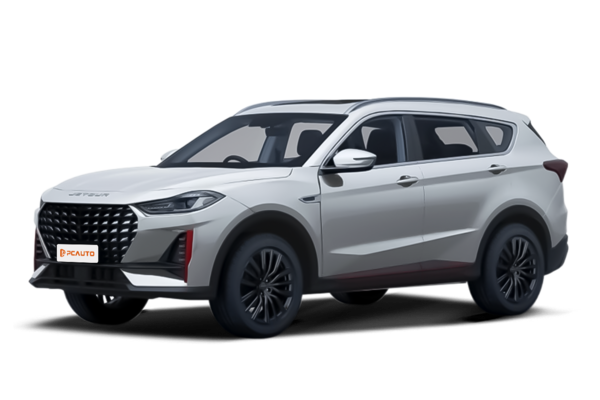
2025 Jetour VT 9 Comfort is a highly cost-effective 7-seater family SUV, featuring practical space, rich configurations, and balanced power, precisely meeting the needs of family short-distance travel.

11
Rank in SUV
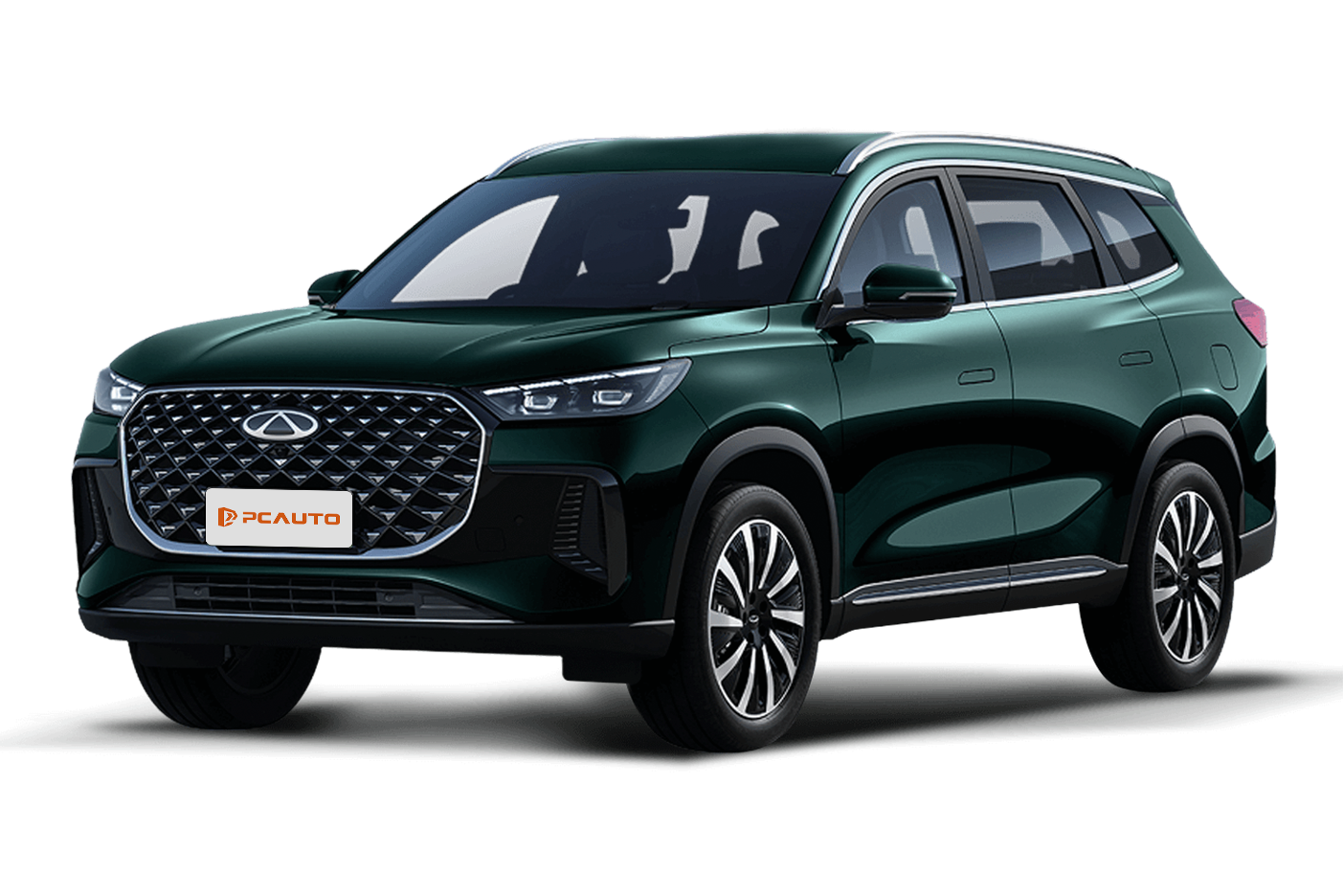
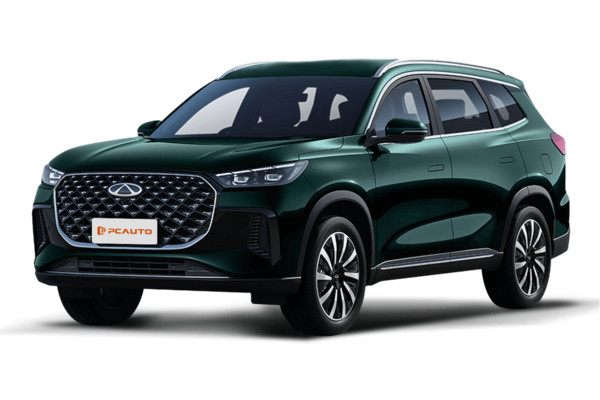
2026 Chery Tiggo 8 is a D-Segment SUV aimed at family users, offering superior configurations, practical space, and smooth power at a high cost-performance ratio, meeting both commuting and light off-road needs.
16
Rank in SUV

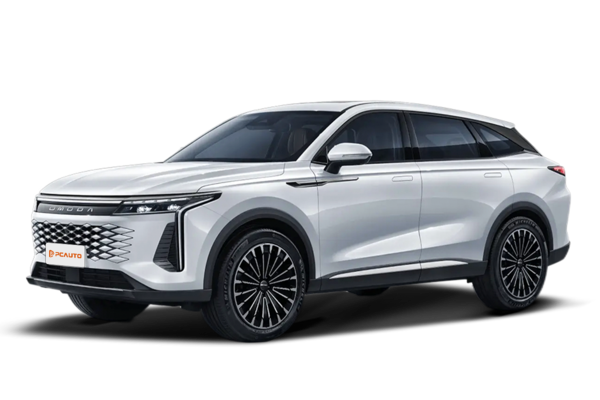
2024 Chery OMODA C9 2WD with 2.0T+8AT powertrain, L2 level assistance, and dual 12.3-inch screens, breaking the stalemate in the D-Segment market and becoming a high-value disruptor.
29
Rank in SUV
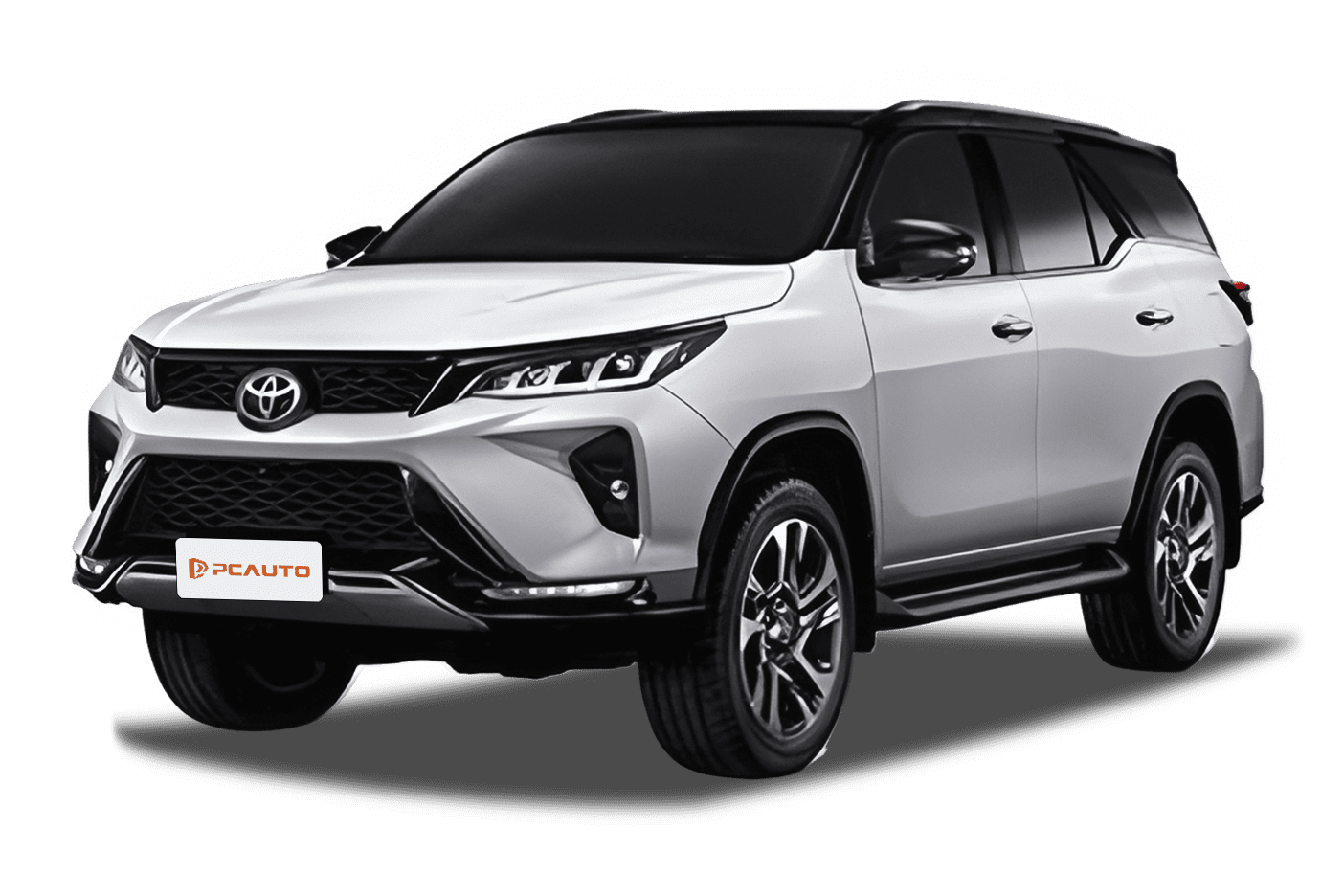
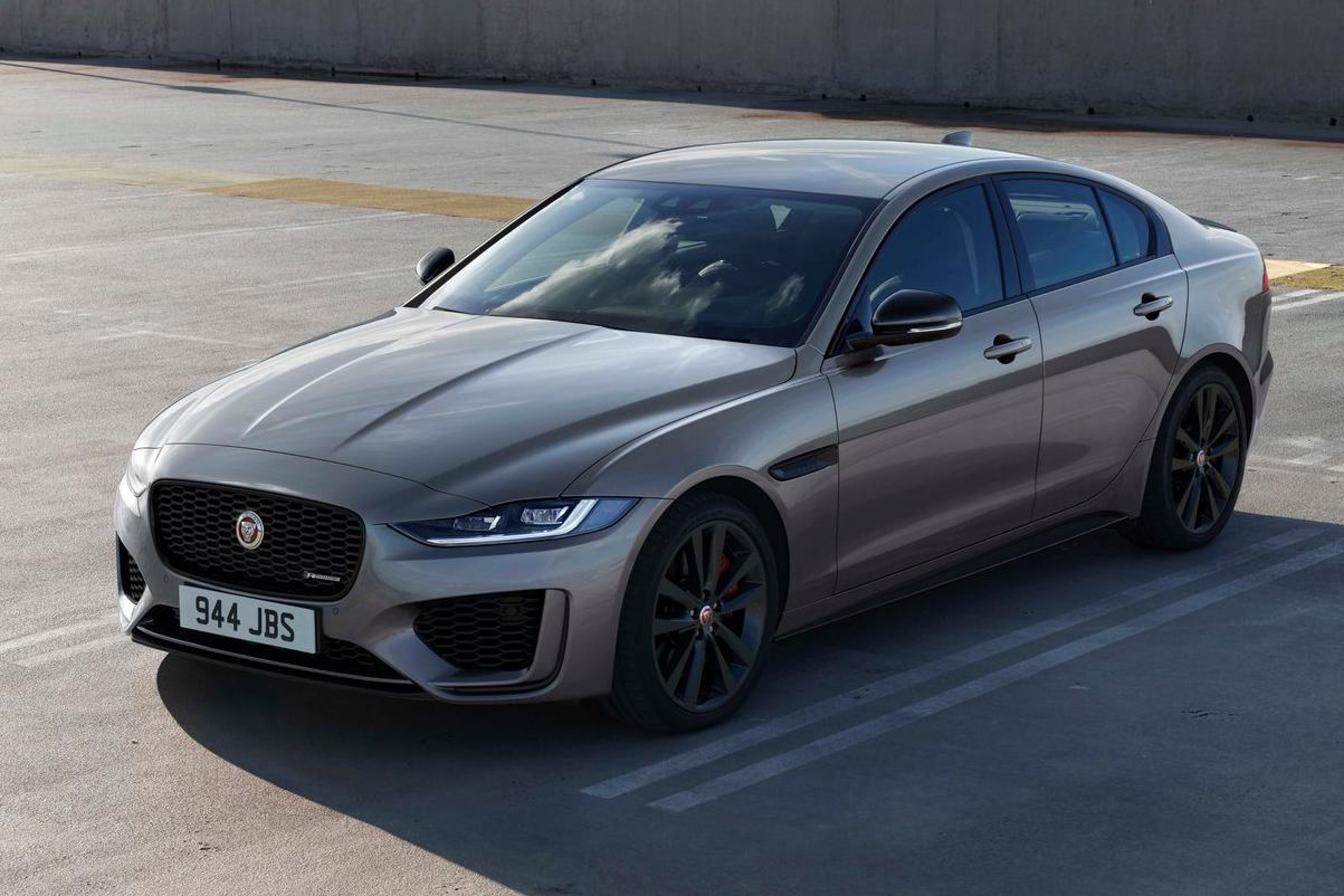
2021 Toyota Fortuner 2.7 SRZ AT 4x4 is a 7-seat SUV that balances family comfort and mild off-road capabilities, with smooth gasoline power and a practical 4x4 system, offering low maintenance requirements suitable for various family scenarios.