

Jaguar F-Type 2016 Review

 Share
Share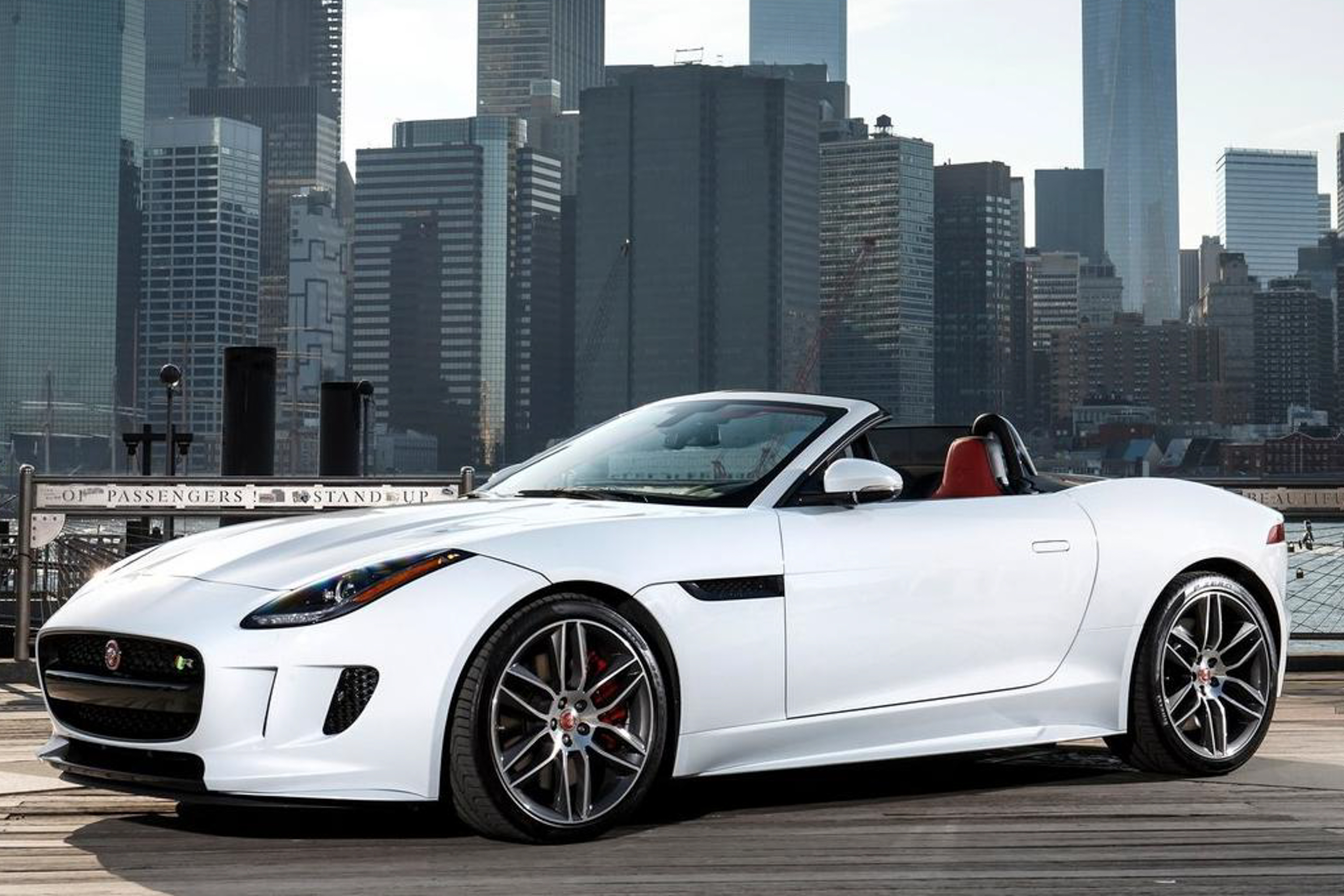
 Body Type
 Segment
 Capacity(L)
 Engine Power(PS)
 Engine Torque(Nm)
 Transmission
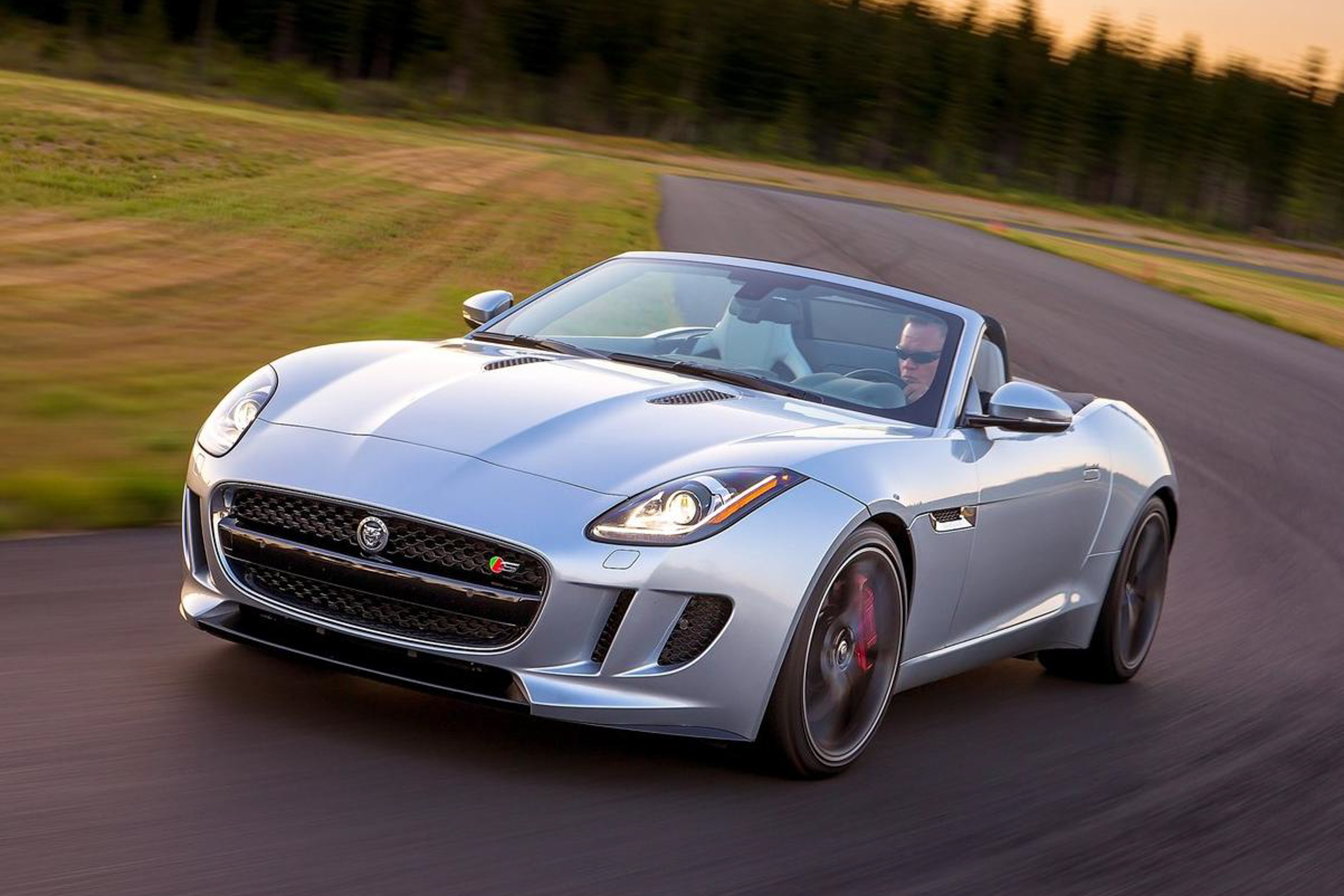
In Malaysia’s sports car market in 2016, the coupe segment has always been dominated by German brands, but many consumers are actually looking for an option with more British style while balancing practicality for everyday use. As the most representative sports car of the brand, the 2016 Jaguar F-Type retains the family genes in both design and performance, while also making detailed optimizations based on market demands. This time, we got our hands on the 2016 Jaguar F-Type public version test car, and the main purpose is to see if it can balance "sports car performance" and "everyday practicality" in both daily driving and occasional spirited driving, providing local consumers with a clear reference for choice.
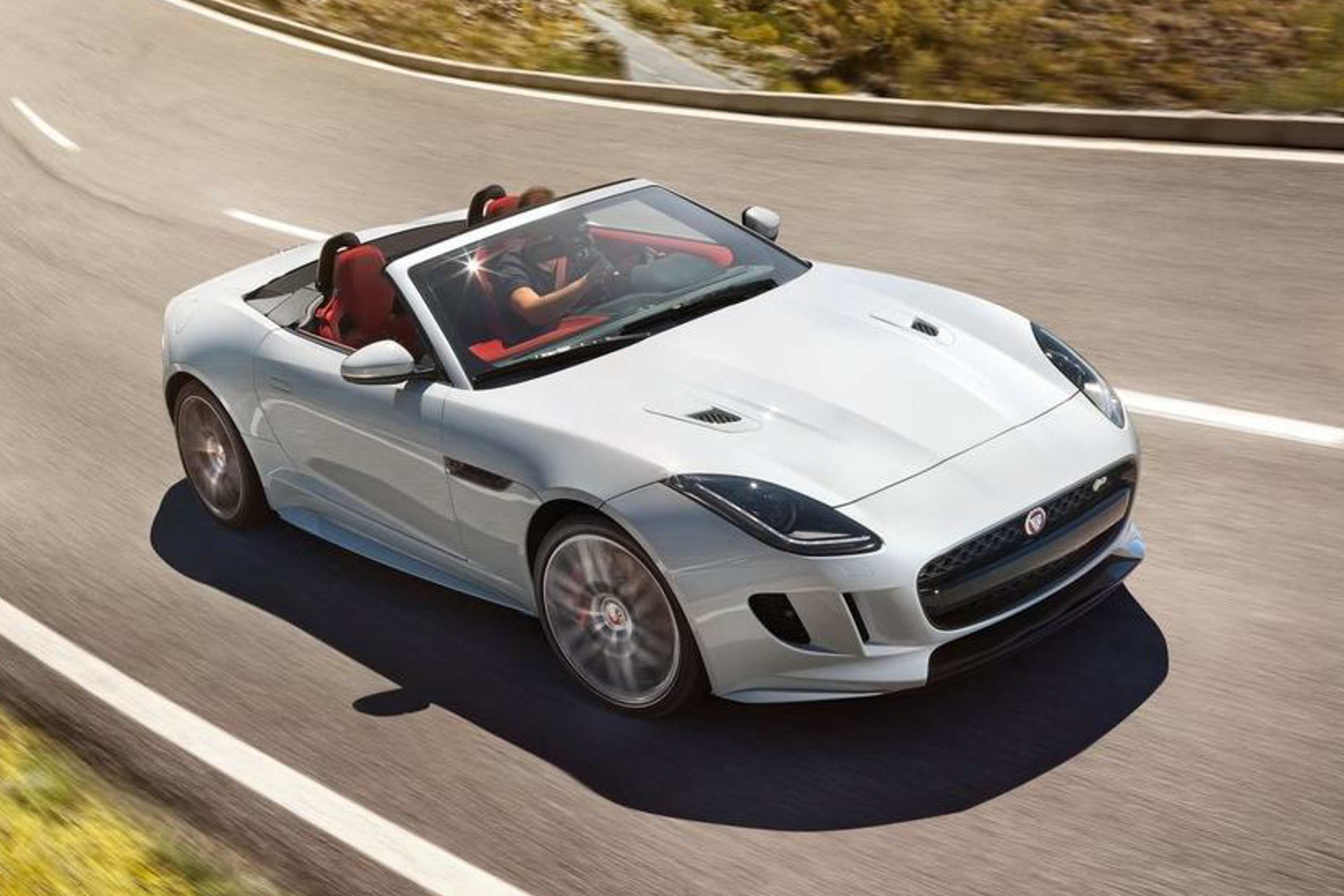
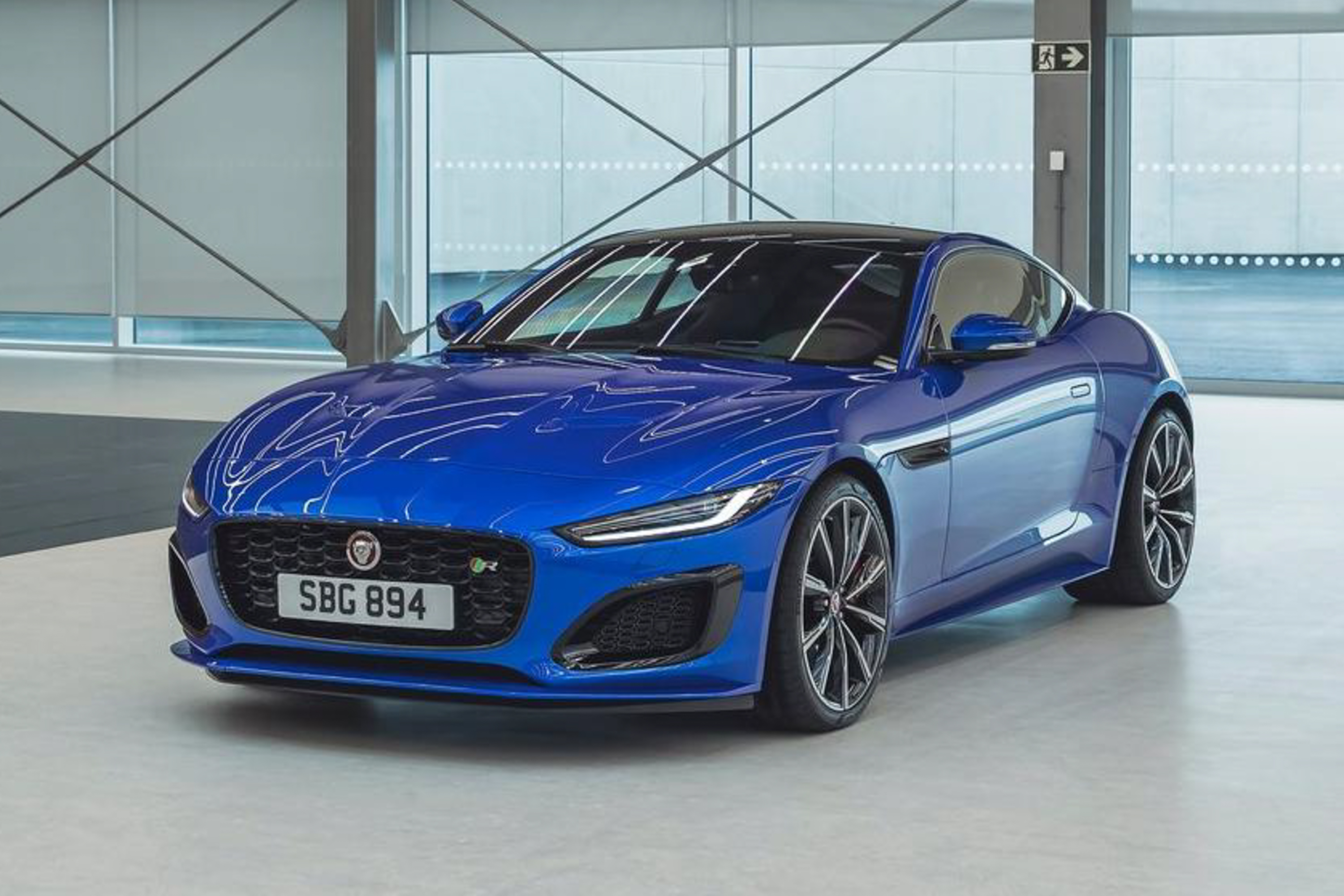
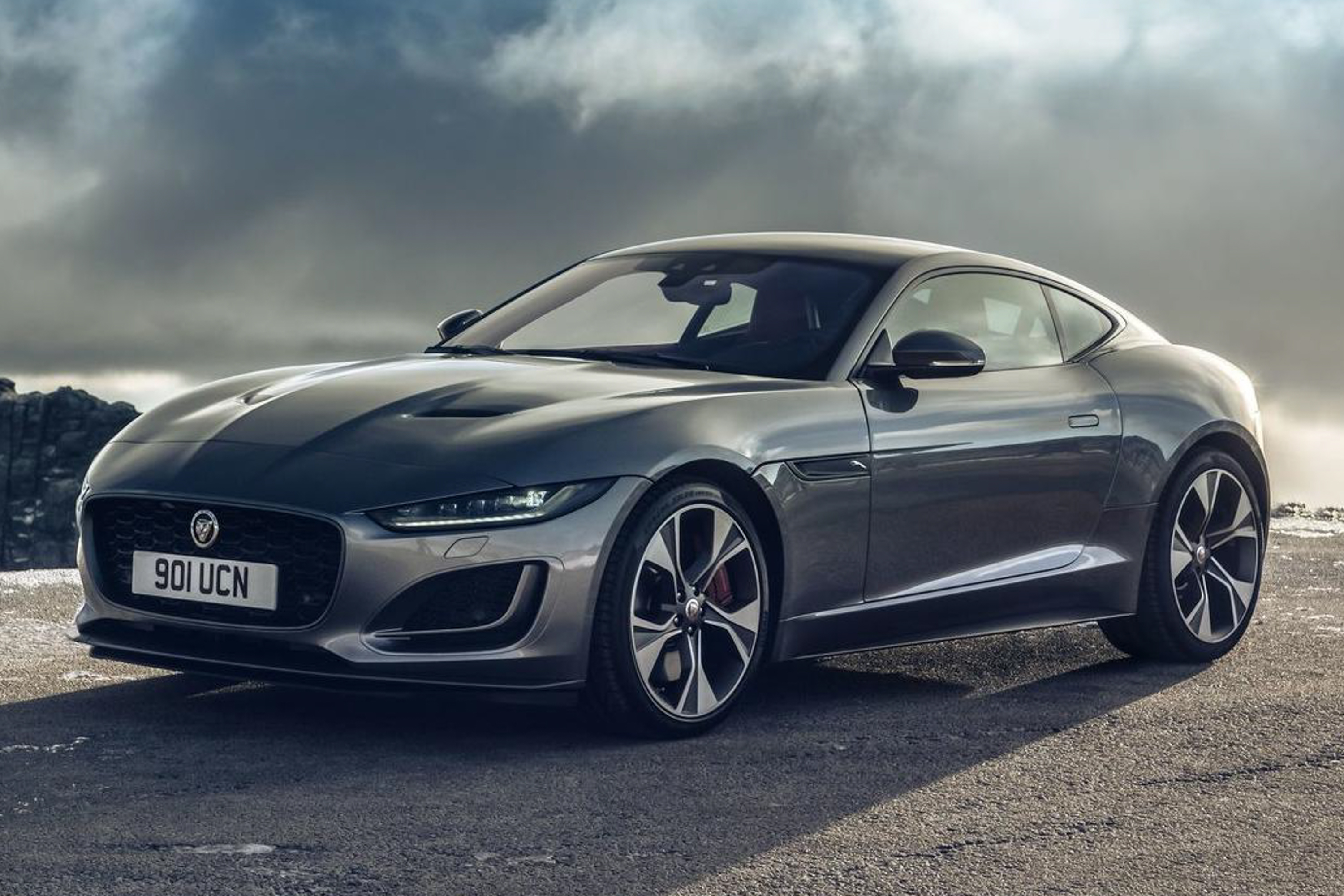
In terms of appearance, the overall style of the 2016 F-Type public version maintains the classic streamlined design of Jaguar sports cars. The large mesh grille on the front face, paired with the sharp LED headlights on both sides, gives it a high degree of recognition. The two raised lines on the hood extend from the A-pillar to the front grille, enhancing the muscular feel. The waistline along the side of the car runs through from the front fender to the rear, paired with 19-inch multi-spoke alloy wheels, making the side look both sleek and dynamic. At the rear, the dual round exhaust pipes are a direct testament to its identity as a sports car, while the tail lights adopt the family-style wrap-around design, creating a striking effect when lit at night. It is worth mentioning that the soft-top convertible design of this model (available in some versions) blends naturally with the car's lines when closed, and when opened, further enhances the sense of ceremony during driving.
Sitting inside the car, the overall interior layout is driver-centric, with the center console tilted towards the driver for easier operation. As for materials, the seats and the inner sides of the door panels are wrapped in leather, providing a soft touch, while the top of the center console uses soft plastic, which matches the luxury positioning of the sports car. The center area is equipped with an 8-inch touch screen that supports Bluetooth connectivity and navigation functions, with an operational smoothness that was above average among cars of its time. The seats feature a sporty bucket design, offering good support and including electric adjustment and lumbar support functions, ensuring comfort during long drives. However, the rear space is essentially negligible, suitable only for small items, which is a common issue for coupes. In terms of storage space, the front door pockets and the center armrest box are not particularly spacious, but are sufficient for storing small everyday items like phones and wallets.
In terms of power, the 2016 F-Type public version is equipped with a 2.0T four-cylinder turbocharged engine, delivering a maximum power of 221 kW (300 Ps) and a maximum torque of 400 N·m, paired with an 8-speed automatic transmission. In actual driving, the power response during the initial acceleration phase is quick, with a light press on the accelerator providing a noticeable push-back feel. Its 0-100 km/h acceleration time is approximately 5.7 seconds, which is more than sufficient for daily driving. When switching to sport mode, the gearshift logic of the transmission becomes more aggressive, downshifting faster, and the engine's roar becomes more prominent, fulfilling the demands for occasional spirited driving. However, in economy mode, the power output is relatively smooth, making it suitable for daily commuting.
The steering performance is highly precise, with minimal play, providing clear feedback of road conditions when cornering. The suspension system adopts an independent structure with a front double-wishbone and a rear multi-link setup, tuned towards stiffness, offering sufficient support when cornering and minimal body roll. However, this tuning results in vibrations being directly transmitted to the cabin on bumpy roads, somewhat compromising comfort. In terms of braking, the brake pedal feels linear and the braking force is ample. During emergency braking, the car remains stable, with a short braking distance that inspires confidence.
As for fuel consumption, our tests under mixed road conditions showed an average fuel consumption of about 9.5L per 100 kilometers, which is acceptable for a 2.0T sports car. Regarding noise control, wind and tire noise become more noticeable at high speeds, but the engine noise is well-managed during normal driving and does not interfere with conversations inside the car. Furthermore, the seat comfort performs well during long drives, with stable support and wrapping that prevents driver fatigue.
Overall, the core highlights of the 2016 Jaguar F-Type public edition lie in its British-styled exterior design, commendable dynamic performance, and precise handling. Compared to its German sports car counterparts in the same class, it is more distinctive in design and, at the time, positioned at a relatively affordable price. However, the lack of rear space and the stiff suspension tuning mean that it’s better suited for individual users who value driving pleasure rather than family use. If you're someone who appreciates the design and driving feel of sports cars and occasionally requires it for daily commuting, the 2016 F-Type public edition would be a good choice. It satisfies your pursuit of speed while also providing adequate comfort and practicality for everyday use.
Jaguar F-Type Car Compare

Cars With Similar Price And Features
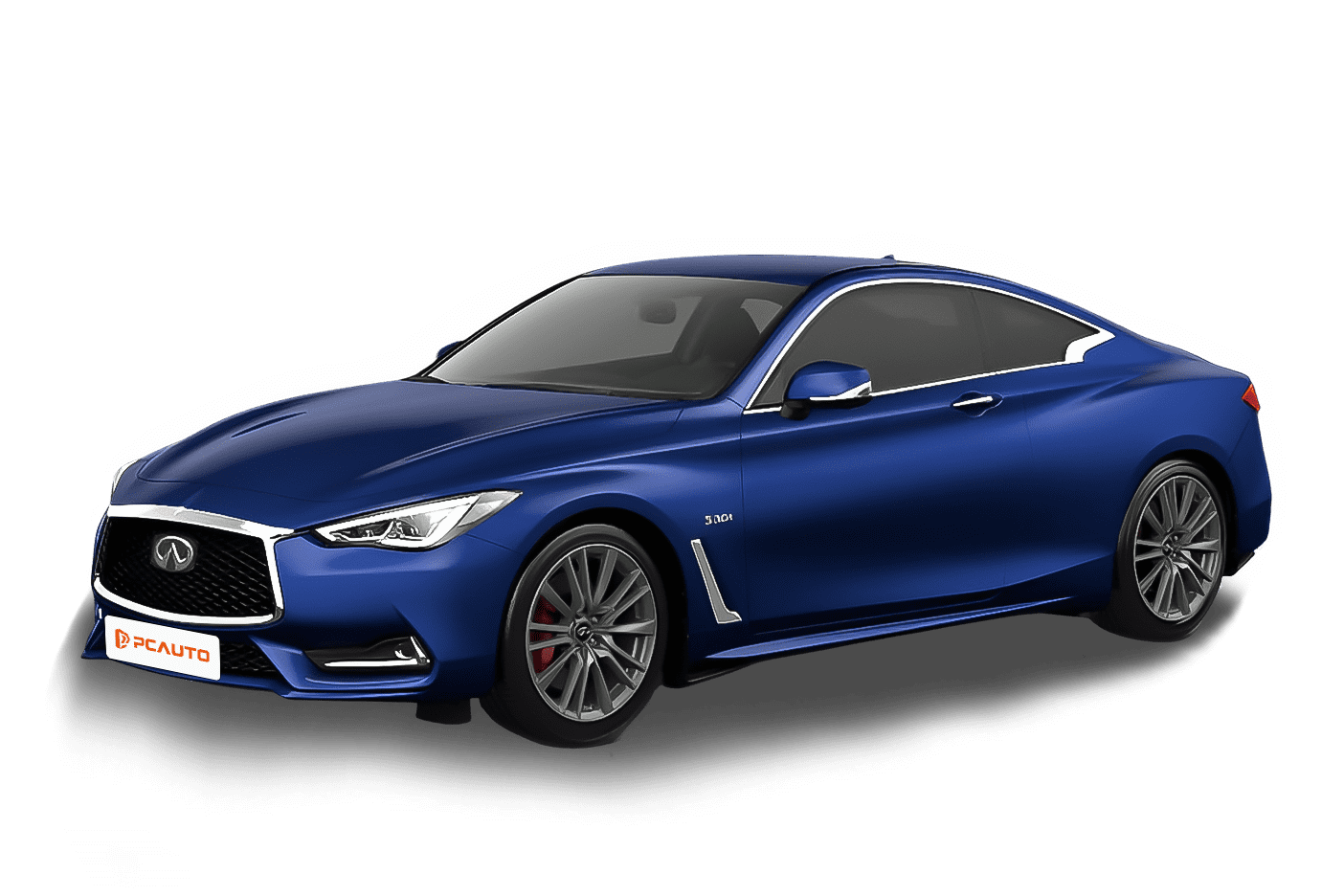
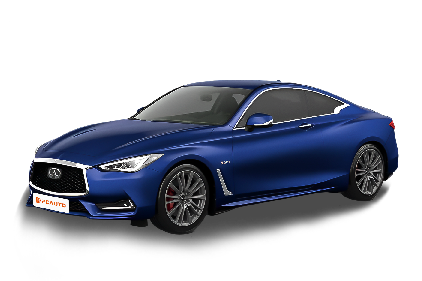
2017 Infiniti Q60 2.0t is a luxury coupe that balances sporty design and daily practicality, featuring a family-style exterior, BOSE audio system, and balanced power as its core selling points.
1
Rank in Coupe
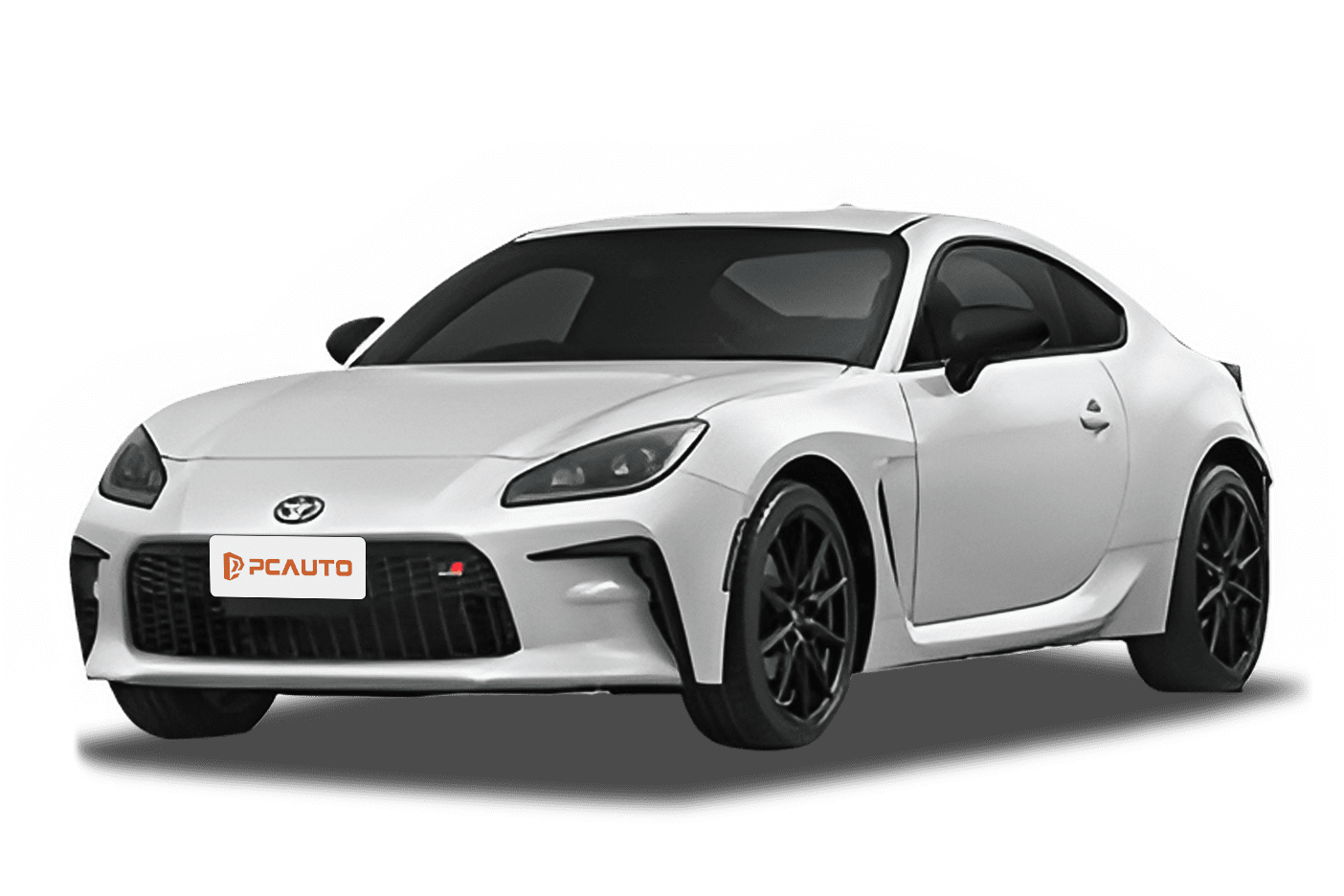
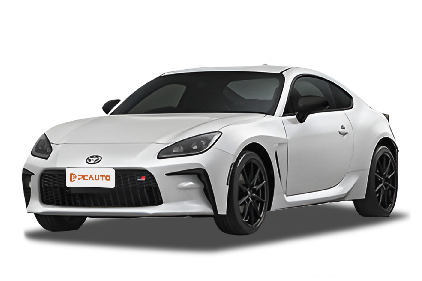
2023 Toyota GR 86 2.4 AT is a rear-wheel-drive sports coupe upgraded with a 2.4L naturally aspirated engine to address low torque issues, balancing daily commuting with pure driving pleasure.
10
Rank in Coupe
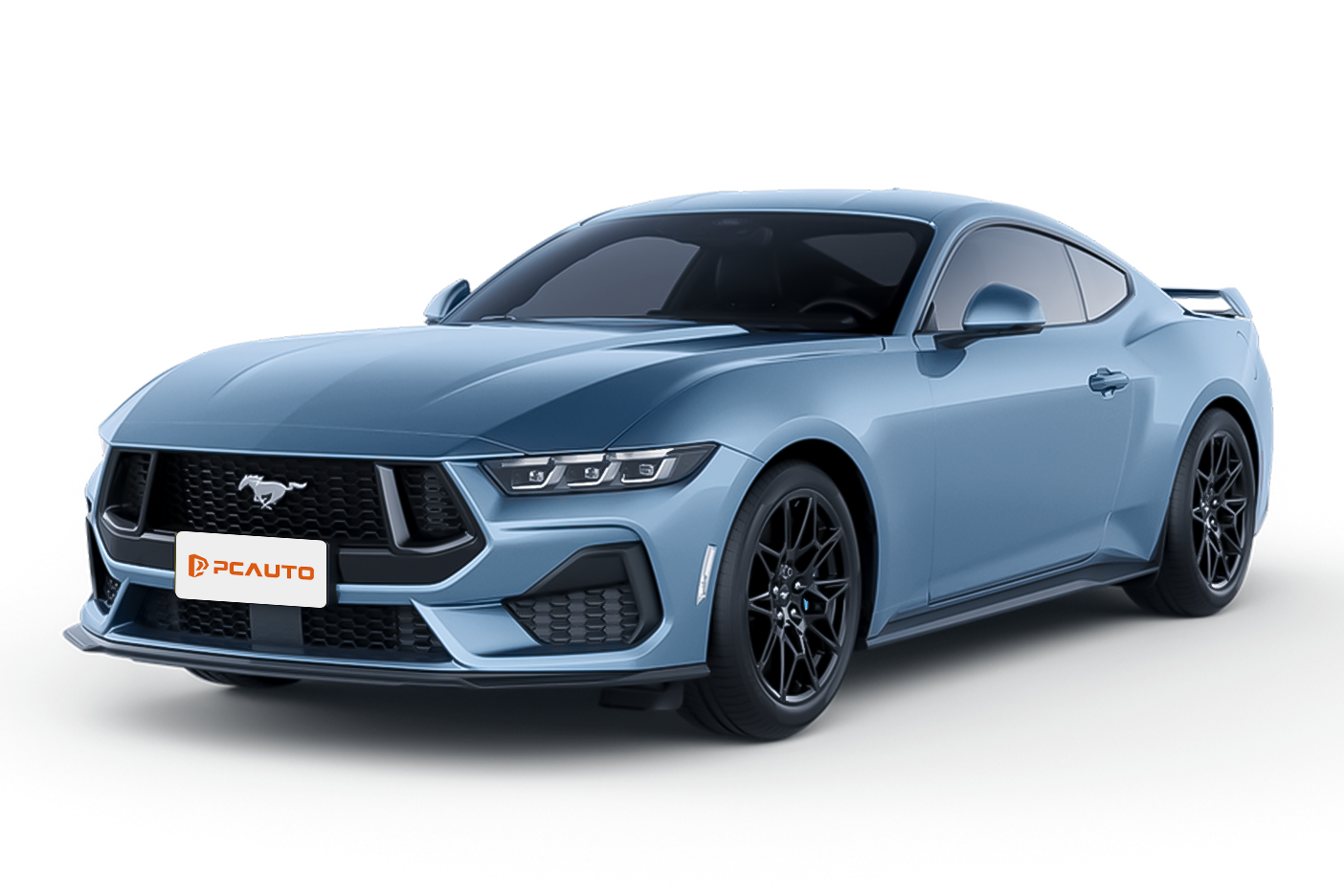
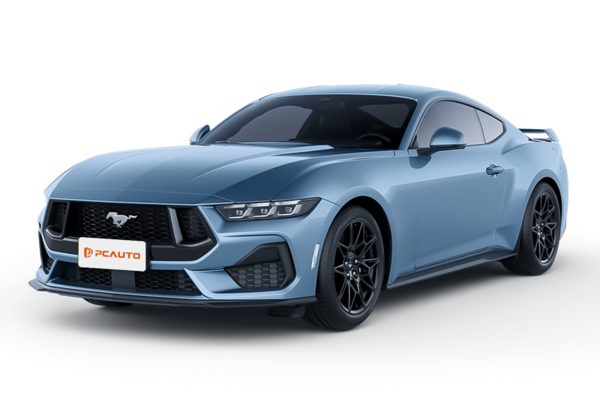
2018 Ford Mustang 2.3 EcoBoost retains the classic muscle car appearance with high cost performance, the 2.3T engine delivers 310PS horsepower, balancing performance and practicality for daily driving.
6
Rank in Coupe
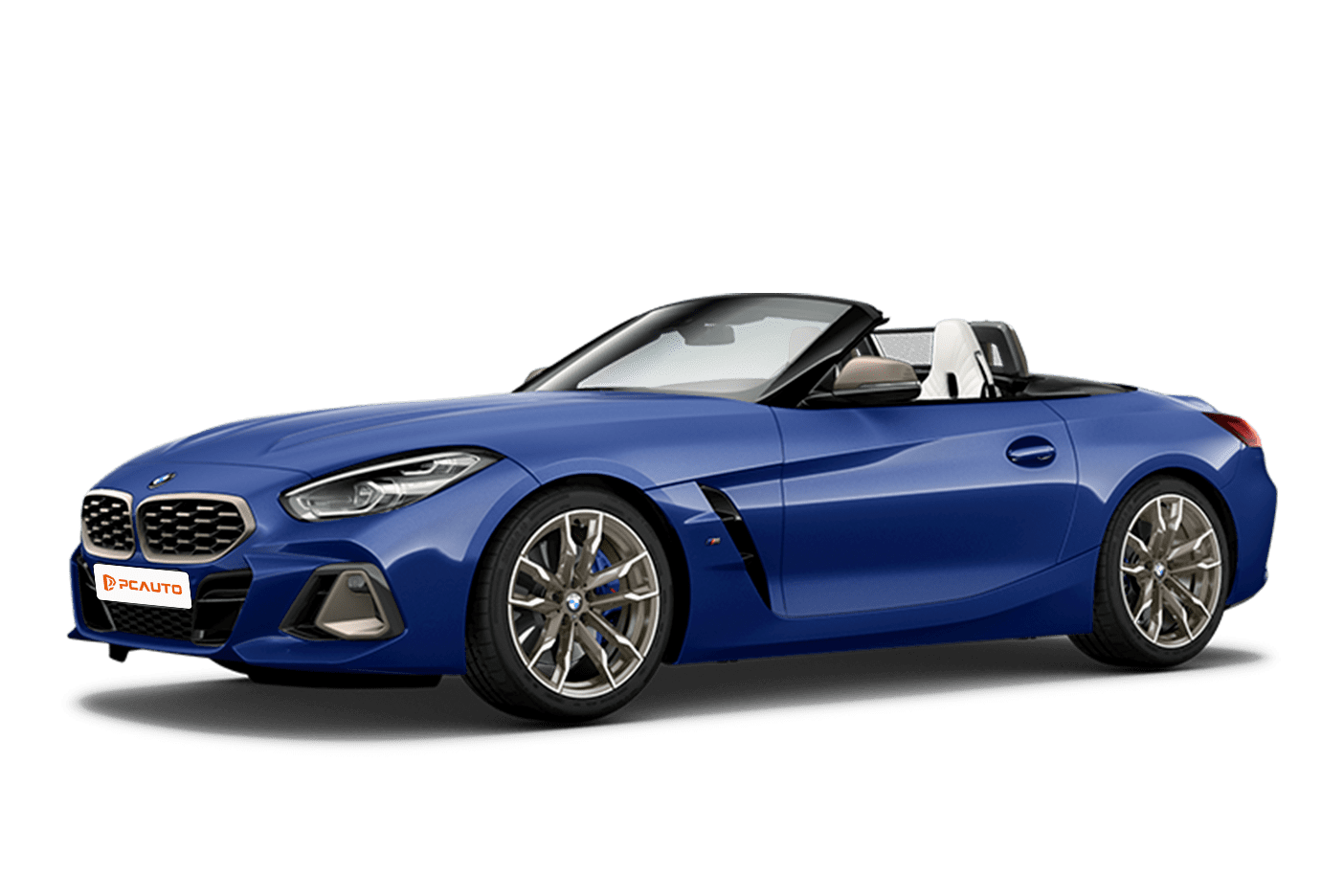
2023 BMW Z4 public, as a classic rear-wheel-drive convertible sports car, balances driving pleasure and daily practicality, with class-leading intelligent features and a compact body precisely meeting the needs of Malaysian users.