

Jaguar F-Type 2017 Review

 Share
Share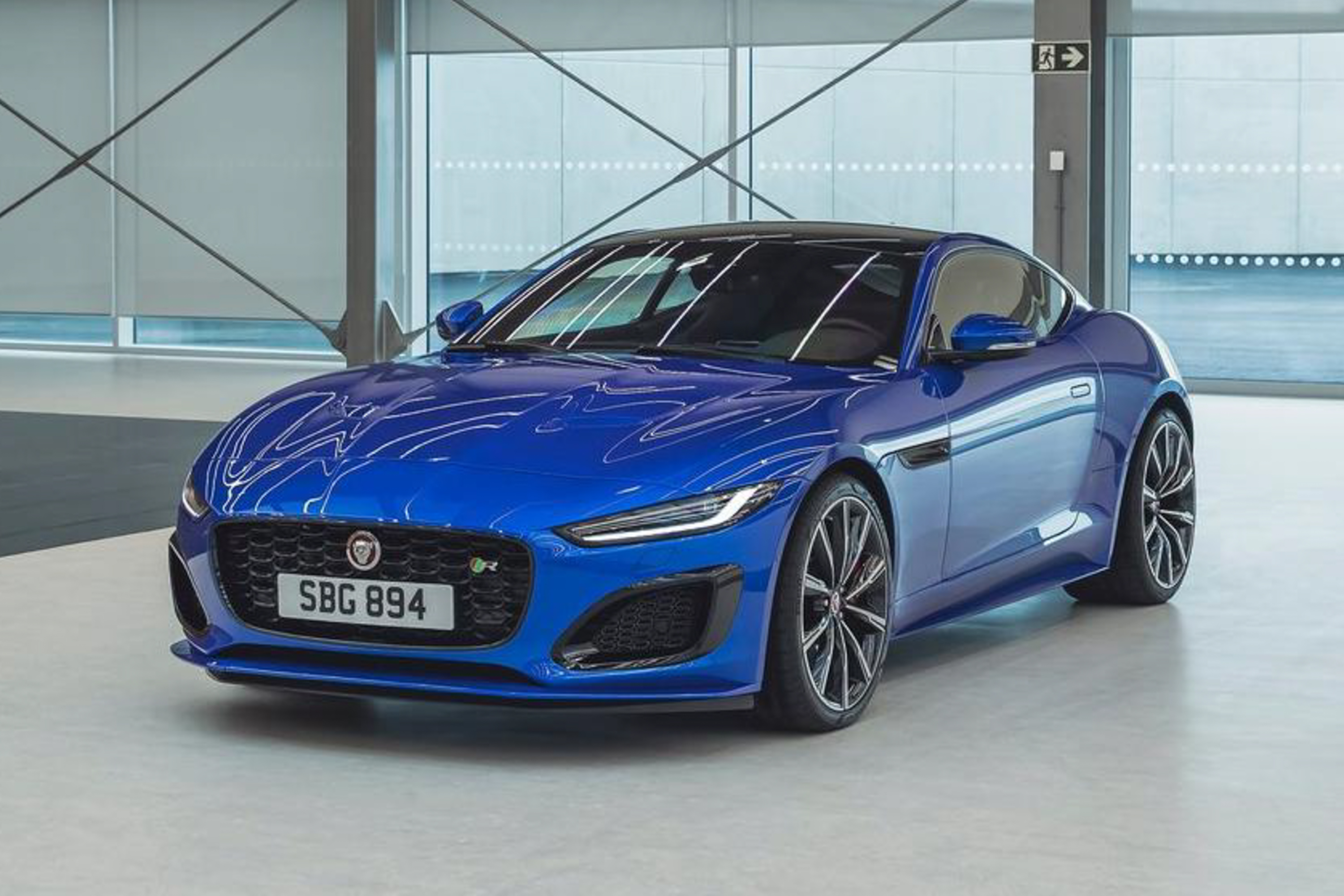
 Segment
 Body Type
 Capacity(L)
 Engine Power(PS)
 Engine Torque(Nm)
 Transmission
The luxury sports car market in Malaysia has long been dominated by German brands, but Jaguar, as a representative of British performance, has been trying to break the pattern with its unique design and driving dynamics. The 2017 F-TYPE SVR Convertible is the flagship convertible model in its high-performance lineup—not only continuing the elegant lines of the F-TYPE family but also raising power and handling to new heights through the tuning of the SVR department. The focus of this test drive is to verify whether this million-dollar British convertible can truly meet the ultimate demands of performance enthusiasts for speed and driving pleasure beyond just "good looks."
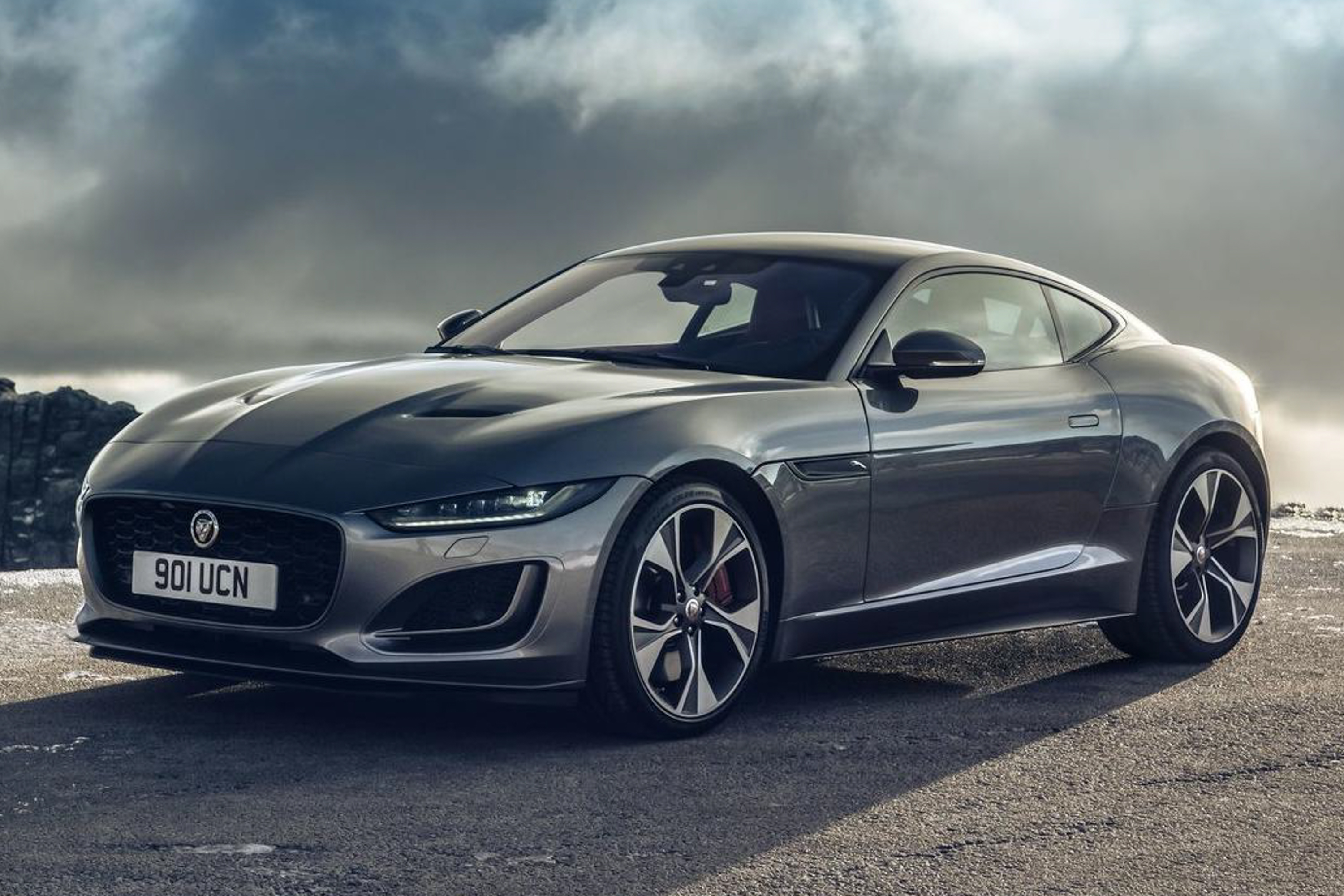
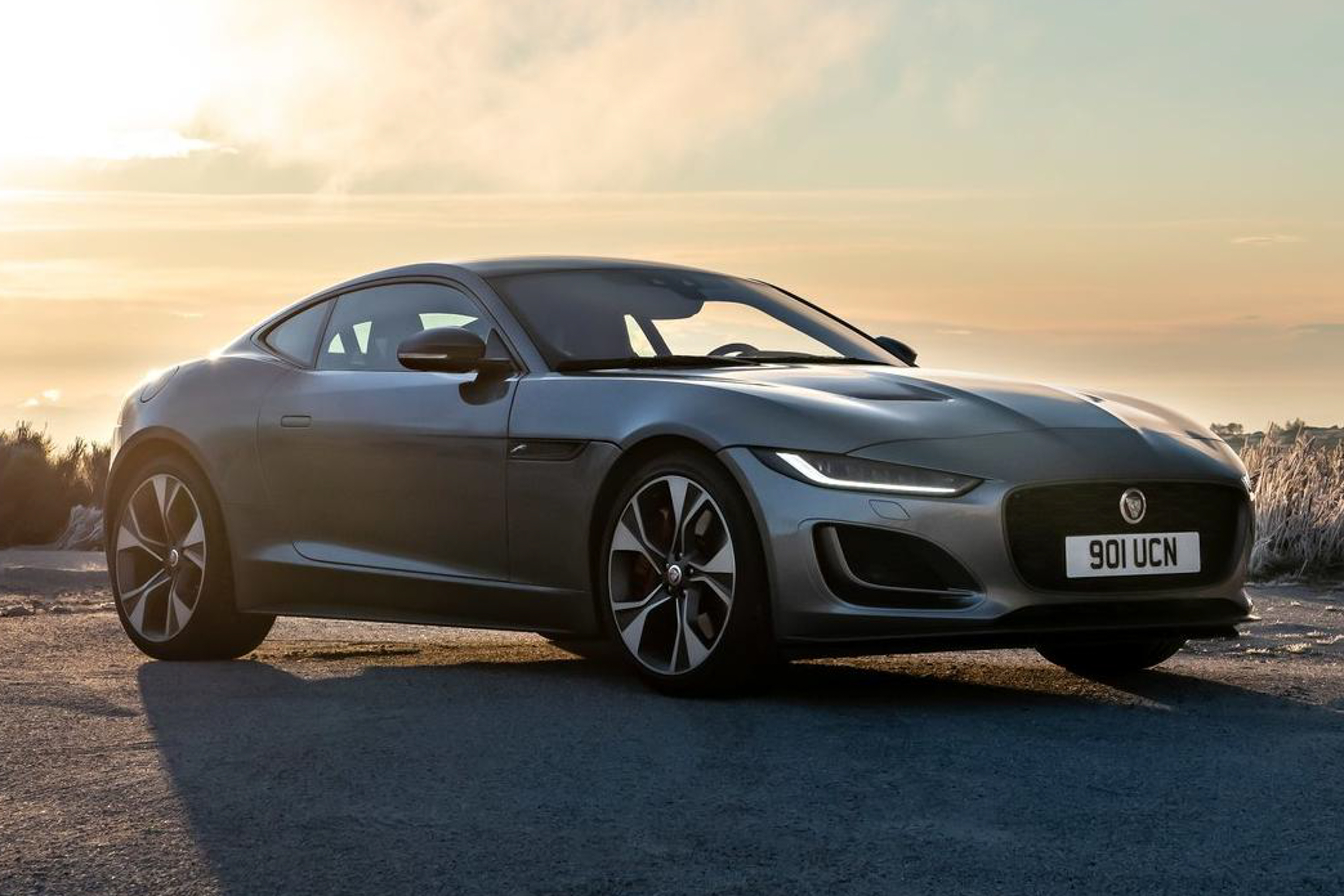
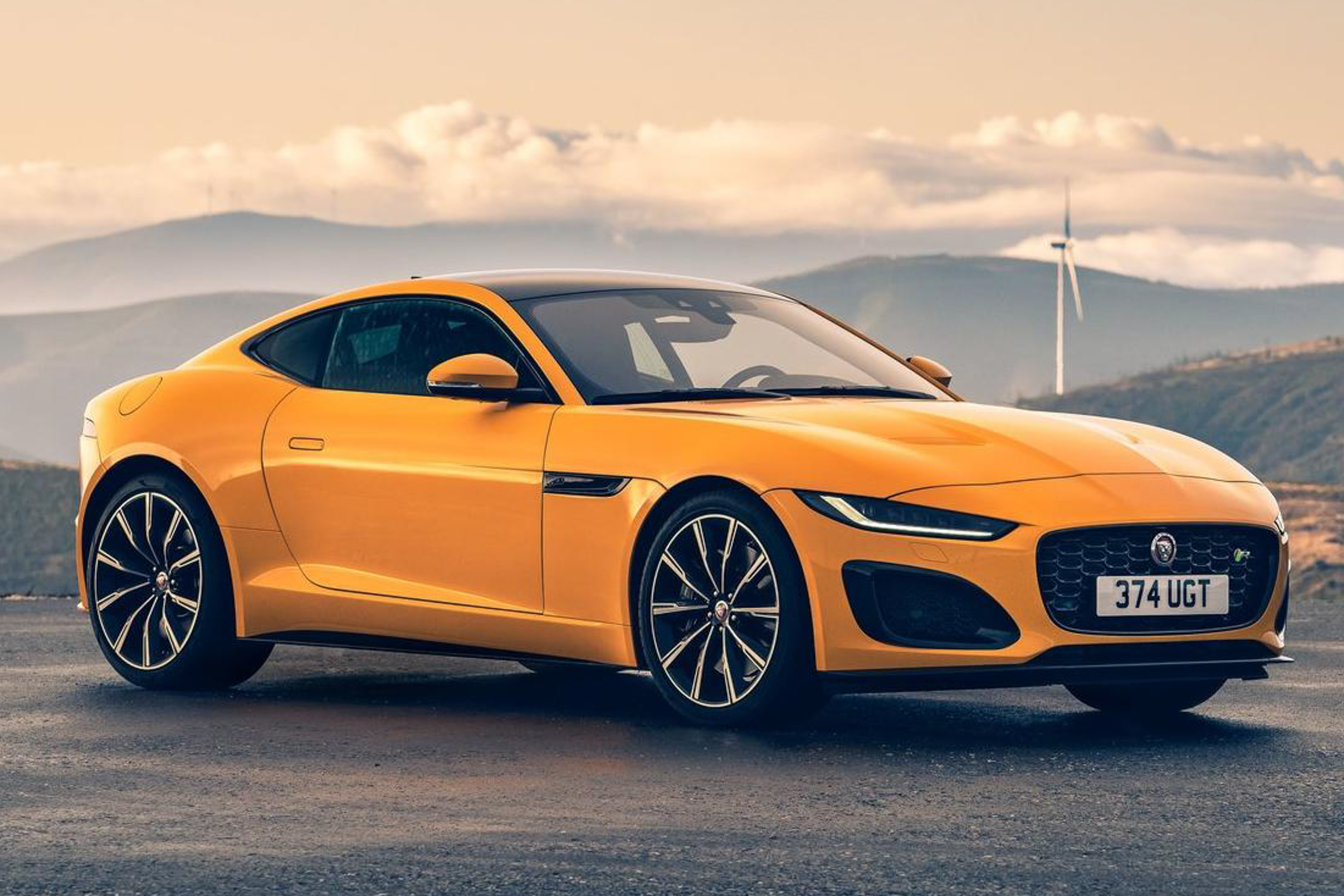
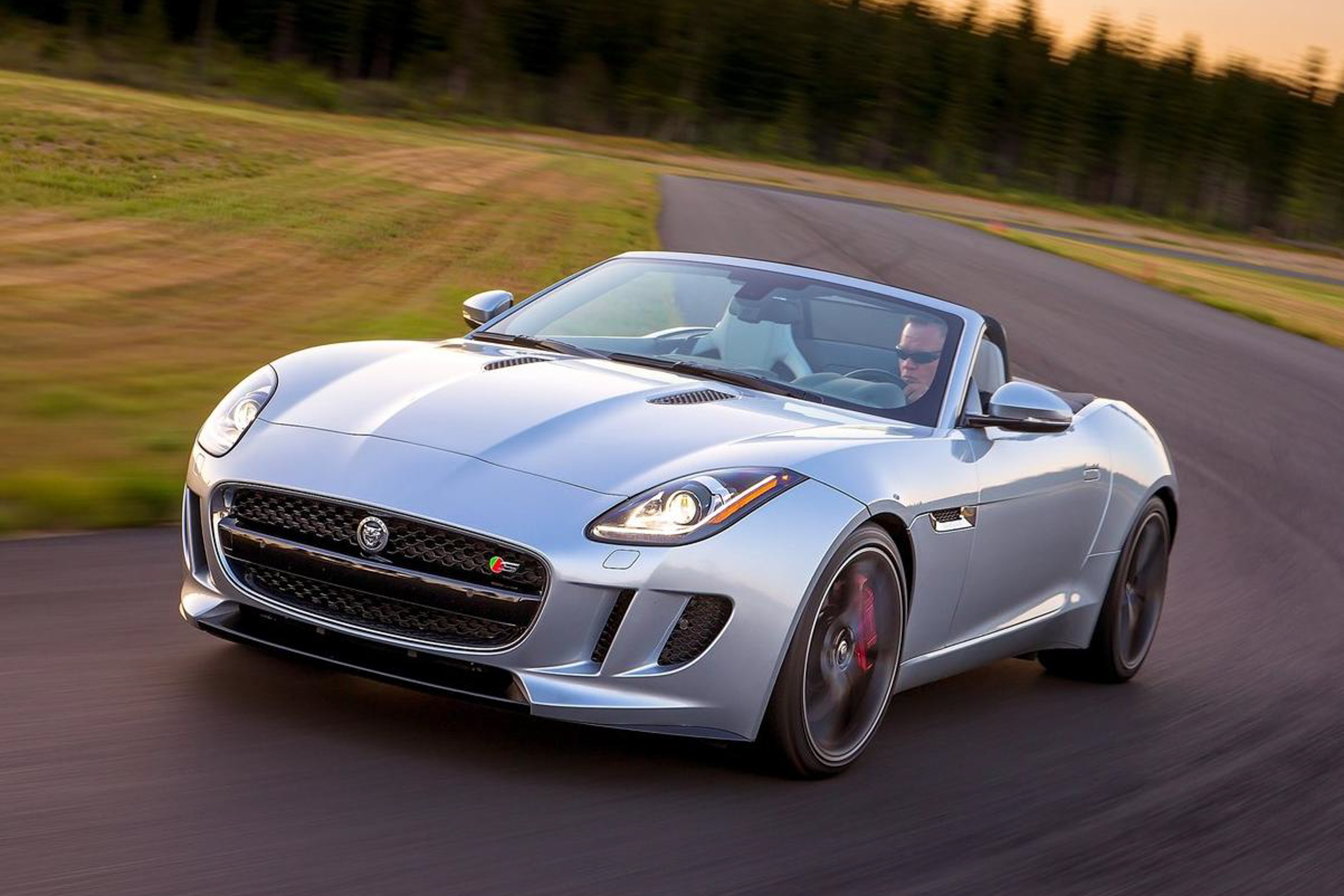
From a distance, the overall silhouette of the 2017 F-TYPE SVR Convertible retains the classic convertible proportions of the F-TYPE, but the performance-oriented design details are immediately apparent. The front end features a larger honeycomb grille, accompanied by air intakes on either side to enhance aerodynamics and give the front a more aggressive look; the side "Side Vent" air outlets are adorned with the exclusive SVR badge, while the 20-inch forged alloy wheels paired with yellow brake calipers deliver a strong visual impact. The most significant changes are at the rear—the standard active rear spoiler automatically lifts at speeds above 110km/h, complemented by the quad carbon-fiber exhaust tips, making it every bit a sports car. As for the lighting system, both the front and rear lights use LED sources, and the "double L" design of the taillights is highly recognizable when illuminated at night, fully aligning with the identity of a luxury sports car.
Opening the door, the interior strikes a perfect balance between a sporty atmosphere and luxury. The dashboard is primarily wrapped in soft leather, with Alcantara accents in every reachable spot. Combined with the metallic texture from the air vents and paddle shifters, the detailed craftsmanship leaves no room for criticism. The center console features an 8-inch touchscreen that supports Apple CarPlay and Android Auto connectivity. It offers clear navigation and falls into the upper mid-range in terms of responsiveness for a 2017 model. The seats adopt exclusive SVR bucket designs that provide strong support, with electrically adjustable shoulder and lumbar support for comfort even during long drives. It is worth mentioning that the convertible mechanism is very convenient to operate—within 12 seconds via either the center control screen or door buttons—and it can even be used at speeds of up to 50km/h, making it quite practical for daily use.
As a two-door, two-seater convertible sports car, interior space is obviously not its main selling point, but practical aspects for daily use are not compromised. The car's dimensions are 4470×1923×1308mm, with a wheelbase of 2622mm. The front headroom is 920mm when the convertible top is closed and unrestricted when open; the legroom is ample for drivers up to 180cm tall, avoiding any sense of constriction. In terms of storage, there is a small compartment under the dashboard for items like phones or wallets. The trunk capacity is 207 liters, which, although not very large, is sufficient to fit two carry-on suitcases or a golf bag, meeting the needs of short trips without issue. Additionally, cup holders are designed on the sides of the seats, showing thoughtful attention to detail.
The powertrain is the core highlight of the 2017 F-TYPE SVR Convertible. It is equipped with a 5.0L supercharged V8 engine (the "NA" indicated in the specification sheet is a labeling error; it is actually supercharged). It delivers a maximum power of 575PS and a peak torque of 700N·m, paired with an 8-speed automatic transmission. The official 0-100km/h acceleration time is just 3.7 seconds, and the top speed reaches 322km/h. During actual driving, once switched to "Dynamic" mode, the throttle response becomes extremely sensitive. Even a slight press on the pedal provides a strong pushback sensation, and acceleration in the mid-to-high range feels continuous. During overtaking, a hard press on the throttle prompts quick downshifts, delivering direct and aggressive power output. For daily commutes, the "Normal" mode is smooth enough, with the engine revs kept below 2000 rpm, avoiding the abruptness of high-performance cars while maintaining a certain level of practicality.
Handling and chassis performance are the essence of the SVR model. The steering wheel feels relatively heavy, but the directional accuracy is exceptionally high. Every turn provides clear feedback about the road, giving the driver ample confidence. The chassis adopts an independent suspension structure with double wishbones at the front and multi-link at the rear. After exclusive tuning by the SVR team, the support is very strong—body roll is well-controlled when cornering, and even when navigating consecutive bends at high speed, the vehicle remains steady. On bumpy roads, the suspension provides a relatively soft damping effect, avoiding the harshness typical of pure track cars and offering unexpectedly good comfort for daily driving. As for the braking system, the front brake disc measures 398mm, and the rear disc is 380mm, paired with Brembo calipers. The braking response is quick and linear, and during emergency stops, the vehicle remains stable, meeting the standards for high-performance sports cars.
This test drive focused primarily on its performance and fuel consumption. On the closed track, the measured 0-100km/h acceleration time was 3.8 seconds, which is consistent with the official figure. The top speed could not be fully tested due to venue limitations, but the car remained stable even when surpassing 250km/h. In terms of fuel consumption, the combined fuel consumption on city roads was approximately 15L/100km, while highway driving brought it down to around 10L/100km. For a 5.0T V8 engine, this performance is within the expected range. As for noise control, when the convertible top is closed, wind and road noise in the cabin are well suppressed, roughly comparable to hardtop sports cars. With the top open, wind noise becomes significant when driving above 100km/h. However, the exhaust note becomes more pronounced in the cabin, enhancing the driving experience—in particular, the exhaust backfire in sports mode is exhilarating, fully satisfying the auditory cravings of performance enthusiasts.
Overall, the 2017 Jaguar F-TYPE SVR Convertible has very clear core advantages. Firstly, its British styling boasts high recognition, and its appeal with the top down rivals that of the similarly priced Porsche 911 Cabriolet. Secondly, the power and handling tuned by the SVR team place it among the top tier in its segment, suitable for both daily commuting and occasional track driving. Thirdly, the luxurious interior and practical configurations are fairly well-balanced within the realm of million-dollar sports cars of 2017. Compared to its German competitors in the same class, it lacks a certain "cold" technological vibe, but instead exudes a unique British sports car charisma of "elegance and aggression coexisting"—which is a significant attraction for consumers who prefer something different from the mainstream.
This car is clearly not designed for family users. Its target audience is very specific: first, young wealthy individuals who pursue individuality and driving pleasure, needing a convertible sports car that can serve as a daily driver and also make an impression at social gatherings; second, enthusiasts of British automobile culture, for whom Jaguar's heritage and the classic design of the F-TYPE hold unique appeal; third, performance enthusiasts who occasionally need a car for business receptions, as its luxury and comfort ensure passengers won't feel "unpleasant while seated."
In short, the 2017 Jaguar F-TYPE SVR Convertible is a British convertible sports car that combines "both looks and performance"—it offers eye-catching design along with driving dynamics that appeal to performance enthusiasts. If your budget is in the million-dollar range and you're not satisfied with the "homogeneity" of German sports cars, this car is definitely worth adding to your consideration list.
Jaguar F-Type Car Compare

Jaguar F-Type Loan Calculator
More Jaguar Reviews
Cars With Similar Price And Features
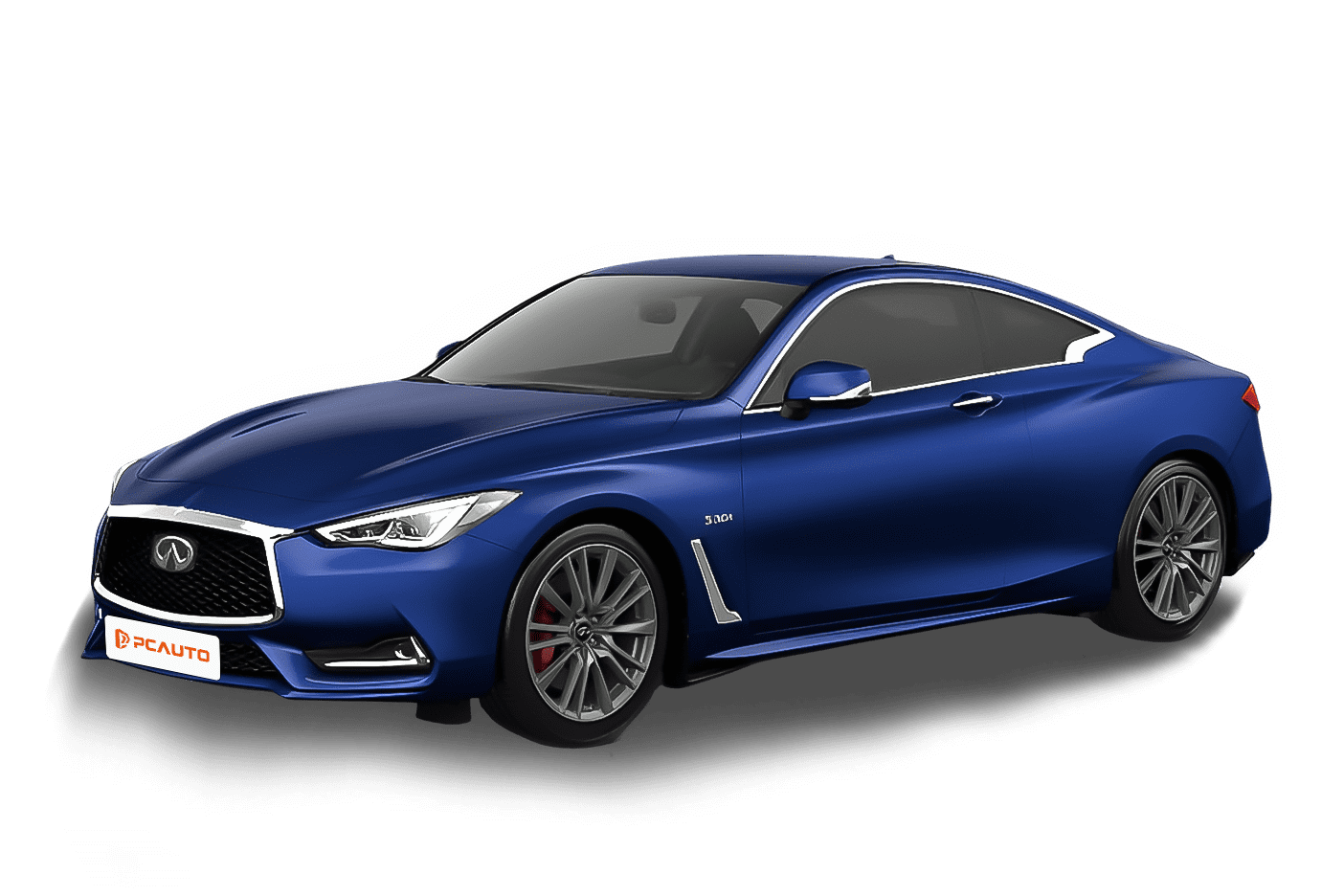
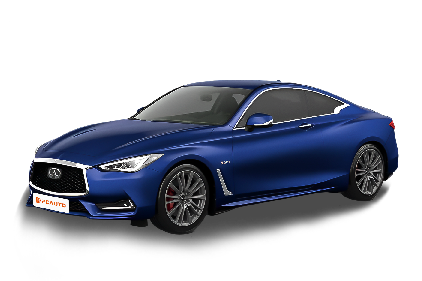
2017 Infiniti Q60 2.0t is a luxury coupe that balances sporty design and daily practicality, featuring a family-style exterior, BOSE audio system, and balanced power as its core selling points.
1
Rank in Coupe
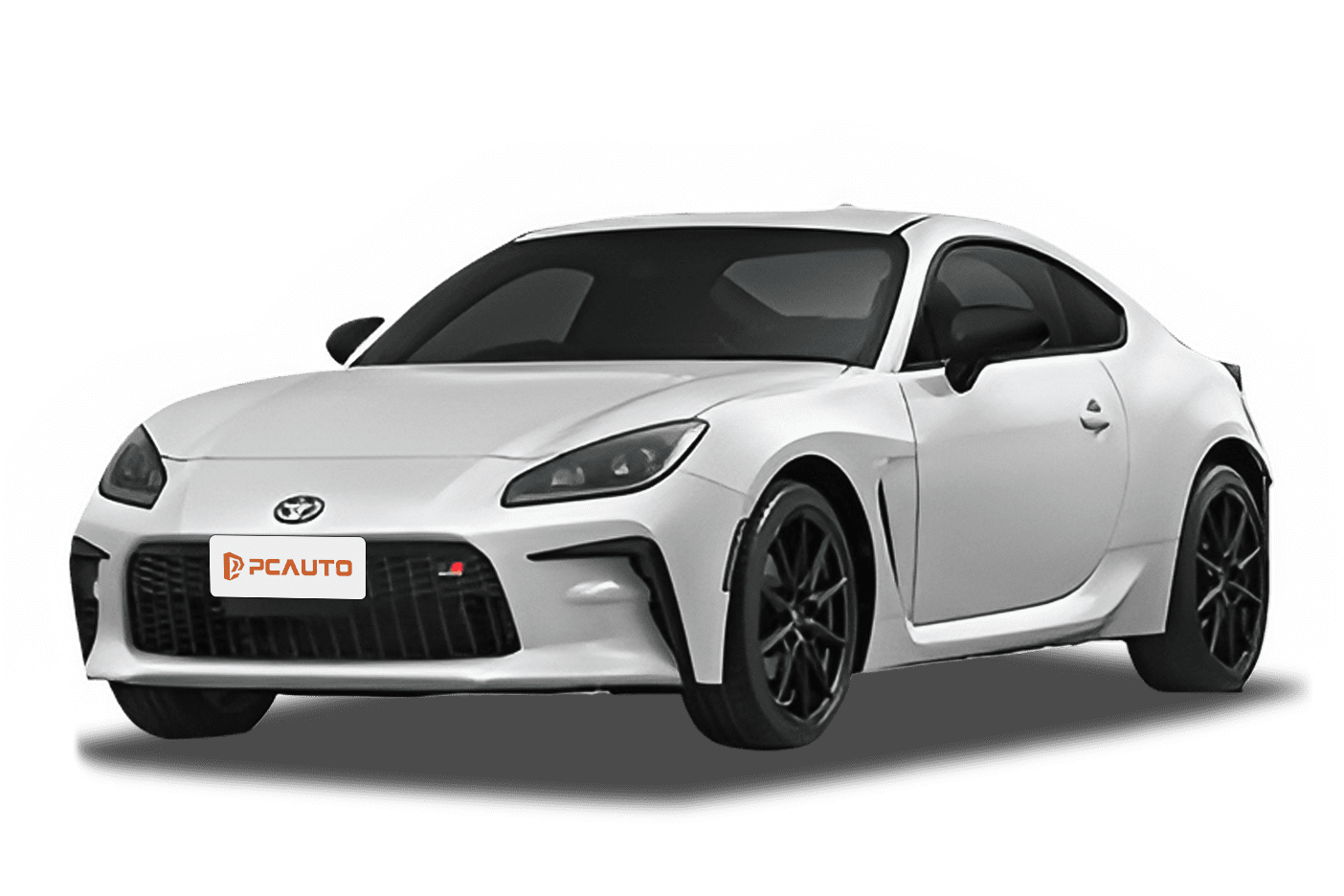
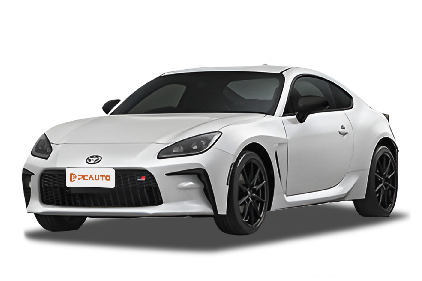
2023 Toyota GR 86 2.4 AT is a rear-wheel-drive sports coupe upgraded with a 2.4L naturally aspirated engine to address low torque issues, balancing daily commuting with pure driving pleasure.
10
Rank in Coupe
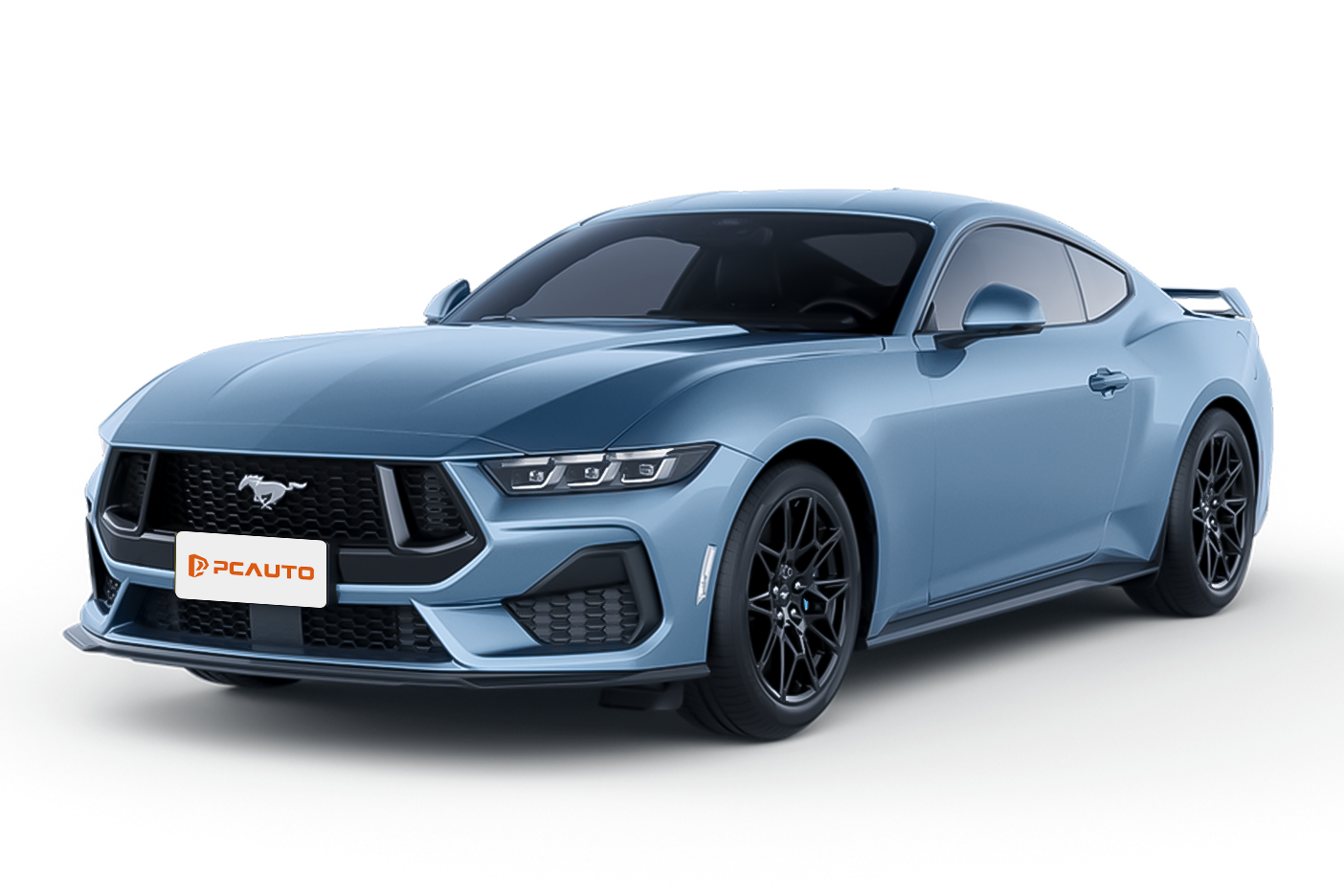
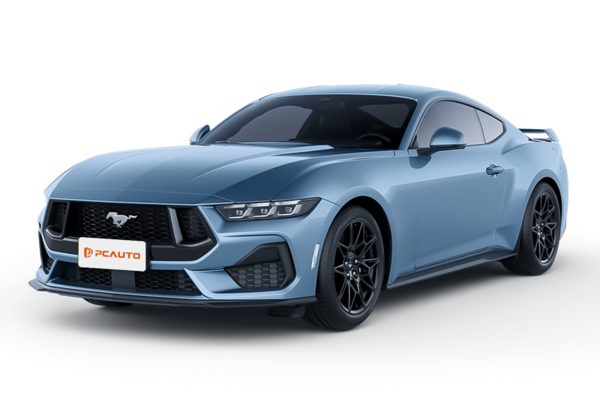
2018 Ford Mustang 2.3 EcoBoost retains the classic muscle car appearance with high cost performance, the 2.3T engine delivers 310PS horsepower, balancing performance and practicality for daily driving.
6
Rank in Coupe
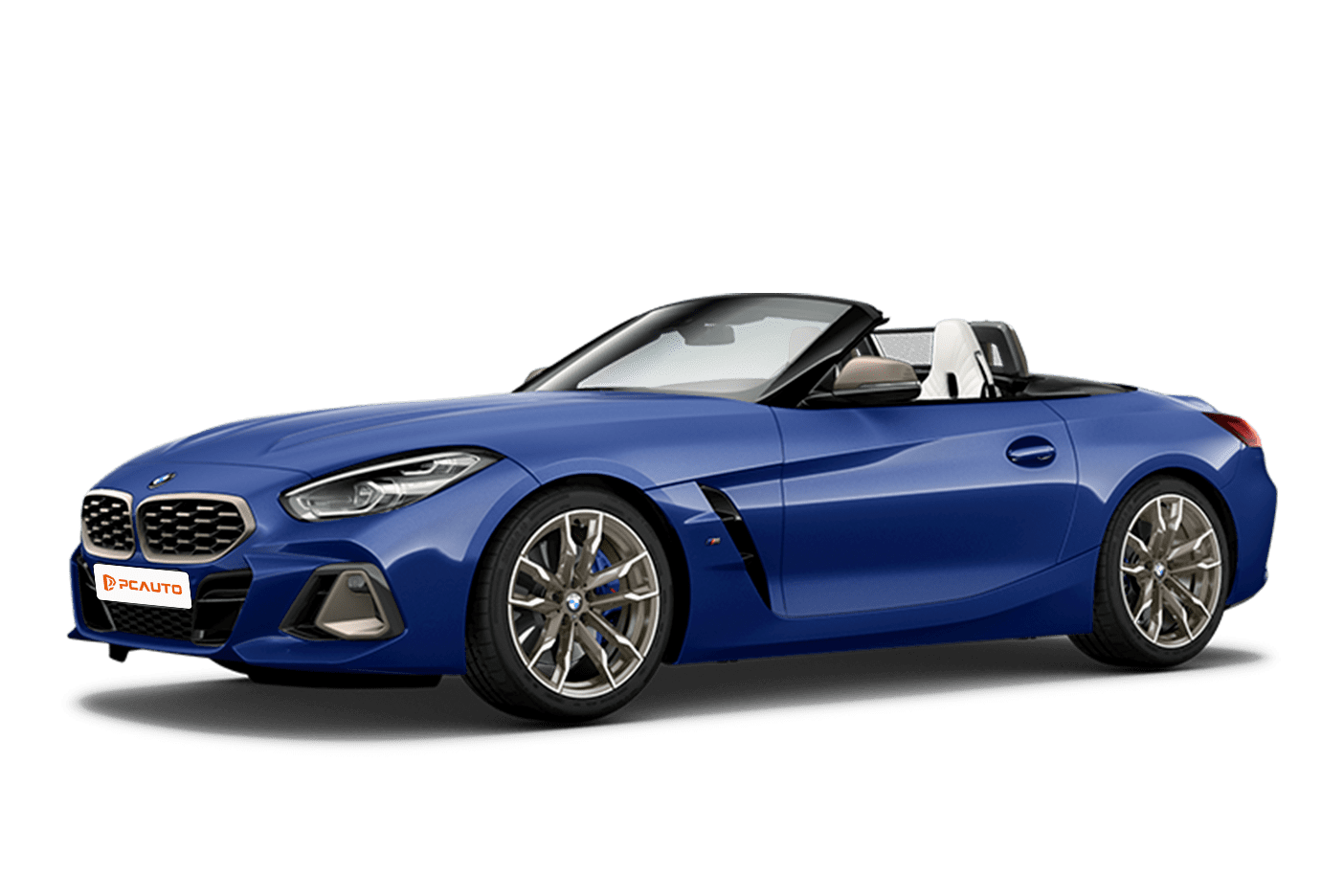
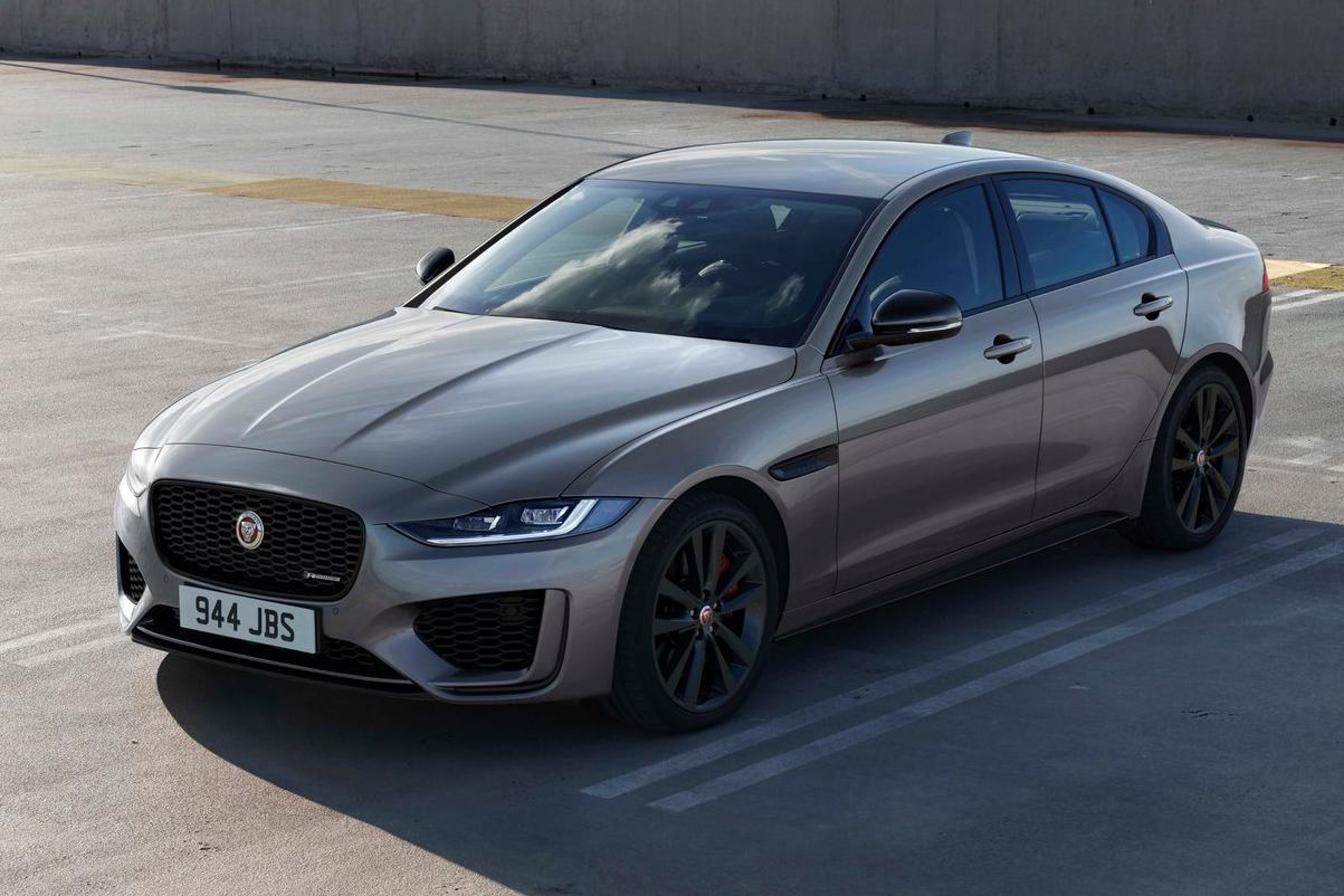
2023 BMW Z4 public, as a classic rear-wheel-drive convertible sports car, balances driving pleasure and daily practicality, with class-leading intelligent features and a compact body precisely meeting the needs of Malaysian users.