

Jaguar F-Type 2021 Review

 Share
Share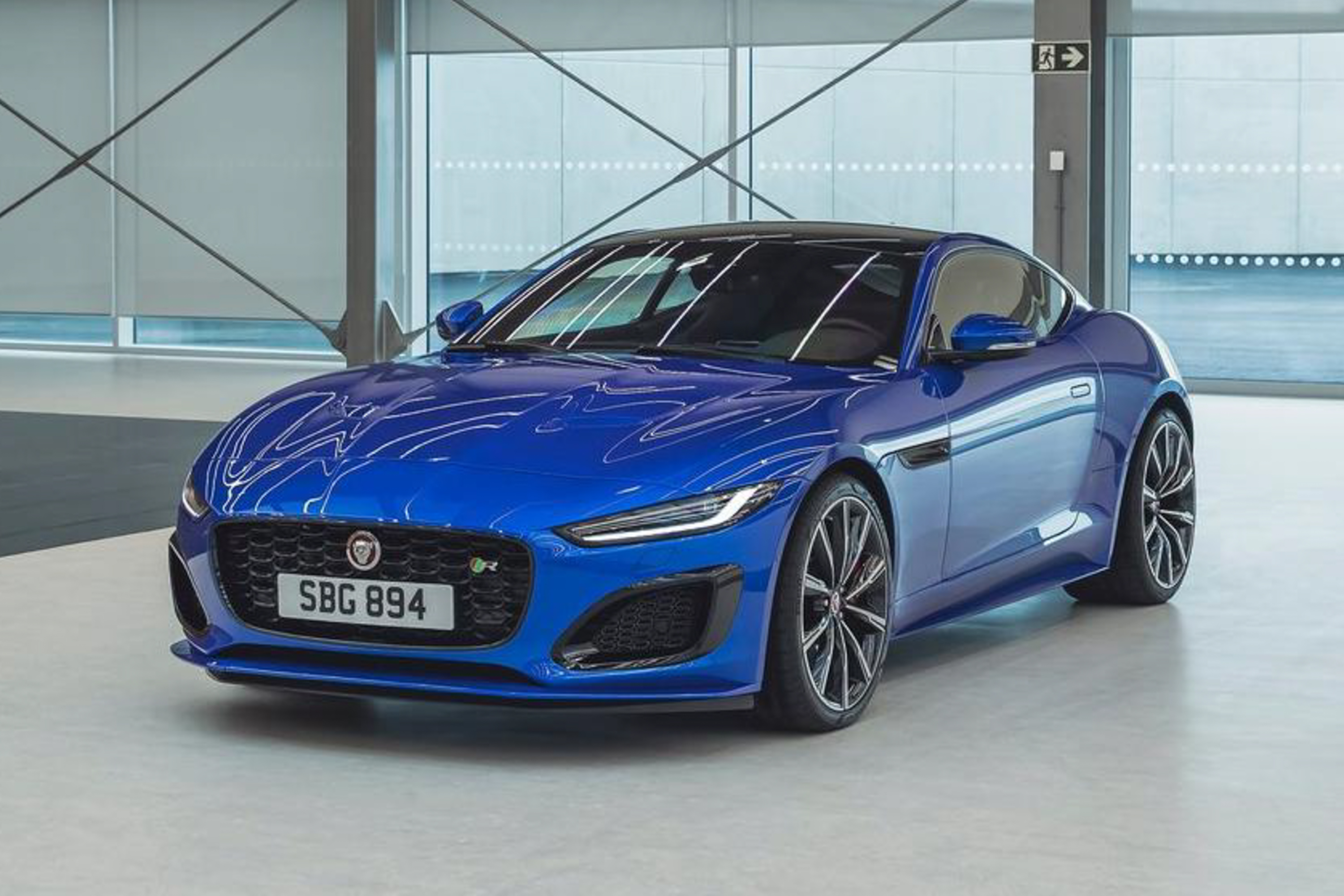
 Body Type
 Segment
 Capacity(L)
 Engine Power(PS)
 Engine Torque(Nm)
 Transmission
In Malaysia's increasingly segmented luxury sports car market, models in the 300,000 to 500,000 Ringgit range not only rely on brand aura to grab attention but also need to focus on making significant distinctions in design identity and driving experience. The 2021 Jaguar F-Type is a typical contender in this segment. As Jaguar's iconic two-door sports car, it returns with British design DNA and tuning upgrades. Many consumers are curious whether it can hold its ground among competitors like the Porsche 718 Cayman. The core purpose of our test drive this time is to evaluate whether its dynamic performance aligns with its positioning as a "driver's car" and to check whether there are any shortcomings in everyday usability.
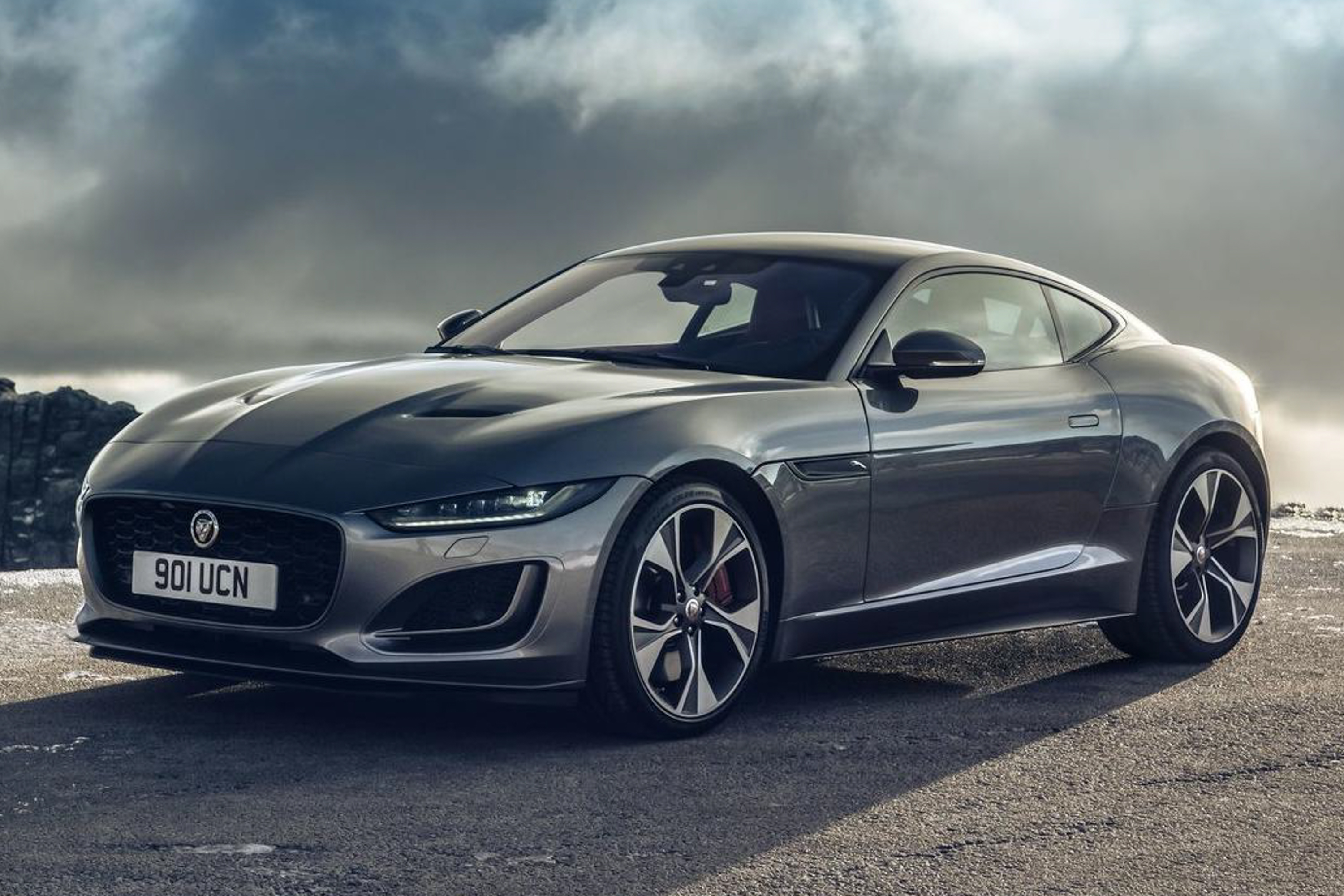
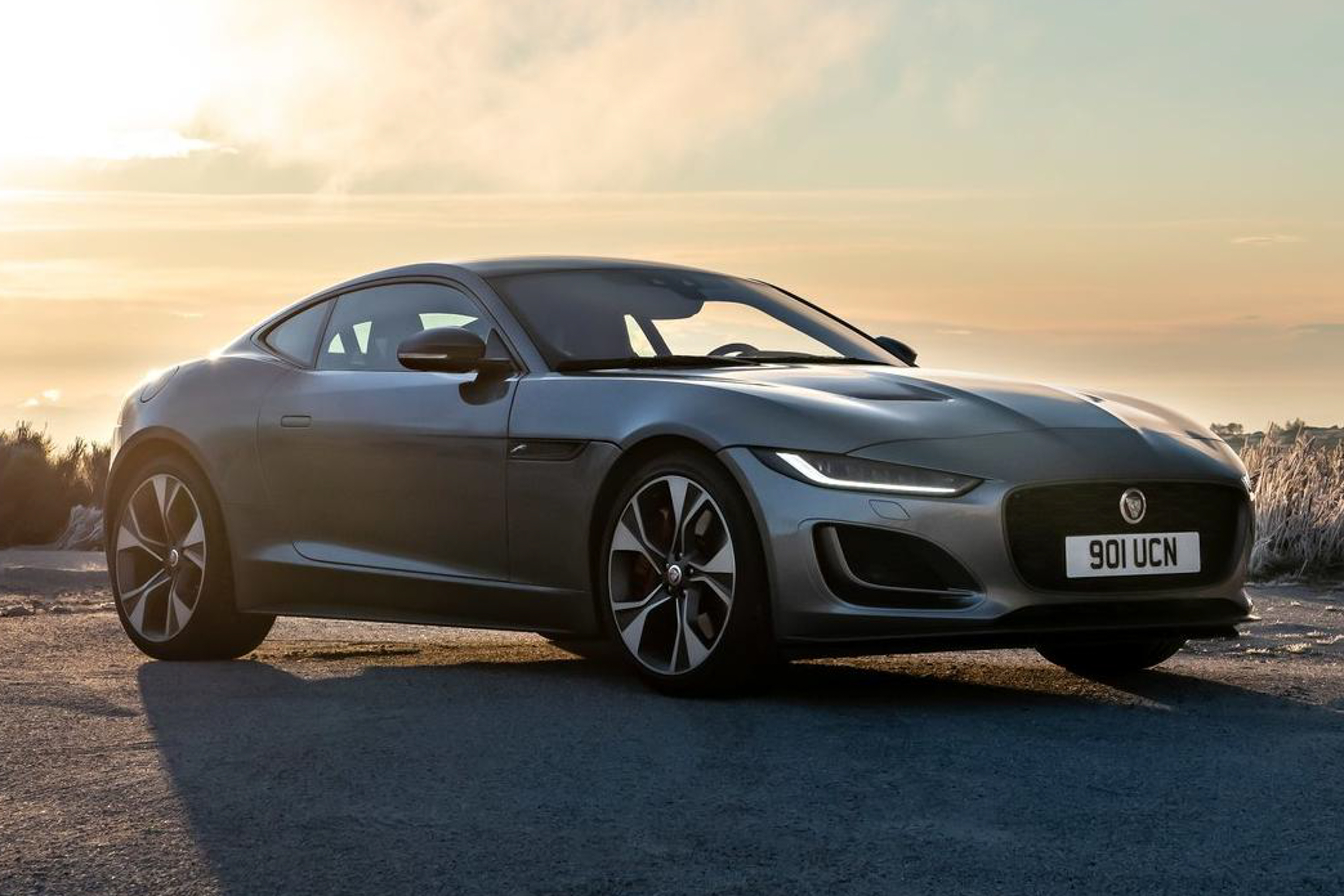
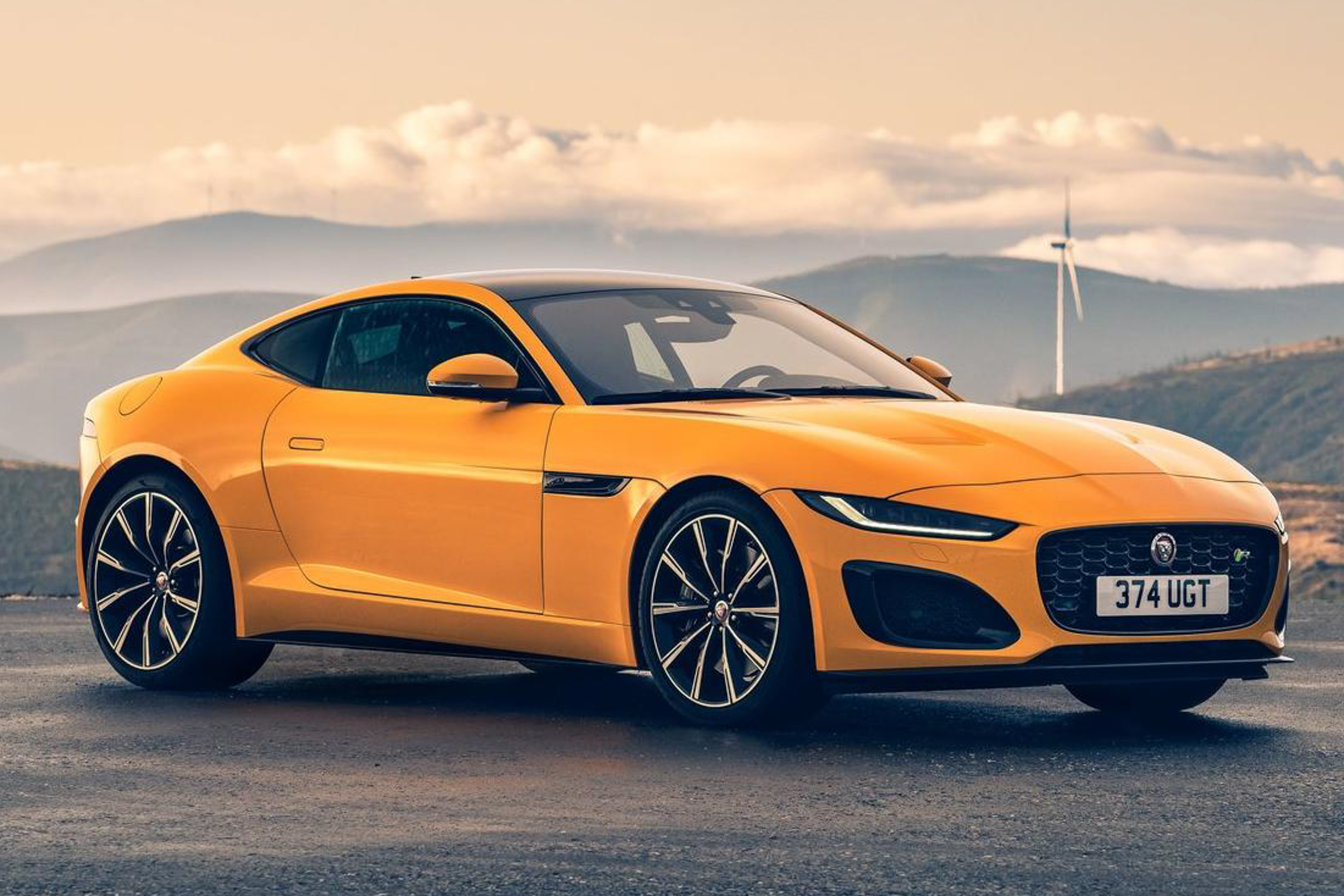
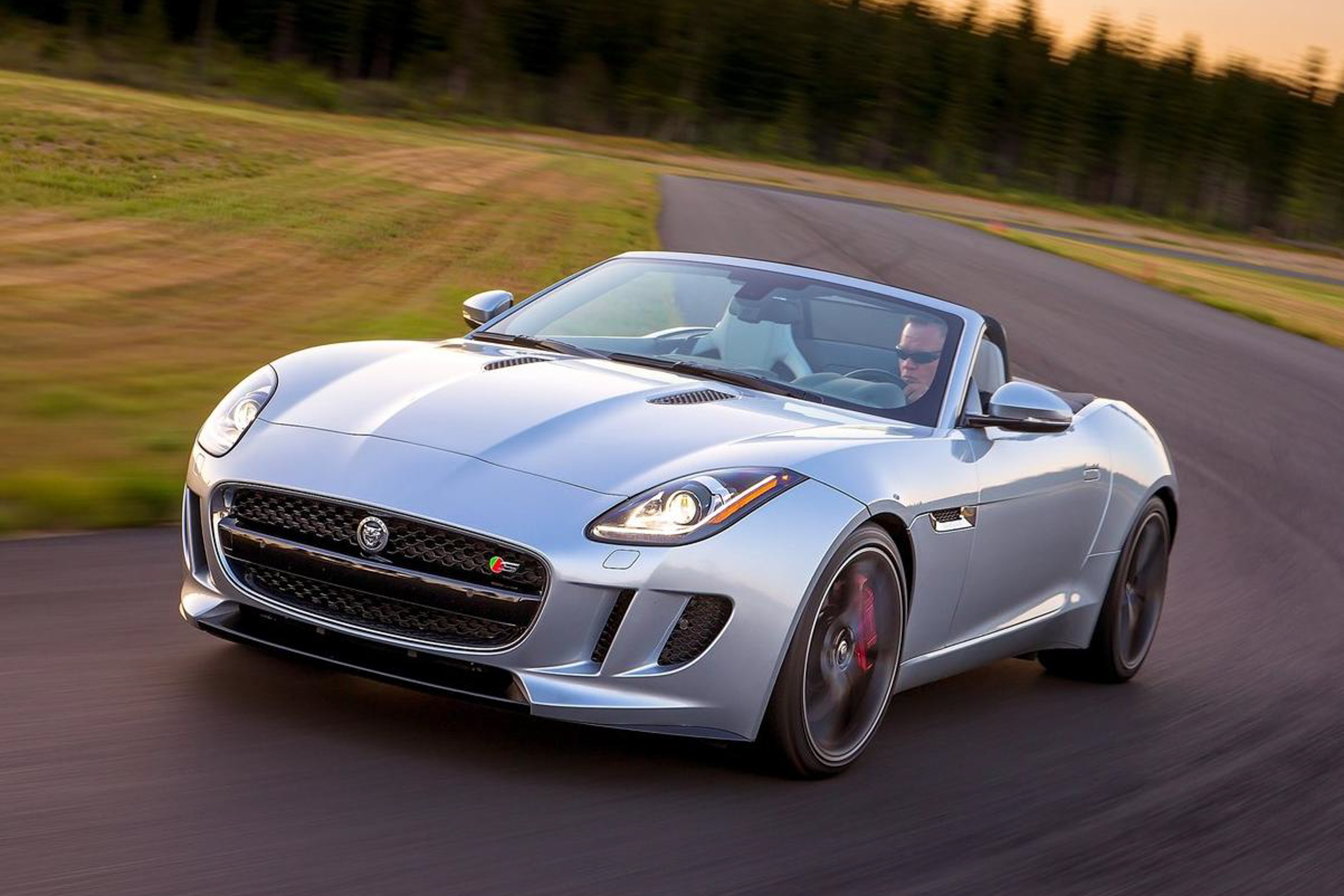
Approaching the 2021 F-Type, the most immediate impression is that it retains the family-style streamlined body, with an overall design that leans more towards elegance rather than aggression. The front features a large honeycomb grille flanked by sharp LED headlights, with J-shaped daytime running lights inside the lamp assemblies offering high recognition when illuminated, making it stand out even in traffic. The waistline on the car's side extends from the front fender to the rear, complemented by 19-inch multi-spoke alloy wheels to create a low and sporty stance. The rear design is relatively simple, with dual round exhausts on either side that echo the slightly upturned spoiler. The taillights also use LED technology, giving a visually sophisticated effect when illuminated at night. Notably, this test drive model features metallic blue paint, which can display varying shades under sunlight, further enhancing its visual impact.
Stepping inside, the luxury of the interior is quite apparent. The dashboard is wrapped in soft materials, with leather or Alcantara fabric in most touchable areas, and the stitching is very well-crafted. The 10-inch central touchscreen serves as the core of the interior, equipped with the InControl smart system supporting Apple CarPlay and Android Auto connection. The system operates quite smoothly, although the screen's glare is slightly noticeable under strong light. The instrument cluster uses a 12.3-inch full LCD display that can switch between various modes, including a classic dual-dial design or a navigation-focused full-screen mode, ensuring clear readability of information. The seats are designed as sporty bucket seats with good enclosure, providing excellent support for the waist and legs. They also feature electric adjustment and memory functions, making long drives comfortable. In terms of storage, the front row includes two cup holders and a central armrest compartment, while the trunk offers 310 liters of space, enough to fit two carry-on suitcases, making it sufficient for short trips.
The test-driven version is equipped with a 2.0T turbocharged engine, delivering a maximum power of 221kW (300PS) and a maximum torque of 400N·m, paired with an 8-speed automatic transmission. From the data, its power parameters rank among the upper-middle level for 2.0T models in the segment. The throttle response at startup is quite responsive, and even a light press can deliver a noticeable surge of power. The officially stated 0-100km/h acceleration time is 5.7 seconds, and in actual testing, it was approximately 6 seconds, which is more than adequate for everyday driving. Its mid-range acceleration performs even better, with the 80-120km/h overtaking process feeling very effortless. The transmission's shifting logic is also intelligent, downshifting promptly based on throttle depth. In sport mode, the engine RPM is maintained in a higher range, and the exhaust note becomes richer, enhancing the driving excitement. However, at low speeds, the transmission occasionally exhibits slight shifts, a common issue with AT gearboxes.
In terms of handling, the performance of the F-Type aligns well with its sports car positioning. The steering wheel offers high precision with minimal play, and you can clearly feel the road feedback when cornering. The suspension system uses a front double-wishbone and rear multi-link setup, tuned towards sportiness, providing excellent support and good body roll control when cornering. However, this also means that its shock absorption on bumpy roads is average, with small vibrations from the road being noticeably transmitted into the cabin. As for noise control, wind and tire noise at high speeds are within an acceptable range. During normal driving, engine noise is not significant, but when the accelerator is pressed hard, noticeable engine growl enters the cabin, which is actually a perk for a sports car.
In terms of fuel consumption, our test drive mainly included city roads and highways, with an average fuel consumption of about 9.5L/100km. For a 2.0T sports car, this result is fairly standard. During braking performance tests, the braking distance from 100-0km/h was approximately 36 meters, which is quite impressive. The brake pedal provides a very linear feel, and the braking force is released evenly.
Overall, the core strengths of the 2021 Jaguar F-Type lie in its design and handling. It has a high degree of exterior recognition, a luxurious interior feel, and its driving dynamics meet the expectations of a sports car. Especially for the 2.0T version, it balances power with relatively manageable fuel consumption. Compared to its competitors, its cost-performance ratio is quite good. With a similar budget, a Porsche 718 Cayman would only get you a low-spec 2.0T version, which has fewer features compared to the F-Type. However, its drawbacks are also evident, such as an almost unusable rear seat, limited storage space, and a suspension tuned on the stiffer side, which impacts comfort.
This car is particularly suited for a well-defined group of people: firstly, consumers who appreciate the British design style; secondly, those who value driving experience but still need a certain level of practicality as young users; and finally, car enthusiasts with a budget of around 400,000 CNY who want a sports car that can balance daily commuting with occasional spirited drives. For users pursuing extreme performance, they might lean towards the 3.0T or 5.0T versions, but the 2.0T version stands out in terms of cost-performance and everyday usability.
In summary, the 2021 Jaguar F-Type is a well-balanced sports car. It combines the sporty DNA of a sports car with the luxurious configuration of premium vehicles, making it convenient for daily use as well. For sports car buyers who do not want to compromise on practicality, it is a worthy choice to consider.
Jaguar F-Type Car Compare

Cars With Similar Price And Features
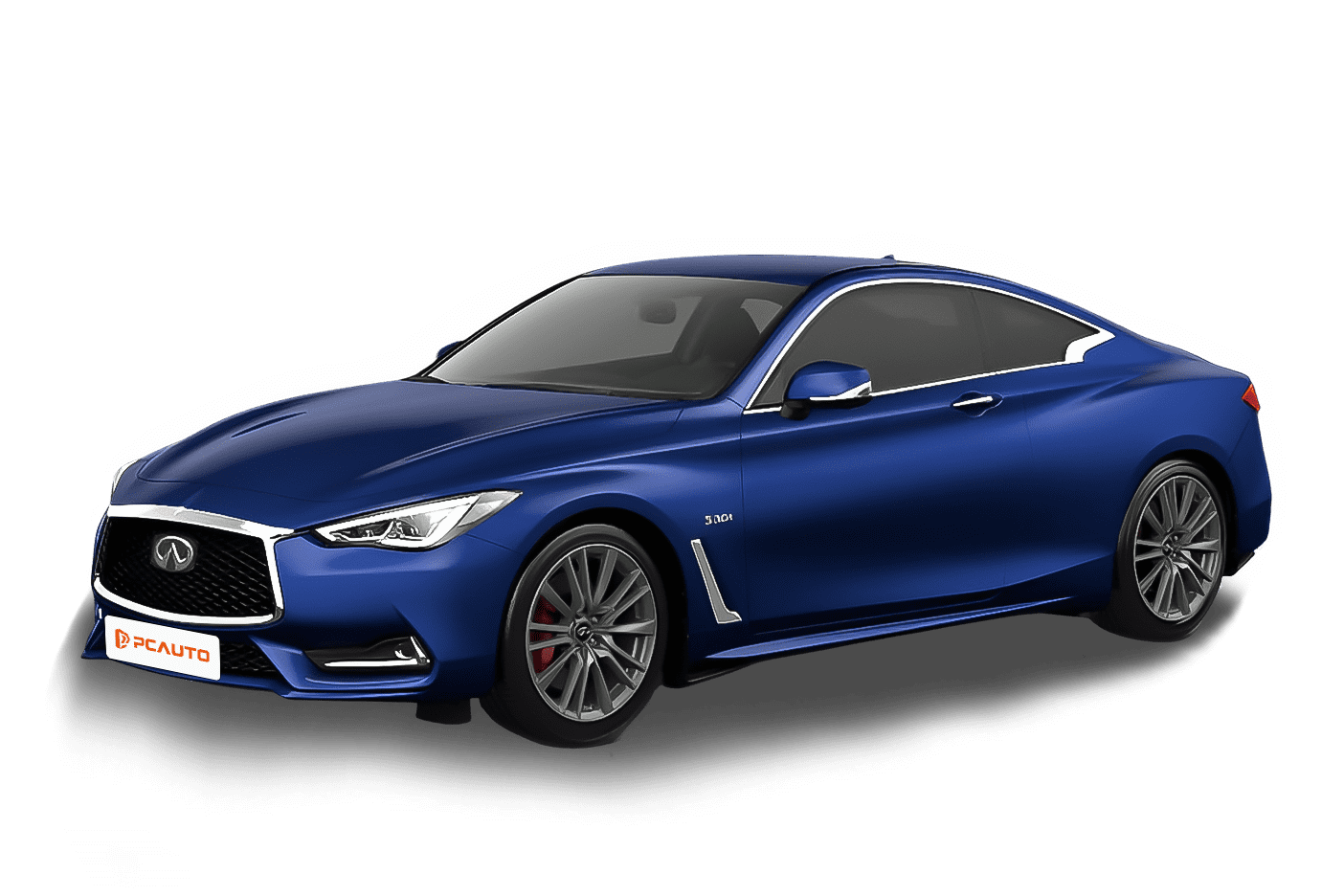
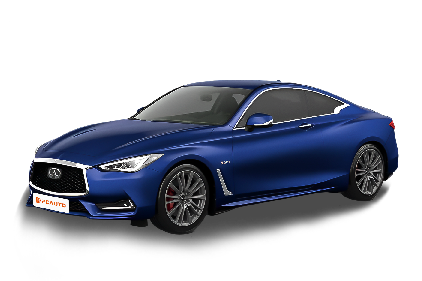
2017 Infiniti Q60 2.0t is a luxury coupe that balances sporty design and daily practicality, featuring a family-style exterior, BOSE audio system, and balanced power as its core selling points.
1
Rank in Coupe
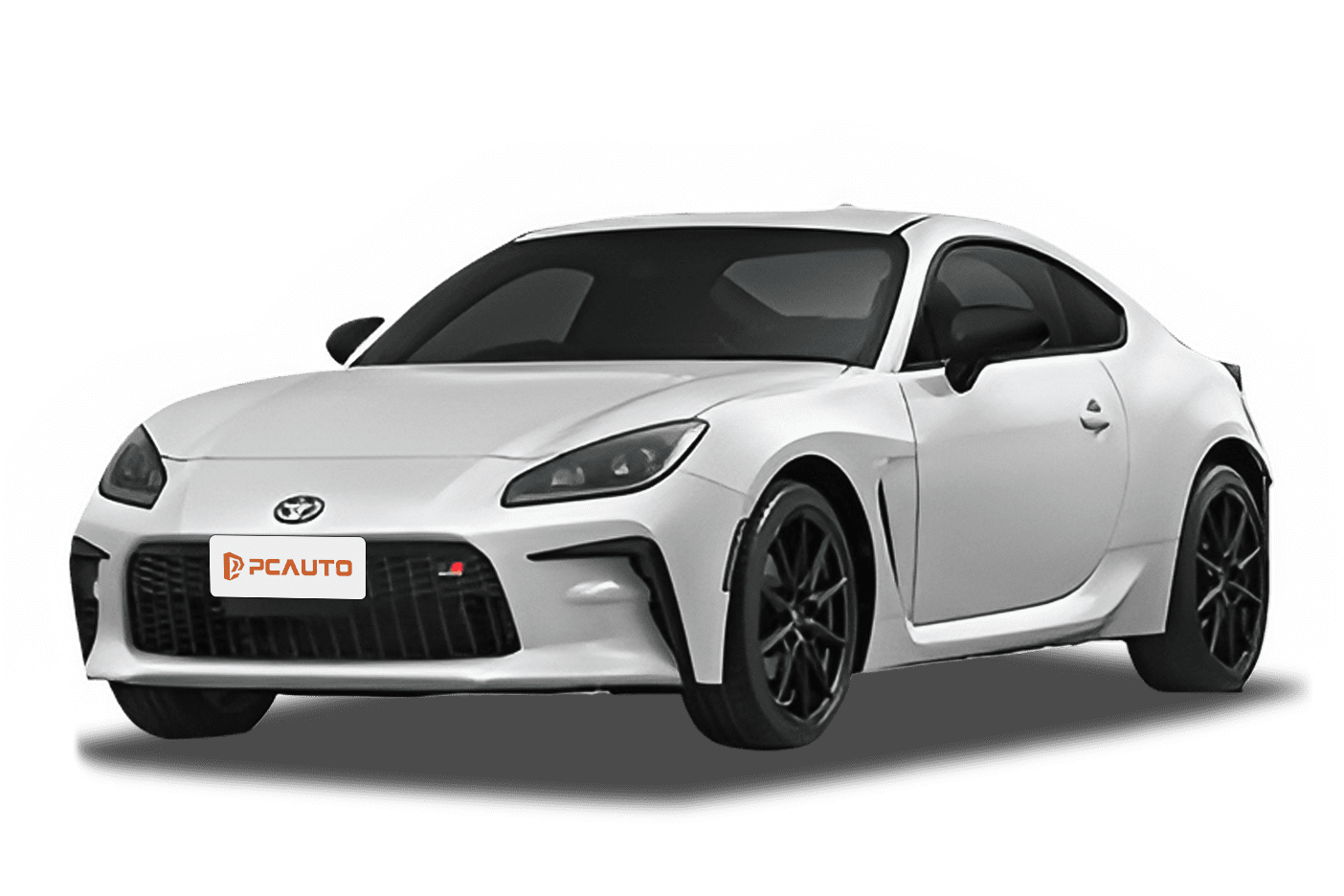
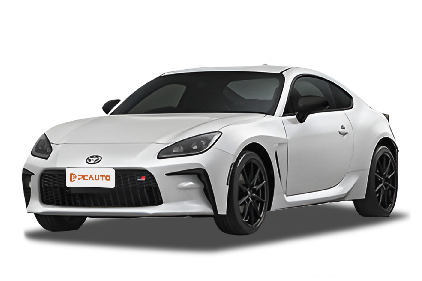
2023 Toyota GR 86 2.4 AT is a rear-wheel-drive sports coupe upgraded with a 2.4L naturally aspirated engine to address low torque issues, balancing daily commuting with pure driving pleasure.
10
Rank in Coupe
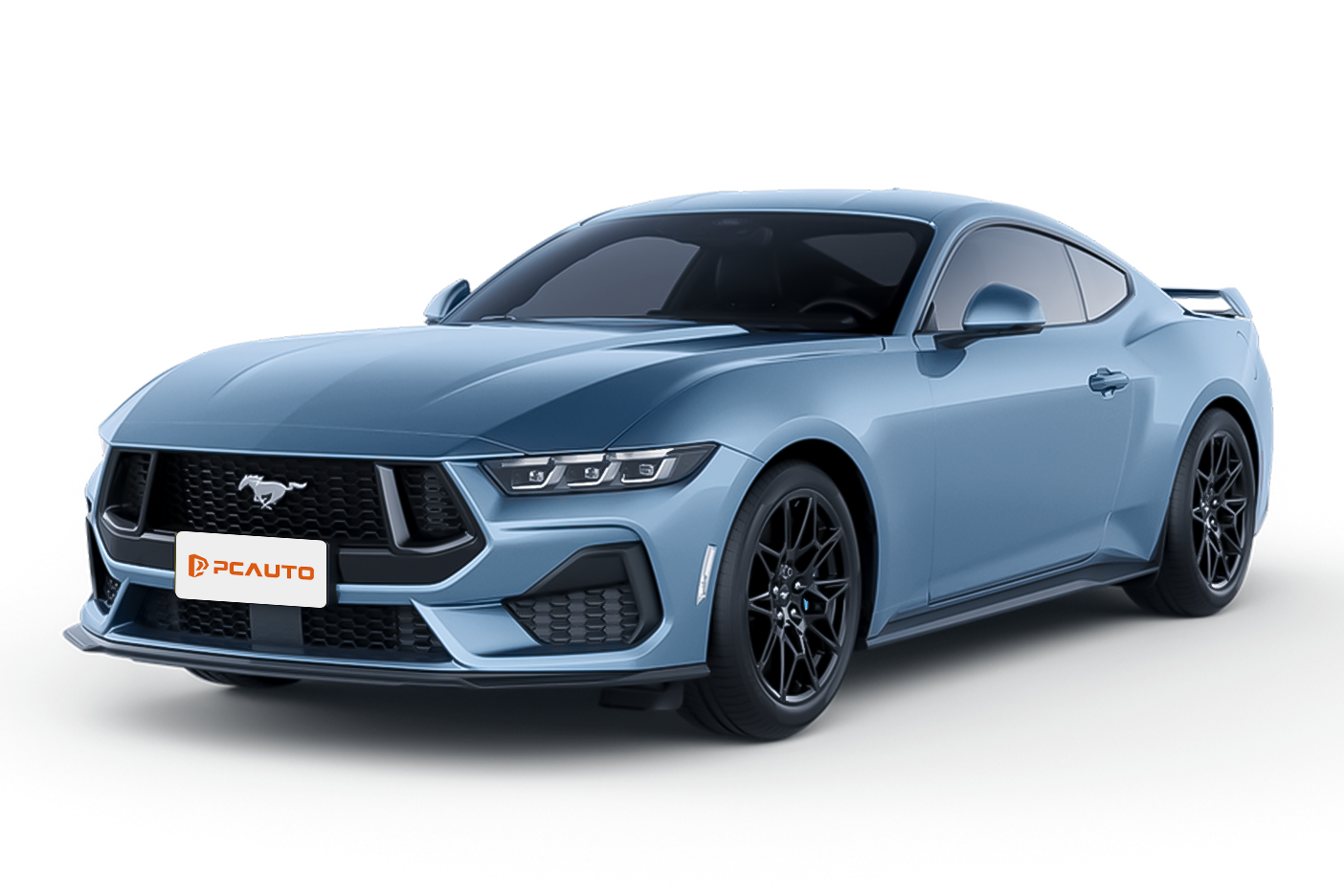
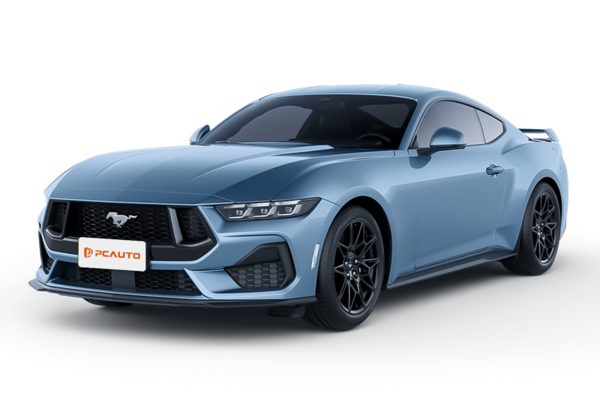
2018 Ford Mustang 2.3 EcoBoost retains the classic muscle car appearance with high cost performance, the 2.3T engine delivers 310PS horsepower, balancing performance and practicality for daily driving.
6
Rank in Coupe
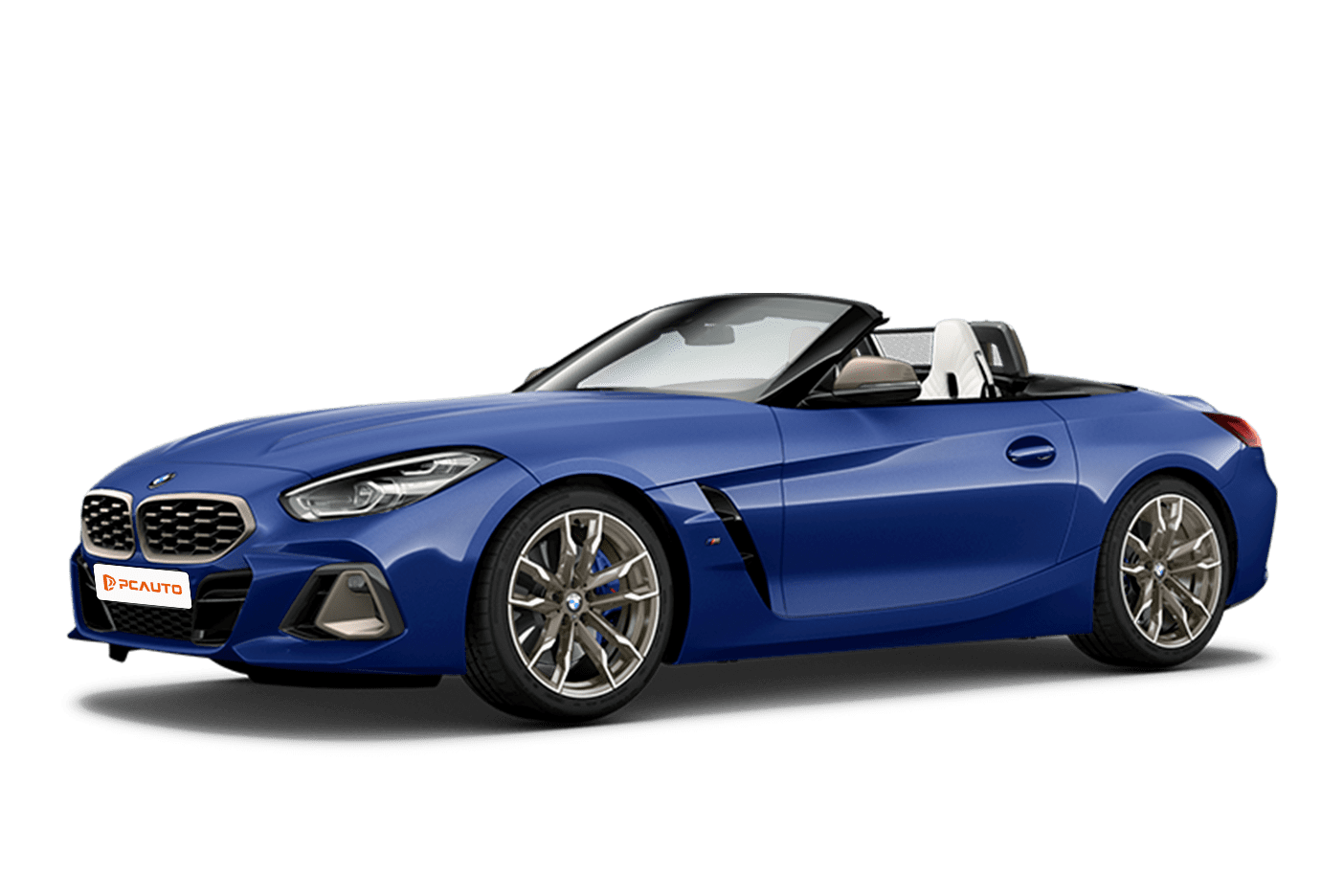
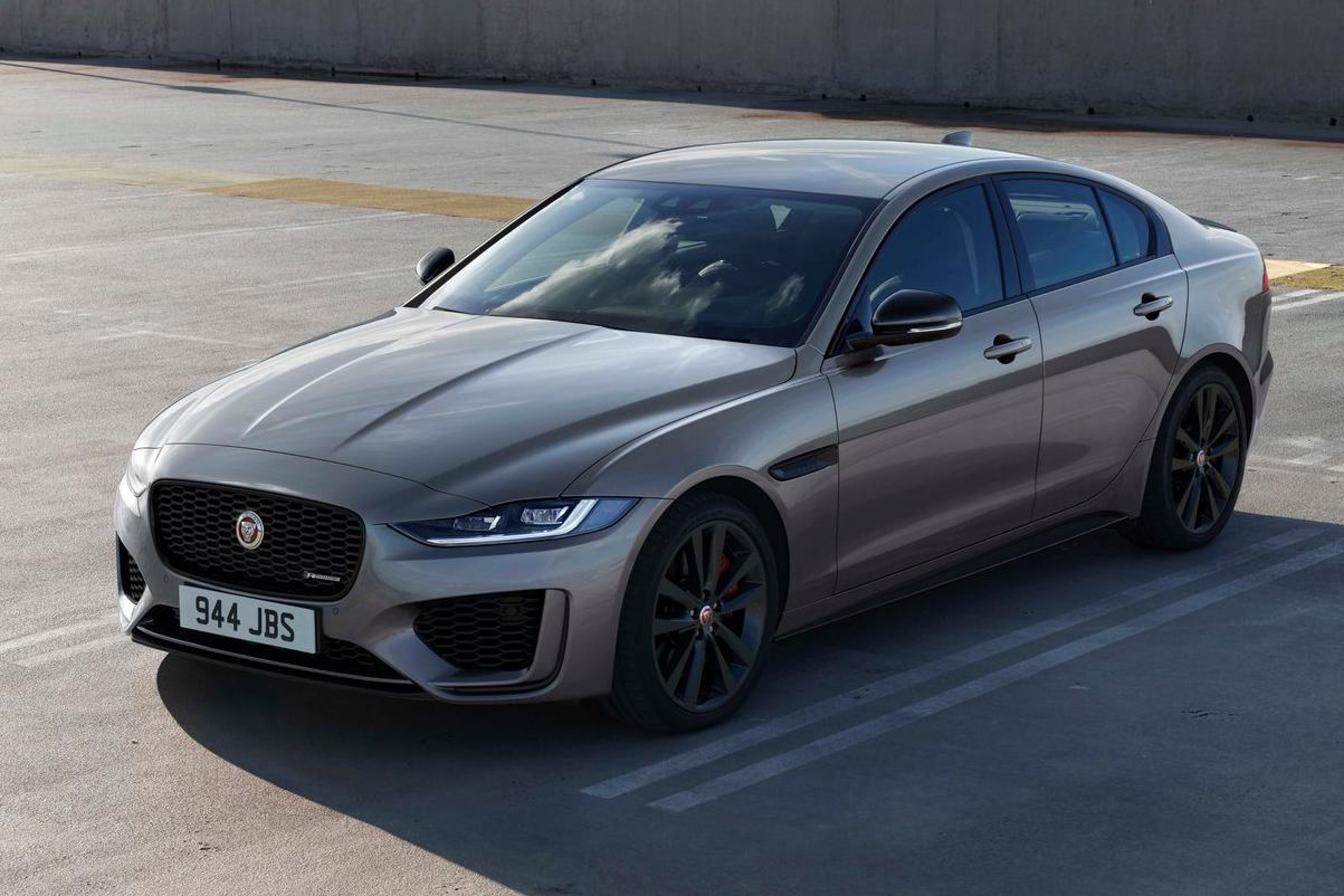
2023 BMW Z4 public, as a classic rear-wheel-drive convertible sports car, balances driving pleasure and daily practicality, with class-leading intelligent features and a compact body precisely meeting the needs of Malaysian users.