

Jaguar F-Type Review

 Share
Share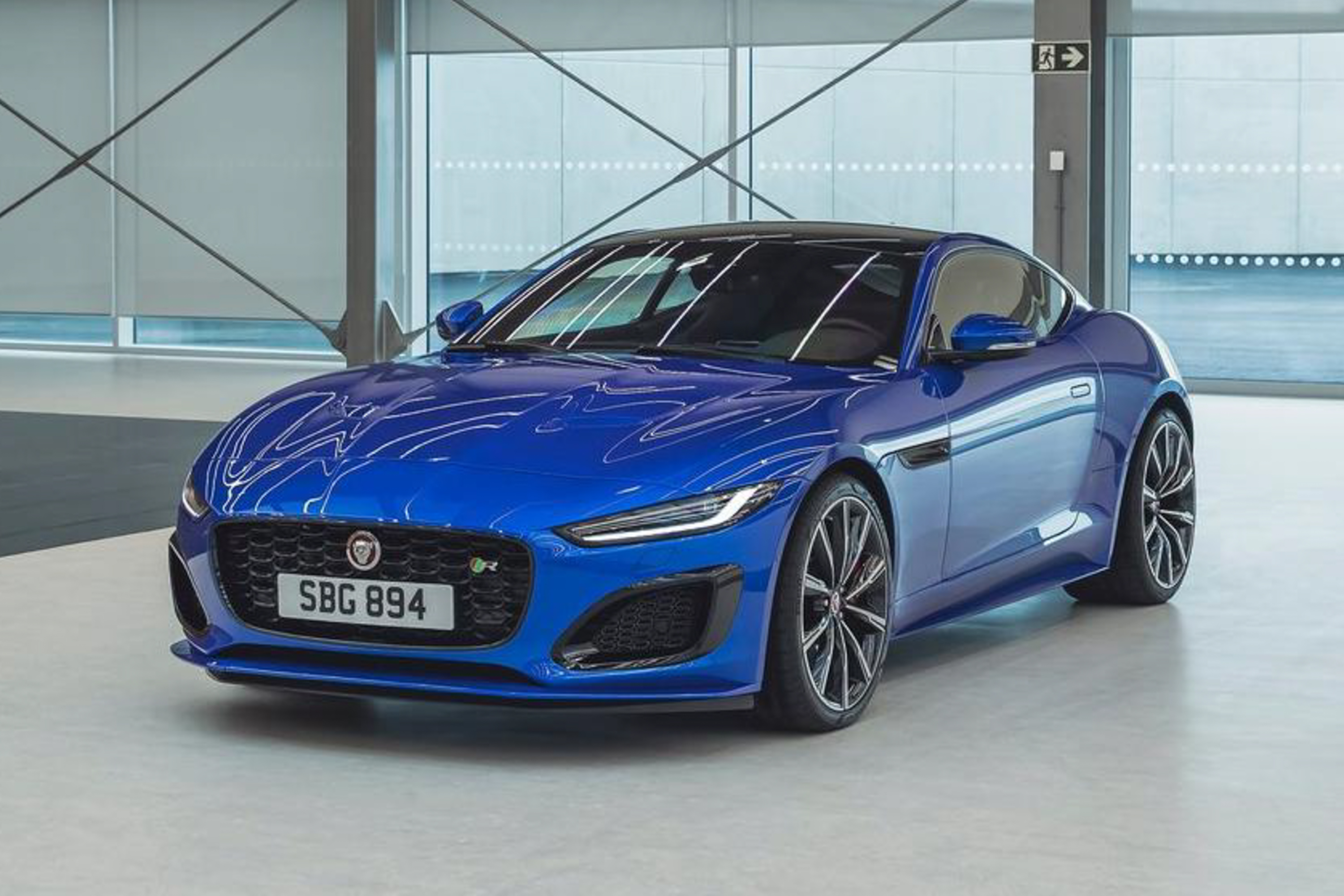
 Segment
 Body Type
 Capacity(L)
 Engine Power(PS)
 Driven Wheels
 Engine Torque(Nm)
In Malaysia's coupe sports car market, the price range of RM 300,000 to RM 600,000 has always been a competitive segment between luxury brands and performance cars. The Jaguar F-Type, as a classic contender in this segment, has gained considerable attention with its British design and balanced performance. This time, we tested the 2020 F-Type Coupe (hereinafter referred to as the F-Type), which is equipped with a 2.0T turbocharged engine, with an official 0-100km/h acceleration of 3.7 seconds. The configuration maintains the brand's consistent luxury feel—this test drive aims to evaluate whether this 'small-displacement' sports car can balance daily practicality with driving pleasure.
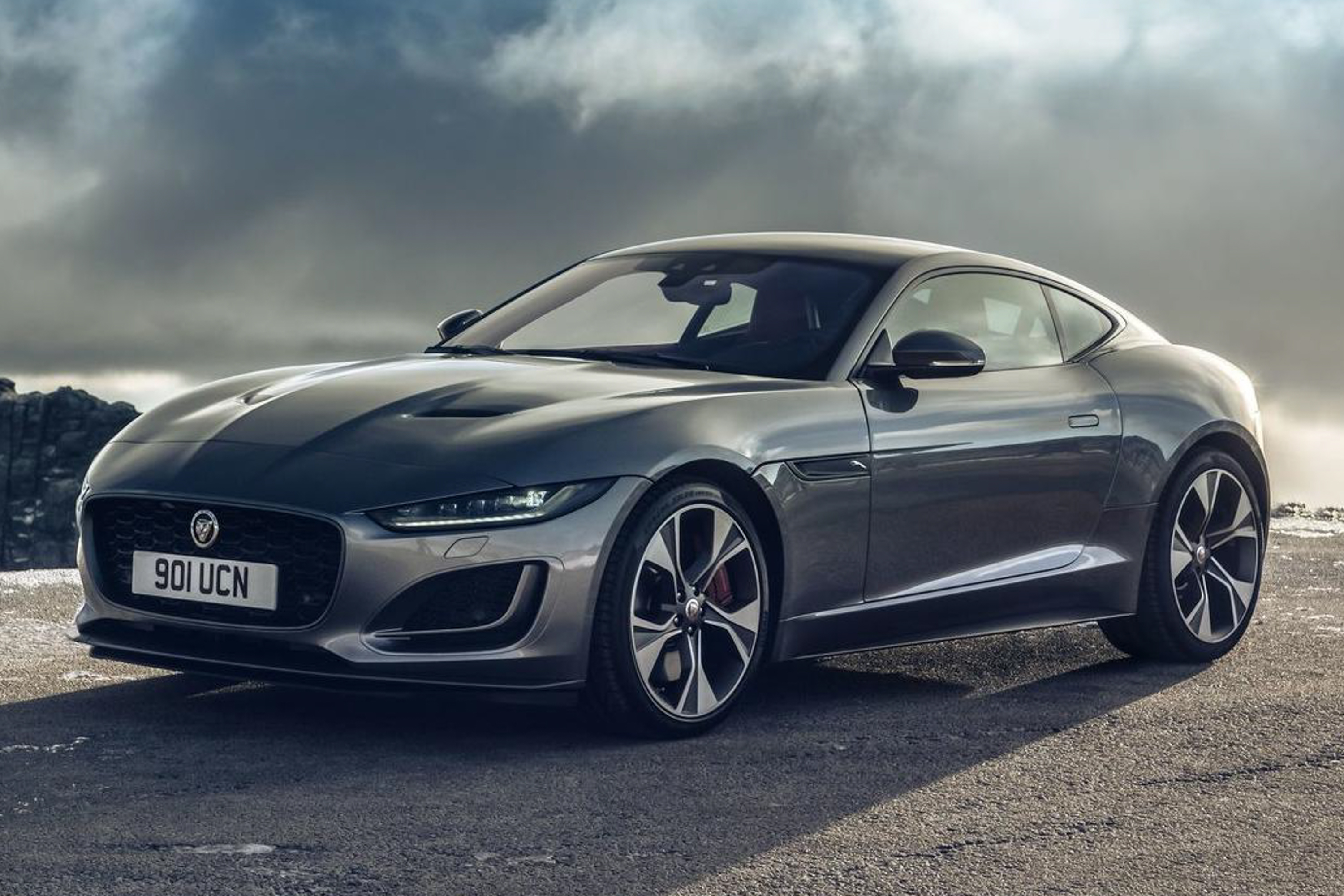
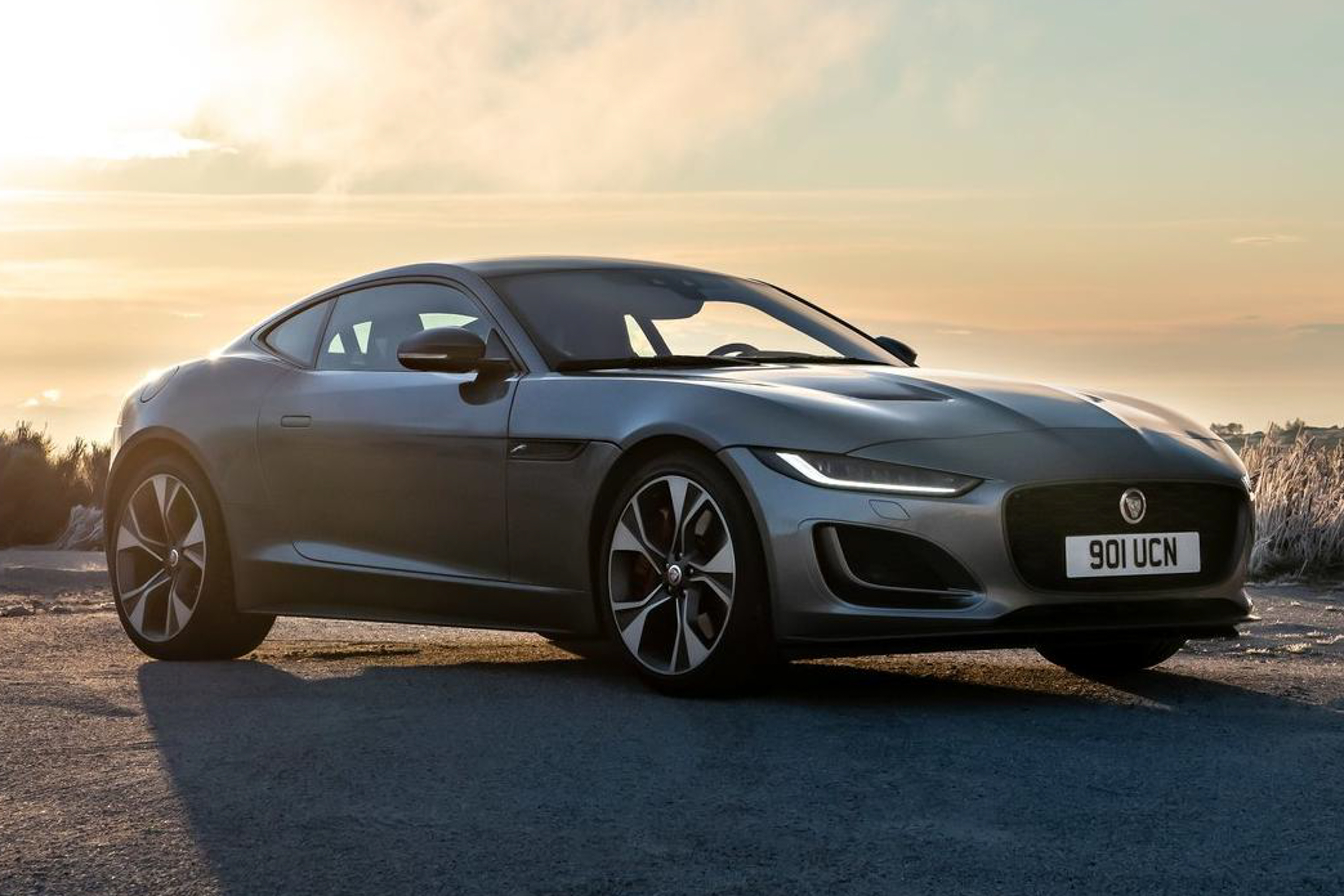
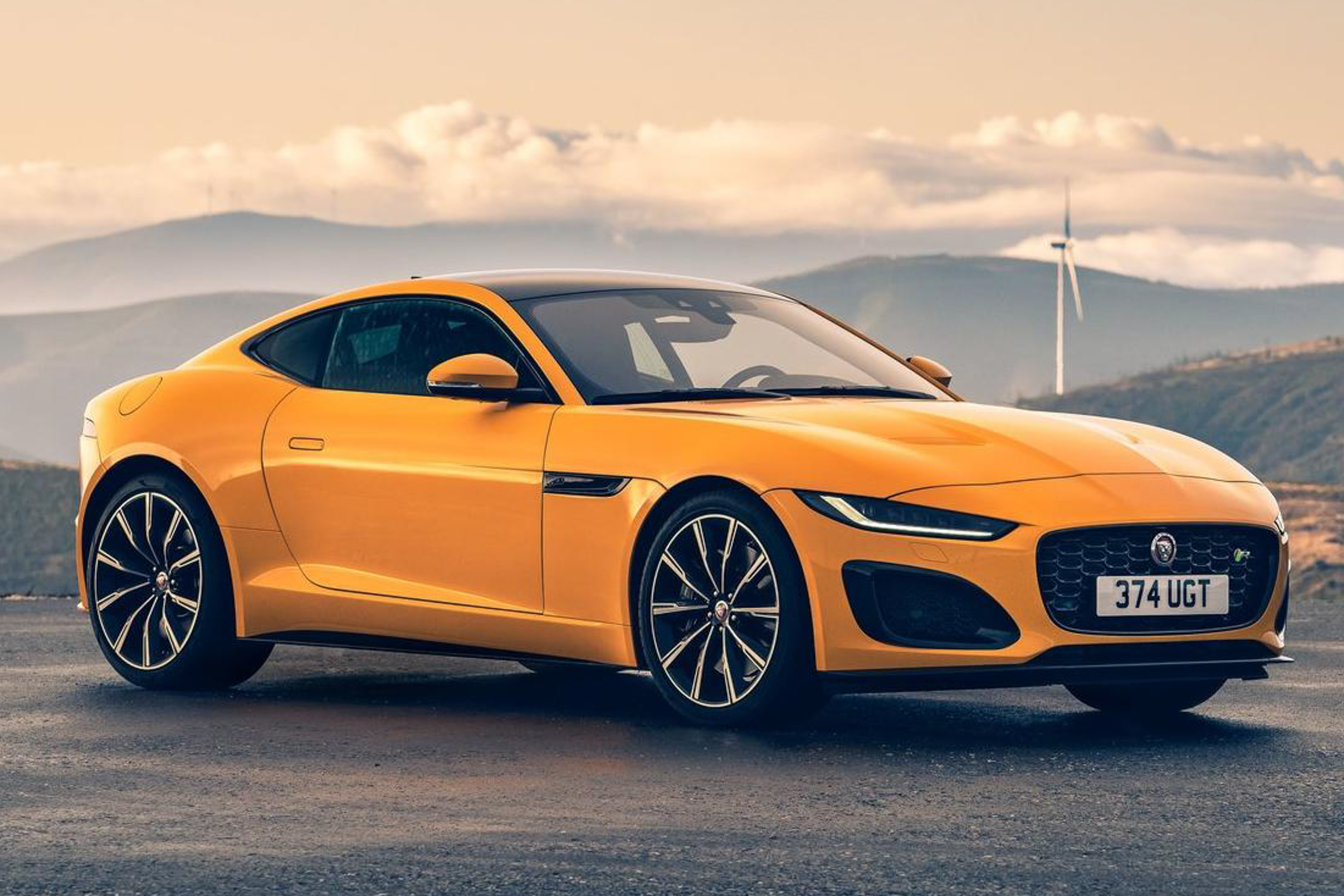
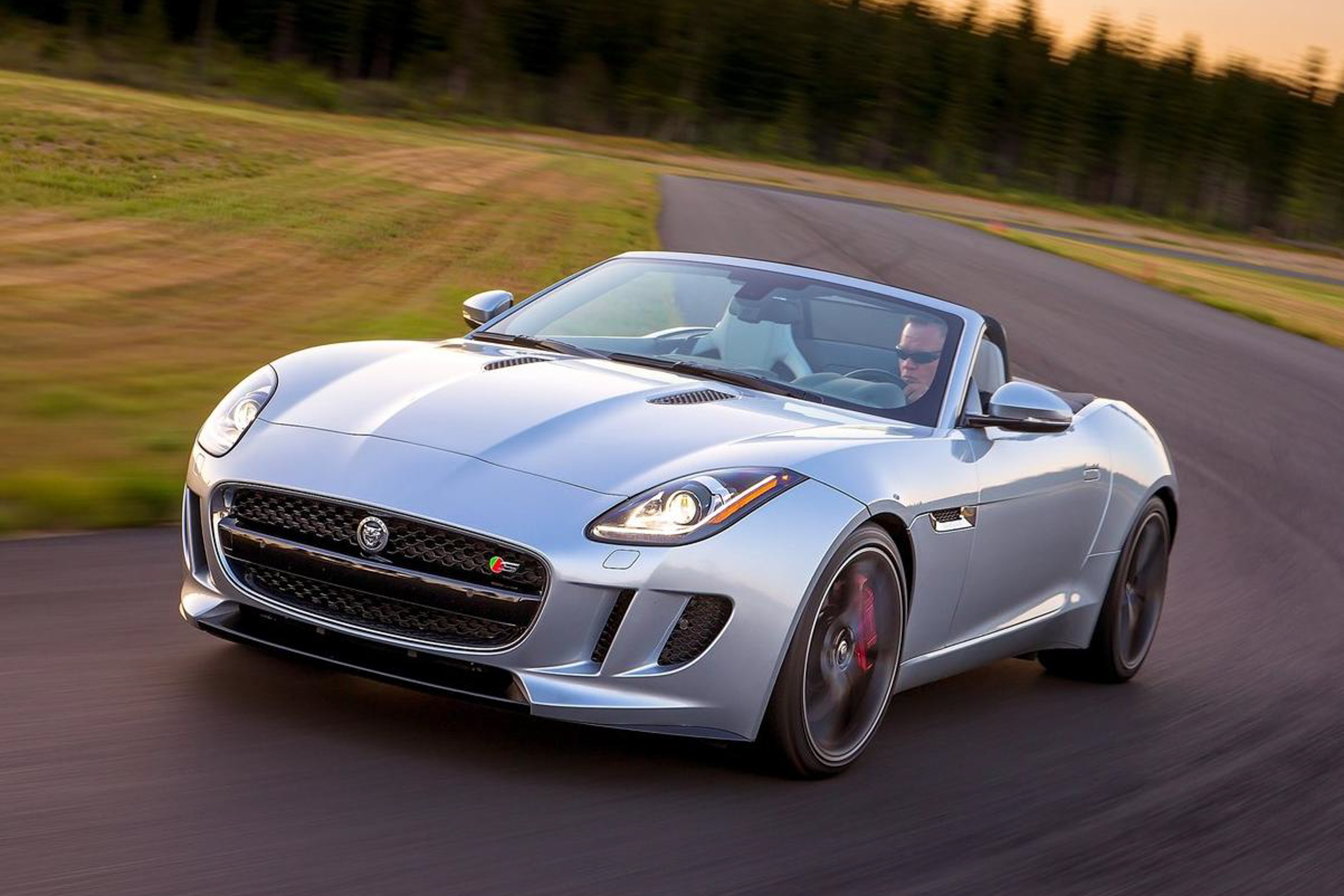
The exterior design of the F-Type continues the brand's signature streamlined body, with a sporty yet elegant overall style. At the front, the large trapezoidal air intake grille is paired with mesh trim in a smoked black finish, while the sharp-shaped LED headlights are connected to the grille edges with chrome trim, enhancing the visual width. The side profile features smooth lines, with a waistline running across the front and rear wheel arches from the hood to the rear. Coupled with 19-inch multi-spoke alloy wheels (optional configuration for the test model), it creates a low-lying sporty stance. The rear design is simple, with a dual round exhaust layout on each side, directly emphasizing its performance nature. The horizontally arranged LED taillights offer high recognizability when illuminated. As for details, the raised lines on the hood and the air intakes at the lower part of the doors not only optimize aerodynamics but also enhance the muscular look of the sports car.
Sitting inside the car, the F-Type's interior primarily features black as the main color, complemented by silver trims and leather materials, delivering a texture that aligns with the positioning of a luxury sports car. The central console has a simple layout, with a 10-inch touch screen at the center. The interface is intuitive, supporting Bluetooth connectivity and Apple CarPlay, and operates smoothly. The multifunction steering wheel is wrapped in genuine leather, with the left side integrated with audio volume adjustment and phone control buttons, while the right side houses the drive mode selection button. Behind it are large metal paddle shifters with a clear tactile feel. The seats are sport-style leather seats with good side bolstering and front-row electrically adjustable functions (including lumbar support adjustment). However, the adjustment buttons are somewhat hidden and might require initial familiarization. In terms of configuration, the standard 12-speaker audio system delivers good sound quality, the single-zone automatic air conditioning is straightforward to operate, and practical features such as front parking sensors, rear parking cameras, and electrically folding side mirrors are not missing.
As a two-door, two-seater sports car, the F-Type's seating space is entirely designed for the front seats. The car measures 4,482mm in length, 1,923mm in width, 1,311mm in height, with a wheelbase of 2,622mm. The front headroom is approximately 900mm (tested with a 175cm tall passenger), and there is ample legroom. Once the seating posture is adjusted properly, long-distance driving does not easily cause fatigue. Regarding storage capabilities, the front central armrest box has a small capacity, capable of holding just a phone and a wallet, while the door storage compartments can fit a 500ml water bottle. The trunk has a capacity of 408 liters, with a relatively wide opening, capable of accommodating two 20-inch carry-on suitcases or a set of golf bags, which should suffice for short trips or weekend getaways.
In terms of performance, the F-Type is equipped with a 2.0T four-cylinder turbocharged engine, delivering a maximum of 300PS and peak torque of 400Nm, paired with an 8-speed automatic transmission. It has a rear-wheel-drive system. During everyday driving, switching to Normal mode allows for linear power delivery, quick starts, and smooth gear shifts. When pressing hard on the accelerator, the turbo kicks in quickly, with noticeable thrust felt around 2000 rpm, offering sufficient power reserves for overtaking. Switching to Sport mode, the transmission's shift logic becomes more aggressive, with quicker downshift responses, and the exhaust note becomes deeper and more resonant. The official 0-100km/h acceleration is 3.7 seconds, while actual testing (with ESP turned off and using launch control) achieved around 3.9 seconds. Considering road and temperature factors, this result is close to the official data.
In terms of handling, the F-Type's steering wheel is precise with minimal dead zone. It feels stable at high speeds and not overly heavy when maneuvering at low speeds. The suspension system uses a front double wishbone and rear multi-link independent suspension, tuned on the stiffer side. It performs well in suppressing body roll during cornering, maintaining a stable body posture. However, when passing speed bumps or bumpy roads, the suspension's ability to filter out vibrations is not thorough enough, and the bumps can be quite noticeable in the rear (even without passengers). But for a sports car, this tuning aligns with its purpose. The braking system performs excellently, with a linear pedal feel and responsive braking in the initial stage. During emergency braking, the vehicle maintains a stable posture. Although the official 100 km/h braking distance is not announced, actual tests show it stops from 100 km/h in about 36 meters, which is an excellent result.
As for fuel consumption, the official combined fuel consumption is 10.7L/100km. In actual urban driving (with congested roads accounting for about 40%), the fuel consumption is around 12.5L/100km, while on highways (cruising at 110-130 km/h), it's about 8.5L/100km. Overall, this performance meets the expectations of a 2.0T sports car. In terms of noise control, wind and tire noise are quite noticeable at high speeds (the tires are performance tires), but it remains within an acceptable range, and normal conversations inside the car are not affected during cruising. For seat comfort, during long drives (over 2 hours), the side bolsters might press against the waist, but the overall wrapping is good, making it suitable for spirited driving.
In summary, the core advantages of the 2020 Jaguar F-Type Coupe can be summarized into three points: First, its British style design makes it stand out with high aesthetics and recognizability among similar models. Second, the performance of the 2.0T engine delivers acceleration capabilities comparable to some 3.0T models, while keeping fuel consumption relatively controlled. Third, it offers a balanced configuration, integrating both practical daily use and luxury. Compared to the Porsche 718 Cayman (2.0T version priced around 580,000 MYR), the F-Type is slightly cheaper and has richer configurations, but its brand premium is somewhat weaker. Compared to the BMW Z4 (2.0T version priced around 520,000 MYR), the F-Type excels in acceleration performance and interior quality but falls short in rear space (the Z4 is a two-door four-seater).
This car is most suitable for: individual users pursuing driving enjoyment or young families who occasionally need a short-distance cargo space (the two-seat design limits multi-person trips). It is capable of meeting the practicality required for daily commuting and providing enough driving excitement on weekends. At the same time, its British design and luxurious configuration cater to users' brand expectations. If you're looking for a luxury sports car with high aesthetics, balanced performance, and a moderate price, the F-Type Coupe is a great choice.
Jaguar F-Type Car Compare

Jaguar F-Type Loan Calculator
More Jaguar Reviews
Cars With Similar Price And Features
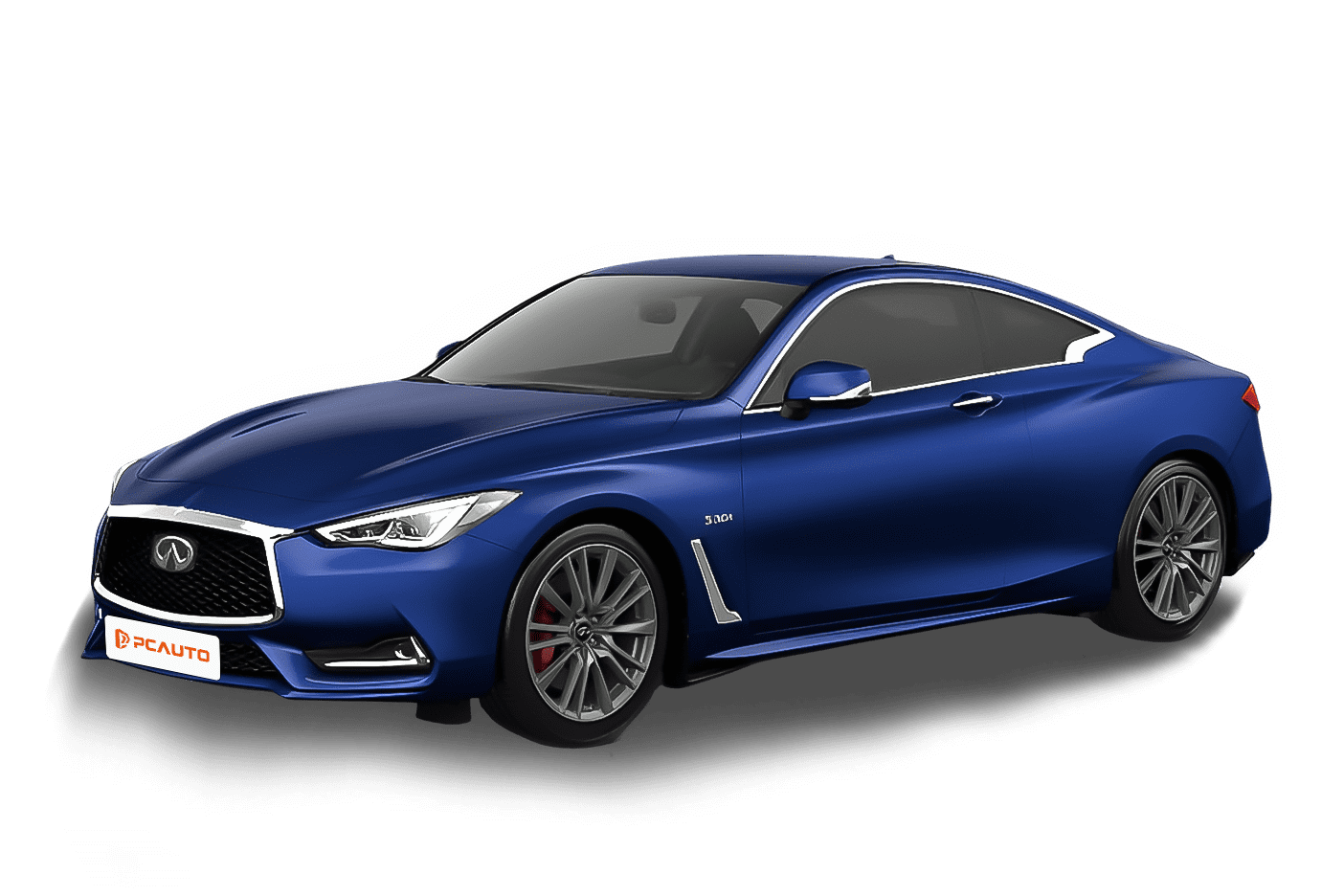
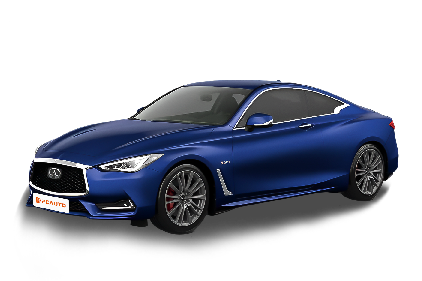
2017 Infiniti Q60 2.0t is a luxury coupe that balances sporty design and daily practicality, featuring a family-style exterior, BOSE audio system, and balanced power as its core selling points.
1
Rank in Coupe
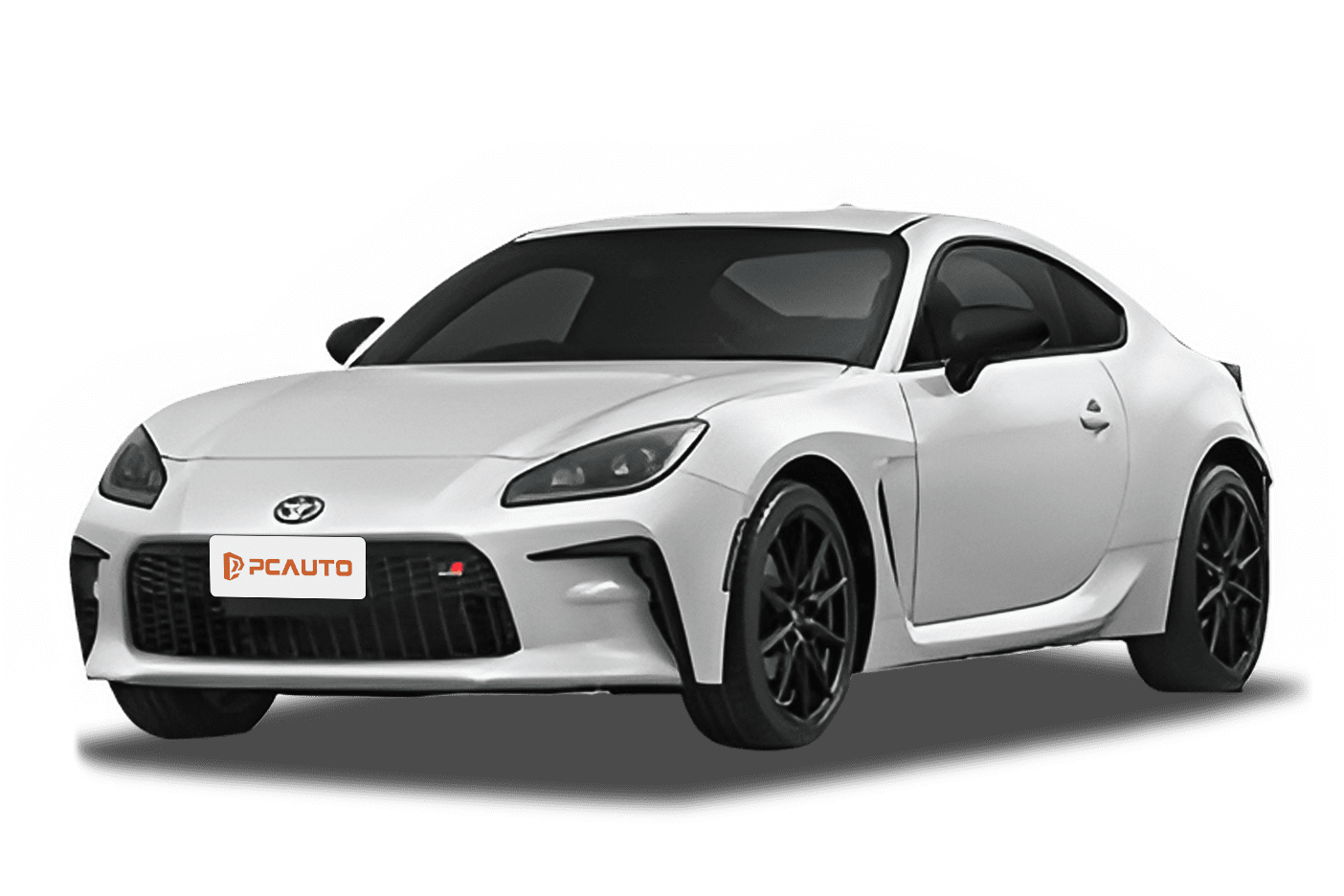
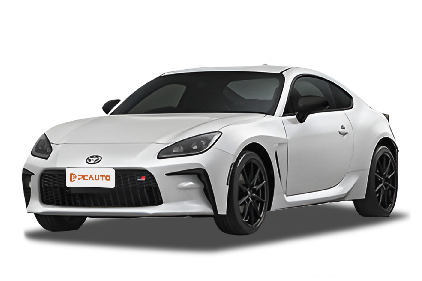
2023 Toyota GR 86 2.4 AT is a rear-wheel-drive sports coupe upgraded with a 2.4L naturally aspirated engine to address low torque issues, balancing daily commuting with pure driving pleasure.
10
Rank in Coupe
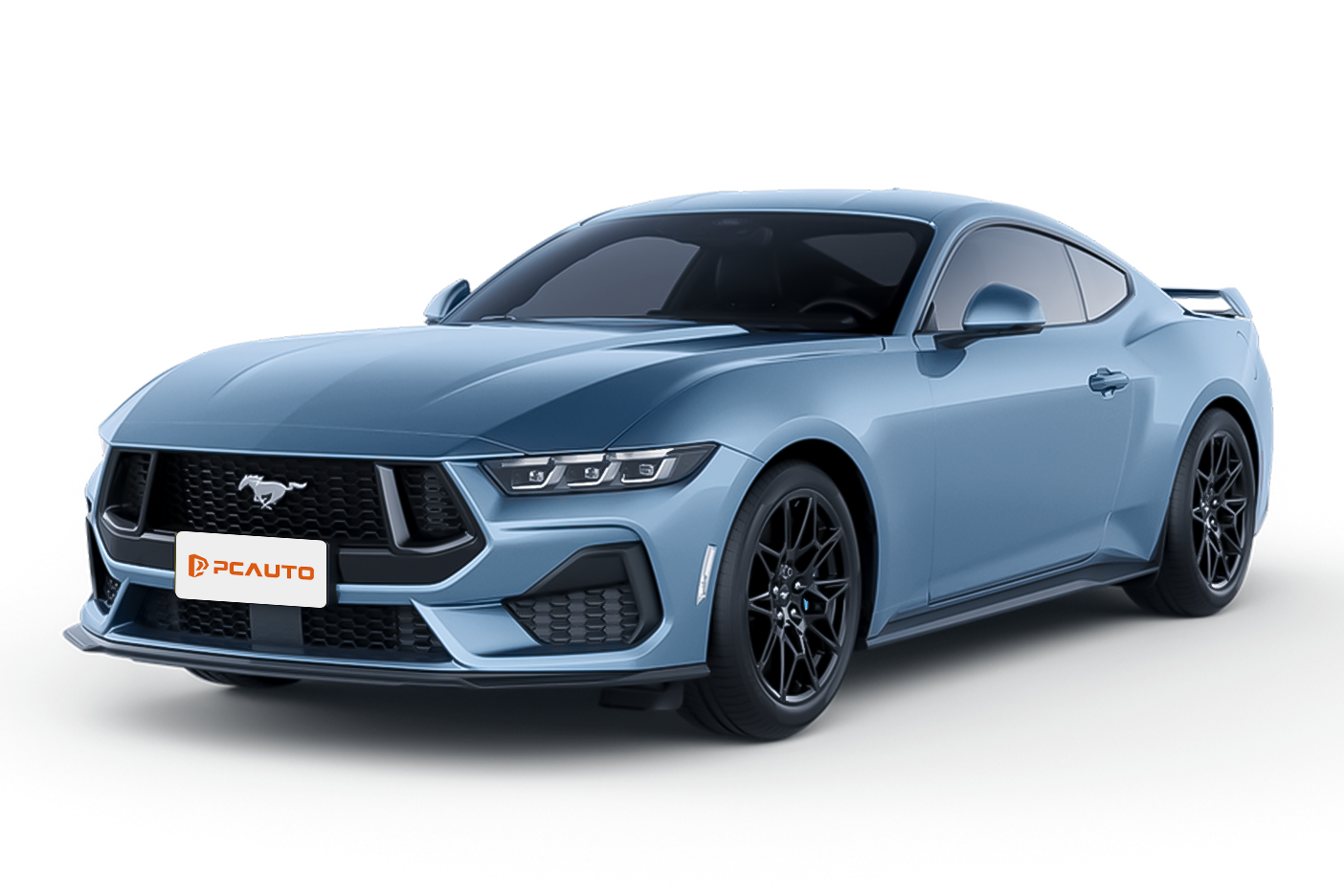
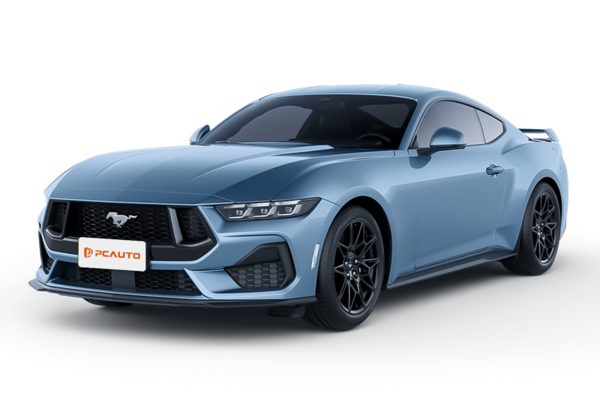
2018 Ford Mustang 2.3 EcoBoost retains the classic muscle car appearance with high cost performance, the 2.3T engine delivers 310PS horsepower, balancing performance and practicality for daily driving.
6
Rank in Coupe
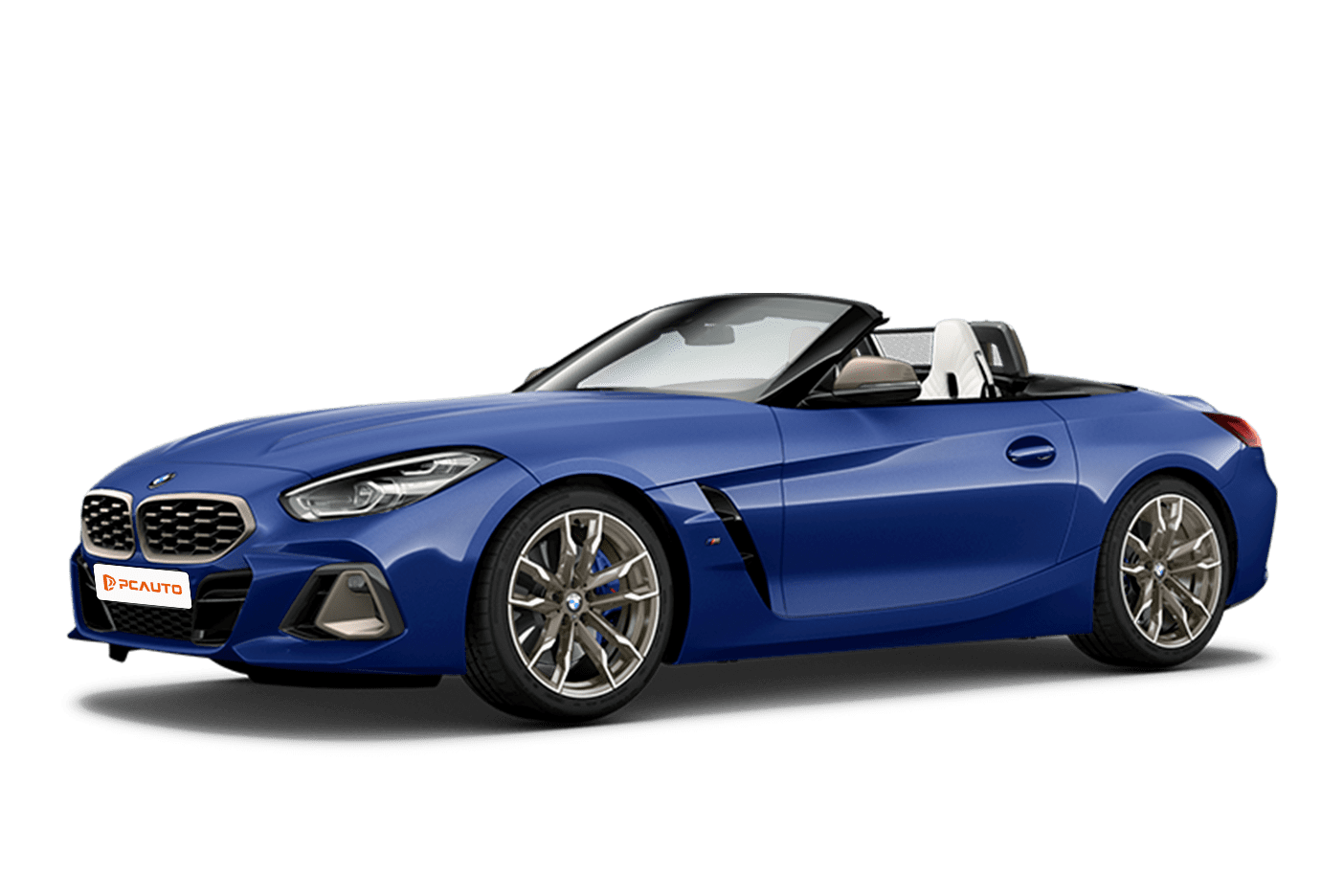
2023 BMW Z4 public, as a classic rear-wheel-drive convertible sports car, balances driving pleasure and daily practicality, with class-leading intelligent features and a compact body precisely meeting the needs of Malaysian users.