

Jaguar F‑TYPE R‑Dynamic Coupé Review

 Share
Share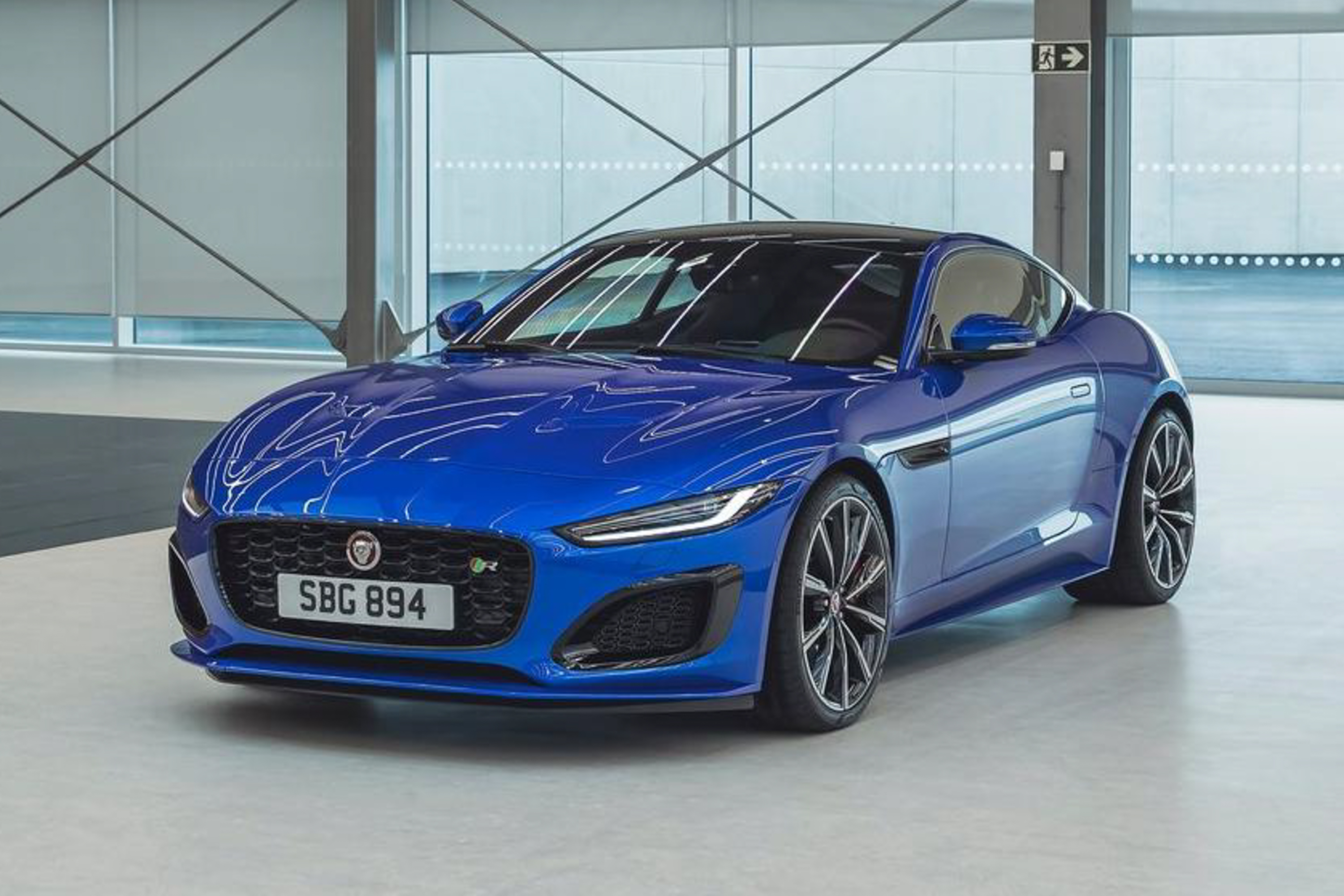
 Segment
 Body Type
 Capacity(L)
 Engine Power(PS)
 Engine Torque(Nm)
 Transmission
In Malaysia's high-end sports car market, models priced in the six-figure range often need to strike a precise balance between brand identity, performance handling, and daily practicality—after all, pure track machines may not meet the daily needs of most users. The Jaguar F-TYPE R-Dynamic Coupé, as a mid-cycle facelift version of the brand's classic two-door sports car, highlights its core selling point: a tuning philosophy that balances driving pleasure with daily adaptability. This time, through a combination of city commuting, highway cruising, and mountain road testing, we verify whether it can become a well-rounded option that merges passion and practicality within a million-ringgit budget.
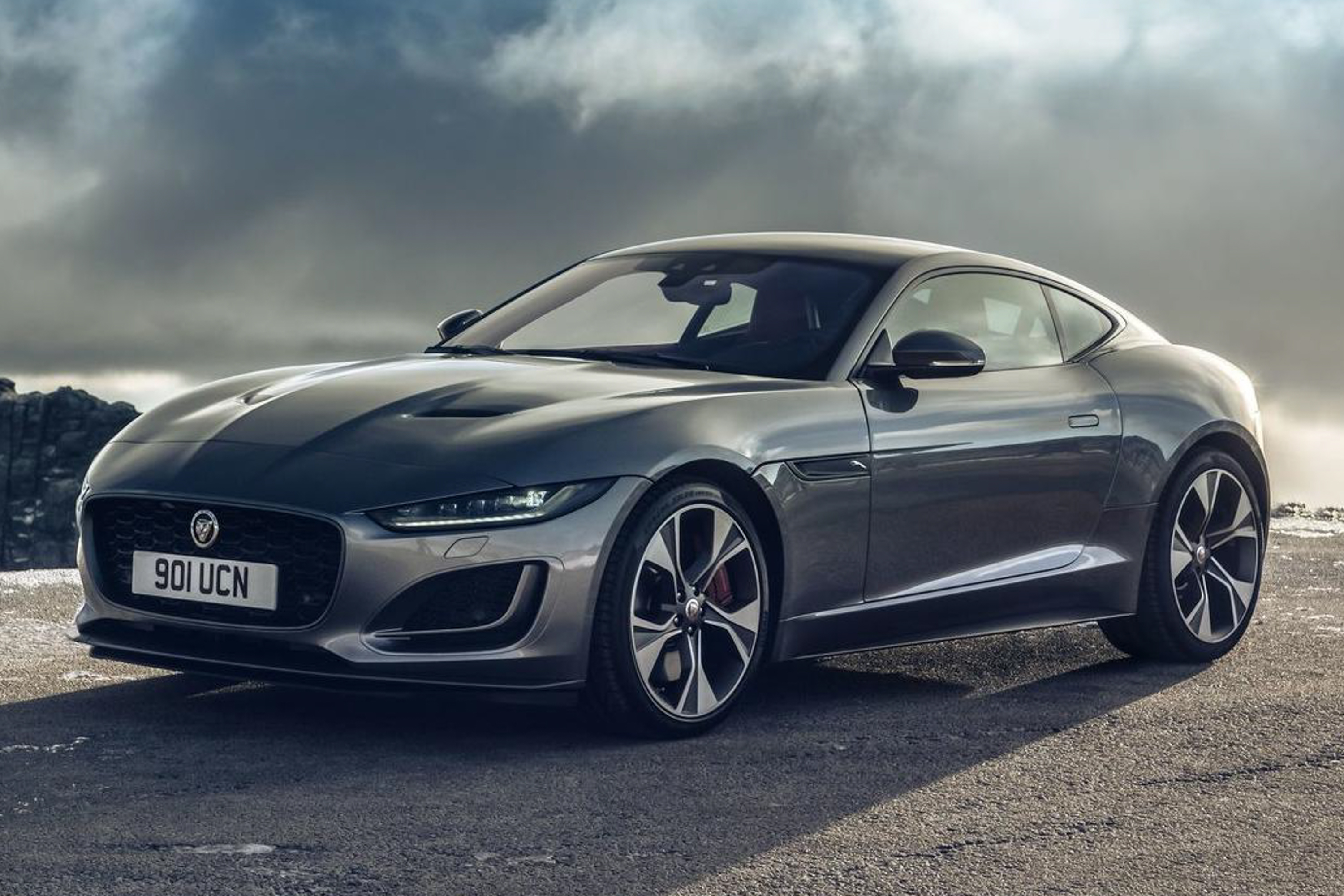
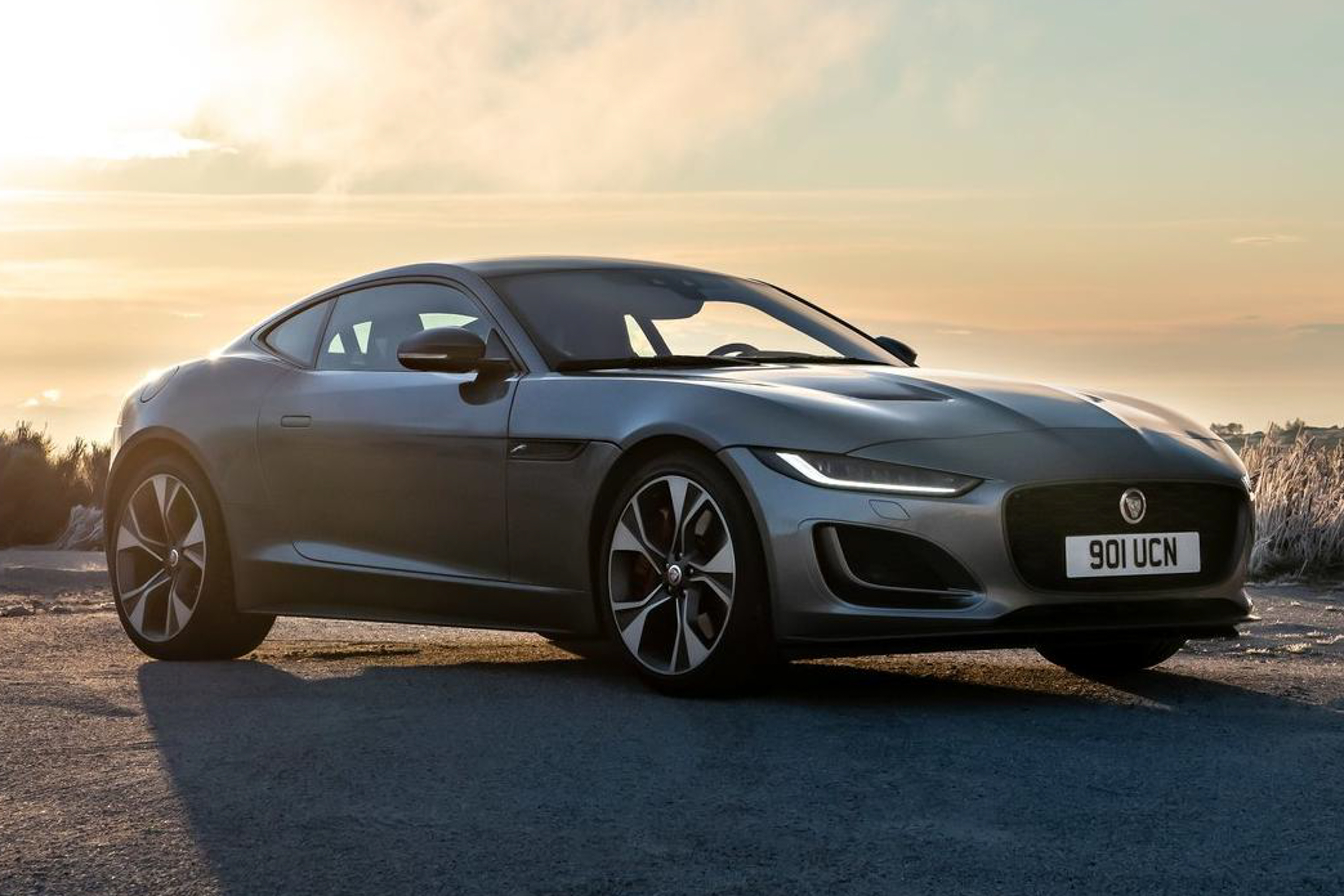
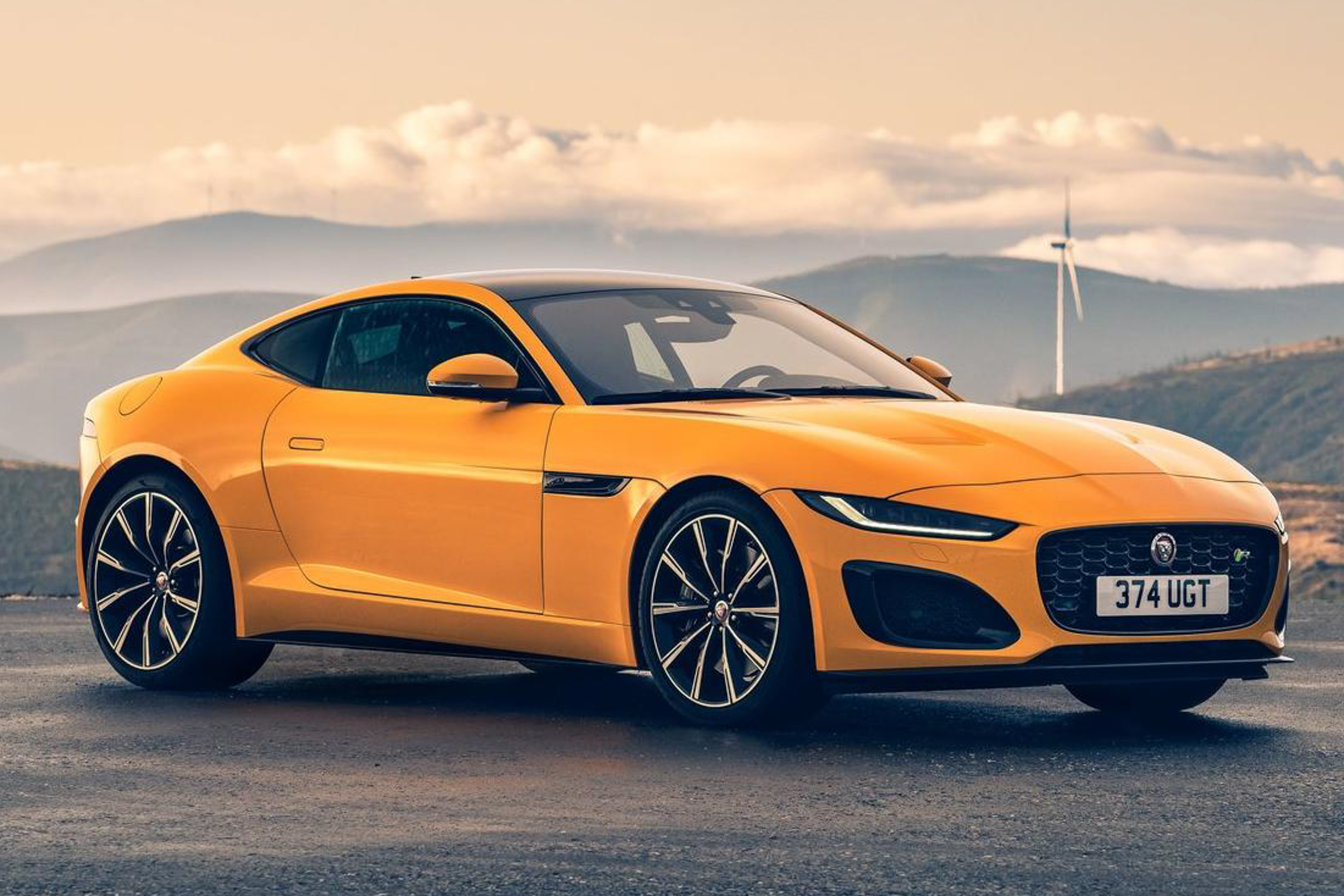
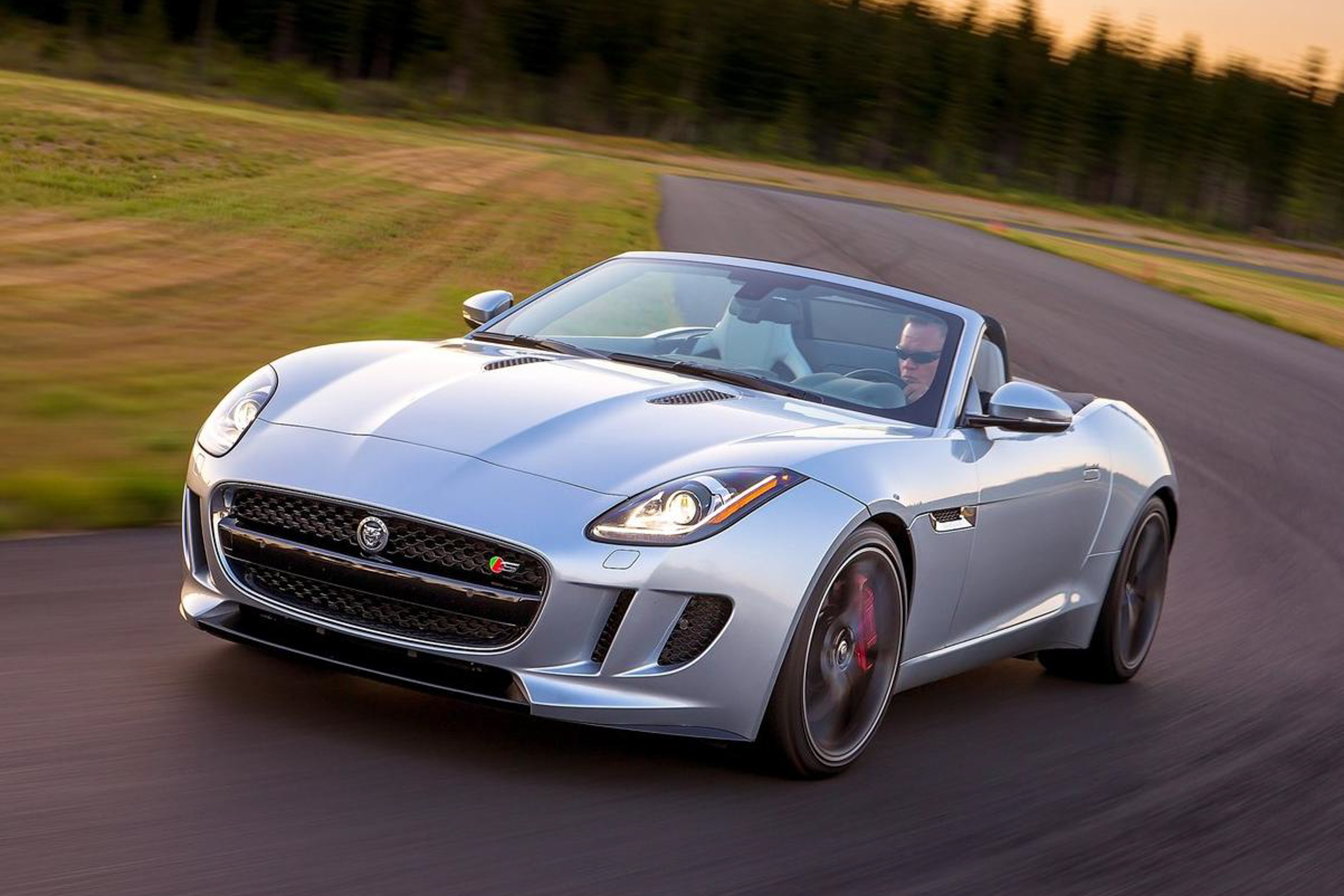
In terms of exterior design, the F-TYPE R-Dynamic Coupé continues the brand's signature streamlined silhouette, with the short front overhang and long rear overhang proportions still serving as a core source of its sporty aesthetic. The front air intake grille is slightly narrower compared to the previous model, paired with a blacked-out honeycomb mesh for a more refined appearance; the dual-L-shaped daytime running lights within the upgraded full-LED headlamp assemblies provide high recognizability, even during the day. The side body character line extends from the fenders to the tail lamps, complementing the 20-inch polished alloy wheels and red brake calipers, which elevate the car's sporty feel to the next level. The frameless door design retains the ceremoniousness of a sports car, with mechanical feedback during the opening and closing of the doors being crisp and satisfying. The rear of the car sees more subtle changes, with the dual-round exhaust outlets being a hallmark feature of the R-Dynamic version. Horizontally arranged tail lamps echo the small ducktail on the trunk lid, resulting in an overall design that is sleek and cohesive without being excessive.
Inside the cabin, the driving-focused atmosphere is noticeably stronger than GT models in the same price range. The center console is angled toward the driver, and the 12.3-inch full LCD instrument cluster supports multiple display modes, automatically focusing on the tachometer and torque output data when switched to Sport mode. The 10-inch central touchscreen is equipped with the InControl OS 2.0 system, supporting Apple CarPlay and Android Auto. Its operational fluidity meets current mainstream standards. In terms of materials, the seats and inner door panels use a combination of Alcantara and genuine leather, while the leather-wrapped steering wheel feels refined to the touch, with ergonomic grooves at the 3 and 9 o'clock positions. For features, the front seats support 14-way electric adjustment and heating functions, but the lumbar support adjustment range is narrow, and extended driving may require readjusting your posture. Basic features such as dual-zone automatic air conditioning, keyless entry/start, and a reversing camera are all equipped, though it lacks full-speed adaptive cruise control, which diminishes highway commuting's assisted driving experience.
Regarding space, as a two-door sports car, the rear seats of the F-TYPE R-Dynamic Coupé can barely accommodate small backpacks—they are more like an extension of the storage space, as adults can hardly sit there for extended periods. The front-row space, however, is roomy enough, with a driver who is 180 cm tall having two fingers of headroom left after adjusting the seat, and adequate legroom as well. In terms of storage capability, the door pockets can hold a 500ml water bottle and a phone, while the central armrest box is rather compact, only enough for a wallet and keys. The trunk offers a standard capacity of 314 liters, enough to fit a 20-inch carry-on suitcase plus a backpack, which should sufficiently meet the luggage needs for short trips for two people.
Powertrain-wise, the F-TYPE R-Dynamic Coupé is equipped with a 2.0T four-cylinder turbocharged engine, delivering a maximum power of 221kW (300PS) and a peak torque of 400N·m, paired with an 8-speed automatic transmission. During actual driving, the power response at the start is not particularly aggressive, and there is noticeable turbo lag in the low RPM range (1500-2000rpm). However, once the RPM exceeds 2500rpm, the torque suddenly bursts out, providing a strong pushback feeling. The 0-100km/h acceleration was measured at 6.2 seconds, which is not class-leading but is sufficient for confident overtaking in daily driving. The driving modes include Comfort, Sport, and Track modes. When switched to Sport mode, the transmission becomes more aggressive in its gear-shifting logic, performs automatic rev-matching during downshifts, and the exhaust sound becomes more robust. However, compared to the V6 version, the roar of the four-cylinder engine feels somewhat thin.
Handling and chassis are the core strengths of the F-TYPE. The steering system has minimal play, and the feedback from the steering wheel progressively increases in weight as the speed rises, allowing for precise cornering adjustments during mountain road driving. The chassis adopts a front double-wishbone and rear multi-link independent suspension, which is noticeably firm in tuning. You will feel bumps directly inside the cabin when passing over speed bumps, but the benefit is strong lateral support. When cornering at 60km/h, the body roll is controlled within 2.5 degrees, and the rear follows flexibly. The braking system is equally impressive: the front 350mm and rear 325mm brake discs are paired with Brembo calipers, achieving a measured 100-0km/h braking distance of 35.2 meters without significant thermal degradation after multiple consecutive stops.
In terms of everyday driving comfort, during city commutes, the suspension in Comfort mode softens slightly and can filter out most minor bumps. However, when encountering manhole covers or uneven road surfaces, the rear suspension’s bounce is fairly noticeable. During highway cruising, wind noise mainly comes from the A-pillars and side mirrors, with a noise level of approximately 68 decibels at 120km/h, which is within the normal range for a sports car. Tire noise, however, is somewhat prominent due to the use of performance tires. Fuel consumption is fairly average, with a combined consumption of around 12.5L/100km in city traffic and dropping to 7.8L/100km during highway cruising. The car runs on 95-octane petrol, making it a more convenient choice compared to the V6 version.
In summary, the core advantages of the Jaguar F-TYPE R-Dynamic Coupé lie in its “pure driving pleasure” and “relatively user-friendly daily usability.” Compared to the Porsche 718 Cayman, it embodies a stronger brand heritage and a greater sense of occasion with its frameless doors and two-door design. Compared to the BMW Z4, its chassis tuning leans more towards track performance, offering higher handling limits. However, its shortcomings are also evident: the rear space is nearly unusable, advanced driver assistance features are lacking, and the sound of the four-cylinder engine is less thrilling than that of the six-cylinder version.
The target audience is very clear: those with a budget of 90-110k MYR, seeking brand prestige and driving enjoyment, and primarily using the car for solo or two-person journeys. Whether it's weekend mountain drives or city commutes, it can handle both. However, for those who occasionally need to carry family members or frequently take long-distance trips, a model with a greater GT focus would be a better choice.
In summary, the F-TYPE R-Dynamic Coupé is not an "all-around" sports car, but it precisely meets the core demands of players with a million-dollar budget: to purchase a two-door sports car with good looks, great handling, and brand heritage at a relatively manageable price. For consumers who value the "driving experience itself," it remains an unignorable choice in this price range.
Jaguar F-Type Car Compare

Jaguar F-Type Loan Calculator
Cars With Similar Price And Features
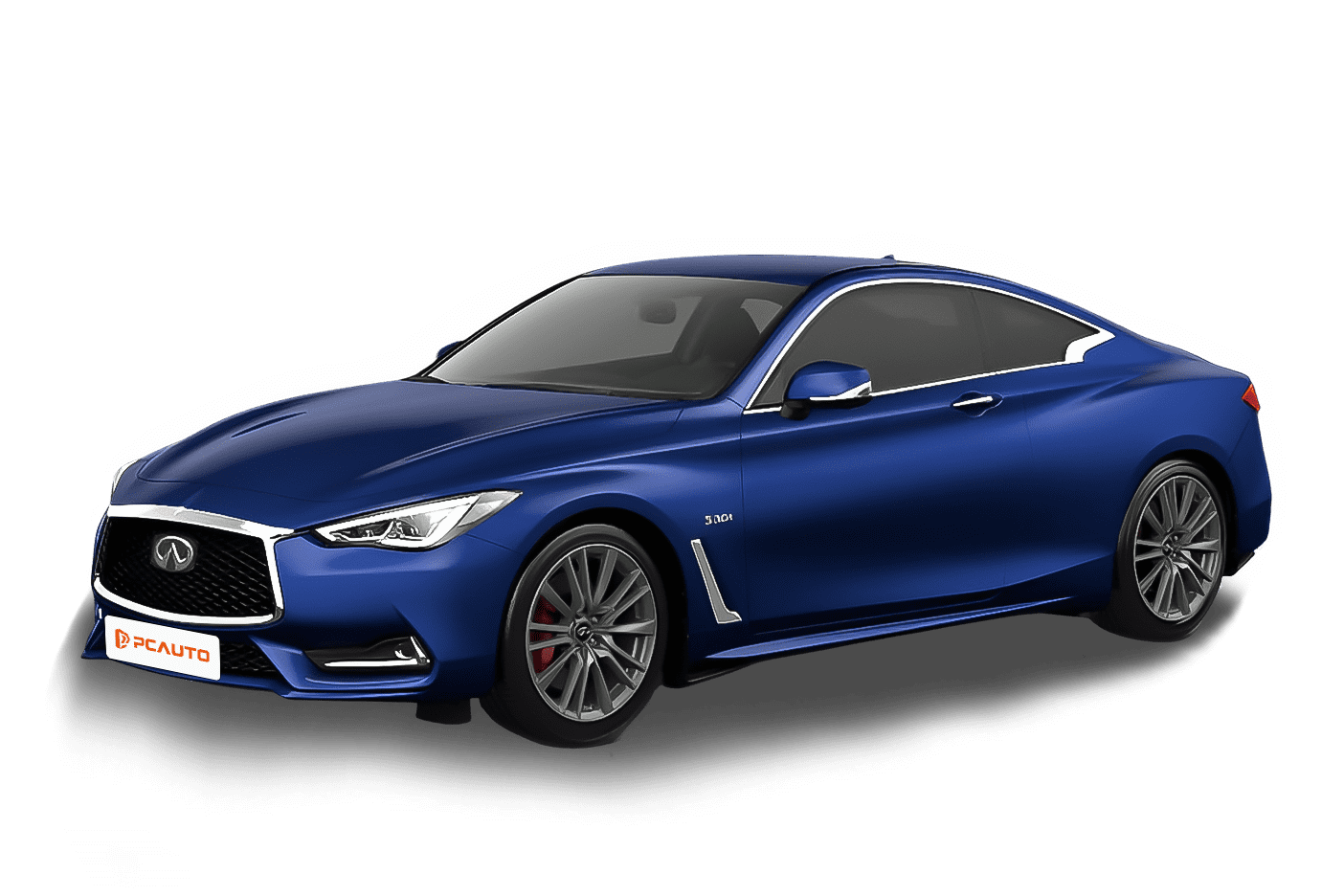
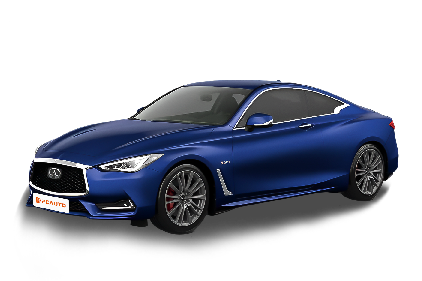
2017 Infiniti Q60 2.0t is a luxury coupe that balances sporty design and daily practicality, featuring a family-style exterior, BOSE audio system, and balanced power as its core selling points.
1
Rank in Coupe
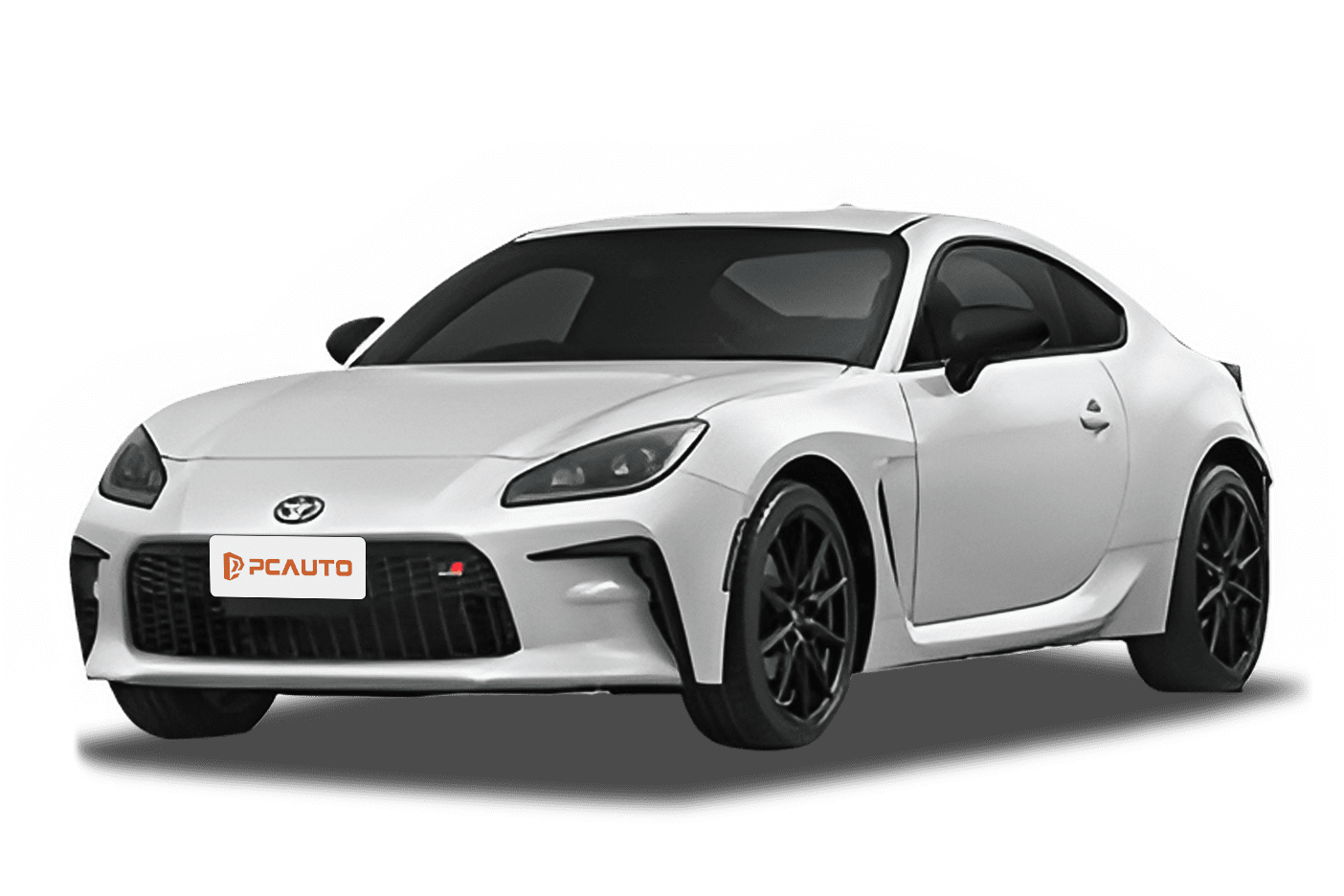
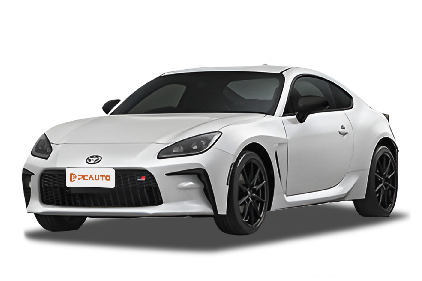
2023 Toyota GR 86 2.4 AT is a rear-wheel-drive sports coupe upgraded with a 2.4L naturally aspirated engine to address low torque issues, balancing daily commuting with pure driving pleasure.
10
Rank in Coupe
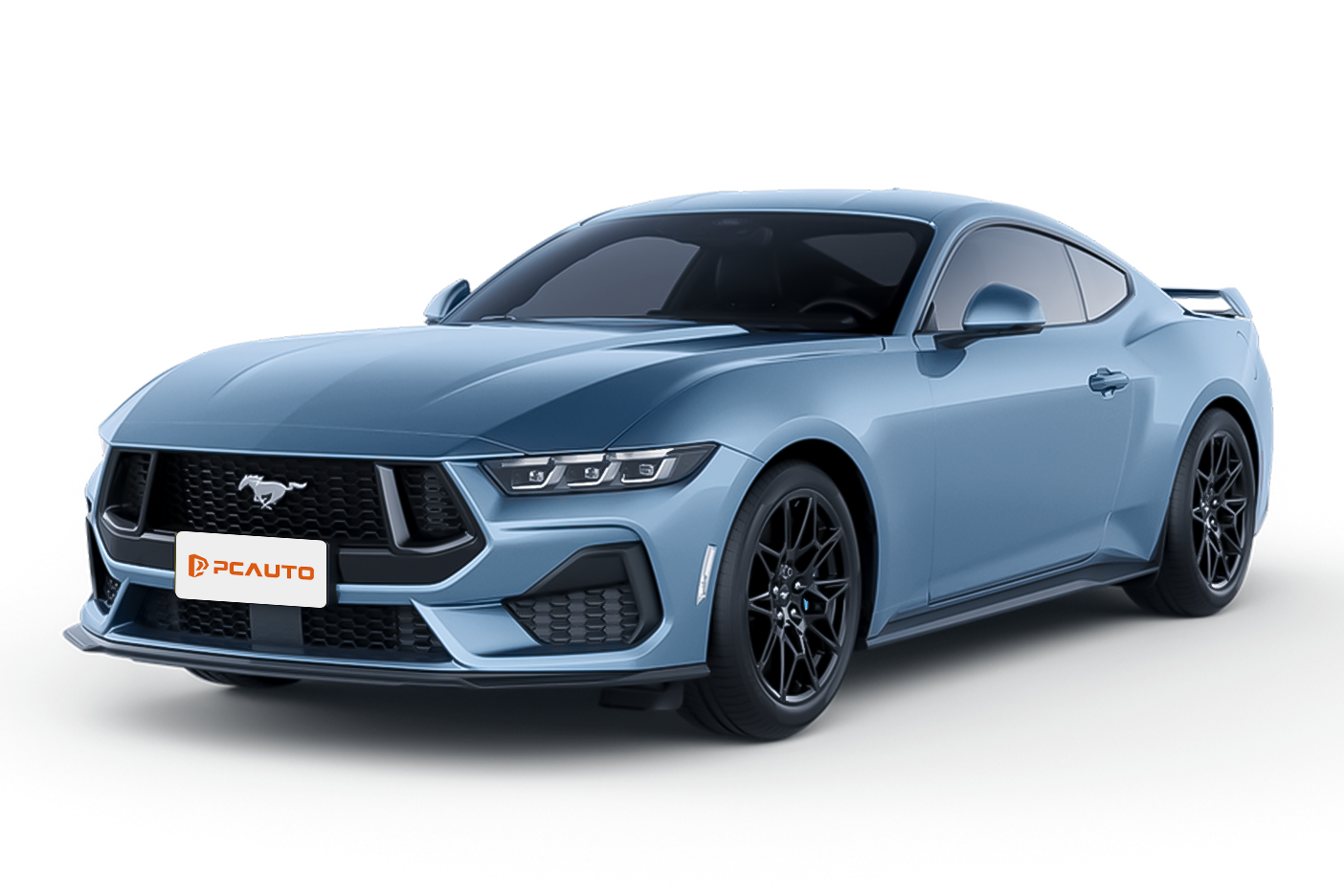
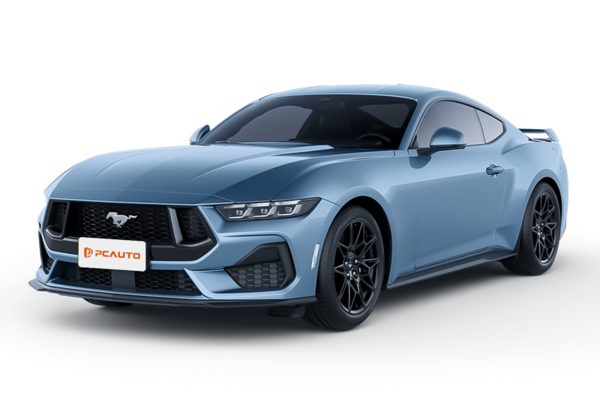
2018 Ford Mustang 2.3 EcoBoost retains the classic muscle car appearance with high cost performance, the 2.3T engine delivers 310PS horsepower, balancing performance and practicality for daily driving.
6
Rank in Coupe
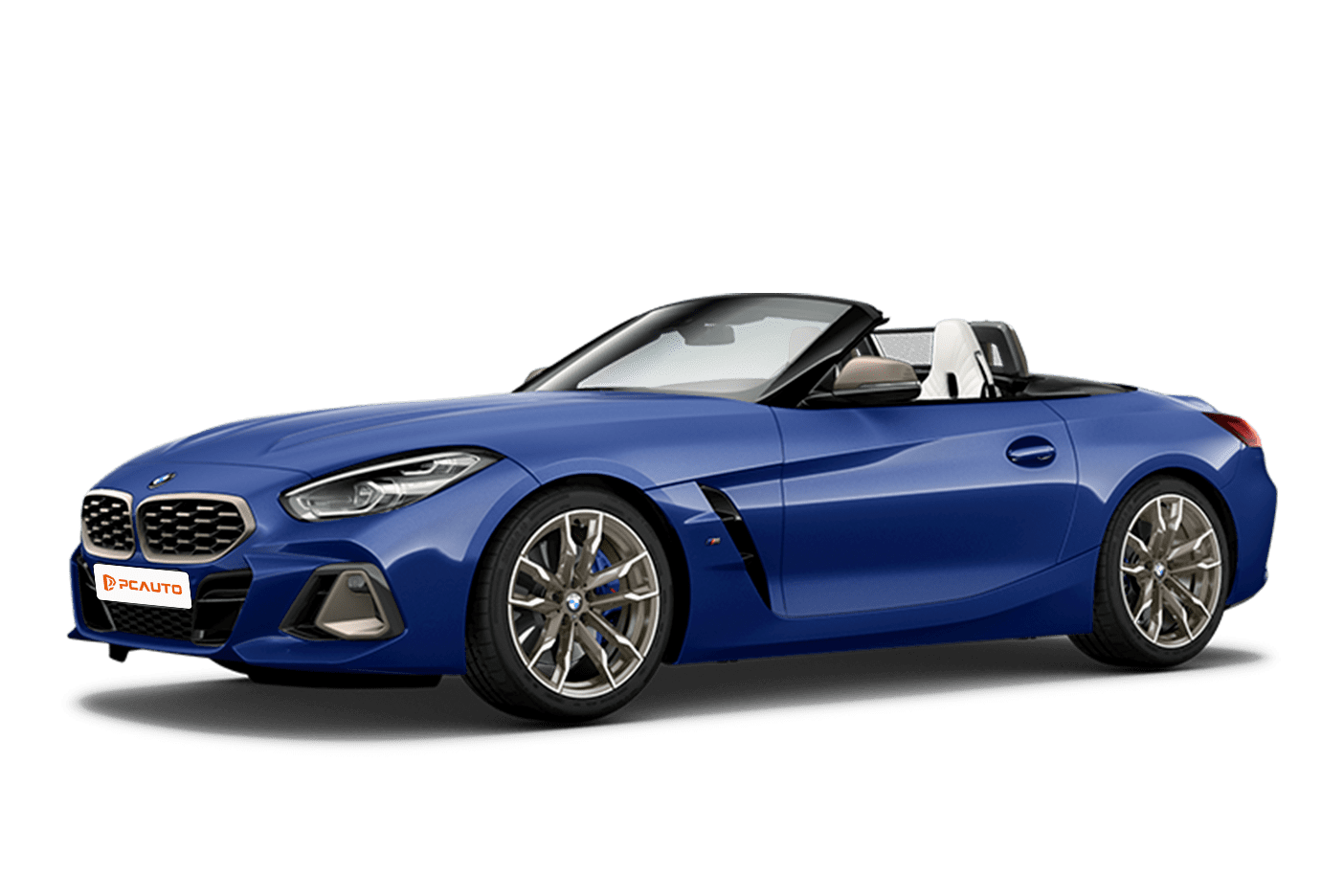
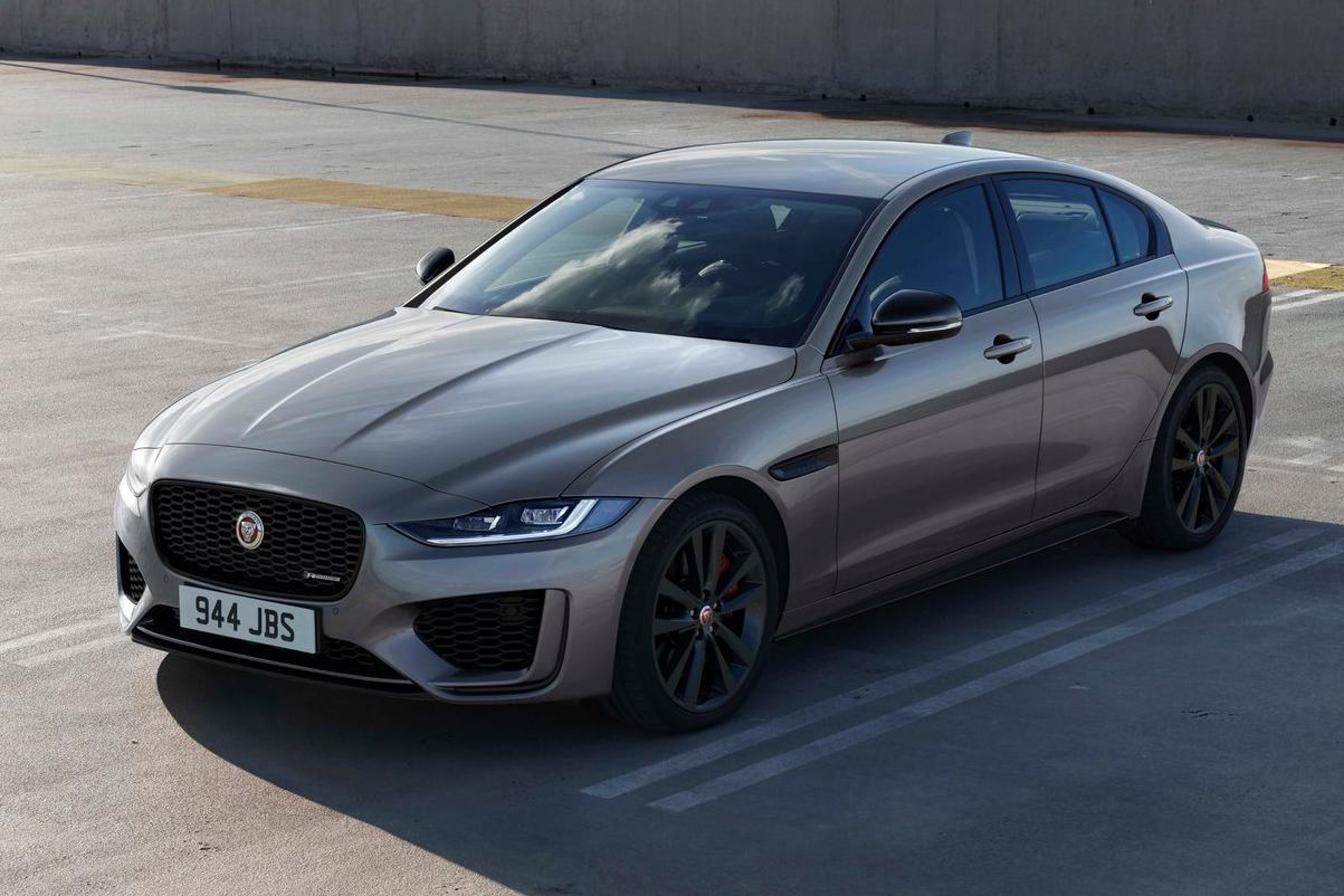
2023 BMW Z4 public, as a classic rear-wheel-drive convertible sports car, balances driving pleasure and daily practicality, with class-leading intelligent features and a compact body precisely meeting the needs of Malaysian users.