

Jaguar XF 2009 Review

 Share
Share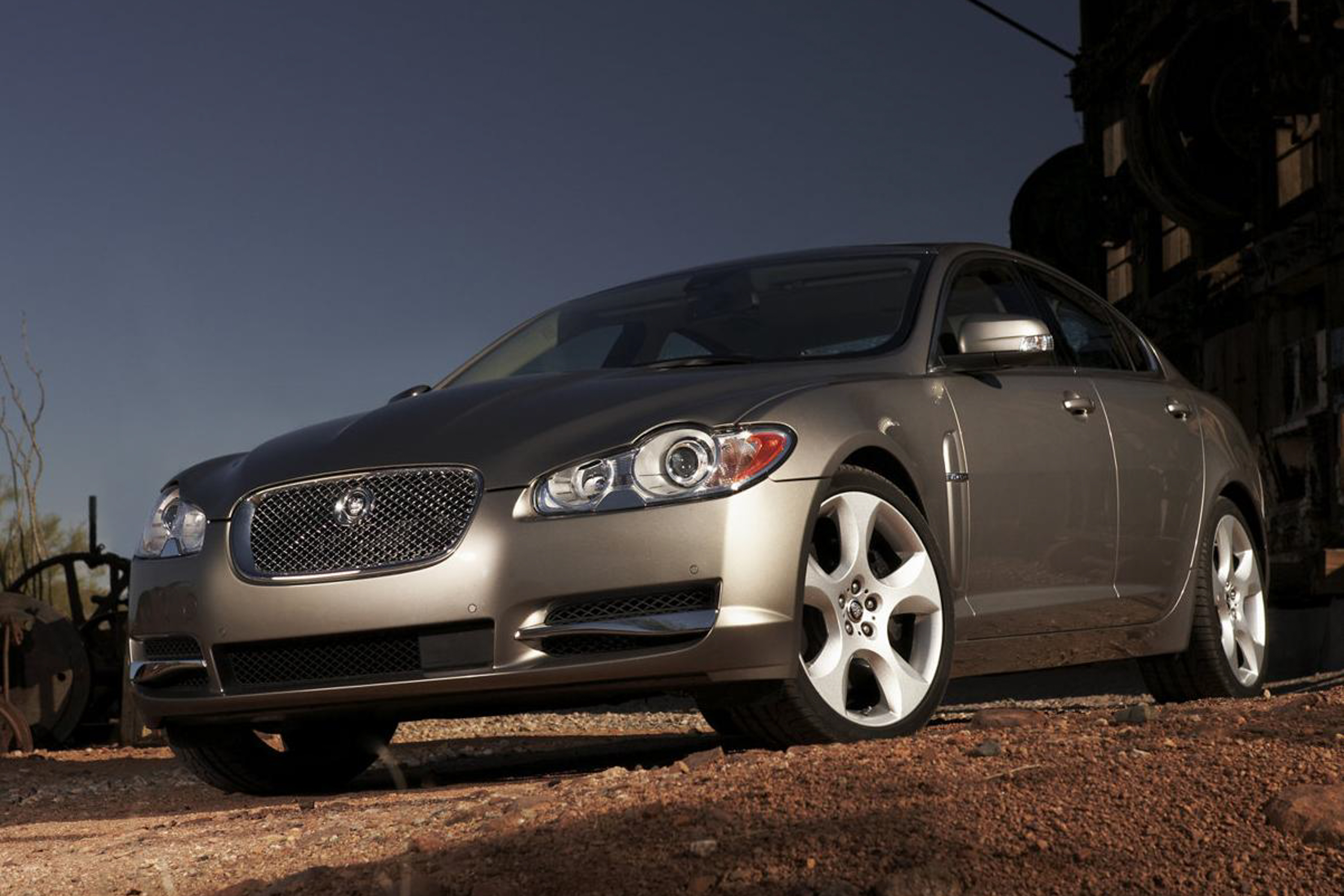
 Body Type
 Segment
 Capacity(L)
 Engine Power(PS)
 Engine Torque(Nm)
 Transmission
Today, the luxury mid-size sedan market is highly competitive, with consumers seeking both the sense of identity brought by brand appeal and the practicalities of driving experience and configuration—particularly in the 300,000 to 500,000 MYR price range, where the German "Big Three" have long dominated. However, Jaguar, as a representative of British luxury, has consistently attracted niche enthusiasts with its unique design and driving feel. The 2009 Jaguar XF Public (note: speculated to be a Malaysia-specific configuration) emerges as a choice in this context: it retains Jaguar's signature elegance while leaning towards everyday practicality in terms of features and performance. The focus of this test drive is to see if this 15-year-old British sedan can still meet the needs of users seeking individuality and balance today.
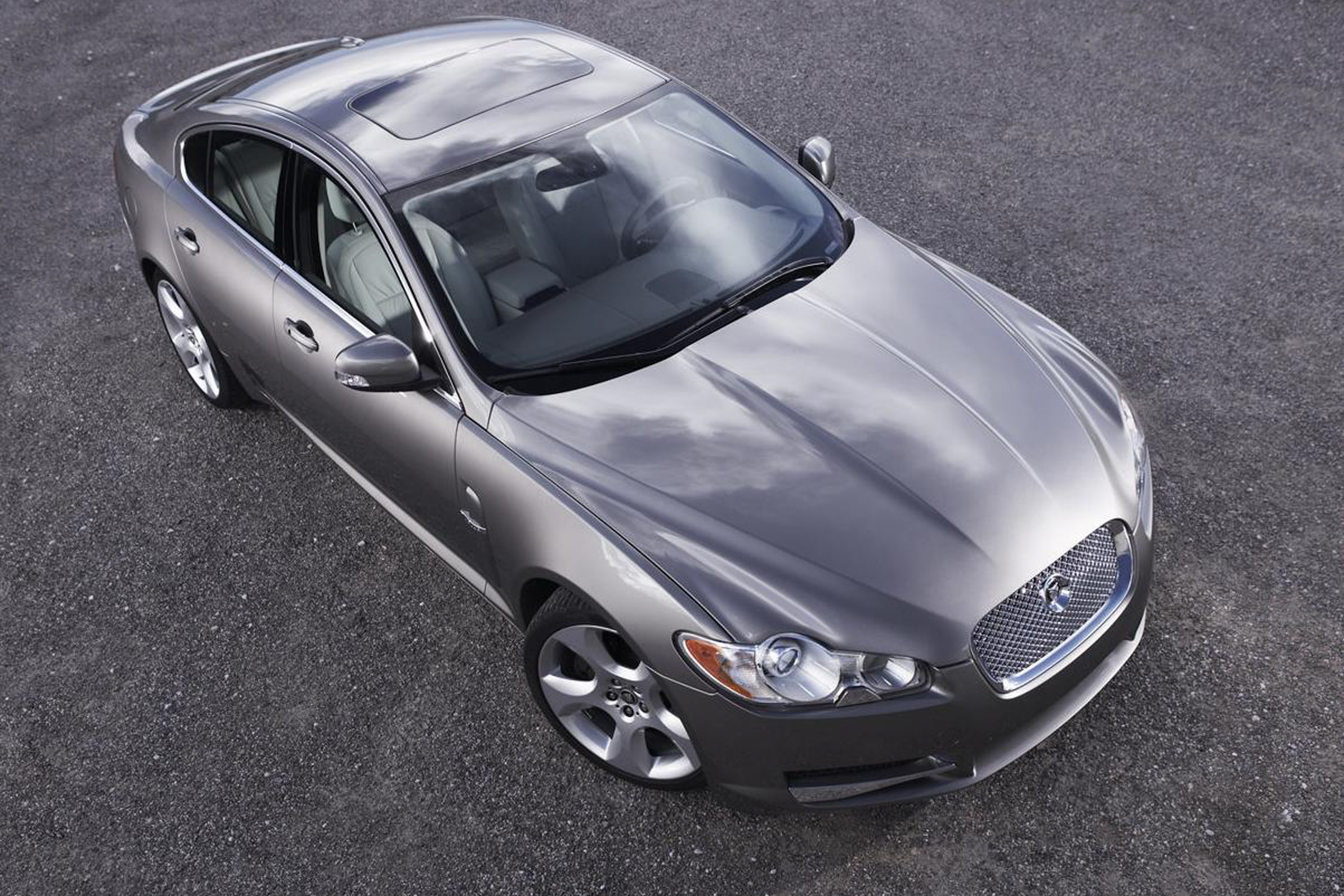
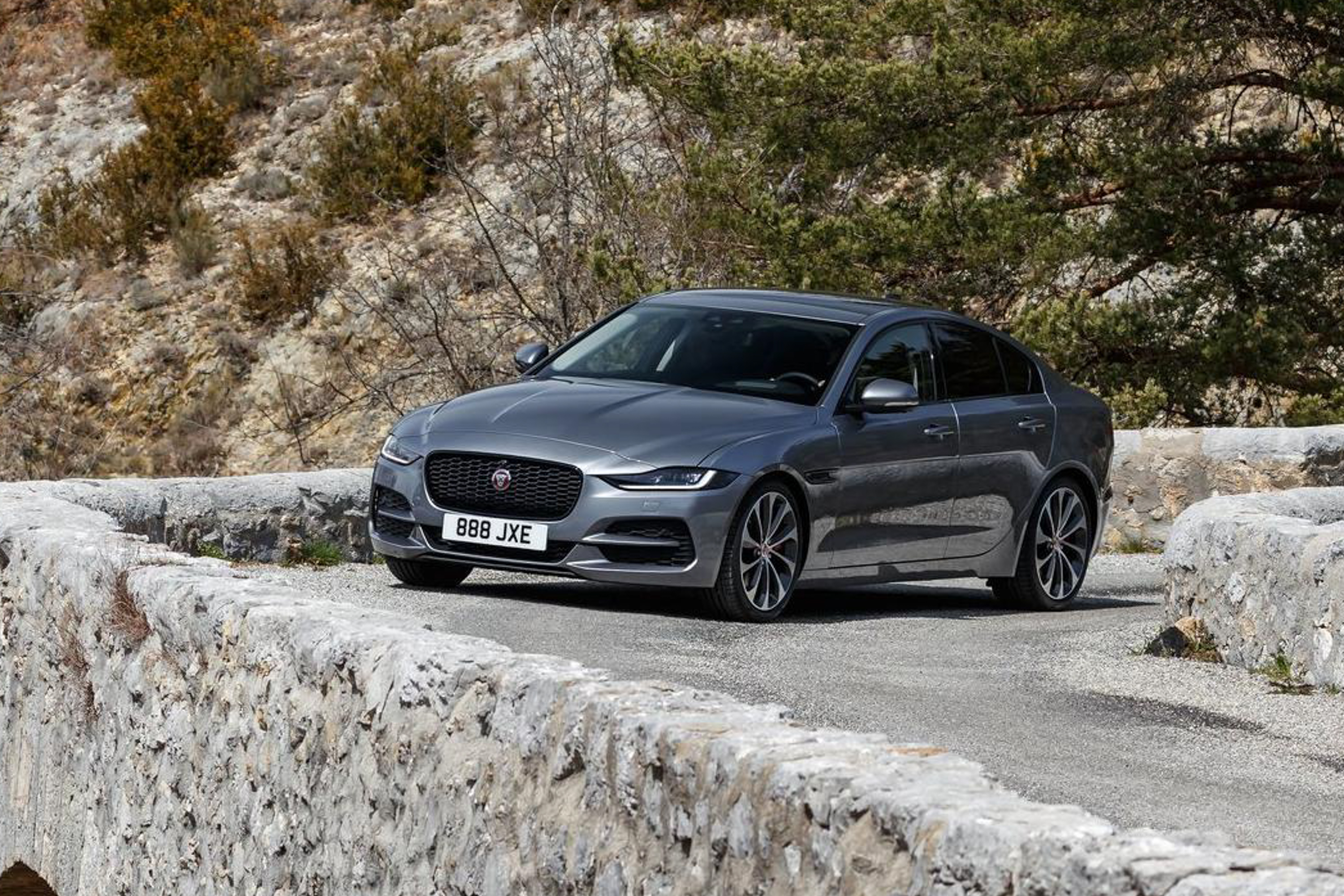
In terms of exterior design, the 2009 XF completely abandons the retro framework of older Jaguar models, shifting towards a more modern sporty luxury style. The front features a large blacked-out honeycomb grille adorned with Jaguar's iconic leaping cat badge, flanked by irregularly shaped Xenon headlights (with lenses) that have sharp contours. The LED daytime running lights integrated into the headlight housings were considered a rather avant-garde design at the time. The body side profile is sleek, with a slightly curved waistline extending from the hood to the rear, complemented by 18-inch multi-spoke alloy wheels that maintain the sedan's elegance while hinting at a sporty character. The rear design is relatively minimalist, with horizontally arranged LED taillights echoing the front headlights, while the dual chrome exhaust pipes subtly underscore its performance attributes. Overall, the exterior design of this XF remains timeless today, boasting high recognizability, especially appealing to those who dislike the ubiquity of German sedans.
Inside the cabin, the materials of the 2009 XF reveal its luxury positioning: generous use of soft-touch leather covers the dashboard and inner door panels, offering a refined tactile feel, with some sections enhanced by woodgrain trim (not real wood, but the texture is decent). The center console layout is driver-oriented, featuring an 8-inch touchscreen as the core of the interior. The system supports Bluetooth connectivity, navigation, and basic multimedia functions—though not considered "smart" by today's standards, its operation is user-friendly, and the responsiveness was top-notch for its time. In terms of features, the front seats offer electric adjustment and heating, and the driver's seat includes a memory function. Dual-zone automatic climate control, cruise control, and keyless entry/start are standard. Notably, the multi-function steering wheel is wrapped in genuine leather, providing a solid grip; the left buttons control audio and calls, while the right buttons manage cruise control, all arranged logically.
For interior space, the 2009 XF measures 4961×1877×1460mm with a wheelbase of 2909mm, qualifying as a standard mid-to-large sedan. The front-row seating space is ample; a 180cm tall passenger can sit comfortably with a fist-width of headroom to spare. The rear seating space is similarly adequate, providing around two fists of legroom and a fist of headroom, with a slightly raised central floor area that doesn’t significantly affect short-trip comfort. In terms of storage capacity, the door pockets can hold two 500ml water bottles, and the center armrest box is deep enough to store small items. The trunk offers 490L of space with a regular opening, capable of fitting two 28-inch suitcases, sufficient for family short trips. The rear seats are also equipped with independent air vents and power outlets, showing attention to detail.
Powertrain: The 2009 XF Public tested this time is equipped with a 2.0T turbocharged gasoline engine, with a maximum power output of 240 horsepower and a peak torque of 340 Nm, paired with a 6-speed automatic transmission. During actual driving, the power response during the start-off phase is not particularly aggressive, but after pressing the accelerator by about one-third, the turbo kicks in and provides a noticeable push-back feeling. The acceleration is smooth and linear—officially, it takes 7.9 seconds to accelerate from 0-100 km/h, which is sufficient for daily overtaking or highway cruising. The transmission's gear-shifting logic is clear, with proactive upshifts. There are slight jerks during downshifts, but within an acceptable range. Driving modes include Normal, Sport, and Snow: in Sport mode, throttle sensitivity is increased, and the transmission delays upshifting, making it more suitable for users who enjoy spirited driving; Normal mode leans towards smoothness, suitable for daily commuting.
Handling and chassis performance have always been Jaguar's traditional strengths. The 2009 XF adopts a front-engine, rear-wheel-drive layout. The steering is precise with minimal play, and the self-centering force is consistent. It feels light at low speeds and stable at high speeds, inspiring great confidence in the driver. The chassis features a front double-wishbone and rear multi-link independent suspension, tuned towards sportiness but still retaining a certain level of comfort: when driving over speed bumps or rough roads, the suspension effectively absorbs most of the vibrations, and the body avoids excessive bouncing. During cornering, body roll is well-controlled, and the suspension offers strong support. Combined with the dynamic advantages of a rear-wheel-drive layout, the overall handling quality ranks among the top in its class.
In terms of fuel consumption, this test drive was primarily conducted on urban roads (approximately 60%) and highways (about 40%), with the air conditioning running throughout. The final displayed combined fuel consumption was 9.2L/100km. This figure is within an acceptable range for a mid-to-large sedan with a 2.0T engine and rear-wheel drive—fuel consumption in congested urban areas is around 11L/100km, while during highway cruising, it can drop to roughly 7.5L/100km, aligning with daily usage expectations. As for noise control, at speeds below 80 km/h, tire and wind noise are not particularly noticeable. Beyond 100 km/h, wind noise increases slightly, but it does not affect in-car conversations. The seat provides good support and cushioning, ensuring comfort during long drives.
Overall, the 2009 Jaguar XF Public's core advantages are clear: its distinctive British design boasts high recognition and offers more personality compared to contemporary BMW 5 Series or Mercedes-Benz E-Class models of the same year. The front-engine, rear-wheel-drive layout provides excellent handling quality, making it suitable for driving enthusiasts. The interior materials and configurations were considered luxurious at the time and still meet basic needs today. However, it also has drawbacks: the infotainment system is relatively outdated and lacks modern connectivity features, and its post-sale maintenance costs may be slightly higher than its German rivals.
This car's target audience is clear: firstly, those who pursue unique luxury and want to stand out from the crowd—its exterior design and brand appeal cater to niche preferences. Secondly, families who value driving quality—offering sufficient space and balanced handling, it can cater to both daily commuting and weekend getaways. Lastly, budget-conscious used car buyers looking to experience British luxury—the 15-year-old XF comes at an affordable price point in the used car market, making it highly cost-effective.
Overall, the 2009 Jaguar XF Public is a "warm" luxury sedan: it lacks the rigidity of German cars and the domestication of Japanese cars, instead using unique design and driving quality to appeal to those who understand it. If you're looking for a distinctive and enjoyable model in the used luxury car market, this XF is worth adding to your list.
Jaguar XF Car Compare


More Jaguar Reviews
Cars With Similar Price And Features
12
Rank in Sedan
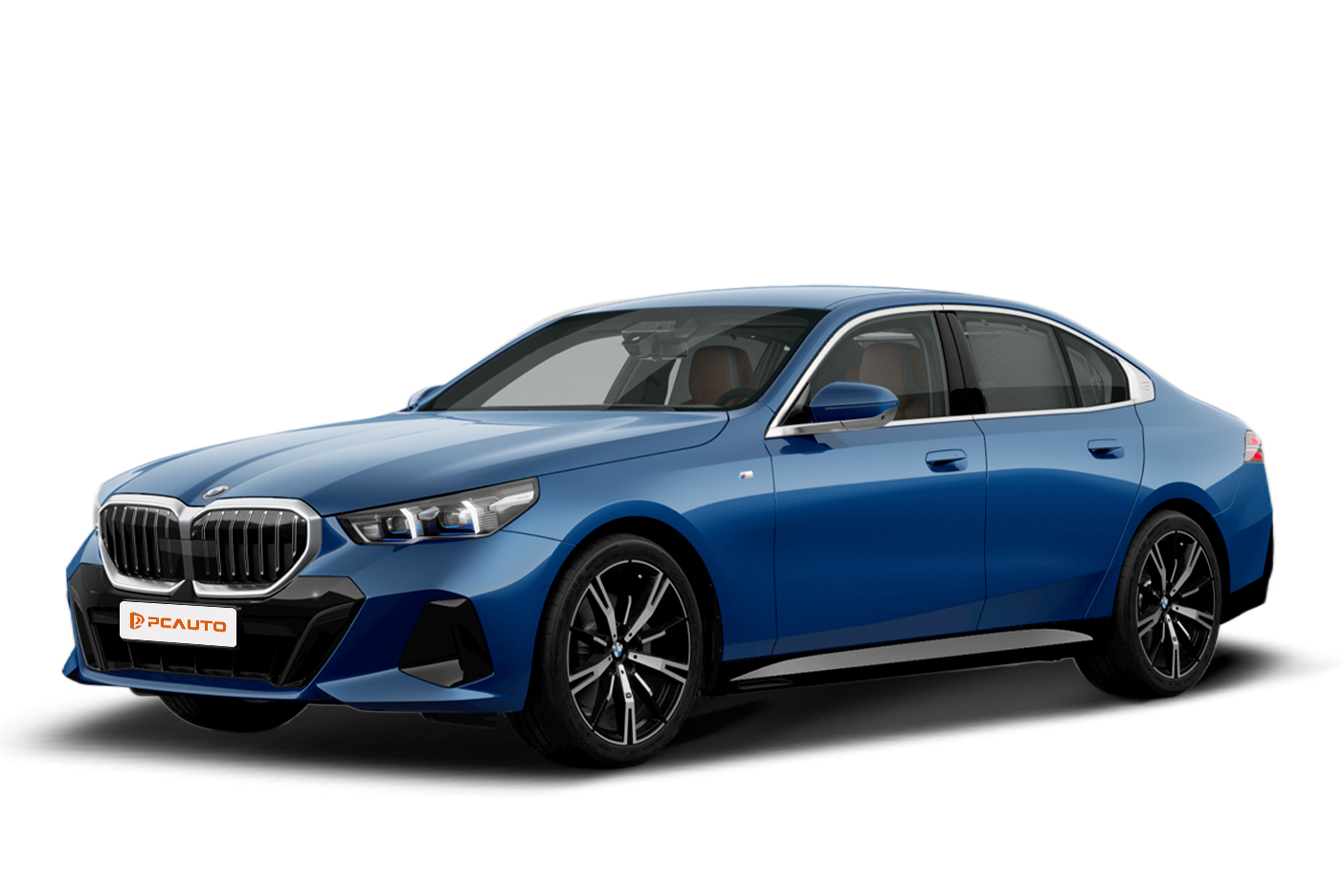
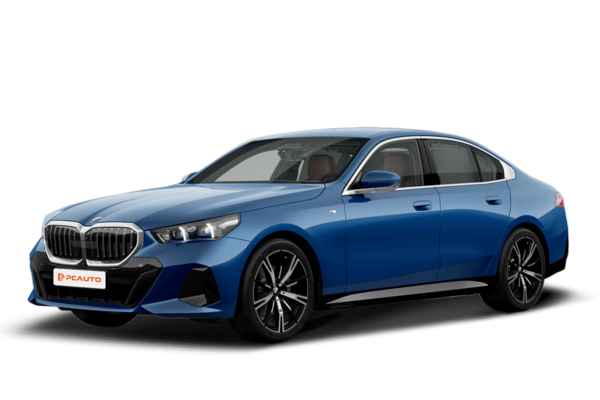
2025 BMW 5 Series 530i M Sport combines executive stability with youthful vitality through the M Sport package, featuring a powerful 2.0T mild hybrid system, enhanced by connected screen technology, balancing luxury, practicality, and driving pleasure.

2021 Volvo S90 T5 Momentum is a mid-to-high-end sedan that combines safety DNA, family-friendly features, and executive-level comfort. It offers practical space, smooth power delivery, and is suitable for families and business users who value quality.

15
Rank in Sedan

2024 Mercedes-Benz E-Class E200, as a luxury executive sedan, upgrades its mild-hybrid system to balance power and fuel efficiency, enhances intelligent configurations, offers practical space, and highlights a comfortable driving experience.

2022 Maserati Ghibli Hybrid is a model that combines luxurious executive appeal with efficient hybrid economy, retaining the brand's classic design and driving pleasure, and is more budget-friendly.