

Jaguar XF 2010 Review

 Share
Share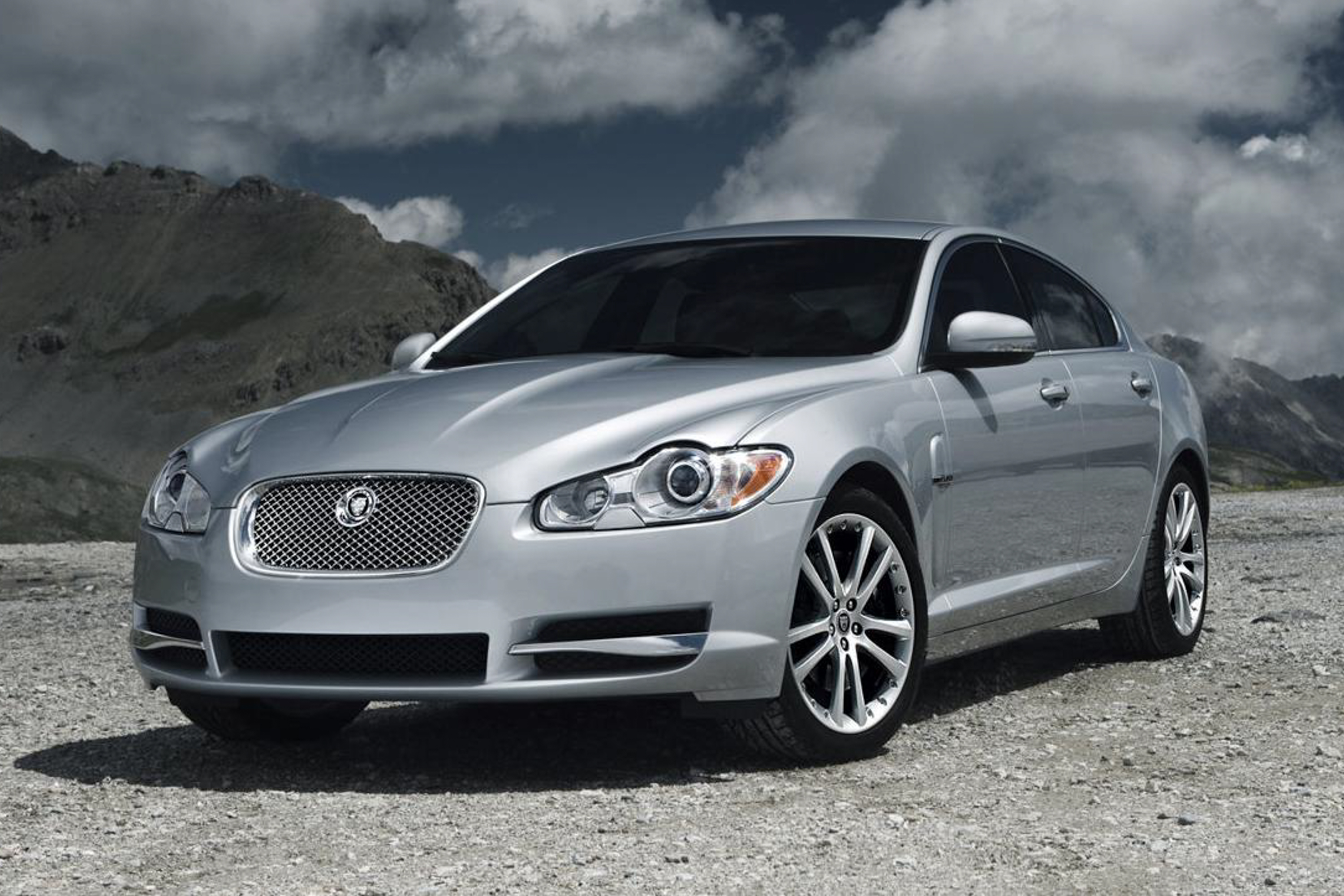
 Body Type
 Segment
 Capacity(L)
 Engine Power(PS)
 Engine Torque(Nm)
 Transmission
The luxury mid-size sedan market has always been a battleground between brand aesthetics and practical performance. As a representative of British luxury, Jaguar attempted to break the monotony of traditional executive sedans with a sporty design in the 2010 XF public model. The core selling point of this car was combining Jaguar's signature elegance with a youthful dynamic appeal, while still maintaining the level of configuration expected of a luxury brand. The main goal of this test drive was to verify its balance in daily driving—after all, for users in this segment, the car needs to offer prestige while still being comfortable to use.
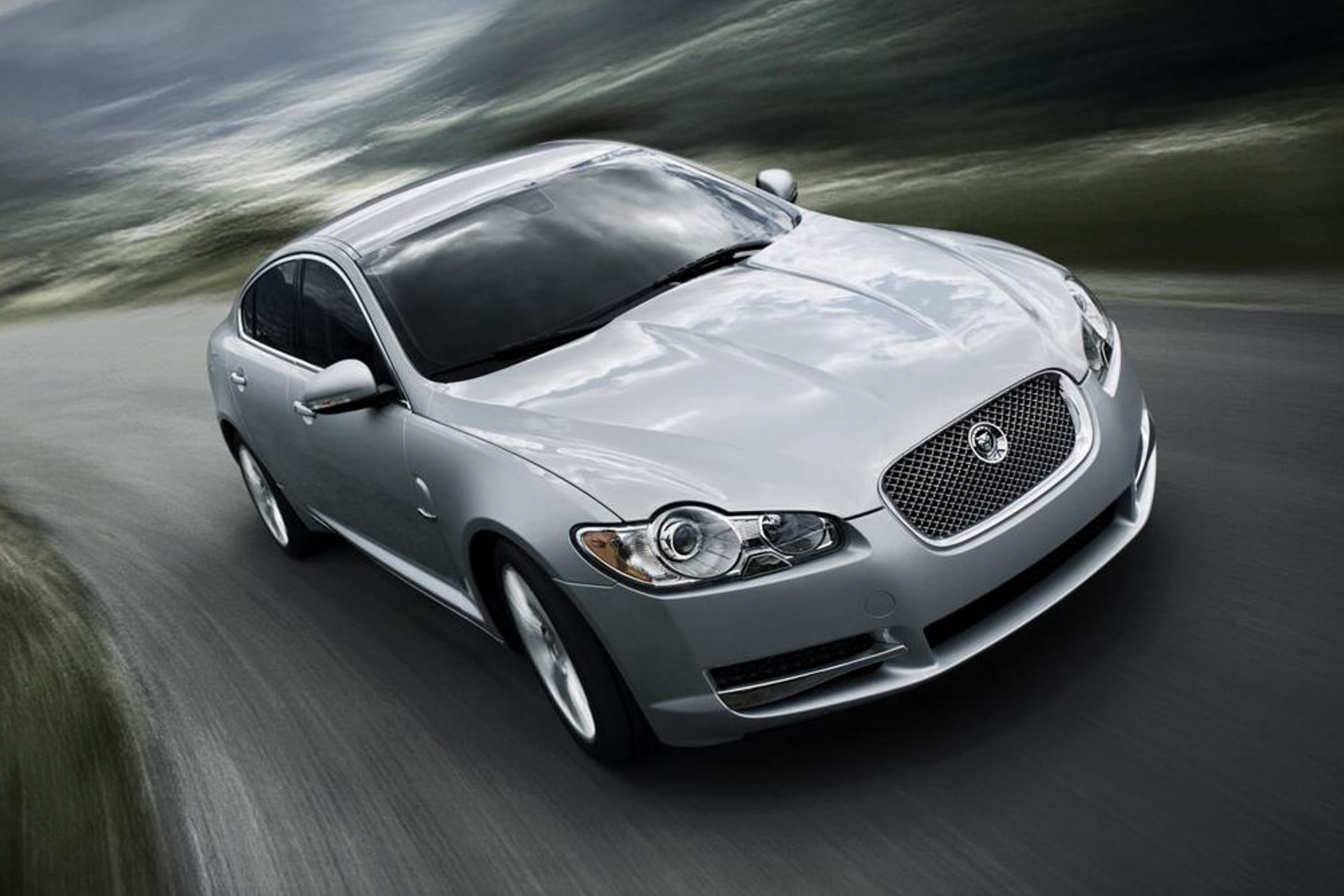
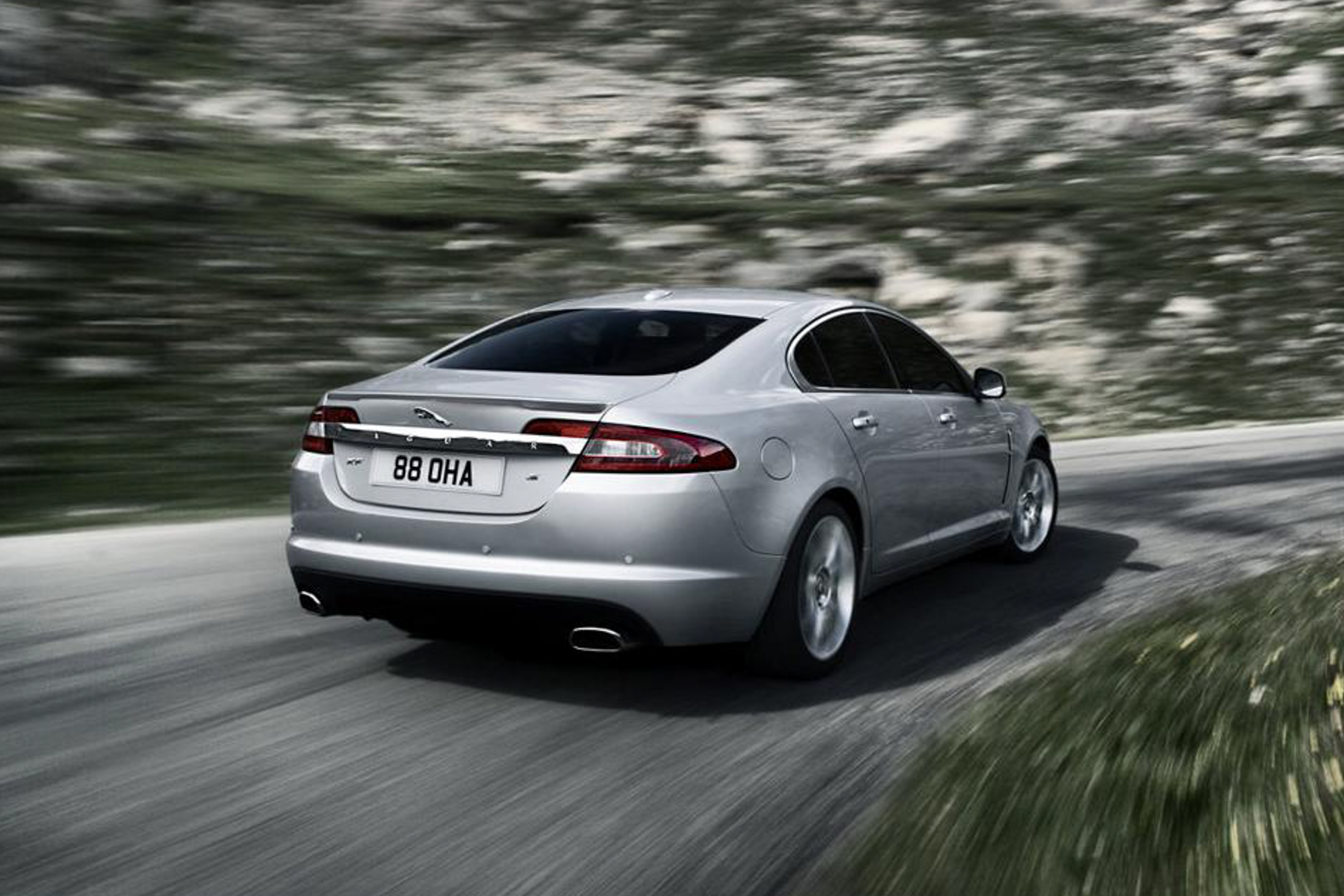
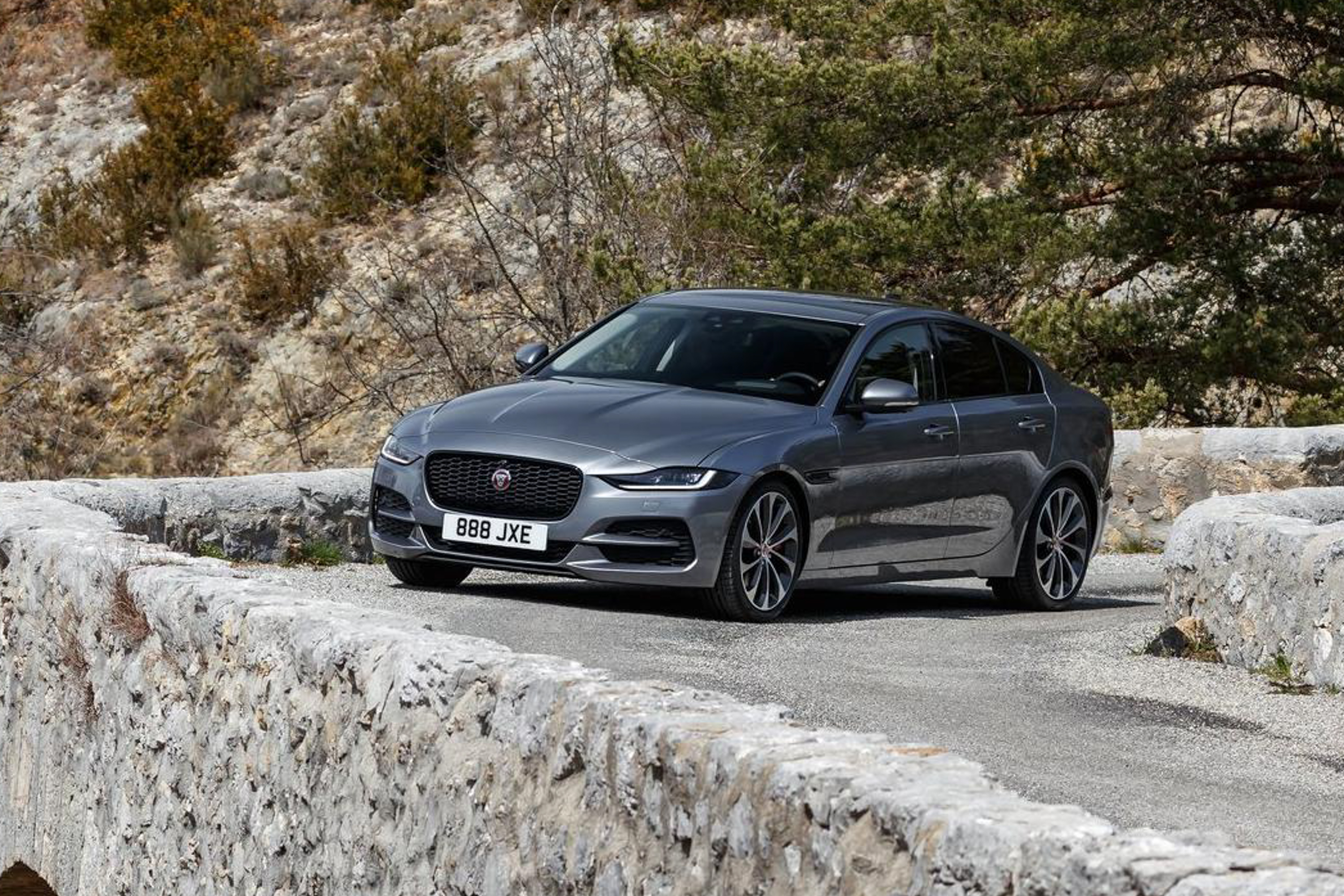
Viewed from a distance, the silhouette of the 2010 XF public was different from the mainstream business sedans of its time. It avoided an overly elongated rear and instead used a fastback-style C-pillar design to create a coupe-like stance. The front grille featured Jaguar's classic mesh design, paired with sharply contoured headlights on both sides for high recognizability. The two muscular lines on the hood stretched from the grille to the A-pillar, enhancing the sporty feel. The waistline on the side of the body extended from the front fender to the taillights, while the concave design on the lower section of the doors prevented the side profile from looking monotonous. The rear design was relatively simple, with LED taillights arranged in a surrounding style that made it easy to recognize the Jaguar style when illuminated. The dual exhausts, while not overly exaggerated, hinted at its powerful positioning. Overall, this car, among luxury sedans of a decade ago, was not exactly the traditional "boss's car" type, making it more in line with the aesthetics of younger executives or consumers pursuing individuality at the time.
Opening the door, the sense of luxury in the interior was primarily reflected in the materials: the upper part of the dashboard and the inner side of the door panels were covered with soft leather, offering a delicate texture. The seats were made of perforated genuine leather with neat stitching craftsmanship. The center console layout did not feature an overcomplicated set of buttons, focusing instead on a 7-inch touchscreen display at the core, which supported basic functions such as navigation and Bluetooth connectivity. However, by today's standards, the operational smoothness might seem slightly lagging. The steering wheel had a three-spoke design, with physical buttons for volume adjustment and call answering integrated on the left side, making blind operation very convenient. The instrument cluster used traditional mechanical dials, which lacked the technological feel of a digital dashboard but provided clear readability. In terms of configuration, it came standard with dual-zone automatic air conditioning and power seat adjustments (8-way for the driver, 6-way for the passenger). Higher trims were also equipped with seat heating, making these features practical for daily use.
Regarding body dimensions, the 2010 XF public measured 4961mm×1877mm×1460mm (L×W×H) with a wheelbase of 2909mm, which was standard for mid-size sedans of its time. The front row offered ample space, with a 180cm tall passenger having a headroom clearance of about a fist and two fingers after adjusting the seat. The rear space was the focus; a passenger of the same height could sit with about two fists' worth of legroom. However, due to the fastback design, headroom was slightly tighter, with around one fist of clearance, though it didn't feel overly cramped. The center floor had a slight hump but was not very high, so sitting in the middle for short durations was manageable. In terms of storage capacity, the center console storage box in the front row was quite spacious, enough to fit two bottles of water and some small items. The depth of the door pockets was sufficient to hold a phone and a folding umbrella. The trunk offered a standard capacity of 540 liters, which could easily accommodate two 28-inch suitcases and a carry-on suitcase. Additionally, the rear seats supported a split-folding function, making it possible to carry long items when necessary.
In terms of performance, the 2010 XF public offers two engine options: a 2.0T turbocharged engine and a 3.0L supercharged engine (the test drive version is the 3.0L supercharged version). In terms of specifications, the 3.0L model has a maximum power output of 250kW and a maximum torque of 450N·m, paired with a 6-speed automatic transmission with manual mode. During actual driving, the power response at startup is very direct, with no turbo lag issues—after all, it’s supercharged, so you can feel the power output the moment you step on the accelerator. Mid-to-high-speed acceleration is also powerful, and when accelerating at 80km/h, the transmission downshifts actively, enabling quick overtaking. There are two driving modes: normal and sport. In normal mode, the transmission shifts smoothly, making it suitable for daily commuting. When switched to sport mode, shift delays become longer; the engine speed stays above 3000rpm, throttle sensitivity is increased, and power delivery becomes more aggressive.
Handling performance is one of the highlights of this car. The steering wheel has moderate weight and minimal play, and when turning, you can clearly feel the front end closely following your inputs, so it doesn’t feel cumbersome like a "big boat" when driving. The suspension features a double-wishbone front and a multi-link rear independent setup, calibrated towards sportiness without sacrificing comfort. When driving over speed bumps or bumpy roads, the suspension quickly filters out most vibrations, so passengers won’t feel the jolts. When cornering, body roll is well-controlled, and the suspension offers sufficient stiffness, remaining stable even at slightly higher speeds. In terms of braking, the brake pedal feels linear, with the initial stage not being too sensitive and the braking force released evenly in the latter stage. During emergency braking, the body maintains stability, and the officially stated braking distance from 100-0km/h is about 40 meters, meeting the standards of this class.
In terms of daily driving comfort, its performance is fairly standard. Sound insulation is good: at speeds below 80km/h, tire and wind noise are not obvious; at speeds exceeding 100km/h, wind noise enters the cabin from the A-pillar area but doesn’t affect normal conversation. The seats provide good support, and the cushions and backrests are adequately supportive, ensuring that long drives won’t feel tiring. However, as a fuel-powered vehicle, its fuel consumption is not low: in urban driving conditions, it is about 12-13L/100km, while on the highway it can drop to 8-9L/100km. For a 3.0L engine model, this fuel consumption is within the normal range.
In summary, the core advantages of the 2010 Jaguar XF public lie in three areas: First, its design combines a sense of luxury with sportiness, making it distinctive among mid-to-large sedans of its time. Second, its handling, with the responsive power delivery of its supercharged engine and sporty suspension tuning, can satisfy the desire for occasional spirited driving. Third, its materials and craftsmanship, with interior leather coverings and seat workmanship, align with the positioning of a luxury brand. Compared to competitors like the BMW 5 Series or Mercedes-Benz E-Class, its advantage lies in its more distinct sporty character, while its disadvantages may include lower brand recognition in business settings and relatively higher maintenance costs.
This car clearly targets a certain group of buyers: not those pursuing pure corporate status, but those aged 30-45 with a certain level of financial capability who need a luxury sedan that makes an impression while providing enjoyable daily driving experiences—such as young entrepreneurs or driving-enthusiast mid-level managers.
Overall, the 2010 Jaguar XF public is a luxury mid-size sedan that is "specialized yet balanced": it does not deliberately try to please everyone but accurately appeals to those who are not satisfied with traditional business sedans and seek a touch of individuality and driving pleasure. Even today, its design and handling still have admirable qualities, making it a classic model worth reminiscing about.
Jaguar XF Car Compare


More Jaguar Reviews
Cars With Similar Price And Features
12
Rank in Sedan
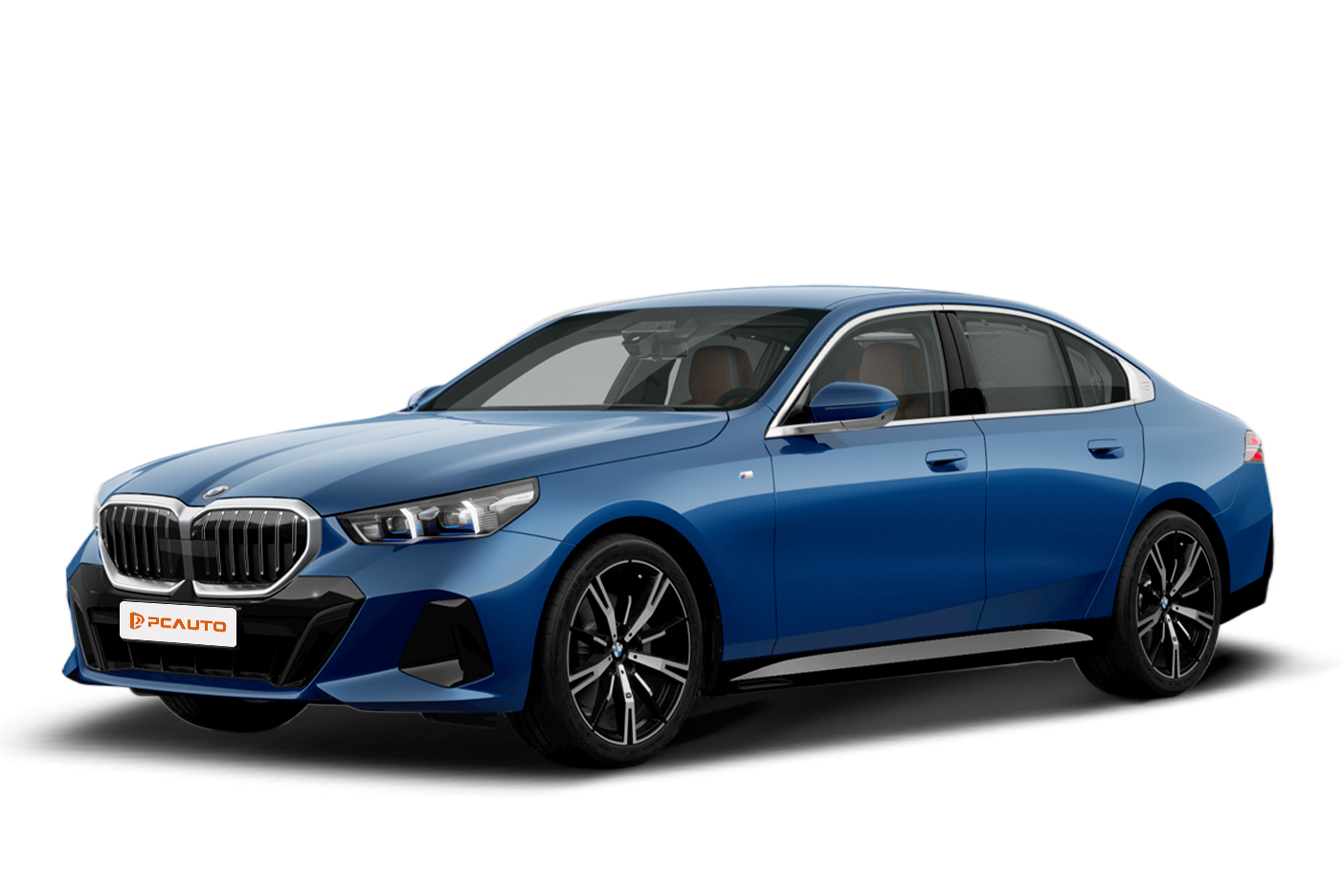
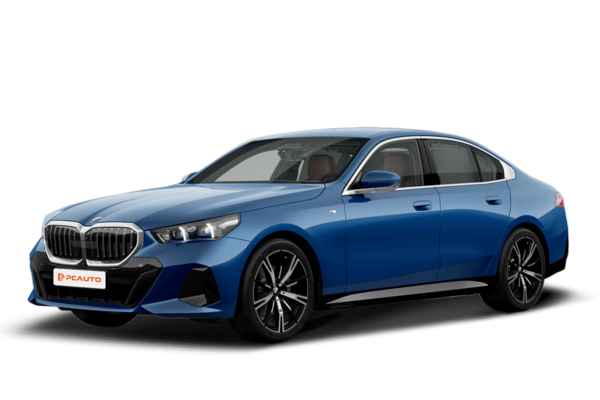
2025 BMW 5 Series 530i M Sport combines executive stability with youthful vitality through the M Sport package, featuring a powerful 2.0T mild hybrid system, enhanced by connected screen technology, balancing luxury, practicality, and driving pleasure.
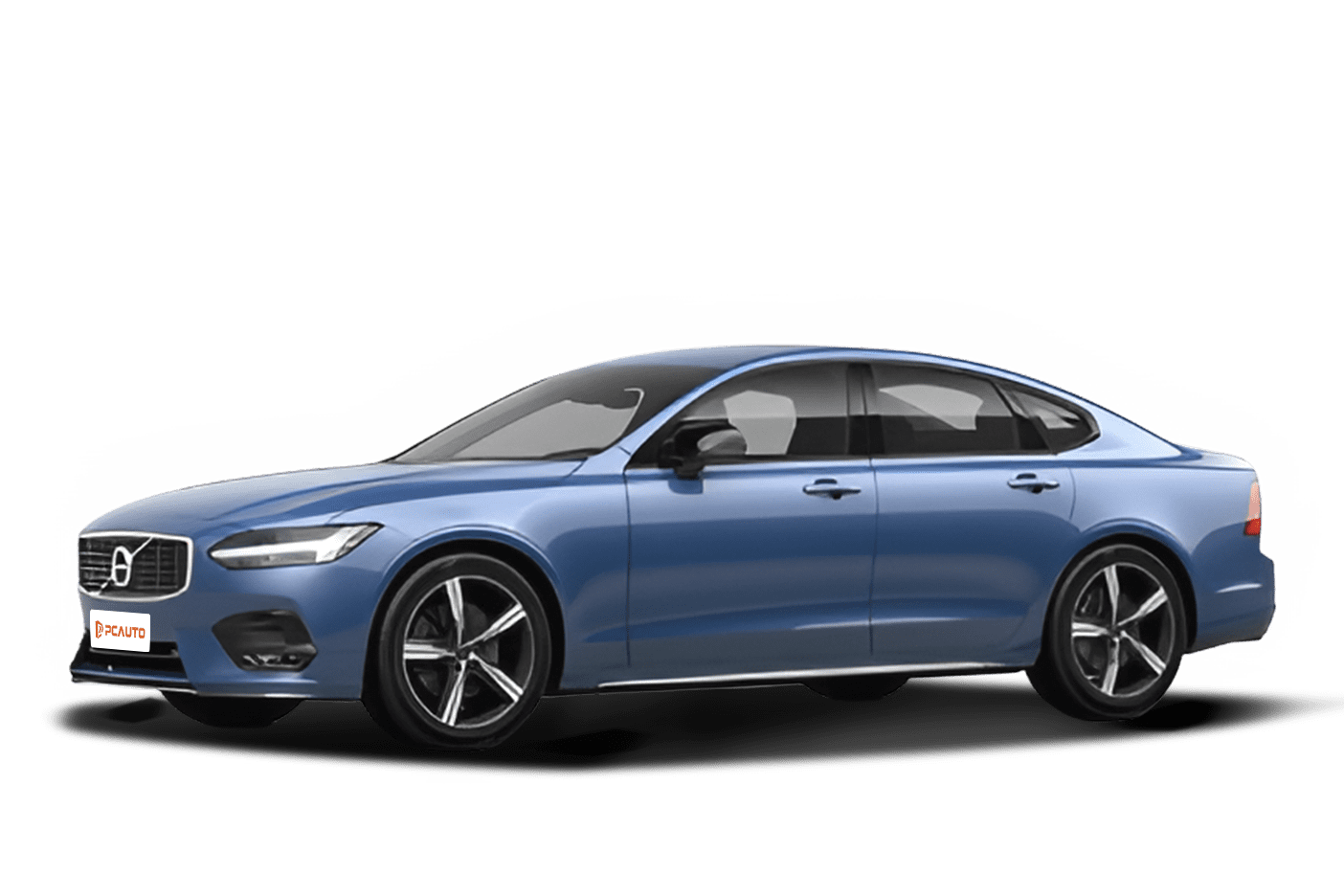
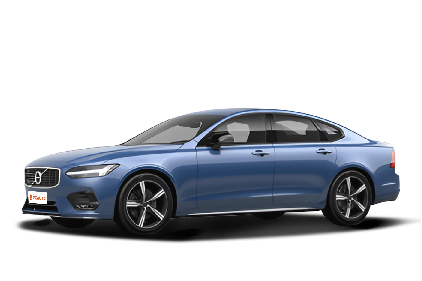
2021 Volvo S90 T5 Momentum is a mid-to-high-end sedan that combines safety DNA, family-friendly features, and executive-level comfort. It offers practical space, smooth power delivery, and is suitable for families and business users who value quality.

15
Rank in Sedan

2024 Mercedes-Benz E-Class E200, as a luxury executive sedan, upgrades its mild-hybrid system to balance power and fuel efficiency, enhances intelligent configurations, offers practical space, and highlights a comfortable driving experience.
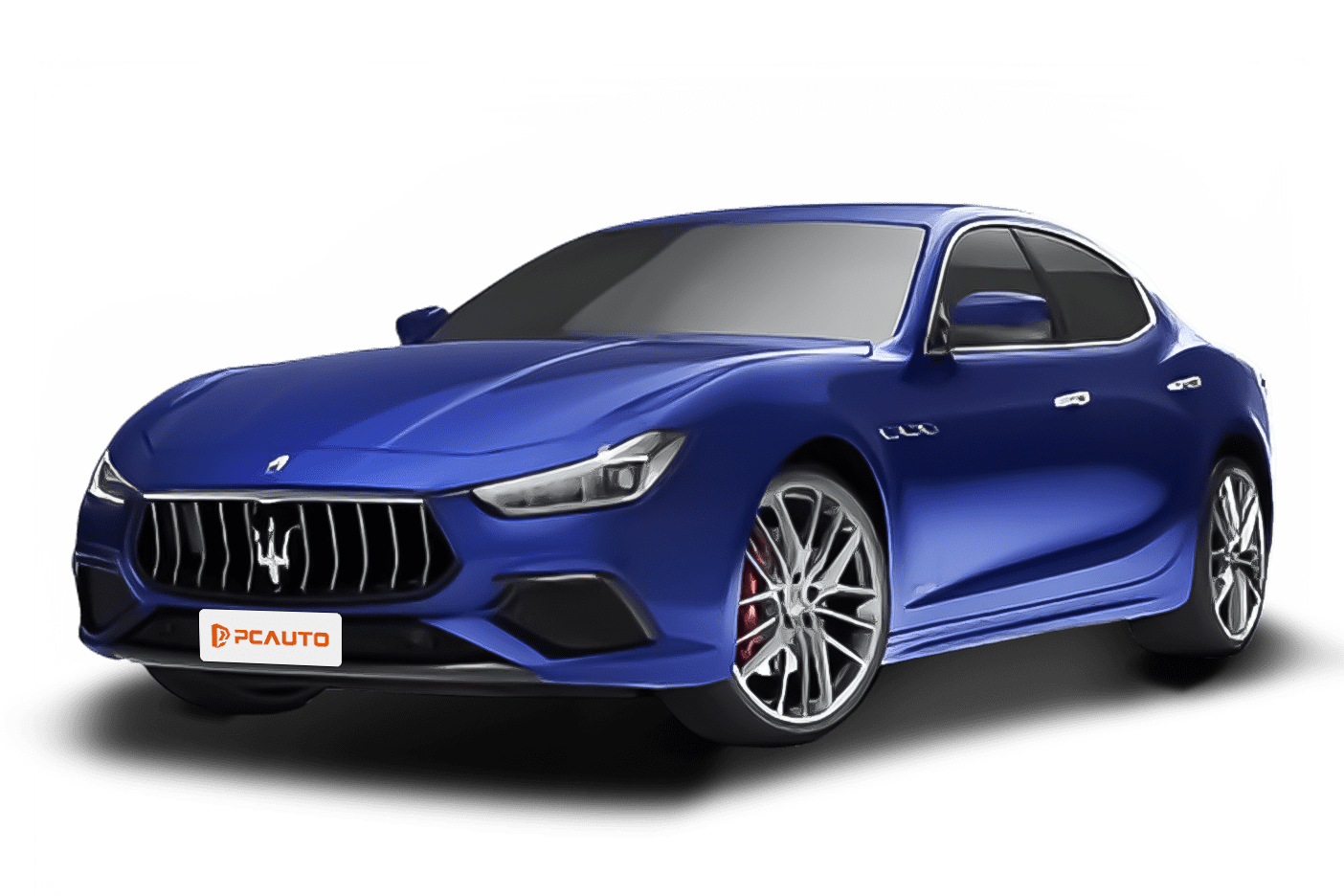
2022 Maserati Ghibli Hybrid is a model that combines luxurious executive appeal with efficient hybrid economy, retaining the brand's classic design and driving pleasure, and is more budget-friendly.