

Kia Niro Review

 Share
Share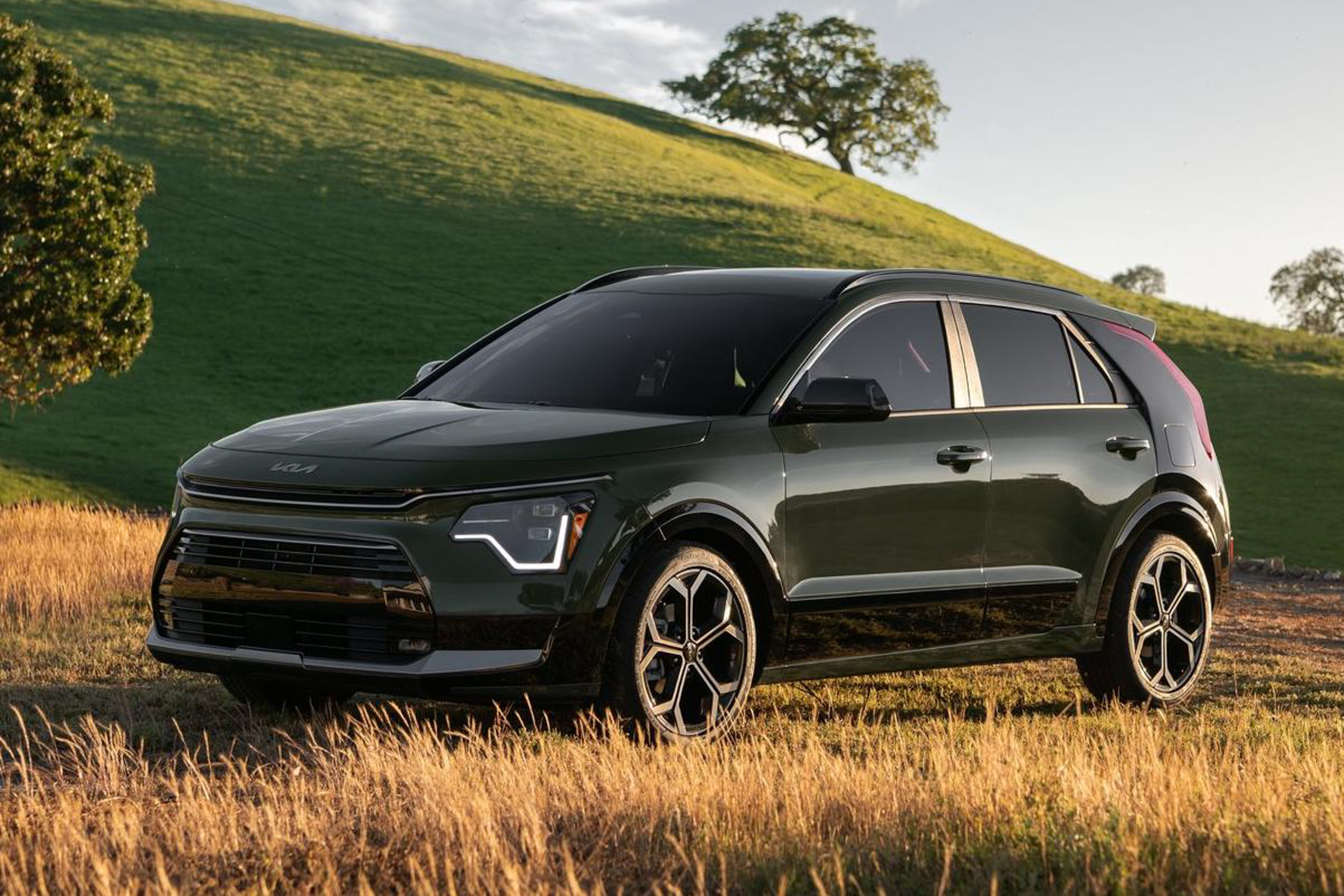
 Segment
 Body Type
 Motor Torque(Nm)
 EV Range(km)
 Battery Capacity(kWh)
 Driven Wheels
As Malaysia's electric vehicle market continues to heat up, the C-segment electric SUV is becoming a popular choice for family users and young consumers. This type of vehicle needs to meet daily commuting range requirements while also considering spatial practicality and intelligent configurations. The 2023 Kia Niro EV, as a new contender in this segment, enters the market with an official range of 407km, rich active safety configurations, and a pricing of RM256,000. Its core selling point is aimed at being a "well-balanced family electric SUV." Through this in-depth test drive, we focus on verifying whether its actual range performance, ride comfort meet family needs, and whether its configurations offer true value for money.
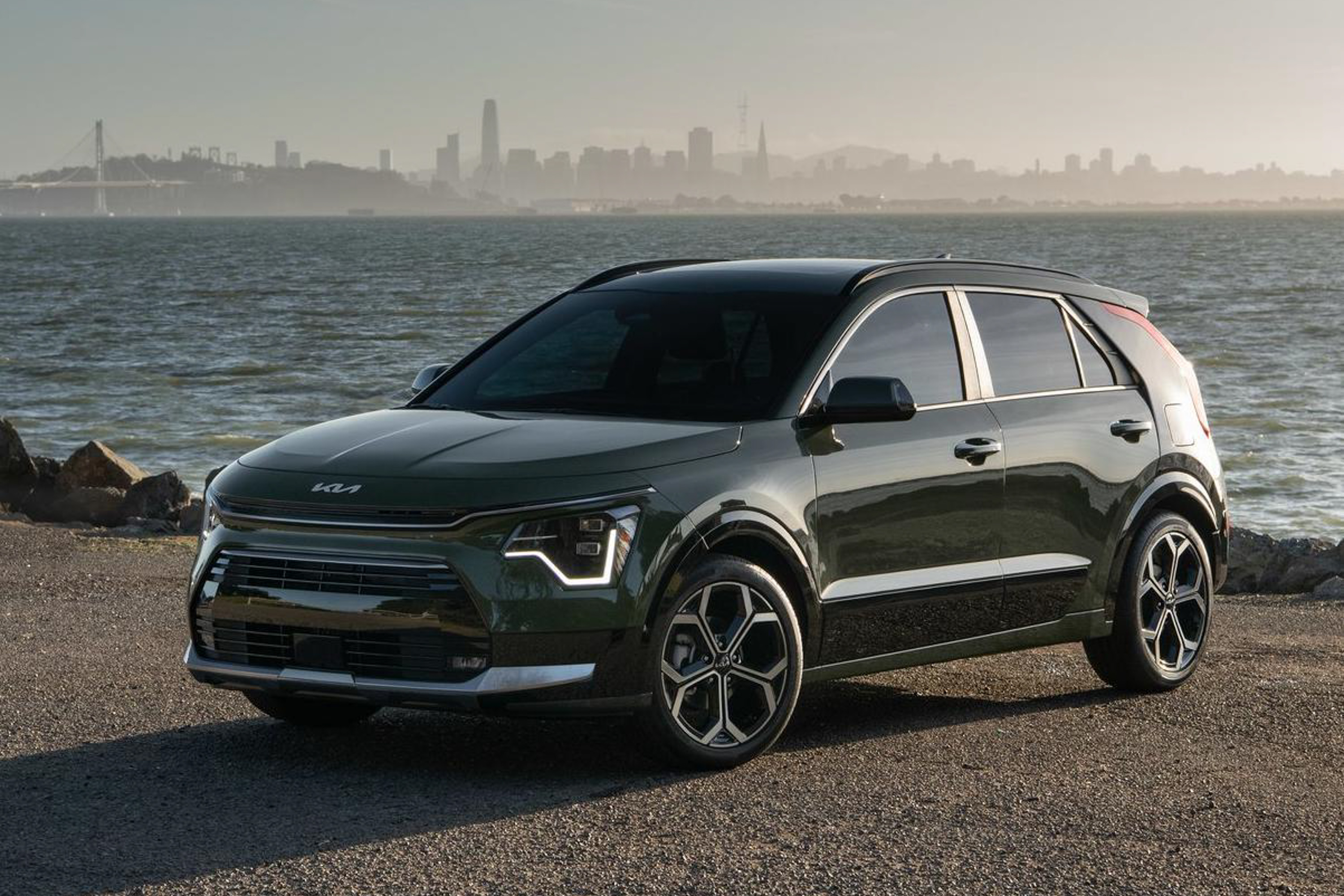
In terms of appearance, the 2023 Niro EV continues Kia's latest "Opposites United" design language, with an overall style that leans towards rounded edges without losing its recognizability. The front adopts a closed-type grille design, paired with sharp LED headlight clusters on both sides, and the daytime running lights inside the clusters form a zigzag pattern, offering high recognizability when illuminated. The side profile features smooth lines, with a waistline extending from the A-pillar to the rear, adding a sense of layering. The 17-inch alloy wheels have a simple design, aligning with the family-oriented positioning. At the rear, the LED taillight strip echoes the design of the front, while the diffuser design below the rear bumper adds a touch of sportiness. For details, the vehicle offers a variety of body color options. The matte blue used in this test drive exhibits a decent texture under sunlight. The overall design is neither ostentatious nor overly understated, appealing to the aesthetics of most family users.
Stepping inside, the Niro EV's interior layout emphasizes practicality. The center console adopts a symmetrical design, with extensive use of soft-touch plastic materials, paired with piano black panels and silver trim strips, resulting in a design that is not overly luxurious but still feels refined. The 10.25-inch central control screen is the visual focal point, offering clear resolution and smooth operation. It supports Apple CarPlay and Android Auto connectivity. Next to it, the 10.25-inch fully digital instrument cluster can display information such as range and power output, while the inclusion of a HUD (Head-Up Display) system further enhances convenience, allowing drivers to see speed and navigation hints without looking down. In terms of configurations, the front seats support electric adjustments. Heated functionality may not see much use in Malaysia's climate, but the seat padding is soft and provides adequate support. The rear seats are equipped with independent air conditioning vents and USB charging ports. With a 2717mm wheelbase, the rear legroom is spacious; a 175cm passenger can sit comfortably with two fists' distance between their knees and the front seat, with an additional fist of headroom, making it suitable for family travel. The trunk offers a standard capacity of 63.7L, sufficient for daily items like suitcases or strollers. If the rear seats are folded, the storage space can be expanded, meeting practical needs.
In terms of dynamic performance, the Niro EV is equipped with a front-mounted 150kW motor, delivering a maximum horsepower of 201PS and a peak torque of 255N·m. The power output is smooth. During start-up, there is no jerky sensation like a fuel vehicle, and light pressure on the accelerator achieves stable acceleration. Commuting in the city, following traffic or overtaking is effortless. Switching to sport mode makes the power response more active, noticeably enhancing acceleration, though the push-back sensation weakens when further accelerating beyond 100km/h on highways, in line with its family car positioning. Regarding the chassis, the front MacPherson strut and rear multi-link independent suspension setup is tuned towards comfort. It can absorb most of the bumps when dealing with speed bumps or uneven roads in the city, avoiding a noticeably stiff feeling. When cornering, the body tilt is well-controlled. The steering wheel offers moderate precision in turning with minimal dead zones, making it quite easy for daily driving.
Range and charging are the points that electric vehicle users care about the most. This time, our test drive route covered urban congested roads, highways, and suburban roads, with a total mileage of about 200km. The displayed range was 407km at departure, and 198km remained at the end, achieving about 95%, which met expectations. On highways at a cruising speed of 110km/h, the power consumption was approximately 16kWh/100km, while in urban areas it dropped to as low as 13kWh/100km. Based on this data, driving over 380km on a full charge is basically achievable. As for charging, using a DC fast-charging station to charge from 10% to 80% takes about 45 minutes. The 65kWh battery capacity is not particularly large, but it is sufficient for daily commuting and short weekend trips. Using an AC slow charger at home, it takes about 9 hours to charge from 0 to full, which is suitable for overnight charging.
In terms of comfort details, the noise control of the Niro EV is done quite well. Below 60km/h, wind noise or tire noise is almost undetectable. At 120km/h on the highway, wind noise increases, but it is still within an acceptable range. The regenerative braking system has three adjustable levels. At the lowest level, it feels similar to a fuel car's coasting mode, without obvious drag. At the highest level, the deceleration effect is significant, and after getting used to it, single-pedal driving can be achieved. The wrapping and support of the seats perform well during long drives, and you won't feel tired even after driving continuously for 2 hours.
Overall, the core advantage of the 2023 Kia Niro EV is its balance—stable range performance, practical space, rich configurations, and reasonable pricing. Compared to competitors in the same class, such as the Hyundai Kona Electric, the Niro EV has a slight advantage in wheelbase and rear legroom. It also adds features like HUD head-up display and rear side airbags, making its value for money higher. Compared to the Toyota bZ4X, it offers a more affordable price.
In summary, the Niro EV is suitable for families who value practicality and cost-effectiveness. It can meet the needs of daily commuting and short family trips on weekends. For consumers with a budget of around 250,000 RM looking to switch to an electric vehicle, its balanced performance will not disappoint. If you don't need extreme range or performance and just want a reliable, easy-to-drive family electric SUV, the Niro EV is worth considering.
Kia Niro Car Compare
Kia Niro Loan Calculator
Cars With Similar Price And Features

1
Rank in SUV
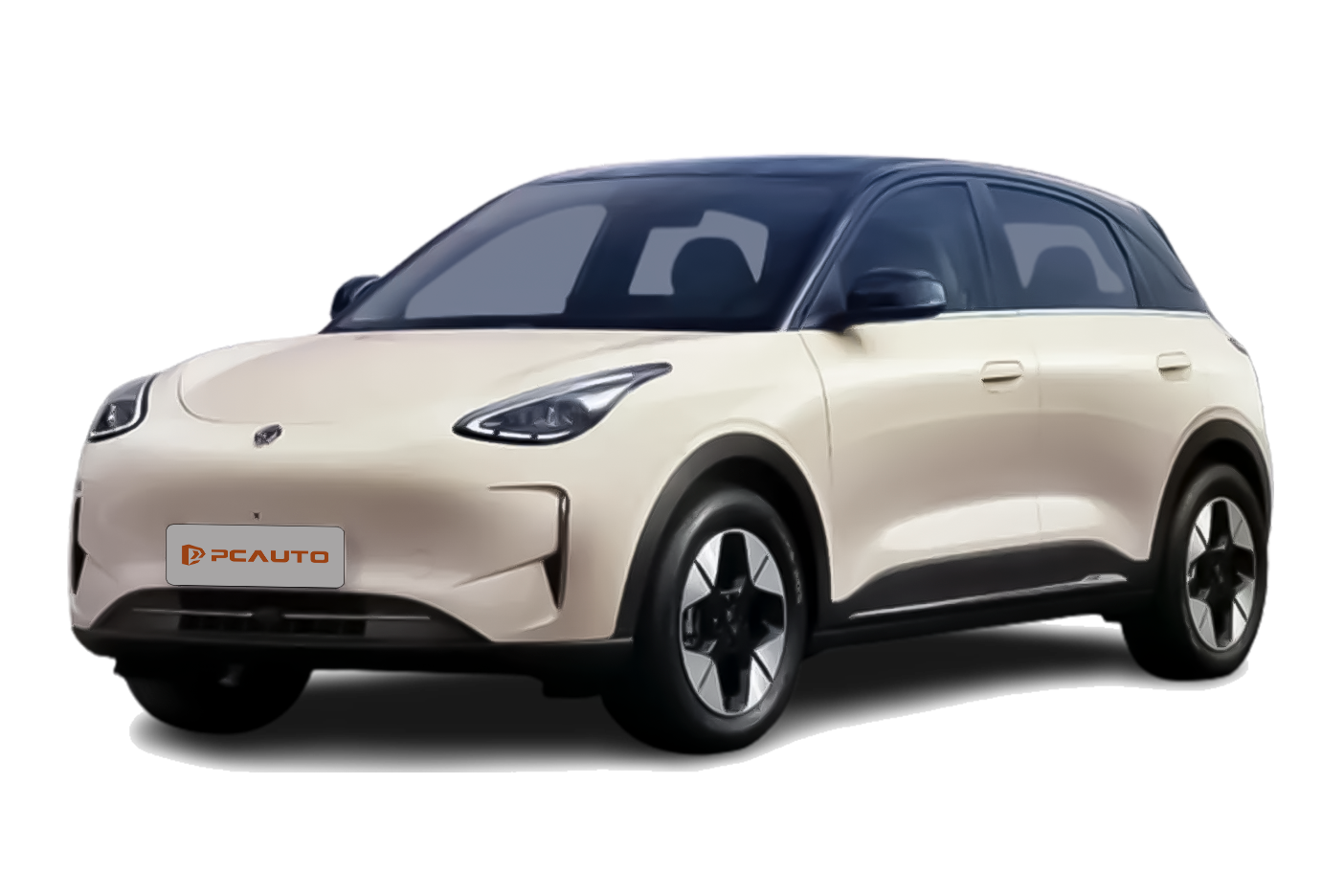
2025 Proton e.Mas 5 Prime is Proton's first entry-level pure electric C-Segment model, priced from 56,800 MYR to target the sub-100,000 MYR market, balancing practical features with commuting range.
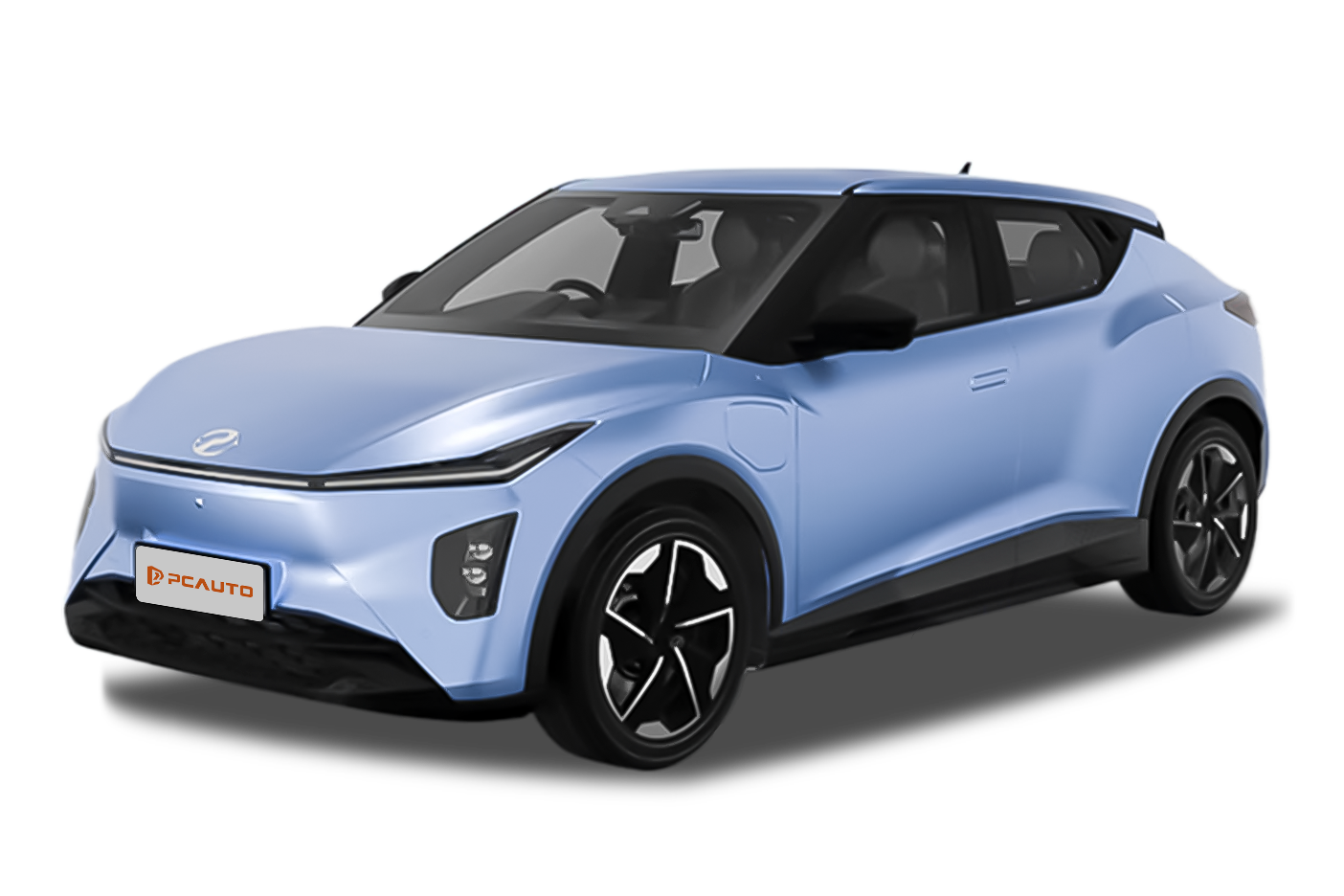
The 2025 Perodua QV-E is an affordably priced, practically ranged class-C pure electric vehicle, precisely tailored for family users and young commuters with its high safety features, spacious interior, and agile driving dynamics.
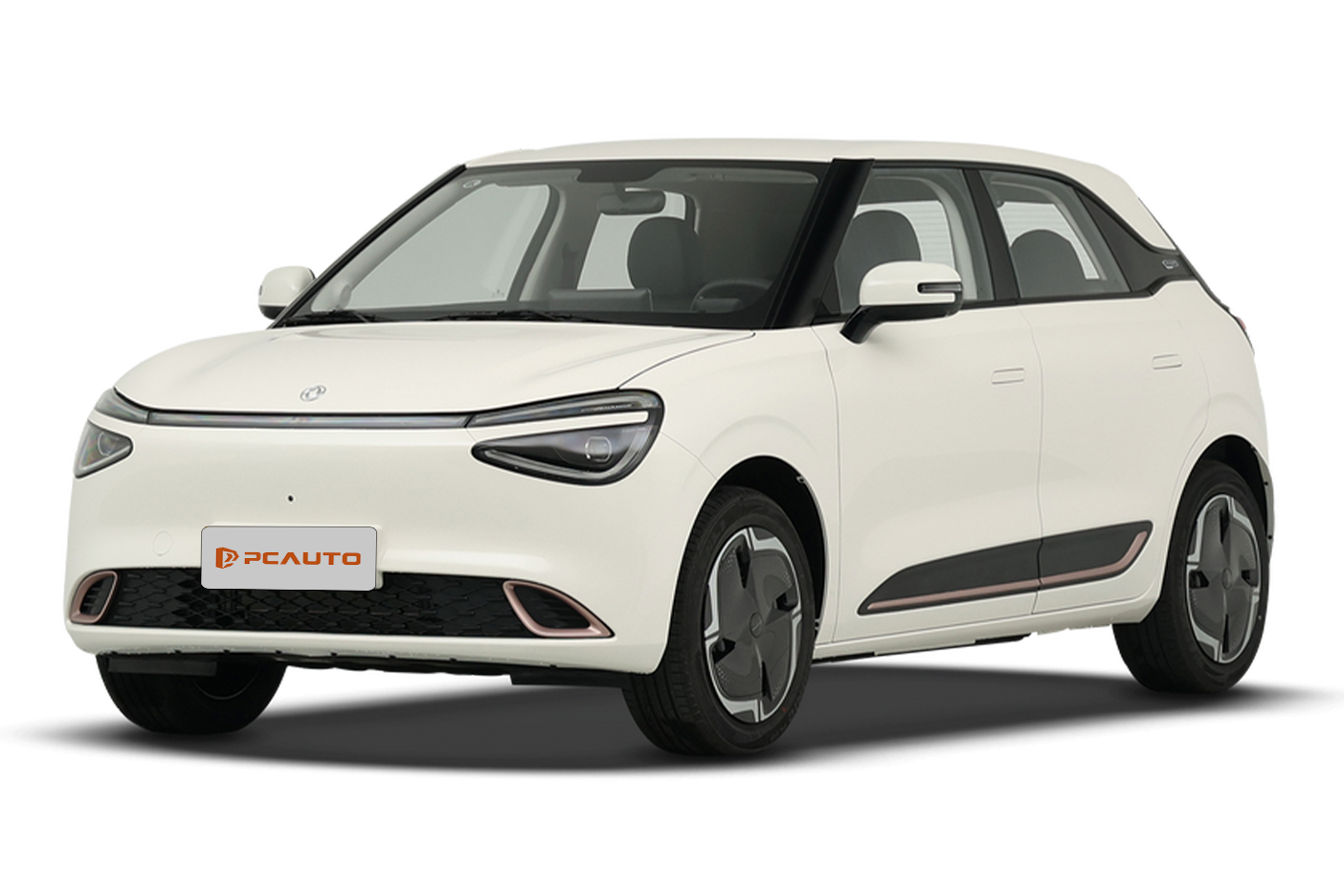
2024 DFSK Box E2 is a household pure electric vehicle in Malaysia priced at around 100,000 Ringgit, featuring a 330 km range, 12.8-inch large screen, and practical space as its main selling points, catering to both commuting and family needs.
30
Rank in SUV
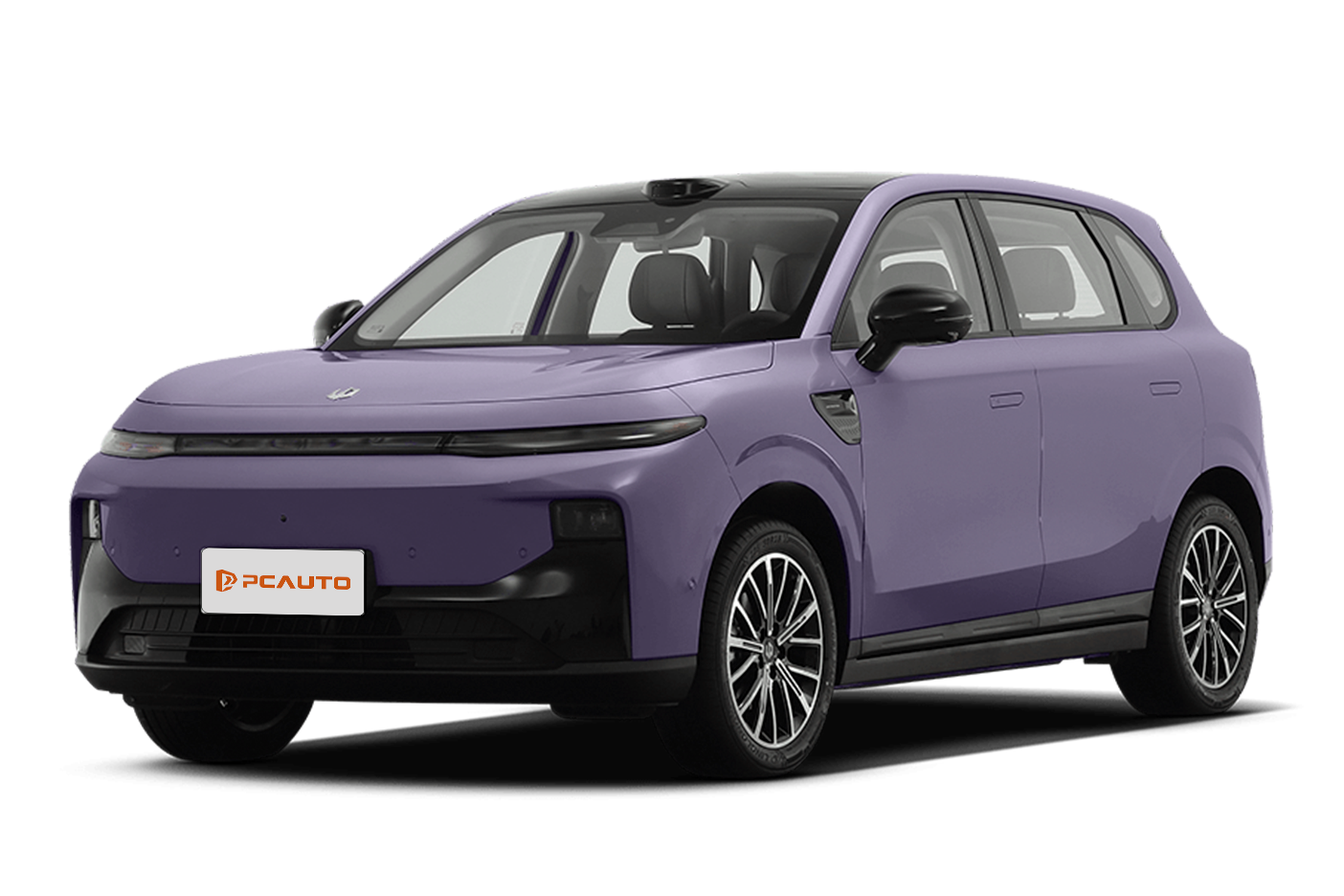
2025 Leapmotor B10 LIFE is a 100,000-level pure electric C-class SUV, equipped with standard L2 assisted driving and other practical features. It offers spacious interior and solid range, making it a go-to choice for family users.