

Lamborghini Aventador 2019 Review

 Share
Share
 Segment
 Body Type
 Capacity(L)
 Engine Power(PS)
 Transmission
 Driven Wheels
In Malaysia's supercar market, hardtop convertible supercars have always been a niche but very attractive segment—it must not only meet the user’s pursuit of extreme performance but also strike a balance between the sense of ceremony and practicality in its convertible mode. The 2019 Lamborghini Aventador SVJ Roadster, as a representative model in this segment, features a naturally aspirated V12 engine producing 770PS, an all-wheel-drive system, and a lightweight design as its key selling points. Many car enthusiasts are curious whether it can truly balance "ferocity" and "usability" during daily road use and occasional performance experiences. This review will analyze its static design, dynamic performance, and practical details of use, to provide potential buyers with an authentic understanding of this flagship convertible supercar.
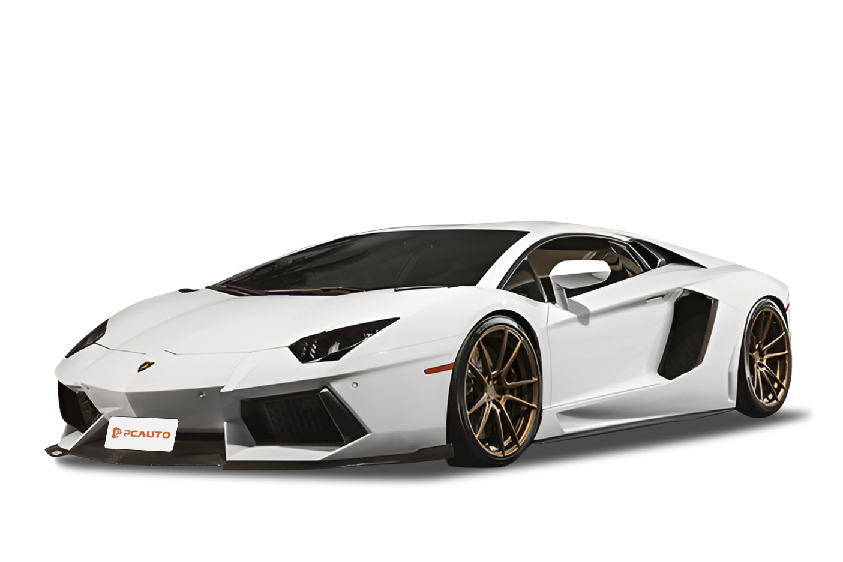
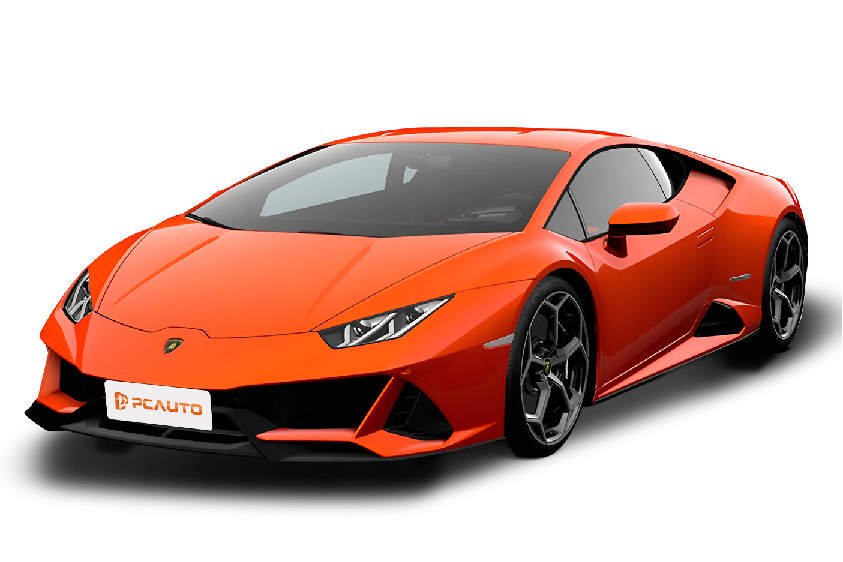
In terms of appearance, the Aventador SVJ Roadster continues the aggressive design of the hardtop version, but its convertible structure adds a sense of elegance to it. The front features Y-shaped LED daytime running lights and a large honeycomb grille, directly adopting a race-oriented design. The two raised lines on the engine hood extend from the A-pillar to the front lip, enhancing the muscular look; the carbon fiber side skirts on the body's sides and the 20/21-inch staggered Pirelli P Zero Corsa tires not only reduce drag but also enhance grip. It’s worth noting that its hardtop convertible roof is made of lightweight materials and can be opened or closed within 17 seconds at speeds under 50 km/h. When retracted, the convertible roof seamlessly integrates with the streamlined design of the rear, without disrupting the overall aerodynamic layout. The active rear spoiler at the car’s rear is one of the visual highlights—it automatically adjusts its angle based on speed and, together with the diffuser below and the quad exhaust outlets, provides sufficient downforce during high-speed drives. The full LED taillight cluster, featuring Y-shaped elements, spans the entire rear, offering high nighttime recognition.
Sitting inside, the cabin exudes a racing-inspired combat atmosphere while retaining the luxury expected of a supercar in its details. The interior primarily uses carbon fiber and Alcantara materials, with an 8.4-inch touchscreen at the center console as the sole tech feature, supporting CarPlay and vehicle status display with simple and direct operation logic. The multifunctional steering wheel adopts a flat-bottom design, with the left side integrating buttons to select driving modes (Strada/Sport/Corsa), while the right side controls turn signals and wipers. Below the steering wheel is the red start button, which requires lifting a cover before pressing, adding an extra sense of ceremony. The seats are carbon-fiber bucket seats, offering excellent lateral support; the wrapping around the waist and legs ensures the body stays firmly in place during aggressive driving while still not being too tight during daily use. Notably, with the roof retracted, deflectors next to the headrests automatically rise to reduce wind noise in the cabin. However, storage space is limited, with room for only two small backpacks. The carbon-fiber trim on the passenger's front side and the Lamborghini embroidery on the inner side of the doors showcase the brand's identity in subtle details.
In terms of space, as a two-door, two-seater supercar, its seating area is entirely designed around the driver. A test driver with a height of 175cm has two fingers of headroom to spare when the roof is closed, and no restrictions with the roof open. Legroom, constrained by the long wheelbase and engine layout, is only sufficient for accommodating a standard driving posture. However, for supercar users, this level of performance is more than adequate. Storage capacity, on the other hand, is quite limited, with a front trunk volume of only 76L, enough to fit just a carry-on suitcase. The storage compartments inside the car doors can only accommodate a phone or wallet, so daily commutes might require bringing along an additional backpack. That said, considering its supercar designation, this level of practicality meets expectations.
At the moment the engine starts, the roar of the 6.5L naturally aspirated V12 engine is directly transmitted into the cabin through the exhaust — a deep rumble at idle, transforming into a sharp howl when the throttle is pressed deeply. At 8,400 rpm, the sound becomes even more penetrating. In terms of power specifications, the maximum power of 770PS and peak torque of 720N·m, combined with the 7-speed ISR automatic transmission, allows the car to officially accelerate from 0-100km/h in just 2.9 seconds. During real-world experience, the throttle response in Corsa mode is extremely sensitive, and the rear wheels briefly slip during startup (the all-wheel-drive system intervenes quickly). The pushback feeling lasts from the start all the way to the redline shift. Even at speeds above 120km/h, strong power reserves can still be felt when accelerating further. For everyday driving, switching to Strada mode makes the transmission try to stay in higher gears, maintaining engine speed at around 2,000 rpm. At this point, power output becomes relatively smooth and lacks any abrupt jolts, making it suitable for urban driving.
Handling and chassis performance are among the core strengths of the Aventador SVJ Roadster. Its steering system is extremely precise, with almost no play in the steering wheel. When turned, it directly feeds back road surface information. Steering weight noticeably increases in Corsa mode, making it more suitable for track driving. The chassis features double-wishbone independent suspension in both the front and rear. In Strada mode, it filters out small road bumps and does not feel as harsh as a pure track car. Meanwhile, in Sport or Corsa mode, the suspension instantly stiffens, minimizing body roll during cornering. Even when taking corners at relatively high speeds, the body remains stable. However, on continuously bumpy roads, the stiff suspension will transmit most of the vibrations into the cabin, which means it’s best to avoid potholes during daily driving.
In terms of fuel consumption, the official combined fuel consumption is 18.4L/100km. In actual tests, the fuel consumption is about 22L/100km on urban roads (Strada mode) and about 15L/100km on highways (120km/h cruising). The 90L fuel tank provides a driving range of only around 400km in urban conditions, requiring frequent refueling, which is an inevitable trade-off for the large displacement naturally aspirated engine. Regarding braking performance, the front 6-piston and rear 4-piston calipers, paired with carbon-ceramic brake discs, achieve a 100-0km/h braking distance of about 30 meters. Even after continuous braking, there is no obvious thermal attenuation, making the safety performance reliable.
As for driving comfort, with the roof closed, the cabin's sound insulation exceeds expectations. Wind and tire noise are both kept within acceptable levels even at high speeds. When the roof is open, as long as the car speed does not exceed 120km/h, the wind deflectors near the headrests effectively reduce the direct wind blowing towards passengers. At this point, the wind noise primarily comes from above the roof and does not interfere with normal conversations. The seat comfort is above average for a supercar. Even during long drives (over two hours), there is no significant back pain or discomfort. However, the Alcantara material can feel a bit stuffy during the hot Malaysian summer, requiring the air conditioning to provide relief.
In conclusion, the 2019 Lamborghini Aventador SVJ Roadster's core advantages lie in three aspects: first, the ultimate sound and power experience delivered by the 770PS naturally aspirated V12 engine, which turbocharged engines cannot replicate; second, the chassis tuning that balances track performance and daily driving, with three driving modes to meet the needs of different scenarios; third, the sense of ceremony brought by the hardtop convertible, with a 17-second opening and closing time being among the best in its class. Compared to its peer, the Ferrari 812 GTS, it excels in track performance, and the all-wheel-drive system makes it more controllable on wet roads. However, its fuel consumption and storage space slightly fall short by comparison.
This car is suitable for two types of users: one is supercar collectors who pursue ultimate performance and brand ceremonial feelings. Its V12 naturally aspirated engine and convertible design are irreplaceable; the other is users who occasionally need to commute in a supercar. The smoothness and sound insulation performance in Strada mode can meet basic daily usage needs. If you want a flagship supercar that can unleash passion on the track while allowing you to open the convertible and enjoy the sunshine on weekends, the Aventador SVJ Roadster is undoubtedly the perfect choice—it is not a "practical" car, but it can give you the purest supercar experience.
Lamborghini Aventador Car Compare
Lamborghini Aventador Loan Calculator
More Lamborghini Reviews
Cars With Similar Price And Features
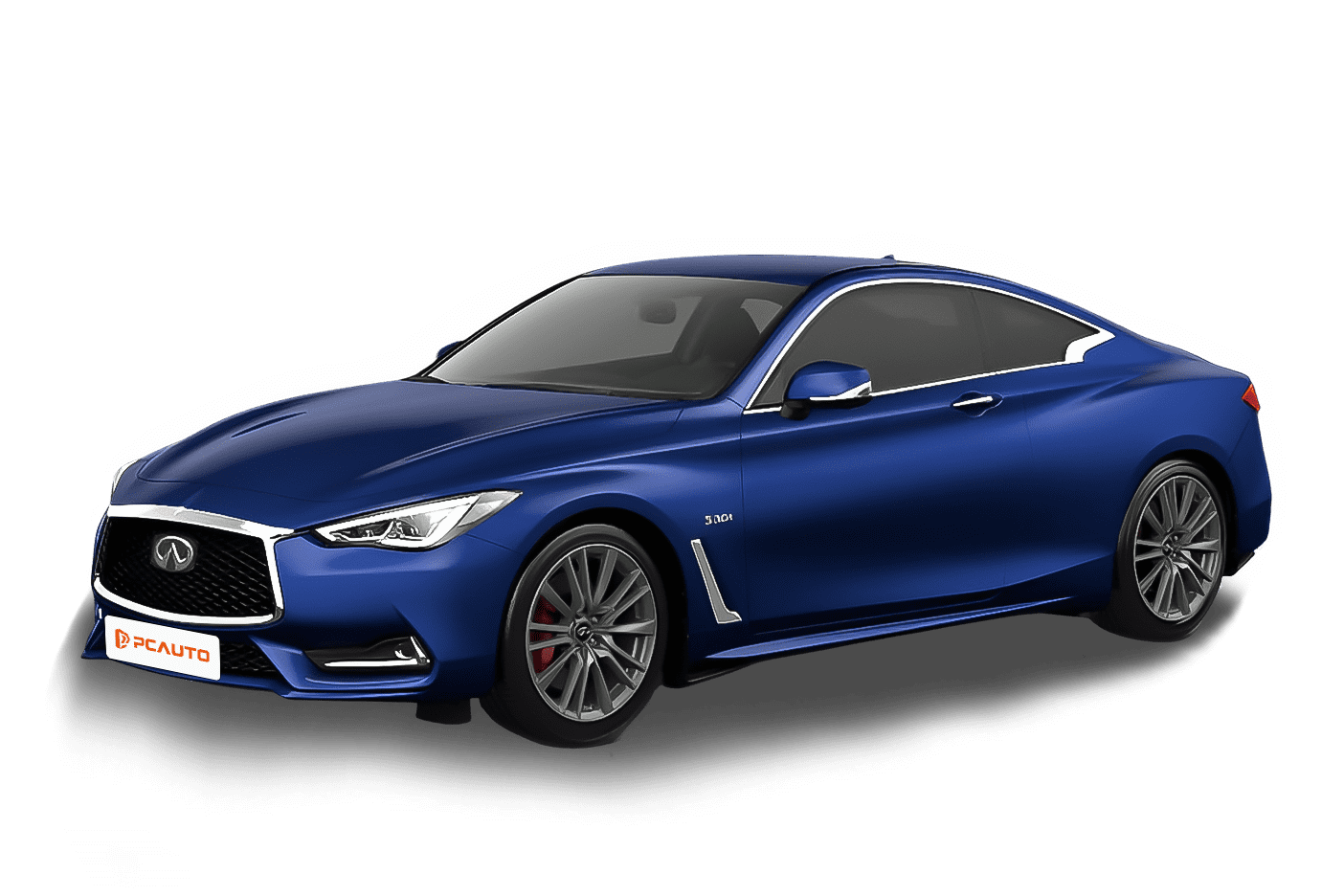
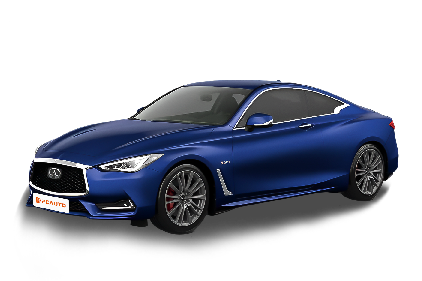
2017 Infiniti Q60 2.0t is a luxury coupe that balances sporty design and daily practicality, featuring a family-style exterior, BOSE audio system, and balanced power as its core selling points.
1
Rank in Coupe
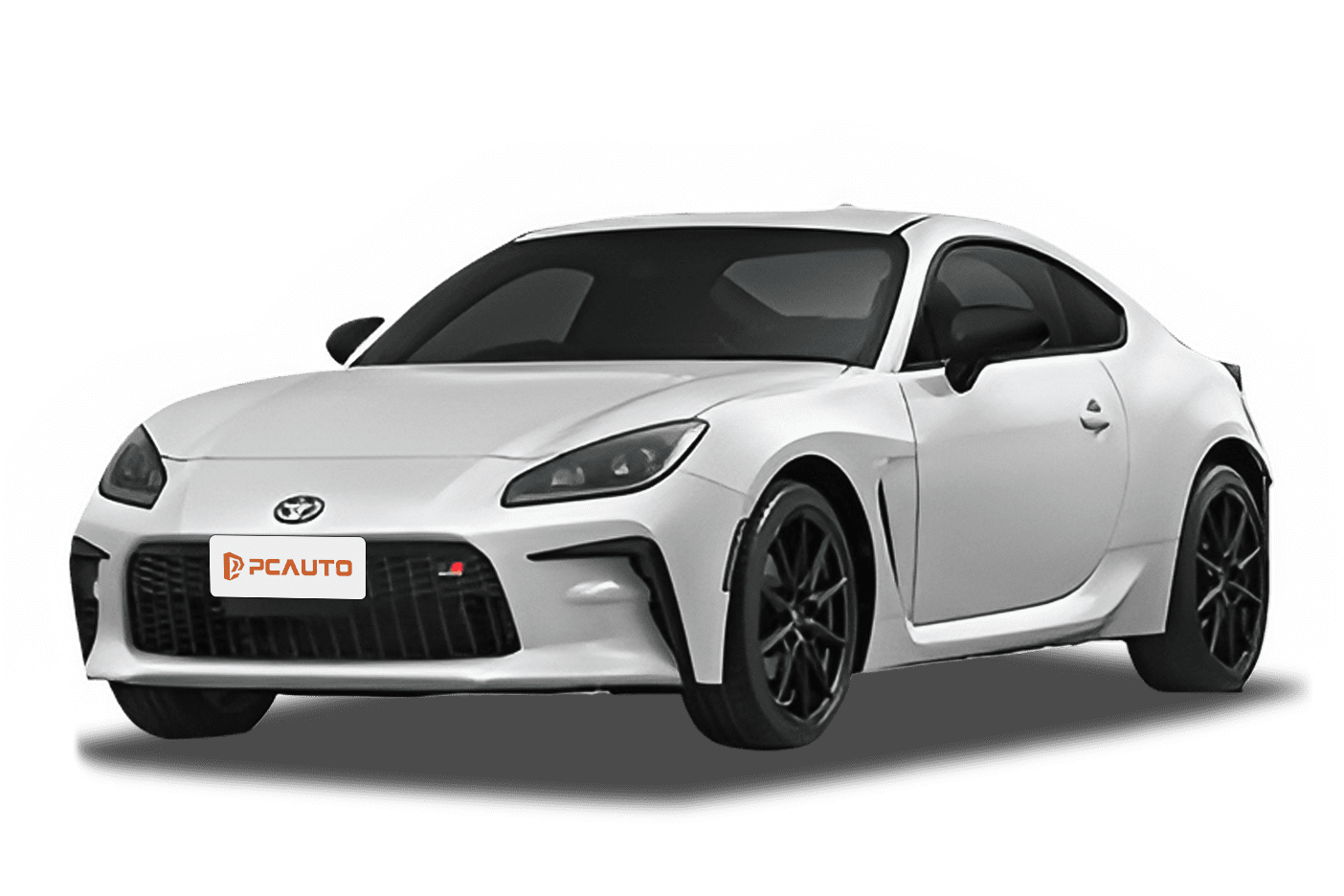
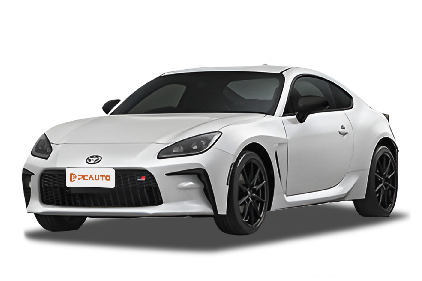
2023 Toyota GR 86 2.4 AT is a rear-wheel-drive sports coupe upgraded with a 2.4L naturally aspirated engine to address low torque issues, balancing daily commuting with pure driving pleasure.
10
Rank in Coupe
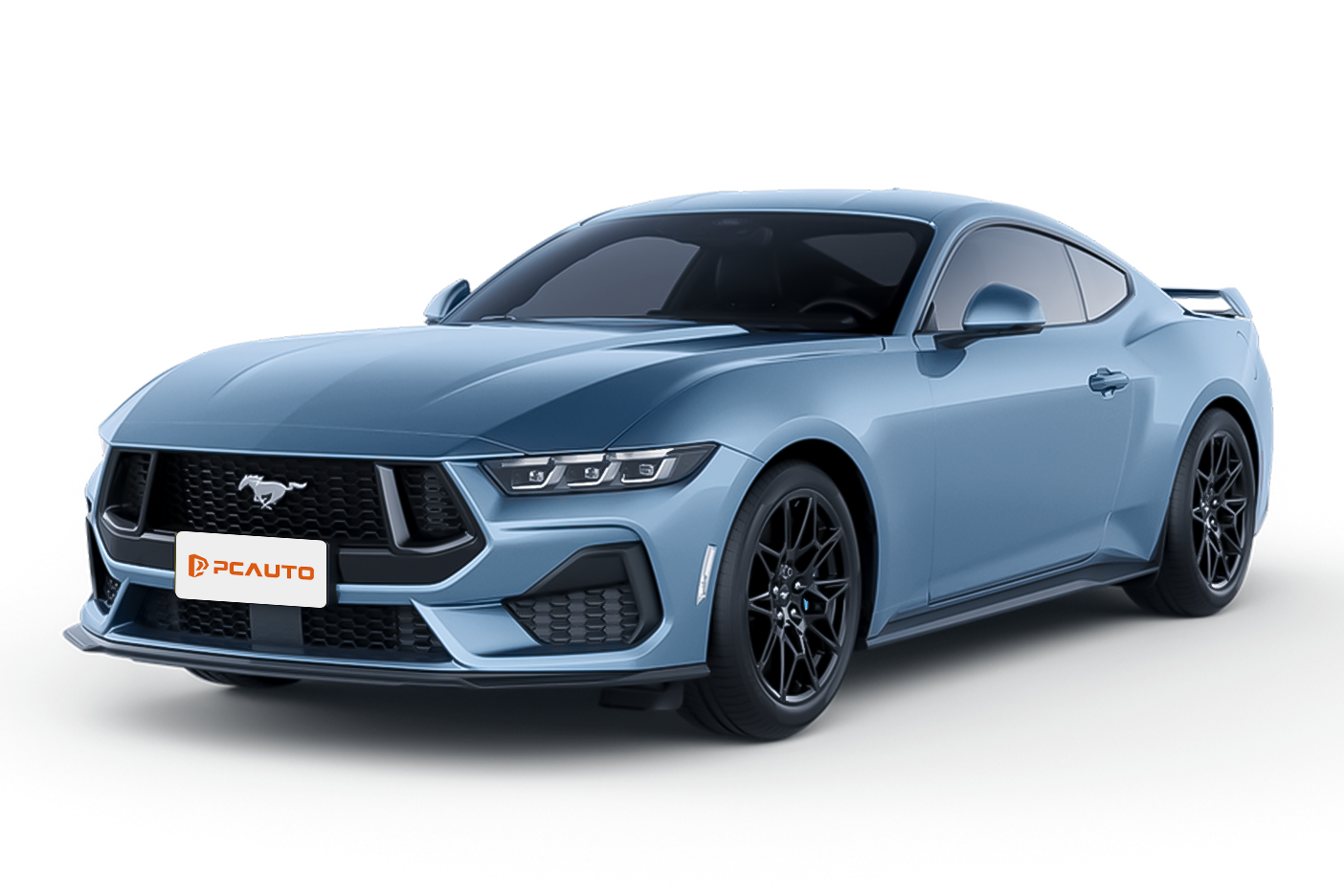
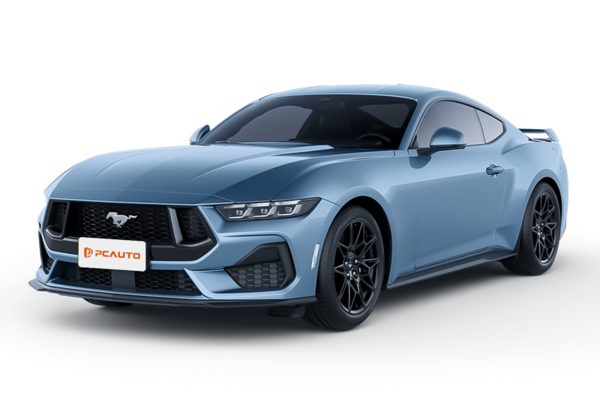
2018 Ford Mustang 2.3 EcoBoost retains the classic muscle car appearance with high cost performance, the 2.3T engine delivers 310PS horsepower, balancing performance and practicality for daily driving.
6
Rank in Coupe
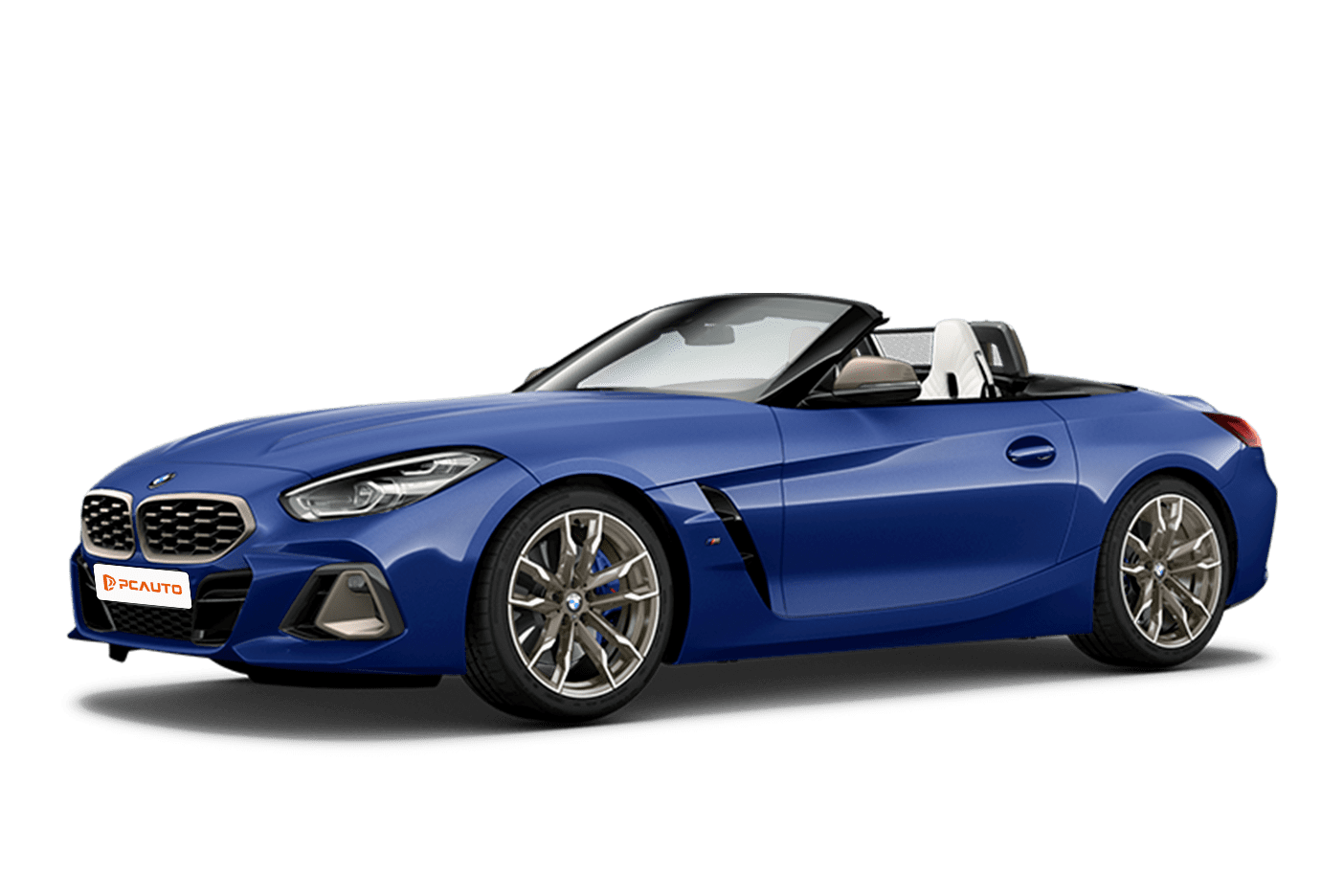
2023 BMW Z4 public, as a classic rear-wheel-drive convertible sports car, balances driving pleasure and daily practicality, with class-leading intelligent features and a compact body precisely meeting the needs of Malaysian users.