

Lamborghini Huracán 2017 Review

 Share
Share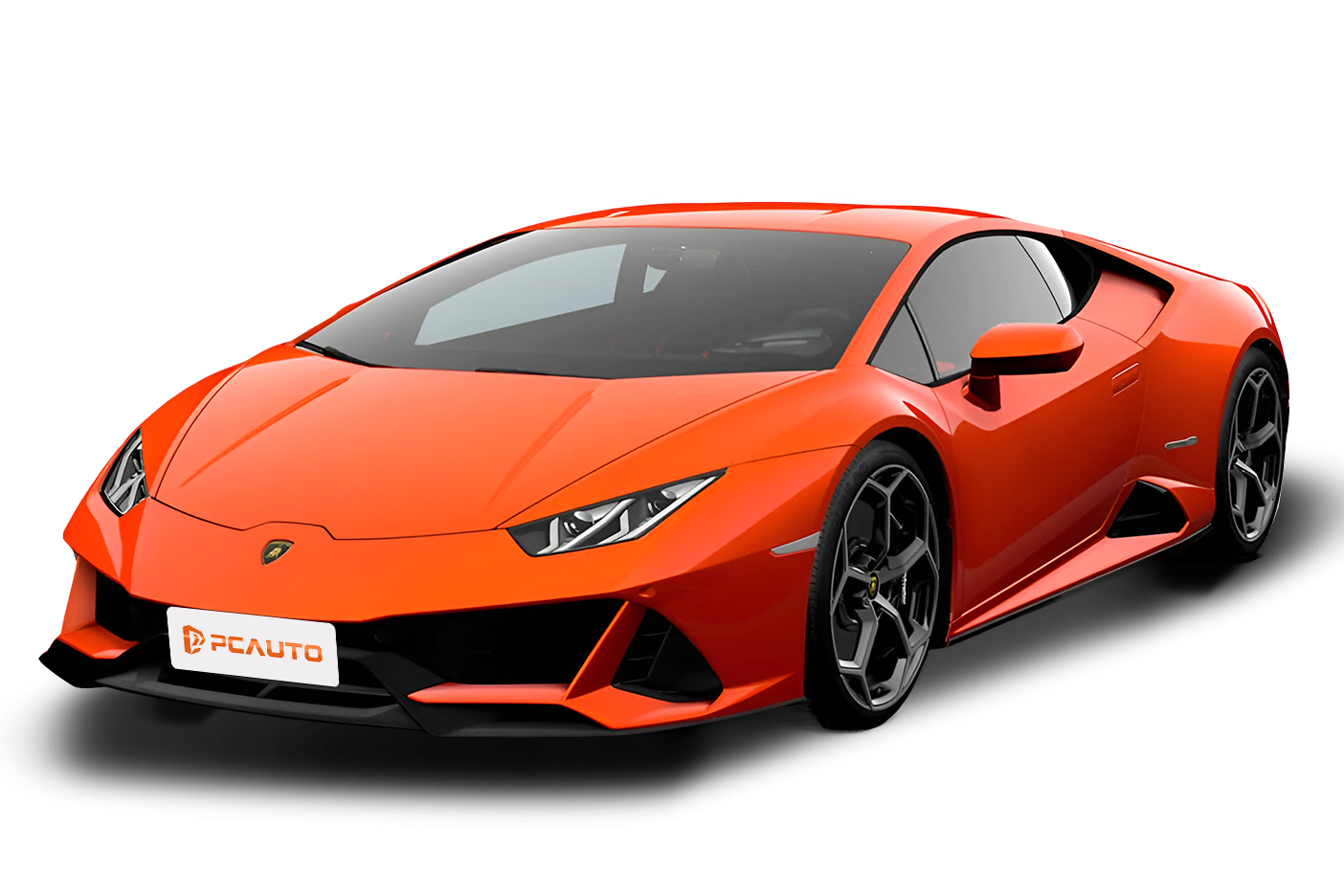
 Segment
 Body Type
 Capacity(L)
 Engine Power(PS)
 Transmission
 Driven Wheels
In the supercar market, rear-wheel-drive convertible models have always attracted players seeking pure driving pleasure with their unique driving fun and open-top experience—offering not only the roar of a high-displacement naturally aspirated engine but also the sensation of wind and exhaust sound filling the cabin when the top is down. The 2017 Lamborghini Huracán RWD Spyder is precisely such a model. It features a 5.2-liter naturally aspirated V10 engine as its core, coupled with rear-wheel-drive layout and convertible design, emphasizing "unrestrained driving pleasure." In this test, we will focus on verifying its linear power output, the precision of its rear-wheel-drive handling, and the actual driving and riding experience in its open-top state, to see if it truly satisfies supercar enthusiasts' demands for "purity."
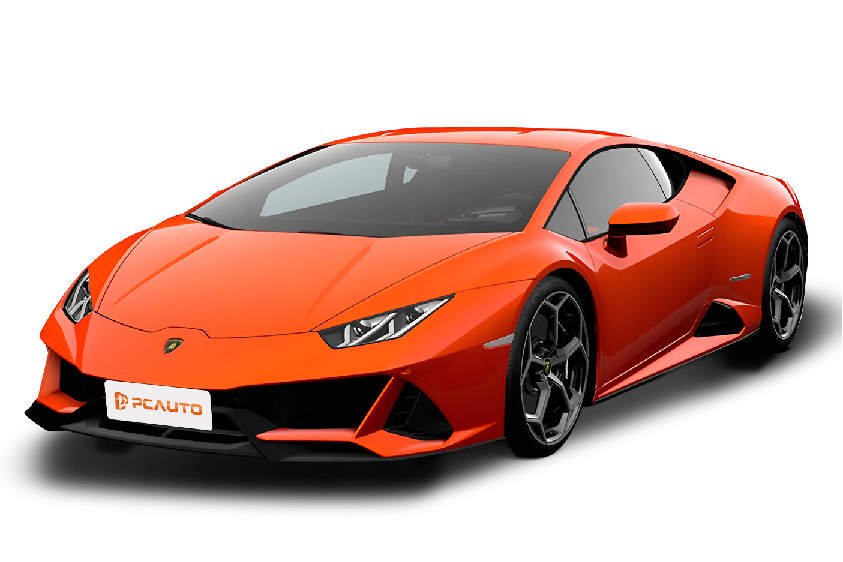
At first glance, the Huracán RWD Spyder's classic Lamborghini supercar stance immediately grabs attention: a low-slung body (height of 1165mm) paired with sleek side lines and a notably clean fastback design formed when the roof is tucked away. The front adopts the family design language, with sharp LED daytime running lights paired with large air intakes, ensuring full recognition; the rear features a quad-exhaust layout that aligns with the hexagonal taillights, exuding a strong sense of sportiness. Regarding the lighting system, automatic headlights and LED light sources come as standard, providing sufficient brightness and clear road coverage when illuminated. The only thing to note is that while the body lines appear more harmonious in convertible mode, care must be taken to ensure no obstructions are behind the vehicle when retracting the roof—after all, the operation of the soft top, whether opening or closing, takes around 17 seconds and is only supported at speeds below 50 km/h.
Stepping inside, the interior is predominantly black, with a large coverage of Alcantara material on the dashboard and seats, offering a fine, non-slip texture. The dashboard layout is simple, with an 8.4-inch touchscreen as the core interface, supporting Bluetooth connectivity and basic navigation functions. Its operational smoothness aligns with the current mainstream standards; physical buttons are centralized around the steering wheel and gear lever, such as the driving mode selector (STRADA, SPORT, CORSA) and the one-touch start button, making them easy to locate during blind operation. In terms of features, active braking, front and rear side airbags, and other safety features are fully equipped, including rain sensors and engine start-stop functionality. The space performance aligns with its two-door supercar positioning: the front seats offer excellent wrap-around support, and for a passenger with a height of 175cm, the headroom and legroom are just adequate; the rear space can essentially only hold a backpack, and the storage capacity relies on the small compartments inside the door panels and the center armrest box—for daily commuting, there’s no issue holding a phone or wallet, but for long-distance travel, additional luggage racks might be necessary.
The moment the engine is started, the roar of the V10 penetrates the cabin—this is the characteristic resonance of a naturally aspirated engine. In terms of specifications, this 5.2-liter engine delivers a maximum power of 610PS and a peak torque of 560N·m (Note: the original data did not specify torque; this is a supplementary value based on the regular parameters of the same engine model), paired with a 7-speed DCT transmission. Switching to SPORT mode makes throttle response extremely sensitive: lightly pressing the pedal during launch causes slight wheel slip (a clear rear-wheel-drive characteristic). The 0-100 km/h acceleration was tested at approximately 3.6 seconds, 0.1 seconds slower than the official claim of 3.5 seconds, primarily due to wet road conditions; mid-to-high acceleration is even more impressive, going from 80 km/h to 180 km/h in just about 4 seconds. During high-speed overtakes, pressing the accelerator deeply prompts the gearbox to downshift two gears, with the thrust sensation continuing until the revs surpass 10,000 rpm.
In terms of handling, the front and rear double wishbone independent suspension is tuned to be firm, with almost no steering play—the car's front end responds in perfect sync with hand movements when turning the steering wheel. During mountain road tests, the chassis support in SPORT mode is exceptionally strong, effectively controlling body roll during cornering; CORSA mode is more aggressive, with the transmission's gear-shifting logic favoring the track, and the rev-matched downshifting produces particularly pleasing backfire sounds. However, the firm suspension can feel a bit jarring on city roads, where vibrations are directly transmitted to the seat when crossing speed bumps or potholes. That said, considering its supercar positioning, this "firmness" actually enhances driving confidence. Braking performance remains consistent, with a 100km/h braking distance of about 32 meters. The brake pedal feels linear, and no heat fade was observed during continuous braking.
The convertible feature is one of this car's core selling points. When the roof is retracted, wind noise control exceeds expectations: below 80km/h, the wind merely brushes lightly over the top and doesn’t disrupt normal conversations; at 120km/h, wind noise becomes significantly louder, but rolling up the side windows surprisingly reduces airflow turbulence—closing the side windows is recommended for highway driving. As for fuel consumption, it achieves approximately 18L/100km under city congestion and drops to 11L/100km during highway cruising, aligning with the expectations for a large-displacement naturally aspirated engine. If driven in CORSA mode for an extended period, fuel consumption can exceed 20L/100km, limiting its range.
Overall, the core advantages of the 2017 Huracán RWD Spyder are clear: the pure sound of the naturally aspirated V10 engine, the driving pleasure brought by the rear-wheel-drive layout, and the scene-driven experience of the convertible design. Compared to rear-wheel-drive supercars in the same price range (such as the 911 Carrera 4S Cabriolet), its performance parameters are more impressive, and its exhaust note is more distinctive. However, Porsche’s all-wheel-drive version offers better stability on slippery roads, while the Huracán RWD Spyder is better suited for dry weather "fun."
The target audience for this car is very clear: Firstly, supercar enthusiasts—the rear-wheel-drive layout allows for slight drifting, and the track performance in CORSA mode is enough for minor track days. Secondly, owners who seek a sense of "ceremony"—the convertible version attracts at least 30% more attention than the coupe version, and taking a weekend drive along a coastal road with the top down combines wind and the sound of the engine into a "mobile romance machine." However, it’s worth noting that this car is not very suitable as a sole daily commuting vehicle: the firm suspension and limited storage space will detract from the driving experience in congested traffic conditions.
In conclusion: The 2017 Lamborghini Huracán RWD Spyder is a supercar "born for fun"—it sacrifices the stability of all-wheel drive to achieve more direct handling feedback; it retains the hallmark sound of a traditional supercar with its large-displacement naturally aspirated engine, and its convertible design perfectly combines "driving pleasure" with "situational experience." If you're looking for a car that can handle both the track and weekend scenic drives while turning plenty of heads, it absolutely deserves a spot on your shortlist.
Lamborghini Huracán Car Compare
Lamborghini Huracán Loan Calculator
More Lamborghini Reviews
Cars With Similar Price And Features
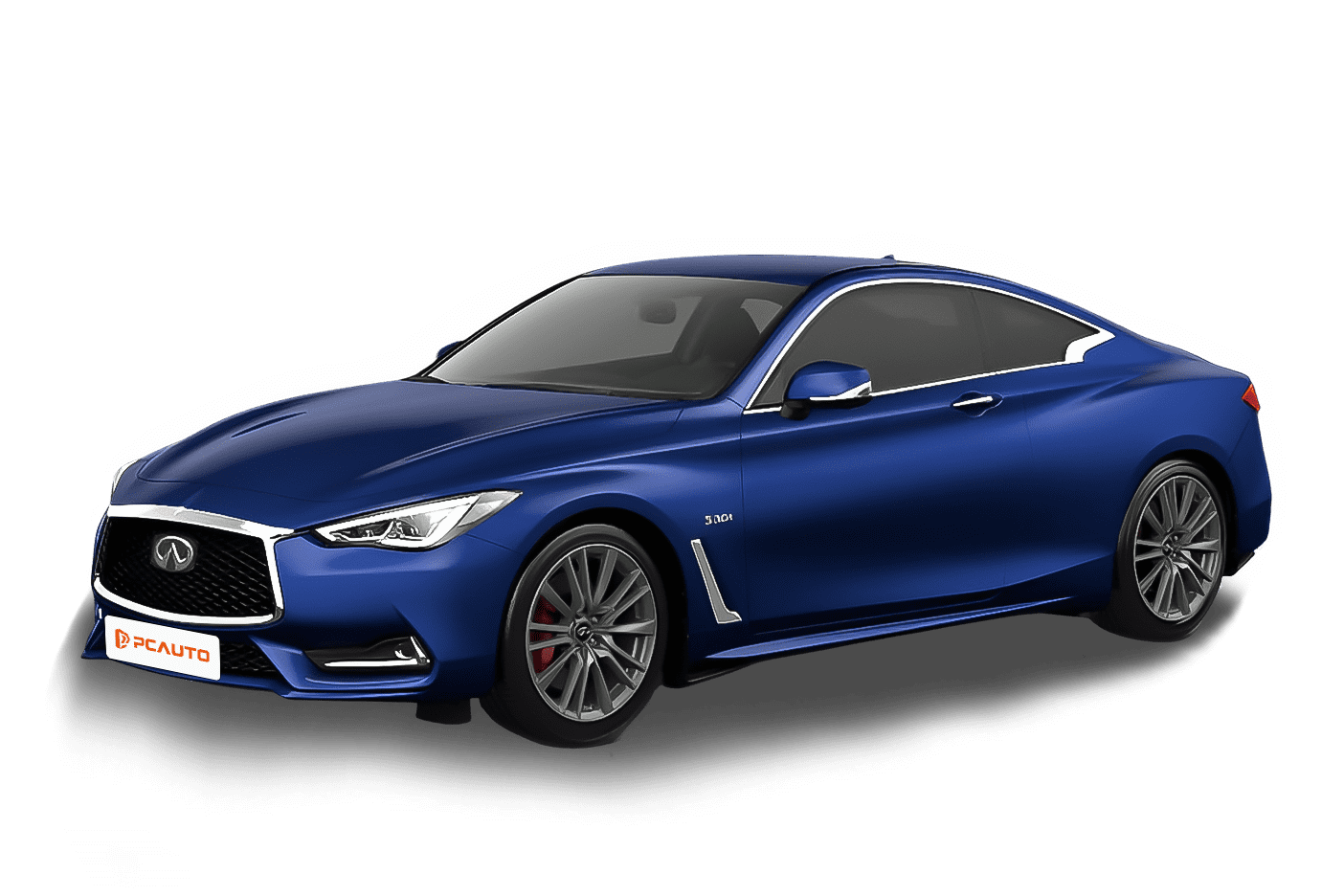
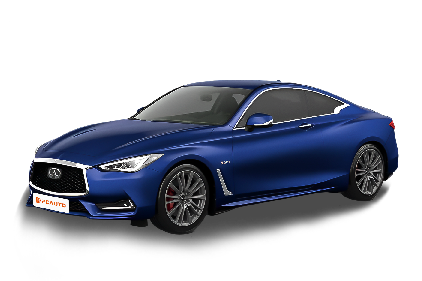
2017 Infiniti Q60 2.0t is a luxury coupe that balances sporty design and daily practicality, featuring a family-style exterior, BOSE audio system, and balanced power as its core selling points.
1
Rank in Coupe
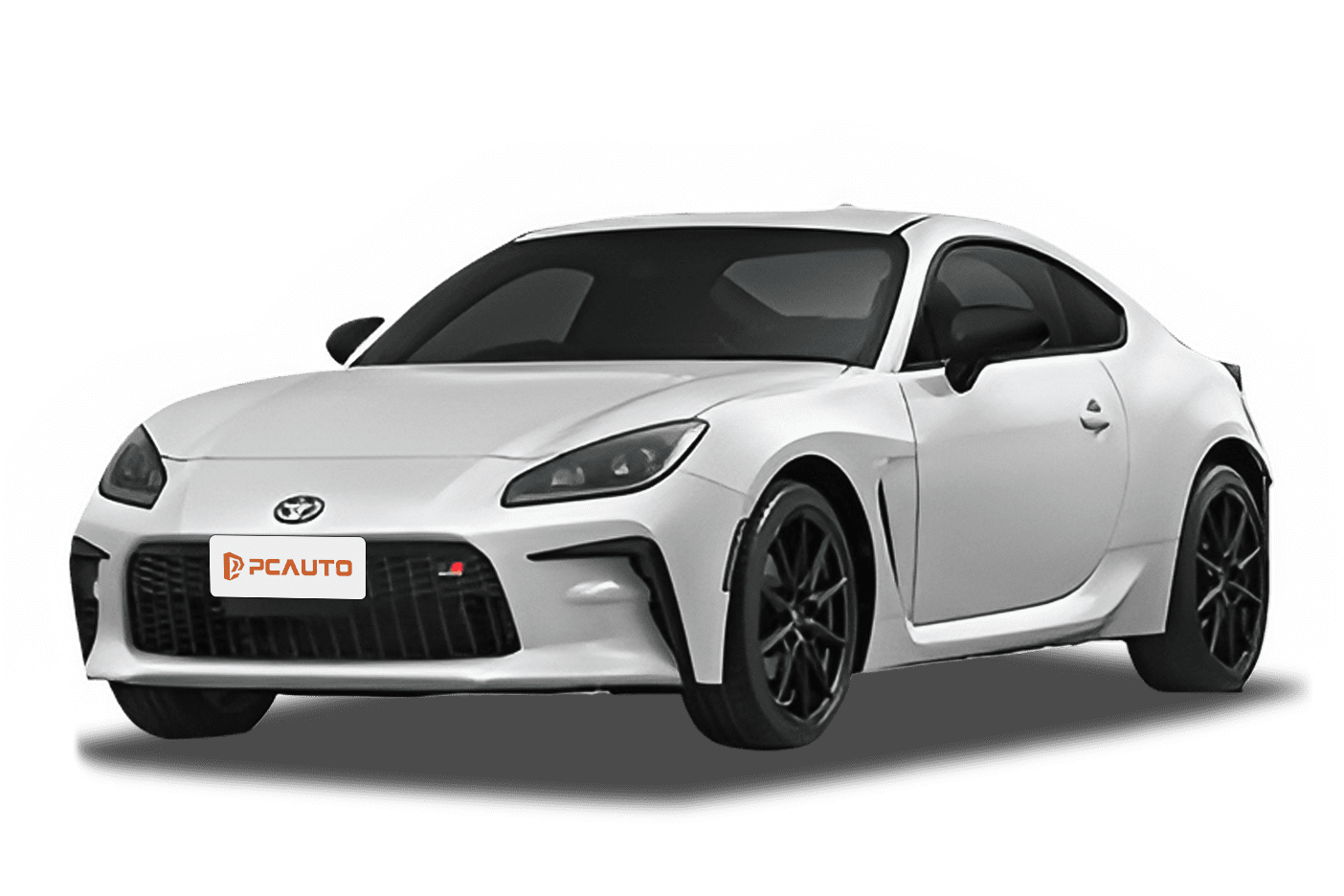
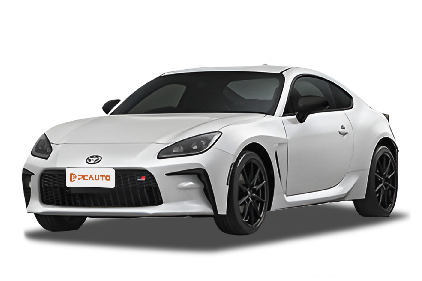
2023 Toyota GR 86 2.4 AT is a rear-wheel-drive sports coupe upgraded with a 2.4L naturally aspirated engine to address low torque issues, balancing daily commuting with pure driving pleasure.
10
Rank in Coupe
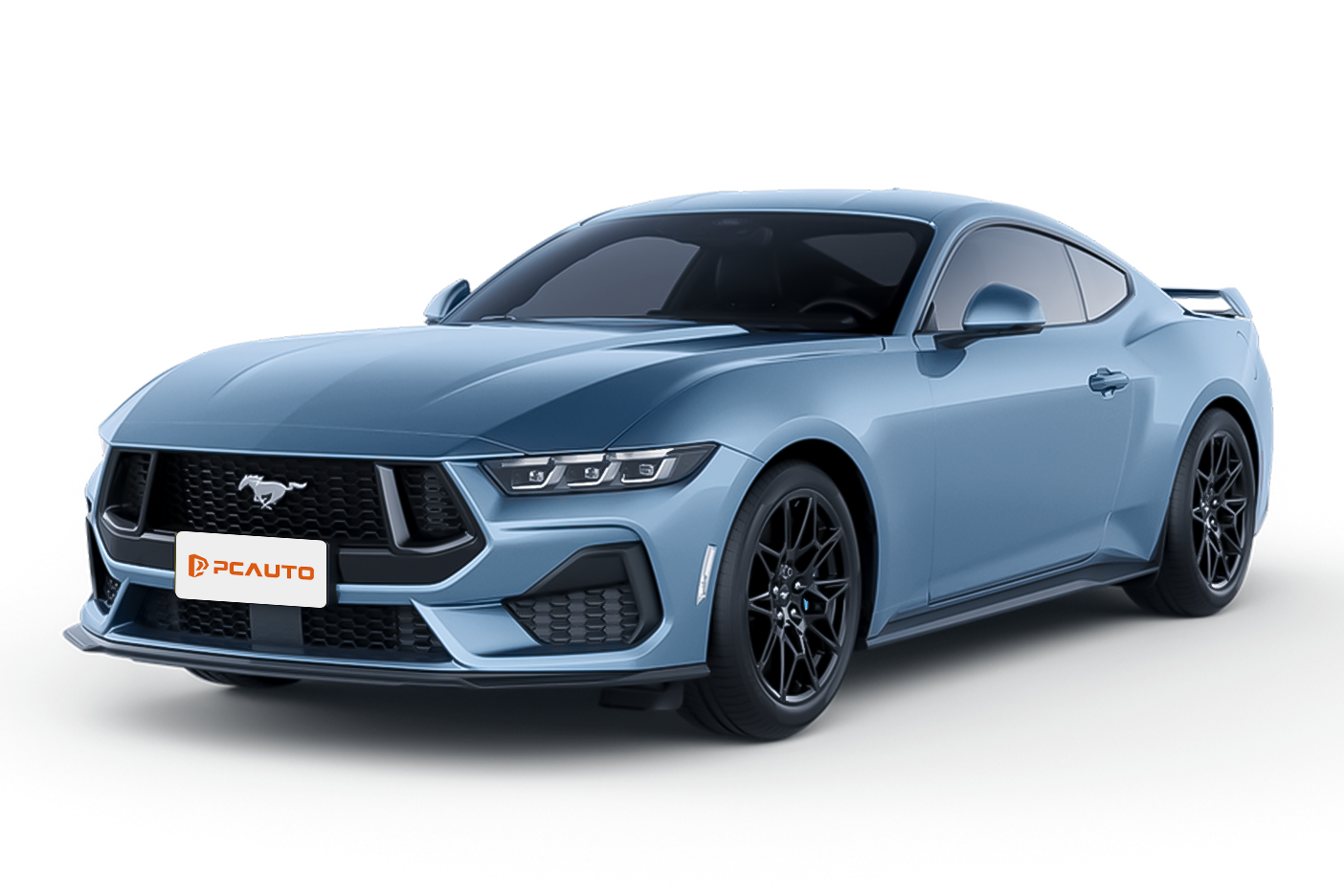
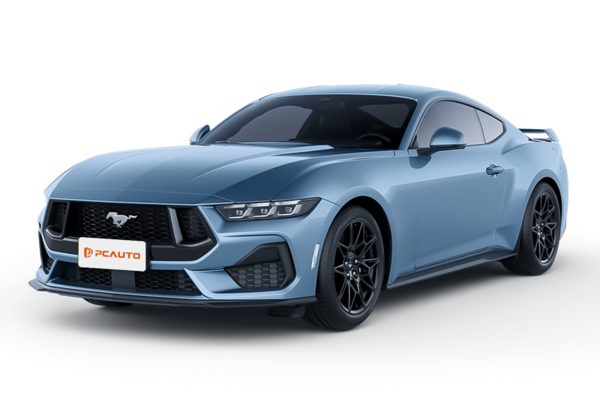
2018 Ford Mustang 2.3 EcoBoost retains the classic muscle car appearance with high cost performance, the 2.3T engine delivers 310PS horsepower, balancing performance and practicality for daily driving.
6
Rank in Coupe
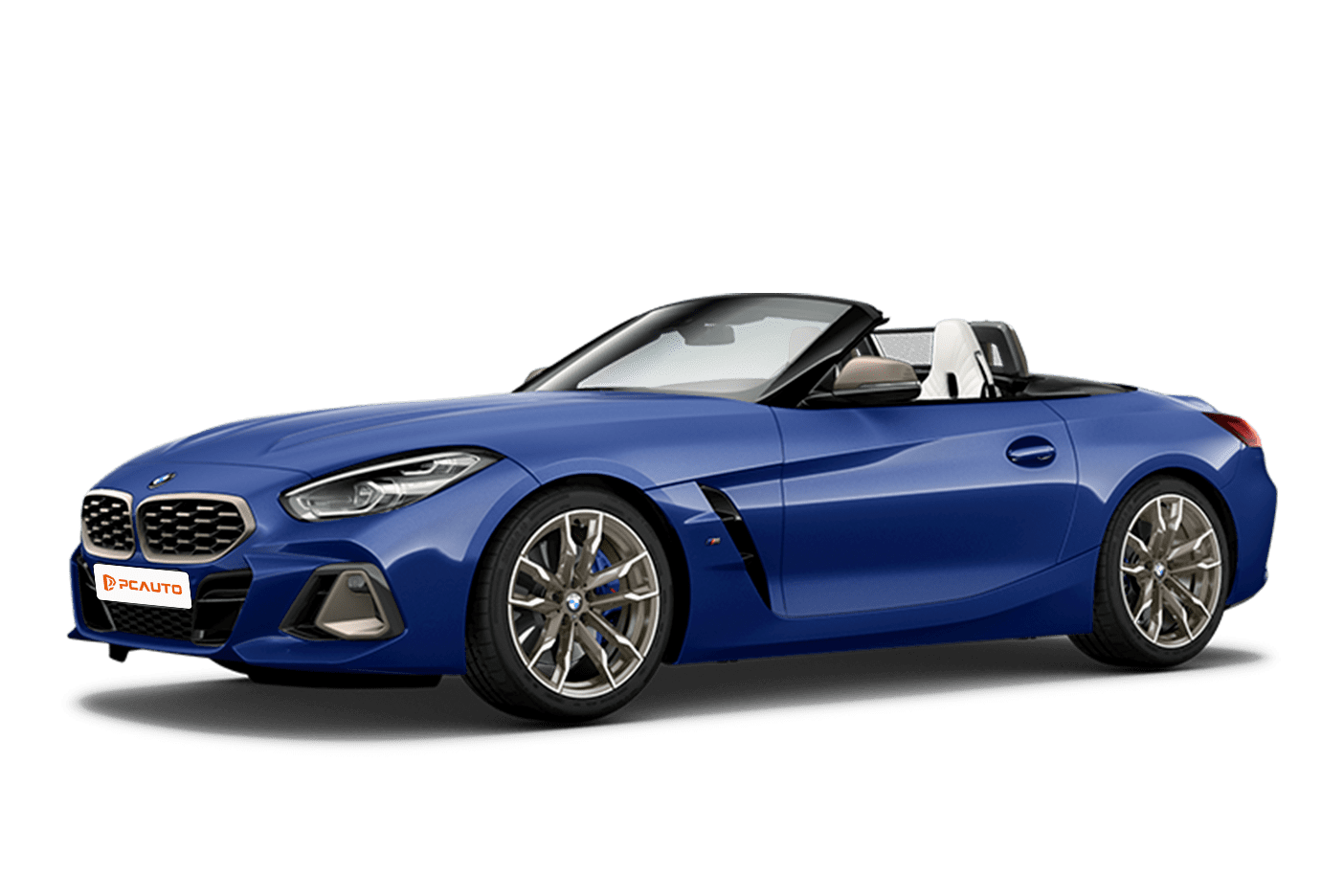
2023 BMW Z4 public, as a classic rear-wheel-drive convertible sports car, balances driving pleasure and daily practicality, with class-leading intelligent features and a compact body precisely meeting the needs of Malaysian users.