
Land Rover Range Rover Sport 2017 Review

 Share
Share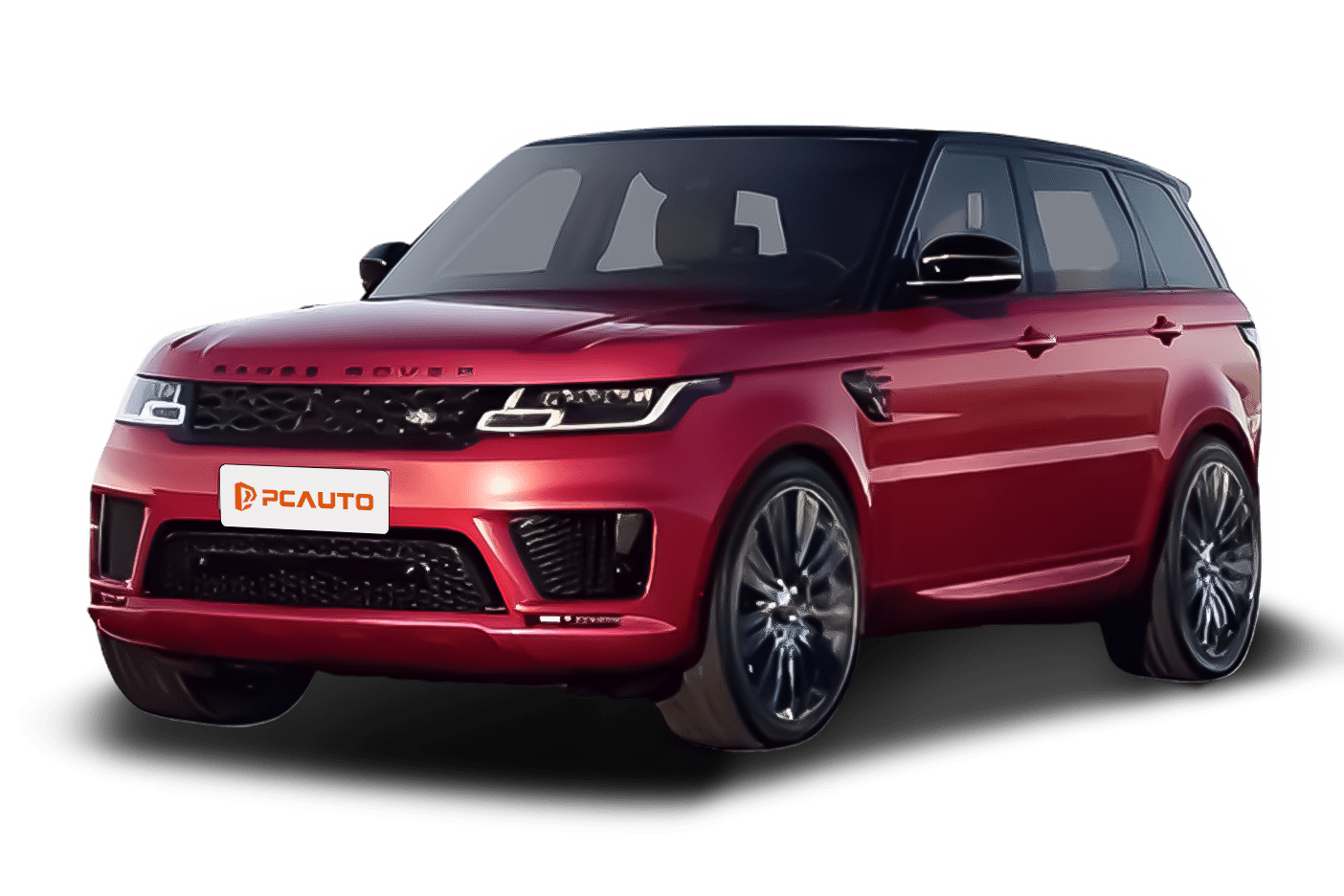
 Segment
 Body Type
 Capacity(L)
 Engine Power(PS)
 Transmission
 Driven Wheels
The luxury mid-size SUV market in Malaysia has long been dominated by fuel-powered vehicles. Consumers value both the sense of identity brought by the brand and the balance between power and practicality. As a popular choice in this segment, the 2017 Land Rover Range Rover Sport V6 3.0 Supercharged HSE boasts key selling points such as a 341PS supercharged engine, luxurious equipment, and Land Rover's signature all-terrain capability. The purpose of this test drive is to evaluate its practical performance in daily commuting, highway cruising, and light off-road scenarios, and to determine if its RM 939,000 price tag matches its overall capabilities.
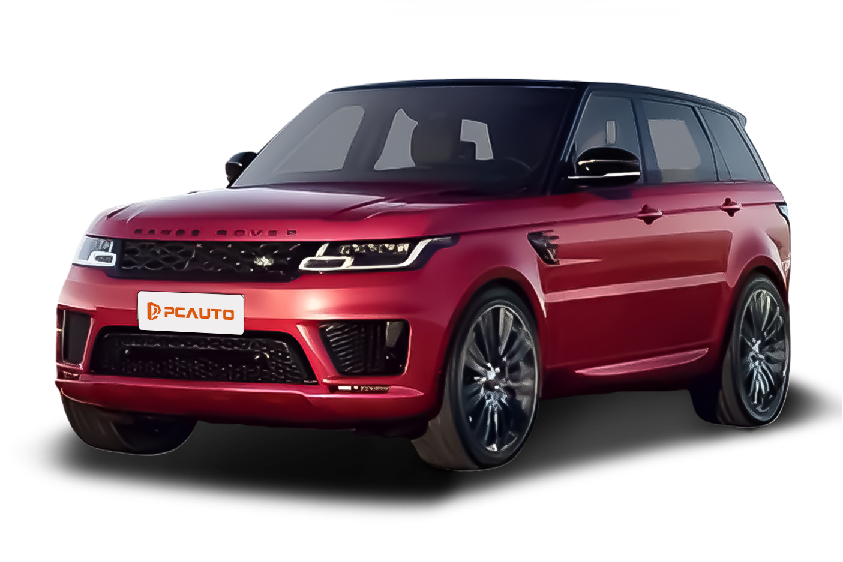
From the exterior, the vehicle continues the robust style of the Range Rover Sport family, with overall lines that are more compact and sporty compared to the standard Range Rover. The front fascia features the iconic honeycomb grille, flanked by sharp LED headlights, which provide high daytime visibility. The waistline along the side of the car extends from the front fenders to the rear, while the 21-inch wheels paired with 275/45 R21 tires further enhance its sporty appeal. Horizontal LED taillights at the rear correspond with the front design, and the dual exhaust outlets under the rear bumper hint at its fuel-powered identity. The overall design maintains Land Rover's off-road DNA while matching the aesthetic demands of a luxury SUV.
Inside the cabin, black leather and metallic trims dominate the interior, offering a solid and premium feel. The center console is neatly arranged, and the 10-inch touchscreen display is well-positioned, with smooth operation that was on par with mainstream standards in 2017. The front seats are 16-way electrically adjustable with heating and memory functions, providing good support and comfort for long drives. The rear seats feature a 60:40 split-folding function, expanding cargo space when folded down. The trunk has a standard capacity of 784 liters, which easily accommodates three 28-inch suitcases. In terms of features, keyless entry, dual-zone automatic climate control, rear independent air conditioning, a 360-degree panoramic camera, and automatic parking are all included, maximizing everyday usability and convenience.
Regarding performance, the 3.0L V6 supercharged engine delivers a maximum power output of 341PS, with peak torque available in the 3,500-5,000 rpm range, paired with an AT transmission. Acceleration is direct with no turbo lag, and a gentle press on the accelerator provides an immediate sense of power. The official 0-100 km/h acceleration time is 7.2 seconds, and during actual testing in sport mode, shift speeds were quicker. During overtaking, pressing the accelerator deeply causes the transmission to downshift quickly, resulting in linear and powerful acceleration. At highway cruising speeds, the engine maintains a rotation speed of about 2,000 rpm, with good noise control that allows for clear in-cabin conversations.
In terms of handling, the steering wheel is precise with minimal play, feeling light at low speeds and stable at high speeds. The combination of a front double-wishbone and rear multi-link independent suspension absorbs most road imperfections in the city, while vibrations when passing speed bumps are handled smoothly. When cornering, the body roll is well-controlled due to the suspension's adequate support, instilling confidence in the driver. The full-time four-wheel-drive system performs reliably in light off-road conditions, easily tackling muddy roads or small inclines, in line with Land Rover's all-terrain capabilities. As for fuel consumption, the official combined fuel consumption is 11.3L/100km. During actual testing, urban commuting recorded approximately 13-14L/100km, while highway cruising dropped to around 9-10L/100km. For a 2.1-ton SUV, this performance is fairly average.
In terms of comfort details, the noise control inside the car is well managed, and tire noise and wind noise are not noticeable even at high speed. The heated seat function is very practical on rainy or cool days, and the rear air conditioning vents and power outlets can meet passenger needs. However, the non-full-size spare tire may raise some concerns during long journeys, which is a point to note.
Overall, the core advantages of the 2017 Range Rover Sport V6 3.0 Supercharged HSE lie in the linear output of its supercharged engine, abundant luxury features, and reliable all-terrain capability. Compared with competitors in the same class, such as the BMW X5 35i or Mercedes-Benz GLE 400, its off-road performance is more outstanding, and its configuration is more comprehensive. The price is similar to the two, but Land Rover's brand appeal may be more attractive to certain consumers. However, its fuel consumption is higher compared to the diesel version (such as its own SDV6 variant) in the same class, the latter having an official fuel consumption of only 7.5L/100km and costing 80,000 Malaysian Ringgits less.
This car is suited for consumers who value responsive power and brand identity, such as upper-middle-class families who need to balance business receptions with weekend light off-roading, or male users who enjoy driving and care about handling. If daily commuting is the main focus and fuel consumption is a concern, the diesel version may be more suitable; but if you prefer the sound and instant power of a gasoline engine, this supercharged version would be a better choice.
In summary, the 2017 Range Rover Sport V6 3.0 Supercharged HSE is a mid-size SUV that balances luxury, power, and off-road capability. While its fuel consumption is not low, its overall performance is among the top in its class and is worth considering for target users.
Land Rover Range Rover Sport Car Compare
Land Rover Range Rover Sport Loan Calculator
More Land Rover Reviews
Cars With Similar Price And Features

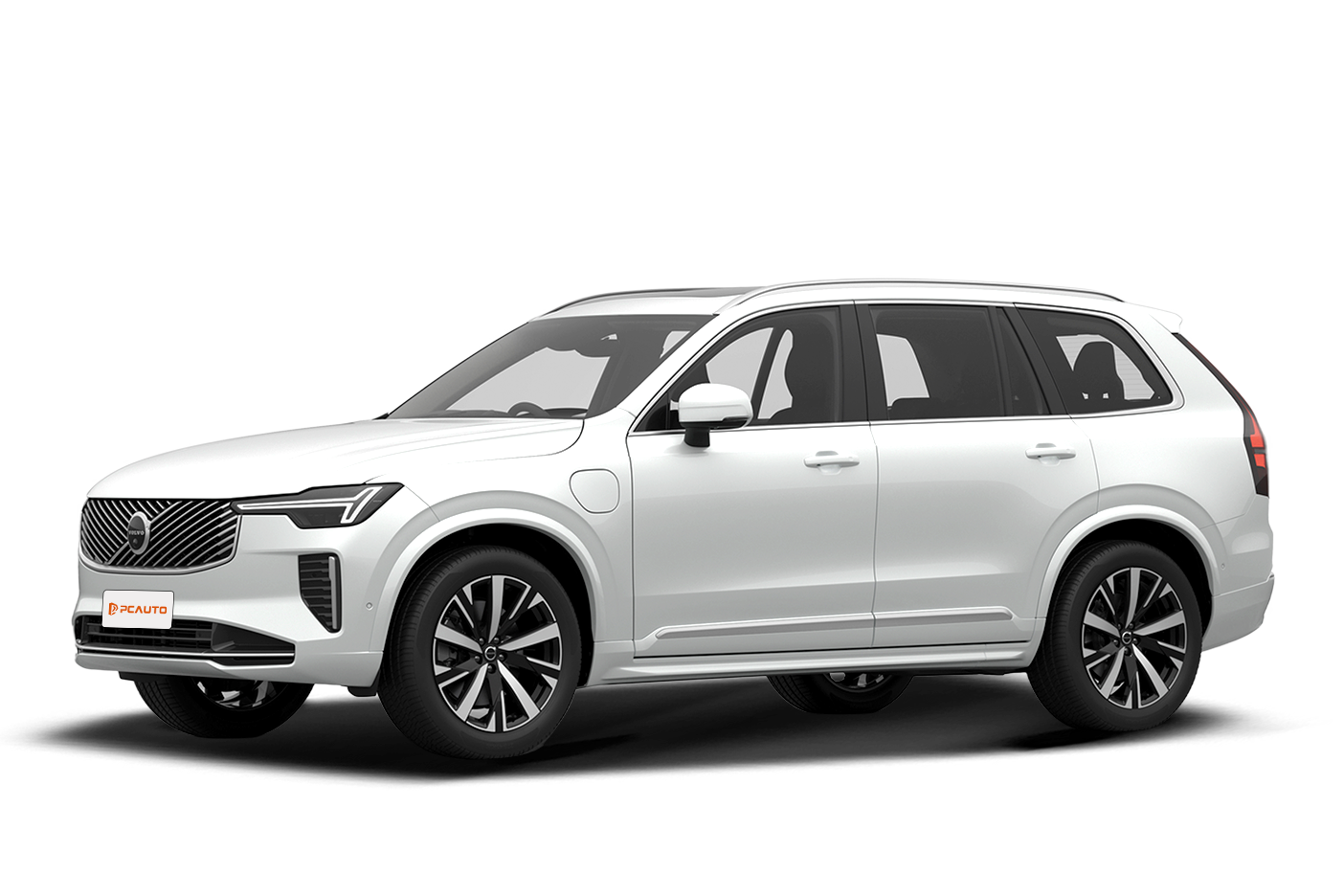
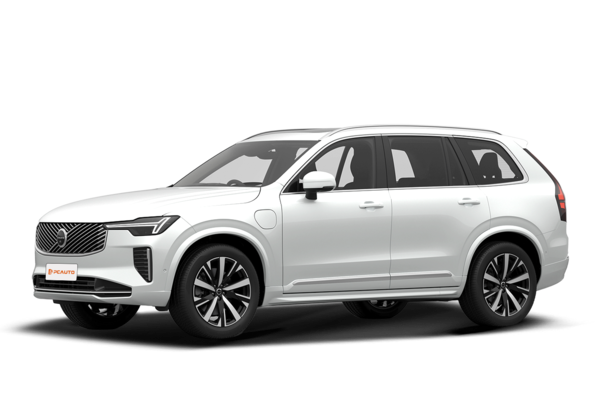
2025 Volvo XC90 Ultra B5, as an Executive-level luxury 7-seat SUV, optimizes fuel efficiency with a mild hybrid system, enhances comfort with air suspension across the range, coupled with an intelligent cockpit, balancing space and safety, showcasing outstanding capability.
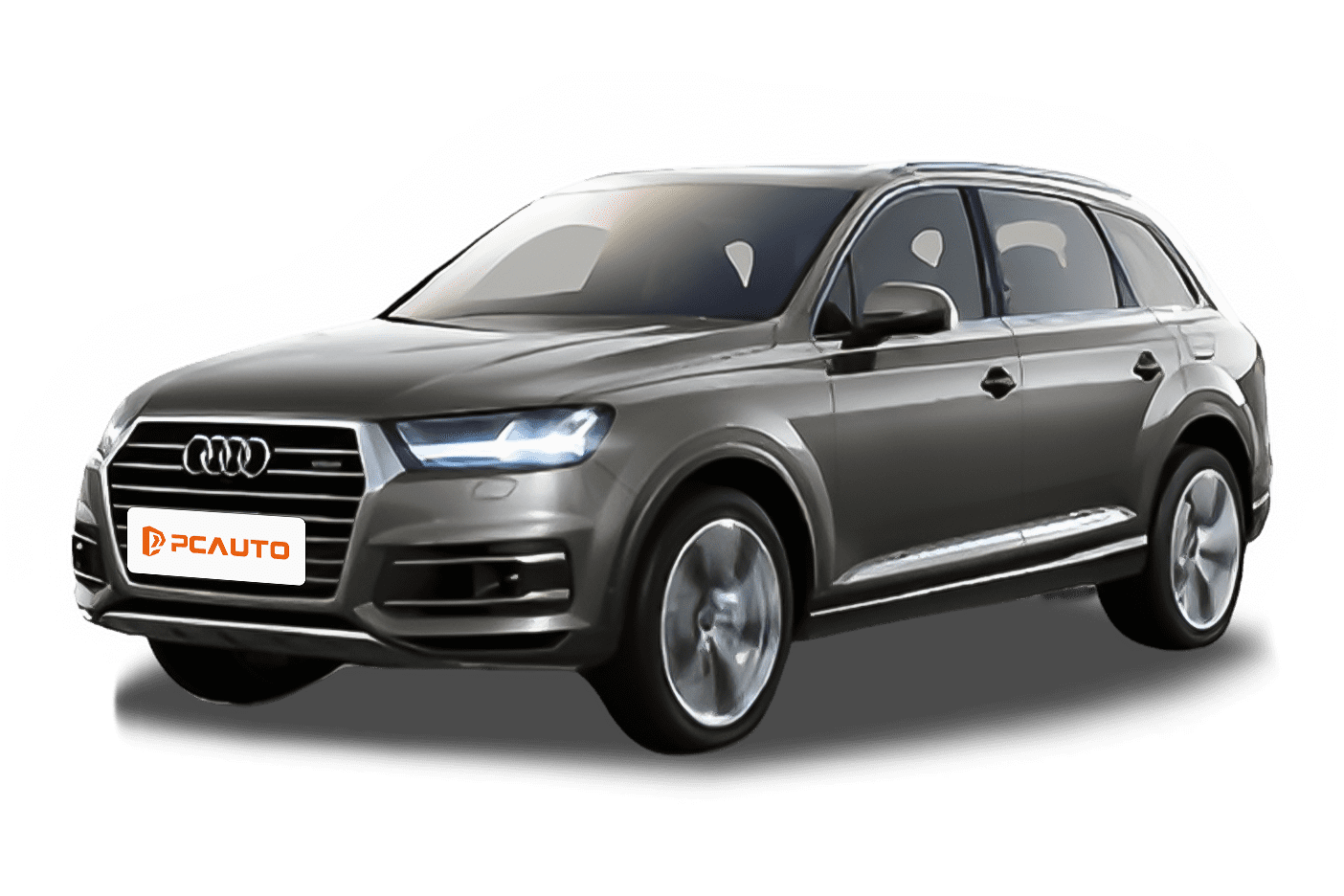
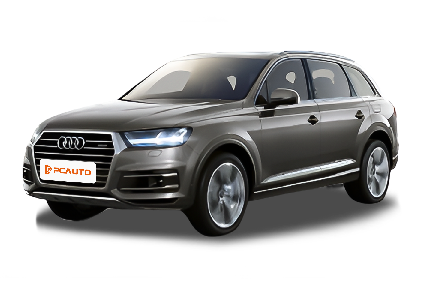
2025 Audi Q7 S line 3.0 TFSI, with its high cost-effectiveness, sporty appearance, luxurious interior, powerful performance, and flexible space, becomes a strong contender in the luxury mid-to-large SUV market.
23
Rank in SUV
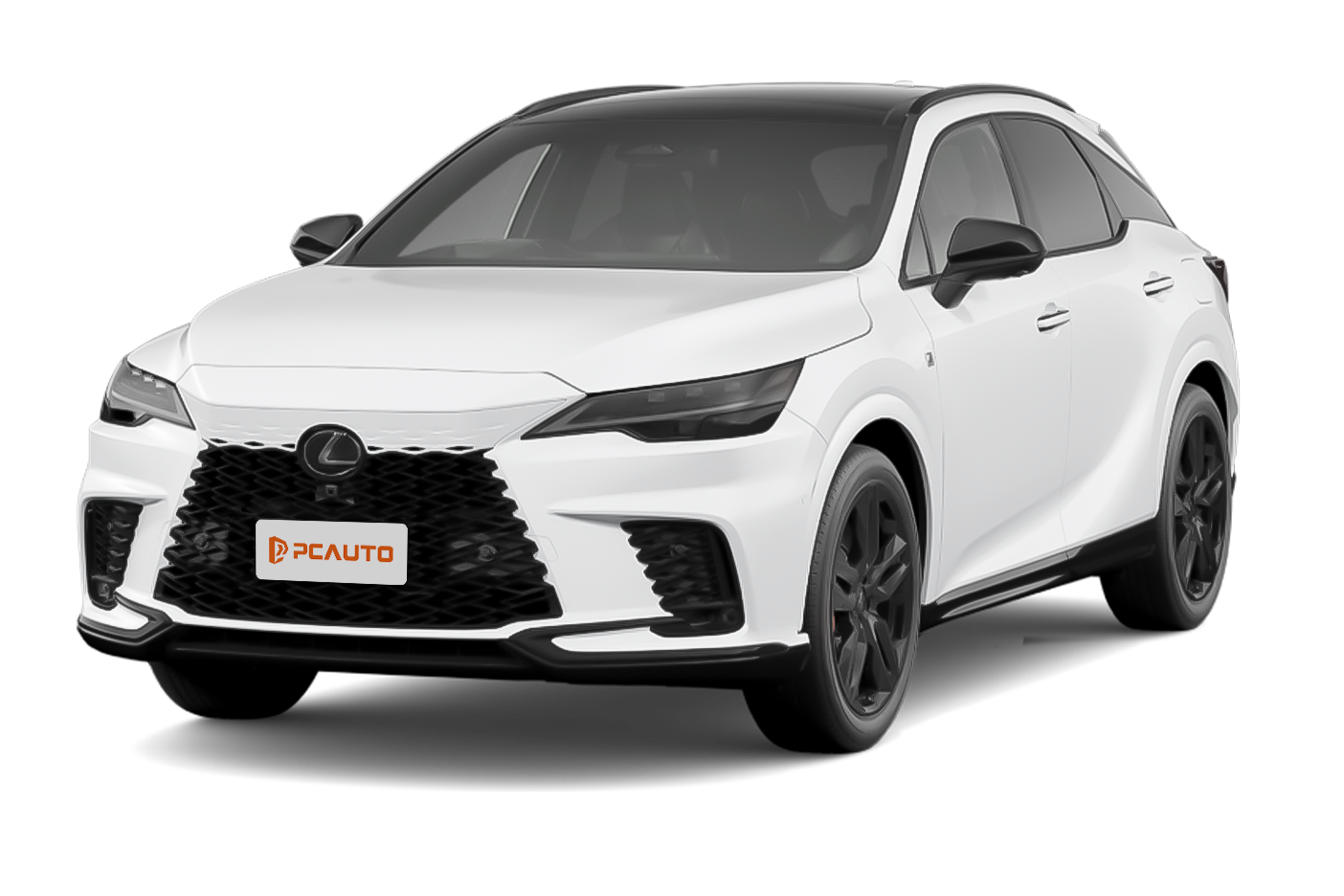
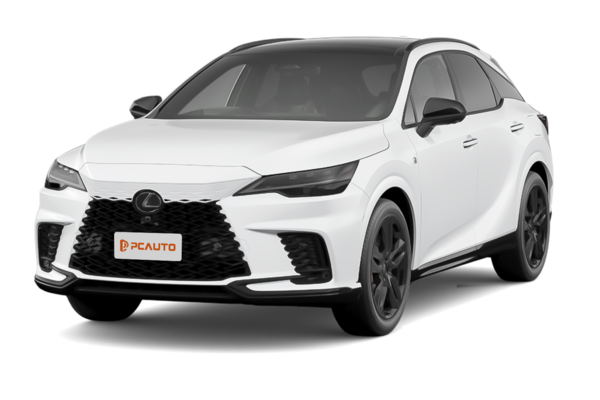
2025 Lexus RX 500h F Sport Special Edition is an executive-level hybrid SUV that balances performance, luxury, and technology, featuring a 2.4T hybrid system, exclusive 21-inch wheels, and a 14-inch central control screen as its core highlights.
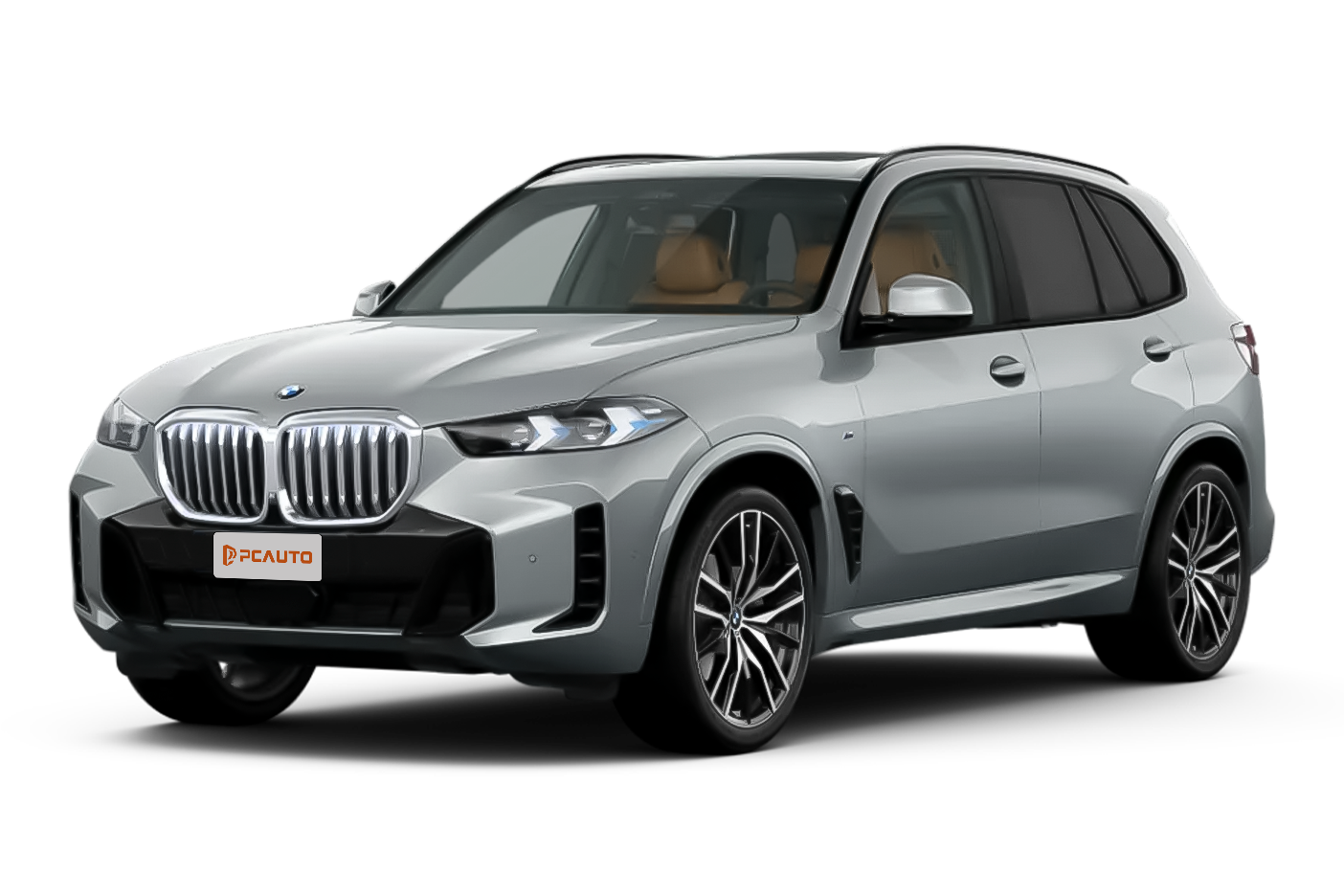
2025 BMW X5 xDrive40i M Sport is a luxury mid-to-large SUV that balances family comfort with driving pleasure. It features upgraded power, rich configurations, and more affordable pricing.