

Land Rover Range Rover Velar Review

 Share
Share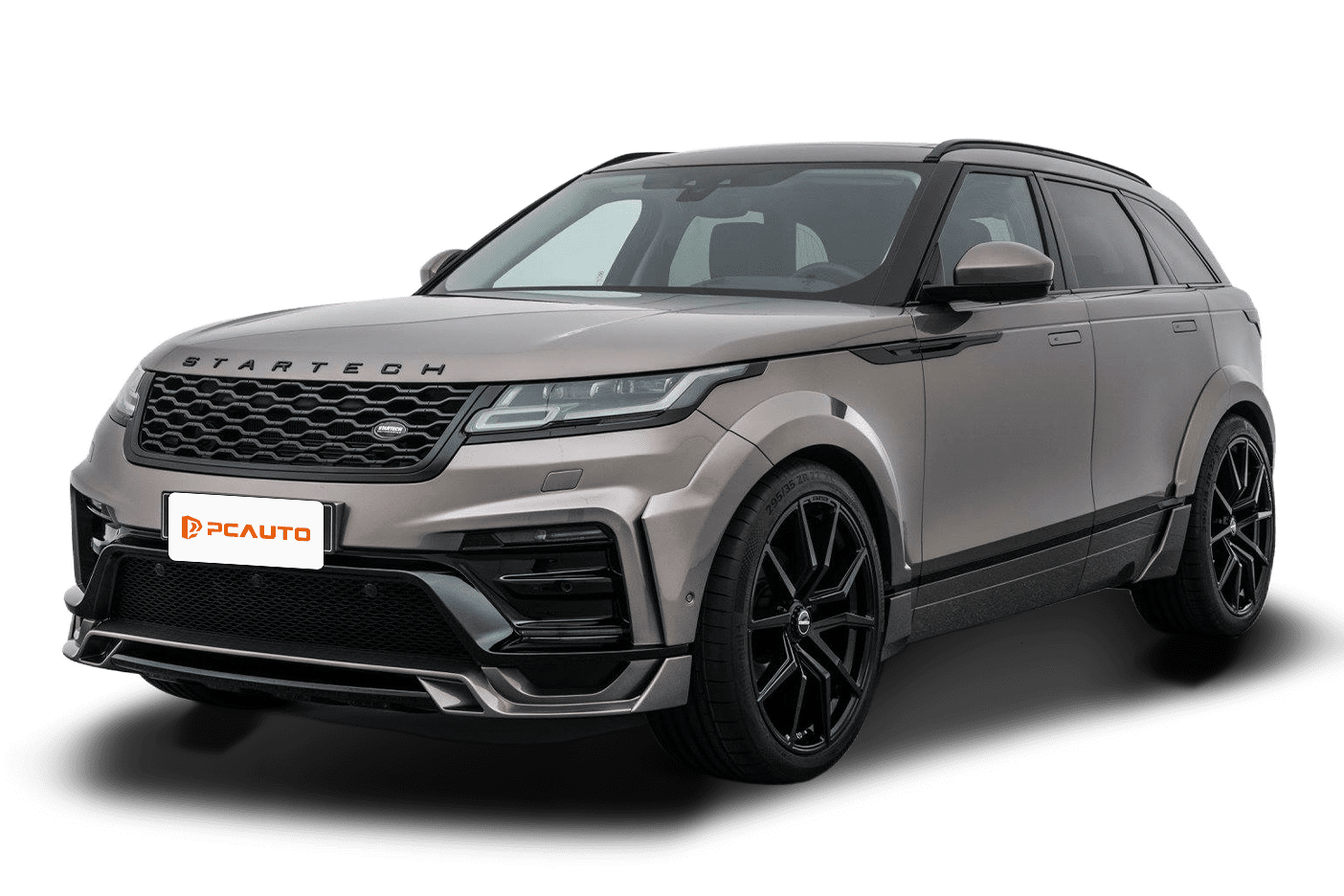
 Segment
 Body Type
 Capacity(L)
 Engine Power(PS)
 Transmission
 Driven Wheels
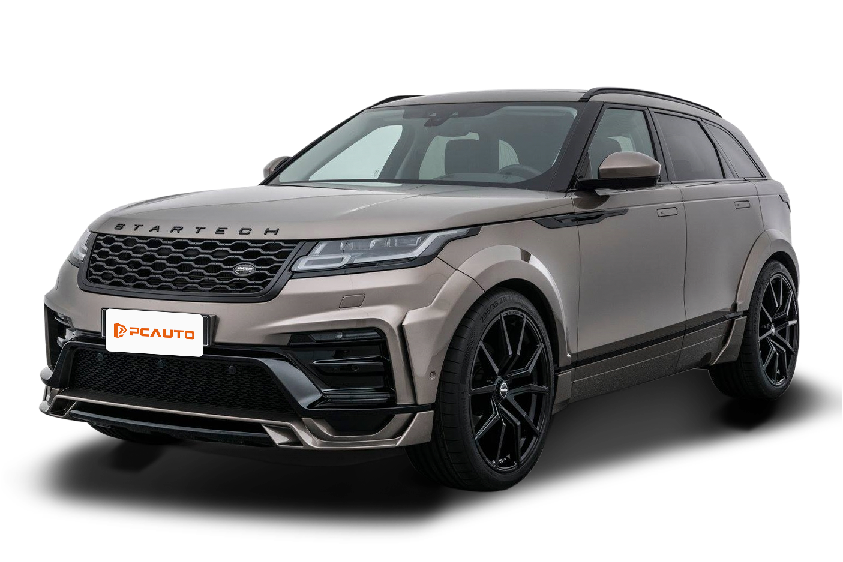
The D-segment luxury SUV market has always been an arena for brand design and practical performance, where consumers seek both high-end quality and well-rounded everyday driving experiences. The 2018 Land Rover Range Rover Velar P250 SE, as a popular choice in this niche market, features a minimalist design language and Land Rover's iconic all-terrain capability as its core selling points. In this test drive, we will focus on verifying whether its static quality meets luxury positioning and the performance of its 2.0T engine on both urban and off-road conditions.
From a distance, the Velar P250 SE's body lines are sleek and low-slung, breaking away from the traditional rugged outline of SUVs and presenting an elegant coupe-SUV feel. The front end adopts Land Rover's signature mesh grille, paired with slim LED headlights. The daytime running lights within the headlight assembly feature a segmented design, which makes them highly recognizable when lit. The car's profile avoids unnecessary waistlines, instead using concave lines along the lower part of the doors to add depth. The 20-inch multi-spoke wheels paired with 255/50 R20 tires maintain both a luxurious appearance and a consideration for off-road capability. The rear design is equally understated, with a continuous LED taillight mirroring the front design, while a silver skid plate on the rear bumper hints at its SUV nature. In terms of lighting, the fully LED system ensures effective night-time illumination, and the inclusion of automatic headlights and rear fog lights adds convenience for daily use.
Opening the door, the minimalist interior design seamlessly aligns with the vehicle's exterior. The dashboard adopts a symmetrical design, featuring two 10-inch touchscreens (the upper screen controls the infotainment system, while the lower one manages air conditioning and vehicle settings), effectively replacing almost all physical buttons. While the interface is intuitive, it may take some time to get fully accustomed. The interior materials primarily consist of soft leather and metallic trim. The steering wheel and seats are wrapped in genuine leather, providing a premium tactile feel. The storage compartment below the center console uses a floating design, adding depth to the space. For features, the 12.3-inch fully digital instrument cluster offers abundant information and allows for different theme options. The front 10-way power-adjustable seats with memory function make it easy to find a comfortable seating position quickly. Rear air conditioning vents and a 220V power outlet enhance convenience for rear passengers.
In terms of dimensions, the Velar P250 SE measures 4803mm in length, 2145mm in width, and 1665mm in height, with a wheelbase of 2874mm. Front-row seating provides ample space, with a 180cm tall passenger enjoying around a fist's worth of headroom and ample legroom. Rear seating is equally comfortable, offering approximately two fists of legroom and one fist of headroom. The modestly raised central floor ensures that accommodating three passengers in the back doesn’t feel overly cramped. In terms of storage capacity, the trunk offers a standard volume of 673 liters. The rear seats support a 40:20:40 split-folding configuration, which can expand the storage space further, meeting the needs for family outings or transporting large items.
As for performance, the Velar P250 SE is equipped with a 2.0T turbocharged engine that delivers a maximum power output of 249PS at 5500rpm. Maximum torque kicks in as low as 1200rpm (specific torque data is not provided, but the real-world experience highlights a strong low-torque performance). It is paired with a 9-speed automatic transmission and an all-wheel-drive system. On urban roads, initial power response is swift, and the throttle calibration leans towards a linear feel without sudden surges in acceleration. Mid-to-late-stage acceleration is stable, and when overtaking, pressing the accelerator deeply allows the transmission to downshift quickly, delivering continuous power outputs. The Terrain Response system offers multiple driving modes. In standard mode, the vehicle prioritizes comfort, whereas switching to sport mode makes the throttle more responsive and increases steering wheel resistance.
In terms of handling and chassis performance, the combination of front double-wishbone independent suspension and rear multi-link independent suspension effectively filters out minor bumps during city driving. The chassis feels solid overall, and vibrations when passing speed bumps are not directly transmitted into the cabin. The steering system is precisely tuned with minimal play, and body roll is well-controlled within a reasonable range during cornering, maintaining good stability. During unpaved road tests, the 251mm minimum ground clearance and the full-time four-wheel drive system proved effective. The vehicle demonstrated excellent off-road capability on muddy and gravel roads, and the hill-start assist function provided support for starting on steep slopes.
In terms of fuel economy, the official combined fuel consumption is 7.6L/100km. During the actual test drive, fuel consumption on congested urban roads was approximately 9.2L/100km, while consumption on highways was around 6.8L/100km. Overall, the performance aligns with expectations for a 2.0T engine. During braking performance testing, the vehicle required approximately 38 meters to decelerate from 100km/h to a complete stop, with the braking process remaining stable and showing no signs of deviation.
In terms of ride comfort, the NVH control of the Velar P250 SE is impressive. Wind and tire noise are effectively isolated at high speeds, and engine noise only slightly enters the cabin when the RPM exceeds 3000. The seats offer good support and cushioning, making long drives comfortable without causing fatigue. The rear seats are on the softer side, providing a comfortable riding experience. Features like rain-sensing wipers and power-folding mirrors also add convenience to daily use.
In summary, the core advantages of the 2018 Land Rover Range Rover Velar P250 SE are its minimalist luxury design, balanced dynamic performance, and Land Rover’s signature all-terrain capabilities. Compared to competitors in the same class, its design language is more distinctive, and the full-time four-wheel drive system gives it an edge on unpaved roads over most urban SUVs. However, the replacement of physical buttons with touch screens can be less user-friendly during driving, which is an area for improvement.
This vehicle is suitable for consumers who value design aesthetics and require versatility for different scenarios. Whether for urban commuting or light off-road adventures on the weekends, it can handle both with ease. It also meets the space needs of family users. With its balanced performance in design, functionality, and practicality, the 2018 Land Rover Range Rover Velar P250 SE is a worthy choice in the D-segment luxury SUV market.
Land Rover Range Rover Velar Car Compare
Land Rover Range Rover Velar Loan Calculator
More Land Rover Reviews
Cars With Similar Price And Features
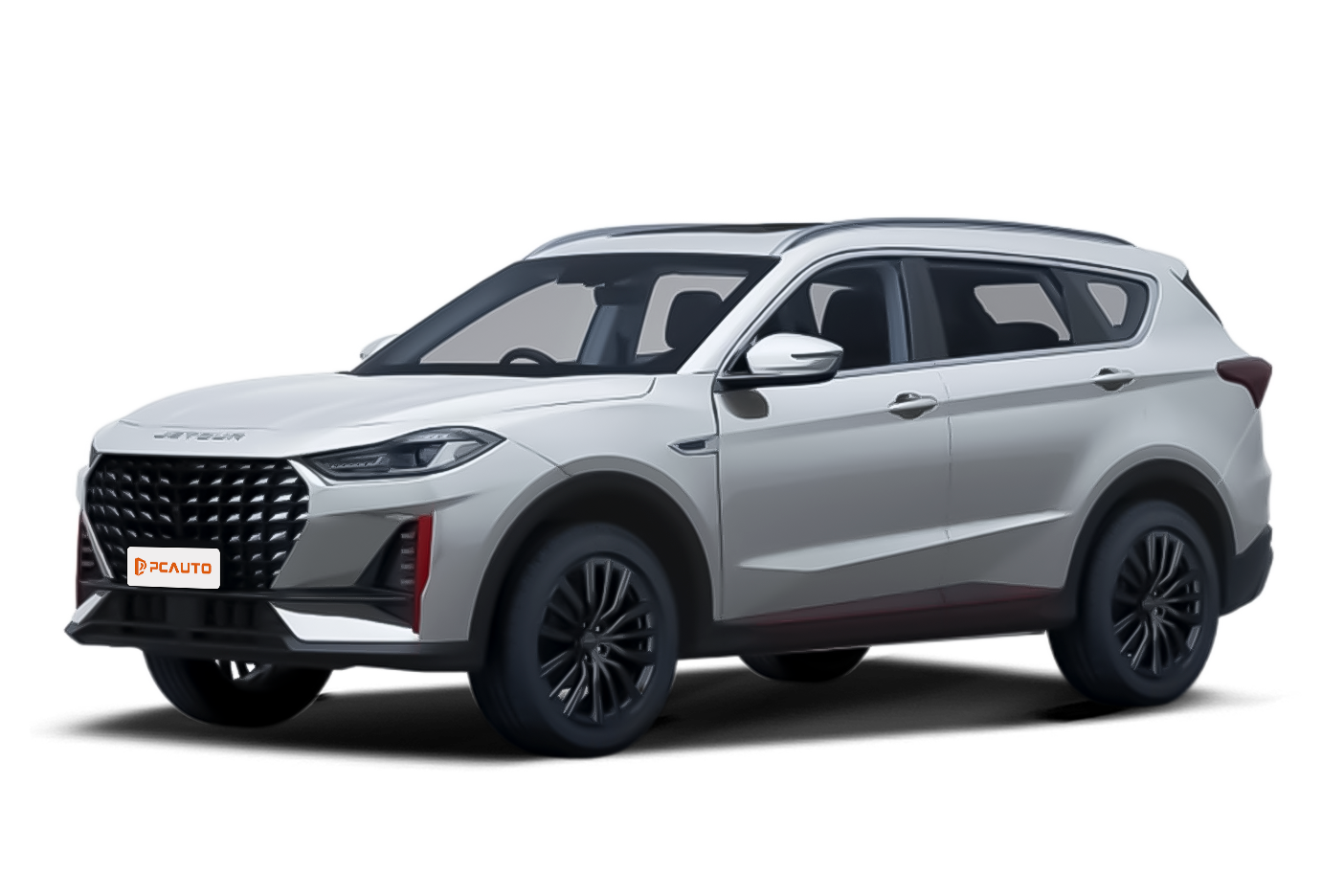
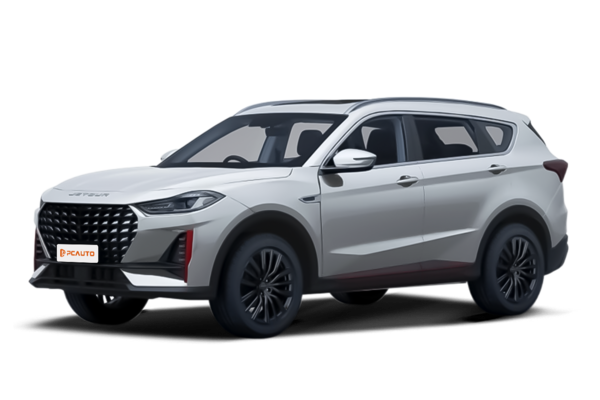
2025 Jetour VT 9 Comfort is a highly cost-effective 7-seater family SUV, featuring practical space, rich configurations, and balanced power, precisely meeting the needs of family short-distance travel.

11
Rank in SUV
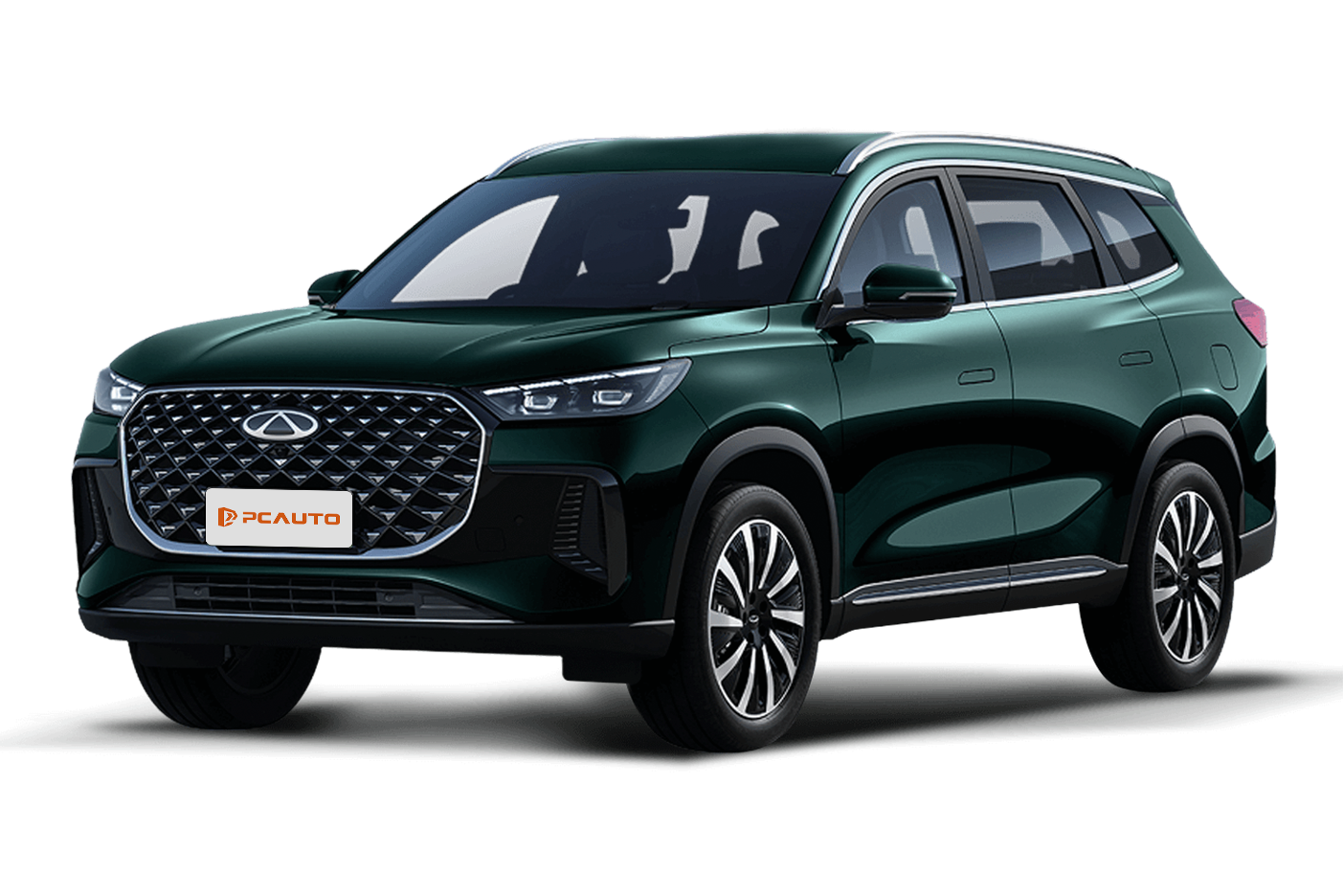
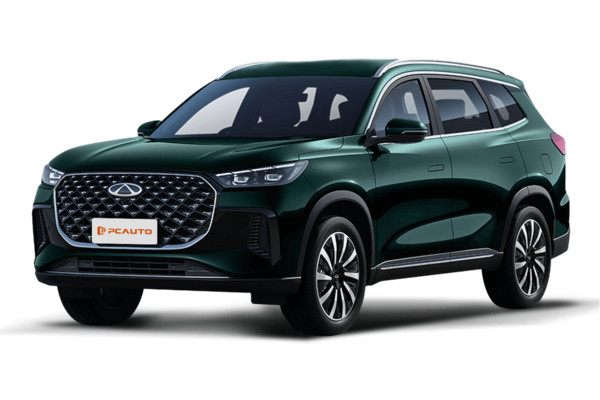
2026 Chery Tiggo 8 is a D-Segment SUV aimed at family users, offering superior configurations, practical space, and smooth power at a high cost-performance ratio, meeting both commuting and light off-road needs.
16
Rank in SUV

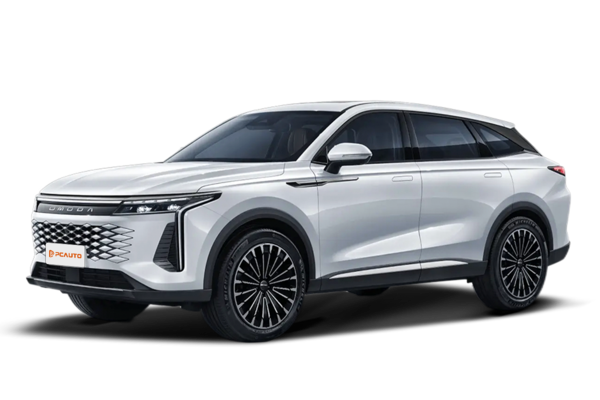
2024 Chery OMODA C9 2WD with 2.0T+8AT powertrain, L2 level assistance, and dual 12.3-inch screens, breaking the stalemate in the D-Segment market and becoming a high-value disruptor.
29
Rank in SUV
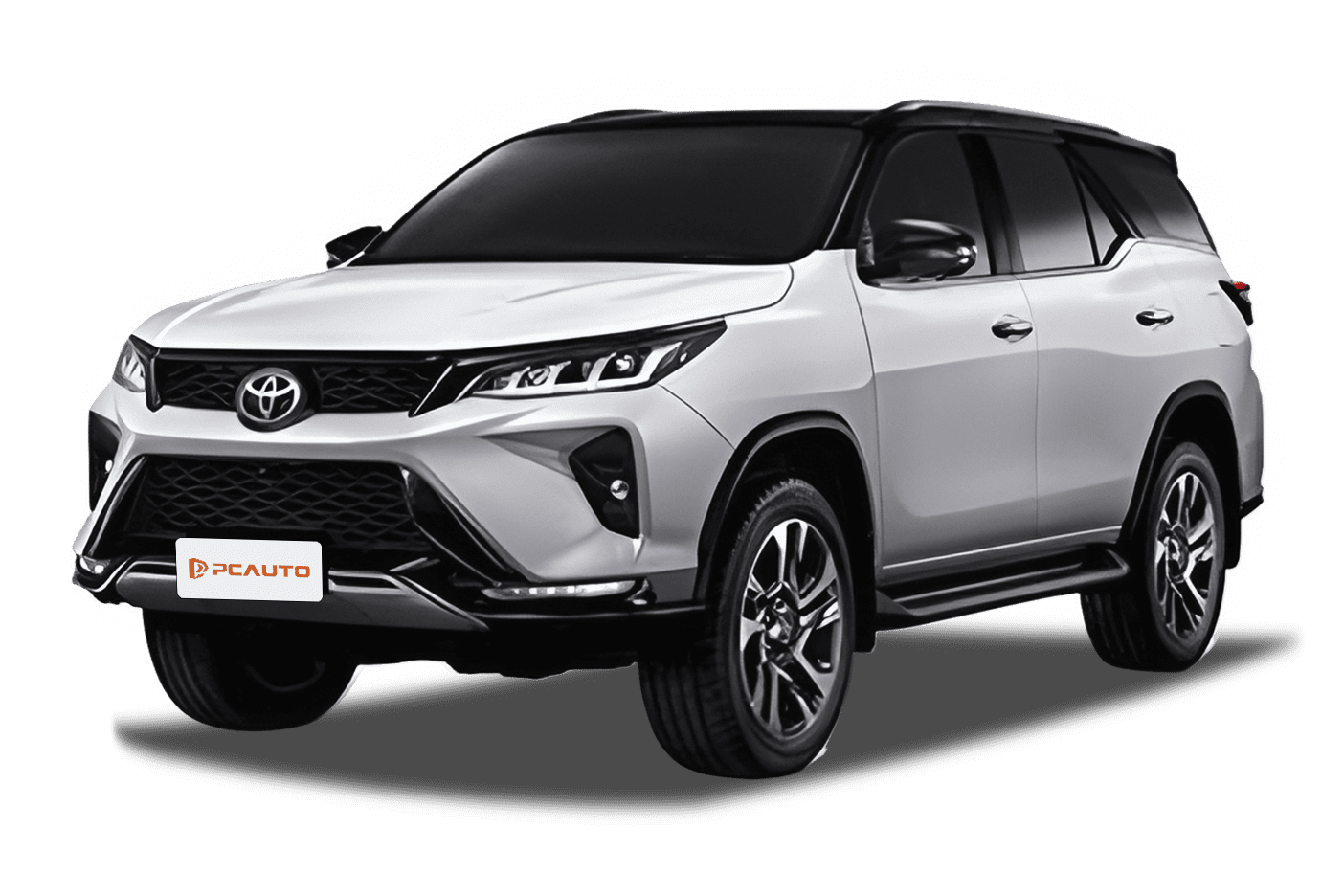
2021 Toyota Fortuner 2.7 SRZ AT 4x4 is a 7-seat SUV that balances family comfort and mild off-road capabilities, with smooth gasoline power and a practical 4x4 system, offering low maintenance requirements suitable for various family scenarios.