

Lexus LBX Review

 Share
Share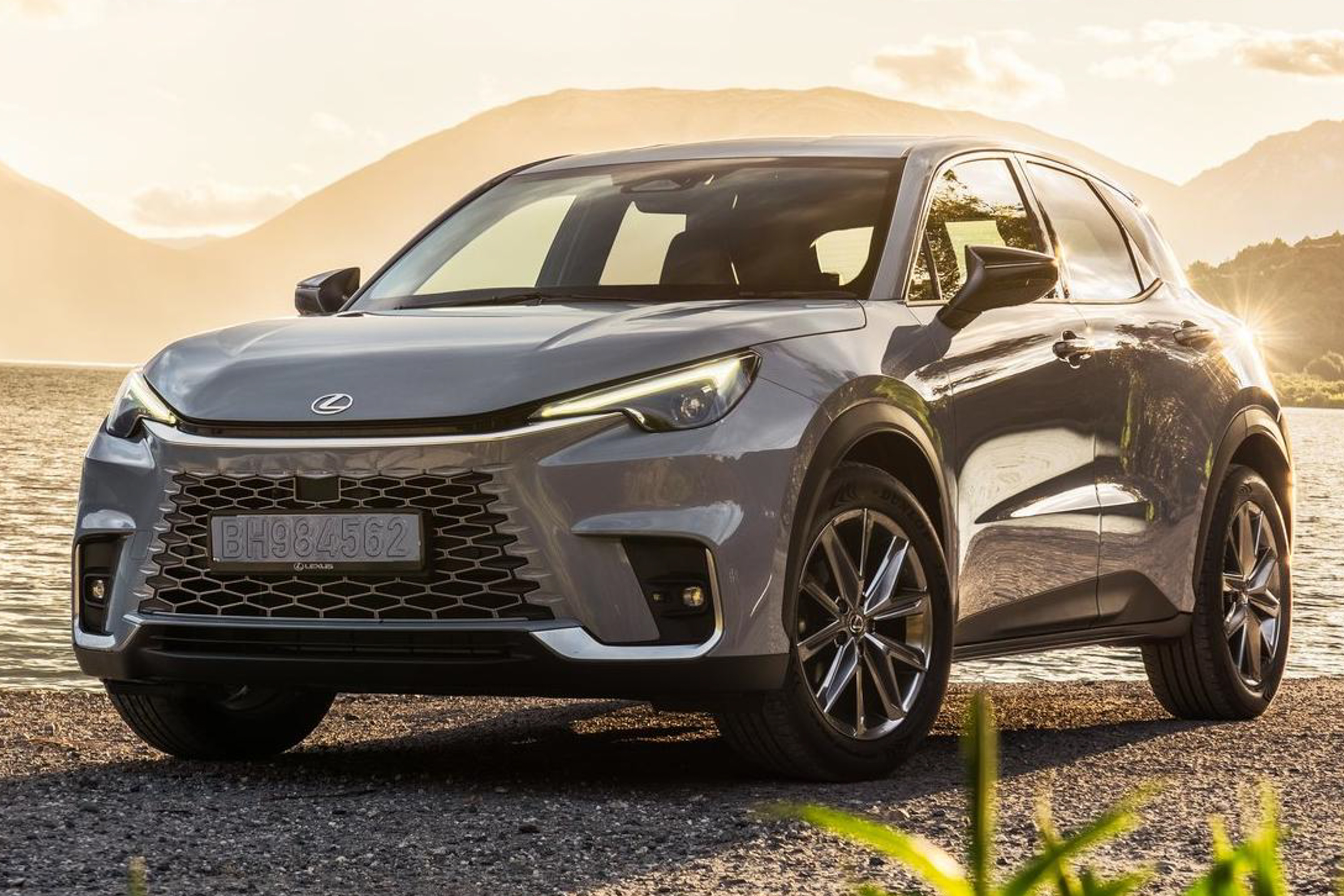
 Segment
 Body Type
 Capacity(L)
 Engine Power(PS)
 Engine Torque(Nm)
 Transmission
The B-segment SUV market has been gaining popularity locally in recent years. Consumers desire the flexibility of compact car sizes for urban commutes without compromising on practicality and brand quality—Lexus LBX is a new contender targeting this demand. As the smallest SUV under the Lexus brand, it not only continues the brand's signature luxury feel but also incorporates a 1.5L hybrid system to balance power and fuel efficiency. Coupled with the LSS+ safety suite as standard across all trims, it has drawn significant attention upon its launch. This time, we got our hands on the Premium and Luxury versions for test drives, with the main goal of evaluating whether it strikes the optimal balance between "entry-level luxury" and "everyday practicality."
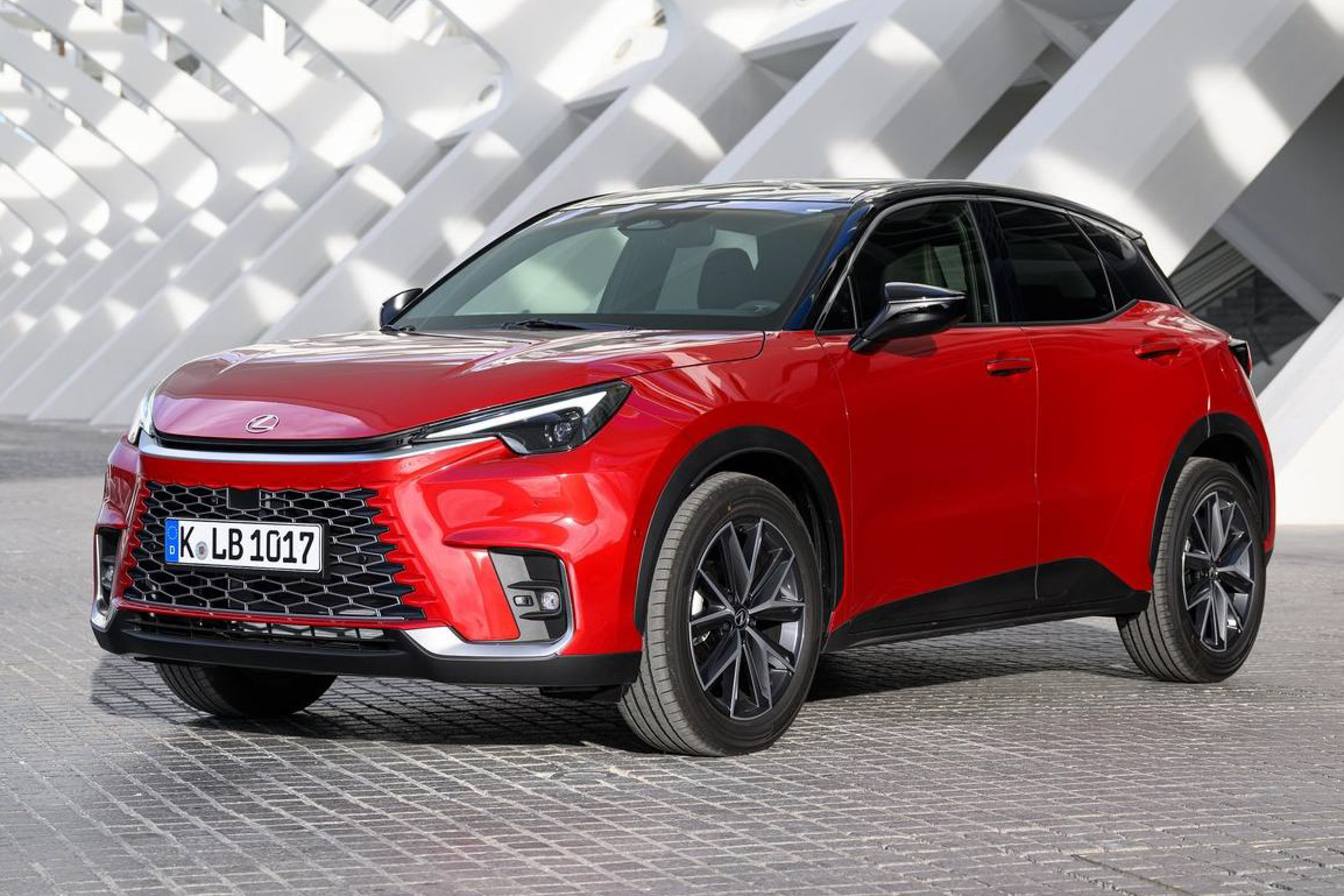
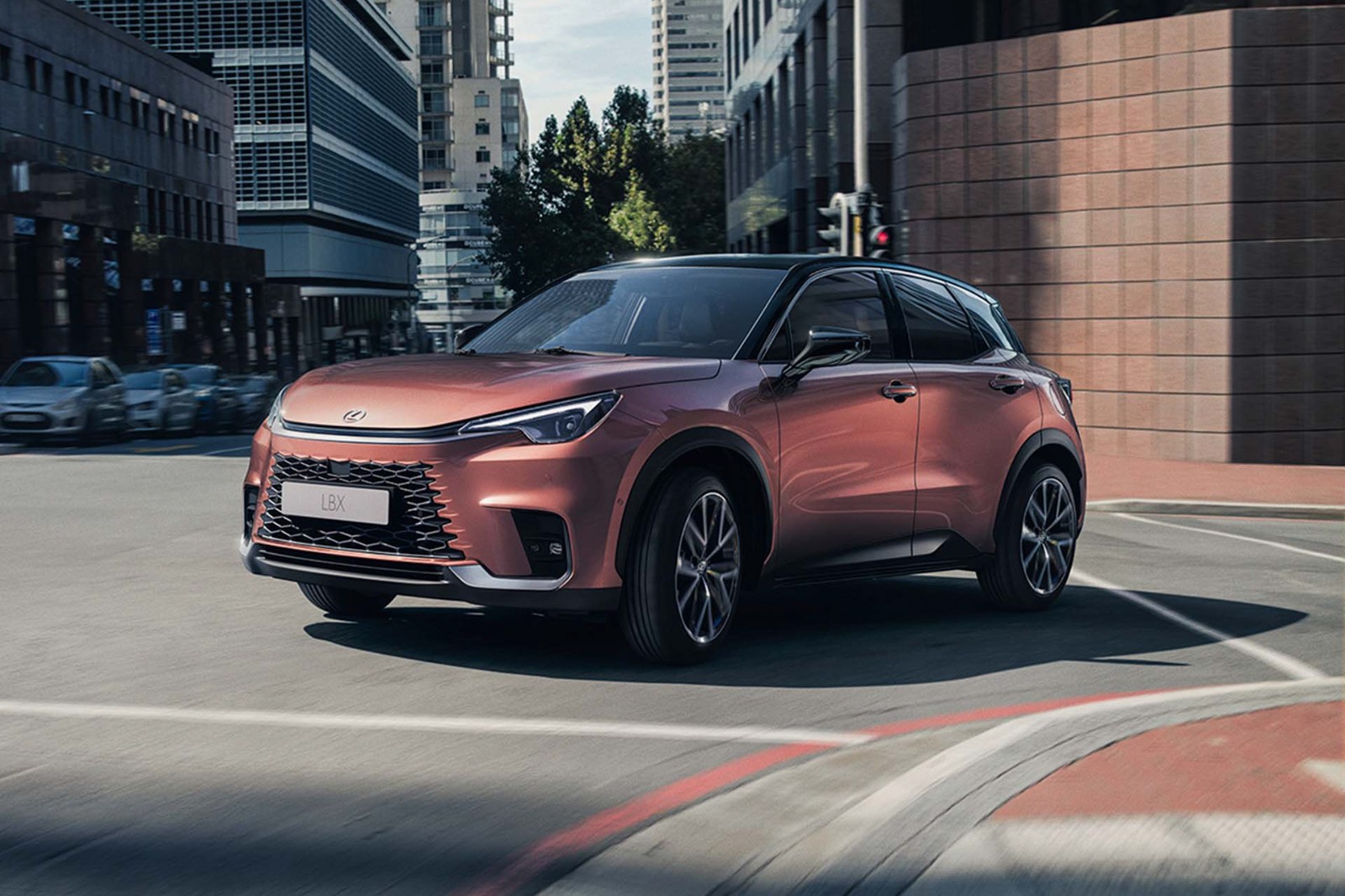
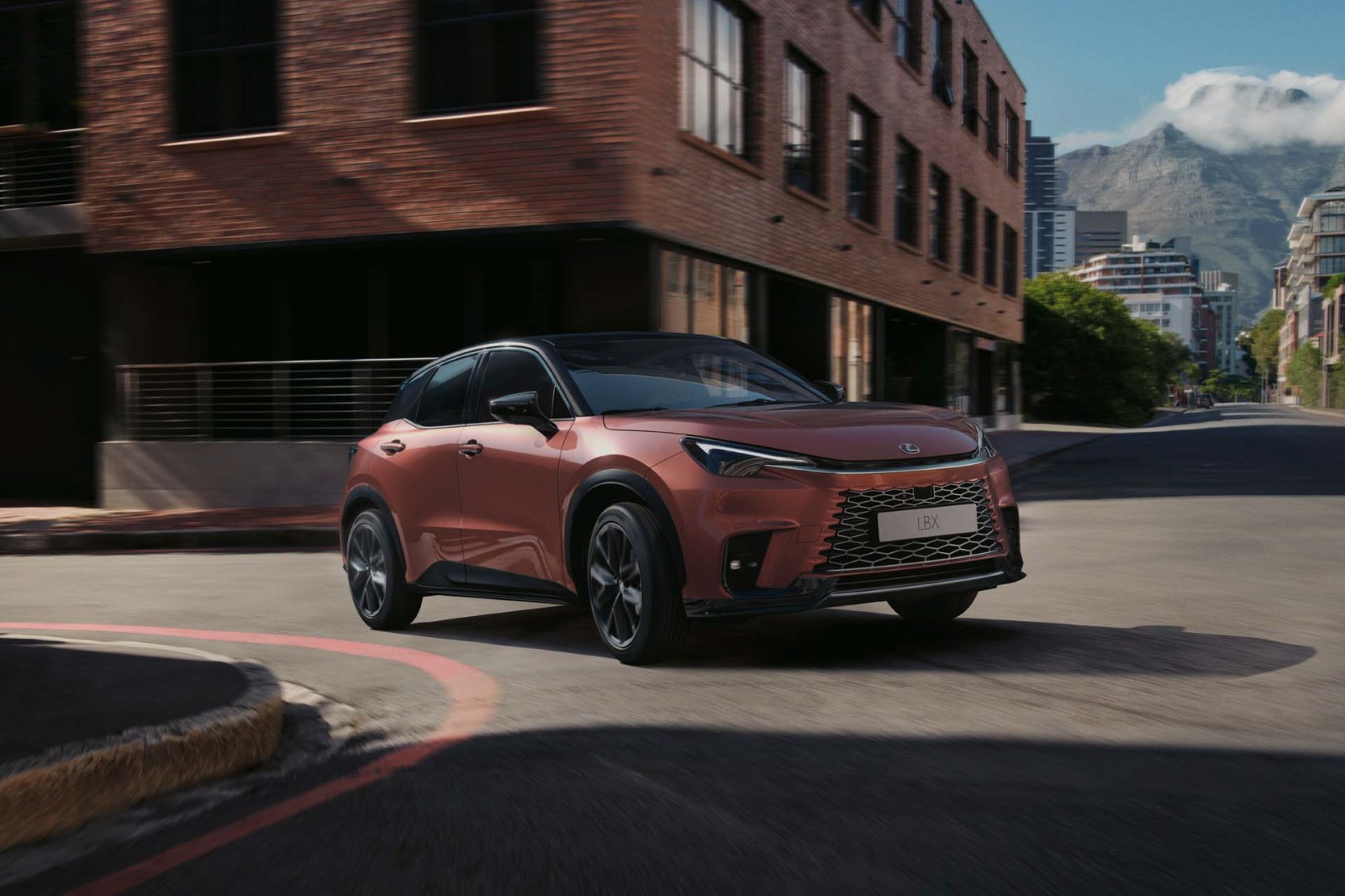
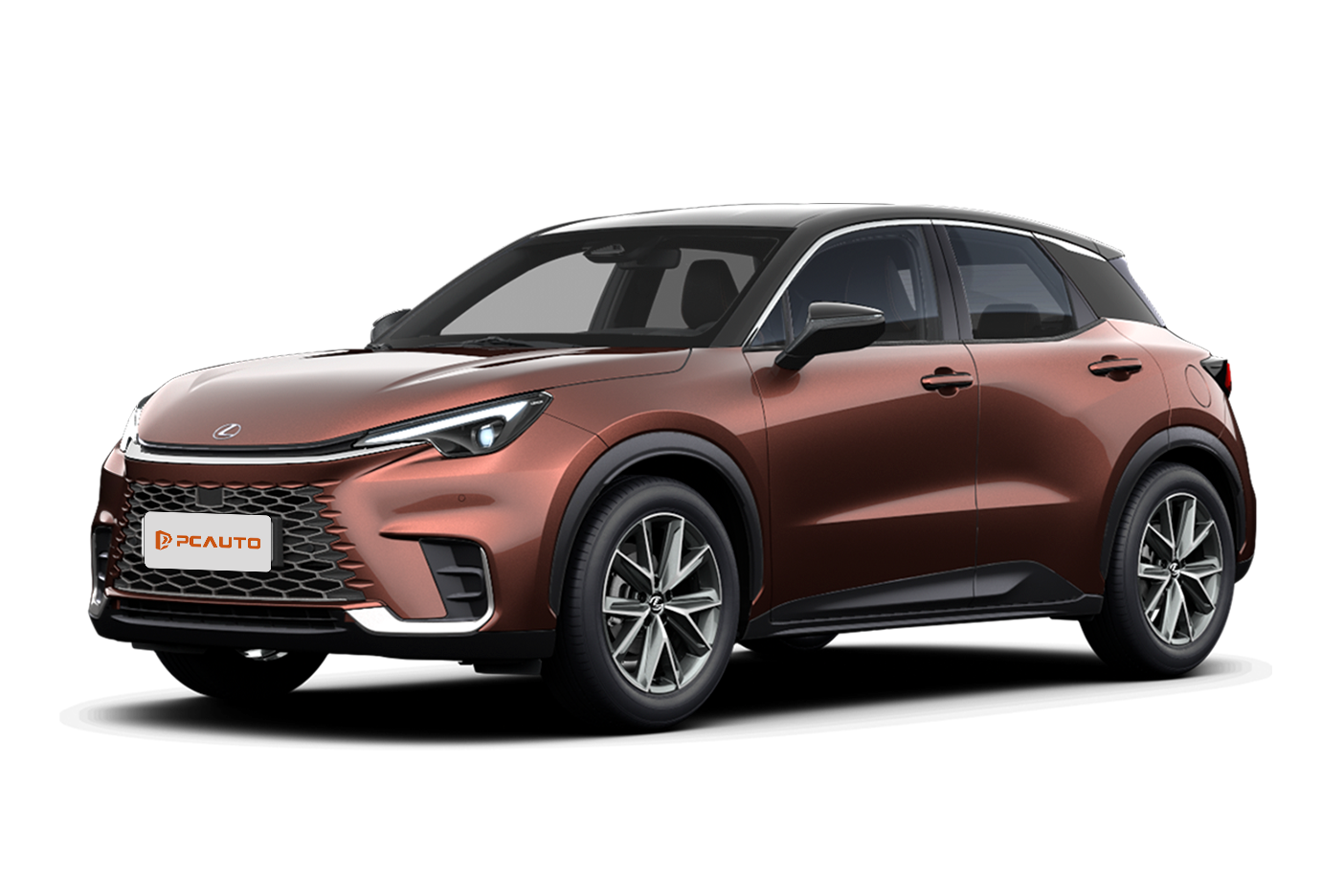
From a distance, the LBX's design does not embody the traditional B-segment vehicle image; instead, it resembles a smaller version of the UX. The front retains Lexus's signature spindle grille, but its size has been slightly reduced. Paired with sharp LED headlights on both sides, the appearance is noticeably more refined compared to other vehicles in the same class. The sides of the car feature clean lines, with a muscular waistline extending from the front fender to the rear. The 17-inch wheels (Premium) or 18-inch wheels (Luxury) have a standard design but are proportionate to the body. The rear design is relatively understated, with horizontally arranged LED taillights that incorporate Lexus's iconic "L"-shaped light strips, boasting high recognition when lit. The silver skid plate below the rear bumper adds a touch of rugged SUV character to the vehicle. Overall, the LBX's exterior aligns with the image of a luxury brand while maintaining a low-profile style, making it very suitable for daily commuting.
Stepping inside, the interior materials and design of the LBX are noticeably superior to most models in its class. The dashboard is wrapped in soft-touch materials, complemented by stitching craftsmanship, making every touch feel meticulous and refined. The Luxury version is further enhanced with leather seats and wood grain trim, elevating the sense of luxury. The center console layout is clear, with a 9.8-inch floating touch screen at the top, supporting Apple CarPlay and Android Auto; its operating smoothness meets expectations. Below the screen, physical buttons are retained, making it convenient to adjust air conditioning and volume while driving. The instrument panel is fully digital, providing a clean interface that clearly displays speed, fuel consumption, the hybrid system's operational status, and other information. In terms of features, both versions come standard with keyless entry, power-adjustable front seats (with driver memory), and dual-zone automatic climate control (with a nanoe ion generator). The Luxury version additionally includes a HUD head-up display and a Mark Levinson sound system, the latter of which delivers significantly better sound quality compared to the 6-speaker system in the Premium version.
In terms of space, the LBX has a wheelbase of 2580mm, which is average within the B-segment SUV category. With the front seat adjusted to a comfortable position, a 175cm passenger still has a fist-width amount of headroom and relatively generous legroom. Rear seat space is just enough for adults; passengers of the same height have two to three fingers of legroom, while headroom is slightly tight due to the roofline, leaving about four fingers of space. The trunk capacity is 315 liters, which is sufficient for two 20-inch suitcases. The rear seats can be folded in a 60/40 split, creating additional storage space when needed, which is quite practical. The car's storage compartments are also thoughtfully designed; the front central armrest box and door panel storage slots can easily fit phones, bottles, and other small items.
In terms of power, the LBX is equipped with a 1.5L three-cylinder naturally aspirated engine combined with an electric motor to form a hybrid system, with a combined system output of 136PS, paired with a CVT gearbox. During daily driving, the vehicle is primarily driven by the electric motor, offering a light and quiet start. The engine's involvement during acceleration is smooth, with almost no noticeable jerks. When switching to sport mode, the power response becomes more active, but due to the engine displacement, overtaking at high speeds may require pressing harder on the accelerator in advance. The fuel consumption performance is commendable; under urban congested conditions, we measured an actual fuel consumption of approximately 4.8L/100km, which can drop to around 4.2L/100km on highways. This is an excellent result for an SUV.
In terms of handling, the LBX features a MacPherson independent suspension at the front and a torsion beam non-independent suspension at the rear. When driving on urban roads, the suspension effectively smooths out minor bumps, and vibrations when passing speed bumps are well-controlled, providing good comfort. However, during high-speed cornering, the rear suspension lacks a bit of support, causing slight body roll, which is still considered normal for a B-class SUV. The steering wheel has appropriate weight, precise direction, and is easy to handle during daily driving. As for noise control, the LBX performs better than expected. Wind noise and tire noise are not very noticeable during high-speed driving, and engine noise is also well-controlled when it engages, without affecting conversations inside the cabin.
Safety features are a major highlight of the LBX. The entire series comes standard with the LSS+ active safety system, which includes ACC adaptive cruise control, lane departure warning, active braking, forward collision warning, and other functionalities. The number of airbags reaches eight, covering the front row, sides, and knees, providing comprehensive protection for passengers. In actual tests, the active braking system responds quickly, issuing alerts and automatically braking in time when the vehicle gets too close to an obstacle ahead, effectively avoiding collisions.
Overall, the core advantages of the LBX lie in its luxurious interior texture, excellent fuel efficiency, and comprehensive safety features. Compared to models in the same class (such as the Honda HR-V and Toyota C-HR hybrid version), the LBX has an advantage in interior craftsmanship and brand value. Although the starting price is slightly higher, the configurations are also more comprehensive. It is suitable for those who value the quality of life, pursue brand sophistication, and also need a practical daily commuting car—for example, young family users around 30 years old or working professionals with sufficient budget who want a comfortable and stylish city commuter car.
In summary, the Lexus LBX is a luxury entry-level SUV with a clear positioning. It does not deliberately chase performance but finds a good balance between luxury, practicality, and economy. If you are looking for a vehicle that can meet daily commuting needs while showcasing personal taste, the LBX is worth considering.
Lexus LBX Car Compare
Lexus LBX Loan Calculator
Cars With Similar Price And Features
4
Rank in SUV
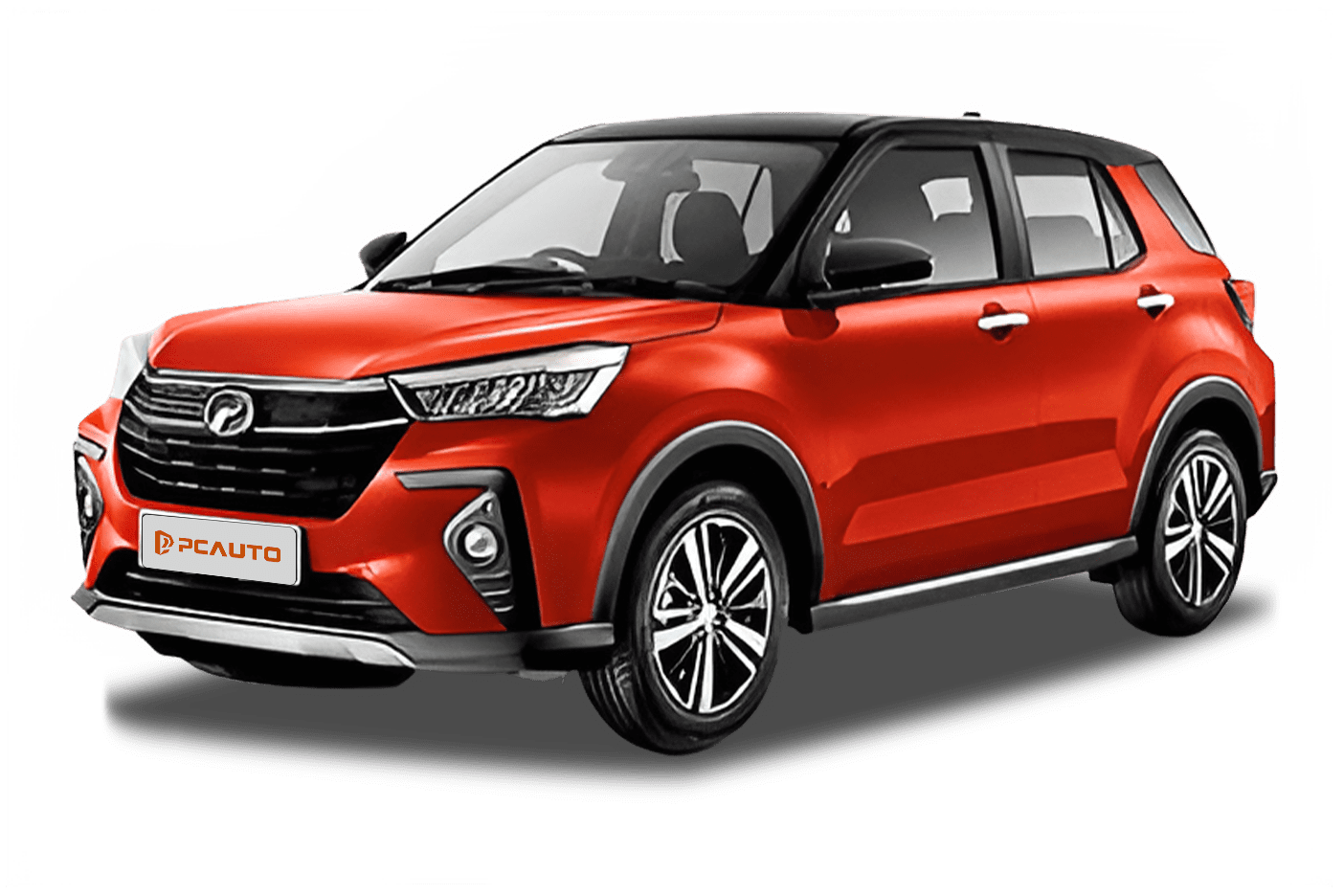
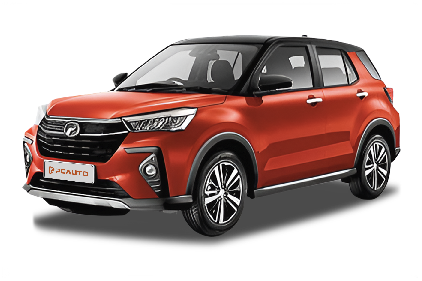
2023 Perodua Ativa 1.0L Turbo X, as a high-value-for-money entry-level B-SUV, meets the commuting and short-distance travel needs of family users with advanced safety features, practical space, and economical fuel consumption.
15
Rank in SUV
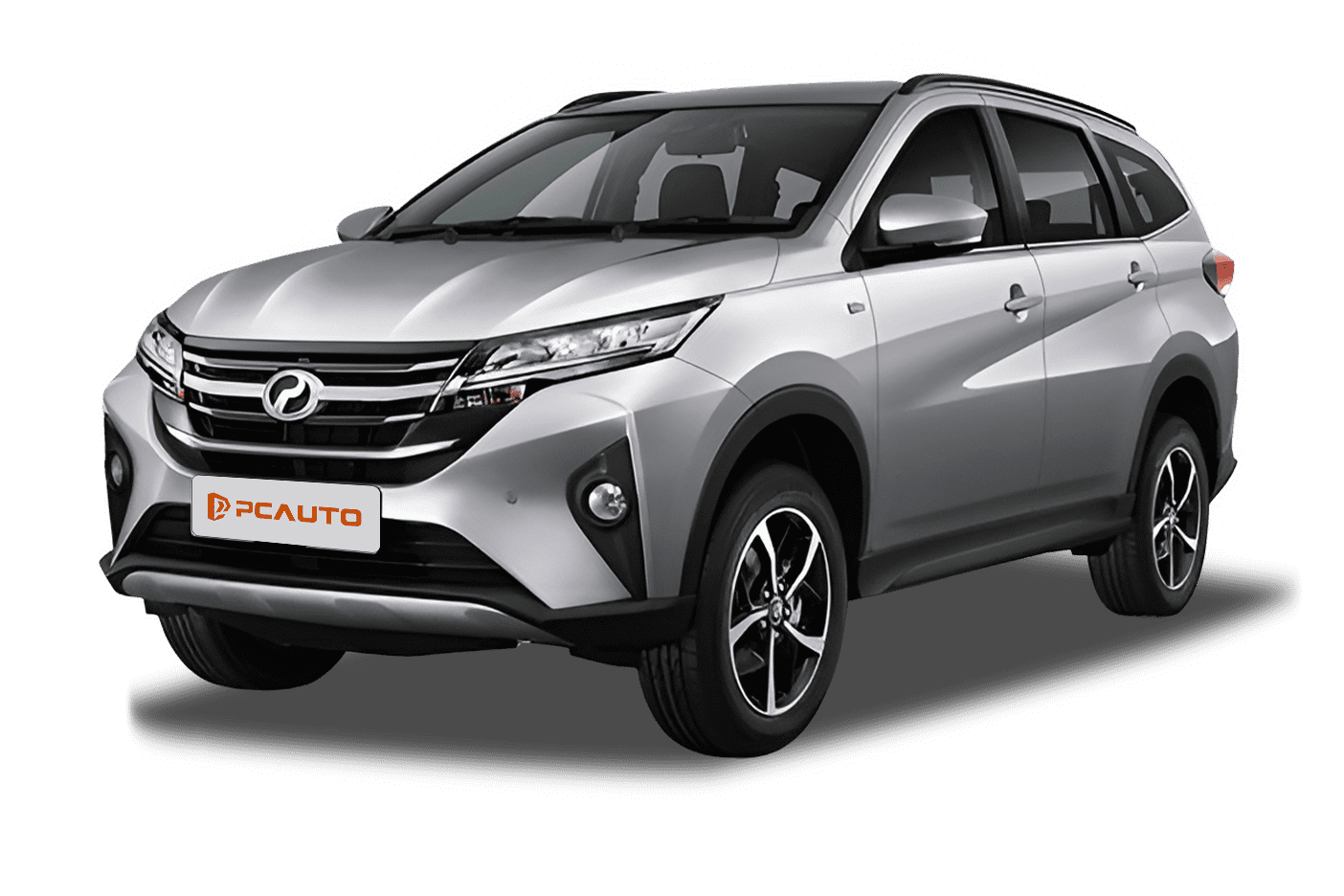
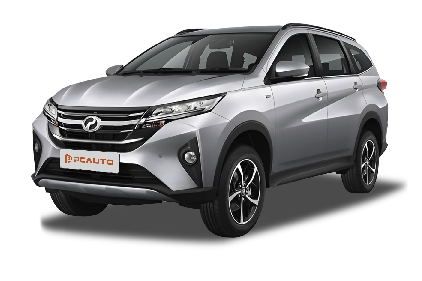
The 2023 Perodua Aruz 1.5L X is a high-value-for-money B-segment 7-seater SUV, offering 6 airbags and active safety systems as standard equipment for under RM63k. It balances practical space and daily commuting needs, making it a pragmatic choice for budget-conscious families.
3
Rank in SUV
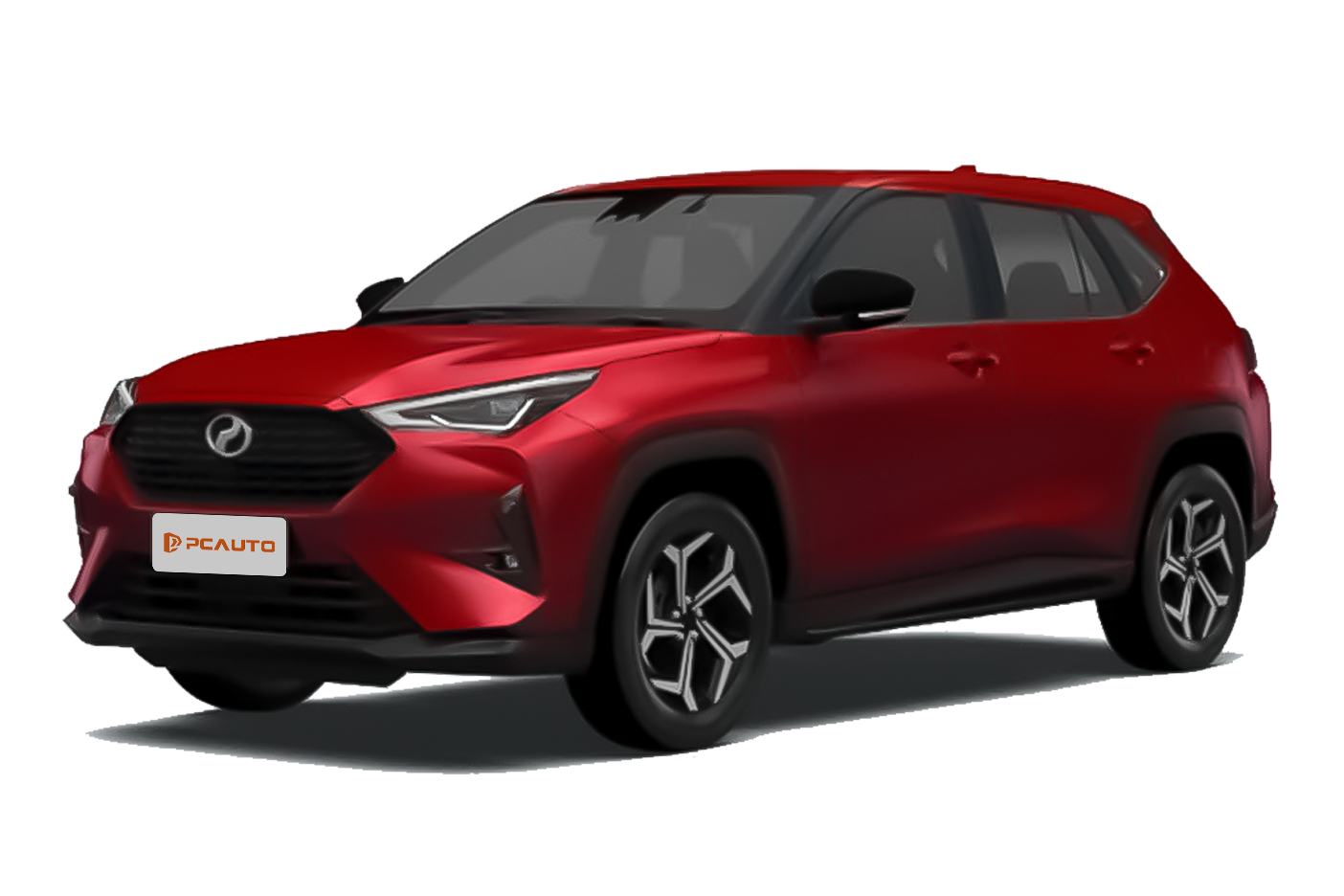
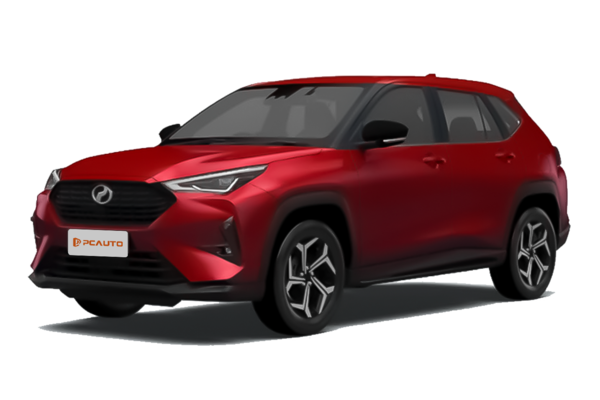
2025 Perodua Traz X, positioned as a B-segment SUV for family users, highlights advanced safety features, 210mm high ground clearance, and practical spaciousness as its main selling points, balancing flexibility and practicality.
2
Rank in SUV
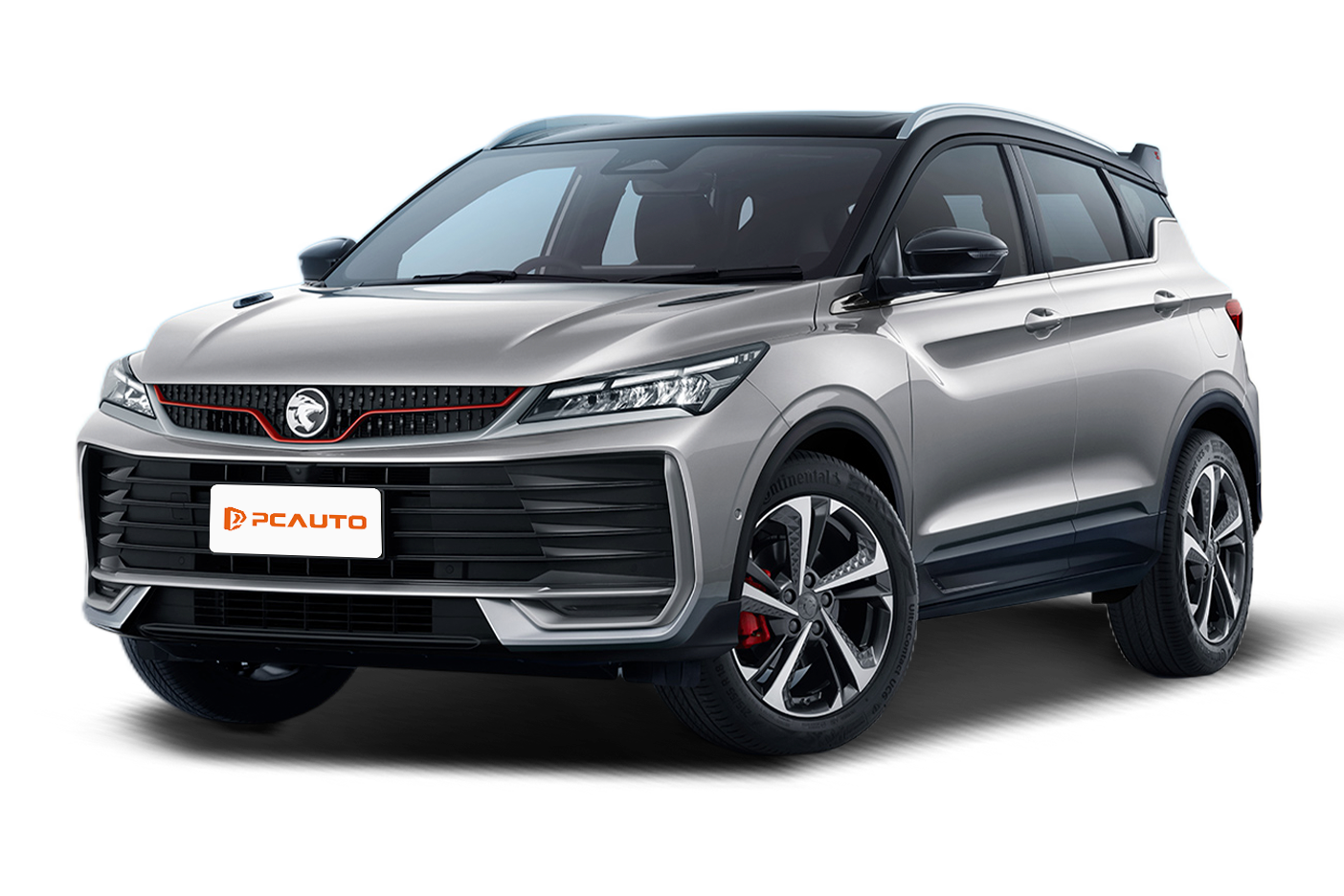
2025 Proton X50 Executive is an upgraded and price-reduced mid-size SUV that combines refined exterior, tech-savvy interior, powerful performance, and practical space, offering exceptional value for money.