

Maserati Quattroporte 1963 Review

 Share
Share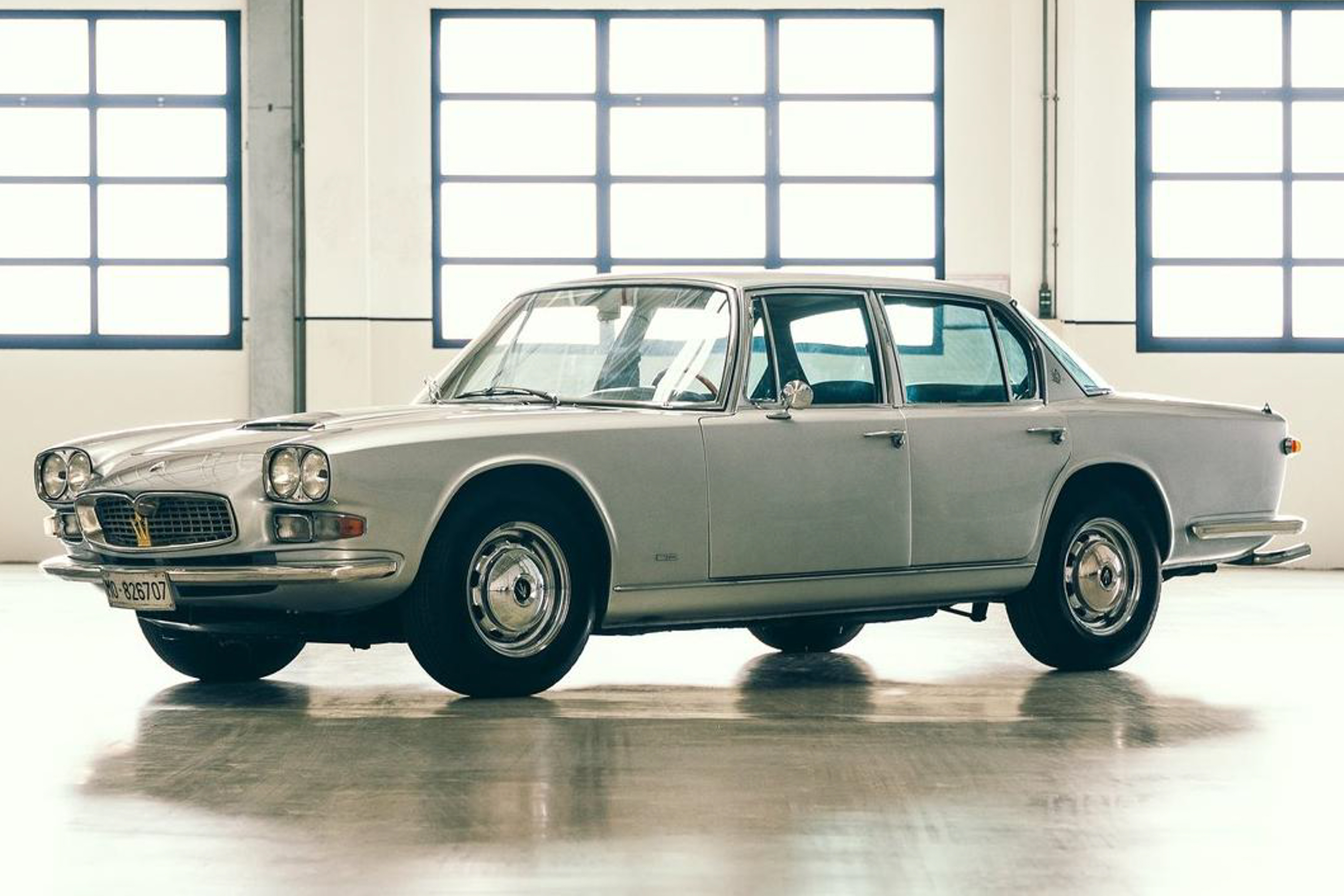
 Body Type
 Segment
 Capacity(L)
 Engine Power(PS)
 Engine Torque(Nm)
 Transmission
In today's luxury sedan market, consumers have long been accustomed to technological features such as large-screen intelligent cockpits and automated driving assistance. However, looking back to the 1960s, the definition of a luxury sedan was still "an exclusive vehicle made for a select few" — and the Maserati Quattroporte of 1963 was the first model to break this niche mold. As the world's first mass-produced luxury sport sedan, it not only filled a market gap but also injected Maserati's racing DNA into the traditionally restrained luxury sedan segment. This time, we will comprehensively analyze the unique charm of this classic model, from its static design to its dynamic performance, allowing readers to understand why it has become the "pioneer" of luxury sport sedans.
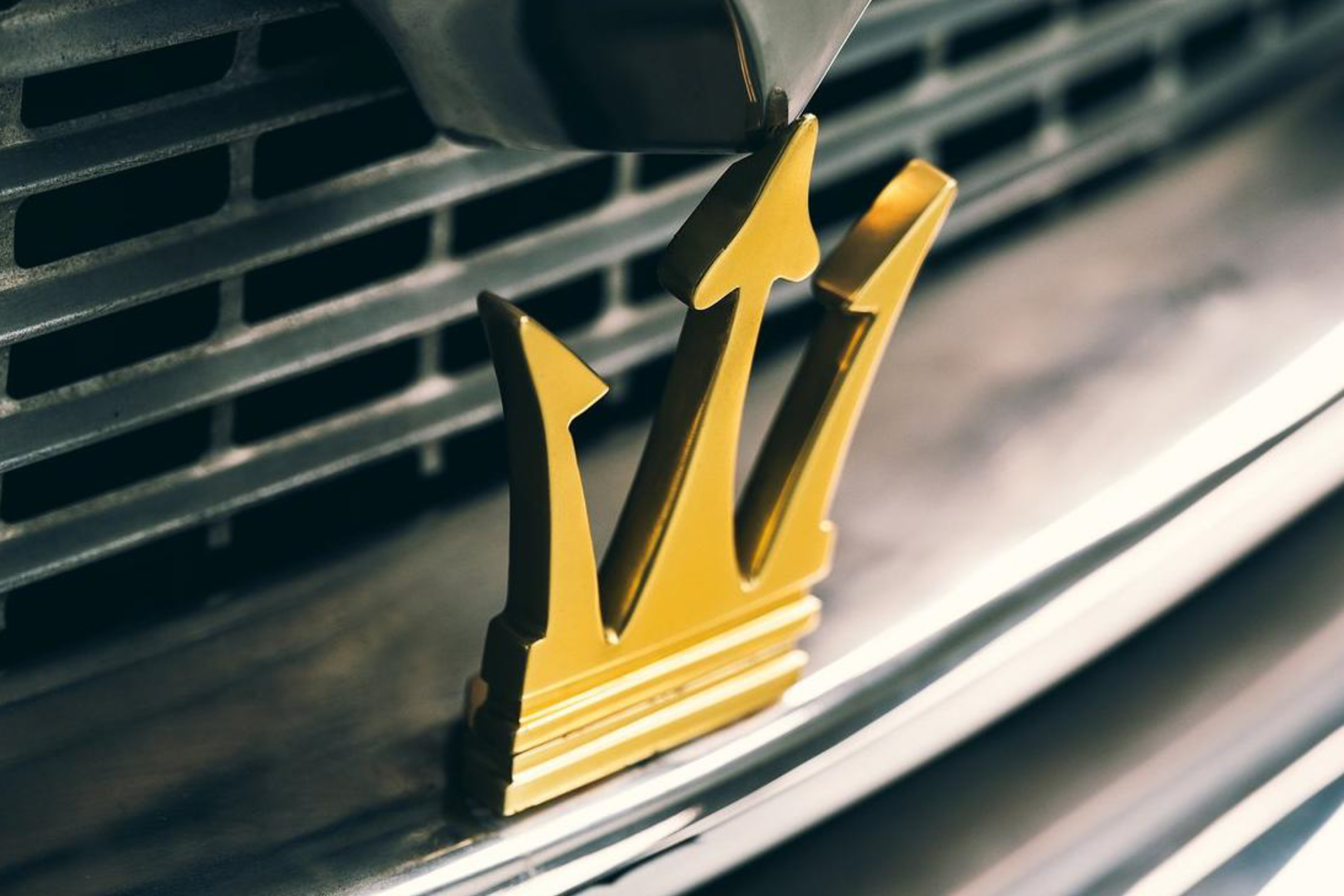
The exterior design of the 1963 Quattroporte perfectly balances elegance and a sense of power. The front adopts Maserati's iconic vertical chrome grille with the trident logo embedded in the center, complemented by round dual headlights on both sides, creating a highly distinctive appearance. The car's flowing, elongated body lines run from the hood to the rear, where the slightly upward-sloping waistline not only extends the visual proportions but also conveys a strong sporty vibe. The side profile of the car avoids overly complicated decorations, using simple chrome trim to outline the window frames, which harmonizes with the 15-inch wire wheels. At the rear, round taillights echo the front headlights, connected by a central chrome trim, while the hidden exhaust layout subtly emphasizes its performance identity. Overall, it lacks the ostentatious feel of some luxury sedans of the same era and instead uses a clean design language to interpret the definition of "sport luxury."
Upon entering the interior, the Quattroporte's style leans towards vintage luxury. The center console features extensive wooden trims and chrome elements, and the knobs and buttons have a solid and precise tactile feel, ensuring that every operation reflects the finesse of the mechanical era. Seats are wrapped in high-quality genuine leather, with firm and well-padded backs and cushions, ensuring comfort even during long rides. The front seats support manual adjustment, and although they lack modern electric functionality, the adjustment processes are smooth and precise. The rear seating space is one of Quattroporte’s core strengths, boasting a wheelbase of 2800mm that allows for ample legroom—leaving two fist-widths of space for passengers standing 180cm tall. Headroom is also sufficiently spacious. The rear center armrest is equipped with independent air conditioning adjustment knobs and a storage compartment, showcasing attention to detail for passenger comfort. Additionally, the trunk offers a capacity of 500 liters, ample enough to store four carry-on suitcases, meeting the needs of daily commutes or short trips.
In terms of performance, the Quattroporte is equipped with a 4.2L V8 naturally aspirated engine, delivering a maximum output of 260 horsepower and a peak torque of 363 N·m, paired with a 5-speed manual transmission. During actual driving, the power output of this engine is linear and abundant. While it doesn't offer the explosive power of turbocharged cars in the initial phase, as the revs climb, power is delivered continuously — once the revs exceed 3000 rpm, the engine sound deepens, delivering a strong surge of thrust, with a 0–100 km/h acceleration time of just 8.5 seconds. This could be considered a "performance beast" among four-door sedans of the 1960s. The gearbox has a clear shifting feel with strong engagement, making frequent gear changes in traffic less cumbersome.
The handling performance is the most surprising aspect of the Quattroporte. The steering wheel has a relatively heavy feel, but it is precise with no play, and every turn can clearly convey feedback from the road. The chassis adopts a front double-wishbone and rear solid axle suspension structure, tuned with a sporty orientation. When facing corners, body roll is well suppressed, and the suspension offers strong support, allowing the driver to corner with great confidence. However, this sporty tuning also sacrifices some comfort -- when driving over bumpy roads, rear passengers will feel more pronounced vibrations. But for a luxury sedan that emphasizes sporty performance, this trade-off is reasonable.
As a fuel-powered vehicle, the Quattroporte's fuel economy is average. In urban traffic, the fuel consumption is about 15 liters per 100 kilometers; on highways, it can drop to around 12 liters. The braking system uses a front disc and rear drum layout, with a linear pedal feel. The braking force is evenly distributed, and the braking distance from 100km/h to a complete stop is about 45 meters, meeting the industry standards at the time.
In terms of ride comfort, the Quattroporte performs admirably. The interior boasts sound insulation that was considered state-of-the-art in the 1960s. At high speeds, wind and tire noise are kept within an acceptable range, while the engine's exhaust note is subtly transmitted into the cabin. This sound doesn’t disrupt the driving experience but rather enhances the pleasure of driving. The seats strike a good balance between enveloping support and comfort, ensuring that the driver’s back and waist remain fatigue-free even during long drives.
In summary, the core strength of the 1963 Maserati Quattroporte lies in its "pioneering spirit" — it was the first to combine sporty performance with a luxurious four-door sedan, breaking the conventional perception during that era that luxury sedans focused solely on comfort, neglecting performance. Compared to its contemporaries, such as the Mercedes-Benz 300 SEL, the Quattroporte delivers more power and sharper handling; and compared to the Jaguar S-Type, it offers a more spacious rear cabin and greater luxury. This car is ideal for those who seek luxurious comfort for business travel while also desiring to experience the occasional driving thrill — such as entrepreneurs, celebrities, or senior professionals of the time. Although it lacks the technological features of modern cars, as a classic model, its design, performance, and historical significance are enough to make it an "eternal classic" cherished by collectors and car enthusiasts.
Looking back at the 1963 Quattroporte today, it is more than just a car; it is a symbol of an era — it proves that luxury and sportiness are not opposites but can be perfectly integrated. Even more than half a century later, its design and performance remain captivating, which is perhaps the essence of a true classic car.
Maserati Quattroporte Car Compare

More Maserati Reviews
Cars With Similar Price And Features

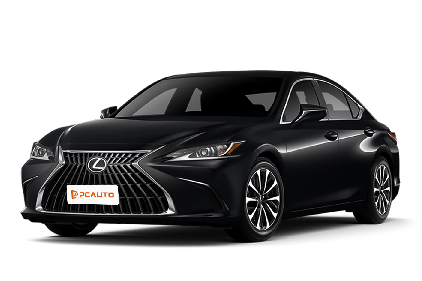
2024 Lexus ES as a practical choice in the luxury mid-size sedan market, with a balanced and comfortable driving experience, rich safety features, and a reliable brand reputation, precisely catering to the needs of family users and young elites.
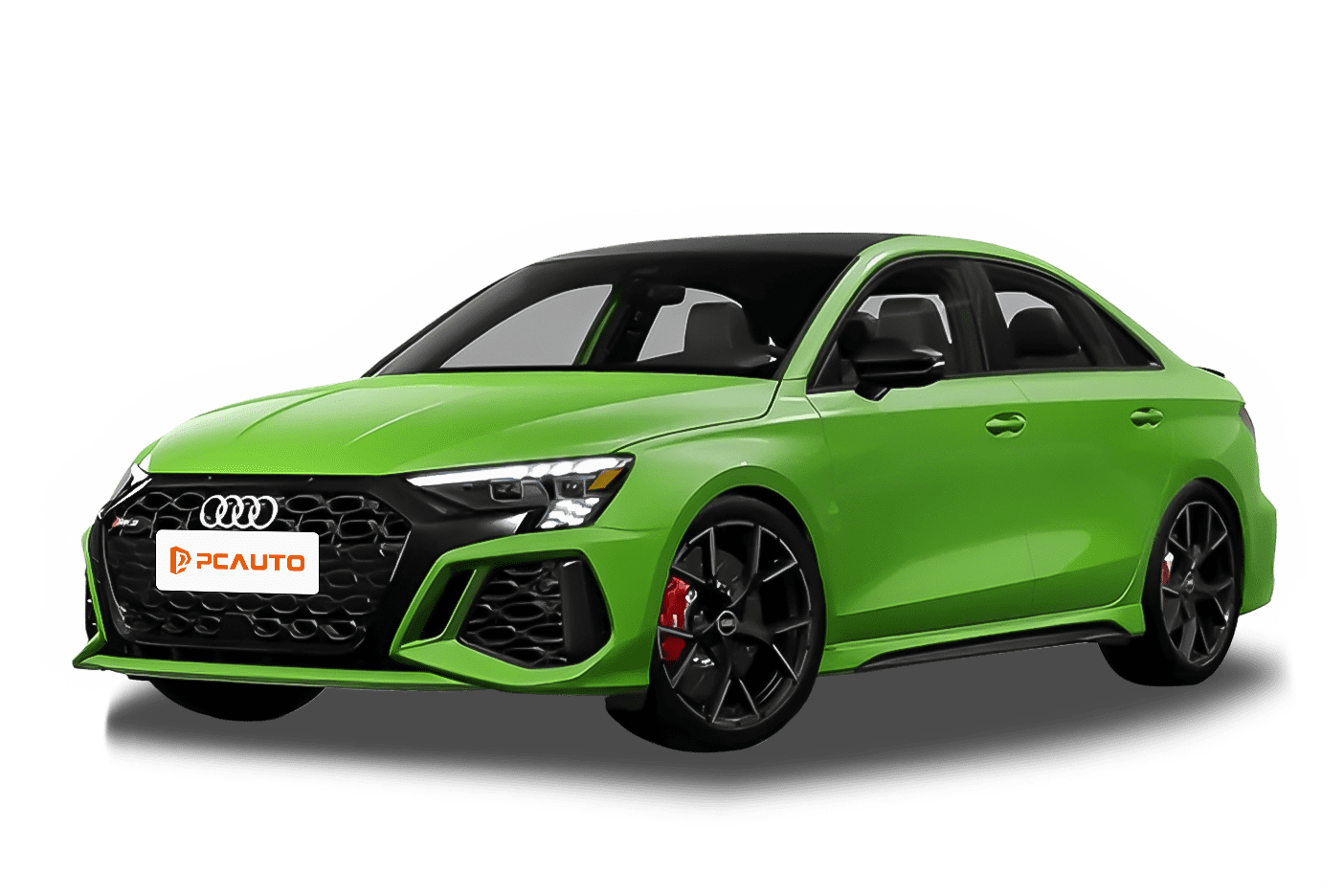
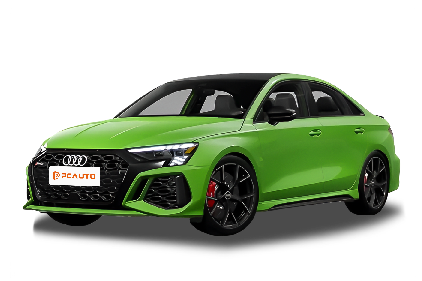
Audi RS3 Sportback is a luxurious and compact "pocket rocket" that balances 400PS five-cylinder performance, Quattro control, and practicality for family use, with a sporty design and a full sense of technology.

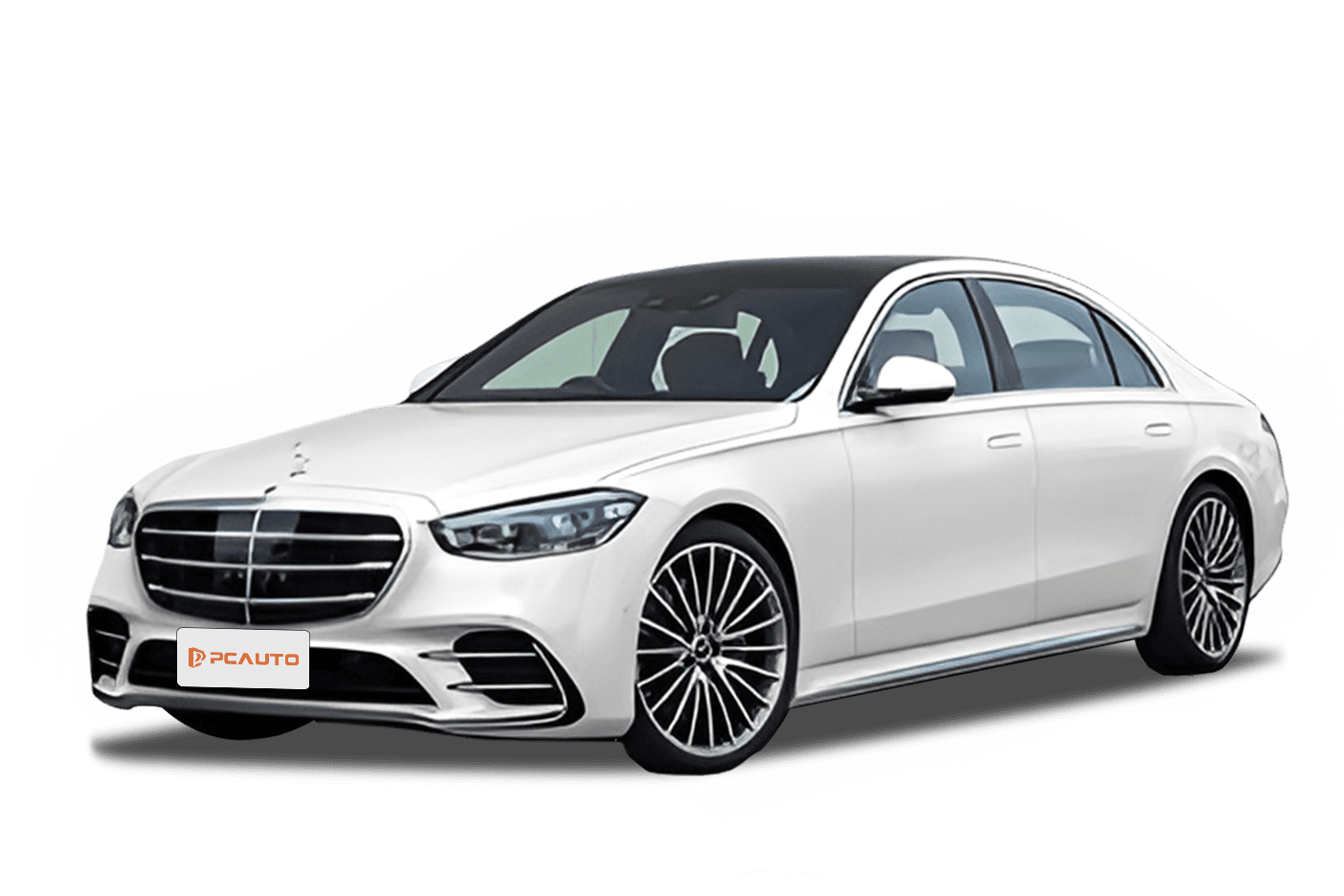
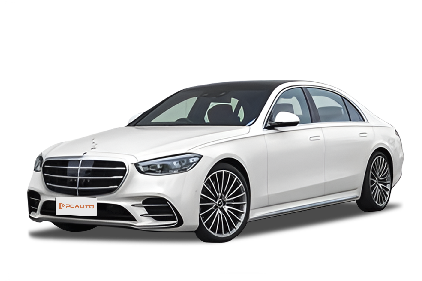
2022 Mercedes-Benz S-Class S 580 e, as the flagship plug-in hybrid model, offers a luxurious rear-seat experience with its extended wheelbase, a practical 100km pure electric range, and advanced intelligent features, balancing luxury and the practicality of new energy.
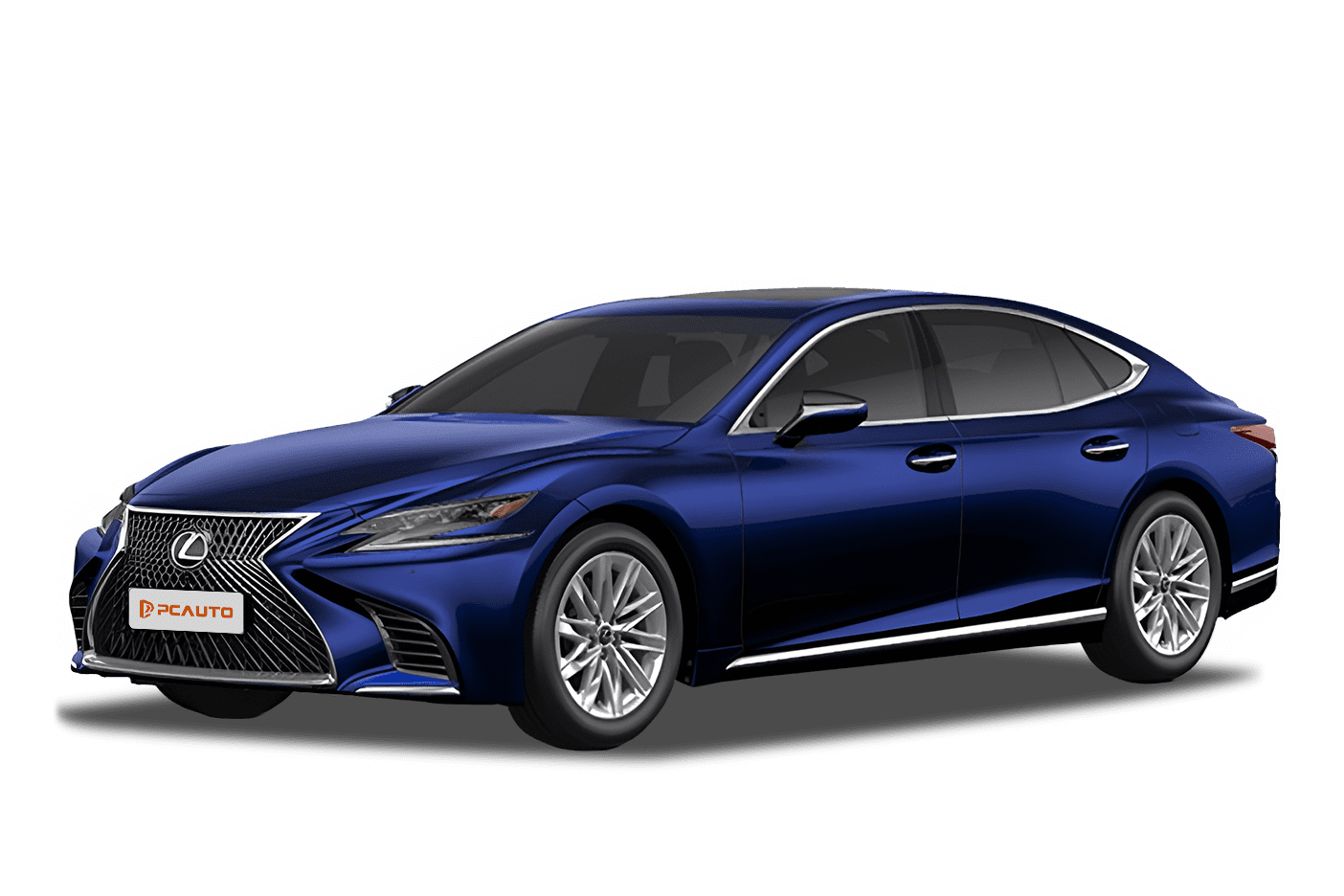
2021 Lexus LS 500 Luxury built with the concept of Oriental luxury, 28-way power-adjustable massage seats + 3.4T powerful performance, high cost-effectiveness competing with German counterparts.