

Maserati Quattroporte 1979 Review

 Share
Share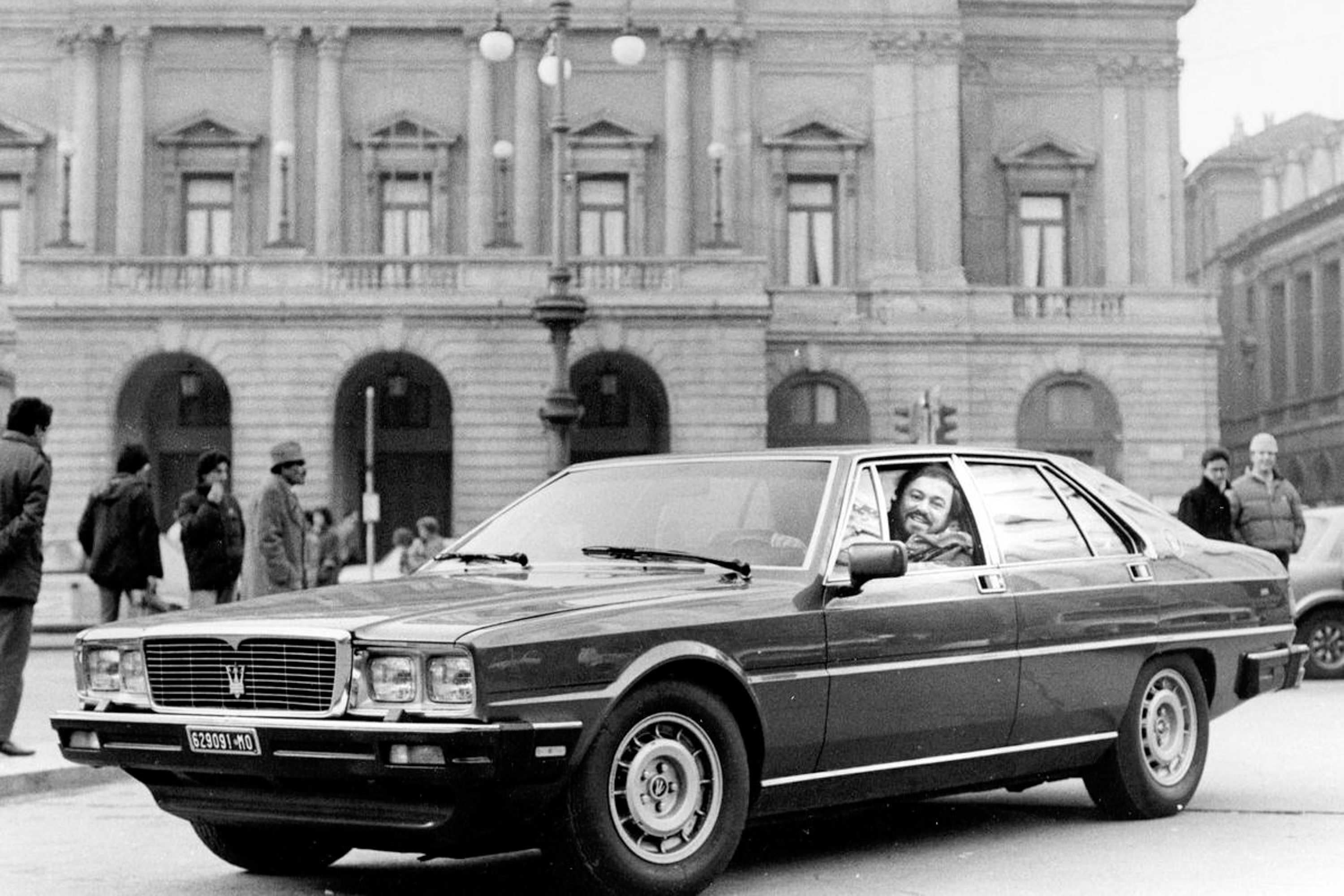
 Body Type
 Segment
 Capacity(L)
 Engine Power(PS)
 Engine Torque(Nm)
 Transmission
In the late 1970s luxury sedan market, Italian brands were often known for their aggressive designs and strong performance, while the mainstream German large sedans of the time focused more on stability and a sense of technological sophistication. Maserati's Quattroporte (fourth generation, internal code AM123), launched during this period, attempted to strike a balance between its sporty genes and executive-level luxury – after all, its name literally translates to "four doors," with its core positioning aimed at allowing business people to enjoy the thrill of driving while also maintaining rear-seat comfort and dignity. This time, we got our hands on a 1979 Quattroporte public version, which is the mid-cycle facelift of this generation. The core purpose is to verify whether it truly realized its "sporty luxury sedan" ethos and to determine whether its design and mechanical quality can still captivate classic car enthusiasts today.
From the exterior, the 1979 Quattroporte continues the hallmark tension of Italian sports car brands but tones down overly aggressive lines to suit its executive identity. The front end features Maserati’s iconic vertical chrome-plated waterfall grille at the time, with a trident emblem embedded in the center. The circular headlight frames on either side are adorned with chrome accents, paired with a slightly angular front bumper below, exuding a classic luxurious feel while retaining brand recognition. The side profile showcases a typical long-wheelbase four-door layout, with a character line running from the front fender to the rear. The recessed design underneath the doors enhances the muscular feel of the sides, while the 15-inch chrome multi-spoke wheels, an addition in the mid-cycle update, appear more refined compared to the earlier version's steel wheels. The rear design is relatively simple, featuring rectangular taillights arranged horizontally, connected by a slim chrome strip in the middle. The trunk lid slightly curves upward, forming a subtle ducktail that hints at its sporty nature. The dual round exhaust pipes on each side directly communicate its performance-oriented positioning.
Opening the door, the interior style aligns with the exterior, balancing luxury with mechanical aesthetics. The dashboard is wrapped in a generous amount of leather (according to public information, calfskin), paired with walnut wood panels covering the center console and door armrests, providing a refined tactile experience wherever touched. However, due to the manufacturing techniques of the 1970s, there are relatively large gaps in the plastic components, a common trace of older cars. The instrument cluster uses traditional mechanical pointer gauges, with four round dials displaying RPM, speed, fuel level, and water temperature, all of which are clear to read. An oil temperature gauge is also included in the center, clearly intended to satisfy driving enthusiasts who care about monitoring the engine's status. The layout of the center console is practical: the radio is at the top (some models came with an optional cassette player), air conditioning control knobs in the middle, and the gear lever and handbrake are at the bottom. All the functional buttons are within easy reach, free of any redundant design. The seats are wide genuine leather ones; the front seats support manual adjustment for backrest and fore-and-aft positions, with firm cushioning offering excellent support, ensuring comfort even during long drives. The rear seats adopt a standard three-person layout with legroom that was considered above average among executive sedans of the time (wheelbase is 2960mm). The central floor has a slight hump, but it does not significantly affect temporary seating for the middle passenger. In terms of storage space, the trunk has a volume of about 450 liters, capable of accommodating two 28-inch suitcases, which meets the needs of business trips or short family travels. The storage pockets on the door panels and the compartment below the center console can also store items like phones, wallets, and other small objects.
In terms of power, the 1979 Quattroporte public is equipped with a 4.9L V8 naturally aspirated engine, with a maximum power of 255 horsepower (6000rpm) and a maximum torque of 380N·m (3000rpm), paired with a 3-speed automatic transmission (a 5-speed manual was available in some markets). In actual driving, the throttle response is not particularly sharp, but when the throttle is pressed deeply, the V8 engine's power gradually surges after 3000rpm. The 0-100km/h acceleration time is about 7.5 seconds (public test data), which made it an absolute "performance contender" among four-door sedans in the 1970s. When switched to manual mode (if the manual transmission was selected), the shifting felt slightly notchy, but the gears were clear, allowing the driver to have more direct control over the power output. The chassis adopts a front double wishbone and rear live axle suspension structure, with tuning leaning towards sportiness: during daily driving on smooth roads, the suspension can filter out most minor bumps, but when encountering speed bumps or uneven roads, the rear passengers will feel noticeable vibrations. When cornering, body roll is well-controlled, offering better handling confidence compared to the contemporaneous Mercedes-Benz S-Class. However, the steering system uses hydraulic assistance, feeling somewhat heavy at low speeds but becoming steady at higher speeds, aligning with its sporty executive positioning.
In terms of specialized performance, as a fuel-powered car, its fuel consumption performance is moderate: around 18L/100km in urban conditions and around 12L/100km on highways, which is standard for a 4.9L V8 engine. The braking system uses a front disc and rear drum design (later versions upgraded to four-wheel disc brakes), with a longer pedal travel but linear braking force output. The 100-0km/h braking distance is about 42 meters, which was within the acceptable range for vehicles of that era. Regarding ride comfort, the engine noise at idle is well-controlled, with only a slight V8 hum audible in the cabin. However, at high speeds (exceeding 120km/h), wind and tire noise can become quite noticeable, a limitation of older cars in terms of soundproofing materials. The seats offer excellent support and do not cause back pain during long drives; the rear row is also equipped with independent air conditioning vents to enhance passenger comfort.
In summary, the core highlights of the 1979 Maserati Quattroporte public are clear: it combines the sporty DNA of an Italian sports car brand (V8 power, handling-oriented chassis) with the luxury features of an executive sedan (leather interior, walnut trim). Compared to its contemporaries, it offers more driving pleasure than the Mercedes-Benz S-Class and more luxury than the BMW 7 Series (E23), making it one of the few four-door models of the time that could balance both driving and riding experiences. However, it also has obvious shortcomings: high fuel consumption, expensive maintenance costs (as a classic car, replacement parts are rare and pricey), and soundproofing that is inferior to German competitors.
In terms of suitable scenarios, this car is best suited for two types of people: first, classic car collectors who value its brand heritage and design quality and are willing to pay for maintenance costs; second, enthusiasts who enjoy the retro driving experience, seeking the V8 engine's roar and mechanical feel, without minding the minor flaws of an old car. For an ordinary household or daily commute, its practicality is indeed not on par with modern vehicles, but as a classic car, its charm lies precisely in that unique "mechanical texture" and "imprint of the era."
Overall, the 1979 Maserati Quattroporte public is a classic four-door car with "character" — it's not the most comfortable executive vehicle nor the fastest four-door sports car, but it successfully combines Maserati's sporty DNA with four-door luxury. Even today, it still allows you to feel the unique charm of the 1970s Italian automotive industry, which perhaps is the true value of classic cars.
Maserati Quattroporte Car Compare

More Maserati Reviews
Cars With Similar Price And Features

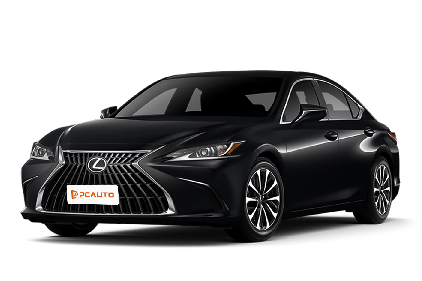
2024 Lexus ES as a practical choice in the luxury mid-size sedan market, with a balanced and comfortable driving experience, rich safety features, and a reliable brand reputation, precisely catering to the needs of family users and young elites.
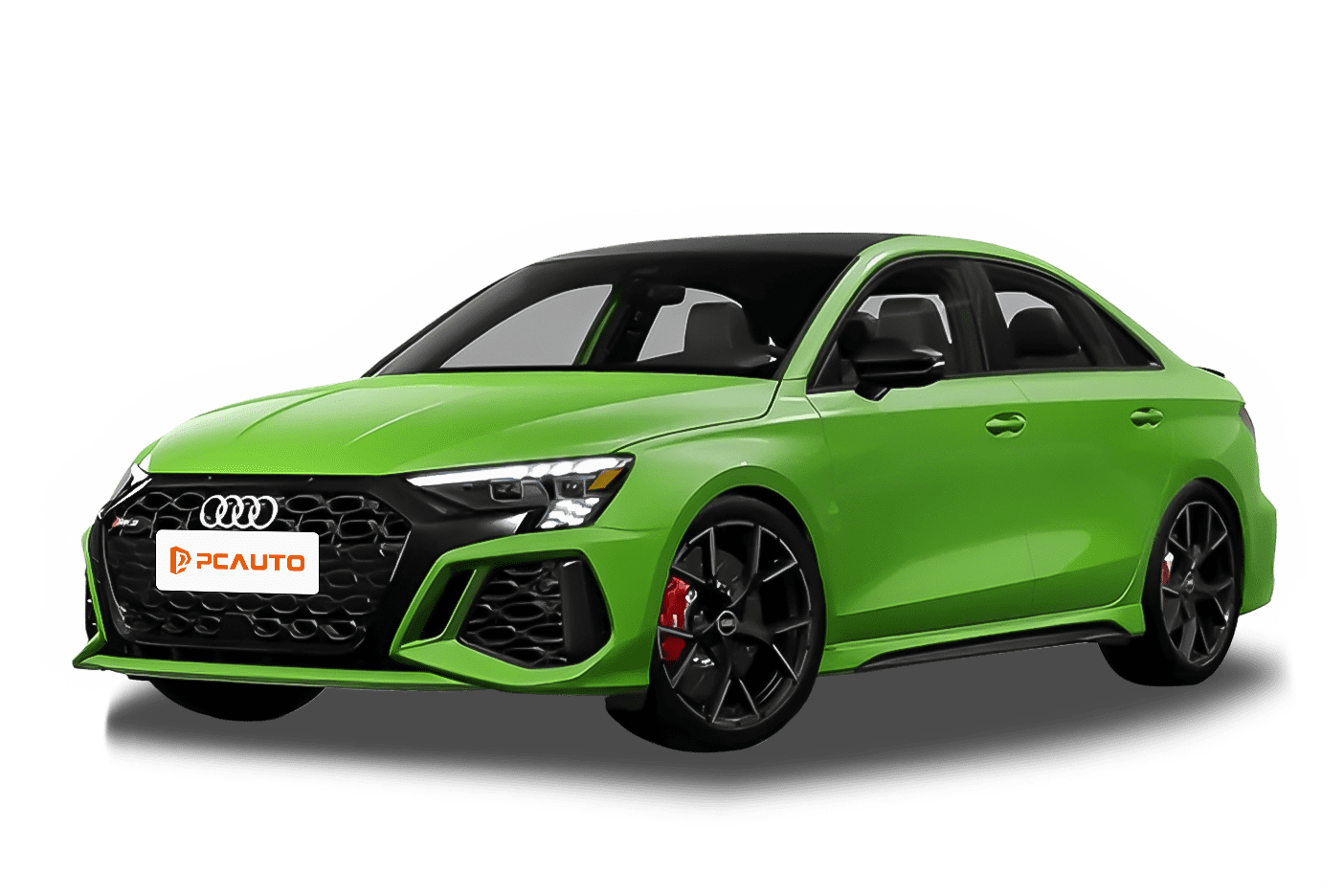
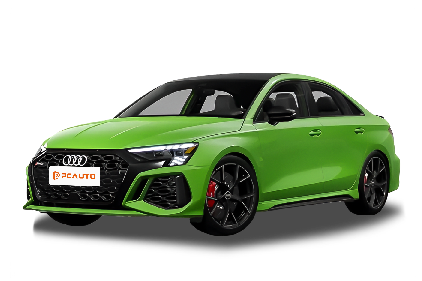
Audi RS3 Sportback is a luxurious and compact "pocket rocket" that balances 400PS five-cylinder performance, Quattro control, and practicality for family use, with a sporty design and a full sense of technology.

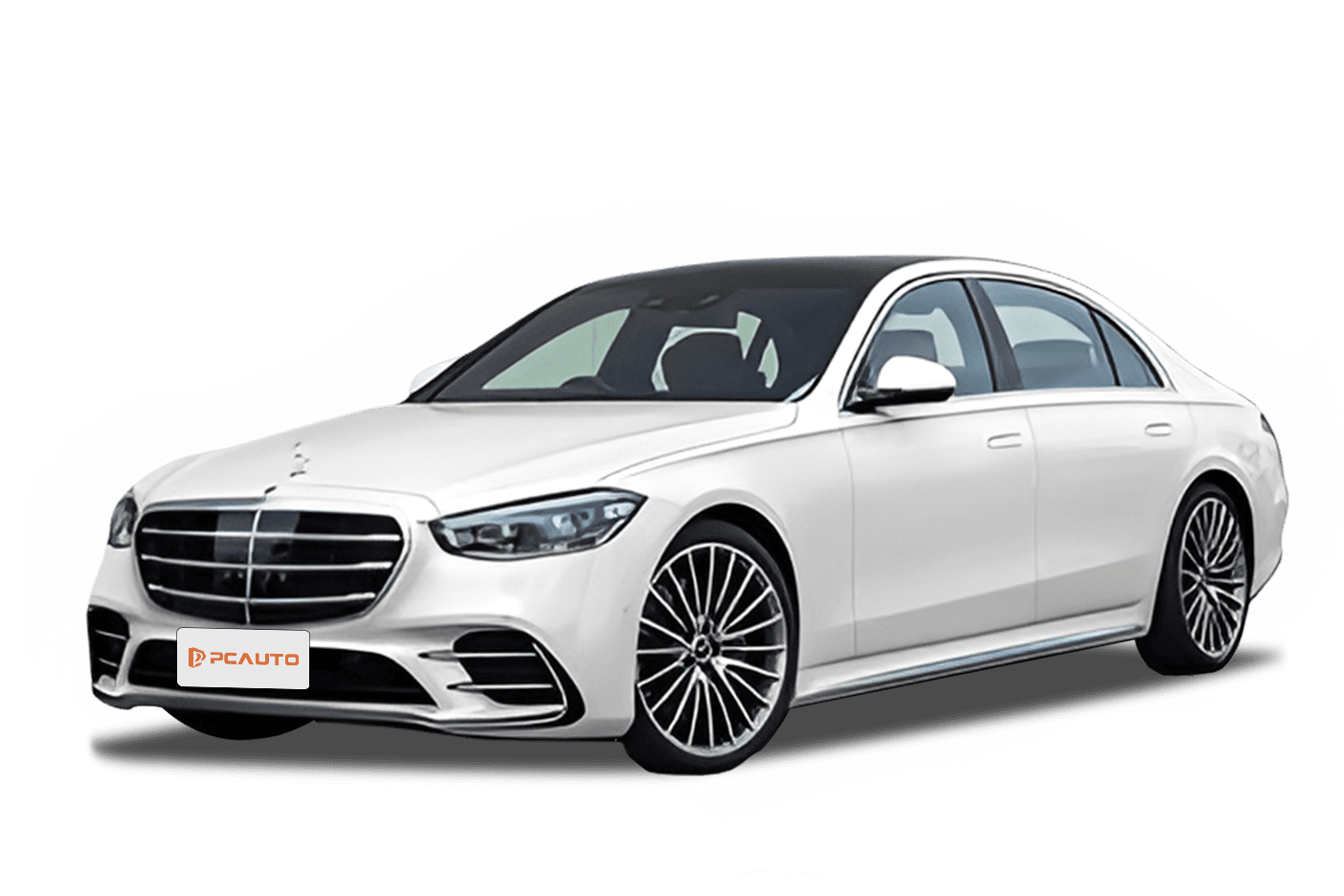
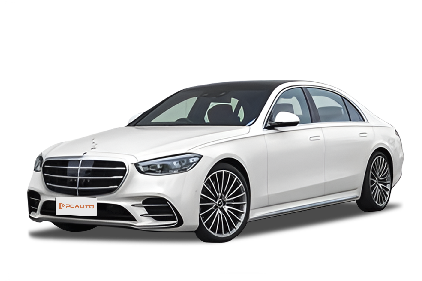
2022 Mercedes-Benz S-Class S 580 e, as the flagship plug-in hybrid model, offers a luxurious rear-seat experience with its extended wheelbase, a practical 100km pure electric range, and advanced intelligent features, balancing luxury and the practicality of new energy.
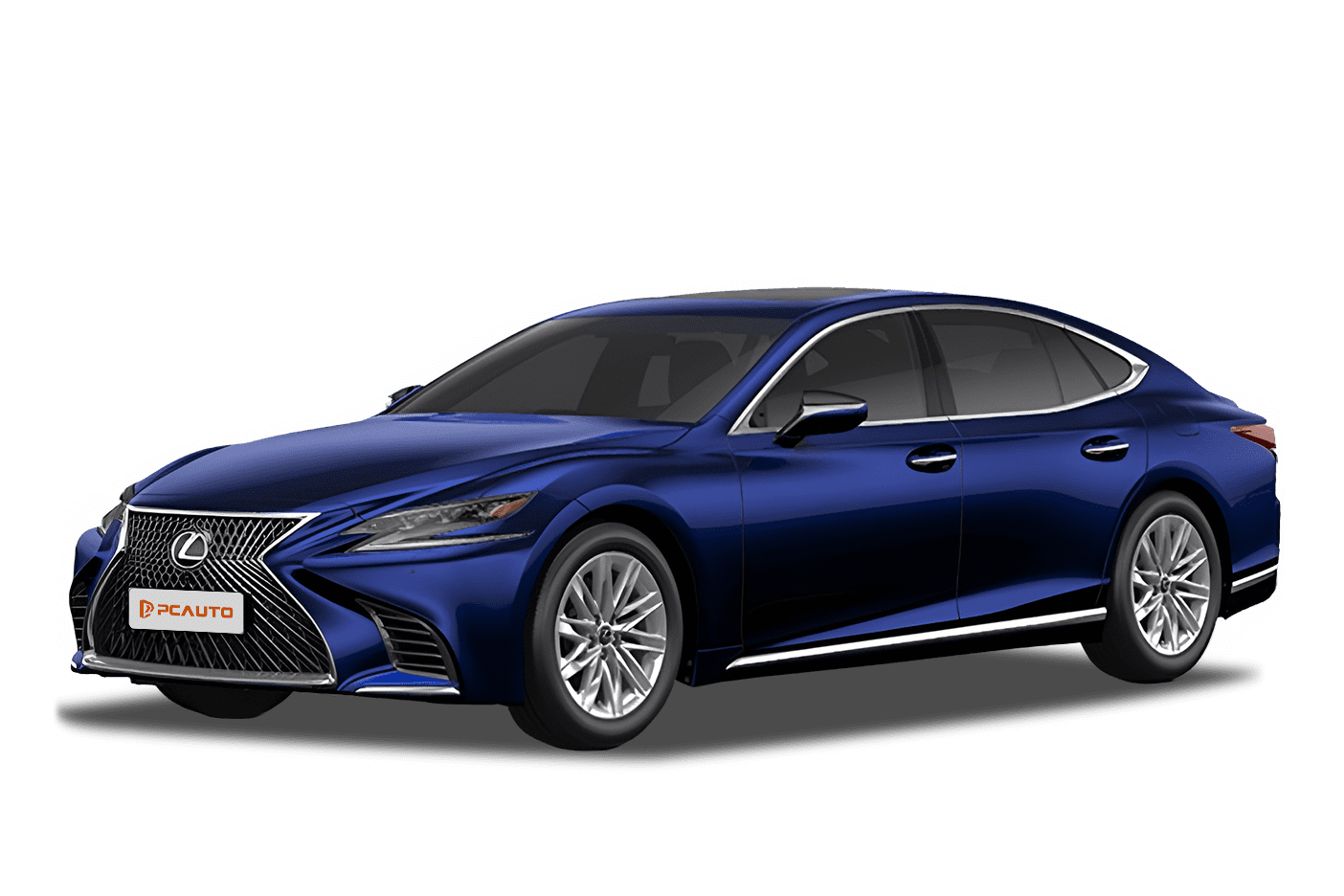
2021 Lexus LS 500 Luxury built with the concept of Oriental luxury, 28-way power-adjustable massage seats + 3.4T powerful performance, high cost-effectiveness competing with German counterparts.