

Maserati Quattroporte 1994 Review

 Share
Share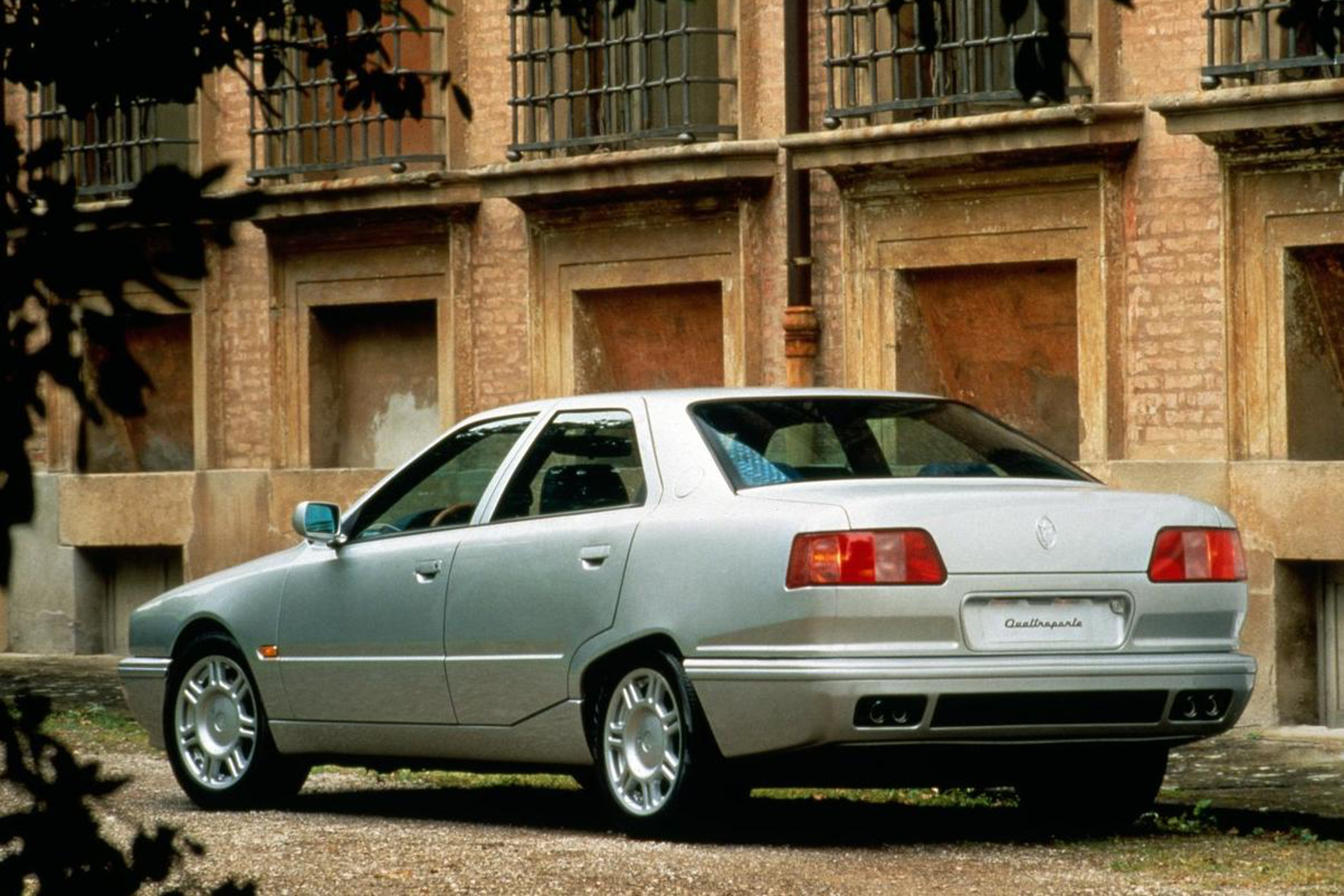
 Body Type
 Segment
 Capacity(L)
 Engine Power(PS)
 Engine Torque(Nm)
 Transmission
In the luxury sedan market of the mid-1990s, European brands were competing for high-end users with a core focus on "balancing sportiness and luxury." The Maserati Quattroporte, as the brand's only four-door flagship model, had always been trying to find a unique positioning between the stability of traditional luxury sedans and the passion of Italian sports cars. The 1994 Quattroporte Public version is a product born out of this philosophy—it retained Maserati's signature sporty genes while aligning more closely with mainstream luxury sedans in terms of comfort features, which made many individuality-seeking business users pleasantly surprised. We've found a relatively well-maintained 1994 Quattroporte Public this time, and through a static experience and dynamic test drive, let's see if this "Italian luxury four-door" can still showcase its past charm nowadays.
From a distance, the body lines of the 1994 Quattroporte Public do not appear as angular as German luxury cars of the same era, instead featuring a unique Italian smoothness. The front fascia adopts Maserati's classic vertical chrome-plated grille, with the iconic trident emblem embedded in the center. The rectangular headlights on both sides use halogen light sources, with chrome trim outlining the edges, giving a sense of quality under sunlight. Two unobtrusive creases extend from the emblem area to the A-pillar on the hood, subtly hinting at its sporty attributes. The side profile of the car is proportionate, with a length of 4,930mm and a wheelbase of 2,800mm, ensuring rear-row space without appearing bulky. The door handles are designed in the same color as the body, while a chrome trim runs along the bottom edge of the windows to the rear, adding a sense of luxury. The rear design is relatively simple, with rectangular taillights featuring a red and white dual-color layout, connected by a slim chrome strip in the middle. The "Quattroporte" badge on the trunk lid is clearly visible, and the twin round exhaust outlets at the bottom subtly reveal its performance potential. The overall exterior design doesn't feature overly fancy elements, but every detail emphasizes "this is a Maserati," making it highly recognizable.
Opening the car door, the interior style forms a stark contrast with the exterior—there is no sporty combativeness, instead leaning more toward business luxury. The dashboard is wrapped in a large amount of leather, which feels soft to the touch. Despite nearly 30 years of use, the leather surface shows slight creases but no significant wear. The steering wheel is a three-spoke design, also made of leather, offering a solid grip, with the central trident emblem still clear as ever. The instrument cluster features traditional mechanical dials, with the tachometer on the left and the speedometer on the right, flanked by smaller gauges for fuel level, water temperature, and more, offering clear and intuitive readings. The center console layout is very simple, with air vents at the top, a small monochrome display in the middle (mainly showing audio information), and a physical button panel below for climate control. The buttons have moderate resistance, making operation quite user-friendly. The seats are made of leather with plush padding; the front seats support manual adjustment for the backrest and seat height. While they lack electric adjustment, the seat wrapping and support are commendable.
In terms of space performance, after a front-row passenger with a height of 180cm adjusts their seating position, there is about a fist of headroom, and legroom is also relatively spacious. A rear-row passenger of the same height also enjoys two fists of legroom and one fist of headroom, so even on long journeys, it does not feel oppressive. Storage space is not abundant, but it is sufficient for basic needs: the inside of the door panels has storage slots that can hold two bottles of mineral water; the central armrest box has a deep space that can fit some small items; the trunk has an official volume of 450L, which can accommodate two 28-inch suitcases, meeting the needs of daily business trips or short family travels.
In terms of power, the 1994 Quattroporte Public is equipped with a 2.0T V6 turbocharged engine, delivering a maximum power of 147kW (200hp) and a maximum torque of 290N·m, paired with a 5-speed manual transmission (some models offer a 4-speed automatic option). The test drive was conducted with the manual transmission version. It requires a bit of throttle when taking off, and the turbo kicks in at around 2500rpm, providing a noticeable burst of power upon engagement. The 0-100km/h acceleration takes approximately 8.5 seconds, which is above average for luxury sedans of the 1990s. Mid-range acceleration performance is also good; the 80-120km/h overtaking process is smooth. The gear shift travel is moderate, and the gear positions are clear, though the clutch pedal is slightly heavy, which might be tiring during prolonged traffic jams.
Handling is a highlight of the Quattroporte Public. The steering wheel is precise with minimal play, and the feedback provides a good sense of the road. Driving it doesn’t feel like operating a long-wheelbase luxury sedan but rather a large sports car. The chassis features an independent suspension with double wishbones in the front and a multi-link structure in the rear, tuned for sportiness. On bumpy roads, the suspension quickly filters out minor vibrations, but when encountering speed bumps or large potholes, rear passengers will feel noticeable bumps—a trade-off of its sporty tuning. In corners, the body roll is well-managed, and the tires provide ample grip. Even at higher speeds, the car maintains stable posture through turns.
As for fuel consumption, we drove 50km each in urban and highway conditions. The fuel consumption was about 12L/100km in urban settings and approximately 8L/100km on highways. The overall fuel efficiency is in line with the standards of a 2.0T engine. The braking system consists of ventilated discs in the front and solid discs at the rear, providing prompt deceleration response and a linear pedal feel. During emergency braking, the car’s body remains stable without an obvious forward dive.
Regarding driving comfort, thanks to extensive use of soundproofing materials in the body, wind and tire noise are fairly well-controlled at highway speeds, although the roar of the engine at high RPMs can be heard inside the cabin—yet for Maserati enthusiasts, this might be considered a form of “enjoyment.” The seats are commendably comfortable, and long periods of sitting do not cause soreness or fatigue. The rear row is also equipped with independent air conditioning vents, enhancing the passenger experience.
In summary, the main highlights of the 1994 Maserati Quattroporte Public are clear: its unique Italian design language, a balance of sporty and luxurious interiors, precise handling performance, and relatively practical space. Compared to its contemporaries like the BMW 7 Series (E38) and Mercedes-Benz S-Class (W140), it lacks the subdued and formal business appeal of German brands and doesn’t feature as many advanced electronic configurations, but it stands out with distinct personality and superior handling, making it suitable for users who don’t want to “follow the crowd.”
This Quattroporte Public is most suitable for those who need a luxury four-door sedan that can handle business occasions while also having a certain pursuit of driving pleasure—for example, small business owners who drive themselves or classic car collectors. It's not a perfect car; the suspension is stiff, and the configuration is not particularly advanced, but its "Italian-style balance" is unique among luxury cars of the same era.
Overall, the 1994 Maserati Quattroporte Public is a luxury sedan with "character." It does not compromise on traditional luxury, nor does it fully transform into a four-door sports car, but instead finds its own position between the two. If you are tired of the monotony of German luxury cars and want a classic car that balances business needs with driving pleasure, the Quattroporte Public might be a good choice.
Maserati Quattroporte Car Compare

More Maserati Reviews
Cars With Similar Price And Features

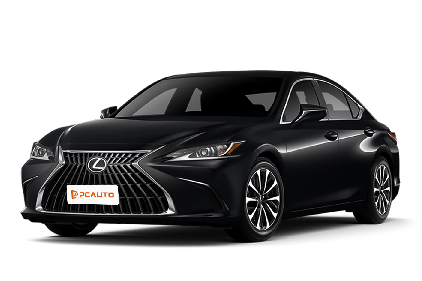
2024 Lexus ES as a practical choice in the luxury mid-size sedan market, with a balanced and comfortable driving experience, rich safety features, and a reliable brand reputation, precisely catering to the needs of family users and young elites.
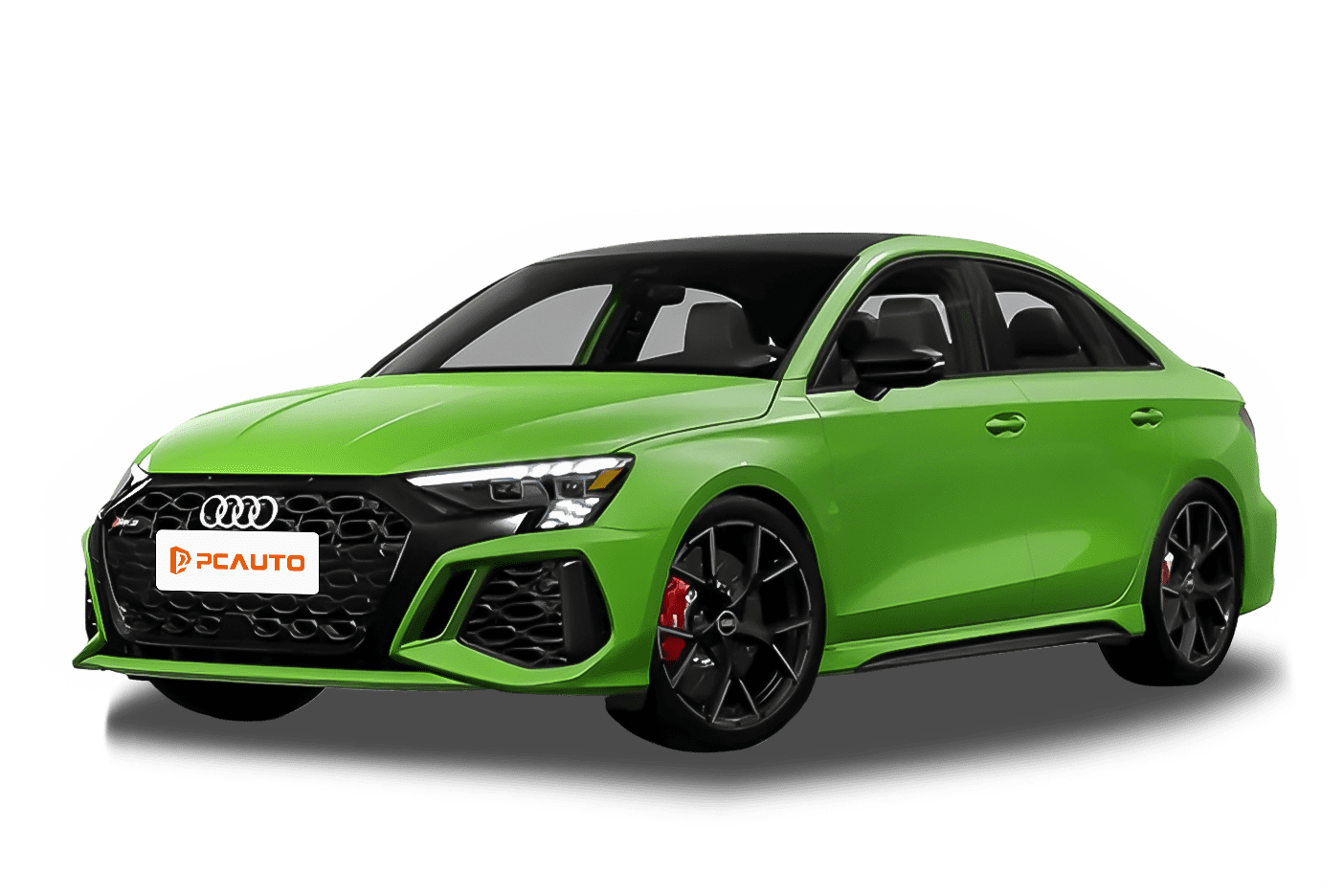
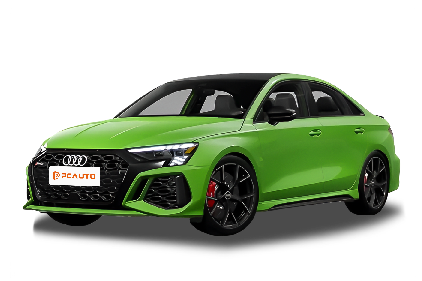
Audi RS3 Sportback is a luxurious and compact "pocket rocket" that balances 400PS five-cylinder performance, Quattro control, and practicality for family use, with a sporty design and a full sense of technology.

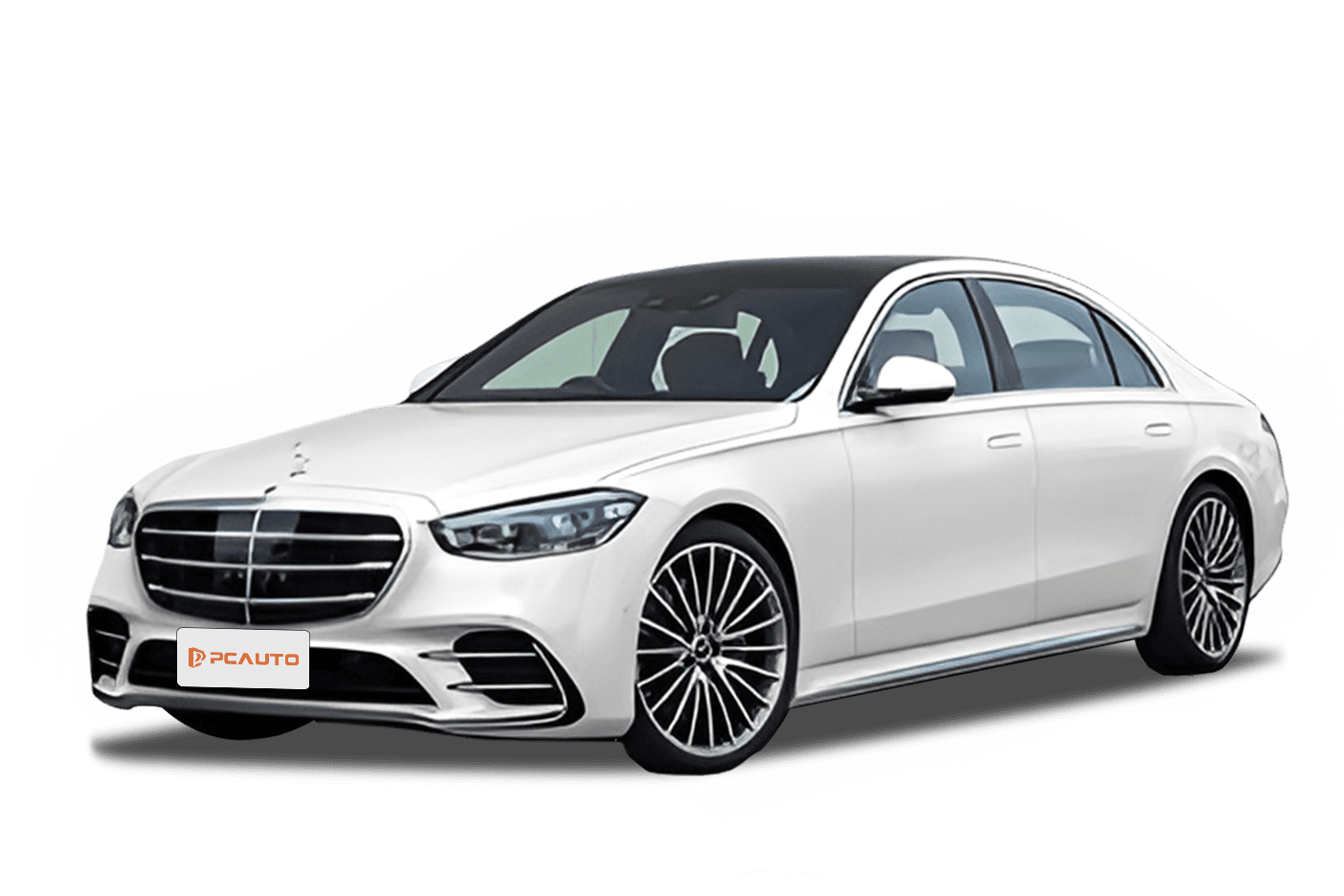
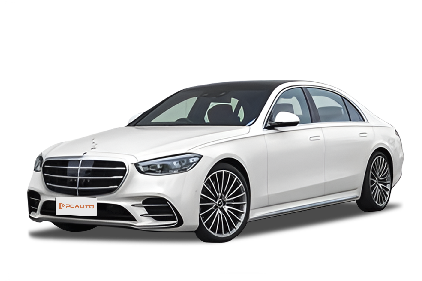
2022 Mercedes-Benz S-Class S 580 e, as the flagship plug-in hybrid model, offers a luxurious rear-seat experience with its extended wheelbase, a practical 100km pure electric range, and advanced intelligent features, balancing luxury and the practicality of new energy.
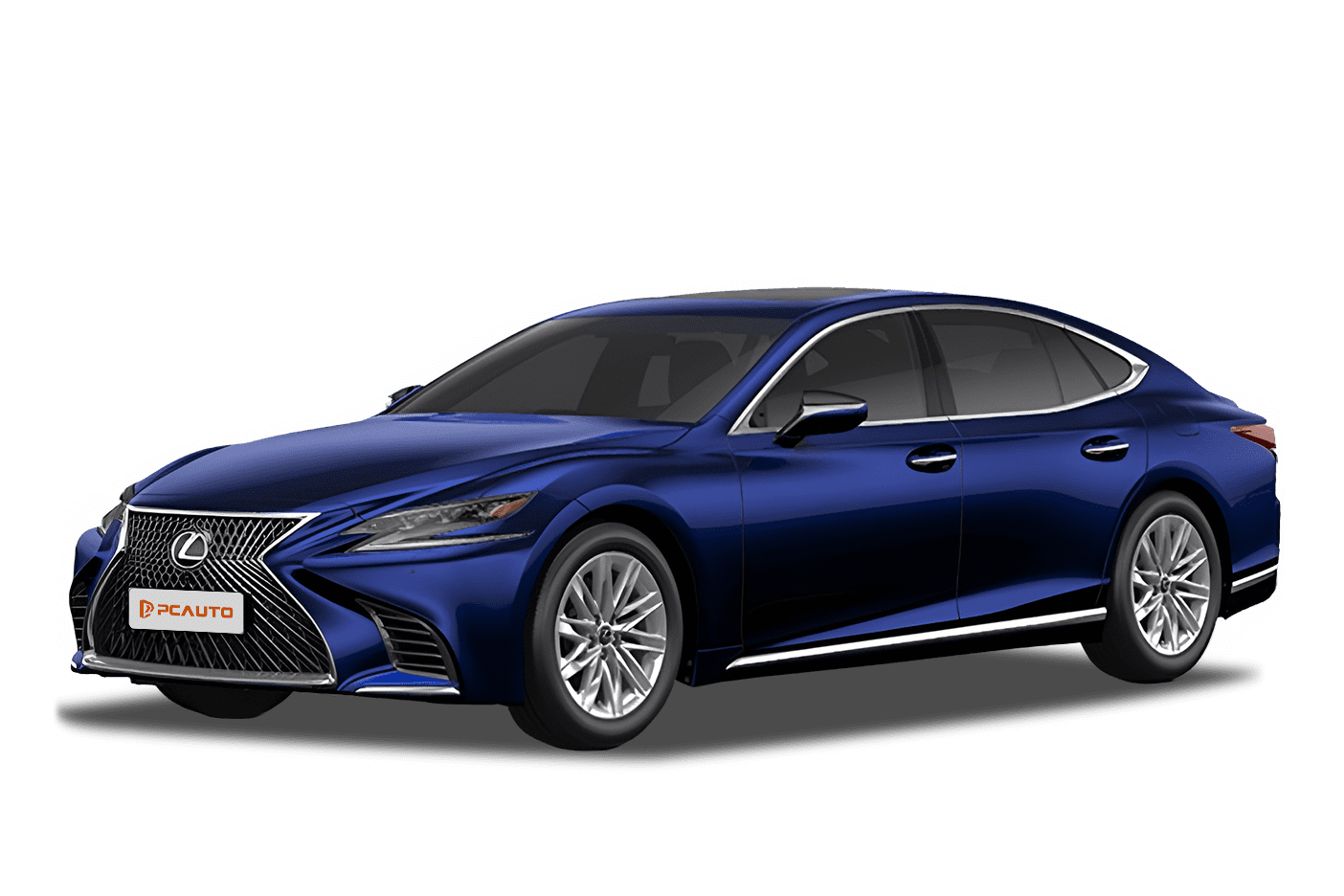
2021 Lexus LS 500 Luxury built with the concept of Oriental luxury, 28-way power-adjustable massage seats + 3.4T powerful performance, high cost-effectiveness competing with German counterparts.