

Maserati Quattroporte 2009 Review

 Share
Share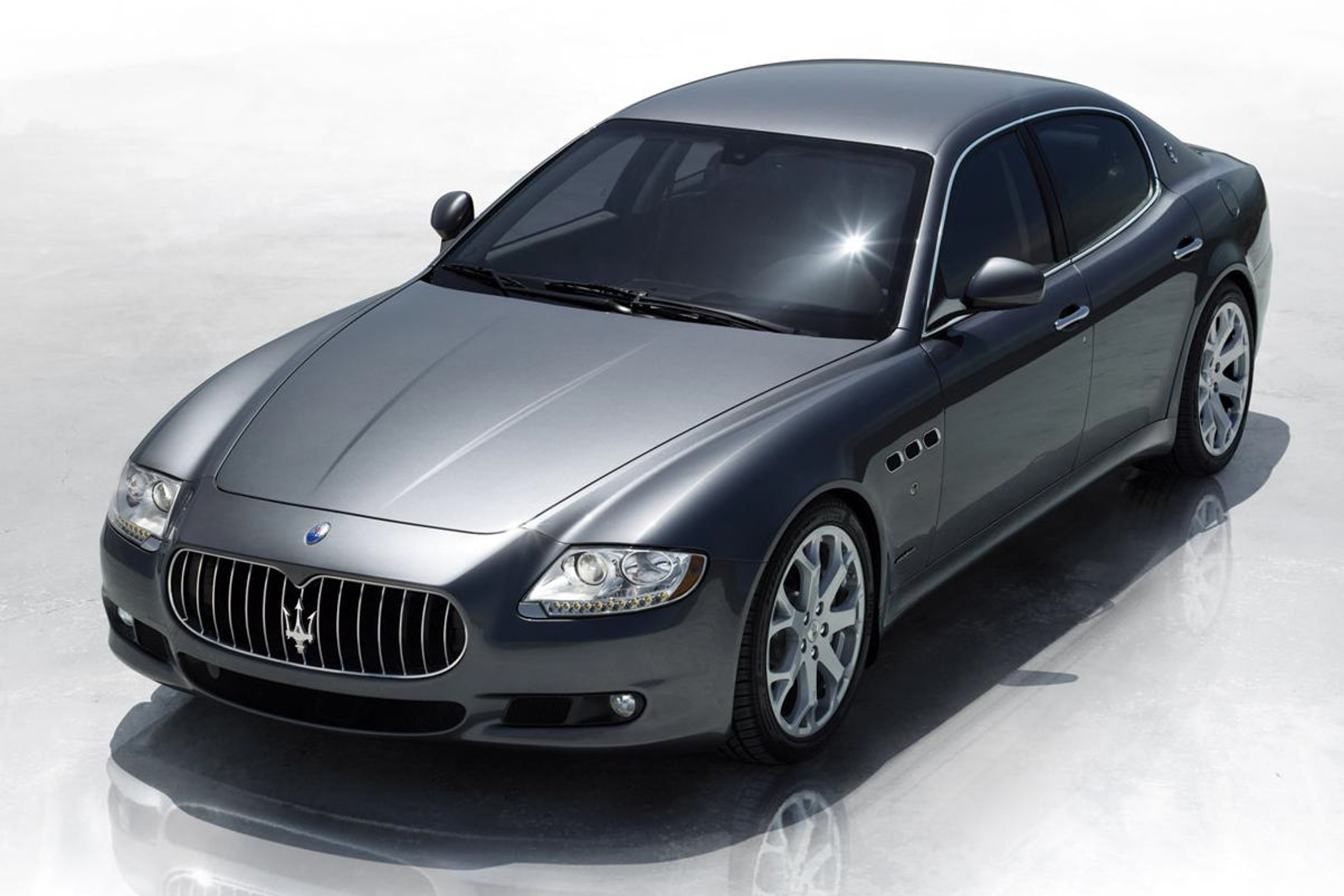
 Body Type
 Segment
 Capacity(L)
 Engine Power(PS)
 Engine Torque(Nm)
 Transmission
In the luxury large sedan market of Southeast Asia, which has long been dominated by the German Big Three, Italian luxury sedans like the Maserati Quattroporte have always been able to attract individuality-seeking consumers with their unique design language and brand identity. As the flagship sedan of the brand at the time, the 2009 Quattroporte's core selling point lies in balancing executive-level luxury space with sporty driving dynamics, which was uncommon among its peers. This review will focus on its static design, dynamic performance, and everyday practicality to see if this Italian flagship can meet high-end users’ demands for a "balance of luxury and performance."
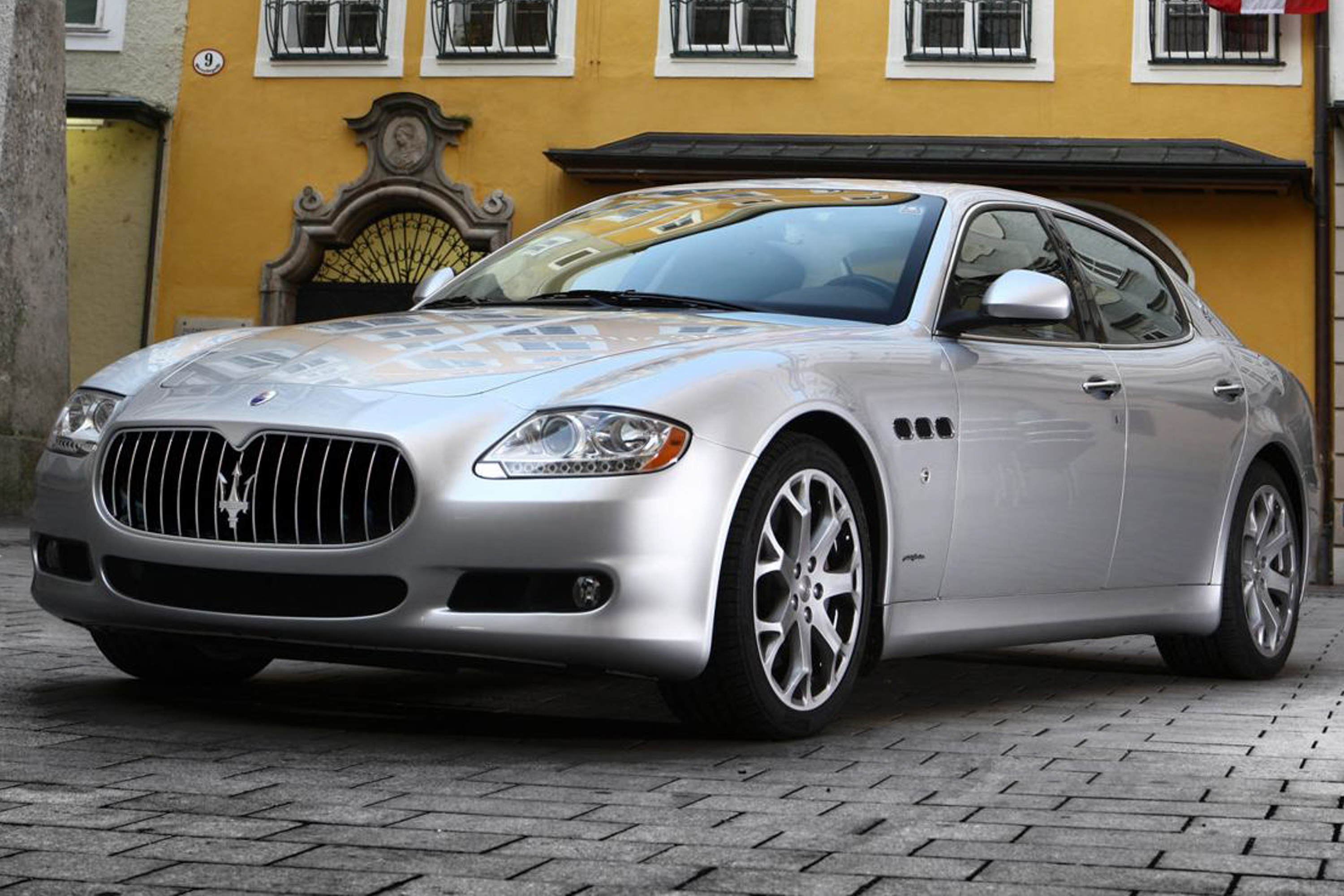
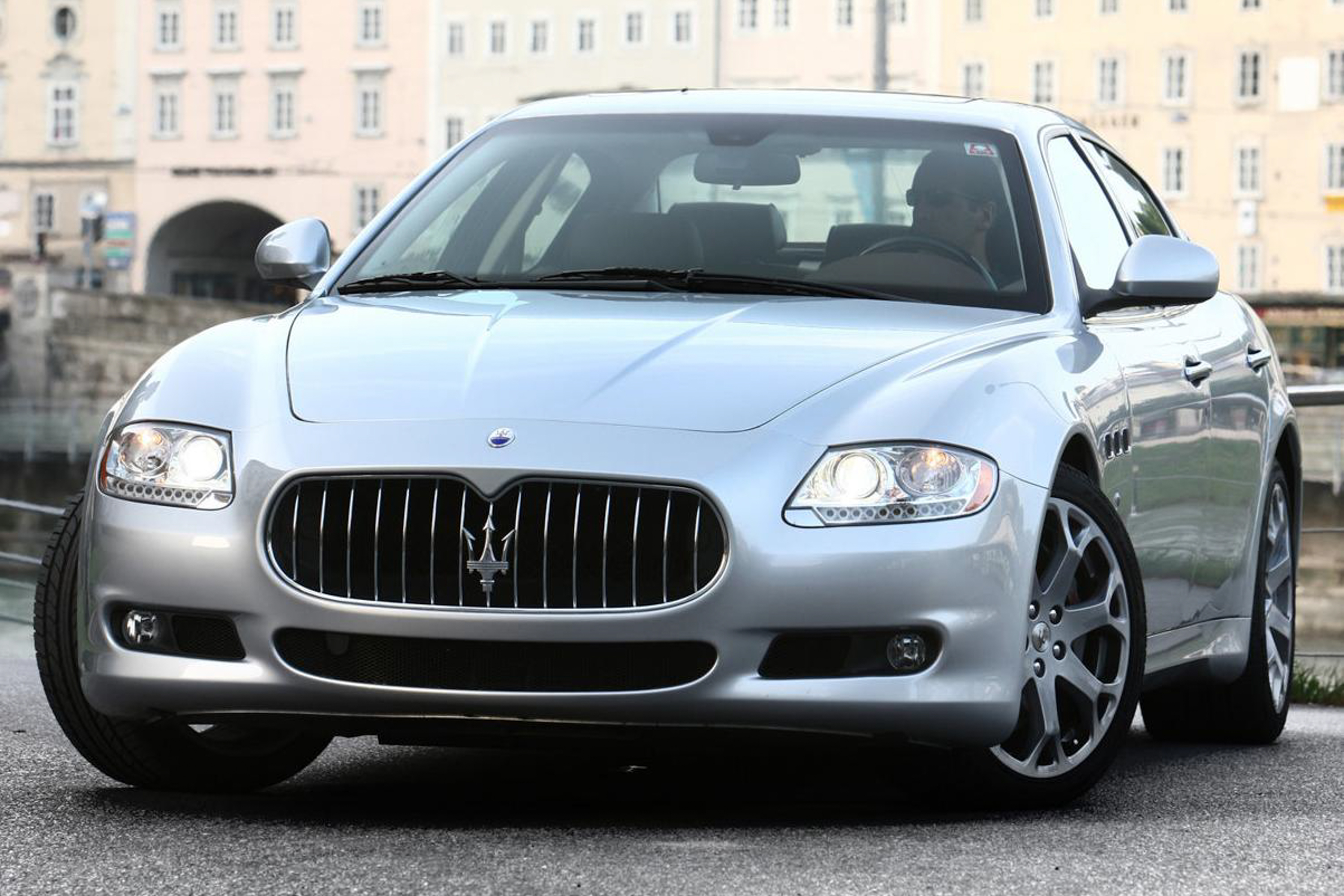
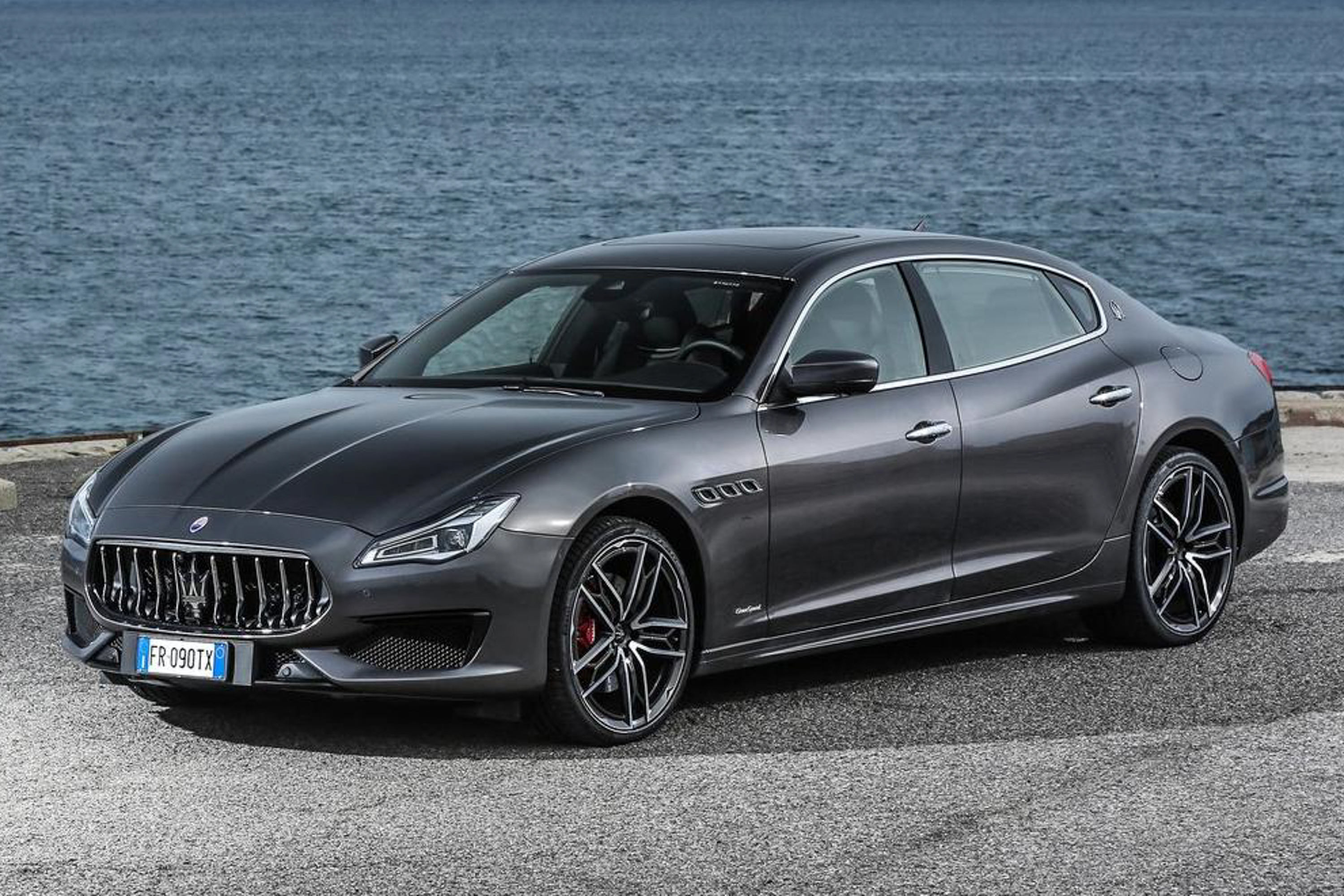
From the exterior, the 2009 Quattroporte maintains Maserati's classic cigar-shaped body lines, offering an elongated and muscular profile. Measuring 5097mm in length, 1895mm in width, and 1438mm in height, its dimensions are standard for a large sedan in its class. The front fascia is dominated by a vertically slatted grille, paired with the central trident emblem, exuding a commanding presence; the irregularly shaped headlights on both sides feature xenon light sources, with a simple yet sophisticated internal structure. Along the sides, the character line flowing from the front fender to the rear is sleek and sharp, while the 20-inch multi-spoke alloy wheels further emphasize its sporty aesthetic. At the rear, the quad round taillights are a signature Maserati design, offering high recognizability when illuminated; the dual oval exhaust tailpipes hint at its performance-oriented nature.
Inside the cabin, the 2009 Quattroporte's interior style leans toward retro luxury, providing a sharp contrast to the technological feel of its German competitors. The center console is wrapped in extensive genuine leather, complemented by walnut wood trims, with soft-touch materials throughout, offering a high-end tactile feel. The instrument panel features traditional mechanical dials with clear readings; the center is equipped with a 7-inch touchscreen display supporting basic functions like navigation and Bluetooth connectivity, though its interface design and response smoothness feel somewhat outdated by today's standards. The seats are upholstered in genuine leather, with the front seats offering 12-way power adjustment, including lumbar and thigh support, providing good wrapping and comfort. The rear seats are equally spacious and comfortable, with over two fists of legroom—ample space for a passenger of 180cm to cross their legs comfortably. The rear also features independent air vents and power outlets, catering to business needs. As for storage, the front central armrest box and door storage compartments provide moderate capacity, while the trunk offers 450L of space, sufficient for 2-3 suitcases on a daily basis.
In terms of performance, the 2009 Quattroporte is equipped with a 4.2L V8 naturally aspirated engine, delivering a maximum power of 400 horsepower and a peak torque of 460N·m, paired with a 6-speed automatic transmission. During actual driving, the power output is relatively linear during acceleration. When the throttle is pressed heavily, the V8 engine's roar becomes increasingly deep and rich, with a noticeable boost in acceleration over 3000rpm. The 0-100km/h acceleration time is approximately 5.6 seconds, which is excellent for a large sedan. The transmission's shift logic leans towards smoothness, making gear changes almost imperceptible during everyday driving. However, in sport mode, the shift speed increases, which can better stimulate the driver's enthusiasm.
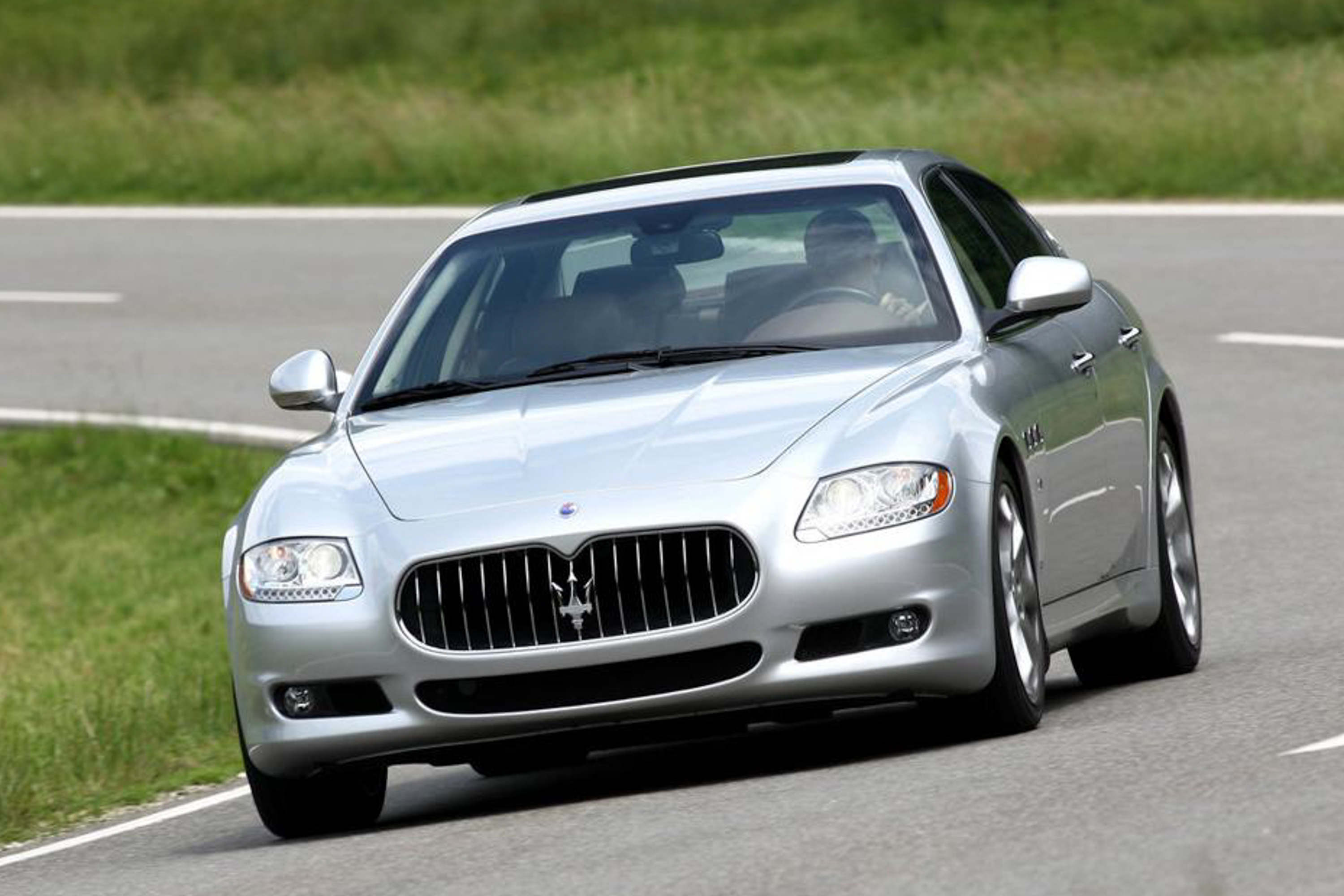
Handling is one of Quattroporte's highlights. The steering is precise, with minimal play and clear directional control; the suspension system adopts a double-wishbone front and multi-link rear independent suspension, tuned towards a sporty feel, providing excellent body roll control and strong support when cornering. However, when encountering uneven road surfaces, the suspension's ability to filter vibrations is average, and rear passengers may feel noticeable bumps. In terms of fuel consumption, the urban fuel consumption is about 15-16L per 100 kilometers, and about 10-11L on highways, which is normal for a V8 engine.
Regarding ride comfort, Quattroporte shows both strengths and weaknesses. The front seats provide good comfort and do not cause significant fatigue during long drives; however, the rear seat backs are relatively upright, which might cause some discomfort during long trips. Noise control could be improved, as wind and tire noise become apparent at high speeds, particularly tire noise, which might require music to cover.
Overall, the core advantages of the 2009 Maserati Quattroporte lie in its unique Italian design, smooth power delivery from the V8 engine, and solid handling performance, making it highly distinctive among its class. Compared to its German competitors, its tech features might be lacking, but the retro-luxurious interior and pure driving experience make it more appealing to consumers seeking individuality. This car is suitable for two types of people: those middle-aged consumers who value brand identity and driving enjoyment, and business owners who need to balance business receptions with personal driving. If you're looking for a luxury large sedan that doesn’t follow the crowd and also retains driving pleasure, the 2009 Quattroporte is worth considering.
Maserati Quattroporte Car Compare

More Maserati Reviews
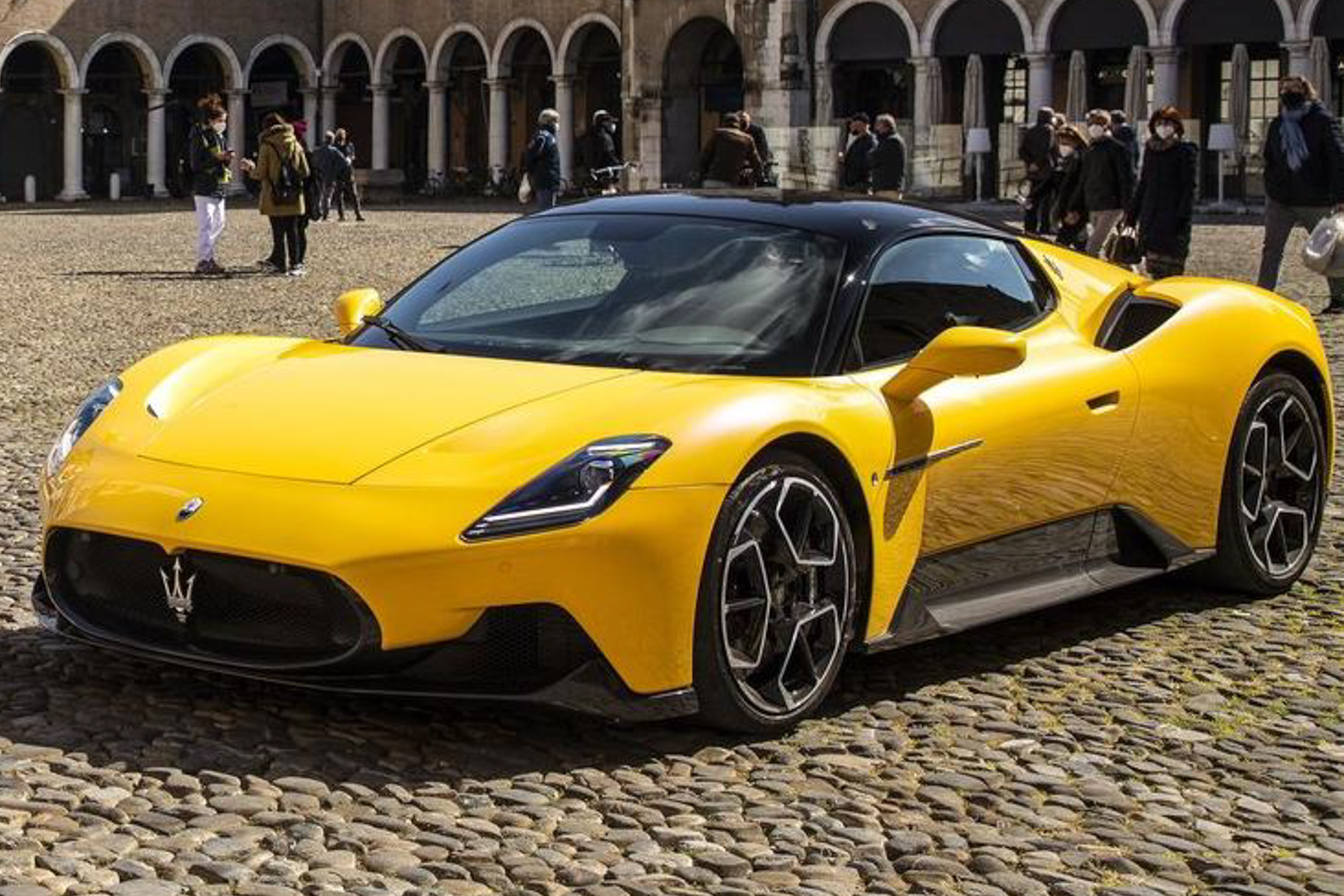
Cars With Similar Price And Features

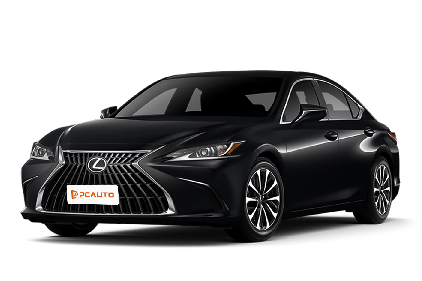
2024 Lexus ES as a practical choice in the luxury mid-size sedan market, with a balanced and comfortable driving experience, rich safety features, and a reliable brand reputation, precisely catering to the needs of family users and young elites.
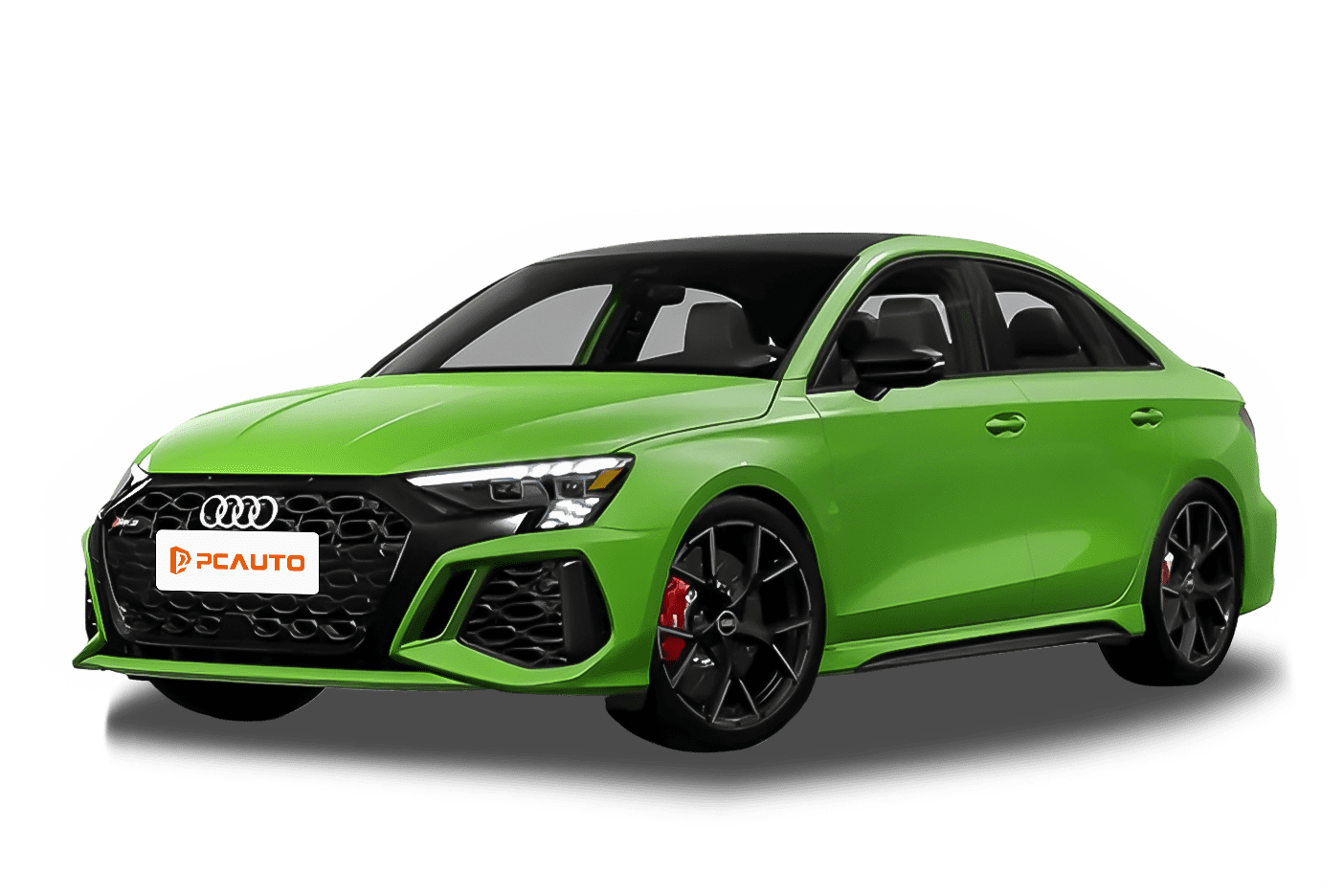
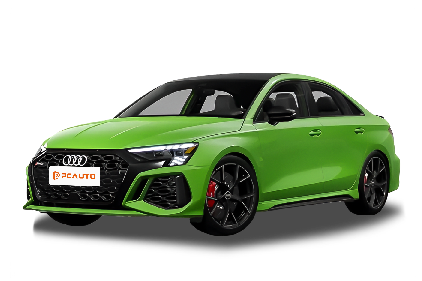
Audi RS3 Sportback is a luxurious and compact "pocket rocket" that balances 400PS five-cylinder performance, Quattro control, and practicality for family use, with a sporty design and a full sense of technology.

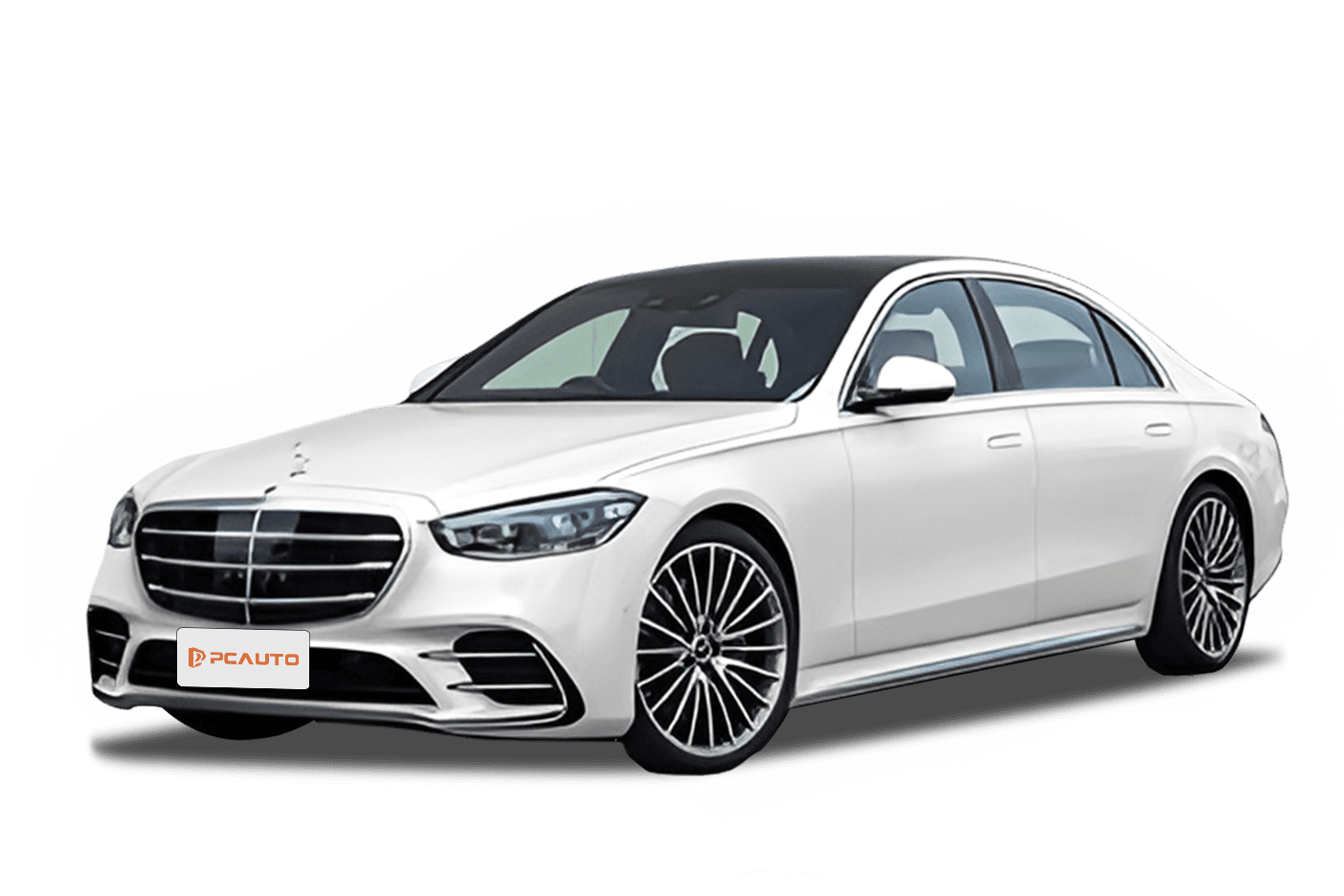
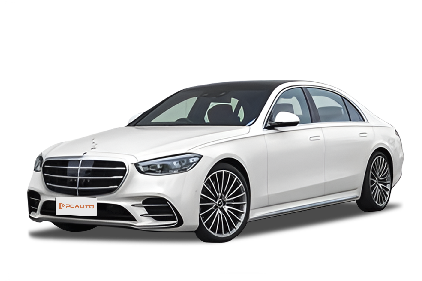
2022 Mercedes-Benz S-Class S 580 e, as the flagship plug-in hybrid model, offers a luxurious rear-seat experience with its extended wheelbase, a practical 100km pure electric range, and advanced intelligent features, balancing luxury and the practicality of new energy.
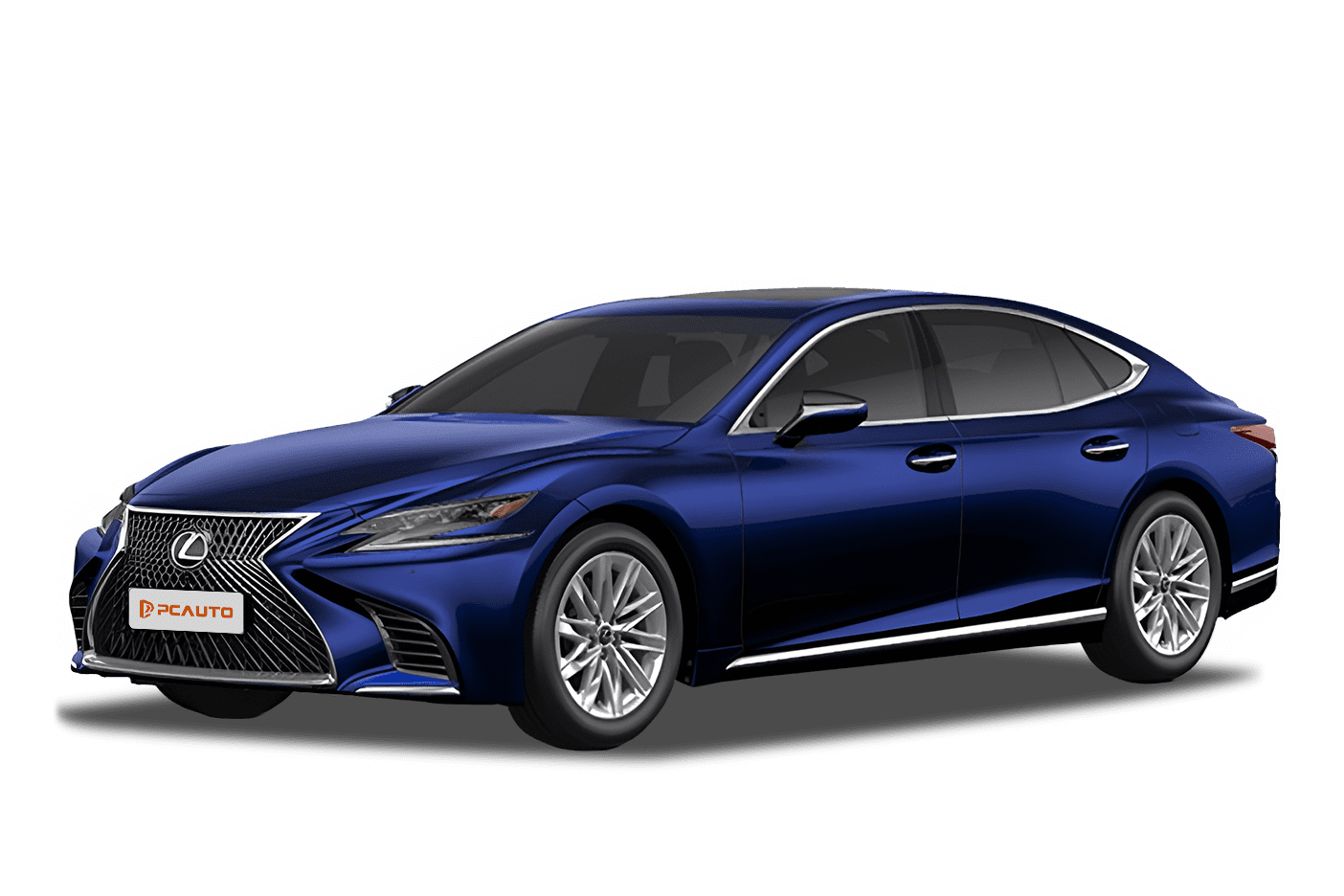
2021 Lexus LS 500 Luxury built with the concept of Oriental luxury, 28-way power-adjustable massage seats + 3.4T powerful performance, high cost-effectiveness competing with German counterparts.