

Maserati Quattroporte 2013 Review

 Share
Share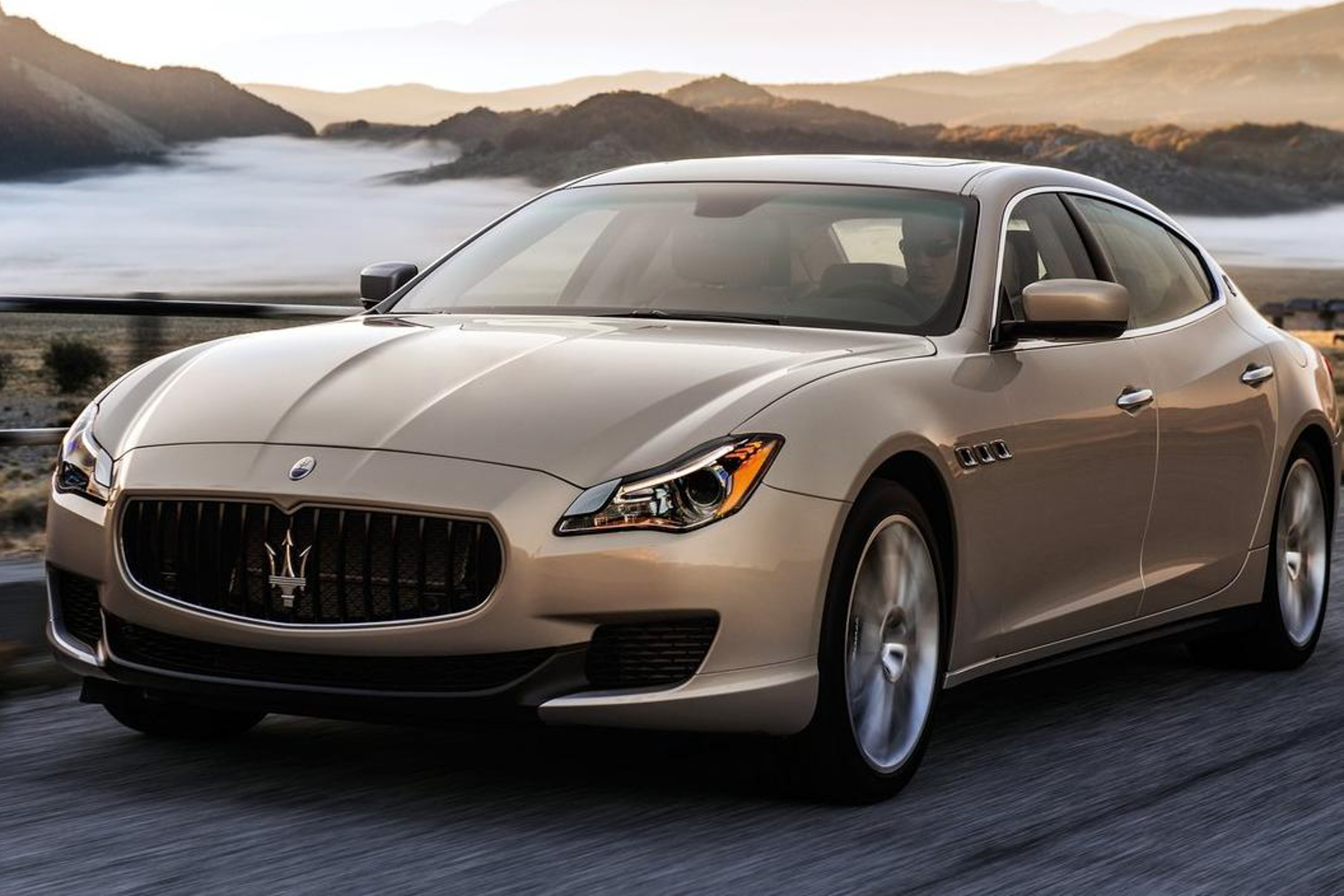
 Body Type
 Segment
 Capacity(L)
 Engine Power(PS)
 Engine Torque(Nm)
 Transmission
In the past two years, the luxury executive sedan market in Malaysia has gradually returned to rationality. Consumers are no longer only focused on the standard wheelbase versions of the German Big Three but are paying more attention to the dual practicality of spaciousness for both business and family use—this happens to be the traditional area of strength for the Maserati Quattroporte. The 2013 model, as an early-generation version of this model update, retains the genes of Italian luxury while making adjustments in power and configuration to meet market demands. During this test drive, we focused on its comprehensive performance in urban commuting, highway cruising, and occasional weekend outings to see whether this "Trident" sedan can still meet the dual expectations of luxury and practicality of today's users.
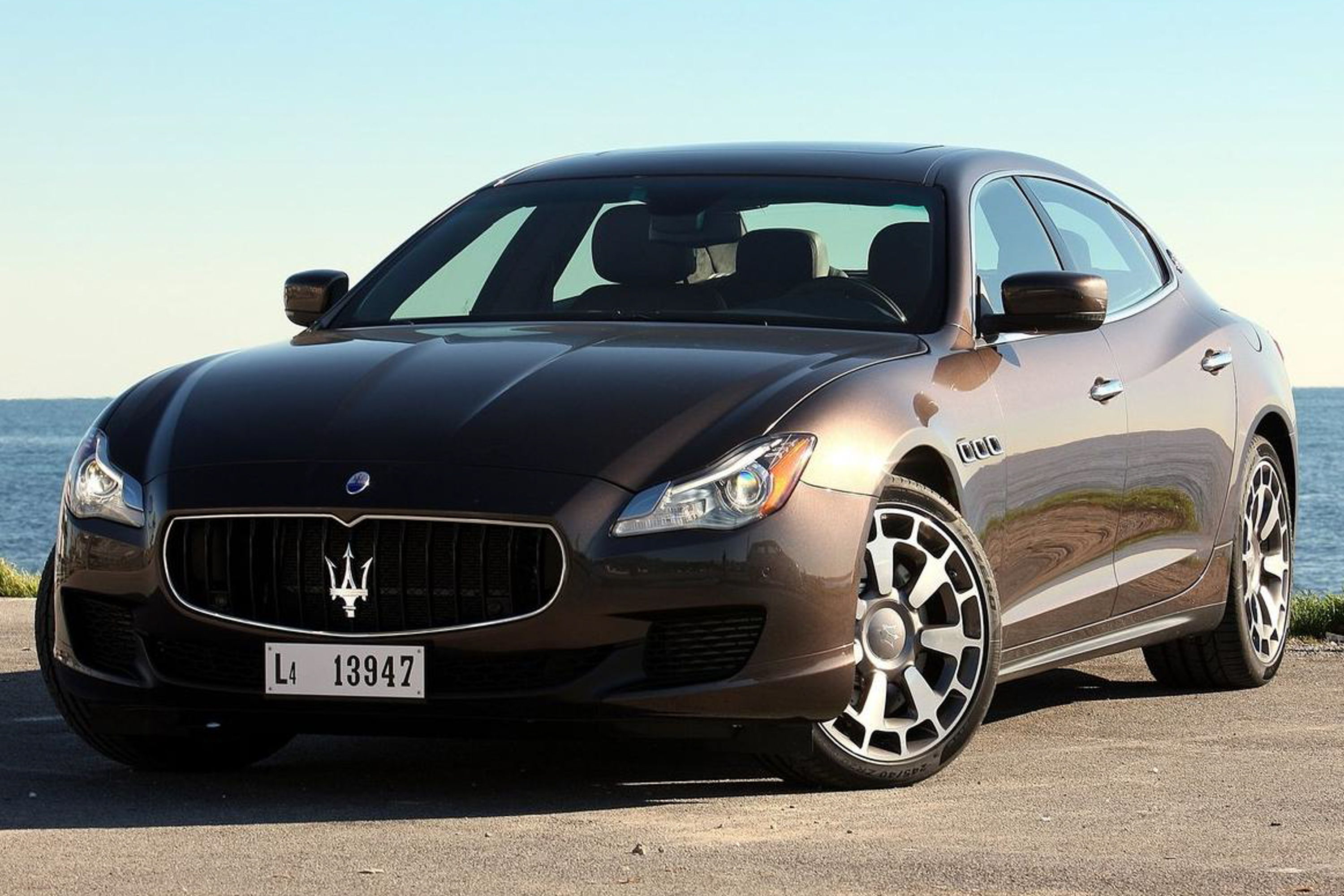
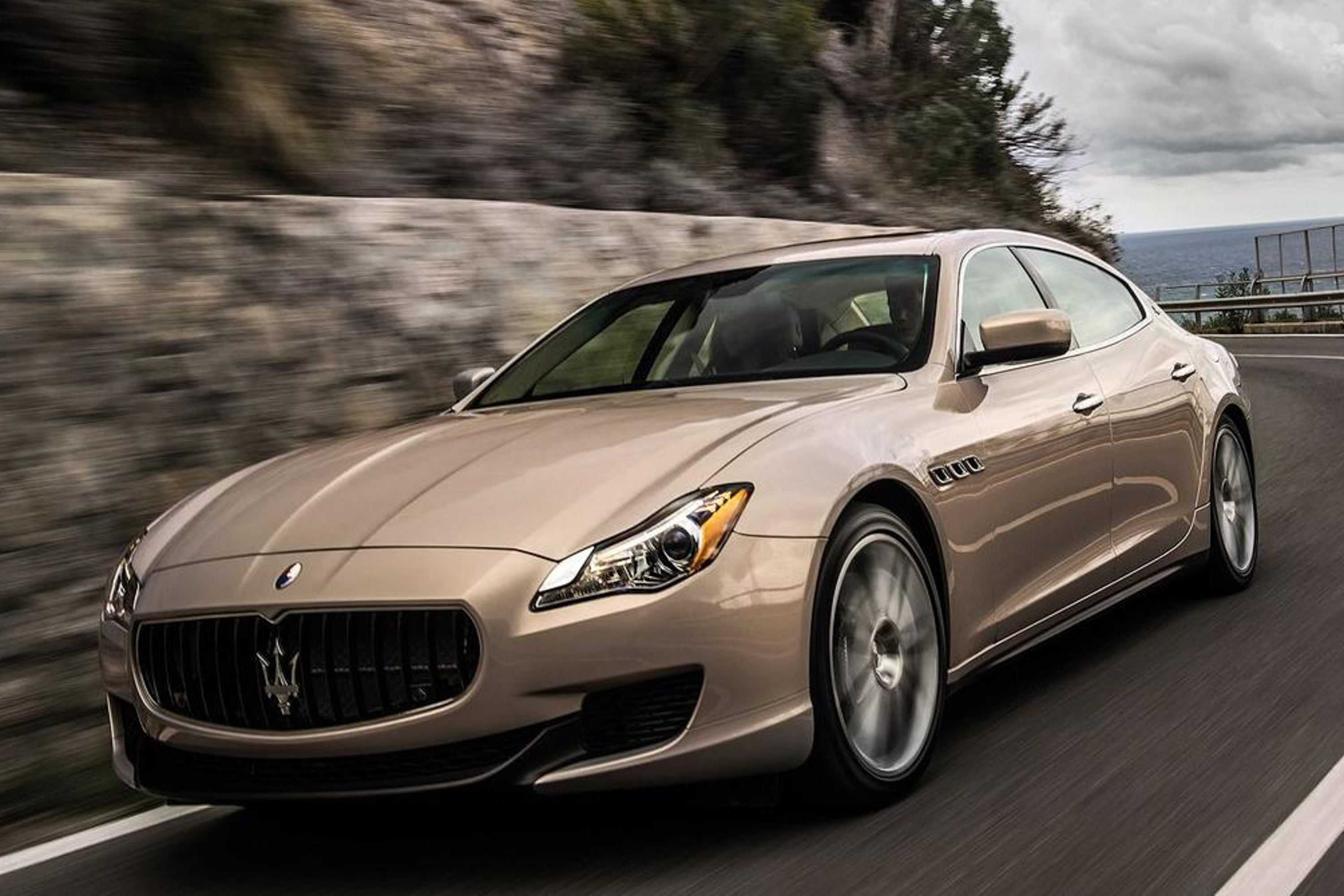
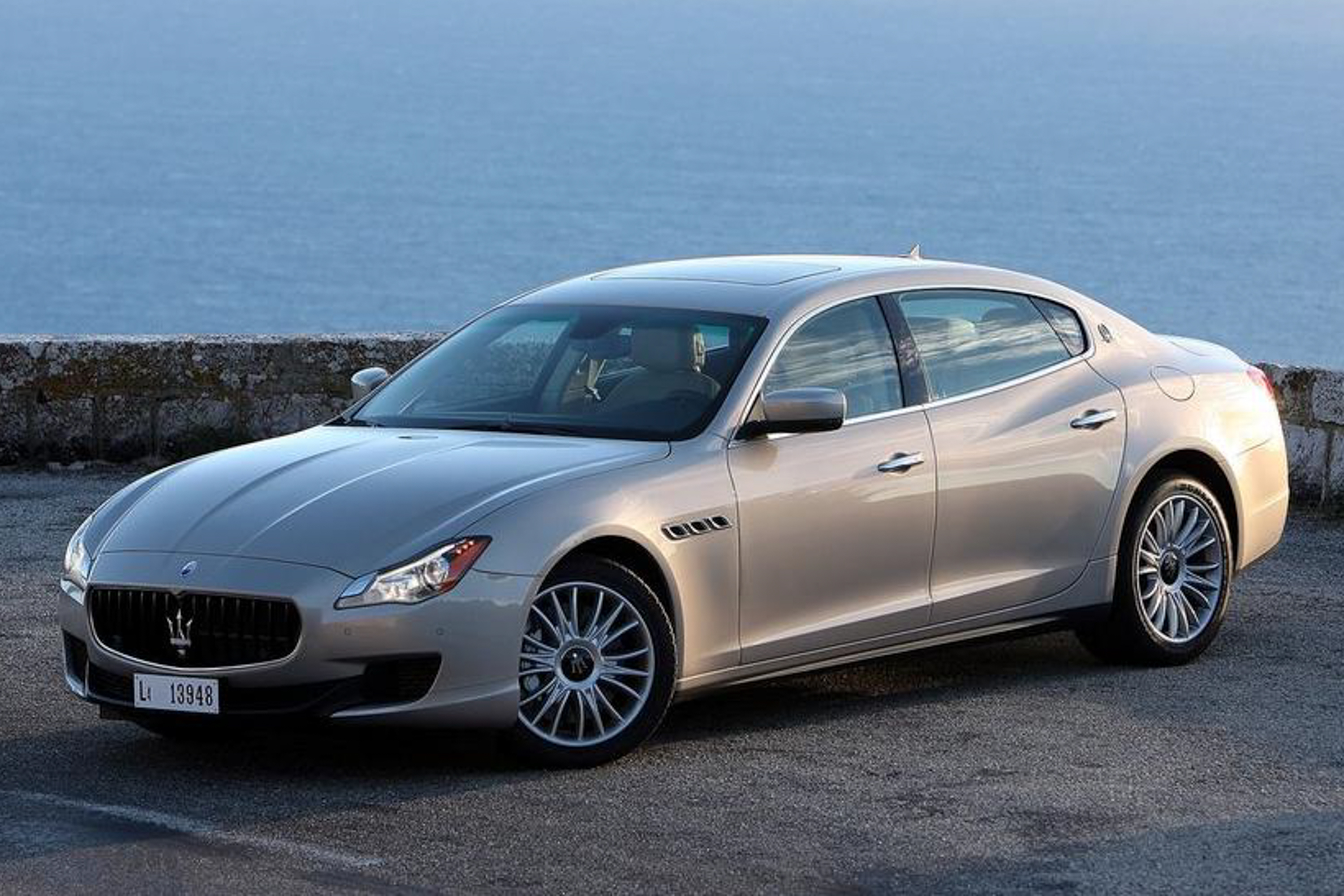
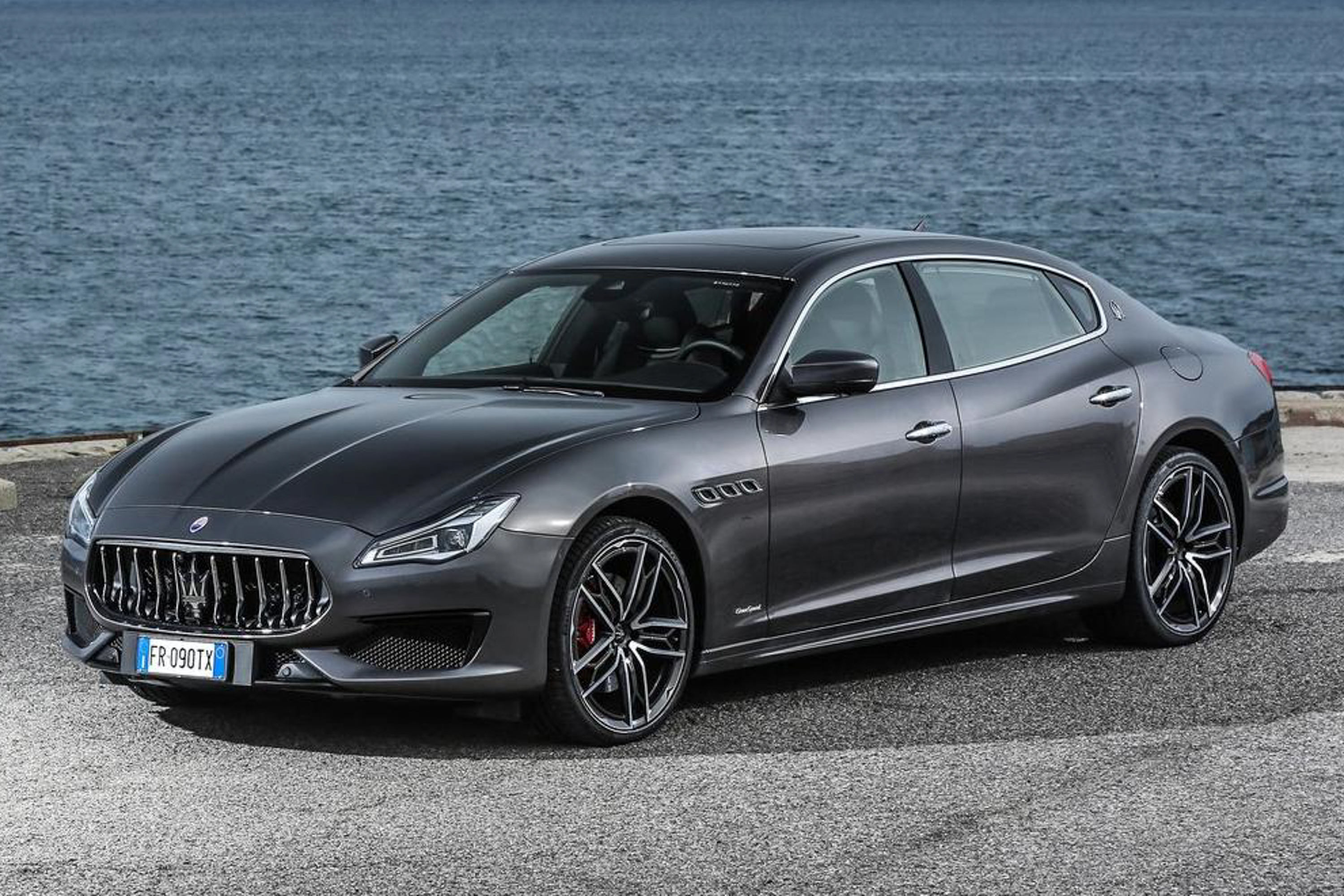
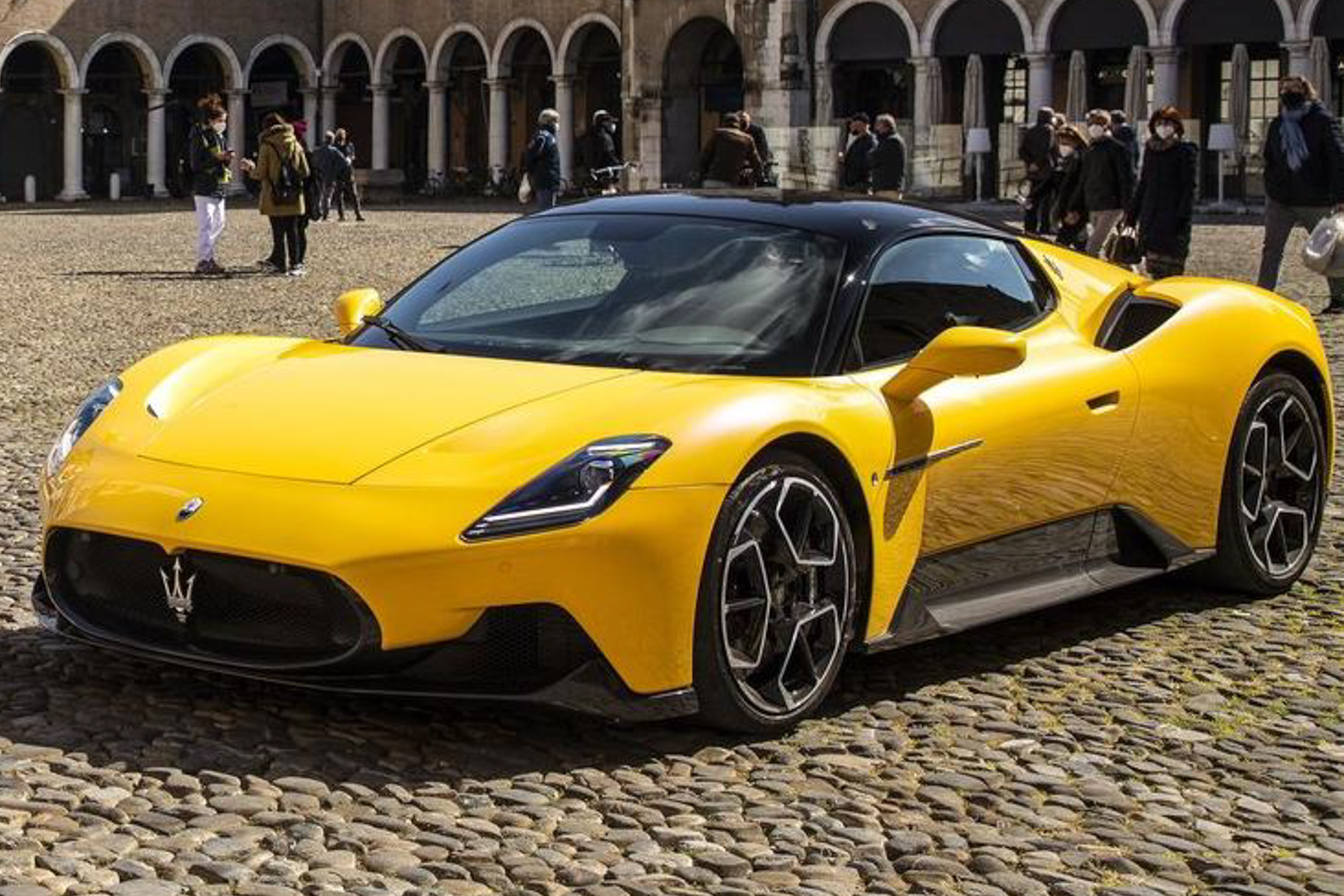
From a distance, the body proportions of the 2013 Quattroporte remain elegant, epitomizing the stance of a standard long-wheelbase executive sedan. With a length of 5262mm and a wheelbase of 3171mm, the side profile extends from the front fender to the rear tail, featuring simple and clean lines that unmistakably identify it as a Maserati. The front end features a large vertical-slatted grille with the iconic trident logo prominently displayed in the center. The headlights have an irregular oval design, incorporating lenses and LED daytime running lights, making them easily noticeable in traffic when illuminated. Along the sides, the waistline runs from the front fender to the taillights, while the inwardly recessed design at the bottom of the doors adds layers of depth. Coupled with 19-inch multi-spoke alloy wheels, the overall look is both solid and sporty. The rear design is relatively simple; a classic Maserati element is the four round exhaust pipes in a dual-sided layout. The horizontally arranged taillights use LED elements that illuminate with a unique light bar effect at night.
Sitting inside, the first impression is the luxurious texture of Italian craftsmanship. Most areas of the dashboard are covered in Nappa leather, offering a soft and delicate touch, while the interior panels of the doors use the same material. Complemented by wooden trims and metal accents, the overall ambience aligns with the positioning of a luxury executive sedan. The center console design is driver-oriented, with an 8.4-inch touchscreen display located at the top of the console. The interface is simple and supports functions such as Bluetooth connectivity, navigation, and vehicle settings, although the operational smoothness lags slightly behind modern smart in-car systems. The instrument cluster features traditional mechanical dials with a small digital display at the center, showing essential information such as speed, fuel consumption, and driving range. The seats are wrapped in genuine leather, with the front seats offering electric adjustment and lumbar support. The padding of the backrest and seat cushion is substantial, ensuring long-term comfort during rides. The rear seats boast excellent space utilization, with legroom exceeding two fist-widths for passengers up to 180cm tall, and headroom is more than adequate. The mild hump in the center floor slightly affects the middle passenger during short trips. In terms of storage space, the front central armrest compartment has a large capacity, the door pockets can hold two bottles of water, and the trunk offers a volume of 530 liters, sufficient for daily family use or business travel needs.
The test-driven 2013 Quattroporte is powered by a 3.0L twin-turbocharged V6 engine, delivering a maximum output of 330 horsepower and a peak torque of 500 Nm, paired with an 8-speed automatic transmission. When driving in urban areas, the power response during initial acceleration is not particularly aggressive, but when you press the accelerator deeply, the turbo delivers a noticeable thrust, with strong mid-range acceleration and quick overtaking performance. Switching to Sport mode adjusts the shifting logic of the transmission, speeding up gear changes, holding the engine at higher RPMs, and delivering more direct power output. The steering wheel offers moderate weight with precise handling, allowing for agile maneuvering when changing lanes or making U-turns in the city. The suspension employs an independent front double-wishbone and rear multi-link structure, tuned towards comfort. It absorbs most small road bumps effectively, and when passing over speed bumps or potholes, the suspension rebounds cleanly and without excessive oscillation. During high-speed cruising, the car maintains excellent stability, and even at speeds above 120km/h, there’s no sensation of floating.
In terms of fuel consumption, we drove approximately 50km each in urban congested routes and highway stretches, with an average consumption of about 12.5L/100km. For a 3.0T large luxury sedan, this performance is within the normal range for its class. Regarding noise control, wind and tire noise are somewhat noticeable at high speeds but remain within an acceptable range. Engine noise is almost inaudible at idle, while the engine roar during acceleration is quite rich, aligning with Maserati's sporty character.
Overall, the core advantages of the 2013 Quattroporte lie in its Italian luxury design and materials, spacious rear seating, and strong performance. Compared to its peers such as the BMW 7 Series and Mercedes-Benz S-Class, it offers a more individualized brand character and a sportier power response, though it lags slightly in smart features and infotainment systems. This car is suitable for those who value both luxury and comfort while seeking some sportiness in daily driving, such as business owners who need to balance corporate engagements with family use, or middle-aged consumers fond of Italian design. If you do not prioritize the latest smart technology but instead value brand heritage and driving quality, the 2013 Quattroporte remains a worthwhile choice.
Maserati Quattroporte Car Compare

More Maserati Reviews
Cars With Similar Price And Features

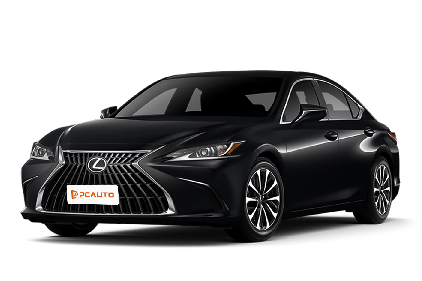
2024 Lexus ES as a practical choice in the luxury mid-size sedan market, with a balanced and comfortable driving experience, rich safety features, and a reliable brand reputation, precisely catering to the needs of family users and young elites.
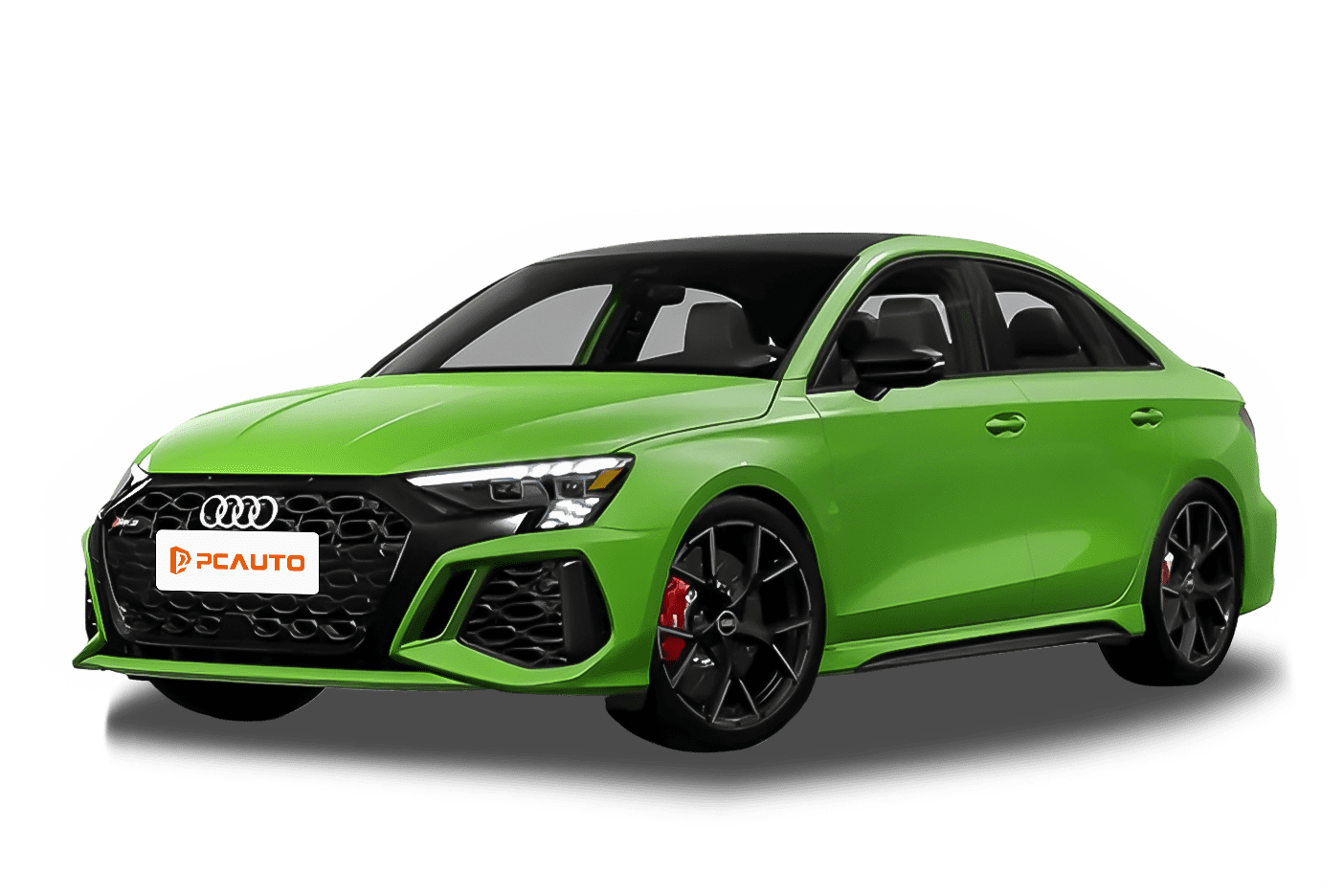
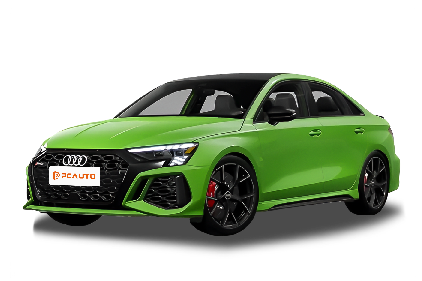
Audi RS3 Sportback is a luxurious and compact "pocket rocket" that balances 400PS five-cylinder performance, Quattro control, and practicality for family use, with a sporty design and a full sense of technology.

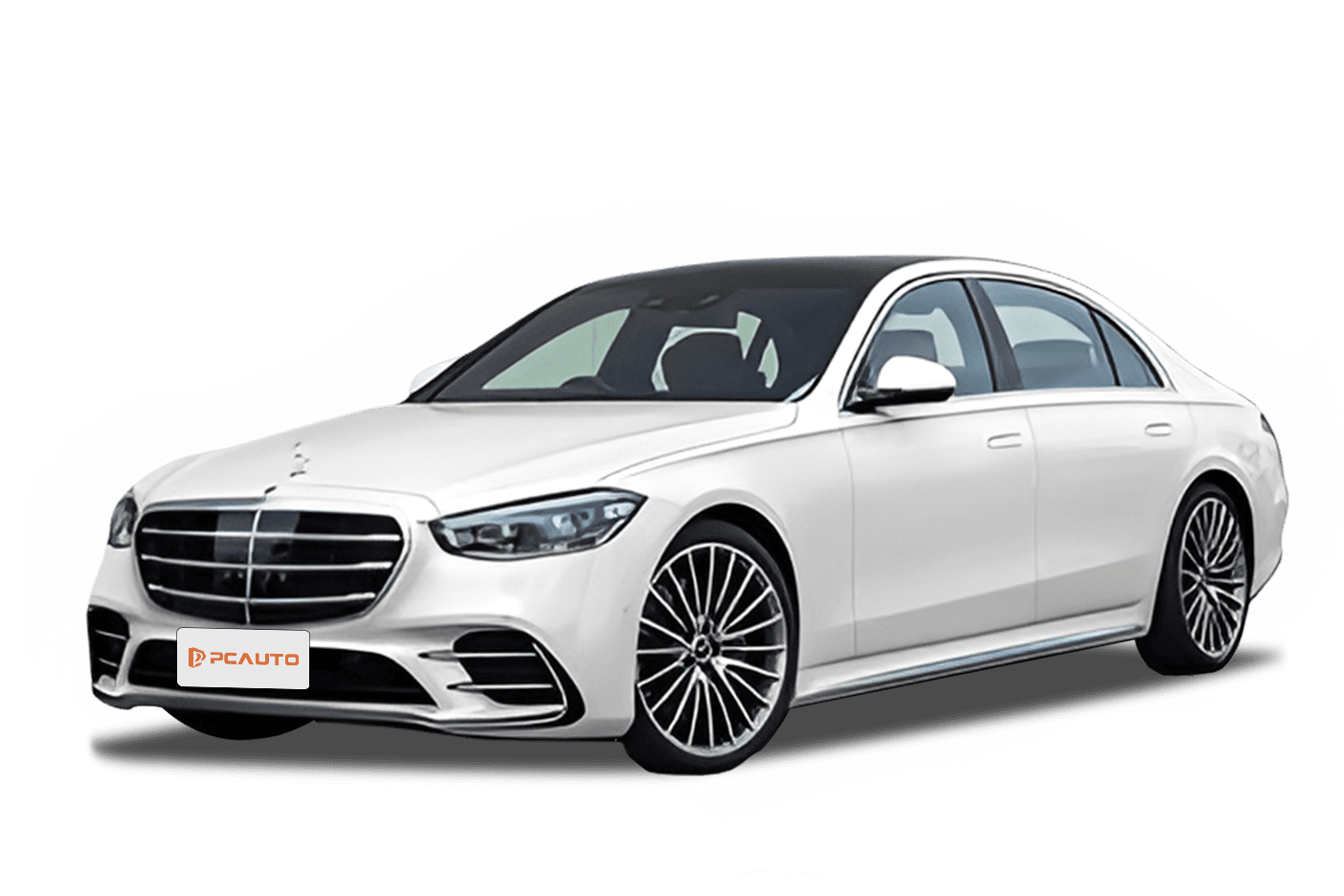
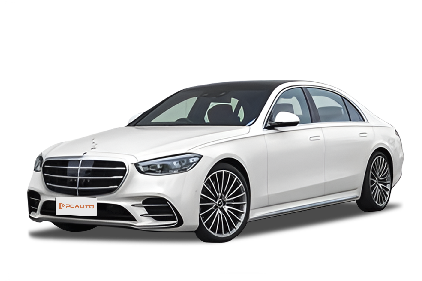
2022 Mercedes-Benz S-Class S 580 e, as the flagship plug-in hybrid model, offers a luxurious rear-seat experience with its extended wheelbase, a practical 100km pure electric range, and advanced intelligent features, balancing luxury and the practicality of new energy.
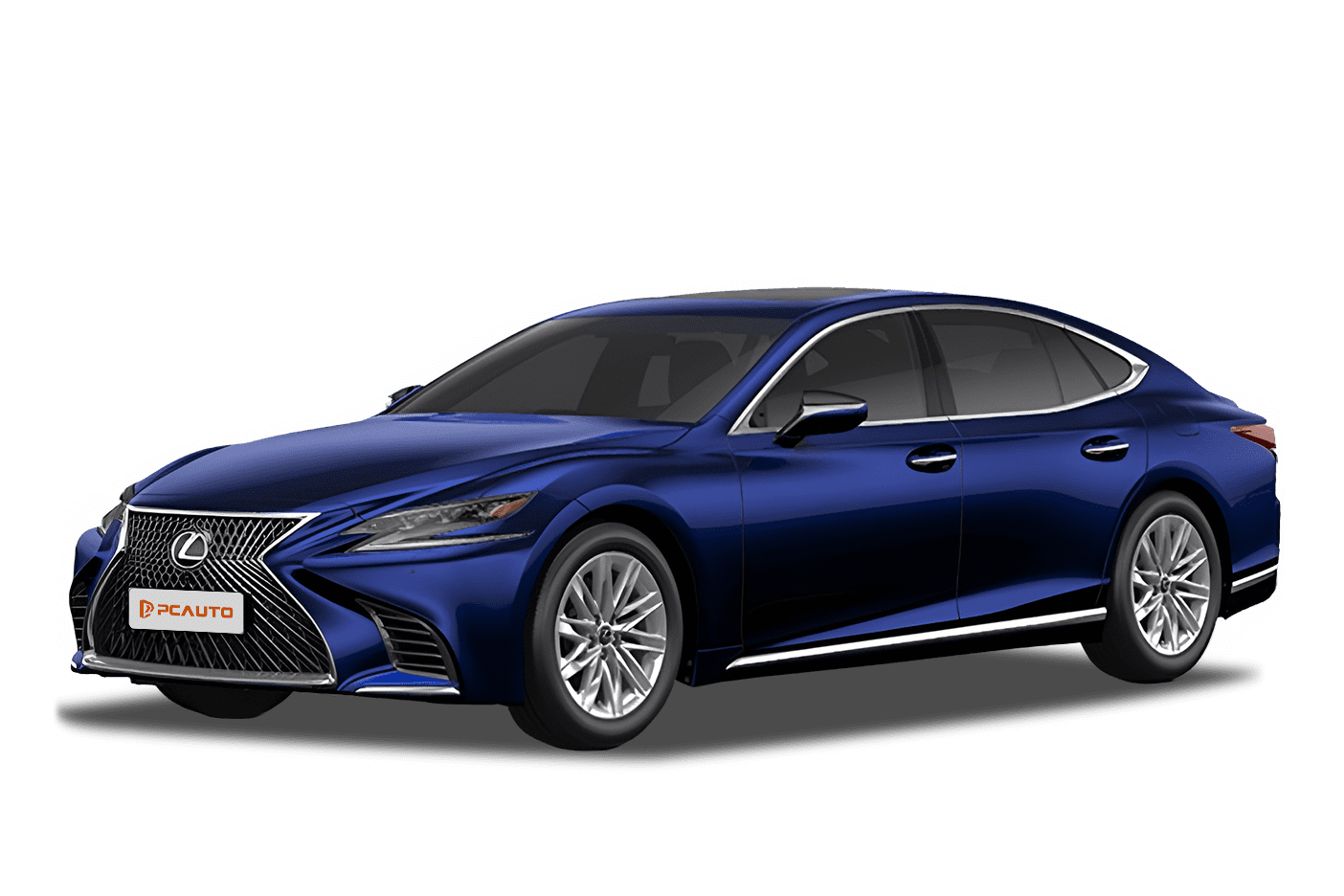
2021 Lexus LS 500 Luxury built with the concept of Oriental luxury, 28-way power-adjustable massage seats + 3.4T powerful performance, high cost-effectiveness competing with German counterparts.