

Mazda 2 Hatchback 2018 Review

 Share
Share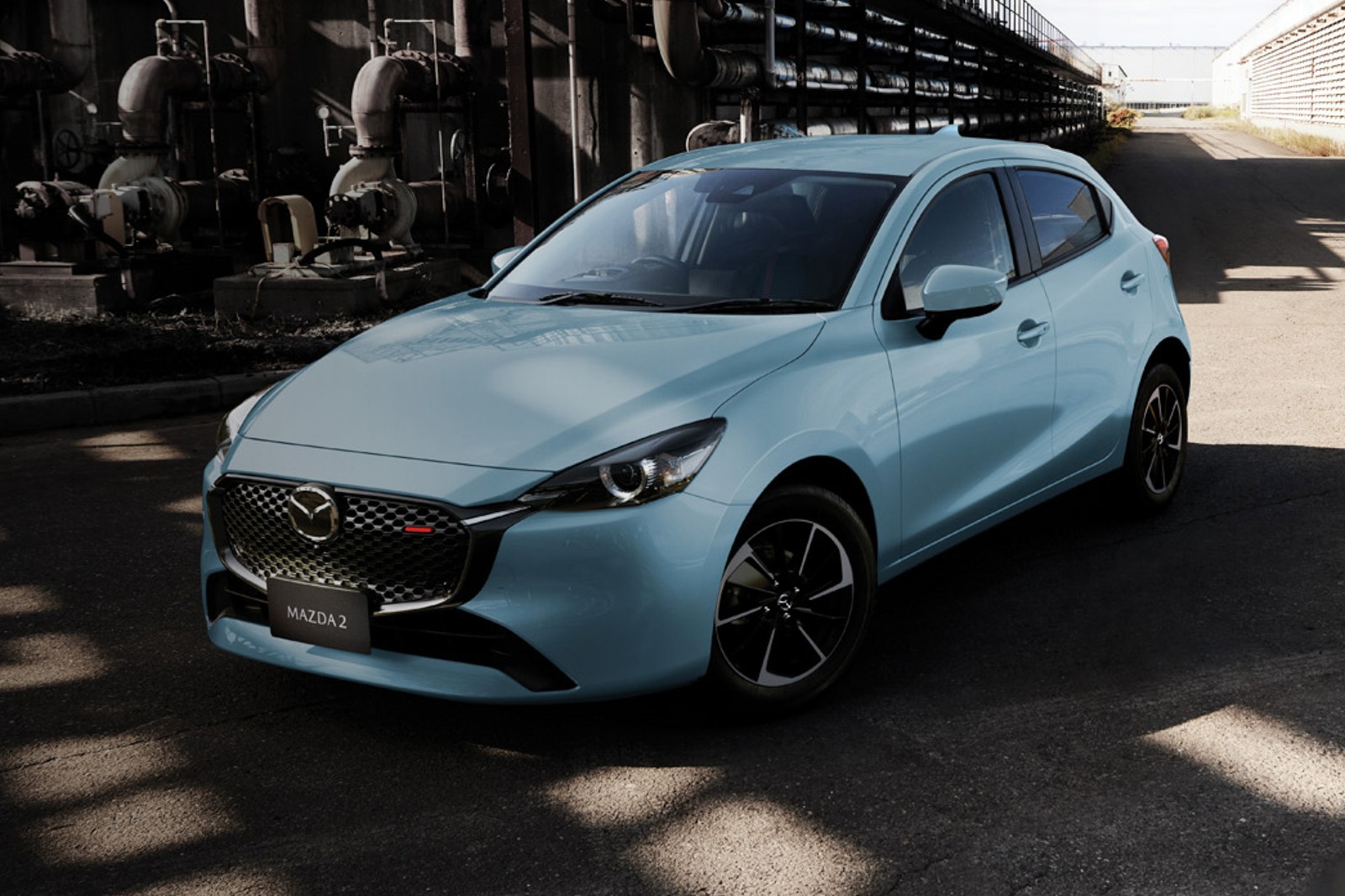
 Segment
 Body Type
 Capacity(L)
 Engine Power(PS)
 Transmission
 Driven Wheels
In recent years, the competition in Malaysia's B-segment hatchback market has been intense. Most models either emphasize cost-effectiveness or focus on configurations, but there are not many options that balance driving feel and safety features. The appearance of the 2018 Mazda 2 Hatchback 1.5 GVC Mid-spec fills this gap—it comes with a price of less than 80,000 MYR, equipped with the rarely seen GVC (G-Vectoring Control) system and active safety features in this class. In this test drive, we focused on verifying two points: whether the GVC system can truly improve daily driving stability, and whether its features and space at this price point meet the needs of family users.
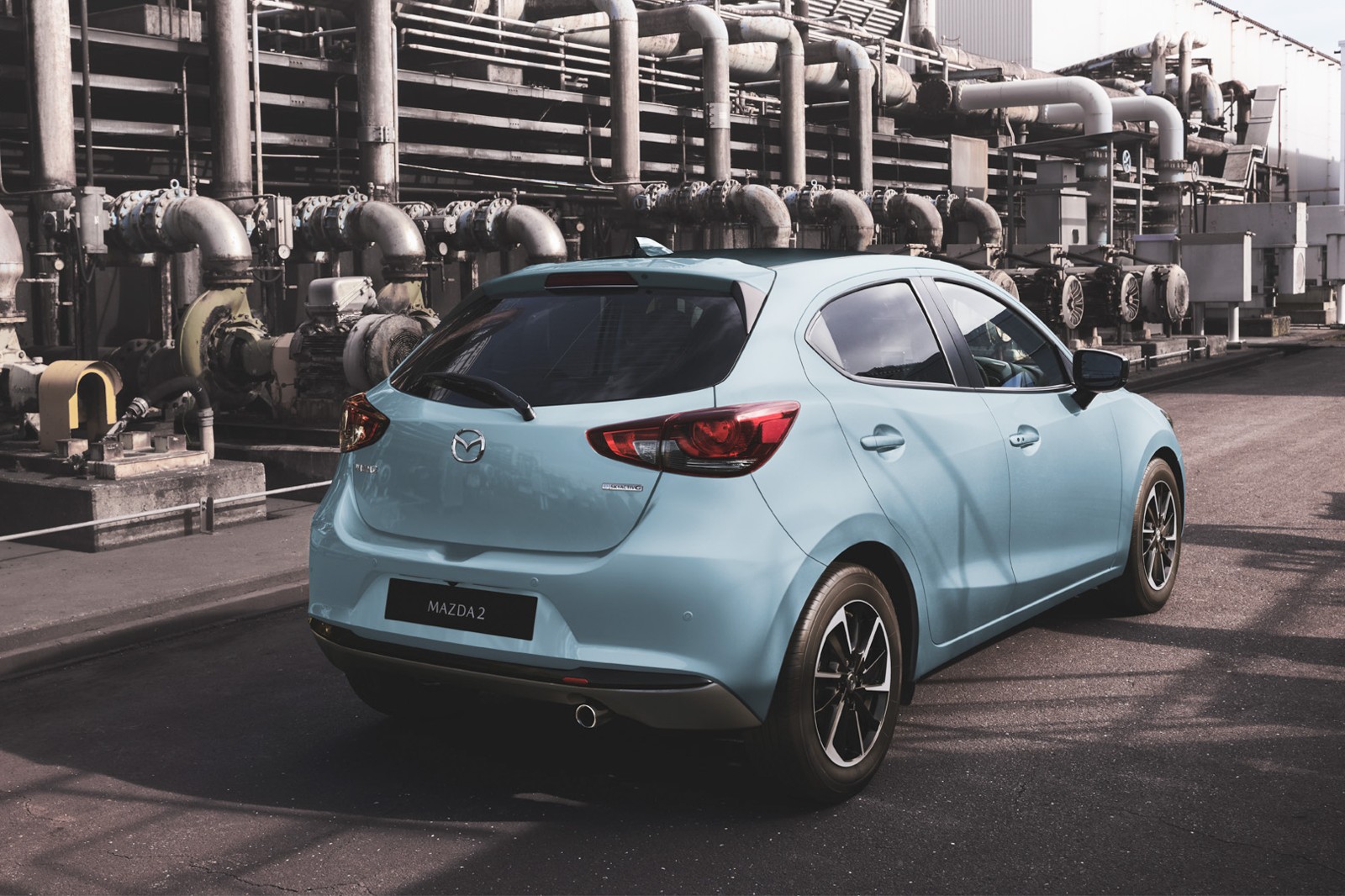
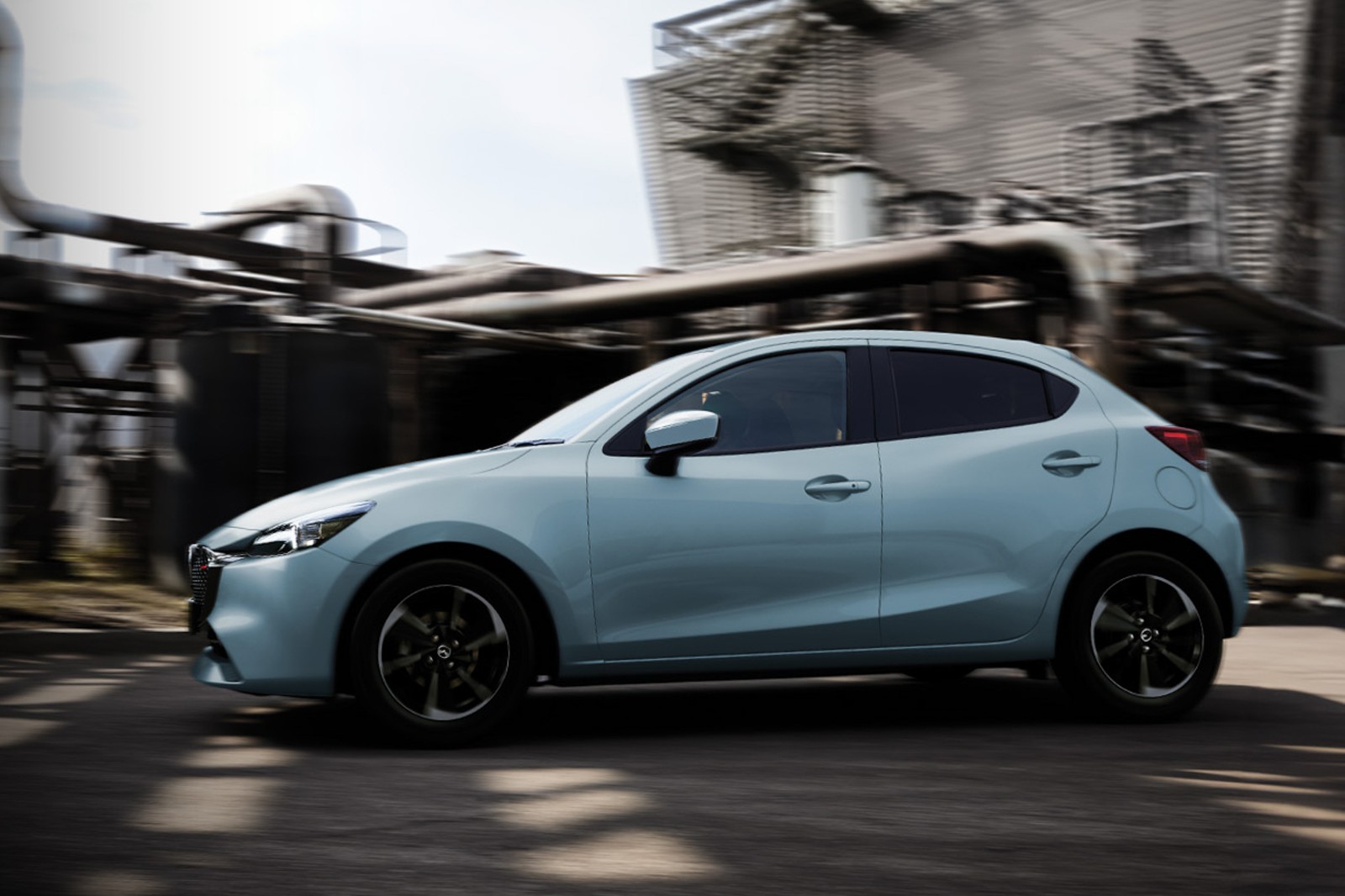
At first glance, the Mazda 2 stands out with the fluidity brought by its KODO design language. The shield-shaped front grille is connected to the headlights on both sides with chrome trims, complemented by a trapezoidal intake below, making the overall design compact and sporty; the side body waistline runs from the front to the rear, coupled with a slightly sloping roofline, making the 4060mm length appear longer than it actually is; the rear LED taillights (standard on Soul Red Crystal models) adopt a boomerang design, offering high recognition when lit up, but the basic halogen lights have average brightness at night. In terms of details, the door handles are body-colored, and the 15-inch wheels have a simple design, which, although not stunning, aligns with the car's orientation as a family vehicle.
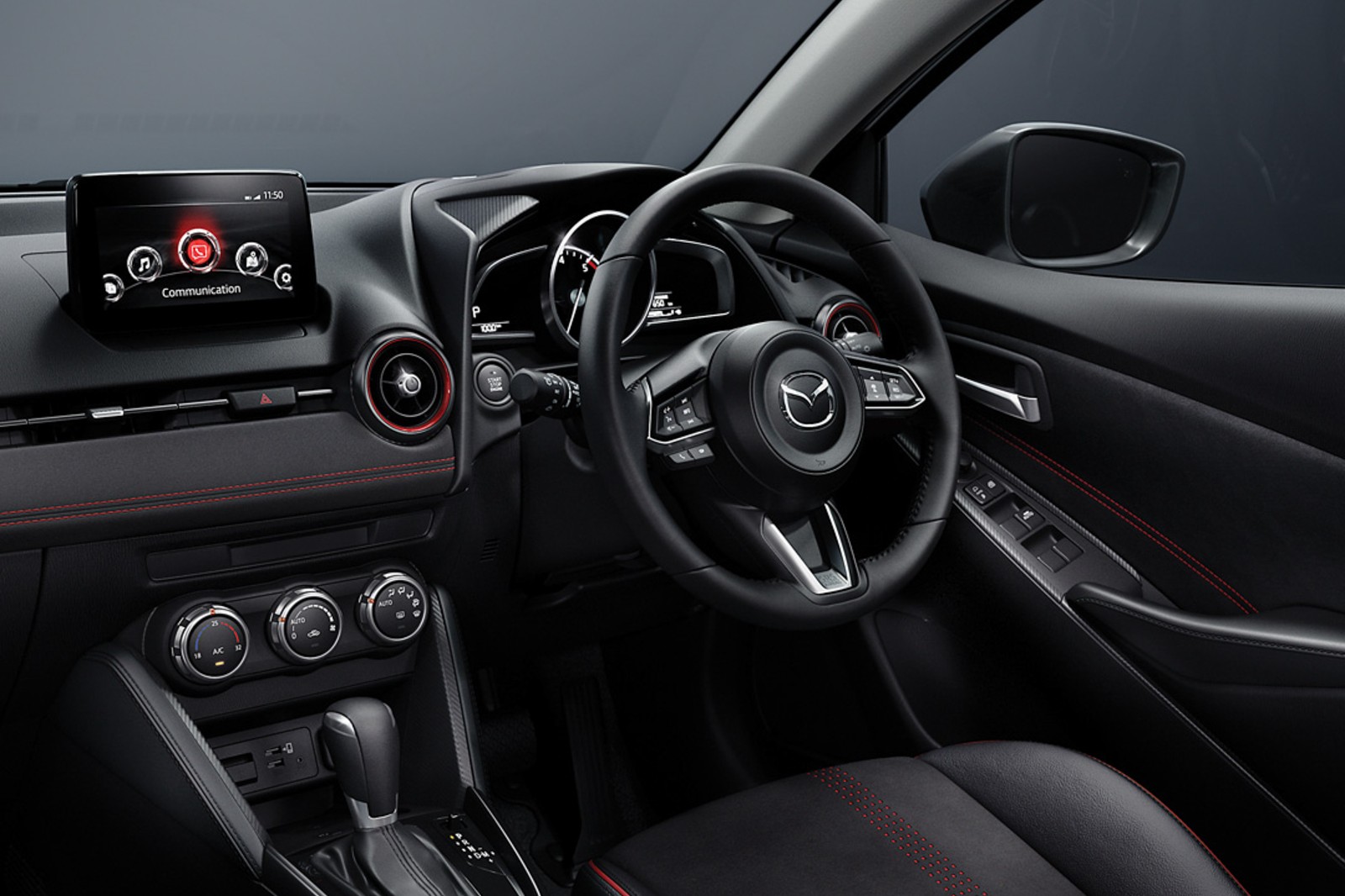
Sitting inside the car, the interior layout centers around the driver, with the center console tilted about 7 degrees towards the driver's seat, eliminating the need for significant eye movement when operating buttons. The steering wheel adopts a three-spoke multifunctional design, with the left side integrated with volume adjustment and phone control buttons, while the right side houses controls for the trip computer and cruise control (available in some models). The instrument panel features traditional mechanical dials paired with a monochrome trip computer display in the center, clearly showing information such as speed, fuel consumption, and mileage. In terms of materials, the top of the center console is covered in soft-touch plastic, which feels better compared to the hard plastics used in most models in this class; the seats are made of fabric, which, while lacking the luxurious feel of leather, has good breathability. In terms of features, the keyless entry and push-start functions are very practical, and the HUD (Head-Up Display) projects real-time speed and navigation information, reducing the need to look down at the instrument panel. The front and rear parking camera system combined with reverse sensors helps avoid scratches in narrow residential parking spaces. However, it is worth noting that the air-conditioning system is a single-zone manual control, and there are no independent air vents in the rear row, which might result in slower cooling for rear passengers during long rides.
In terms of space performance, the 2570mm wheelbase is of average level for B-segment cars. With the front seats adjusted to a suitable position, a 175cm tall driver will still have about one fist of headroom; the rear seats provide sufficient legroom for two adults, but the slight raised middle floor can affect comfort during extended sitting. The rear seats support a 60:40 split-folding configuration, which expands the trunk space from 220L to about 1000L when folded down, making it easy to store a stroller or suitcases. Regarding storage spaces, the door panels have slots that can hold two bottles of mineral water, and there’s an open storage compartment below the center console, which is suitable for placing a phone or wallet. The central armrest box is not very spacious and can only hold small items, such as driving licenses and vehicle registration documents.
After starting the vehicle, the noise control of the 1.5L naturally aspirated engine is quite good, with almost no noticeable vibration at idle. This engine delivers a maximum horsepower of 116PS and a peak torque of 150N·m, paired with a 6AT transmission. During daily driving, the power response at the start-up phase is very swift, and the transmission shifts up quickly when the accelerator is pressed, keeping the revolutions at around 2000 rpm. The fuel consumption is well-controlled — actual fuel consumption in urban conditions is about 6.2L/100km, while on the highway it can drop to 5.0L/100km, which is close to the official figure of 5.1L/100km. The impact of the GVC system is especially noticeable when cornering: deceleration before entering a curve reduces body roll compared to vehicles in the same segment. When accelerating out of a corner, power delivery is more linear, avoiding a sudden thrust feeling, making the drive smoother. The suspension uses a front MacPherson independent suspension and rear torsion beam non-independent suspension, tuned for comfort. It filters out most bumps when passing over speed bumps or uneven roads, although there may still be slight bouncing for rear passengers on consecutive bumps at high speed. The steering wheel's feedback is appropriately weighted, with precise direction and no play, making urban lane changes or U-turns very agile.
In terms of specific tests, the 0-100 km/h acceleration time is approximately 10.2 seconds, which is close to the official figure of 10 seconds, meeting the needs for daily overtaking. Regarding braking performance, it takes about 40 meters to come to a stop from 100km/h, performing moderately. In terms of noise control, wind noise and tire noise become increasingly noticeable during high-speed driving (120km/h), but they do not affect normal conversation inside the car. Engine noise becomes audible inside the cabin when the RPM exceeds 3000, but high RPMs are rarely needed in daily driving.
Overall, the core advantages of the 2018 Mazda 2 Hatchback 1.5 GVC Mid-spec lie in its driving quality and safety features. The stable driving experience brought by the GVC system makes it more enjoyable compared to competitors such as the Toyota Yaris or Honda Jazz. Features like autonomous emergency braking and forward collision warning are effective in preventing rear-end collisions during low-speed traffic, offering more comprehensive safety than most competitors. Space is not its strong suit, but it is sufficient for daily use by a family of three. In terms of price, the RM76,670 price tag (with an additional RM500 for the Soul Red Crystal color) is mid-to-high for B-segment hatchbacks. However, considering its features and driving quality, it offers good value for money.
This car is ideal for families who prioritize driving experience and safety, or for young professionals who have just started working. If you often commute within the city and occasionally take short trips with your family, its fuel efficiency, space, and features should meet your needs. However, if you frequently need to accommodate 4-5 people, the comfort of the rear seats might be compromised. All in all, the 2018 Mazda 2 Hatchback 1.5 GVC Mid-spec is a well-rounded model that balances driving fun, safety, and practicality, making it a worthy choice in its segment.
Mazda 2 Hatchback Car Compare

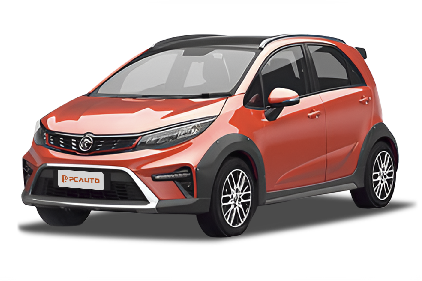
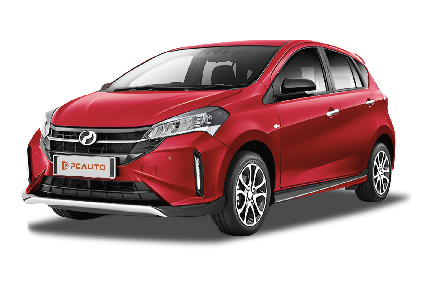
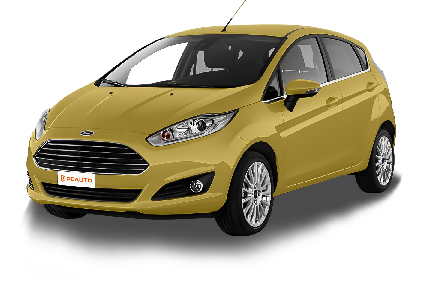
Mazda 2 Hatchback Loan Calculator
More Mazda Reviews
Cars With Similar Price And Features
4
Rank in Hatchback
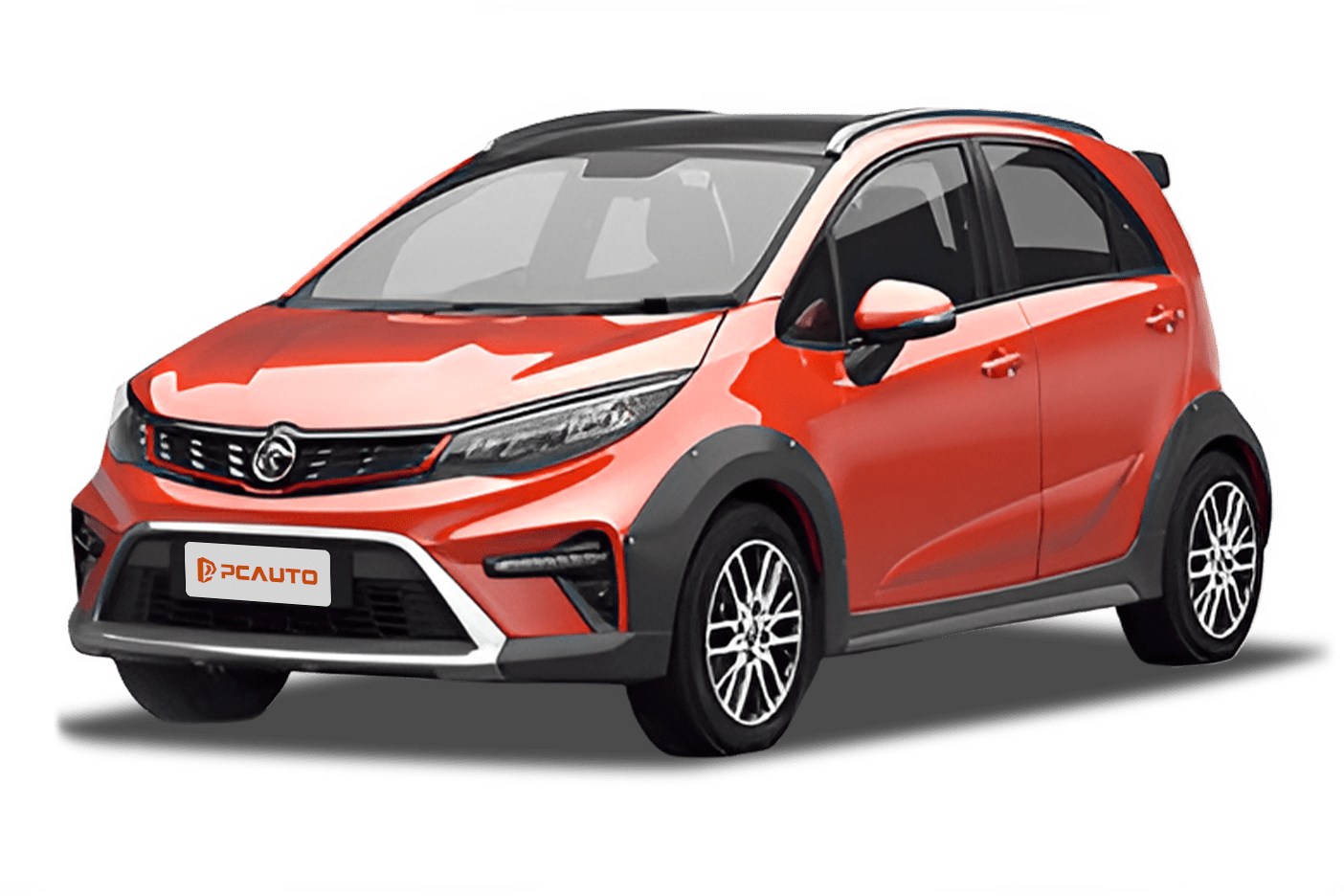
2023 Proton Iriz 1.3 Standard CVT is an affordable, well-balanced entry-level B-segment hatchback with safety features, suitable for budget-conscious families focusing on safety and practicality for daily commuting.
2
Rank in Hatchback

2023 Perodua Myvi 1.3 G with PSDA is an affordable B-segment hatchback, combining practical space, basic features, and PSDA safety assistance, suitable for family commuting.

2022 Ford Fiesta public is a B-Segment model with responsive power, economical fuel consumption, and rich safety features, suitable for young families or individual users who prioritize driving experience and safety.
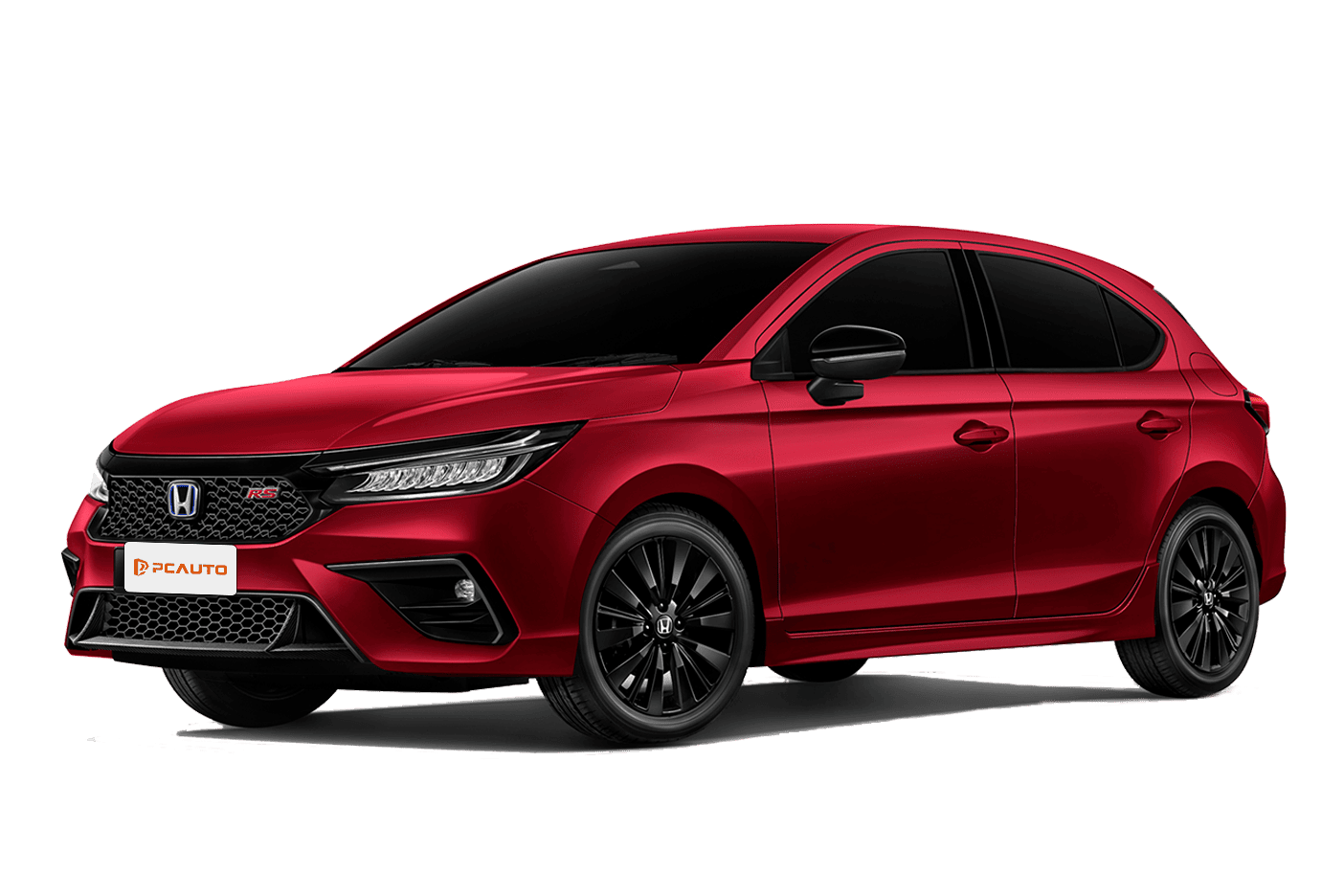
2024 Honda City Hatchback 1.5 S, as a high-value entry-level hatchback, comes standard with Honda Sensing and 6 airbags, offering practical space, economical fuel consumption, and balancing safety with daily commuting needs.