

2018 Mazda 2 Hatchback 1.5 GVC with LED Lamp (Soul Red Crystal) Review

 Share
Share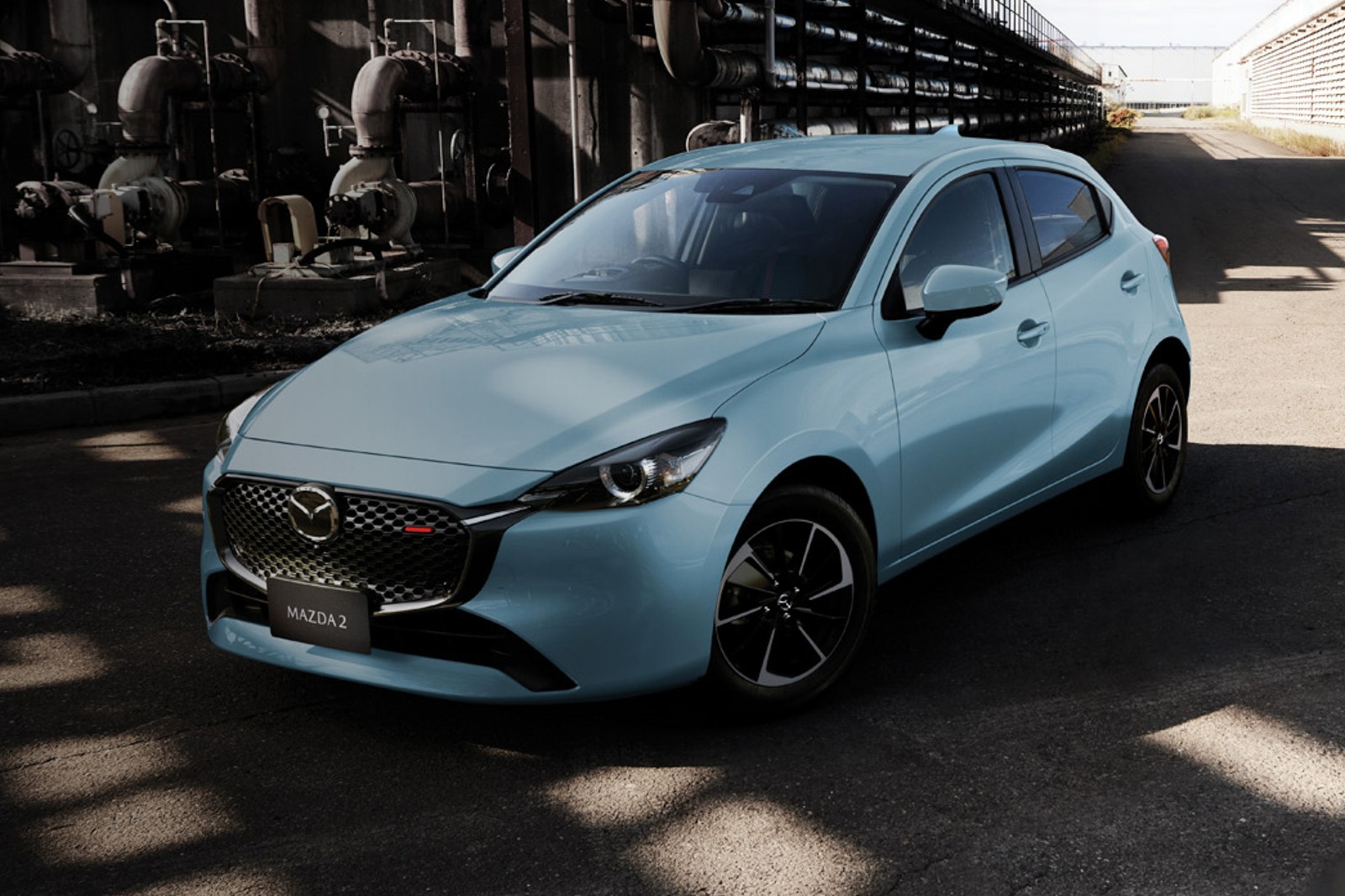
 Segment
 Body Type
 Capacity(L)
 Engine Power(PS)
 Transmission
 Driven Wheels
In Malaysia's B-segment hatchback market, consumers are always looking for the perfect balance of design, practicality, and value for money — the 2018 Mazda 2 Hatchback 1.5 GVC with LED Lamp (Soul Red Crystal) aims to meet this demand. With its iconic Kodo design and GVC (G-Vectoring Control) as its core selling points, this test drive will focus on verifying whether these highlights can translate into advantages in real scenarios, as well as the car's overall performance in local road conditions.
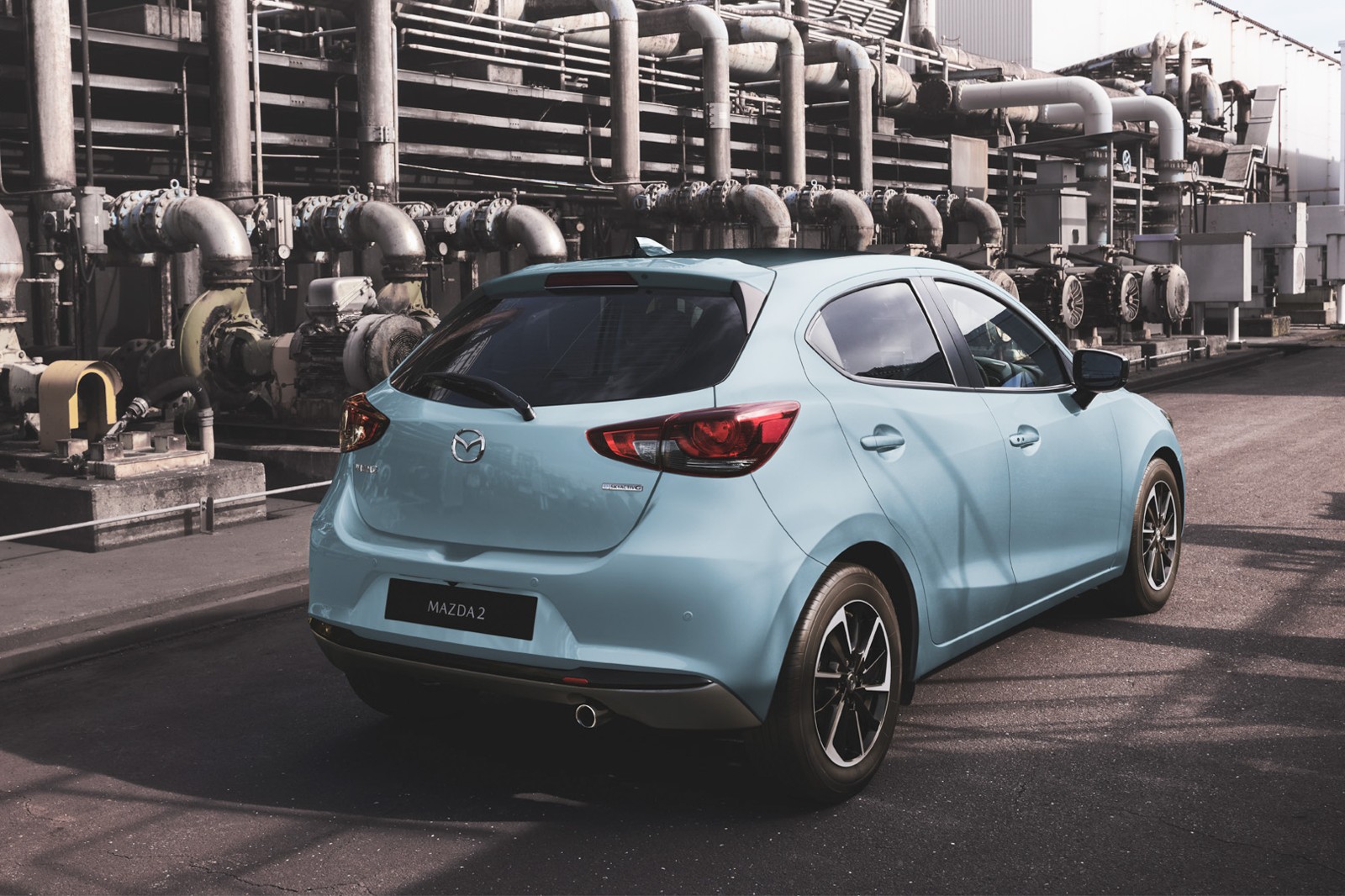
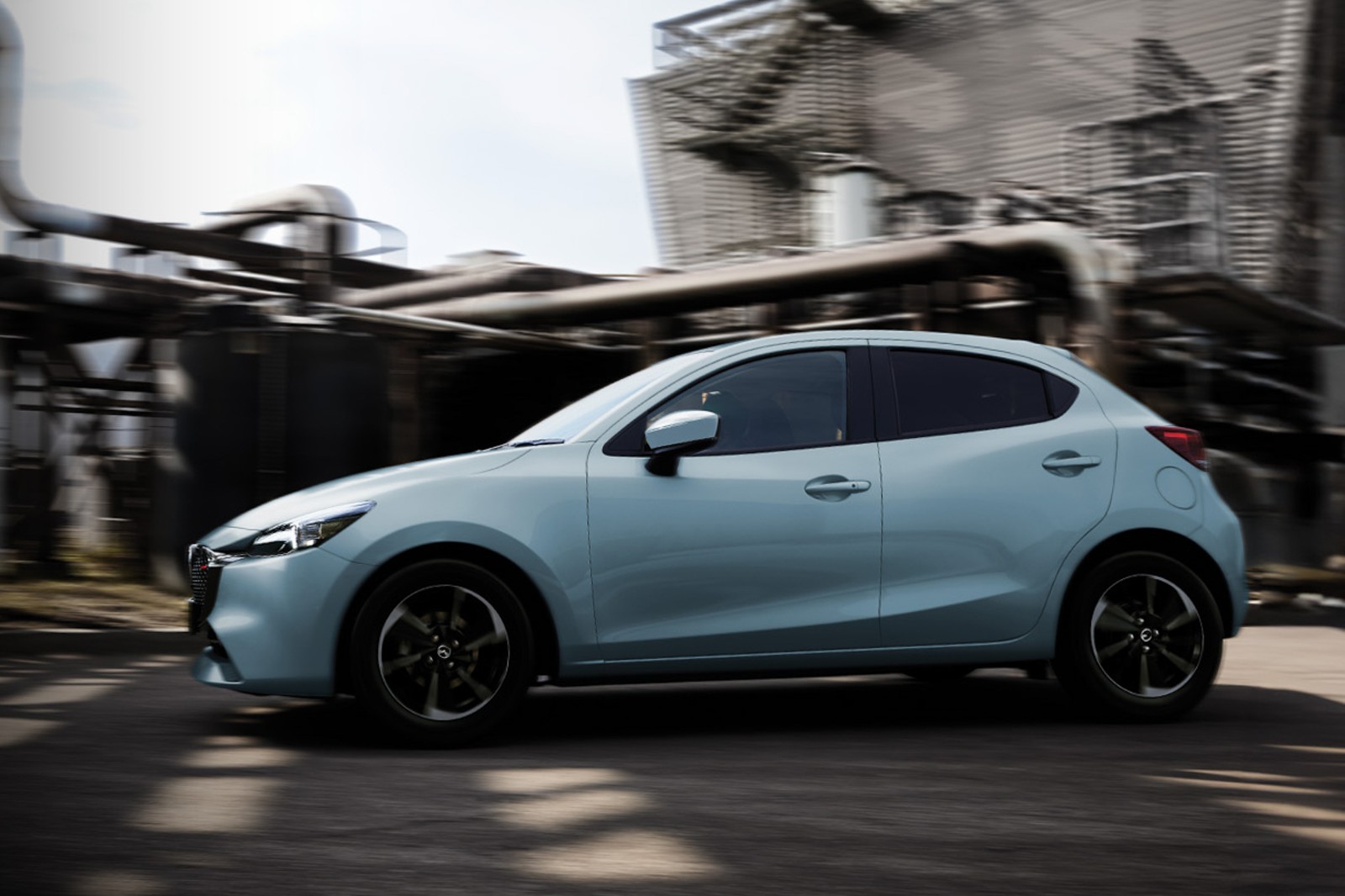
Seeing this car for the first time, the shine and texture of the Soul Red Crystal paint are quite noticeable, managing to display a delicate metallic gloss even on cloudy days. The front face continues Mazda's family-style shield-shaped grille design, paired with chrome accents and sharp halogen headlights on both sides, delivering high recognizability. The side profile features smooth lines that extend from the A-pillar to the rear, with the fastback design softening the bulky feel of a hatchback. The 15-inch wheels, though not large in size, feature a multi-spoke design that complements the body proportions and does not look overly small. At the rear, the simplified LED taillights echo the front design, while the black trim under the rear bumper adds a touch of sportiness. The overall exterior maintains the family style while embodying a youthful design approach in the details.
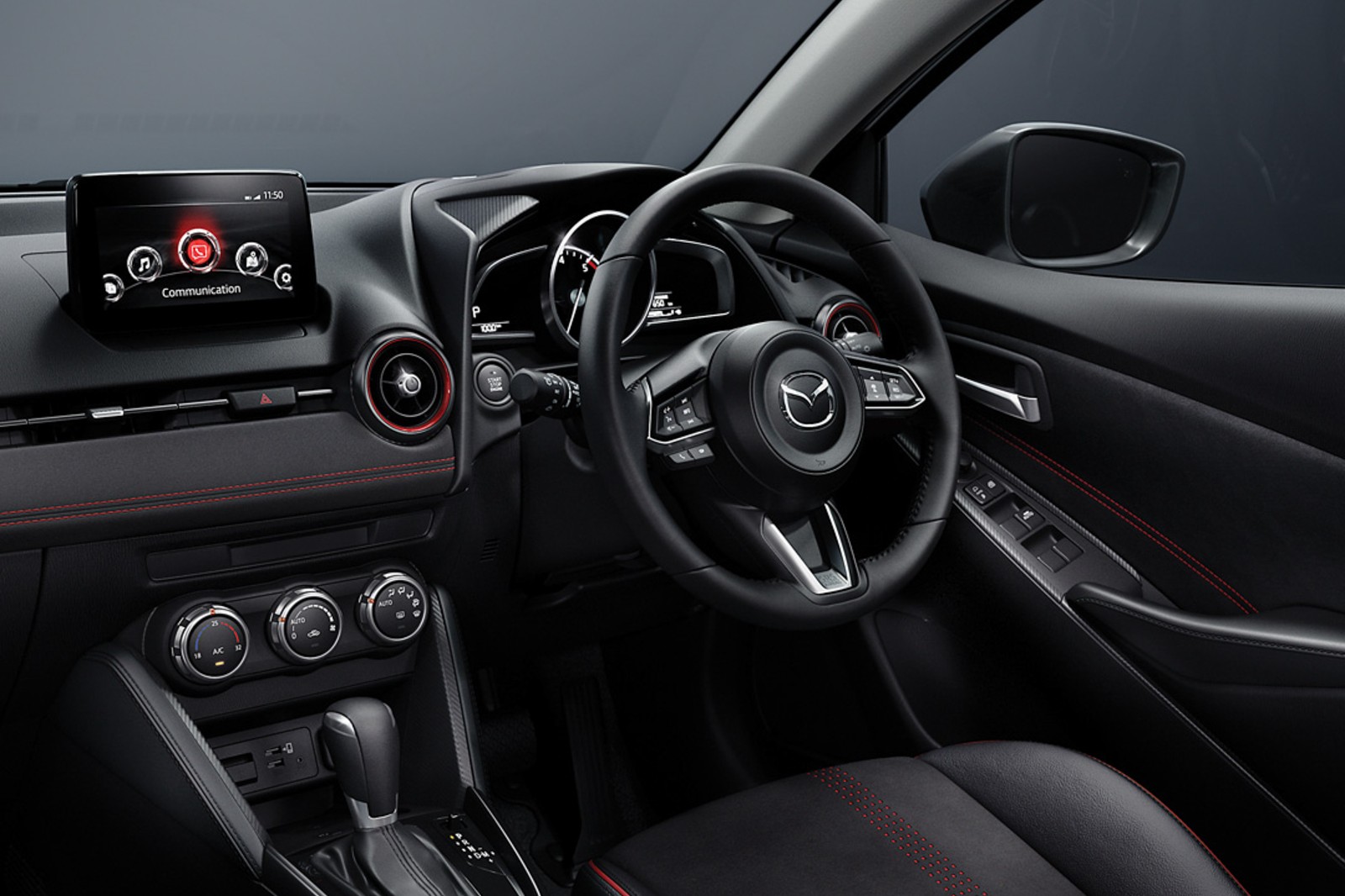
Opening the door, the interior is dominated by black tones, with the center console wrapped in soft-touch materials, offering a more refined texture compared to some competitors in the same segment. While the center screen does not support touch functionality, it can be smoothly operated via a physical rotary knob beside the gear lever, with the system responding promptly. It's worth noting that the practicality of the interior equipment really stands out: the HUD (head-up display) projects information such as speed and navigation clearly, reducing the need to divert your eyes while driving; the front features a single-zone manual air conditioning system with simple and direct controls; the rear includes air vents and a 220V/230V power outlet, meeting the charging needs of family users. The seats are made of fabric with moderate support; although manually adjustable, which is less convenient than electric adjustments, they are sufficient for everyday use.
In terms of dimensions, the car measures 4060mm in length, 1695mm in width, and 1470mm in height, with a wheelbase of 2570mm, placing it at a standard level in the B-segment. The front-row seating space is spacious, leaving a one-fist gap above the head of a 175cm passenger after seat adjustment. The rear-row legroom offers around two fists of space, with about one fist of headroom, suficient for short-distance trips for adults. The trunk has a standard capacity of 220L, which can accommodate two 20-inch suitcases with room to spare. The rear seats support a 60:40 split fold configuration, expanding the space significantly when folded down, allowing for items like strollers or folding bicycles to fit. Interior storage compartments are thoughtfully designed, with door panel pockets capable of holding bottled water, and the central armrest box and glove compartment offering adequate space for small items.
As for power, the 1.5L naturally aspirated engine delivers a maximum output of 116PS/6000rpm and a peak torque of 148N·m/4000rpm, paired with a 6-speed automatic transmission. The power output is smooth during start-ups, with linear throttle response and none of the abruptness found in turbocharged engines. Acceleration is light and nimble at speeds below 60km/h, making it ideal for urban traffic. When overtaking at 80-100km/h, stepping hard on the accelerator prompts the transmission to aggressively downshift. While the power reserve is not exceptionally strong, it is more than adequate for daily commutes and highway cruising. In sport mode, the transmission delays shifting, maintaining engine speed above 3000rpm. This provides a more direct power response, delivering a slight sense of driving pleasure.
The role of the GVC system can be felt in actual driving: during cornering, the steering is precise with minimal play, and the system adjusts engine torque to make the vehicle's posture more stable, reducing the sense of body roll. The chassis employs a front MacPherson independent suspension and a rear torsion beam non-independent suspension, tuned for comfort. When passing speed bumps or uneven roads, the suspension filters out most of the minor vibrations, avoiding any significant harsh impacts. On locally common country roads, the vehicle's driving stability is good, and there is no sense of looseness.
Fuel consumption performance meets expectations. This test drive covered urban traffic, highway cruising, and suburban roads, with a combined fuel consumption of about 5.8L/100km, slightly higher than the official 5.1L/100km. However, considering the frequent stop-and-go traffic in this area, this result is still excellent. The braking system responds in a linear manner, with a moderate braking distance, providing sufficient safety for daily driving.
In terms of ride comfort, the vehicle's noise control is well executed: at speeds below 60km/h, tire noise and wind noise are not noticeable; at 100km/h, wind noise increases but remains within an acceptable range, not disrupting conversations inside the car. The seats offer good support during long drives, with no significant fatigue even after two hours of continuous sitting. Additionally, the engine start-stop technology reacts quickly, with no noticeable vibrations, effectively reducing fuel consumption in urban traffic jams.
Overall, the core advantages of the 2018 Mazda 2 Hatchback 1.5 GVC can be summarized in three points: first, the high recognizability of its KODO design; second, the improved handling stability brought by the GVC system; and third, the rich array of practical features (such as HUD, front and rear parking cameras, and rear seat power outlets). Compared to the Toyota Yaris in the same class, its handling is more outstanding; compared to the Honda Jazz, it offers better interior textures and design, though its space flexibility is slightly inferior. This car is suitable for two types of consumers: first, young professionals who value driving experience and design; and second, small families of three who need a well-rounded and practical car — flexible for daily commutes and capable of satisfying short weekend trips.
This car is not without flaws. For example, its rear space is not top-tier in its class, and the seat adjustment options are relatively basic. However, it achieves a good balance between design, handling, and practicality, making it a worthwhile choice in the B-segment market.
Mazda 2 Hatchback Car Compare

Mazda 2 Hatchback Loan Calculator
More Mazda Reviews
Cars With Similar Price And Features
4
Rank in Hatchback

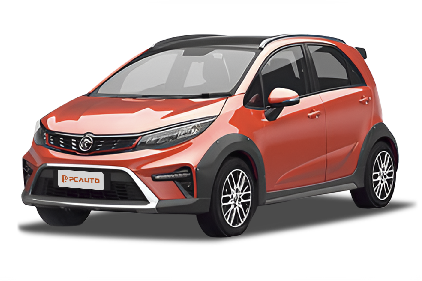
2023 Proton Iriz 1.3 Standard CVT is an affordable, well-balanced entry-level B-segment hatchback with safety features, suitable for budget-conscious families focusing on safety and practicality for daily commuting.
2
Rank in Hatchback

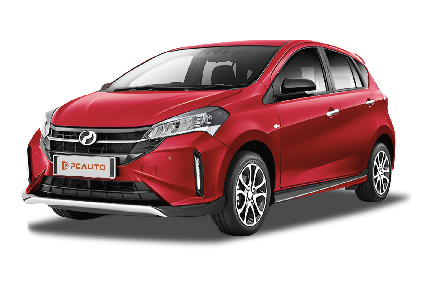
2023 Perodua Myvi 1.3 G with PSDA is an affordable B-segment hatchback, combining practical space, basic features, and PSDA safety assistance, suitable for family commuting.

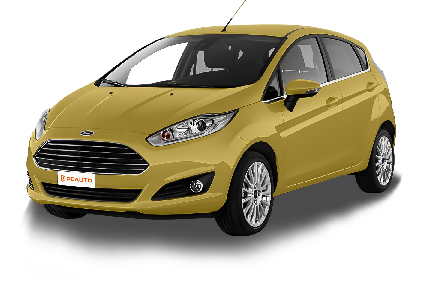
2022 Ford Fiesta public is a B-Segment model with responsive power, economical fuel consumption, and rich safety features, suitable for young families or individual users who prioritize driving experience and safety.
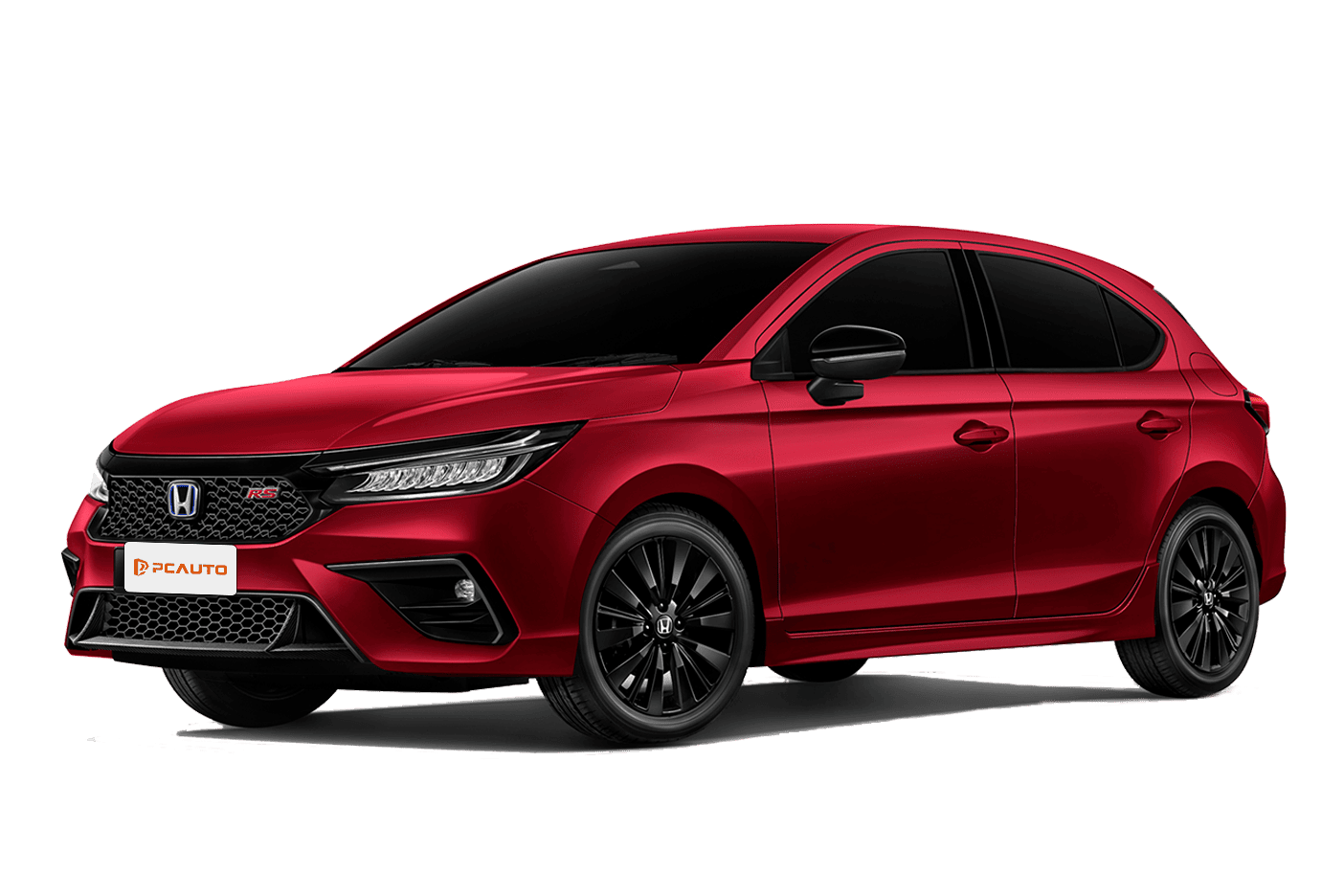
2024 Honda City Hatchback 1.5 S, as a high-value entry-level hatchback, comes standard with Honda Sensing and 6 airbags, offering practical space, economical fuel consumption, and balancing safety with daily commuting needs.