

Mazda CX-5 Review

 Share
Share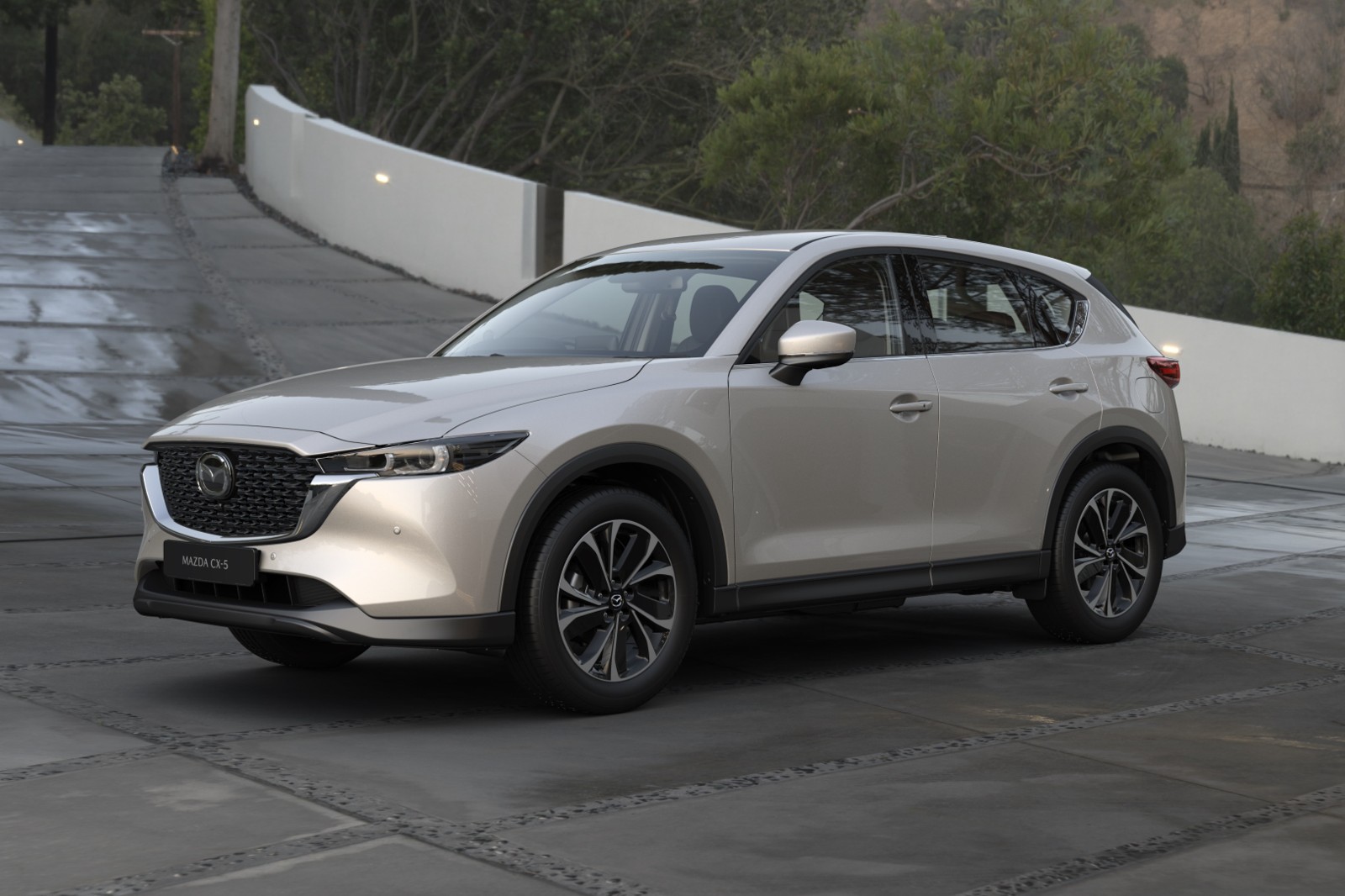

 Segment
 Body Type
 Capacity(L)
 Engine Power(PS)
 Engine Torque(Nm)
 Transmission
Nowadays, the competition in the C-Segment SUV market is becoming increasingly intense. Consumers not only pursue fuel efficiency for daily commuting but also value safety features and driving comfort. The 2024 Mazda CX-5 2.0G 2WD Mid is a popular choice in this market segment. Priced at RM143,300, it comes equipped with many premium safety and comfort features, with minimal differences in core functions compared to higher-spec models. The core purpose of this test drive is to verify whether it meets the core needs of family users in terms of static experience and dynamic performance, while also evaluating whether the upgrades compared to the previous models are genuinely practical.
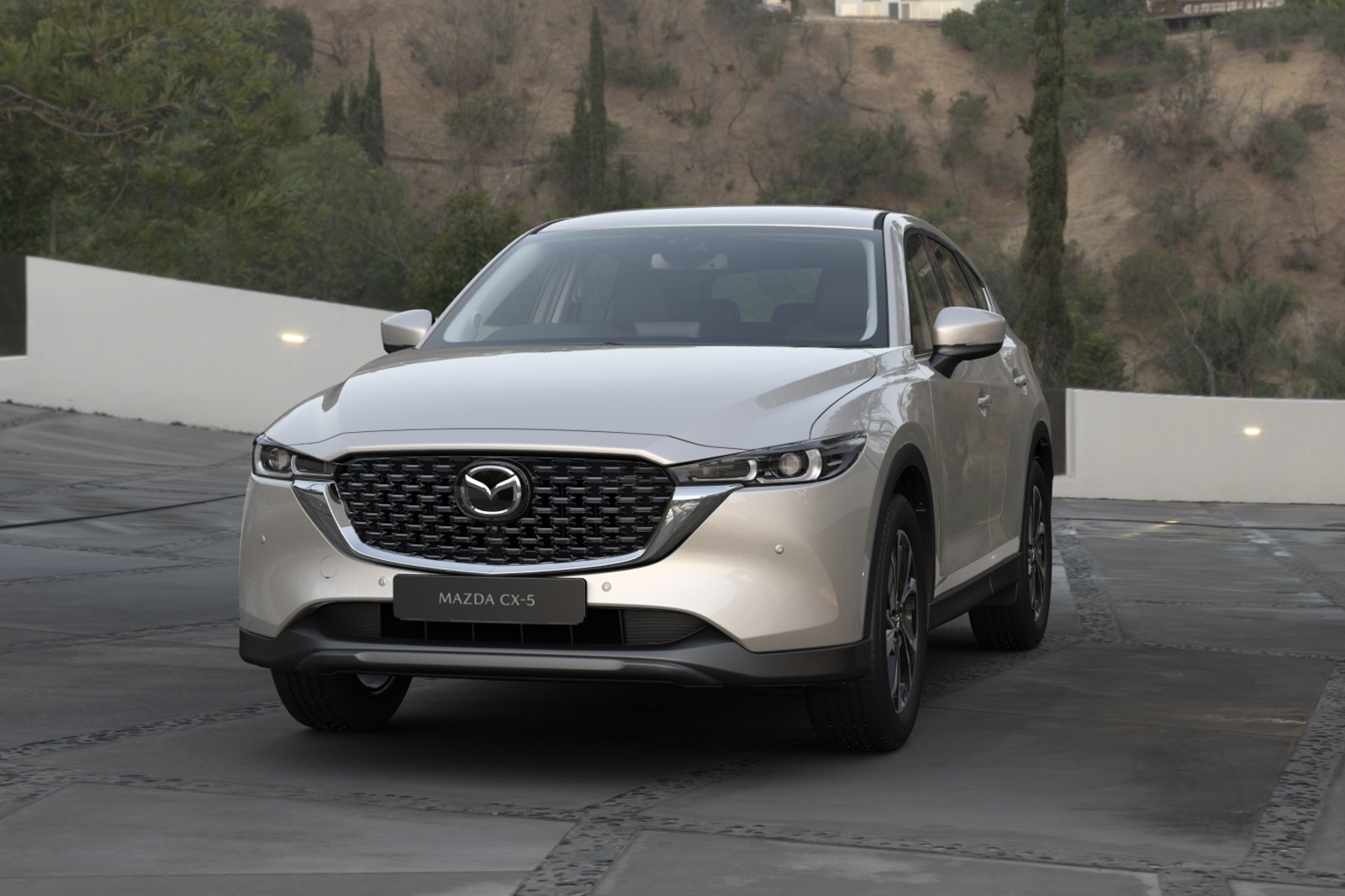
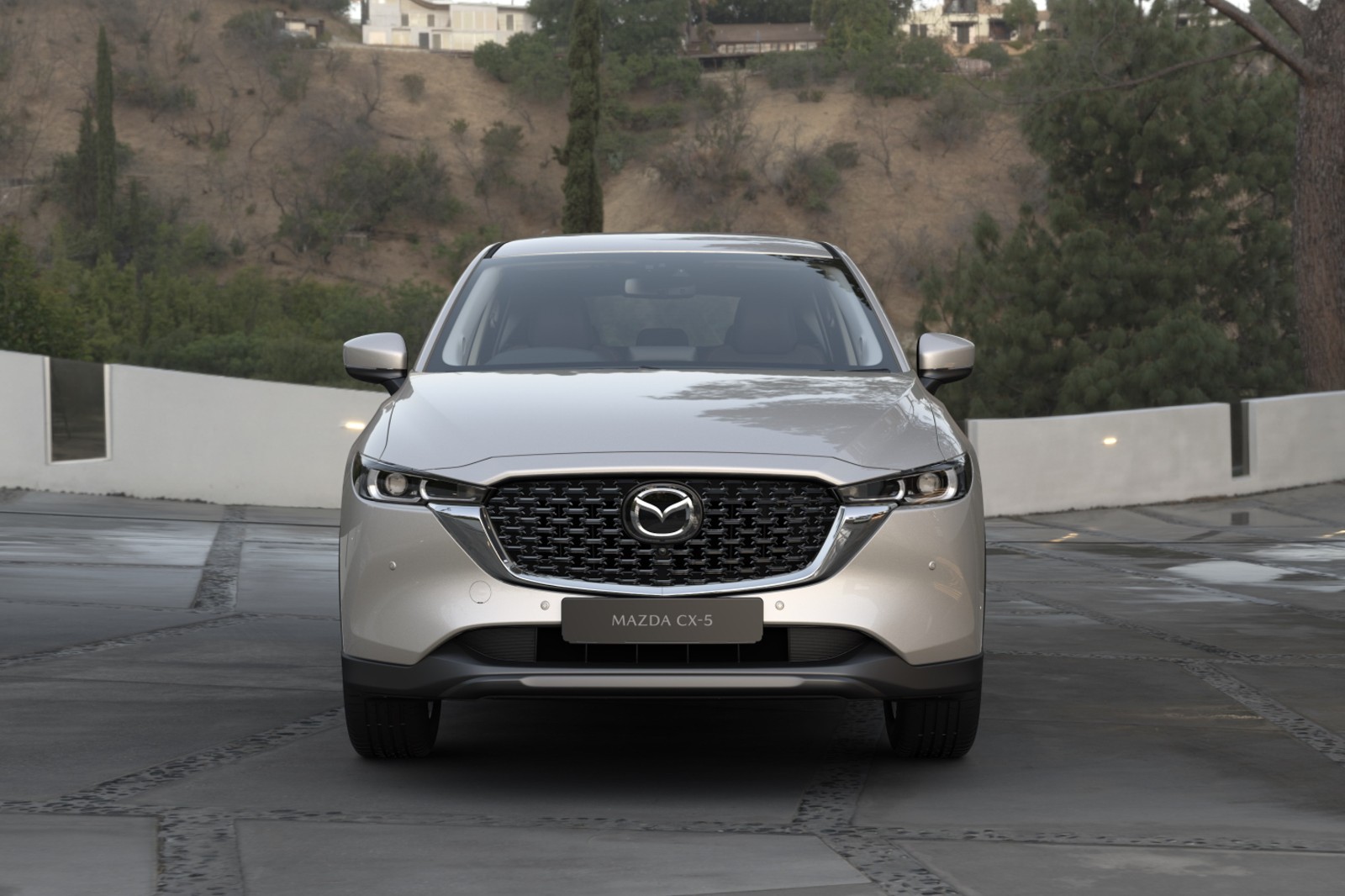
Approaching the 2024 CX-5 2.0G 2WD Mid, you can first feel the distinctive KODO design style of the Mazda family. The front shield-shaped grille, complemented by chrome accents, connects seamlessly with the sharp LED headlights on both sides. The overall design lines are smooth and layered, with a high level of recognition when the daytime running lights are illuminated. The side of the body maintains the rugged posture of an SUV, with a waistline extending from the front to the rear. The 225/65 R17 tire specification strikes a balance between comfort and versatility. The LED tail lights at the rear adopt a slender design, echoing the front, while the rear bumper lines enhance the sporty feel. The overall exterior design is neither ostentatious nor lacking in sophistication, aligning with the aesthetic preferences of most family users.
Opening the door, the interior layout is straightforward and focused on practicality. The dashboard is wrapped in soft-touch materials, providing a delicate texture. The multifunctional steering wheel buttons are logically arranged, allowing for operation without taking your eyes off the road. Although the 7-inch full-color touchscreen is not particularly large, it offers clear display quality and is complemented by the Sound Plus function and 6 speakers, making it sufficient for enjoying music on a daily basis. Regarding the seats, the driver’s seat supports 10-way electric adjustments, while the passenger seat supports 6-way electric adjustments, offering greater convenience compared to the manual adjustments of the 2019 model with the same configuration. Comfortable seating positions can be easily achieved even during long drives. In terms of details, keyless entry/start, dual-zone automatic air conditioning, rear air vents, and a 220V power outlet all come as standard features, meeting outdoor electricity needs. Overall, the configuration achieves a balanced performance among models of the same price range.
As for space, the 4550mm length, 1840mm width, and 2700mm wheelbase provide ample space for both front and rear passengers. With the front seats adjusted to a comfortable position, there is still about two fists of legroom left for rear passengers who are 175cm tall, and headroom doesn’t feel cramped either. The center seat’s floor bump is not too high, ensuring that even with three passengers in the rear row, it doesn’t feel overly crowded. The trunk offers a storage capacity of 442 liters, which is fully sufficient for daily items like strollers and suitcases. The rear seats support a 40/20/40 split-folding feature, allowing for expanded storage space to accommodate long trips or large items, making it highly practical.
In terms of power, the 2.0L naturally aspirated engine produces a maximum output of 121kW (164PS) and a peak torque of 213N·m. It is paired with a 6-speed automatic transmission. The power delivery during startup is smooth, with linear throttle response, providing good acceleration with light pedal input for daily urban commuting. Even in congested traffic with frequent stops and starts, it doesn’t feel jerky. At highway speeds, stepping harder on the accelerator will prompt the transmission to downshift quickly, allowing for smooth overtaking maneuvers. The official 0-100km/h acceleration time of 9.1 seconds may not be particularly fast, but it is more than sufficient for the daily needs of family users. Regarding driving modes, the standard mode offers the most balanced power output, while switching to sport mode makes the throttle response slightly more sensitive, though the overall difference is not particularly significant.
The handling and chassis performance continue Mazda's consistent solid feel. The steering wheel is precise with minimal slack, and the front of the car's directionality can be clearly felt when cornering. The combination of the front MacPherson independent suspension and rear multi-link independent suspension effectively filters out road bumps. When going over speed bumps or uneven roads, the car body does not shake too severely, ensuring comfort for rear passengers. The minimum ground clearance of 195mm, slightly improved from the 2019 model's 188mm, provides more confidence when handling slightly rough rural or uneven roads.
In terms of fuel consumption, the official combined fuel consumption is 6.9L/100km. During the actual test drive, the fuel consumption in congested city roads was about 8.2L/100km, while on highways it dropped to around 6.5L/100km. Overall, the fuel efficiency meets expectations. With a 56L fuel tank, a full tank can provide a driving range of over 700km, reducing the inconvenience of frequent refueling. As for safety features, six airbags, lane change assist, lane departure warning, autonomous emergency braking, and a 360-degree panoramic camera system all come as standard. These features are more comprehensive than those of some competitors in the same price range, providing a decent sense of security for daily driving.
In terms of driving and riding comfort, the overall sound insulation of the vehicle is commendable. Wind noise and tire noise are well controlled during high-speed driving, and they do not disturb the normal conversation of passengers inside the car. The engine start-stop system effectively reduces fuel consumption when waiting at traffic lights, and the vibrations upon restarting are minimal, ensuring no significant discomfort. The seat cushioning is moderately soft, providing good lumbar support, and passengers won’t feel back pain even after prolonged seating. The overall performance meets the comfort needs of family users.
Overall, the core advantages of the 2024 Mazda CX-5 2.0G 2WD Mid lie in its well-balanced configuration, solid handling, and practical space. Compared to competing models in the same price range, it offers more comprehensive safety features, and its seat adjustment functions are more convenient. Although its power is not particularly strong, its fuel efficiency and comfort can meet the needs of family users. Compared to the 2019 model of the same configuration, the upgraded electric seats and improved safety systems are significant advancements.
This car is suitable for family users who value balanced performance, especially for consumers who need to balance daily commuting with weekend family outings. It has no particularly obvious shortcomings, and whether in terms of space, configuration, or fuel consumption, it meets the core needs of most families. If your budget is around RM 140,000 and you're looking for a reliable, practical, and well-equipped SUV, the 2024 Mazda CX-5 2.0G 2WD Mid is worth considering.
In conclusion, the 2024 Mazda CX-5 2.0G 2WD Mid is a family SUV that balances practicality and comfort. Its well-rounded performance gives it a competitive edge among vehicles in the same price range, making it a good choice for consumers seeking reliability and practicality.
Mazda CX-5 Car Compare

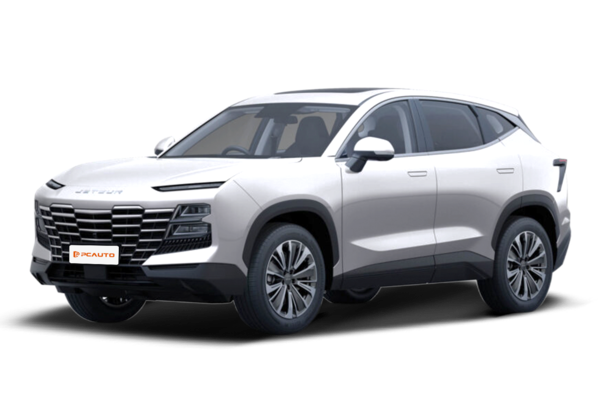
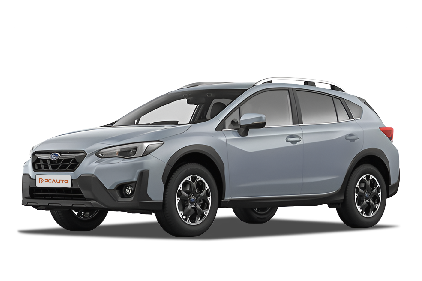
Mazda CX-5 Loan Calculator
More Mazda Reviews
Cars With Similar Price And Features
8
Rank in SUV
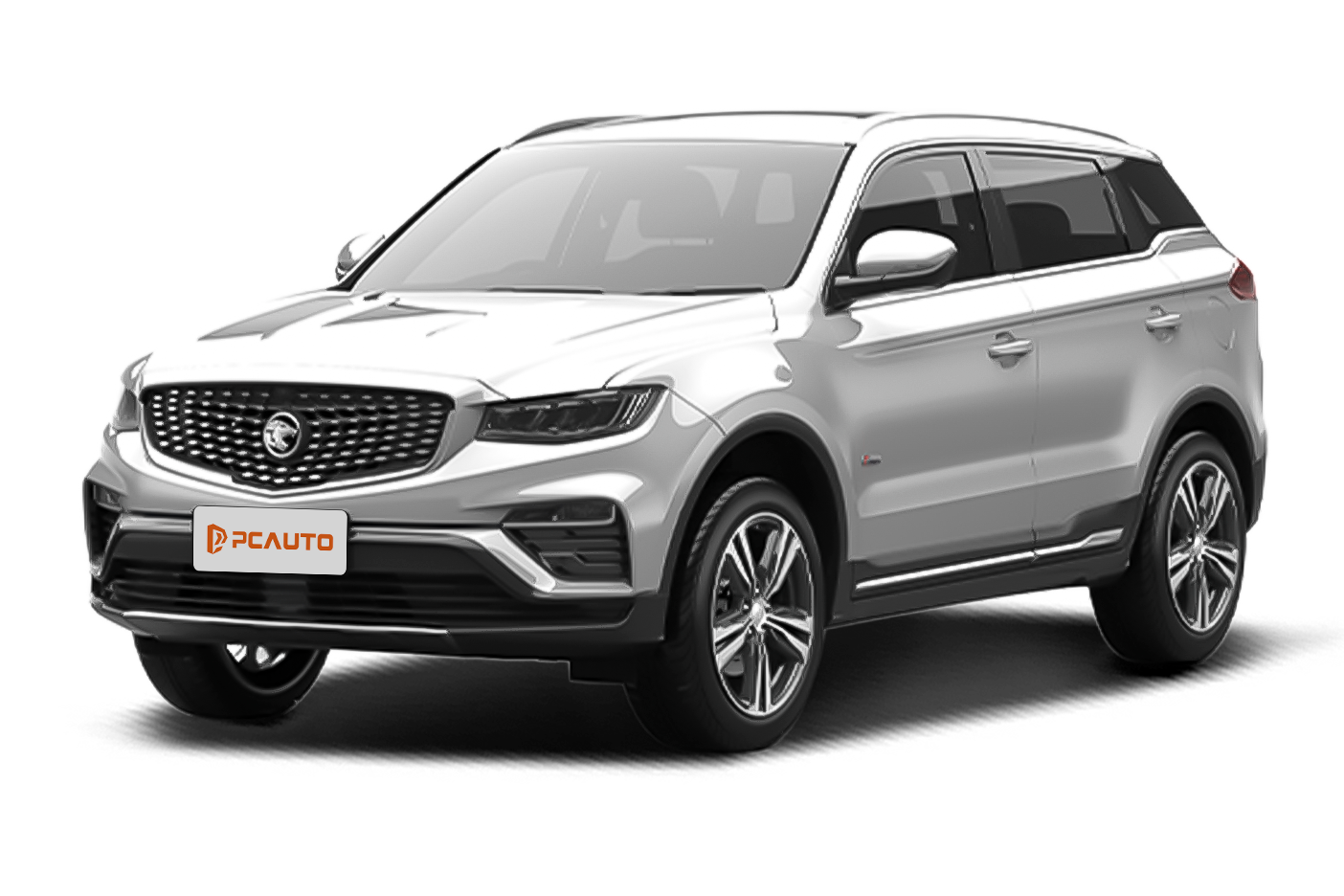
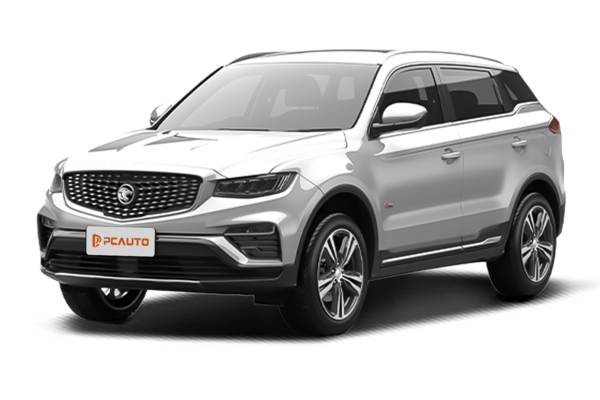
2026 Proton X70 1.5 TGDi Executive focuses on upgrading to a four-cylinder engine, practical configurations, and affordable pricing. It balances family commute practicality with value for money, making it a sensible choice among similarly priced C-segment SUVs.
10
Rank in SUV
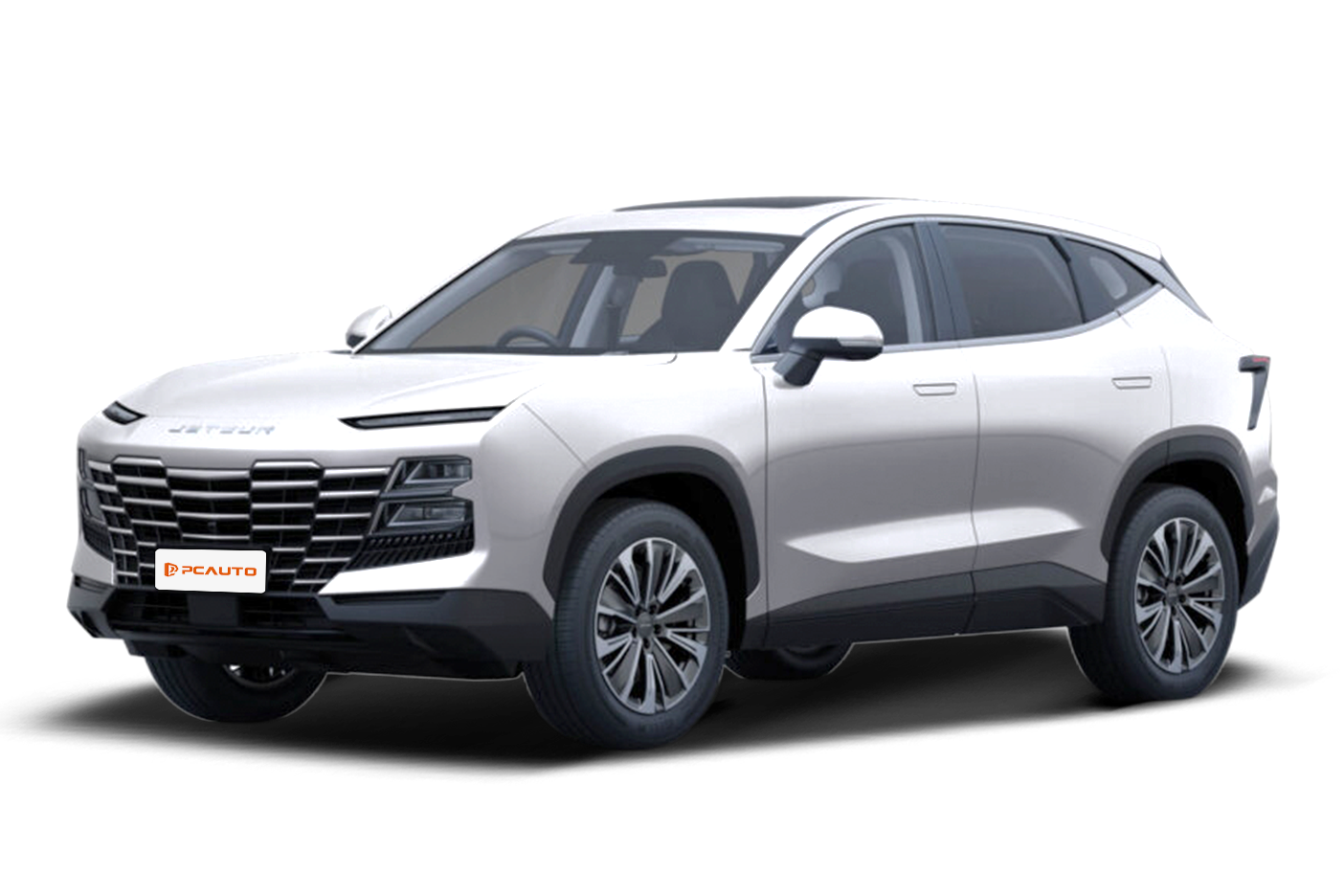
Jetour Dashing 1.5 TCI Comfort 2025 features a 2720mm long wheelbase and a 10.25-inch dual screen as its core, focusing on balanced cost performance to meet family practical needs.
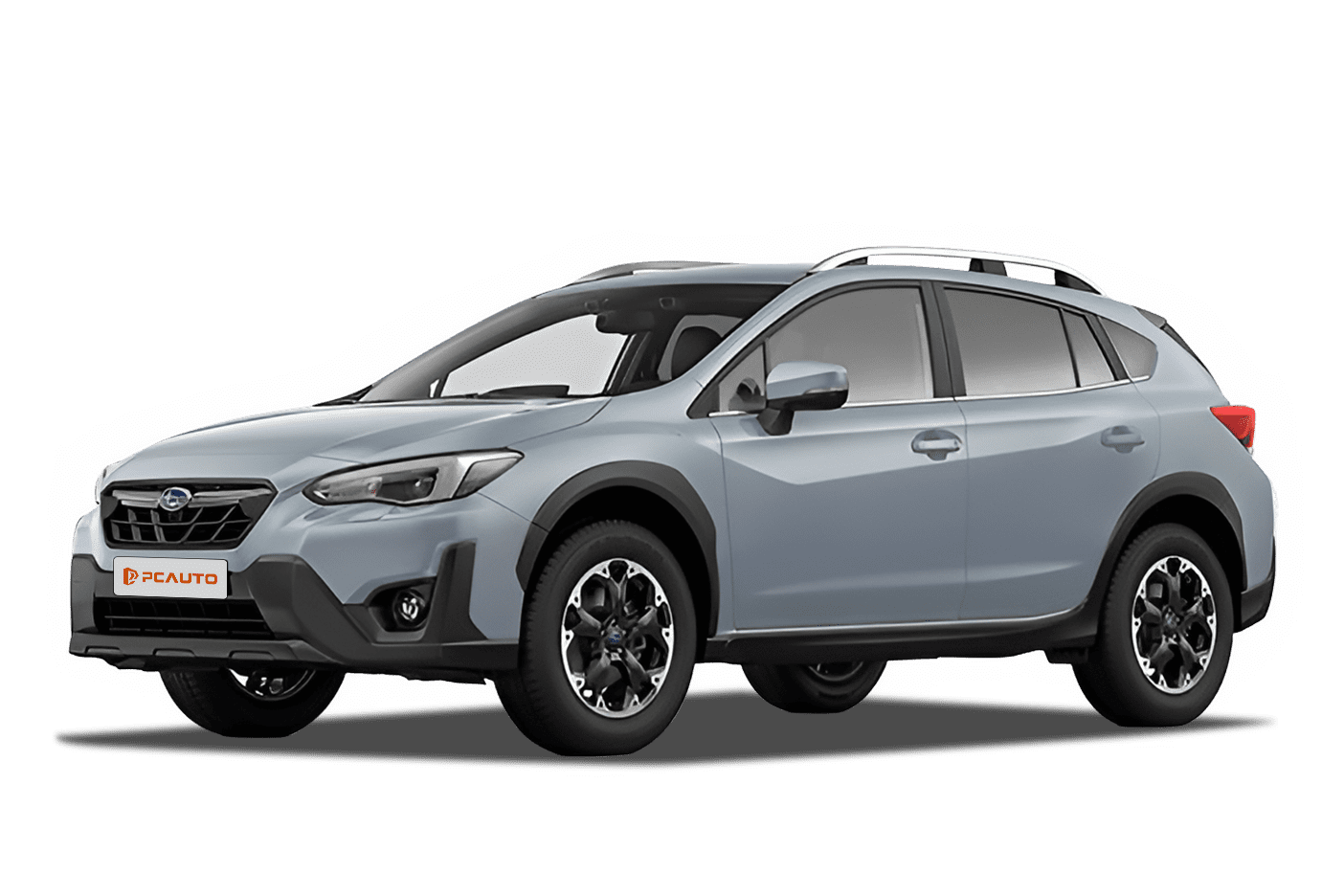
The 2021 Subaru XV 2.0i is a model targeting the C-segment crossover market, equipped with standard all-wheel drive and high safety features, balancing off-road capability and handling, with practical space.

2021 Hyundai Kona 2.0 Standard, as a high-value entry-level compact SUV, retains essential safety and practical features with an affordable price, meeting the daily commuting and loading needs of families.