
McLaren 600LT 2019 Review

 Share
Share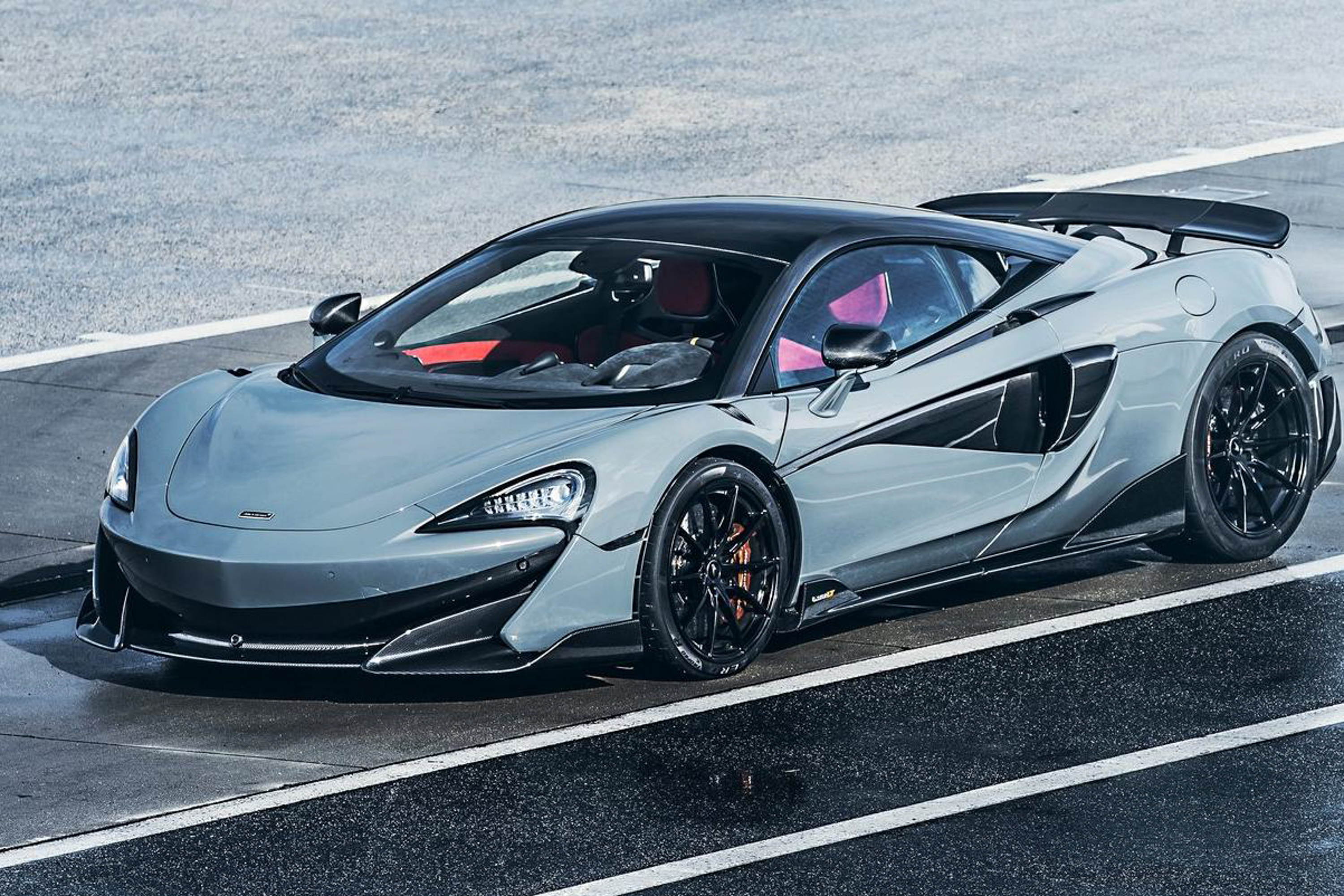
 Segment
 Body Type
 Capacity(L)
 Engine Power(PS)
 Driven Wheels
 Engine Torque(Nm)
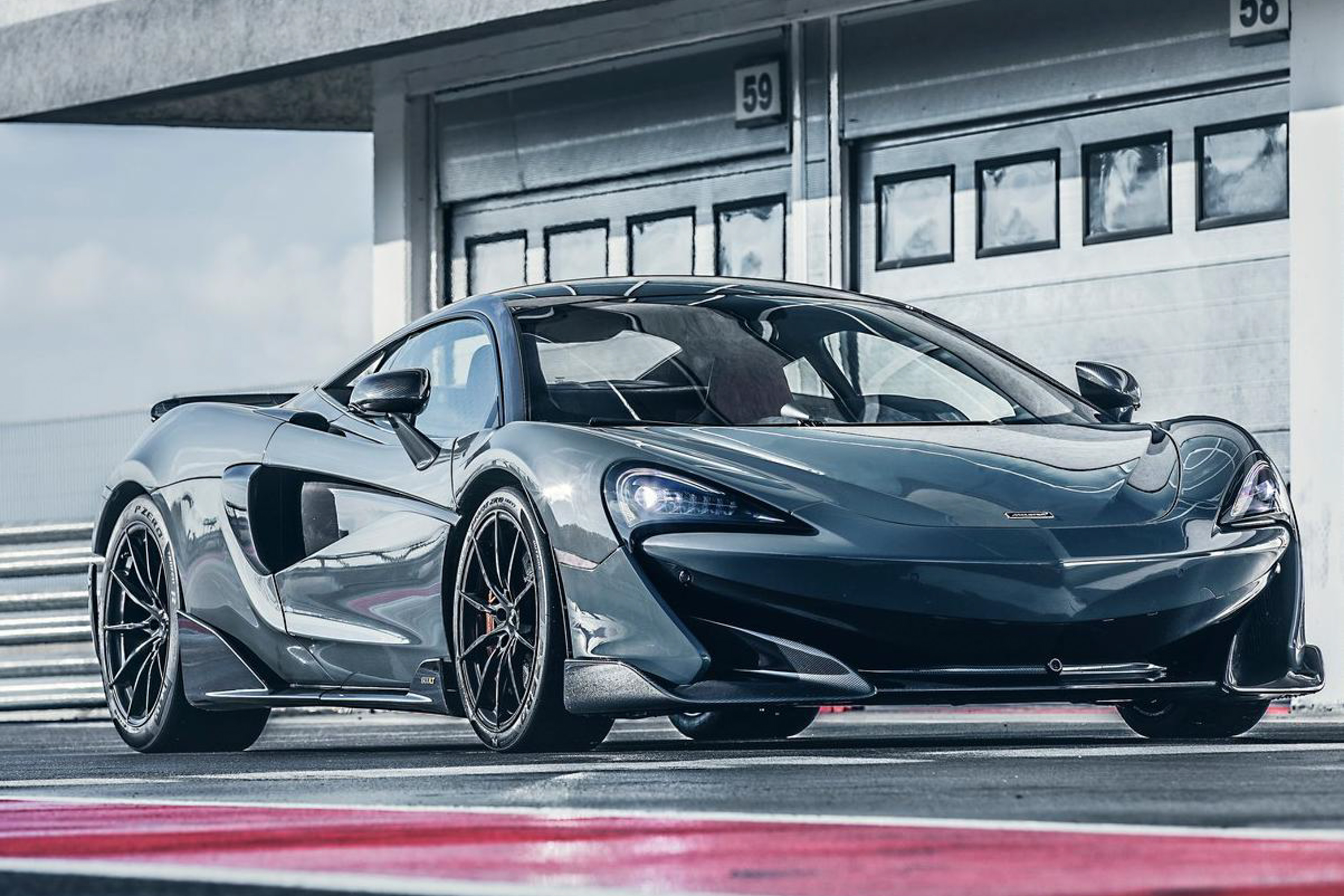
In Malaysia's current sports car market, there aren't many mid-engine performance cars available for under RM 3 million, but the demand for a "track-level experience that's usable daily" is on the rise. The 2019 McLaren 600LT (including the Spider convertible version), as the entry point for the brand's "Longtail" series, is marketed as offering near-supercar-level power output and lightweight design at a relatively affordable price (RM 2,389,712). The primary purpose of this test drive is to verify whether it can balance track performance with everyday driving practicality, as many buyers of such cars don't just use them for weekend drives in the mountains but occasionally need them for city commutes as well.
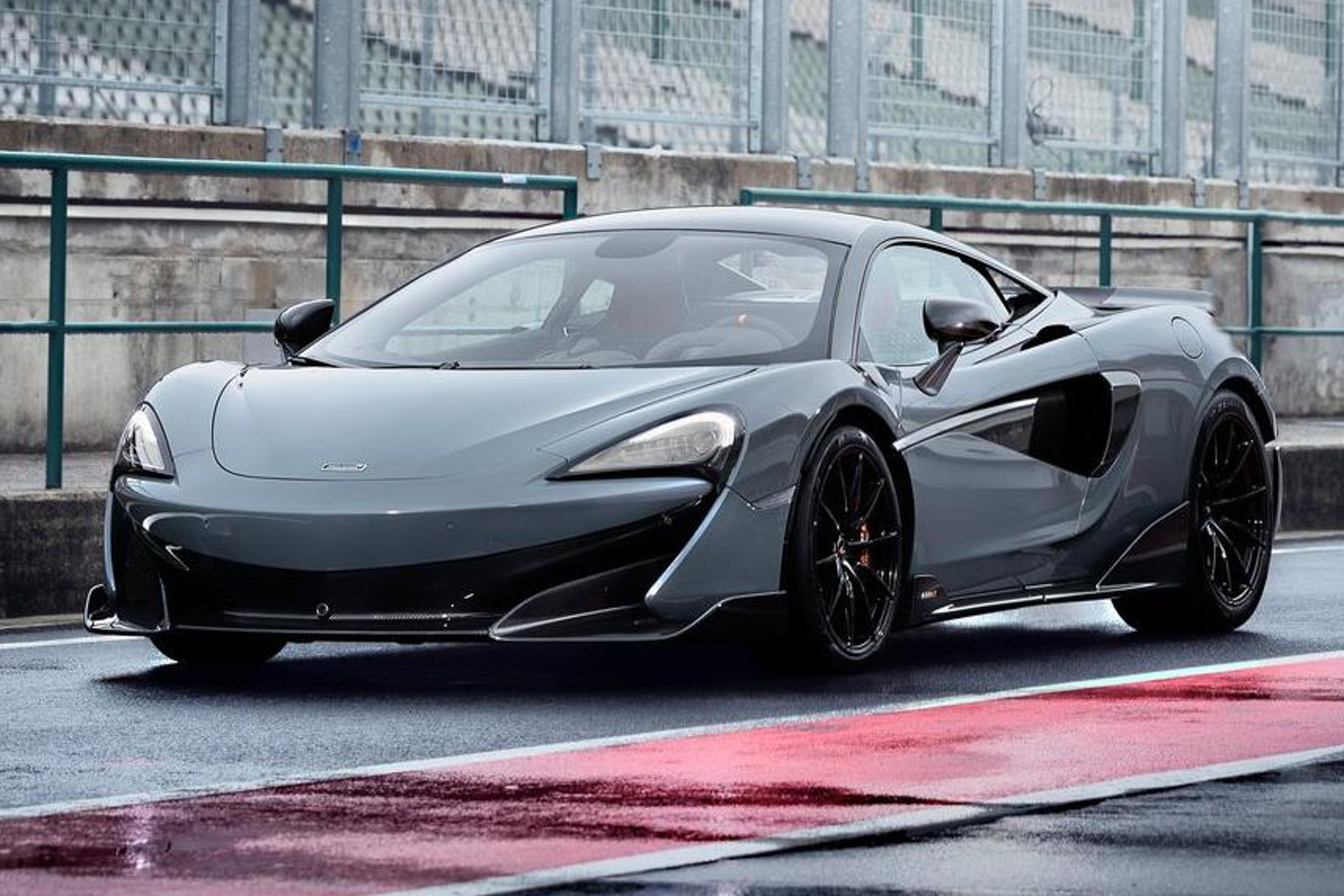
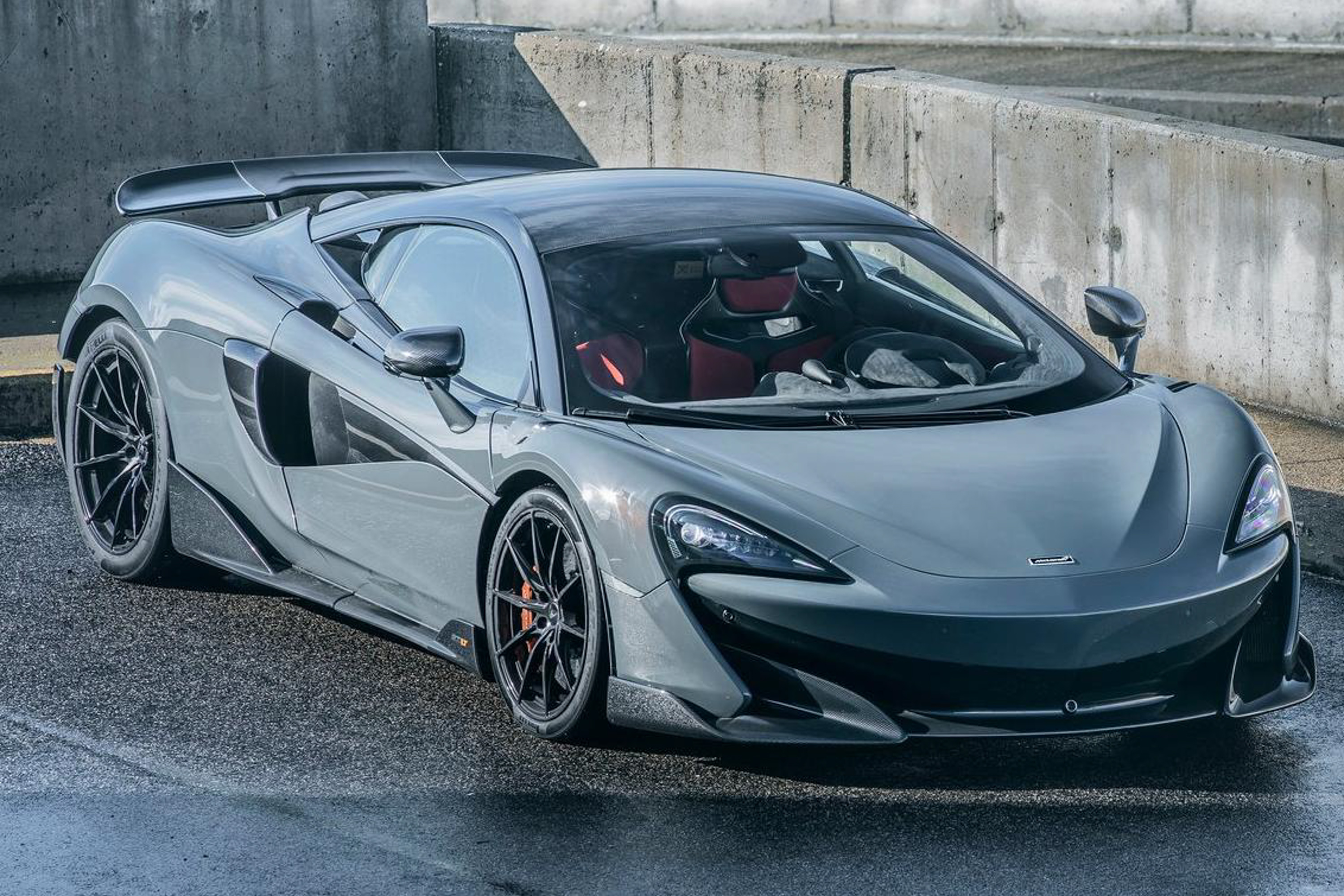
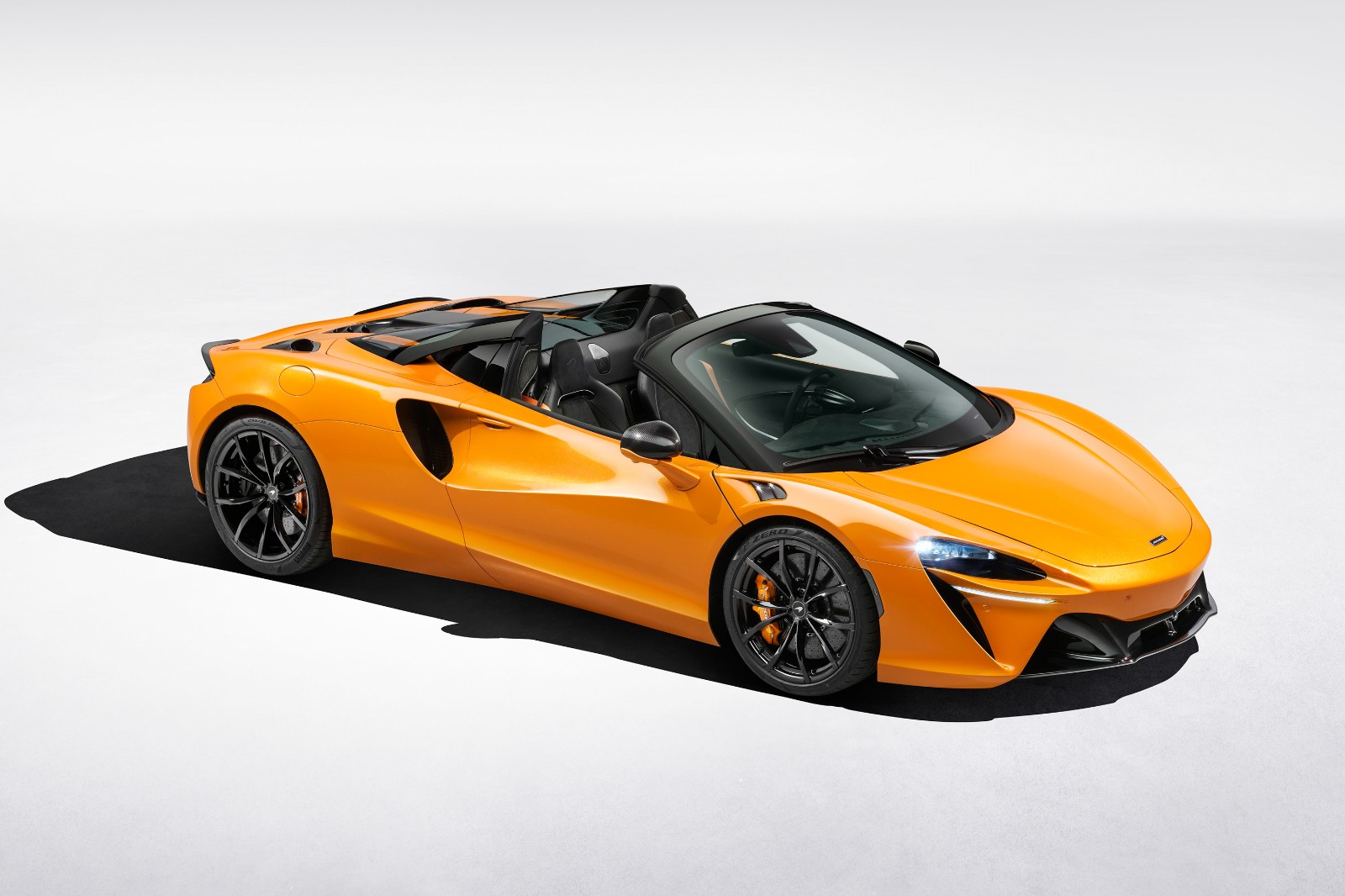
From a static perspective, the 600LT's exterior design is entirely performance-oriented. The front face adopts McLaren's signature carbon fiber front lip, with larger side air intakes than the standard 570S, allowing more air to cool the brakes and engine. The most striking feature on the sides of the car is the "butterfly door" design, which has extremely high recognizability when opened; the door handles are hidden and automatically retract when locked to reduce wind resistance. The changes at the rear are the most apparent, with an elongated tail design coupled with a large carbon fiber diffuser. The roof (hardtop version) and the engine cover also use carbon fiber material, optimizing the drag coefficient by 8% compared to the 570S. The lighting system is fully LED, with automatic headlights and daytime running lights as standard configurations. The rear fog lights are embedded on both sides of the diffuser, serving more functional purposes than decorative ones.
Sitting inside, the interior doesn't feature excessive luxury decorations and is centered around "driver-focused" design. The center console is tilted toward the driver, with a 7-inch floating touchscreen that's easy to operate and similar in logic to standard household cars, making it quick to get accustomed to. In terms of materials, Alcantara is used on the seats, steering wheel, and the inner side of the door panels, offering anti-slip and stain-resistant properties. Carbon fiber trim is applied to the center console area and seat frames to further reduce weight. In terms of configuration, it avoids too many flashy features but meets basic needs: keyless entry, dual-zone automatic air conditioning, and a multifunction steering wheel (with paddle shifters) are all standard. It is worth noting that there’s no additional storage space in front of the passenger seat, and the storage compartments in the door panels can only fit a single water bottle. While it’s fine for carrying small items during daily commutes, storage capacity for long-distance trips is limited.
Space performance aligns with the positioning of a two-door, two-seater sports car. With a wheelbase of 2670mm, the legroom in the front (since there’s no rear) is just right for a driver who is 180cm tall. Due to the mid-engine layout, headroom in the hardtop version feels slightly cramped compared to the Spider convertible version — with the roof open in the Spider, there’s essentially no restriction on headroom. The seats are made of carbon fiber bucket design, offering excellent lateral support. The waist and shoulder bolstering can hold the body firmly in place during cornering but may feel a bit stiff during long drives (over 2 hours). There’s no central armrest in the front, and the cup holders are hidden; when folded away, they don’t interfere with gear shifting. Air conditioning vents are located below the central touchscreen, with airflow adjustment and temperature control available via either the touchscreen or physical buttons. The cooling speed is decent during traffic jams in the city.
Dynamic driving is the core advantage of the 600LT. In terms of power, its 3.8L twin-turbocharged V8 engine delivers a maximum output of 600PS, with peak torque of 620N·m (achievable between 5500-6500rpm, though the official data isn’t stated but matches other engines with similar displacement). Paired with a 7-speed dual-clutch transmission, a slightly deep throttle press during takeoff can cause the rear wheels to slip lightly (due to the rear-wheel-drive layout). Acceleration from 0-100km/h indeed matches the official claim of 2.9 seconds. Switching to "Sport" or "Track" modes speeds up gear changes significantly, and during downshifting, the system automatically rev-matches, with the exhaust note transitioning from a low rumble to a high-pitched roar — especially at high RPMs, the crackling sounds from the exhaust are notable. For daily use, selecting the "Normal" mode makes the power delivery much smoother, ensuring that following cars in traffic doesn’t feel jerky, and the throttle response is more linear.
In terms of handling, the double wishbone independent suspension is standard, and the suspension is tuned to be about 30% stiffer than the 570S. When navigating speed bumps in the city, the body jolts are directly transmitted to the seats but without a loose feeling. During mountain cornering, the suspension provides excellent support with body roll kept within 3 degrees (subjective perception). The steering wheel has almost no play; the car's front end turns precisely as much as you turn the steering. The rear-wheel-drive layout makes the rear end very agile, and when accelerating out of a corner, you can slightly feel the rear sliding, but the electronic stability control intervenes timely, so even beginners can handle it. The minimum ground clearance is 92mm, which is lower than a regular household car. Slowing down is necessary over speed bumps or when driving on inclined ramps of underground garages, but the standard chassis lift system (selected as an option for this test vehicle) can temporarily raise the car by 20mm, making it suitable for handling daily road conditions.
In the specialized testing section, we focused on fuel consumption and braking. In terms of fuel economy, city commuting (congested roads) shows a fuel consumption of about 15-16L/100km, while highway cruising (at 110km/h) can reduce it to 8-9L/100km, with a combined fuel consumption of 11.7L/100km, which is roughly consistent with the official data. The braking performance is excellent, with carbon ceramic brake discs (standard) paired with six-piston front calipers resulting in a braking distance of approximately 30 meters for 100-0km/h (non-professional test site, but repeated attempts showed consistent results within this range). Even with consecutive braking, no significant thermal fade was observed. Regarding sound insulation, the hard-top version at 120km/h on the highway mainly produces wind noise from the A-pillar, while the tire noise (285/35 R20 rear tires) is noticeable, but the engine noise is well-controlled and not too loud in Normal mode. The Spider convertible version, when the roof is closed, has sound insulation similar to the hard-top version. When the roof is opened, wind noise increases but does not interfere with normal conversation.
In summary, the key advantages of the 2019 McLaren 600LT are very clear: First, its mid-engine, rear-wheel-drive layout is rare at this price point, and the 600PS power output approaches supercar levels. Second, the lightweight design (96kg lighter than the 570S) brings agile handling and significant track potential. Third, the basic configurations are sufficient, making daily commuting not overly "user-unfriendly." Compared with the similarly priced Porsche 911 Carrera S (which has only 450PS of power), the 600LT has a clear performance edge. However, in terms of luxury and brand recognition, the 911 might be more appealing.
The target audience for this car is very clear: First, it suits driving enthusiasts who occasionally take it to the track, as its track limits are high while remaining manageable for everyday driving. Second, it's ideal for young individuals who value a "pure driving experience" over excessive luxury – especially the Spider convertible version, which is perfect for users who like to be flamboyant. If you're looking for a performance car that can handle both urban commutes and weekend track days, the 600LT is a tough contender to beat at this price point.
All in all, the 2019 McLaren 600LT is not a "jack-of-all-trades" car. Its storage space and comfort are not as good as household cars, but it outperforms many sports cars in its price range when it comes to "performance and daily usability." In one sentence: It's a "track toy you can drive daily." If you can accept its minor shortcomings, you can enjoy a driving experience close to that of a supercar.
McLaren 600LT Car Compare

McLaren 600LT Loan Calculator
More McLaren Reviews
Cars With Similar Price And Features
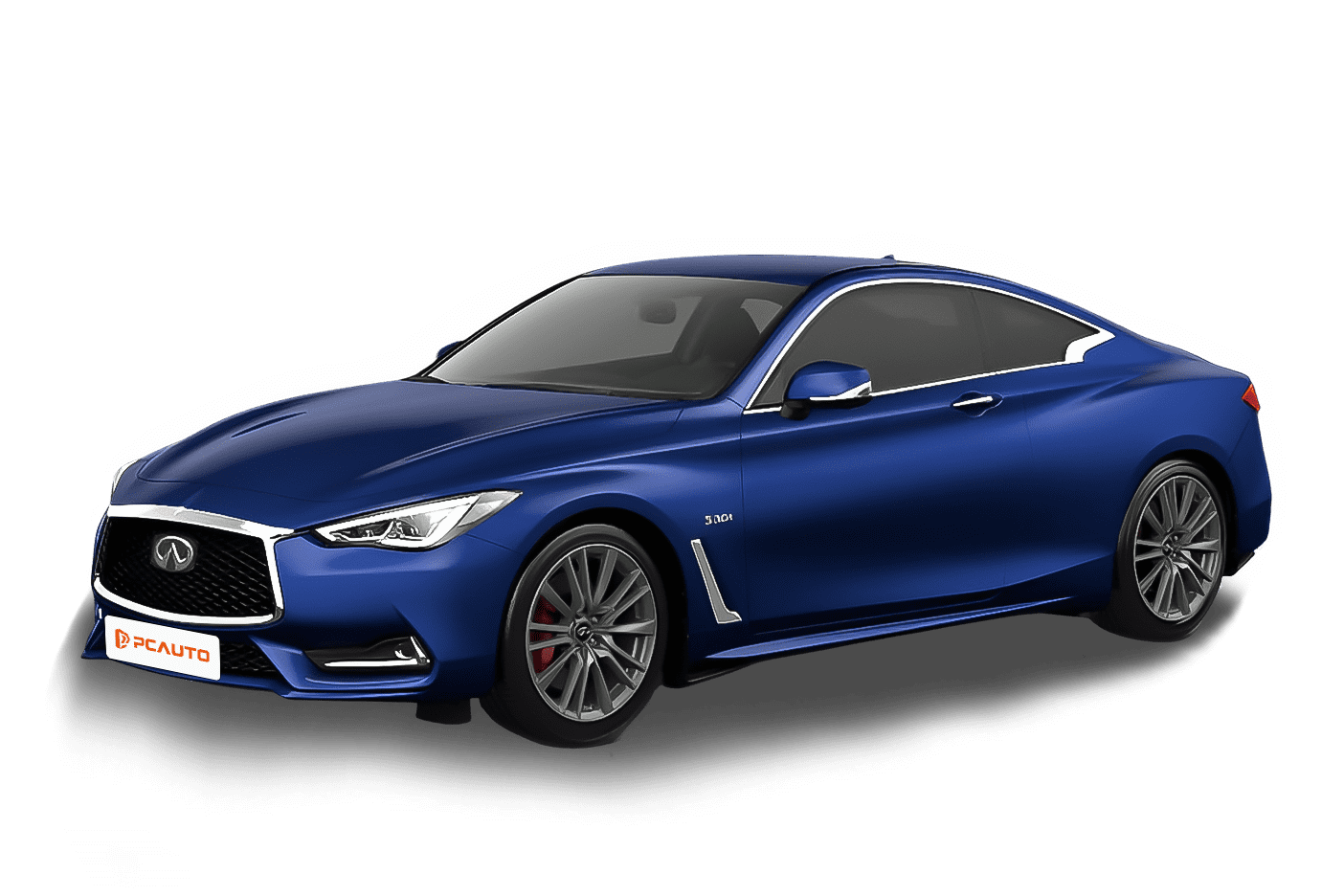
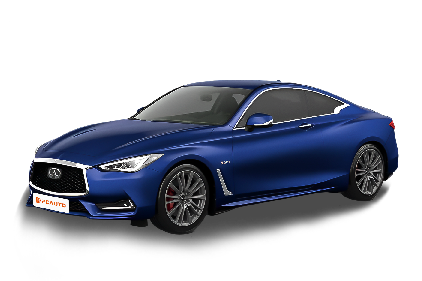
2017 Infiniti Q60 2.0t is a luxury coupe that balances sporty design and daily practicality, featuring a family-style exterior, BOSE audio system, and balanced power as its core selling points.
1
Rank in Coupe
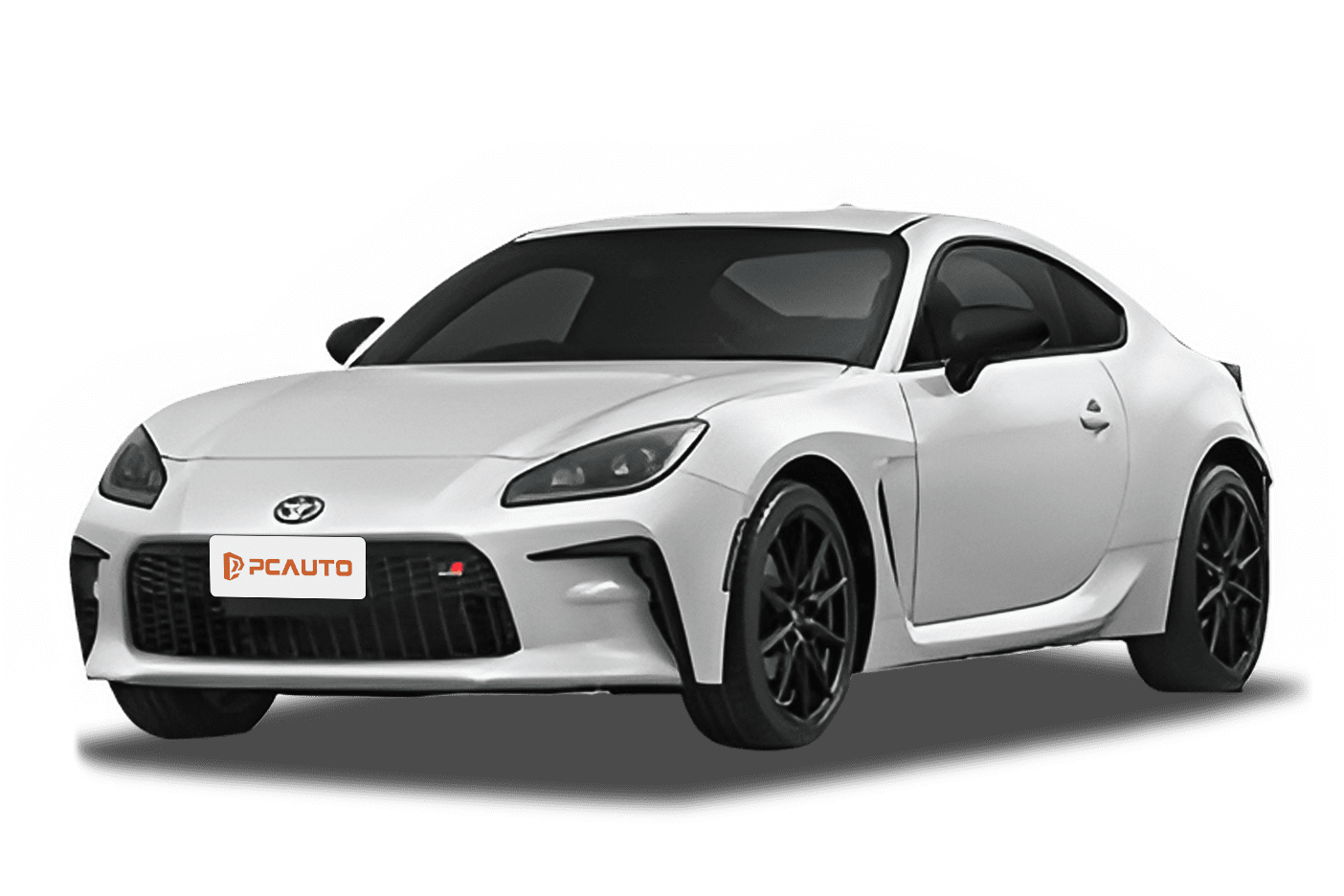
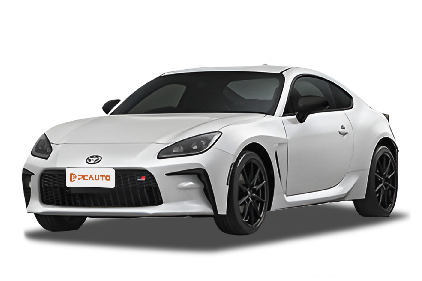
2023 Toyota GR 86 2.4 AT is a rear-wheel-drive sports coupe upgraded with a 2.4L naturally aspirated engine to address low torque issues, balancing daily commuting with pure driving pleasure.
10
Rank in Coupe
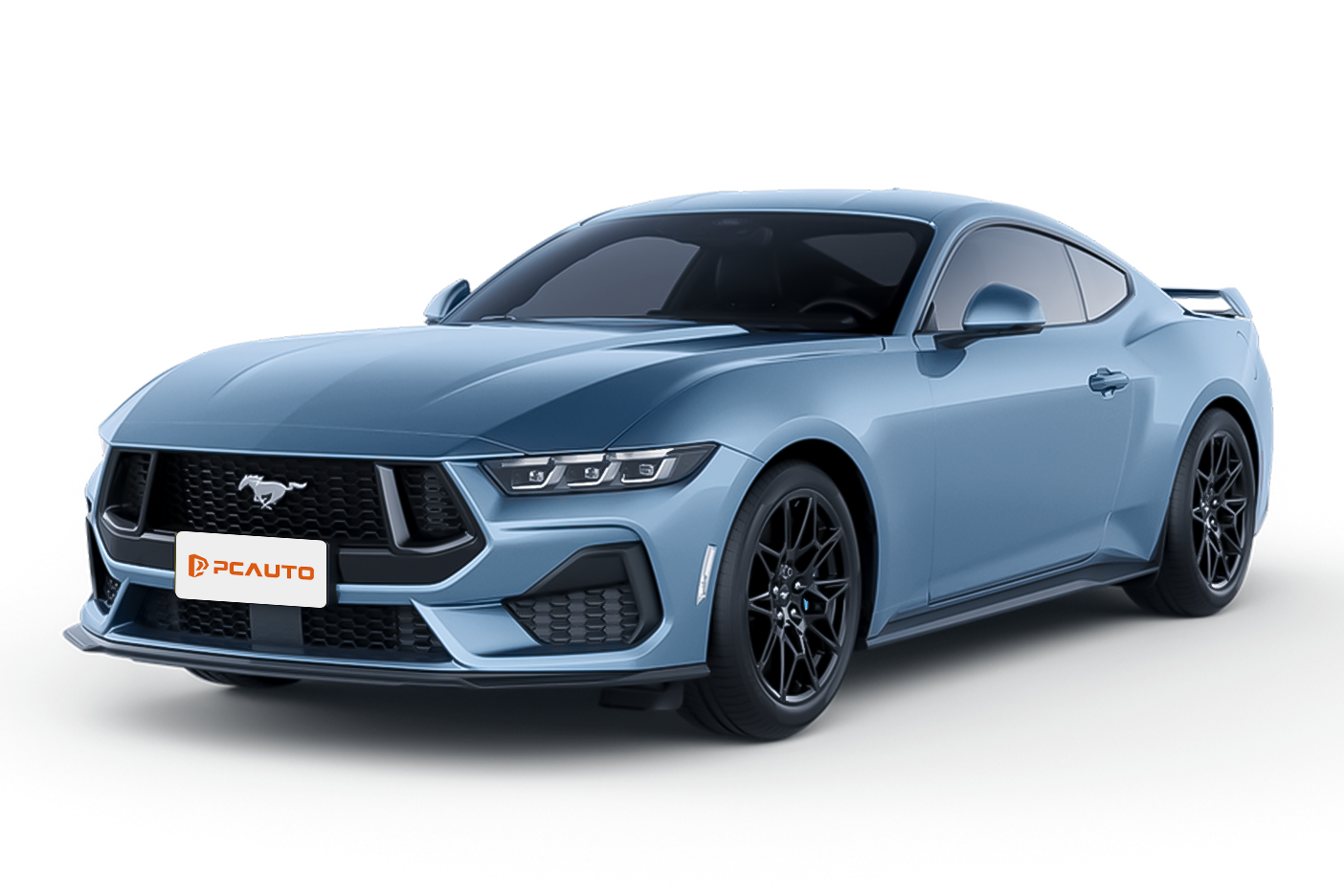
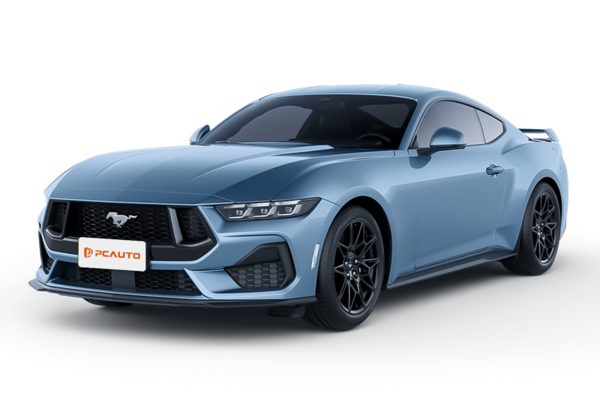
2018 Ford Mustang 2.3 EcoBoost retains the classic muscle car appearance with high cost performance, the 2.3T engine delivers 310PS horsepower, balancing performance and practicality for daily driving.
6
Rank in Coupe
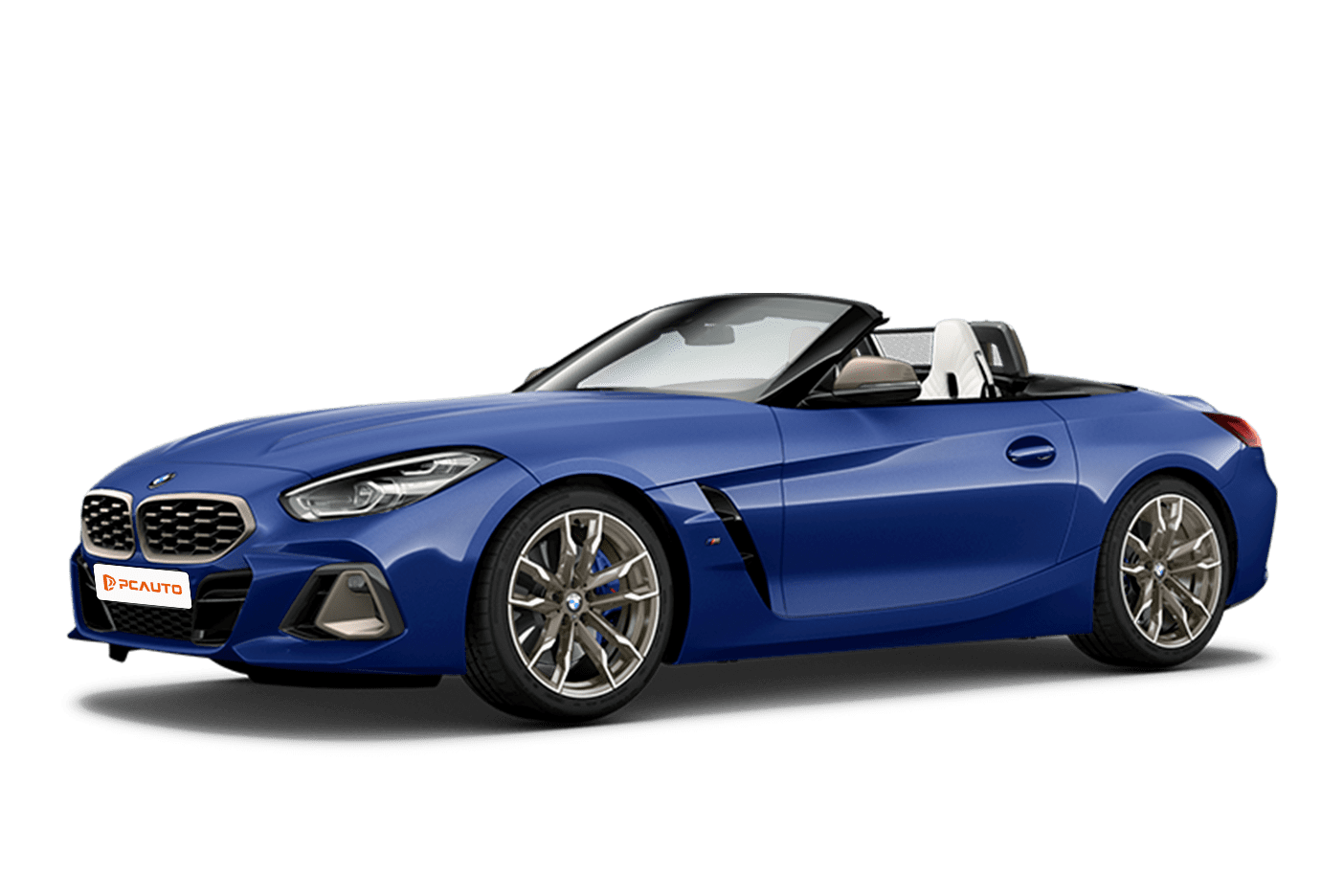
2023 BMW Z4 public, as a classic rear-wheel-drive convertible sports car, balances driving pleasure and daily practicality, with class-leading intelligent features and a compact body precisely meeting the needs of Malaysian users.