
2019 McLaren 600LT Spider Review

 Share
Share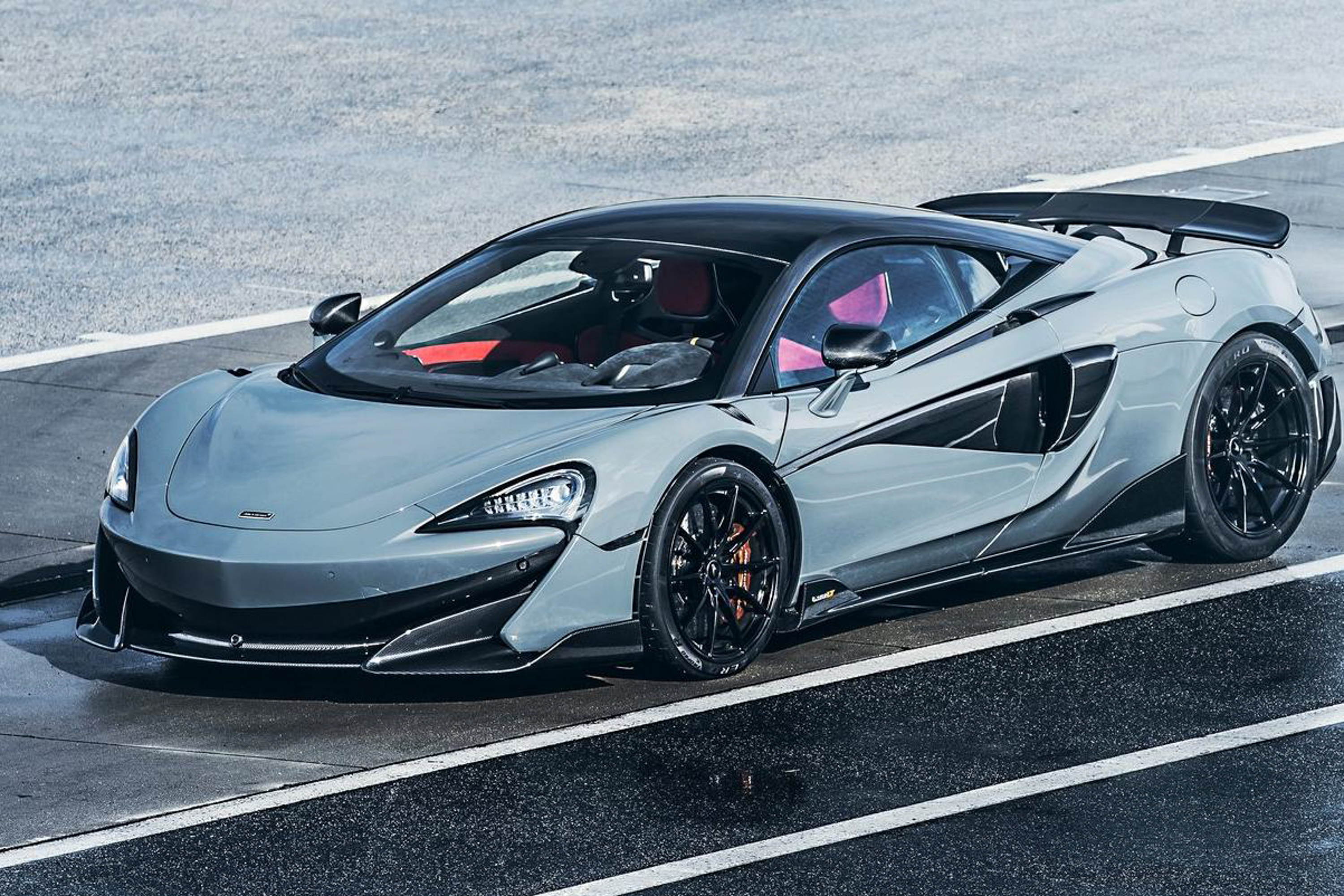
 Segment
 Body Type
 Capacity(L)
 Engine Power(PS)
 Driven Wheels
 Engine Torque(Nm)
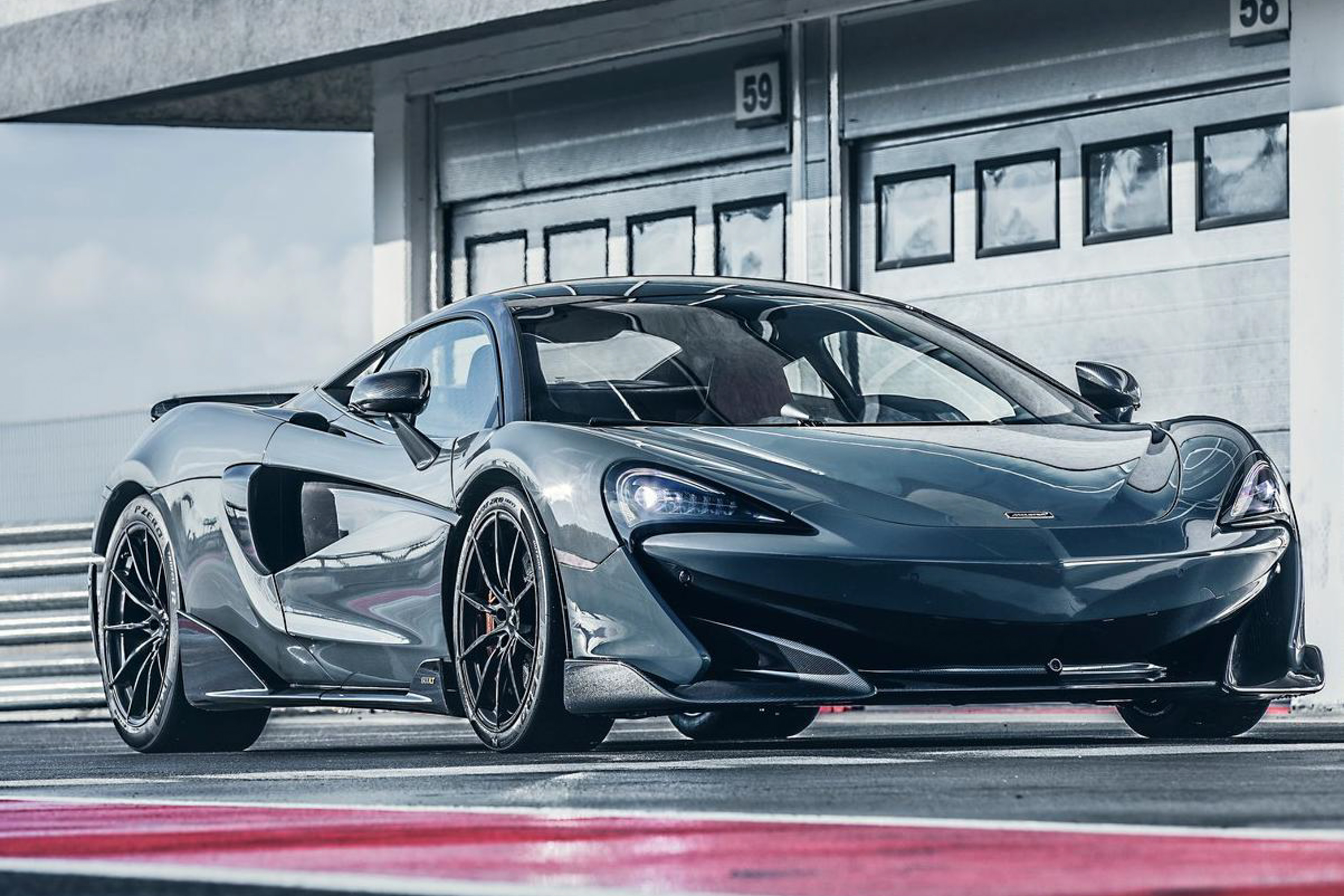
The 2019 McLaren 600LT Spider is a rare convertible model in the supercar segment that combines track performance with everyday practicality. In Malaysia, consumers pursuing extreme driving pleasure without giving up the convertible experience often find themselves compromising between a "hardcore track car" and a "comfortable convertible GT." However, the arrival of the 600LT Spider seems to break this balance—it inherits the lightweight DNA of the LT series while retaining the driving ritual brought by the convertible design. This time, we got our hands on the actual car, with the core purpose of testing its balance between track performance and daily commuting, to see if this supercar, priced at RM 2,389,712, truly delivers both "passion" and "ease."
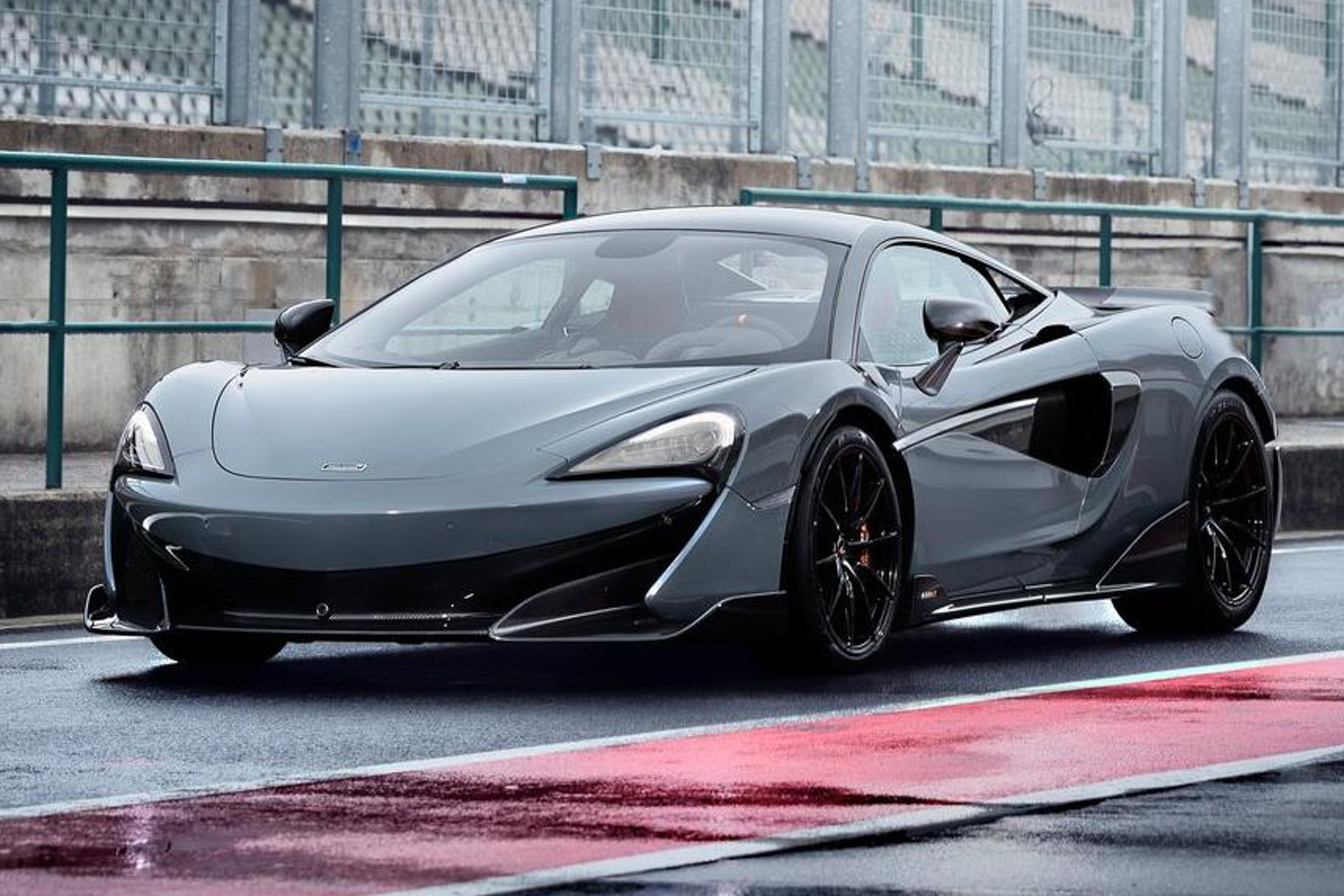
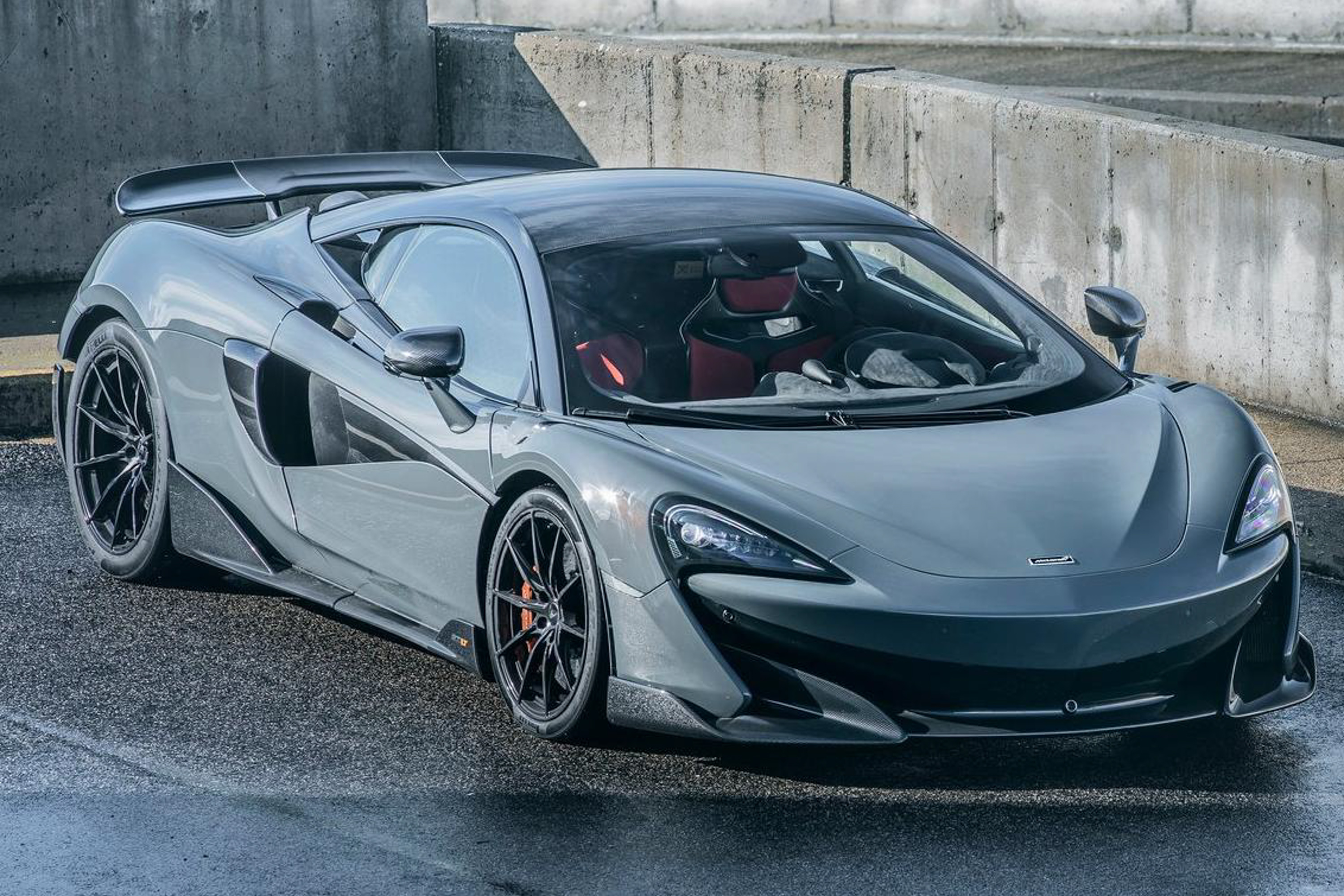
From the exterior, the 600LT Spider completely avoids the "softened" design traditionally associated with convertible supercars. The front face continues the aggressiveness of the hardtop version, with a large front splitter paired with blacked-out side air intakes that directly emphasize its track-oriented nature. The side profile of the car features compact lines, with side skirts extending from the front fenders to the rear subtly tapering inward, paired with 19-inch front/20-inch rear forged wheels that make the visual center of gravity appear very low. The highlight of the rear is the carbon-fiber diffuser and the centrally mounted twin exhausts, positioned even higher than the regular version. The exhaust note upon ignition can instantly trigger adrenaline without the need for "warming up." It is worth mentioning that the convertible mechanism features a hardtop design, almost indistinguishable from the coupe version when closed, with only subtle curvature in the roofline giving it away. This design retains the coupe's sleekness and allows the roof to open or close within 15 seconds (operable at speeds below 50 km/h). The lighting system is fully equipped with LED lights, and both automatic headlights and daytime running lights come as standard, making its practicality quite reasonable for a supercar.
Stepping into the interior, the 600LT Spider's design is entirely "driver-focused." The center console lacks unnecessary embellishments and is mostly wrapped in Alcantara material, which feels soft and anti-slip. The 7-inch touchscreen infotainment display is not large but has a clear user interface, featuring basic functions like Bluetooth and navigation. However, adjusting settings does require slightly lowering your head, making it more suitable for use when parked. The seats are made of carbon-fiber bucket designs with outstanding support, firmly holding the body in place at the waist and legs. Although it's not as soft as GT car seats for long journeys, the support is sufficient for spirited driving. As for features, dual-zone automatic climate control and keyless entry/start are standard, while there are no unnecessary luxury features like seat heating. This "subtraction" approach makes the cockpit more focused—after all, the primary need for buyers of this car has never been "piling on comfort features."
In terms of space, as a two-seater sports car, the 600LT Spider offers fully adequate passenger space. A passenger with a height of 175 cm sitting inside will still have a fist-width of headroom in the hardtop state, and there are no limits in convertible mode. Legroom is not cramped, thanks to the 2,670 mm wheelbase. Storage space is the "weakness" of supercars, but the 600LT Spider provides two small storage compartments behind the seats, enough for a backpack or a folding umbrella. The front trunk has a capacity of about 150 liters, which can fit two carry-on suitcases for short trips—sufficient for daily commuting or weekend getaways.
Dynamic driving is the core advantage of the 600LT Spider. The 3.8T twin-turbocharged V8 engine delivers 600PS horsepower, with peak torque unleashed between 5500-6500rpm, allowing an official 0-100km/h acceleration in 2.9 seconds. In actual experience, even in normal mode, the start is already very swift, and pressing the accelerator pedal down just one-third is enough to feel the turbo's thrust; switching to sport mode makes the throttle response more direct, and the 7-speed dual-clutch gearbox shifts so quickly that it's almost imperceptible. The downshift and rev-matching process during overtaking happens seamlessly, and its ability for further acceleration above 100km/h remains exceptionally strong.
In terms of handling, the front and rear double-wishbone independent suspension is tuned to be very firm, transmitting small road bumps clearly into the cabin. However, this "firmness" is not "bumpy"—it is more about providing clear road feedback. During cornering, body roll is minimal, and the Michelin Pilot Sport Cup 2 tires offer exceptional grip, allowing even tight corners to be handled with stable tracking. The steering wheel is precise without any play, and every turn is directly transmitted to the front wheels, inspiring a lot of driving confidence. The braking system is equally outstanding; the moment you step on the brake pedal, you can feel powerful braking force, with minimal nose-diving effect. Even after 10 successive hard stops during our track test, the performance remained stable with no signs of brake fade.
In terms of fuel consumption, for a high-performance supercar, the officially rated combined fuel consumption of 11.7L/100km is actually quite reasonable. During our mixed-condition driving tests (around 30% city traffic + 70% highway), we achieved an actual fuel consumption of approximately 13.5L/100km. On the track, fuel consumption soared above 18L/100km, but considering its performance-oriented positioning, this outcome was already beyond expectations. Regarding noise control, under hardtop conditions, both wind noise and tire roar are well-contained, and at a highway speed of 120km/h, conversations inside the car can be held without raising your voice. In convertible mode, wind noise is acceptable at speeds below 80km/h, but at speeds above 100km/h, it becomes necessary to raise your voice, although such "wind noise" actually enhances the driving thrill.
In summary, the core advantage of the 2019 McLaren 600LT Spider lies in its "balance"—it combines the track-focused DNA of the LT series (lightweight design, powerful performance, precise handling) with the driving pleasure of a convertible. At the same time, its daily usability ranks well among supercars. Compared to its rival, the Porsche 911 Turbo S Cabriolet, the 600LT Spider offers more extreme track performance at a price that's approximately 500,000 MYR lower. Compared to its sibling, the 570S Spider, the 600LT Spider’s power output and suspension are more aggressively tuned for hardcore driving enthusiasts.
The target audience for this car is quite clear: Firstly, driving enthusiasts who occasionally hit the track will appreciate its firm suspension and strong power, which meet track demands. Secondly, those who love the convertible experience but are unwilling to compromise on performance will find its 15-second roof opening/closing speed and frameless door design a head-turner in urban areas. Finally, buyers looking for a supercar they can drive daily will find its relatively reasonable fuel consumption and storage space prevent it from becoming just a "garage ornament."
Overall, the 2019 McLaren 600LT Spider is a performance convertible supercar with "no obvious weaknesses." It does not pursue the piling up of luxurious features, nor does it deliberately soften its track-focused attributes. Instead, it finds a precise balance between "performance" and "practicality"—for those who truly understand driving, this "balance" is far more appealing than "piling up features."
McLaren 600LT Car Compare

McLaren 600LT Loan Calculator
More McLaren Reviews
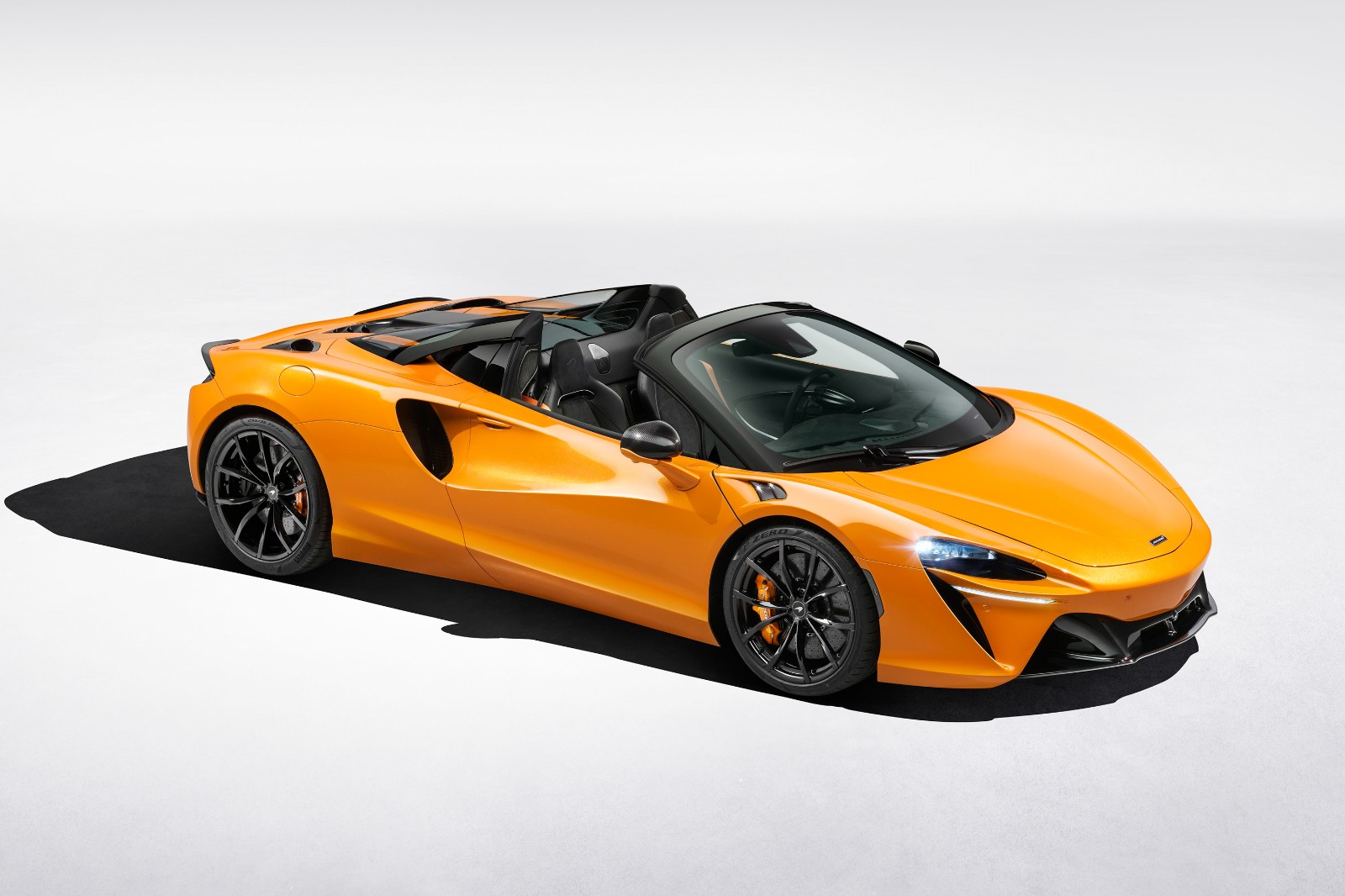
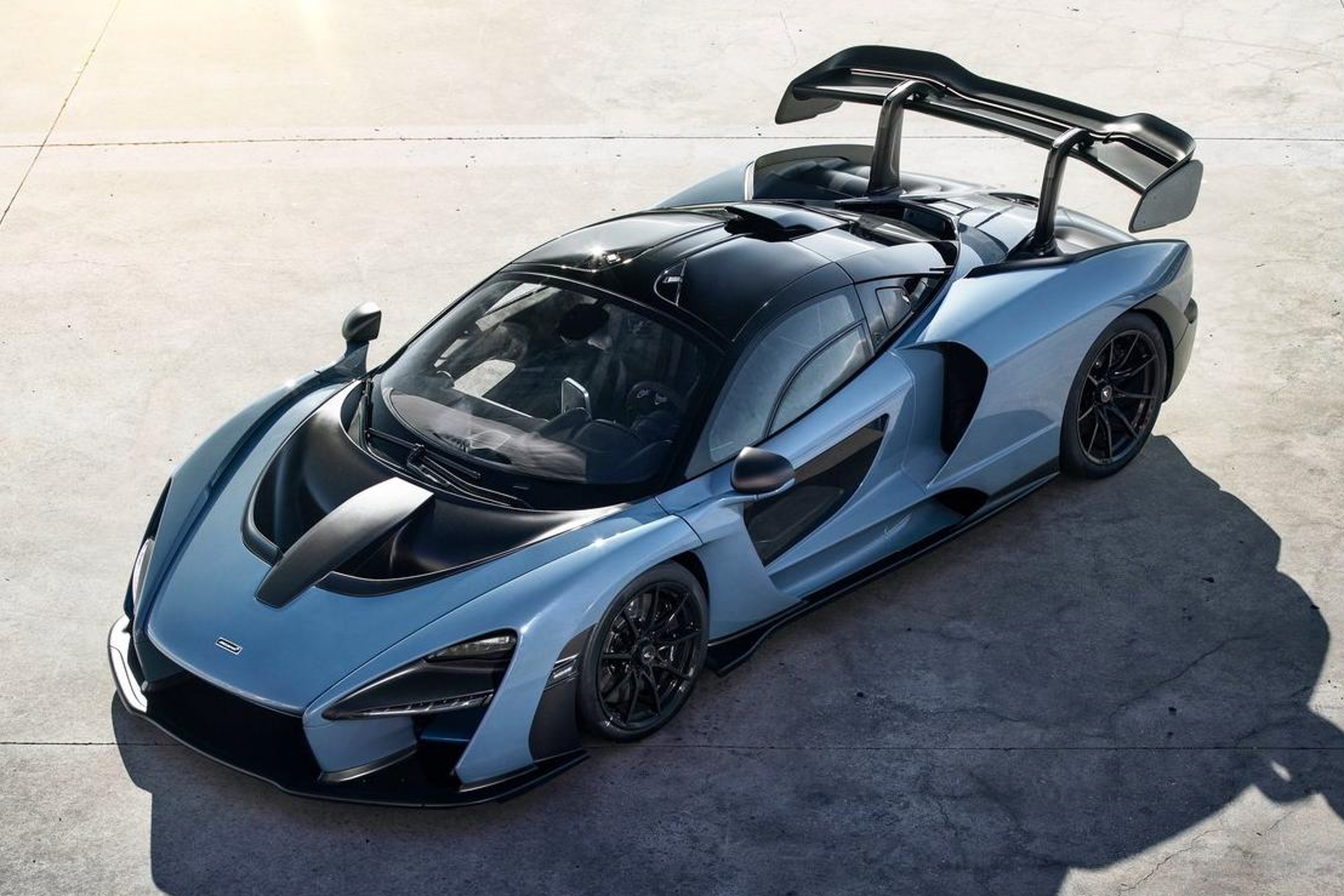
Cars With Similar Price And Features
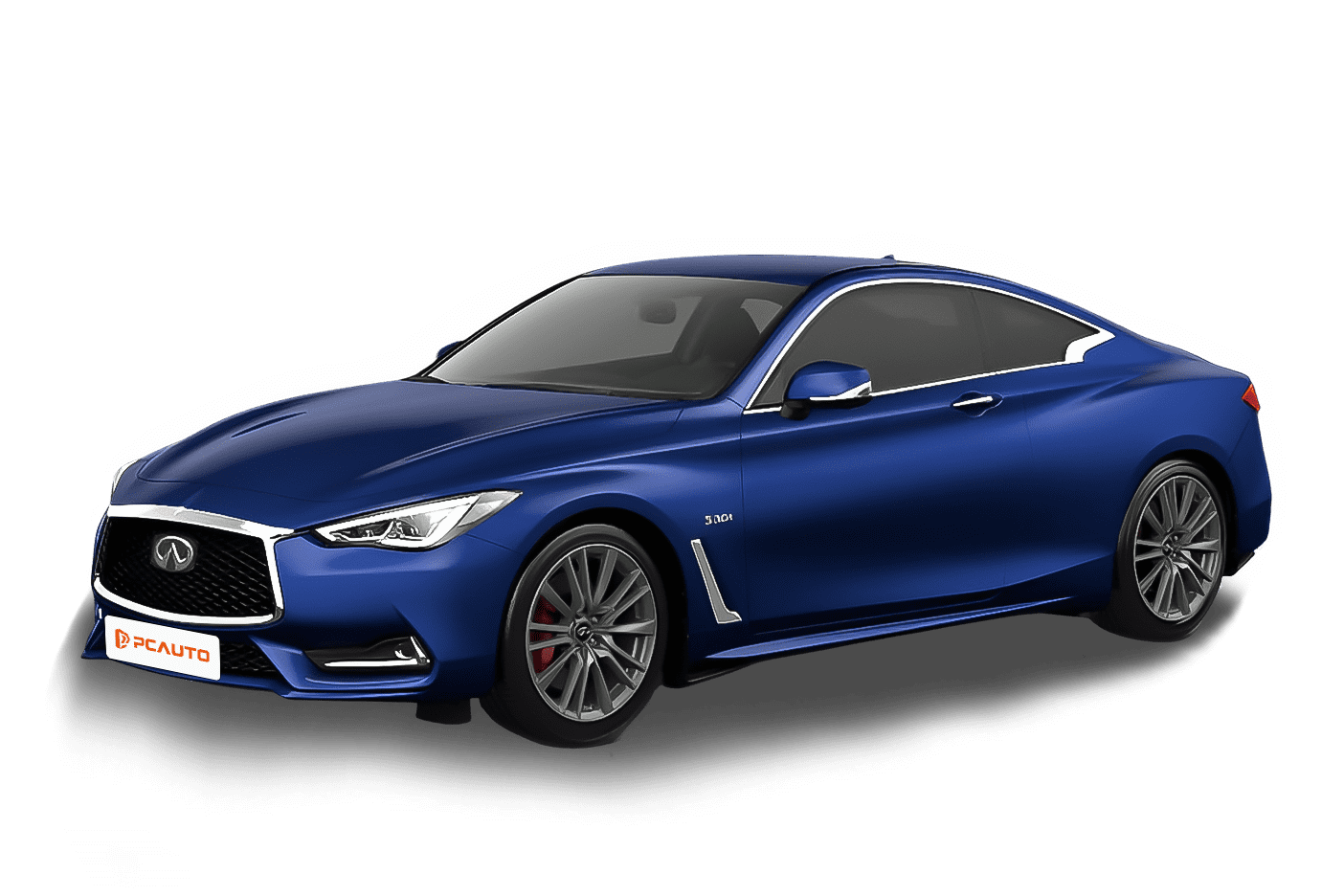
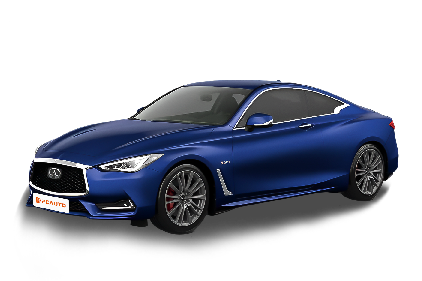
2017 Infiniti Q60 2.0t is a luxury coupe that balances sporty design and daily practicality, featuring a family-style exterior, BOSE audio system, and balanced power as its core selling points.
1
Rank in Coupe
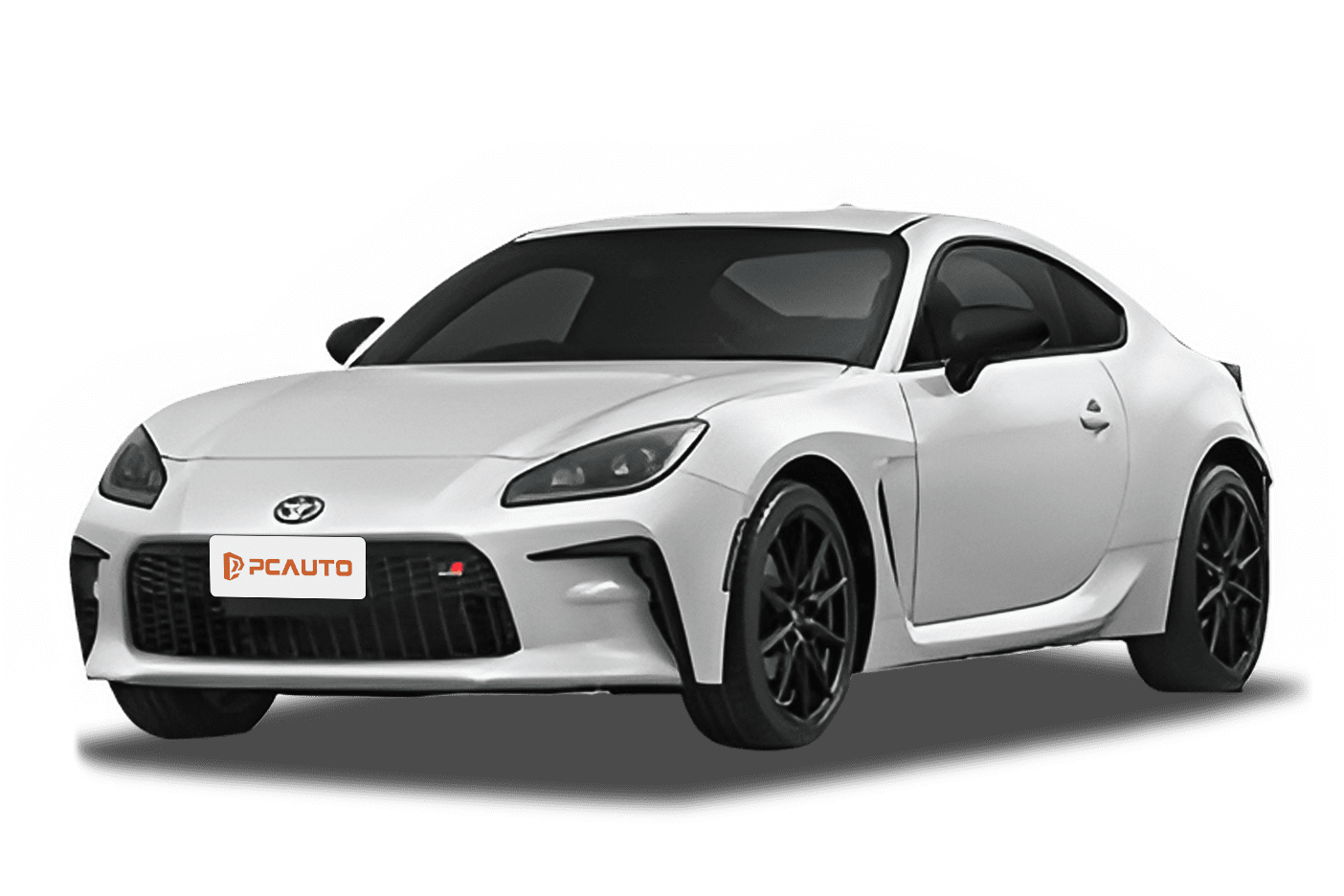
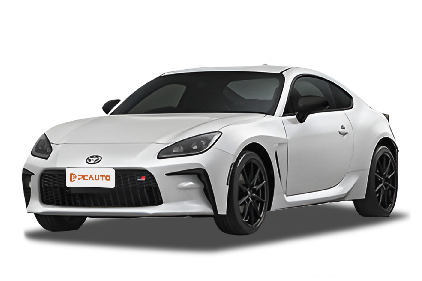
2023 Toyota GR 86 2.4 AT is a rear-wheel-drive sports coupe upgraded with a 2.4L naturally aspirated engine to address low torque issues, balancing daily commuting with pure driving pleasure.
10
Rank in Coupe
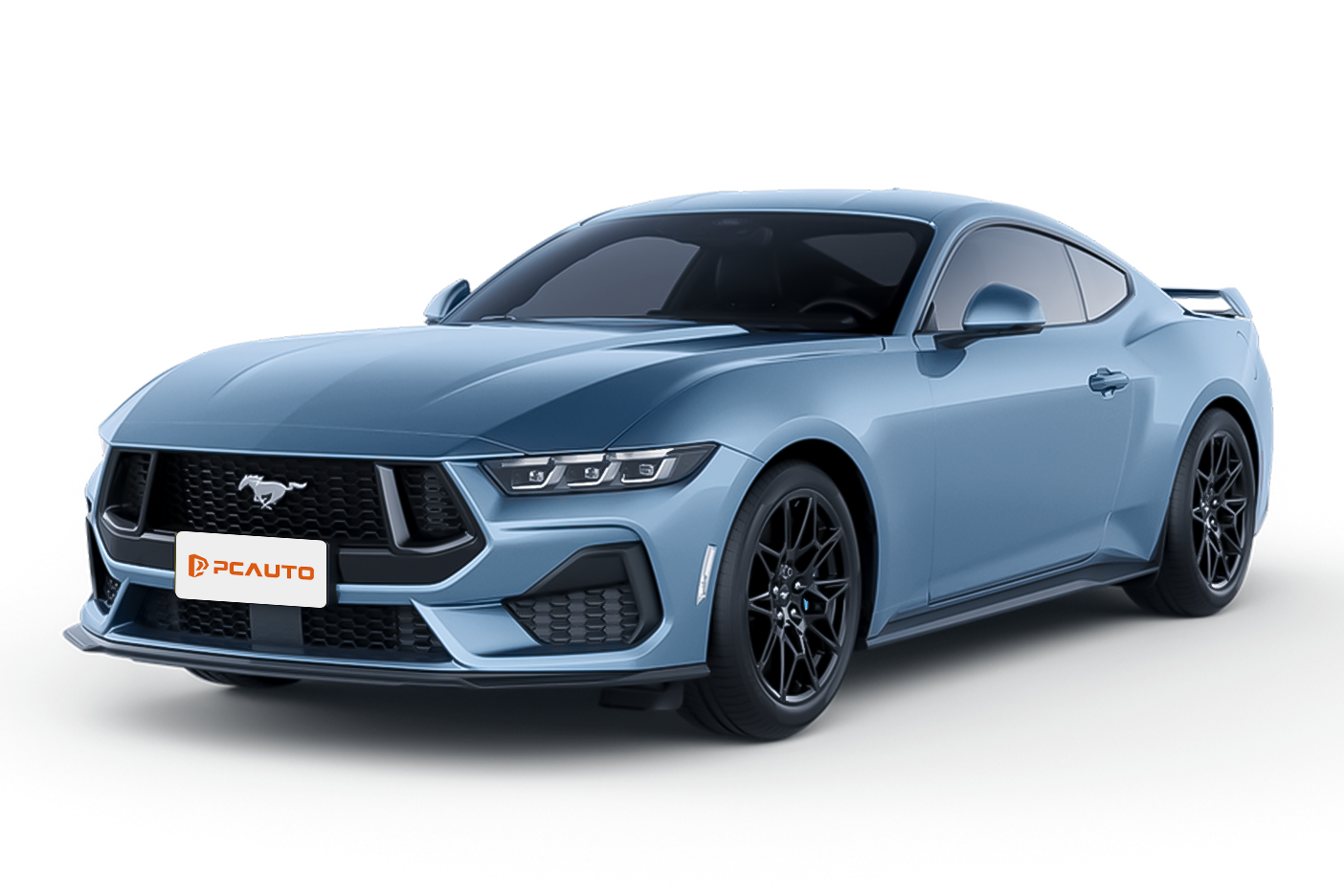
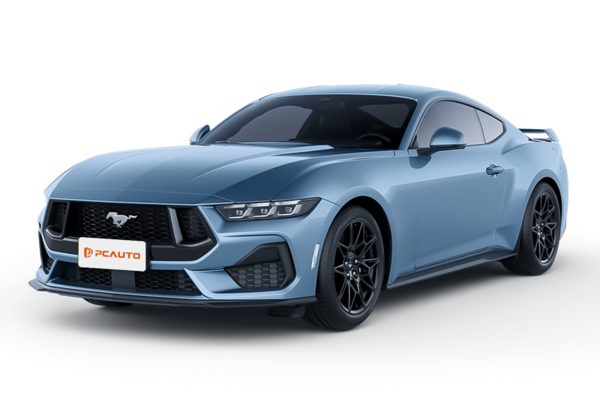
2018 Ford Mustang 2.3 EcoBoost retains the classic muscle car appearance with high cost performance, the 2.3T engine delivers 310PS horsepower, balancing performance and practicality for daily driving.
6
Rank in Coupe
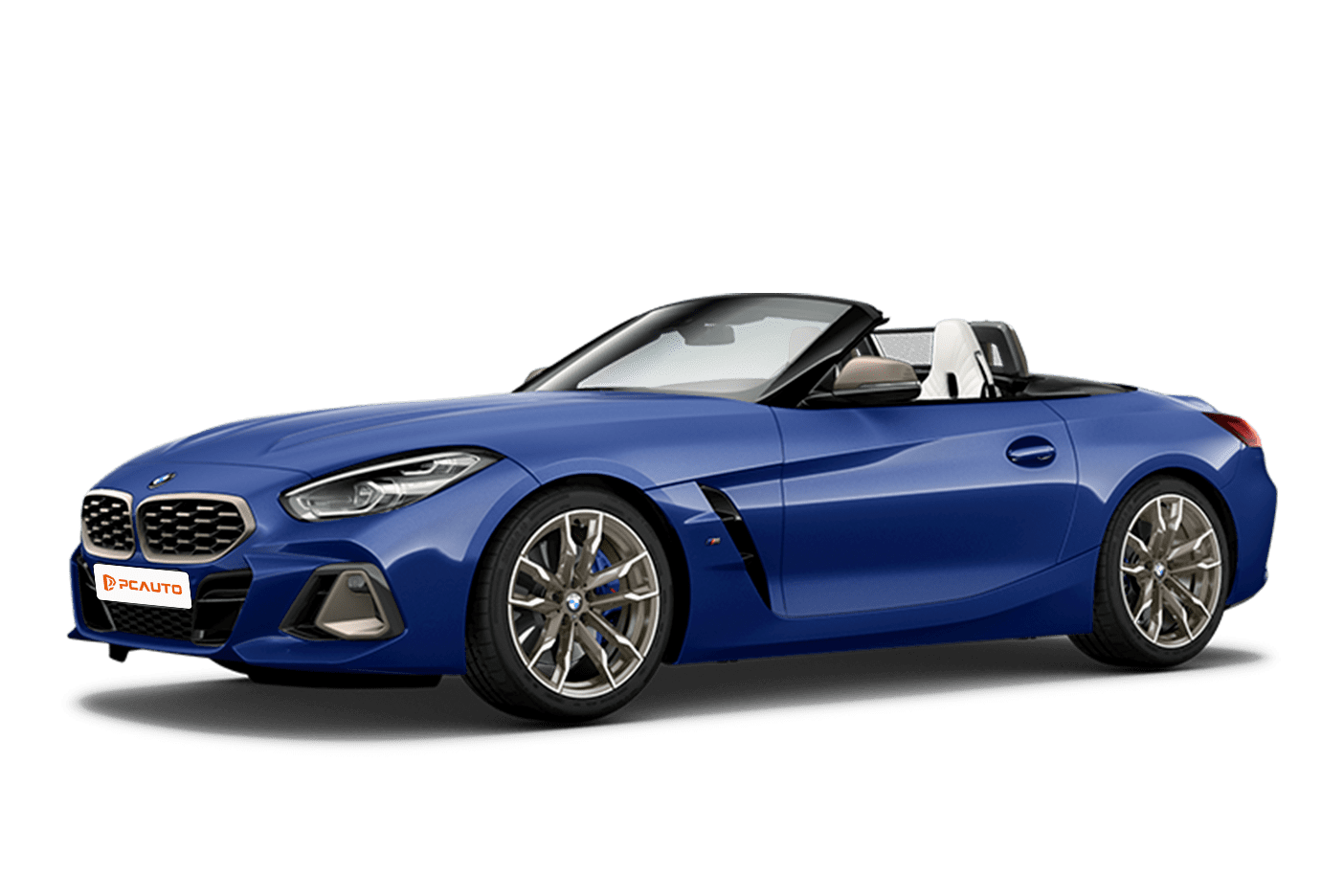
2023 BMW Z4 public, as a classic rear-wheel-drive convertible sports car, balances driving pleasure and daily practicality, with class-leading intelligent features and a compact body precisely meeting the needs of Malaysian users.