

McLaren 600LT Review

 Share
Share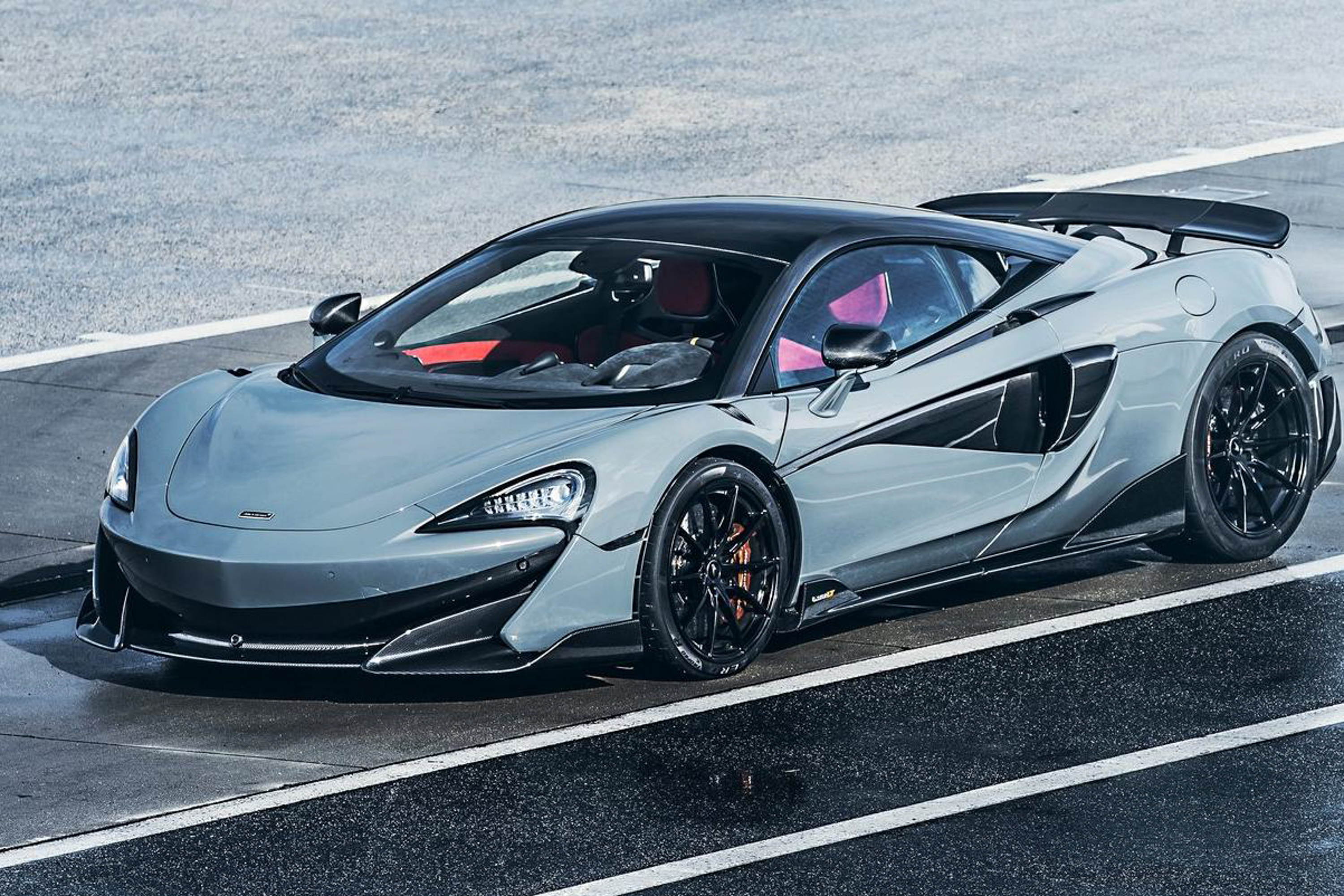
 Segment
 Body Type
 Capacity(L)
 Engine Power(PS)
 Driven Wheels
 Engine Torque(Nm)
In Malaysia's supercar market, the 3.8-liter twin-turbo rear-wheel-drive models have always been the focus for performance enthusiasts—these cars need to balance everyday commutes with the ability to unleash driving passion on tracks or open roads. The 2019 McLaren 600LT Coupe and Spider convertible represent this niche market well, boasting a maximum output of 600PS, an official 0-100 km/h acceleration time of 2.9 seconds, and pricing comparable to similar models (RM 2,389,712), making them a favorite among enthusiasts. This time, we test-drove both models simultaneously with the primary goal of verifying whether their dynamic performance lives up to the Longtail (LT) series’ track heritage while ensuring their compromises for daily use remain acceptable.
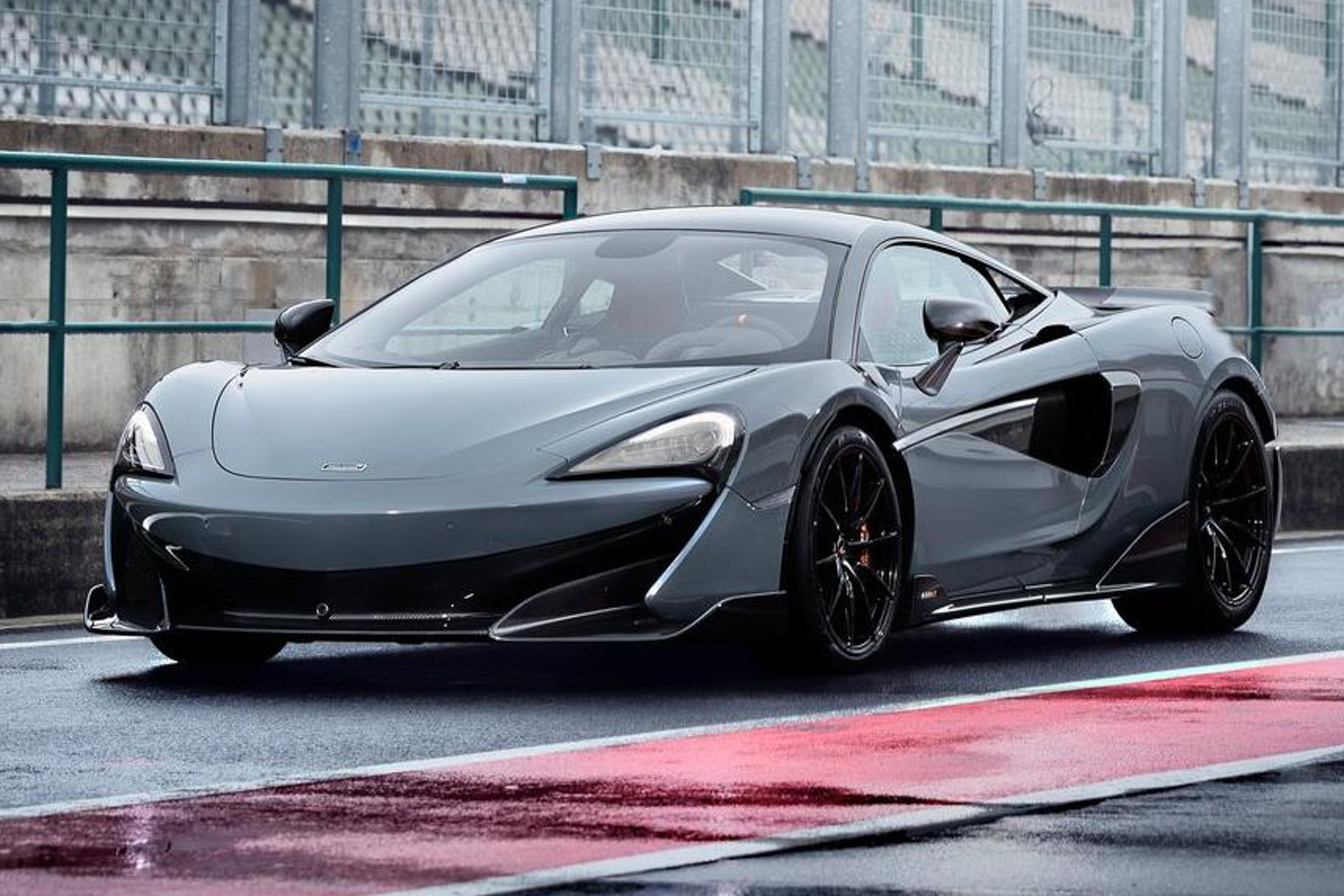
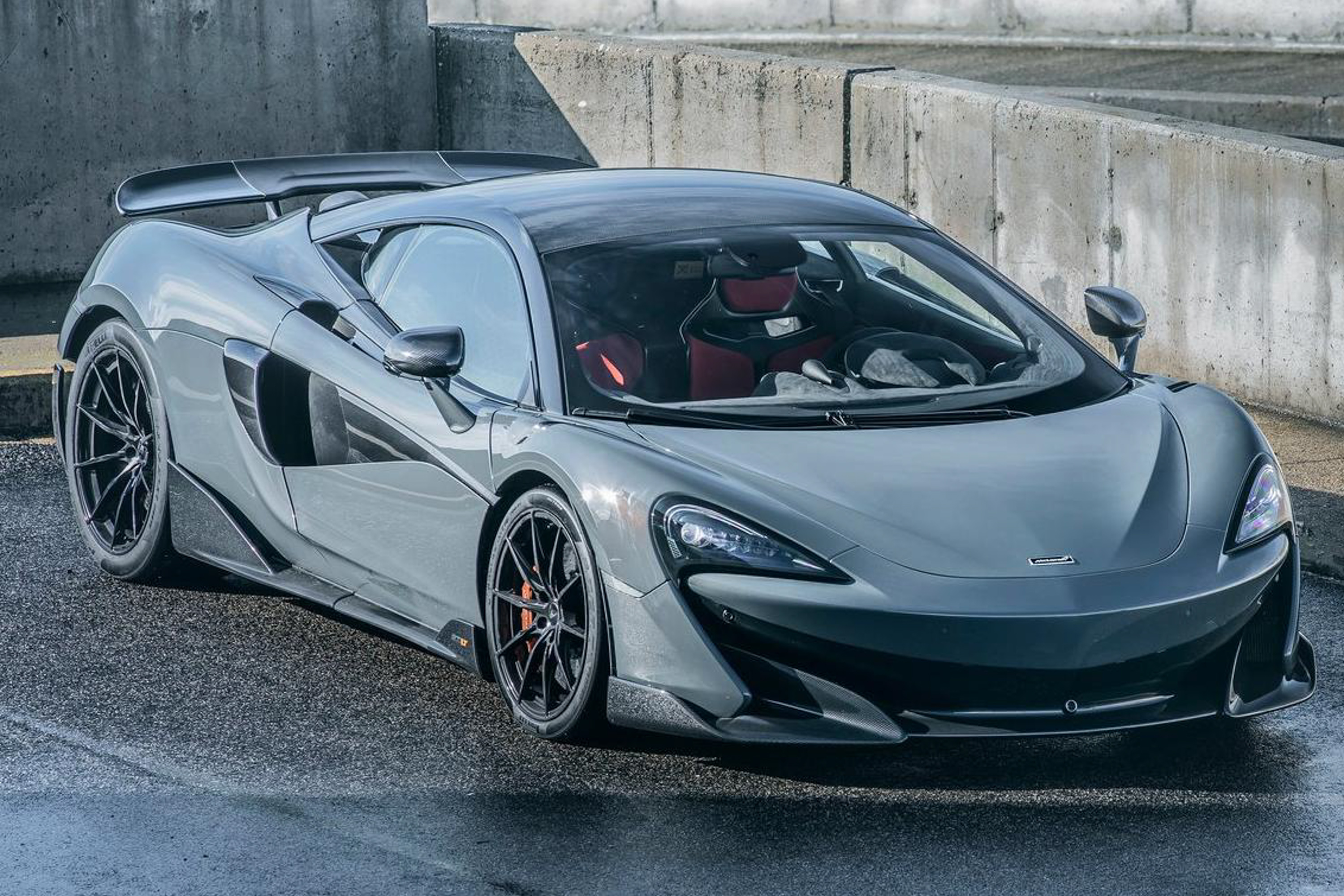
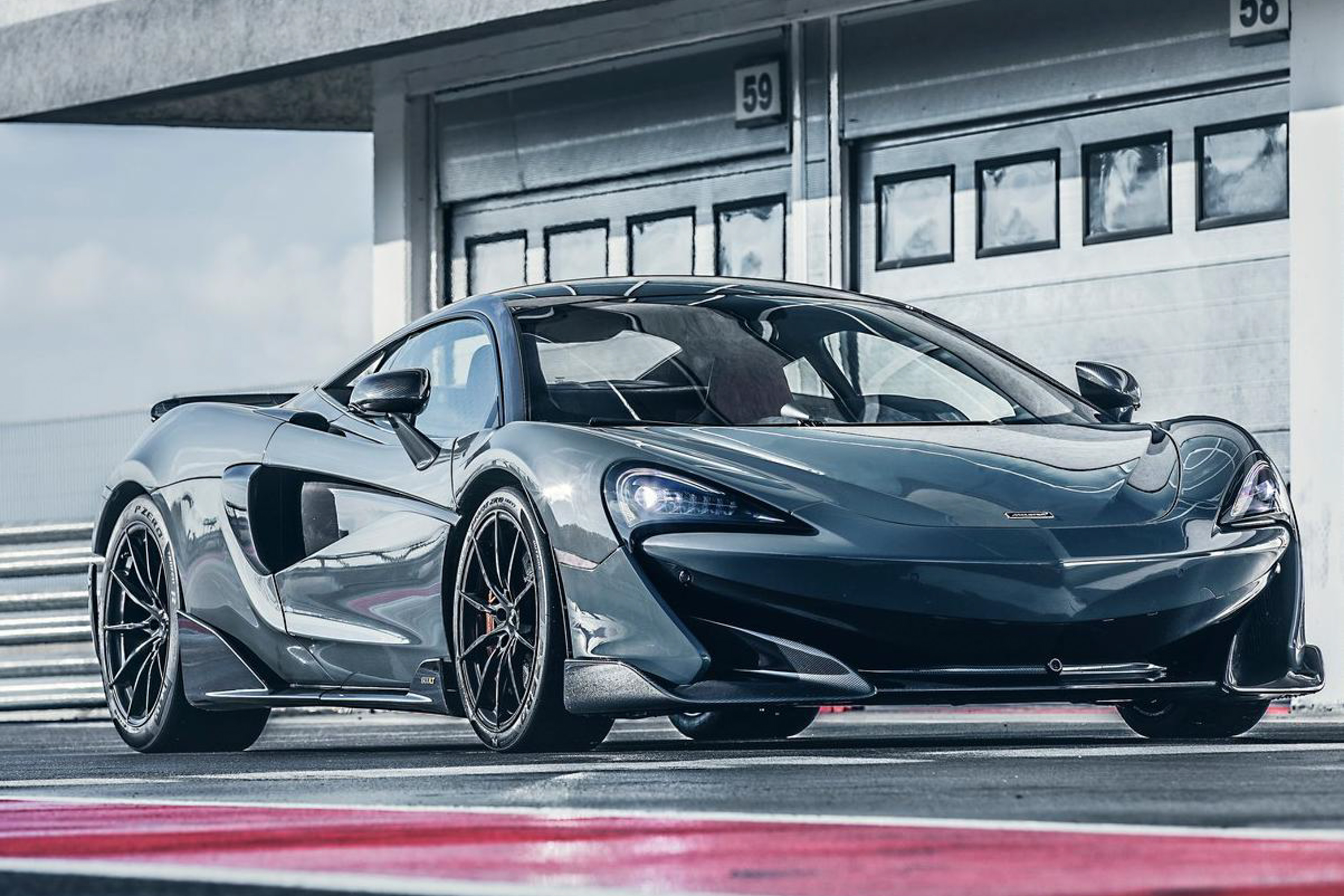
From a distance, the design of the 2019 600LT appears entirely driven by aerodynamics. The front end features McLaren’s signature narrow LED headlights, combined with a wide lower air intake grille, visually lowering the car's center of gravity at the front; the car’s side profile is clean and sharp, with character lines extending from the fenders to the rear, perfectly wrapping the rear wheel arches. The 20-inch rear wheels paired with 285/35 R20 wide tires further enhance the powerful rear-wheel-drive stance. The most striking feature is the “Longtail” design at the rear: the extended tail section paired with a large carbon-fiber diffuser and a fixed wing provides sufficient downforce at high speeds. The Coupe’s roofline transitions smoothly from the B-pillar to the rear, while the Spider's soft-top appears almost identical to the Coupe when closed. When opened, it fully reveals the cabin and can be operated in just 15 seconds at speeds below 50km/h. In terms of details, both models come standard with LED daytime running lights and automatic headlights, while power-folding mirrors prove handy in tight parking spaces.
Stepping inside, the 600LT’s interior design tends to be minimalist—there are no unnecessary decorations, and everything revolves around the driving experience. The center console uses black Alcantara material with a touch of carbon fiber trim, providing a tactile and premium feel appropriate for a million-ringgit supercar. A 7-inch touchscreen is mounted atop the center console with simple operation logic, supporting Bluetooth connectivity and basic vehicle settings but lacking extensive entertainment features, which aligns with the nature of performance cars. In terms of equipment, both models come standard with dual-zone automatic climate control, keyless entry/start, and a multifunction steering wheel. The bucket-style sports seats in the front provide excellent support, firmly securing the shoulders and waist, though they may feel somewhat constricting for extended periods (over two hours). Regarding space, as a 2-door, 2-seater vehicle, headroom in the front is just enough for passengers around 180cm tall (approximately a fist-width of clearance), while legroom depends entirely on seat adjustment. Storage capacity is limited to the center console box and a small storage compartment behind the seats, enough for daily commutes but insufficient for long trips, where extra storage bags might be necessary.
Starting the engine, the roar of the 3.8-liter twin-turbocharged V8 immediately fills the cabin—the exhaust note of the 600LT has been specially tuned, different from ordinary GT models. It delivers a deep, resonant tone at low RPMs, turning sharp and piercing beyond 5000rpm. Both models share identical power figures: a maximum output of 600PS at 7500rpm and peak torque between 5500-6500rpm. When switched to Sport mode, throttle response becomes incredibly sharp, with even a slight press unleashing a remarkable burst of acceleration. The 2.9-second 0-100 km/h performance is no exaggeration—during testing on a closed course, the launch control mode caused a brief rear-wheel spin before the tires quickly gripped, propelling the car forward like an arrow without any noticeable turbo lag. In daily driving, switching to Normal mode softens the power delivery, keeping RPMs below 2000. In this mode, the car feels smooth enough to be used for regular commutes.
In terms of handling, the performance of the 600LT can be described as precise. The steering wheel has a slightly heavy feel but with almost zero play, and the car’s front responds directly and linearly when the steering wheel is turned. The front double wishbone independent suspension and rear double wishbone independent suspension are clearly tuned for sporty driving. When facing bumpy roads, the suspension compresses and rebounds quickly, transmitting some road feedback to the driver without causing significant jolts. During cornering, body roll is well controlled, and even entering corners at relatively high speeds, the grip of the wide tires holds firmly to the ground, providing the driver with ample confidence. However, it should be noted that the minimum ground clearance of both versions is only 92mm, so caution must be taken when driving over speed bumps at low speeds to avoid scraping the undercarriage.
In terms of fuel consumption, we conducted a week-long test under mixed driving conditions: 40% city congested roads and 60% highway roads. The final real-world fuel consumption for the coupe version was 13.2L/100km, while the Spider version, due to the increased weight of its convertible structure, had a slightly higher consumption of 0.3L/100km. These figures deviate somewhat from the official combined fuel consumption of 11.7L/100km, but considering our frequent use of Sport mode, the results were within expectations. Regarding noise control, the coupe version performs well at highway speeds of 120km/h, with only slight engine noise transmitted into the cabin, and wind and road noise kept in check. For the Spider version, wind noise increases significantly when the convertible top is open. However, when the top is closed, its insulation is almost on par with the coupe version.
Overall, the core strengths of the 2019 McLaren 600LT are evident. Firstly, its dynamic performance in terms of acceleration, handling, and track capabilities lives up to the "LT" series reputation, with an acceleration time of 2.9 seconds, situating it in the upper mid-range among cars of the same price range. Secondly, its design consistency is notable, as the coupe and Spider versions share almost identical aerodynamics and driving dynamics apart from the convertible structure, allowing consumers to choose based on personal preference. Thirdly, its relative practicality, as the 600LT may be a performance car but includes features like dual-zone climate control and keyless entry, which meet basic commuting needs. Compared to the similarly priced Porsche 911 Turbo S, the 600LT is slightly slower by 0.1 seconds but offers purer driving enjoyment (rear-wheel drive). Compared to the Ferrari 488 GTB, the 600LT is more affordably priced, with relatively manageable maintenance costs.
The ideal customer for this car would be a performance enthusiast with a certain level of financial capability, who already owns another vehicle for daily commuting. They would purchase the 600LT primarily for weekend mountain drives or track days, occasionally using it for commuting. For buyers who need a car to also double as a family vehicle, the 600LT's two-seat layout and limited storage space are clear drawbacks. However, for those who seek a pure driving experience, these compromises are entirely worth it.
In conclusion, the 2019 McLaren 600LT coupe and Spider versions strike a good balance between "track DNA" and "everyday practicality." They can unleash passion on the track while remaining manageable for daily driving. If you're looking for a rear-wheel-drive sports car in the million-dollar range that combines fun driving with occasional commuting, the 600LT is a solid choice.
McLaren 600LT Car Compare

McLaren 600LT Loan Calculator
More McLaren Reviews
Cars With Similar Price And Features
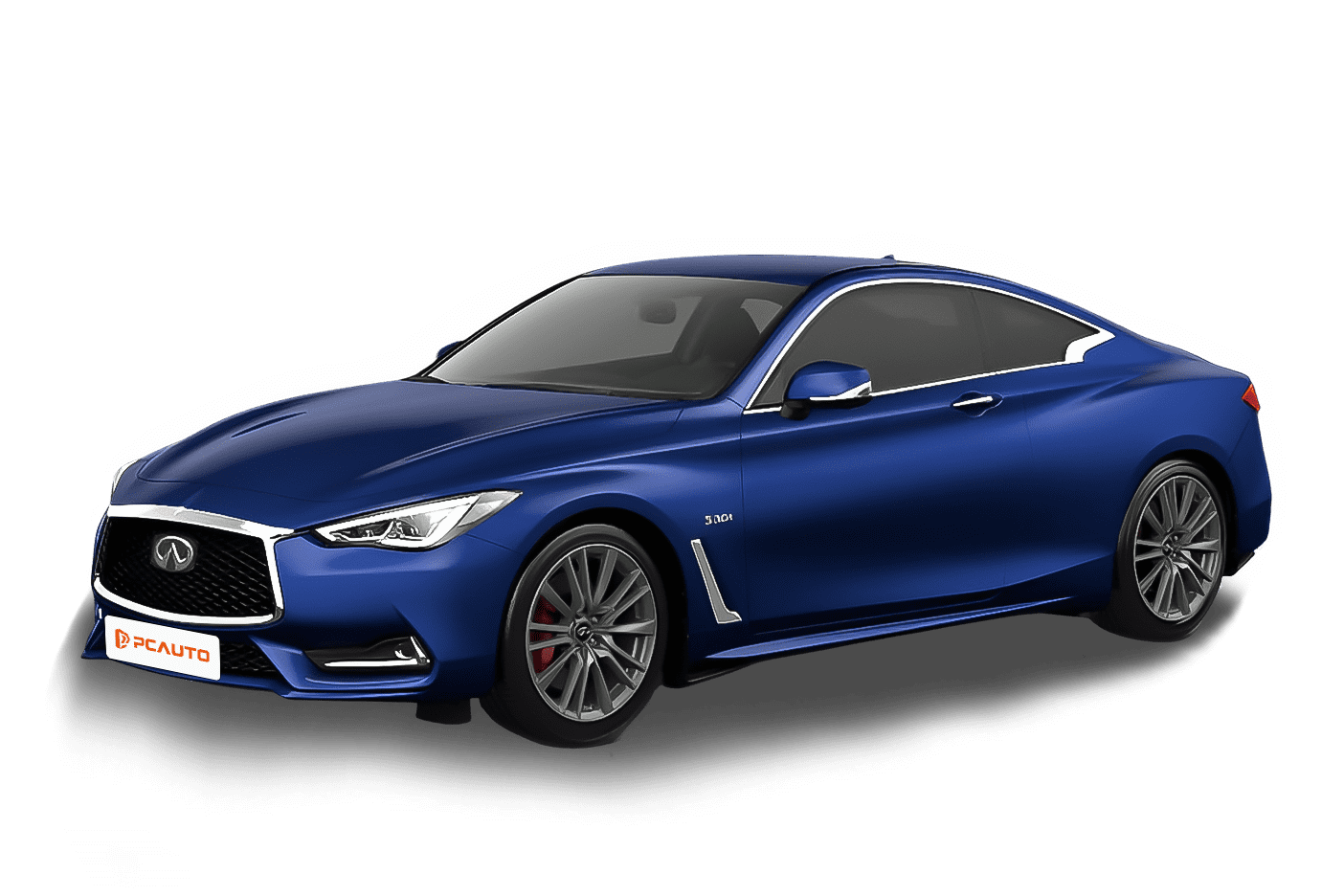
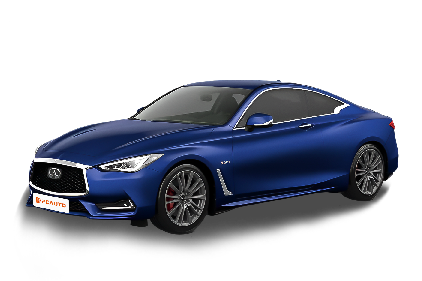
2017 Infiniti Q60 2.0t is a luxury coupe that balances sporty design and daily practicality, featuring a family-style exterior, BOSE audio system, and balanced power as its core selling points.
1
Rank in Coupe
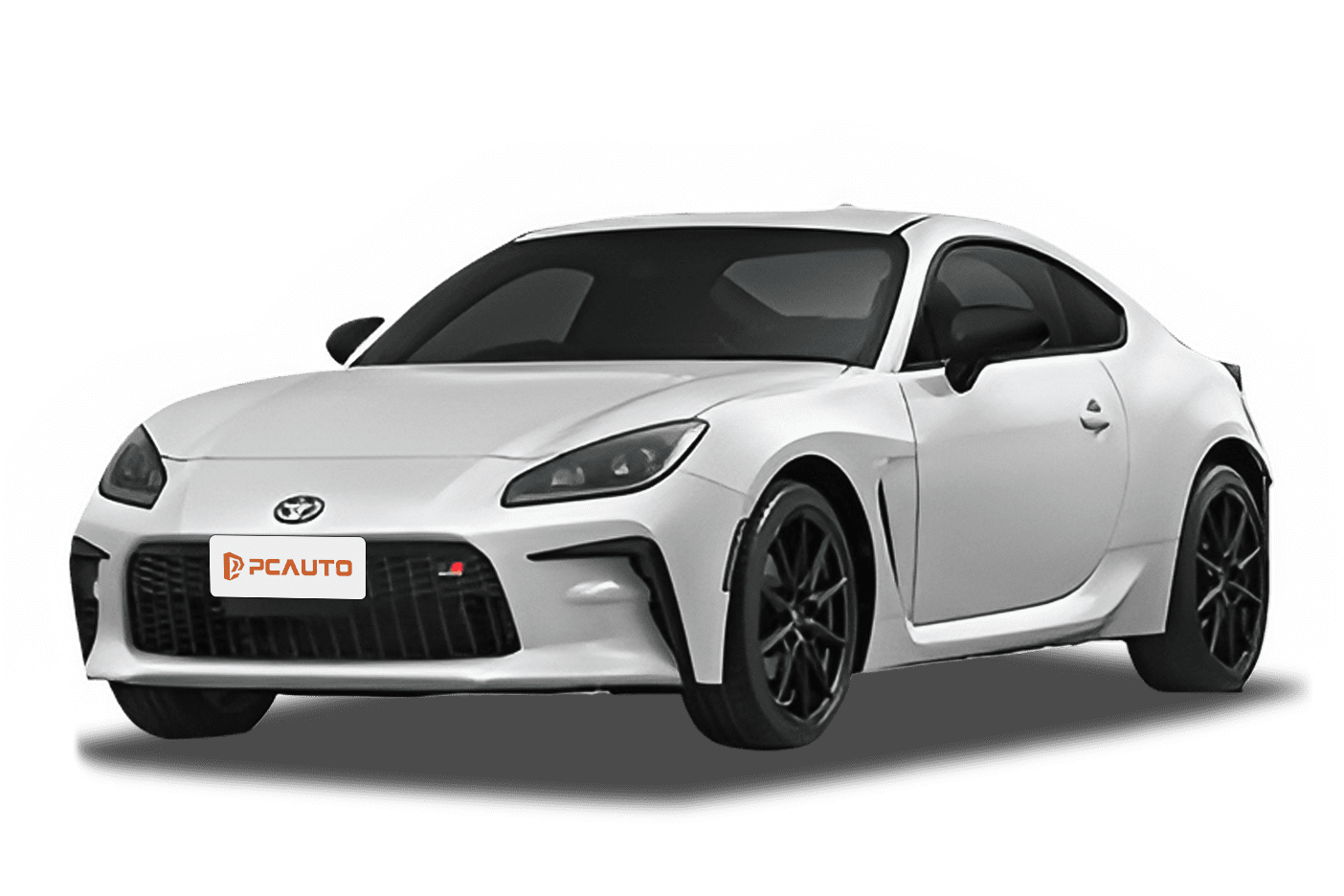
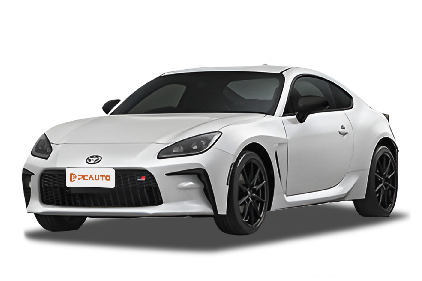
2023 Toyota GR 86 2.4 AT is a rear-wheel-drive sports coupe upgraded with a 2.4L naturally aspirated engine to address low torque issues, balancing daily commuting with pure driving pleasure.
10
Rank in Coupe
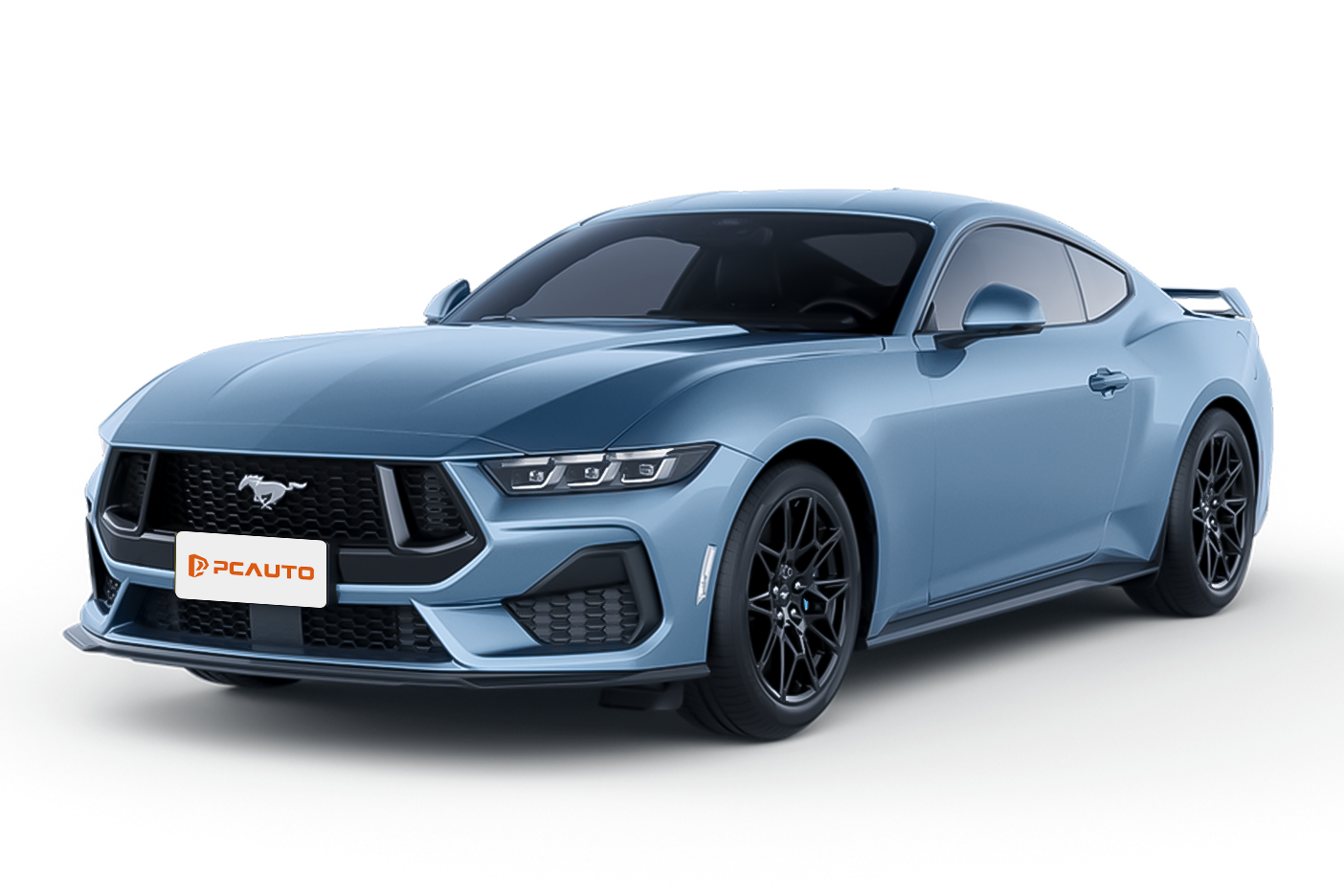
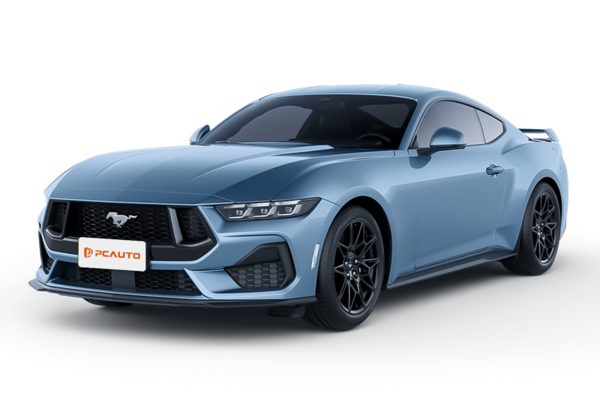
2018 Ford Mustang 2.3 EcoBoost retains the classic muscle car appearance with high cost performance, the 2.3T engine delivers 310PS horsepower, balancing performance and practicality for daily driving.
6
Rank in Coupe
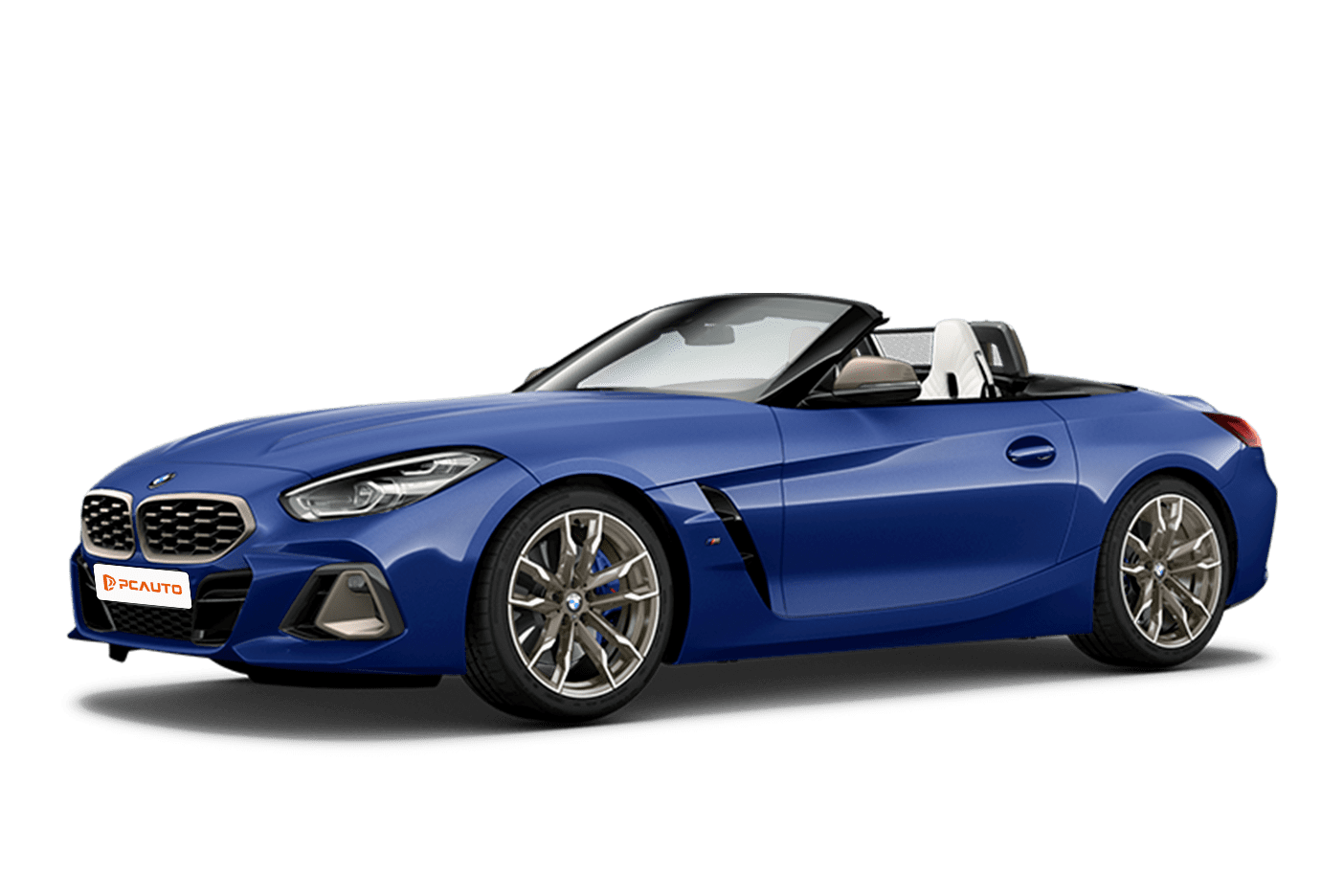
2023 BMW Z4 public, as a classic rear-wheel-drive convertible sports car, balances driving pleasure and daily practicality, with class-leading intelligent features and a compact body precisely meeting the needs of Malaysian users.