
McLaren 720S 2019 Review

 Share
Share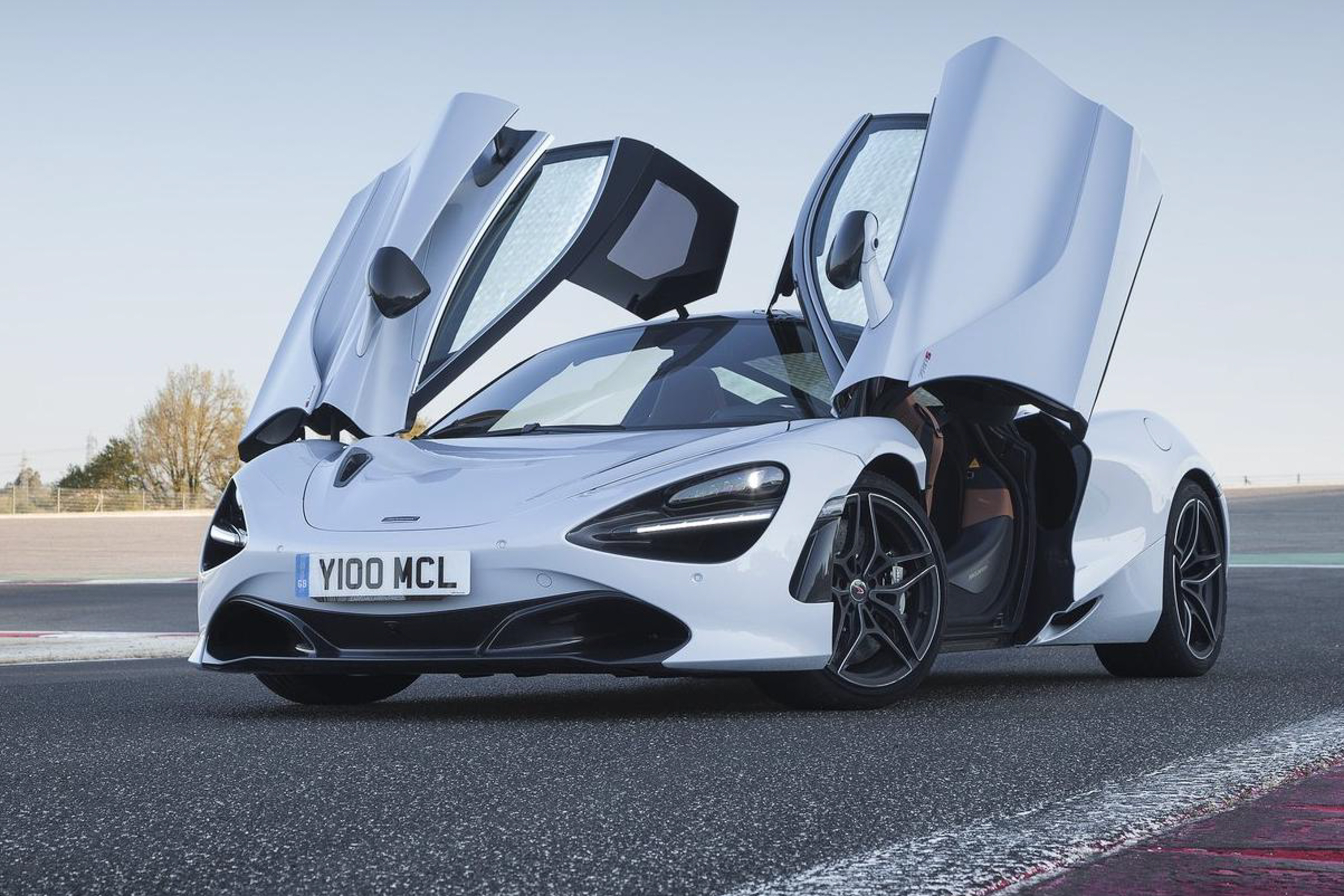
 Segment
 Body Type
 Capacity(L)
 Engine Power(PS)
 Transmission
 Driven Wheels
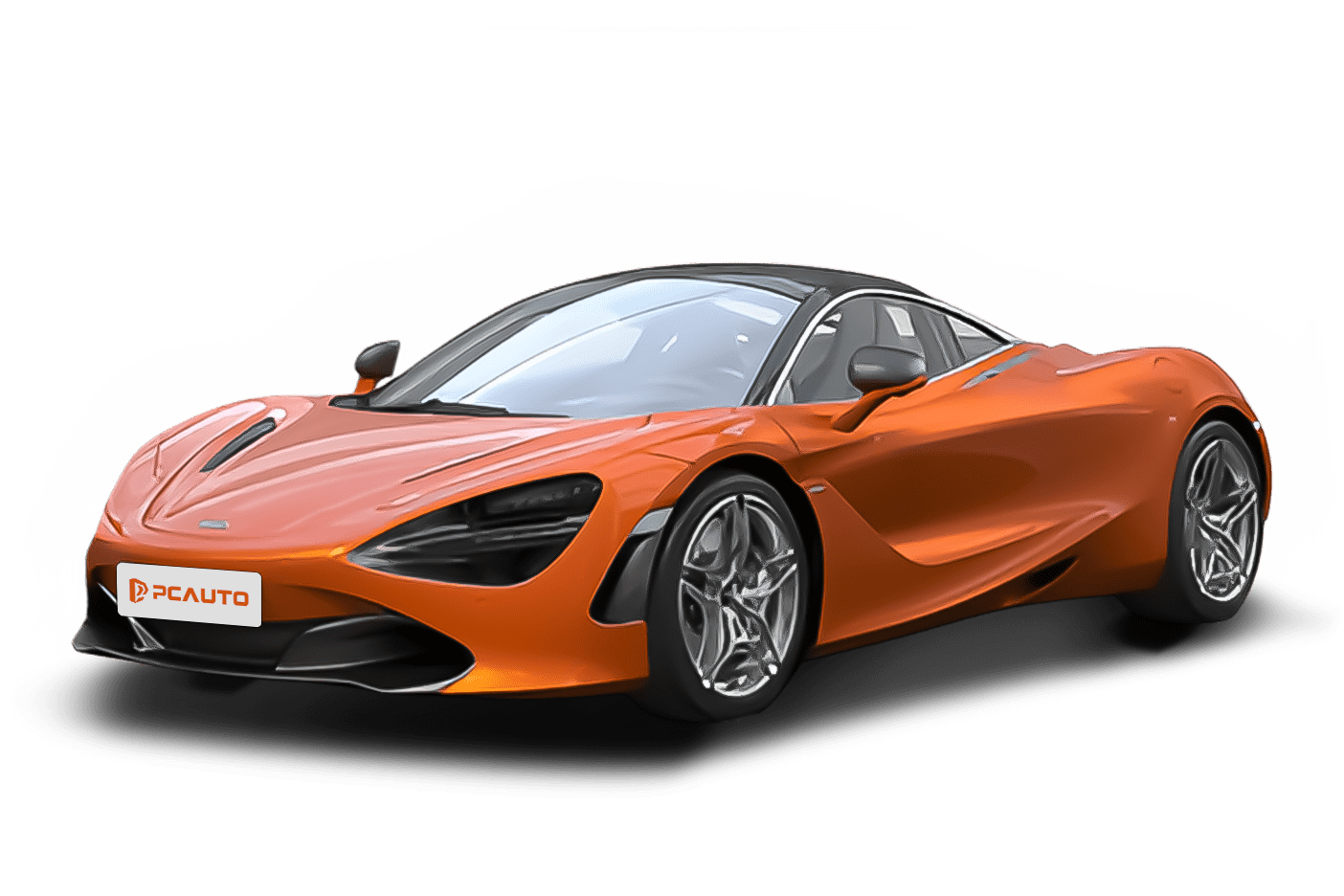
In the supercar market, hardtop sports cars are common, but there aren't many models that balance performance with the fun of open-top driving—this is exactly the niche the 2019 McLaren 720S Spider aims to fill. Its core selling point is straightforward: the same 2.9-second 0-100 km/h performance as the hardtop 720S, combined with a hardtop convertible roof that opens or closes in 11 seconds (under speeds of 50 km/h). The main purpose of this test drive is to see if it retains the supercar-level performance while maintaining daily practicality and driving experience in convertible mode.
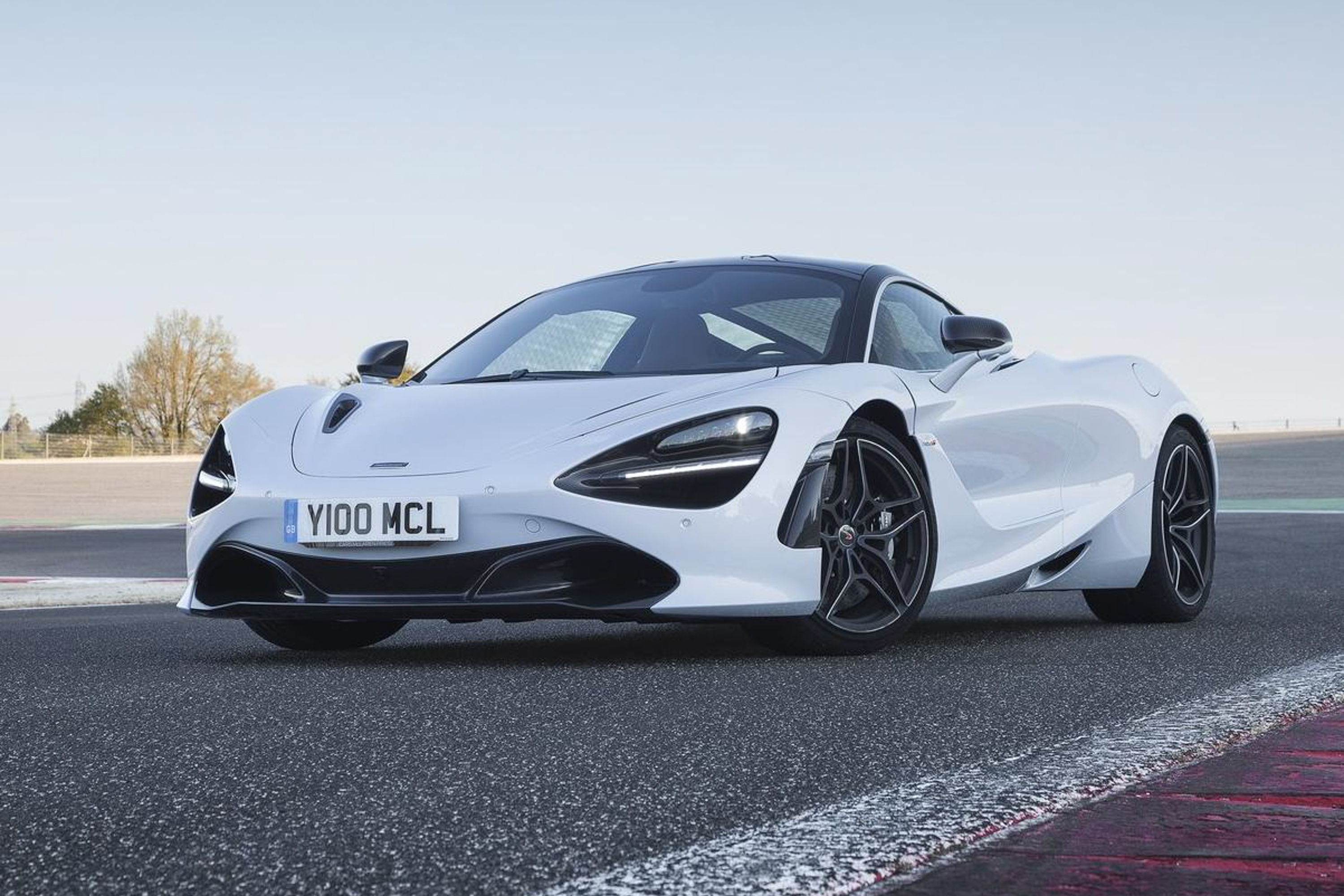
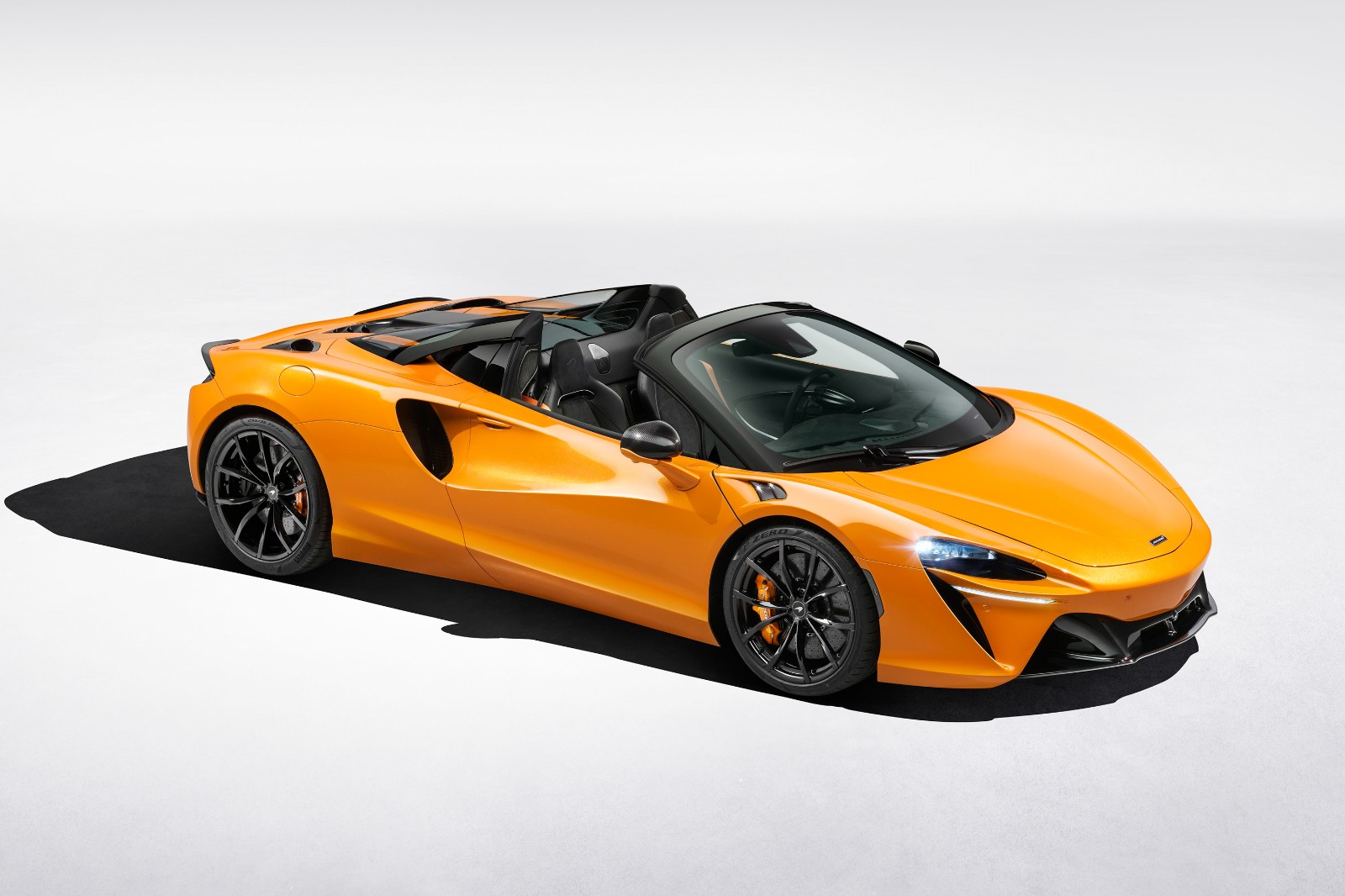
First looking at its exterior, the overall silhouette of the 720S Spider is nearly identical to the hardtop version. Its dimensions remain unchanged at 4543mm in length, 2059mm in width, and 1196mm in height, with a wheelbase of 2670mm. The most striking feature at the front is the "eye socket"-shaped LED headlights, paired with large air intakes below, giving it a highly recognizable appearance. The side profile features sleek lines, with a waistline extending from the fender to the rear to emphasize its sporty appeal. When the roof is closed, the roofline seamlessly matches the hardtop version; only a small spoiler above the rear distinguishes it. At the rear, the LED taillights are strip-shaped, with a black trim running through the center and dual exhaust outlets below, maintaining the aggressive aesthetics of a supercar. The lighting system is fully equipped with standard LEDs, automatic headlights, and daytime running lights, making daily use convenient enough.
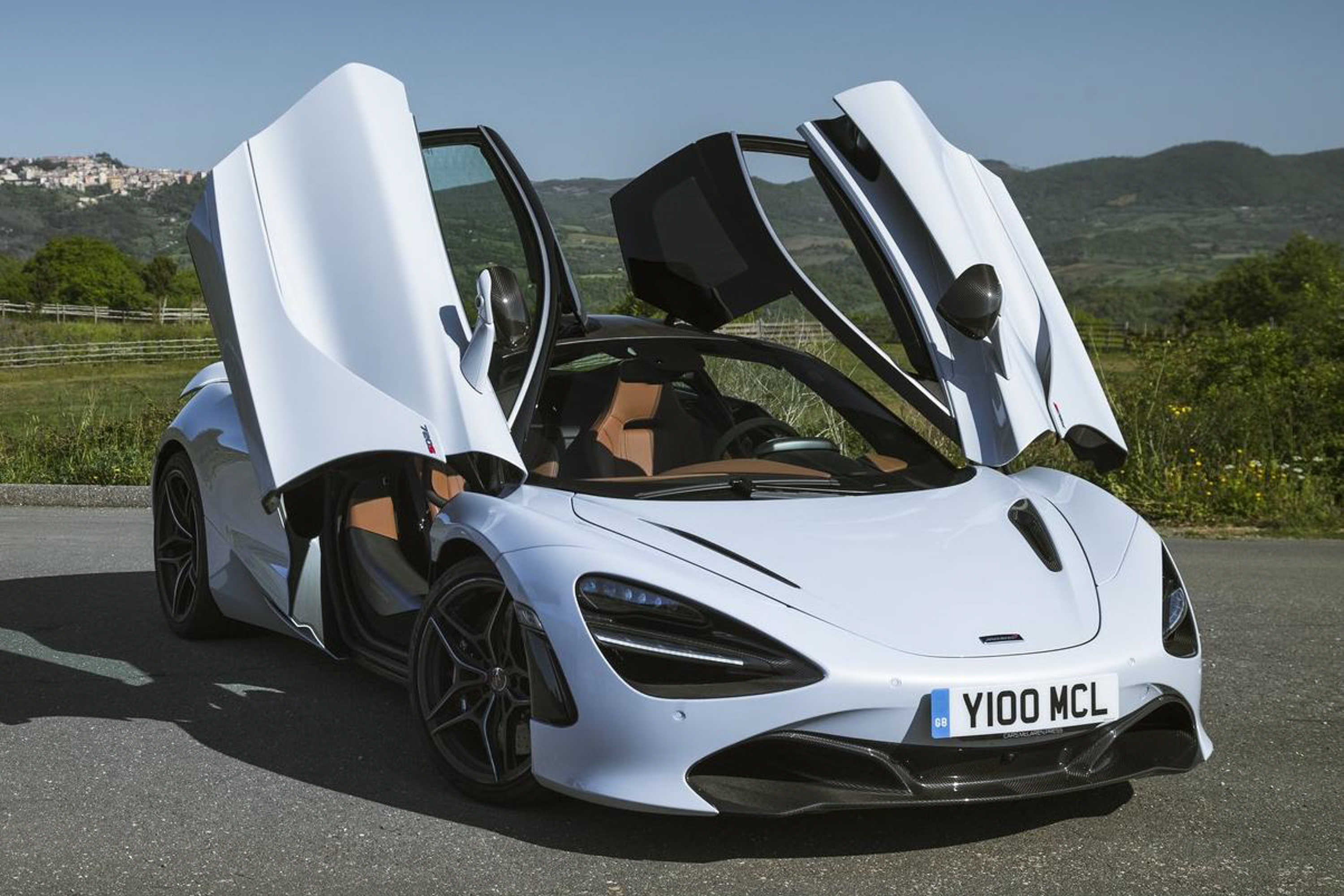
Inside the car, the interior style is inclined towards simplicity and practicality, with minimal flashy designs. The center console is primarily covered in dark-colored soft-touch materials, complemented by a small amount of carbon fiber trim. The areas within easy reach feel fairly premium. The central control screen is a 7-inch touchscreen, offering basic functions such as multimedia and vehicle settings, with a relatively intuitive control layout. The steering wheel is multifunctional, with the left side controlling multimedia and phone functions and the right side adjusting the driving modes. The grip feels relatively thick, suitable for firm grasping during aggressive driving. The seats are sporty in design, offering solid lateral support, but the padding is not particularly soft, which might make prolonged seating a bit uncomfortable. In terms of features, keyless entry, dual-zone automatic climate control, and a 220V power outlet are all standard, adequately meeting daily needs. However, the 4-speaker audio system is just satisfactory and doesn't stand out compared to vehicles in the same price range.
Regarding space, as a two-door, two-seat sports car, the space situation is apparent—there are only two seats. The front headroom with the roof closed is about one fist width (based on a height of 175 cm), and when the top is open, there are no restrictions on headroom. Storage space is quite limited; the door pockets can only fit a phone or a small water bottle, the compartment under the center console is also small, and the trunk capacity is slightly smaller than the hardtop version due to the convertible mechanism. It can hold roughly one 20-inch carry-on suitcase, making long-distance travel less realistic, though it's barely enough for daily commutes.
Dynamic driving is the core strength of the 720S Spider. It is powered by a 4.0T V8 twin-turbo engine, producing a maximum output of 720 PS, with peak torque delivered at 5500 rpm (specific torque figures are not provided, but the actual performance feels very powerful). It is paired with a 7-speed dual-clutch transmission. When switched to Sport mode, stepping hard on the accelerator from a standstill results in light tire slippage (rear-wheel drive layout) followed by a strong pushback sensation. The 2.9-second 0-100 km/h acceleration experience is almost indistinguishable from the hardtop version. Mid-range acceleration is equally sharp, and overtakes from 80 to 120 km/h happen with barely any hesitation. The transmission shifts exceptionally quickly, with a more pronounced shift shock during downshifts in Sport mode, further enhancing driving enjoyment.
In terms of handling, the steering wheel's precision is very high, with almost no play, and you can clearly feel the feedback from the road surface when turning. The suspension system, in standard mode, offers a bit of comfort, so it’s not too bumpy over speed bumps. However, switching to sport or track mode makes the suspension noticeably stiffer, with a more pronounced road feel. When cornering, the body lean is minimal, and the tire grip is sufficient (tire specifications are front 245/35 R19, rear 305/30 R20), maintaining stability even at relatively high speeds. When the convertible top is open, wind noise inside the car is well-controlled below speeds of 80km/h. Beyond 100km/h, wind noise becomes significantly louder but still acceptable.
As for fuel consumption, the official combined fuel consumption is 12.2L/100km. During the test drive, covering about 100km in urban (semi-congested) conditions, fuel consumption was approximately 15L/100km, while on highways, it dropped to around 10L/100km. This performance is fairly reasonable for a supercar. Braking performance was not specifically tested, but during daily driving, the brake pedal feedback feels linear, with sufficient braking force and a strong sense of confidence.
In terms of driving comfort, the noise control inside the car is good when the convertible top is closed. At high speeds, wind and tire noise are not particularly loud. After opening the top, a small wind deflector can be raised, which effectively reduces the direct wind hitting your face. While the seats offer good support, sitting for an extended period (e.g., beyond 2 hours) may cause some discomfort in the lower back, requiring an adjustment in posture. Energy recovery (if available, data not specified) is not noticeable, and the driving experience is closer to that of a fuel-powered car, without the dragging feeling of electric vehicles.
In summary, the core highlights of the 2019 McLaren 720S Spider are very clear: the supercar performance identical to the hardtop version, the fun brought by the retractable hardtop convertible, and the relatively decent daily practicality. Compared to its peer, the Ferrari F8 Spider, its price (RM 2,655,350) is slightly lower, with similar performance parameters. In terms of configuration, each has its advantages, but the rear-wheel-drive layout of McLaren provides a purer driving pleasure. The target audience is clear: customers who enjoy supercar performance and occasionally want the fun of open-top driving, or those who already own a family car and are looking for a second car as a toy.
All in all, the 720S Spider does not sacrifice too much performance due to the convertible mechanism and retains the unique experience of a convertible. It is a supercar that balances performance with enjoyment. If you want a car that can both tear up the track and take you out for a weekend cruise, it would be a great choice.
McLaren 720S Car Compare
McLaren 720S Loan Calculator
More McLaren Reviews
Cars With Similar Price And Features
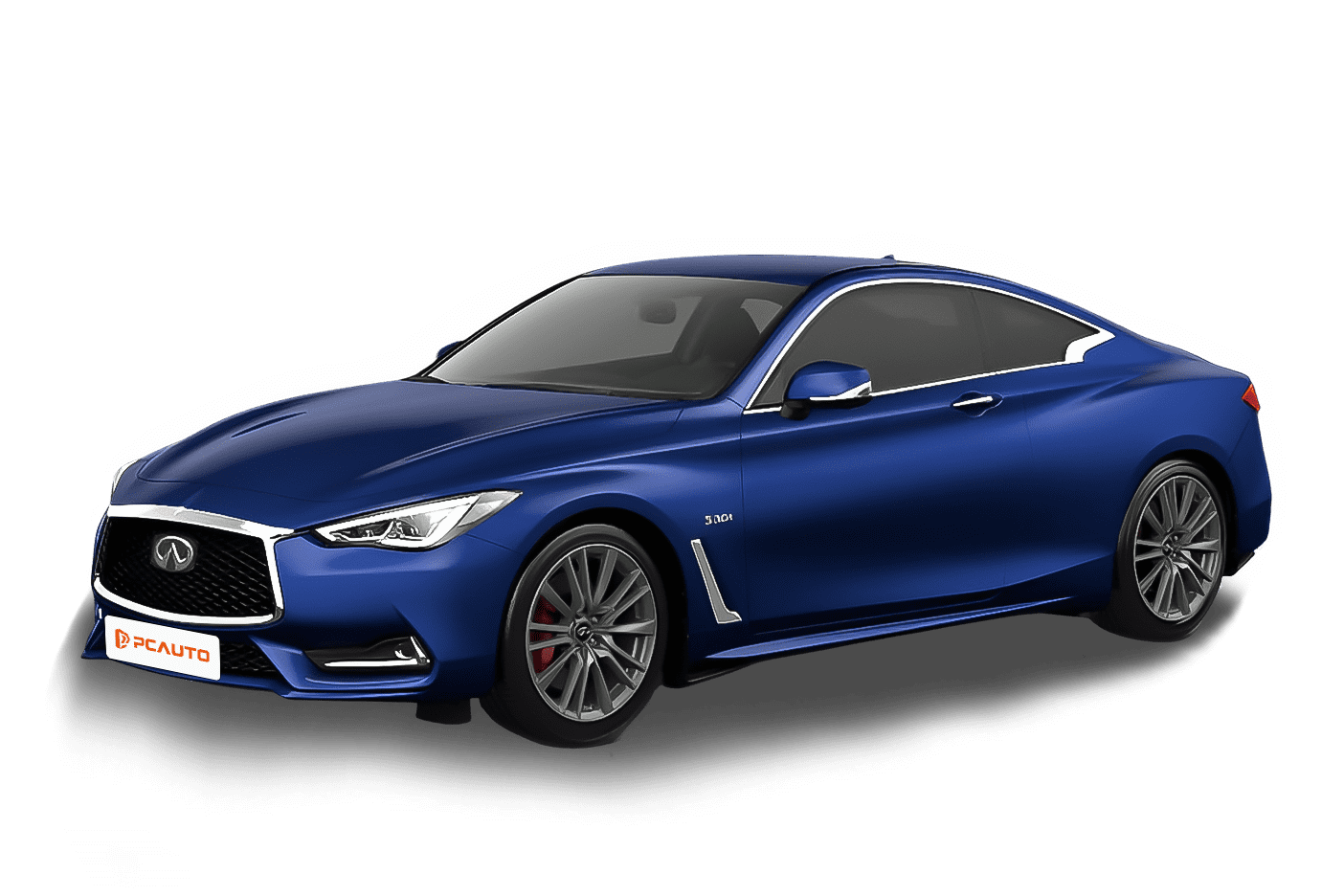
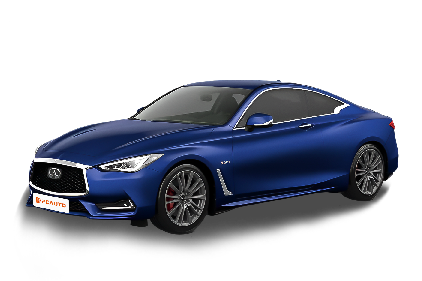
2017 Infiniti Q60 2.0t is a luxury coupe that balances sporty design and daily practicality, featuring a family-style exterior, BOSE audio system, and balanced power as its core selling points.
1
Rank in Coupe
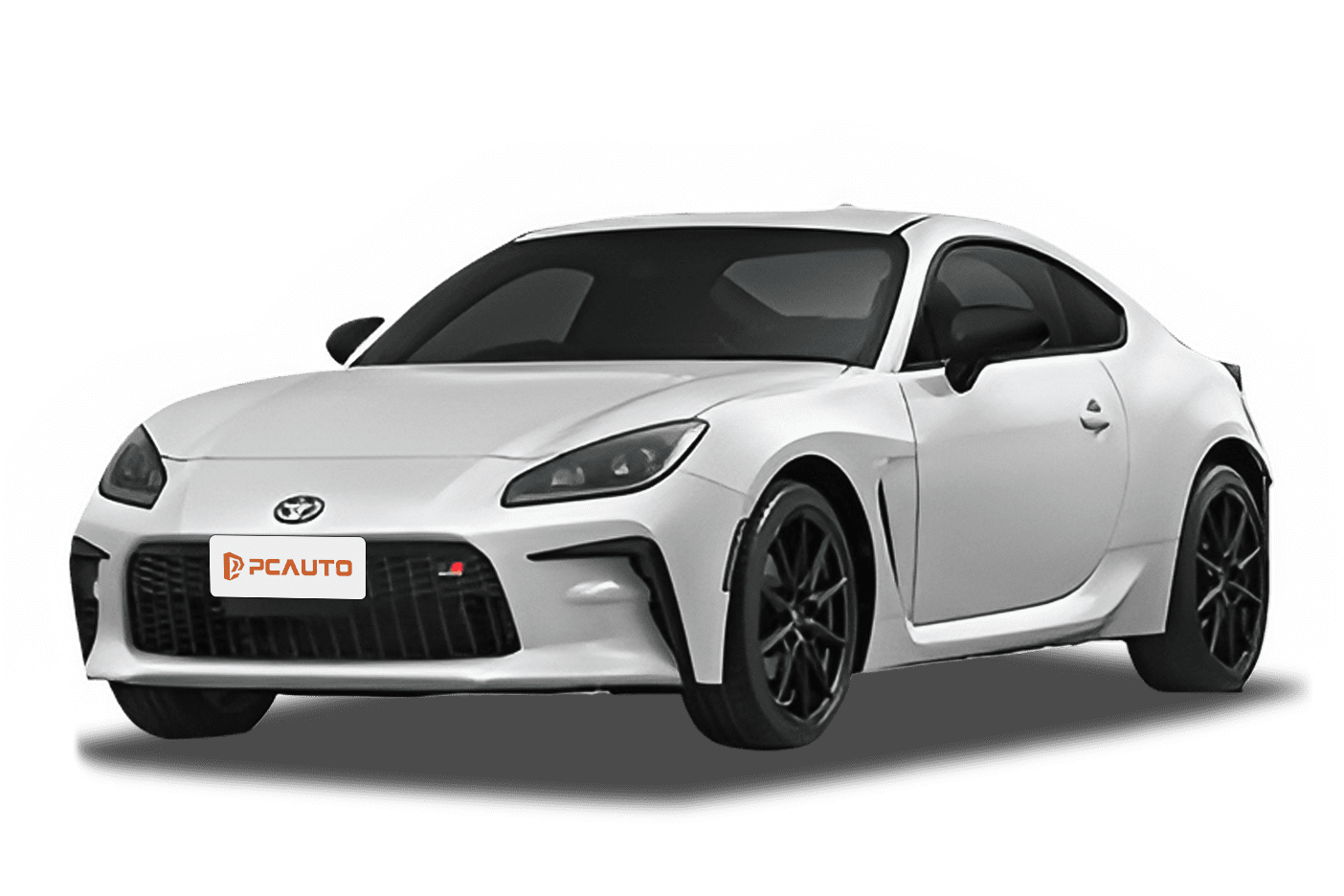
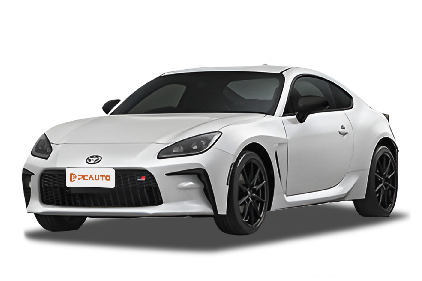
2023 Toyota GR 86 2.4 AT is a rear-wheel-drive sports coupe upgraded with a 2.4L naturally aspirated engine to address low torque issues, balancing daily commuting with pure driving pleasure.
10
Rank in Coupe
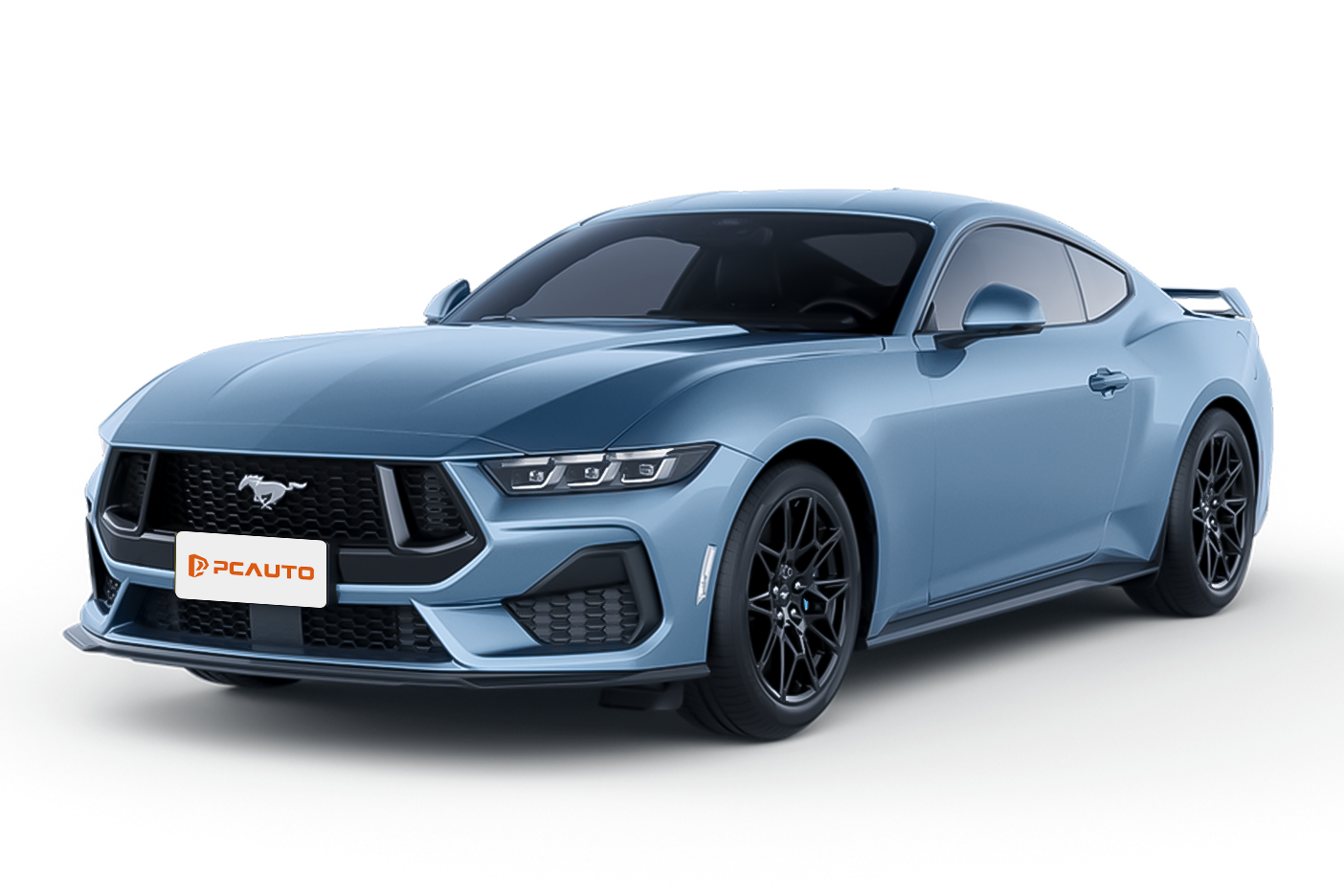
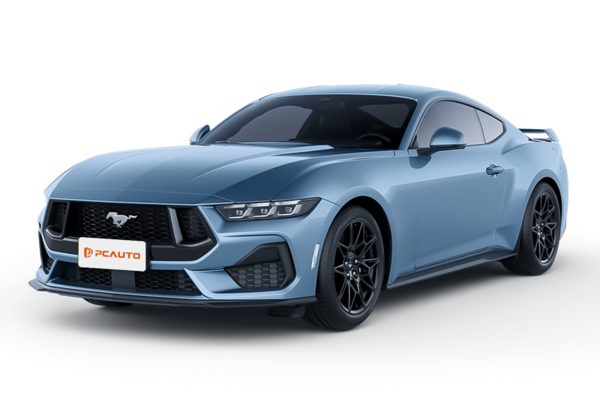
2018 Ford Mustang 2.3 EcoBoost retains the classic muscle car appearance with high cost performance, the 2.3T engine delivers 310PS horsepower, balancing performance and practicality for daily driving.
6
Rank in Coupe
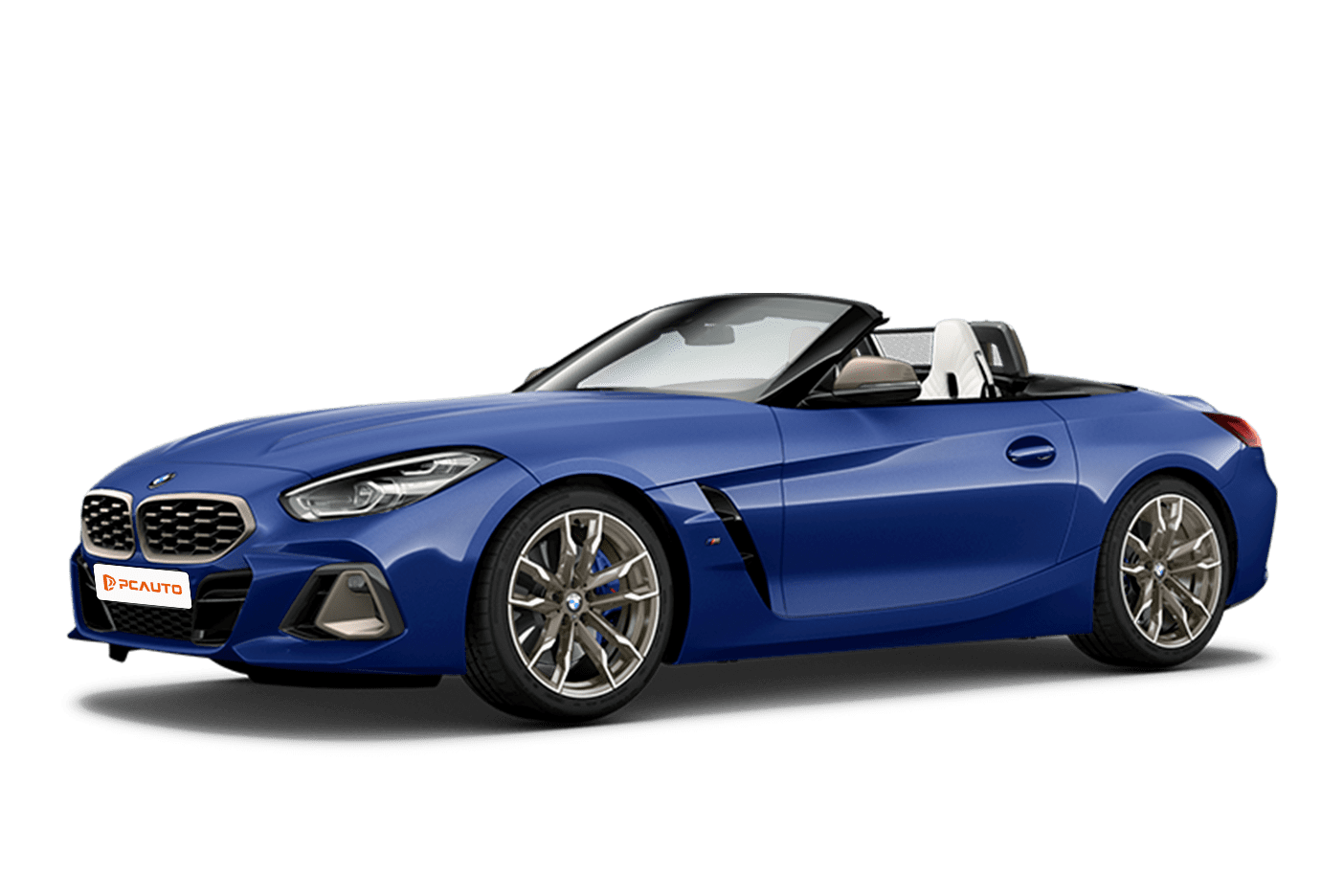
2023 BMW Z4 public, as a classic rear-wheel-drive convertible sports car, balances driving pleasure and daily practicality, with class-leading intelligent features and a compact body precisely meeting the needs of Malaysian users.