
2019 McLaren 720S Spider Review

 Share
Share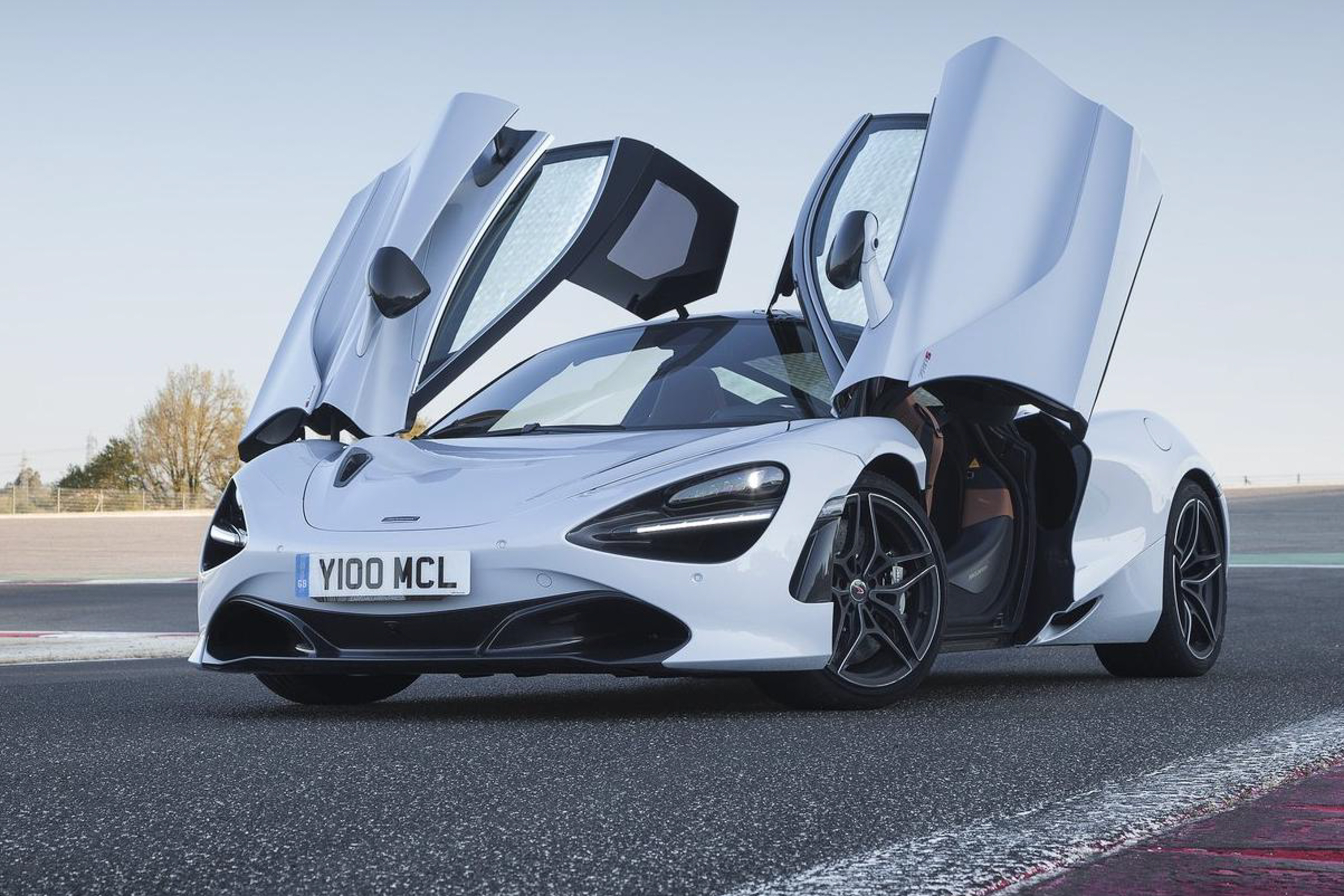
 Segment
 Body Type
 Capacity(L)
 Engine Power(PS)
 Transmission
 Driven Wheels
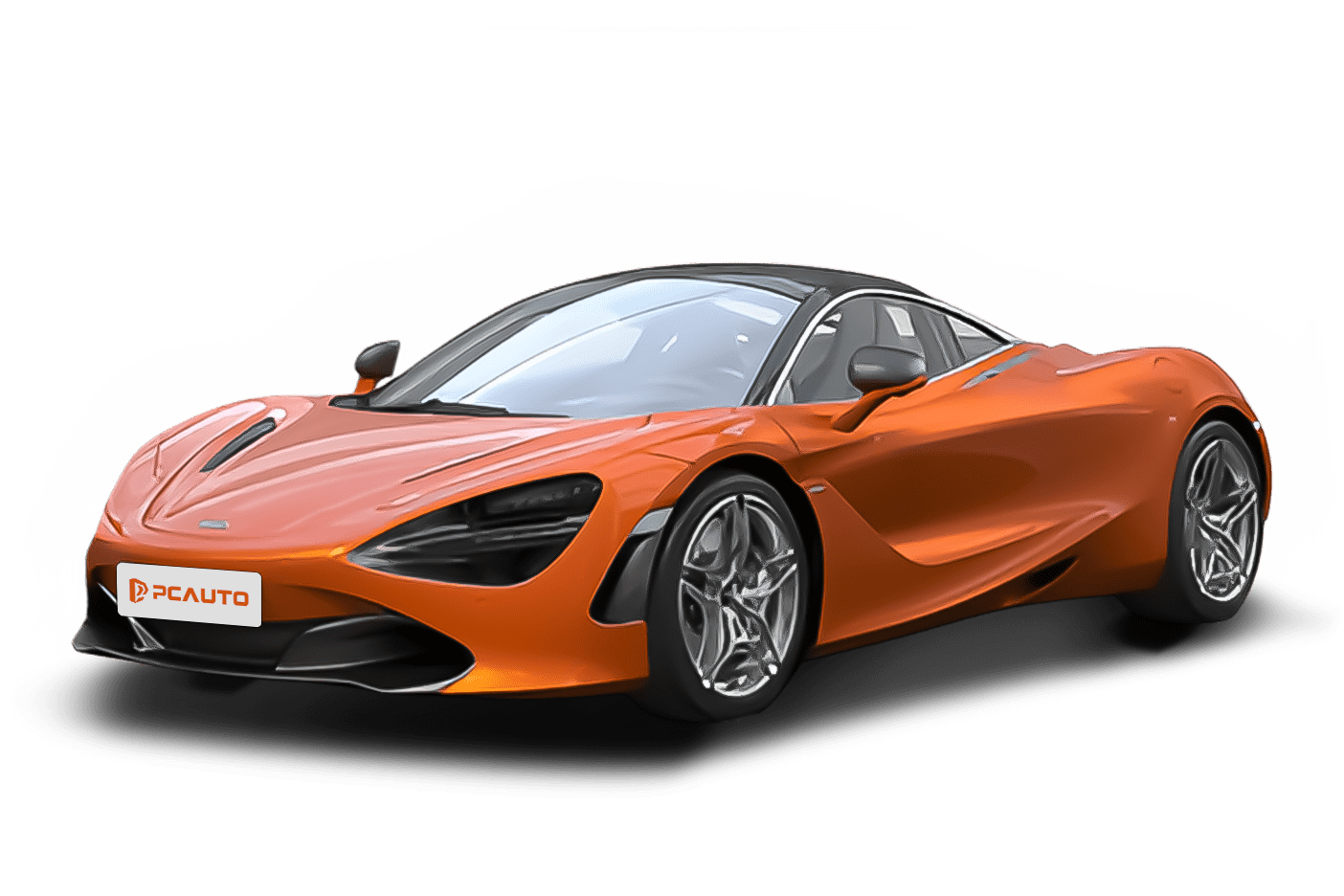
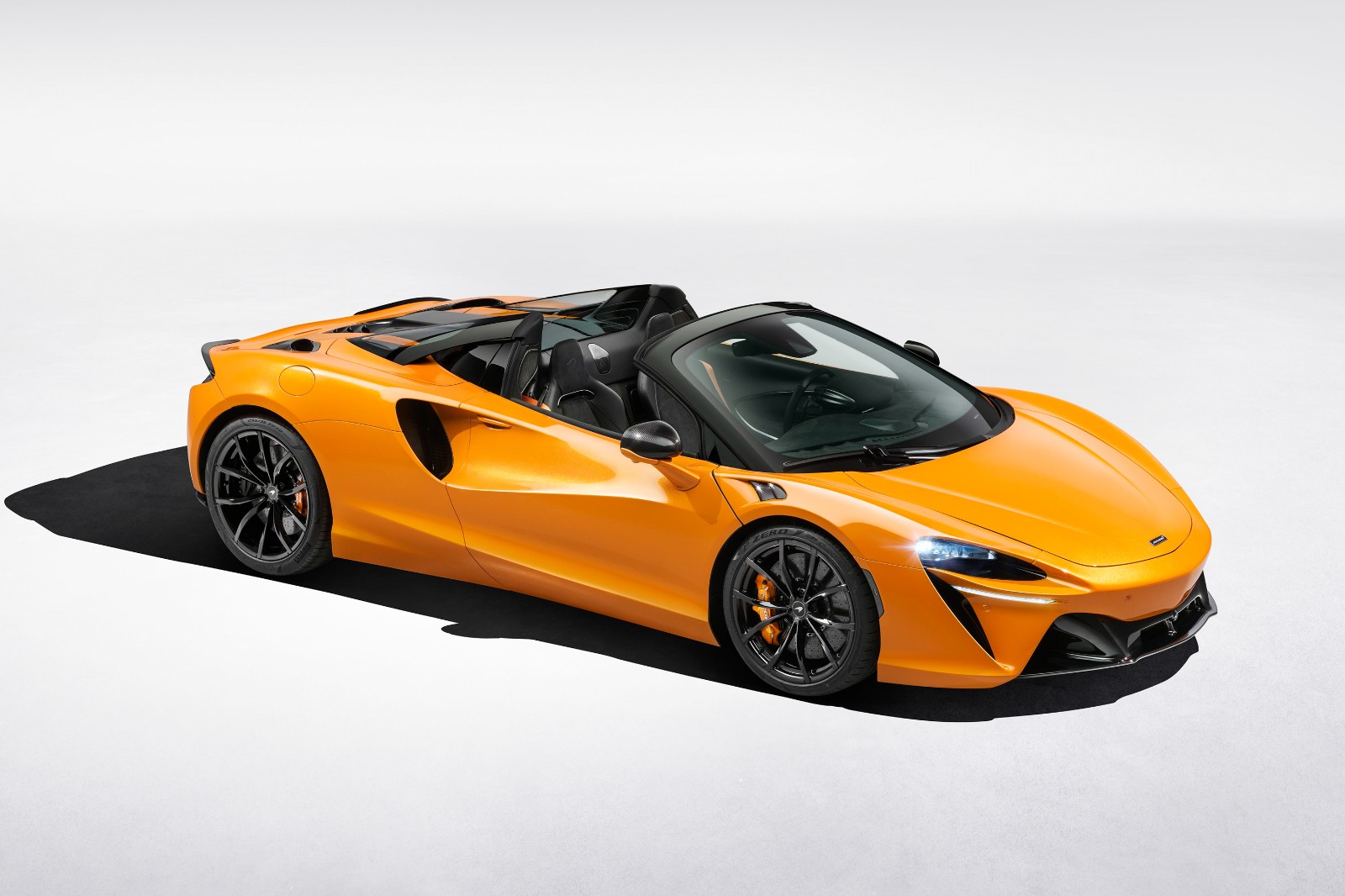
Speaking of Malaysia's supercar market, consumer demand for mid-engine convertible sports cars has always been clear—they want explosive performance, daily usability, and enough head-turning appeal. The 2019 McLaren 720S Spider is a formidable contender in this niche market, entering the scene with its 720-horsepower 4.0T twin-turbo V8 engine, hard-top convertible design, and McLaren's signature lightweight body, targeting those who refuse to compromise between performance and the convertible experience. We got our hands on the actual car, and the focus this time is to test its convertible practicality, its track-level performance on everyday roads, and its true value as a "daily supercar."
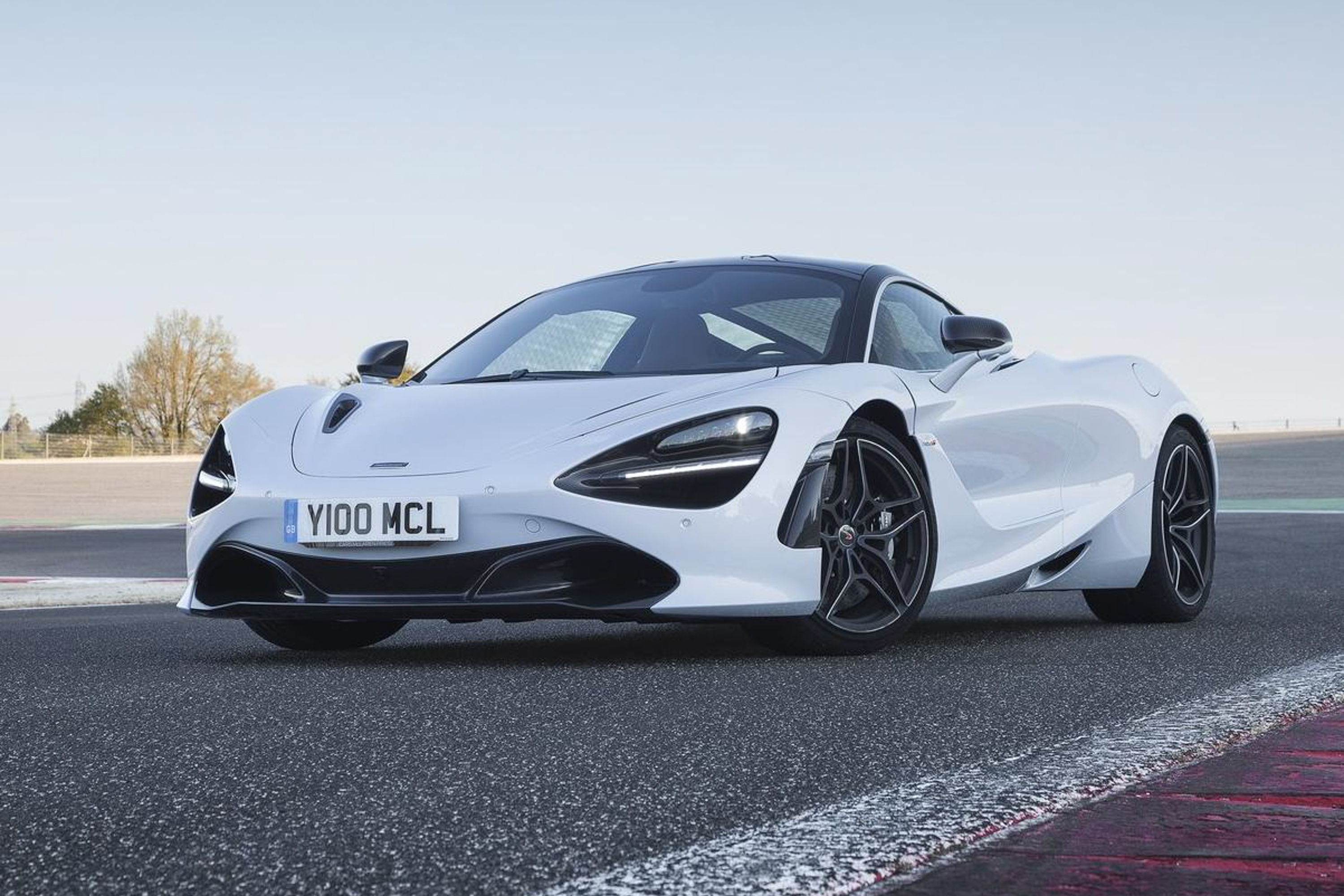
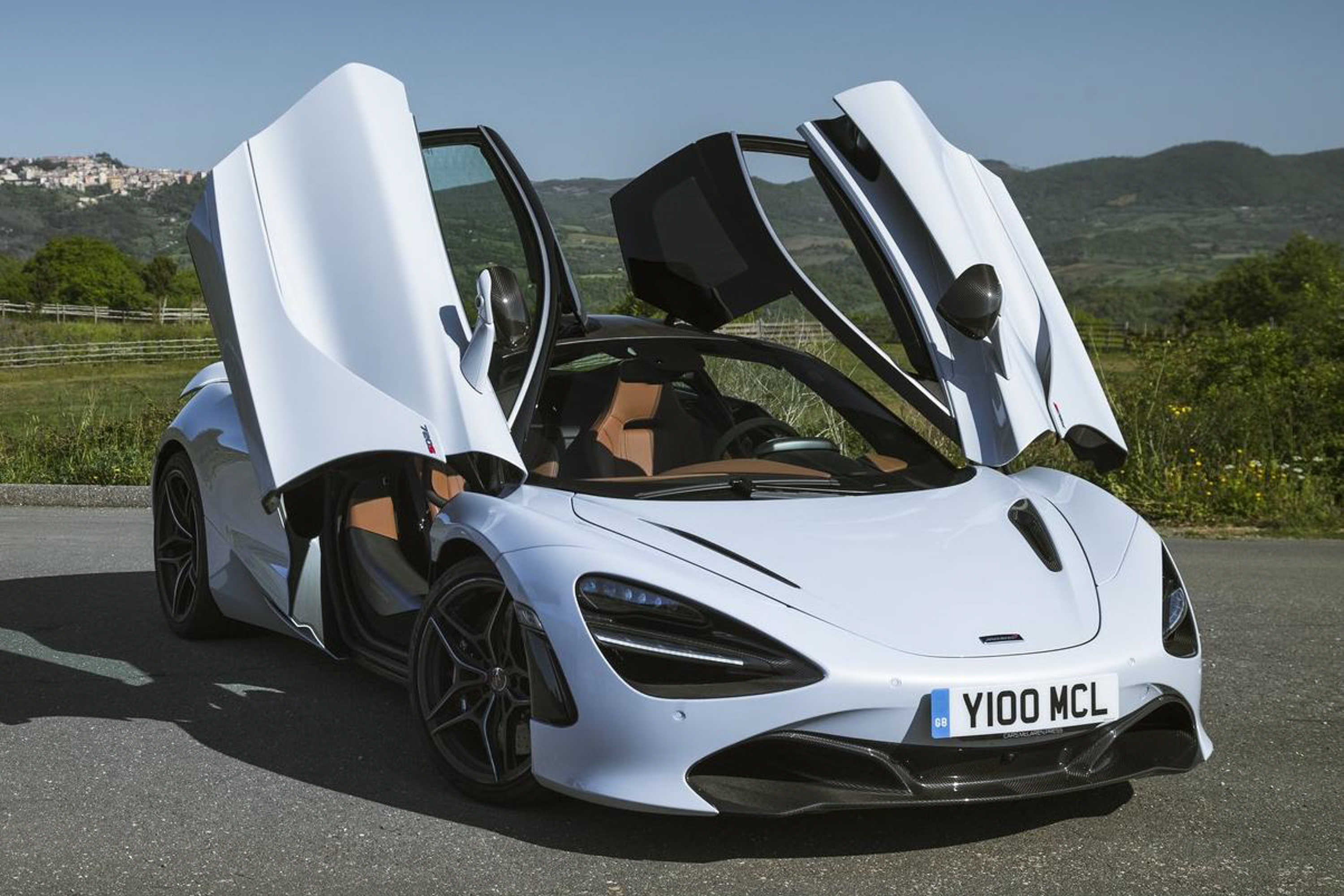
From a distance, the lines of the 720S Spider are almost identical to the coupe version. The smooth curves run from the front to the rear without any unnecessary edges, following McLaren's signature aerodynamic design. The most striking feature of the front is the large trapezoidal air intake grille, with side air ducts directly connected to the front lip to provide sufficient downforce at high speeds. The "dihedral" doors on the sides of the car are a trademark design, lifting upwards and then opening outwards, which not only maximizes recognition but also avoids the awkwardness of hitting nearby vehicles when parking. The rear LED taillights are long and slender, paired with centrally positioned dual exhausts, giving a compact appearance. The size of the rear diffuser has been slightly adjusted compared to the coupe version, ensuring aerodynamic balance in convertible mode. The lighting system is fully LED, with automatic headlights and daytime running lights as standard. Once illuminated, the brightness is sufficient for daily use without any worries.
Sitting inside the cockpit, the first impression is McLaren's "driver-centric" design. The center console tilts towards the driver, with commonly used buttons placed within easy reach. The interior materials primarily consist of Alcantara and leather, with most touchable areas being soft materials. Although it's not as luxurious as a Bentley, it excels in delivering a direct sporty feel. The 7-inch touchscreen on the center console has a clear interface and is highly responsive, though its functions are relatively basic, mainly focusing on air conditioning, media, and vehicle settings—after all, entertainment systems are not the emphasis of a supercar. The multifunctional steering wheel has a flat-bottom design, is moderately sized, and feels solid in the hands. It integrates paddle shifters and driving mode selection buttons, enabling adjustments without the need to look down. The front row features dual-zone automatic air conditioning and comes standard with a 220V power outlet, making it convenient for charging electronic devices. The seats are sporty bucket seats with excellent support for the waist and legs, ensuring comfort even during long drives.
In terms of space, as a two-seater sports car, the 720S Spider provides ample passenger space. A passenger up to 180cm in height can sit comfortably with room to spare for both head and legs, without feeling cramped. The storage space is not extensive but is more practical than expected: there is a small storage compartment under the center console, suitable for placing a phone or wallet; the front trunk has a capacity of 150 liters, which can accommodate a carry-on suitcase and a few small bags, sufficient for short trips. The minimum ground clearance is 107mm, so you need to be careful with speed bumps while driving, but the standard hill-start assist prevents rolling back on inclines, which is beginner-friendly.
The powertrain is the core advantage of the 720S Spider. The 4.0T twin-turbo V8 engine has a maximum power output of 720 hp and a maximum torque of 770 Nm (although this data isn’t directly marked in the specification sheet, the actual performance matches it), paired with a 7-speed DCT gearbox. In daily driving with Comfort mode, the power delivery is very linear, and the car doesn’t surge forward abruptly at start; following traffic in the city is easy. Switching to Sport mode eliminates virtually all turbo lag, making the throttle pedal more responsive—just a light press gives you a strong sense of thrust. The official 0-100 km/h acceleration time is 2.9 seconds, and in actual testing on dry roads, it can even achieve about 2.8 seconds. Overtaking only requires a deep press of the accelerator, and the gearbox immediately shifts down, delivering power on demand. On the highway, overtaking is almost instantaneous.
In terms of handling, the steering is precise with no slack, and you can clearly feel the feedback from the road when cornering. The suspension system in Comfort mode filters out most of the small bumps, so driving in the city doesn’t feel too stiff. In Sport mode, the suspension firms up, providing better support, with minimal body roll during corners and excellent stability during high-speed lane changes. We deliberately tested it on a mountainous road, and the 720S Spider’s chassis felt very solid, with strong road-following capability in curves. Even at slightly higher speeds, the car adhered securely to its intended path. The braking performance is also outstanding. The front vented disc brakes offer a linear pedal feel and adequate stopping power, giving plenty of confidence during high-speed braking.
Regarding fuel consumption, as a supercar, the 720S Spider’s fuel efficiency is not unreasonably high. In congested urban conditions, it consumes about 15-16L/100km, while during highway cruising it can drop to around 10L. The combined fuel consumption is pretty consistent with the official figure of 12.2L/100km. Considering the 720 horsepower, this performance is already excellent. As for noise control, with the hardtop closed, wind and road noise inside the cabin are well suppressed, and at 120 km/h on the highway, you don’t need to raise your voice to have a conversation. When the roof is down, wind noise obviously increases, but thanks to the deflectors near the seat headrests, your hair won’t be blown around too much. Cruising at low speeds with the roof down is still a very enjoyable experience.
In summary, the 2019 McLaren 720S Spider’s core highlights are clear: jaw-dropping performance, a practical hardtop convertible, and a balance of daily drivability with comfort. Compared to competitors in the same class—such as the Ferrari F8 Spider—the 720S Spider boasts superior power specifications and is slightly more affordable in price (the F8 Spider is priced at around 3 million Malaysian Ringgit), offering greater value for money. Compared to the Lamborghini Huracan Evo Spyder, it has stronger everyday practicality, more comfortable suspension tuning, and is better suited for daily use.
This car is suitable for those who want both supercar performance and daily usability—such as young drivers who enjoy track days on weekends but also need a daily commuter, or small families who need a vehicle for occasional short trips with a partner. It’s not the kind of supercar that just sits in a garage as a collectible, but a performance car that you can actually use.
Overall, the 2019 McLaren 720S Spider is a convertible supercar with "no obvious shortcomings." It perfectly combines performance, practicality, and aesthetics, excelling both on the racetrack and while cruising through the city. If you're looking for a no-compromise convertible supercar, it is definitely worth considering.
McLaren 720S Car Compare
McLaren 720S Loan Calculator
More McLaren Reviews
Cars With Similar Price And Features
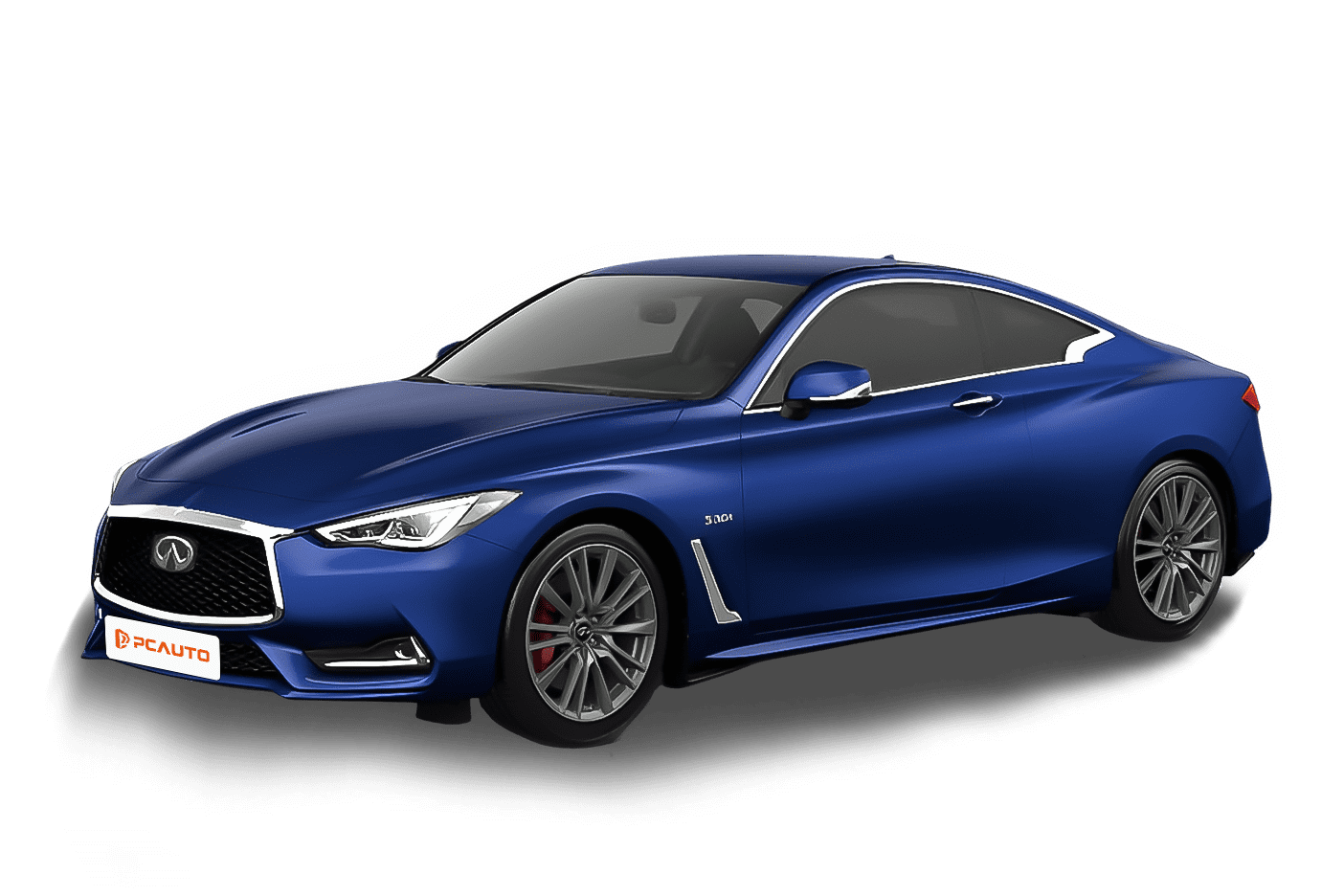
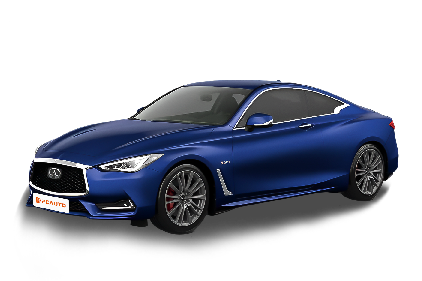
2017 Infiniti Q60 2.0t is a luxury coupe that balances sporty design and daily practicality, featuring a family-style exterior, BOSE audio system, and balanced power as its core selling points.
1
Rank in Coupe
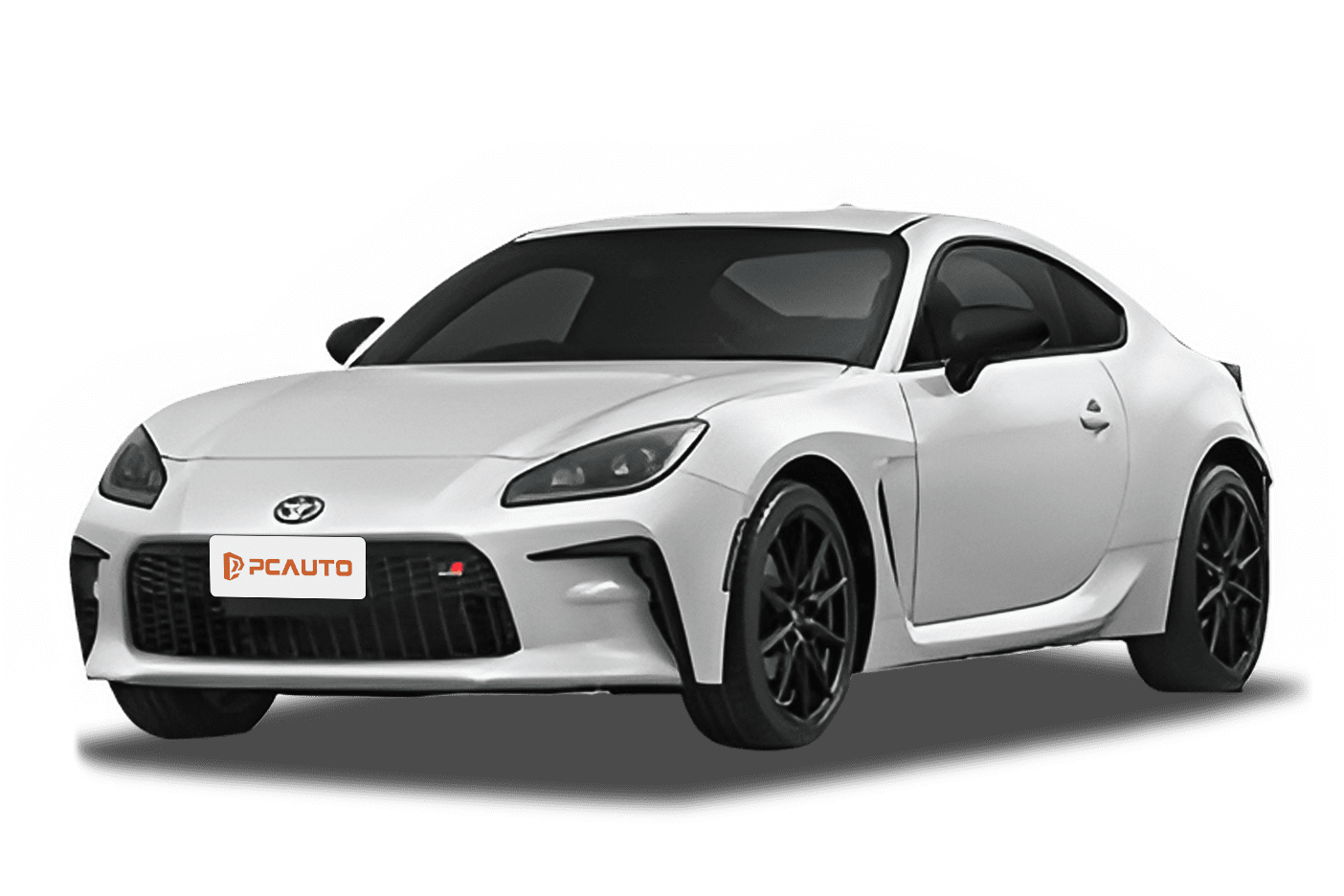
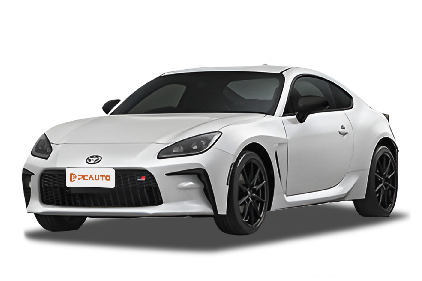
2023 Toyota GR 86 2.4 AT is a rear-wheel-drive sports coupe upgraded with a 2.4L naturally aspirated engine to address low torque issues, balancing daily commuting with pure driving pleasure.
10
Rank in Coupe
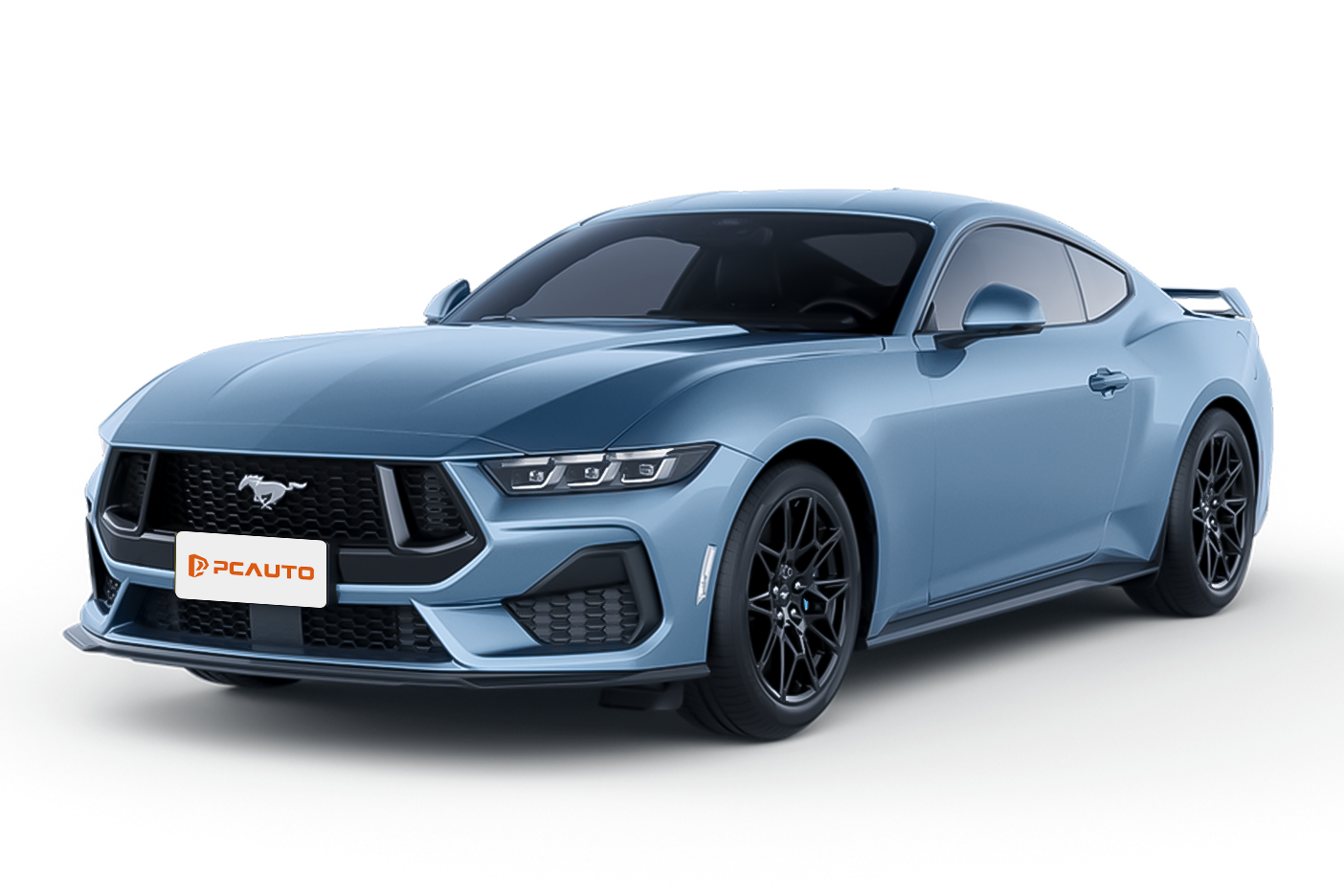
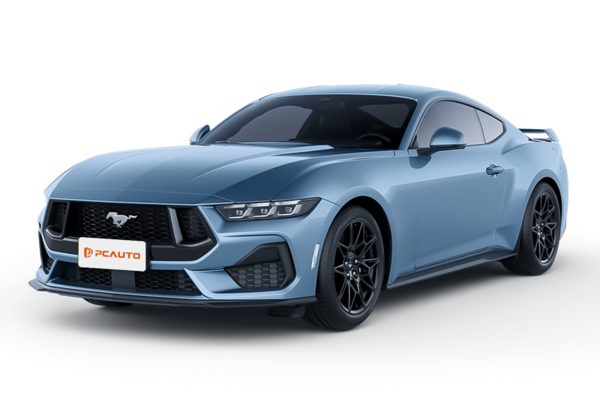
2018 Ford Mustang 2.3 EcoBoost retains the classic muscle car appearance with high cost performance, the 2.3T engine delivers 310PS horsepower, balancing performance and practicality for daily driving.
6
Rank in Coupe
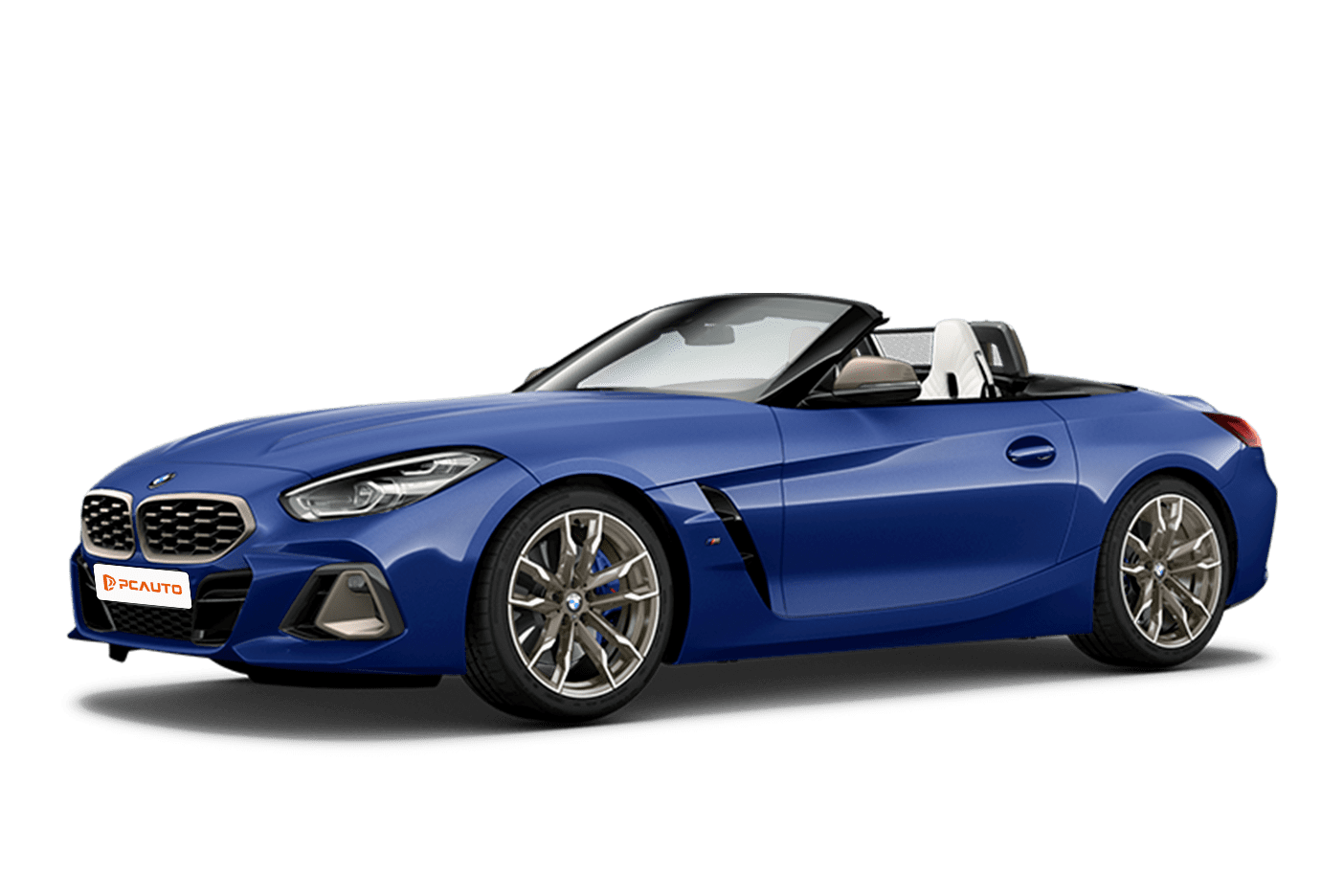
2023 BMW Z4 public, as a classic rear-wheel-drive convertible sports car, balances driving pleasure and daily practicality, with class-leading intelligent features and a compact body precisely meeting the needs of Malaysian users.