
McLaren Artura 2024 Review

 Share
Share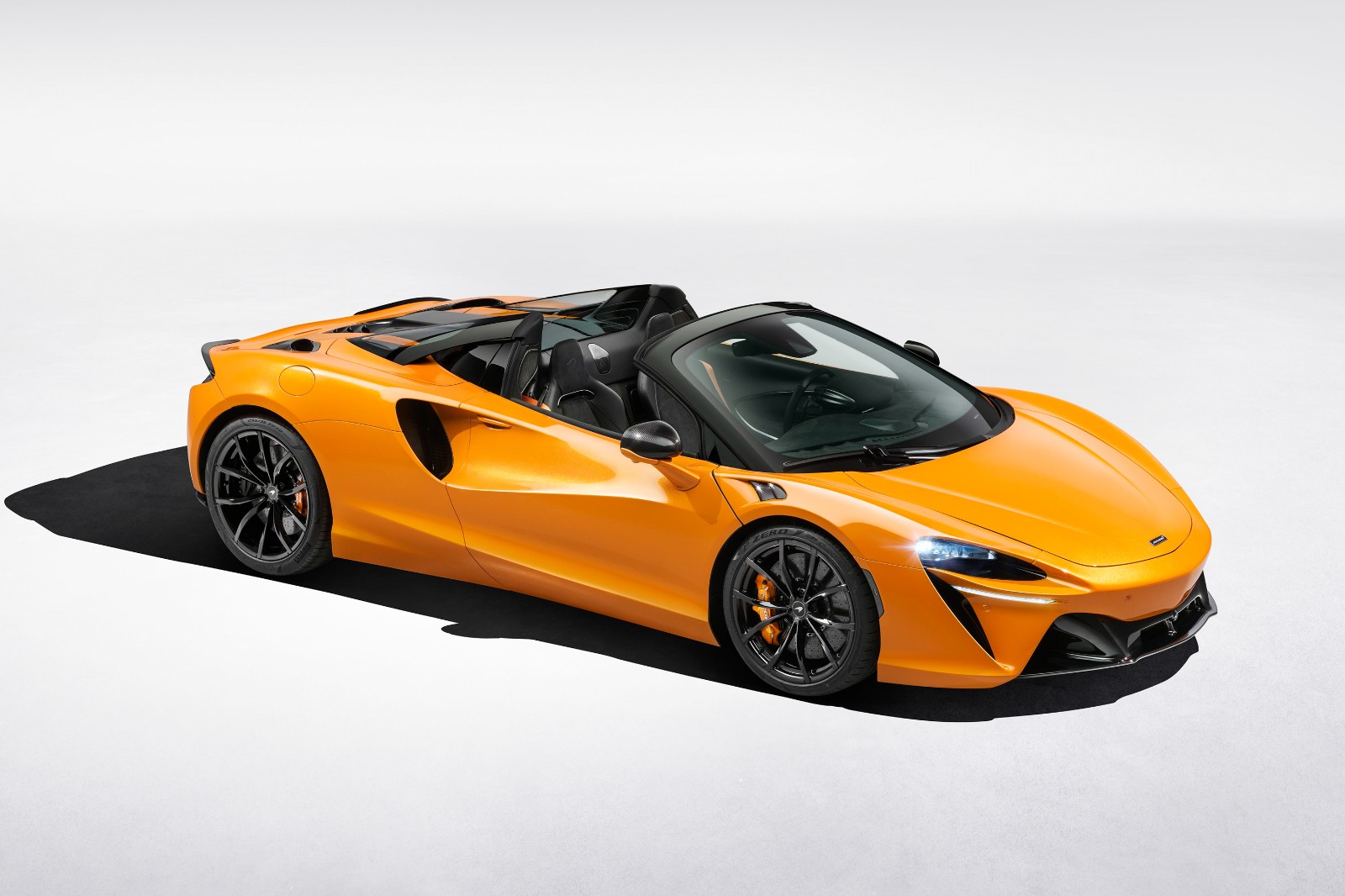
 Segment
 Body Type
 Capacity(L)
 Combined System Output(PS)
 EV Range(km)
 Driven Wheels
In 2024, Malaysia's supercar market continues to become more segmented, with plug-in hybrid (PHEV) models gradually carving out a place for themselves by balancing performance with everyday practicality. As McLaren's first mass-produced hybrid convertible supercar, the Artura Spider enters the high-end sports car market with a price tag of RM3.4 million. Its key selling points focus on a 700PS combined hybrid power system, a lightweight body weighing 1560kg, and an electrically operated retractable hardtop. This test drive will analyze the car from three perspectives—static design, dynamic performance, and daily practicality—to see if it can meet the dual needs of supercar enthusiasts for both "track passion and daily commuting."
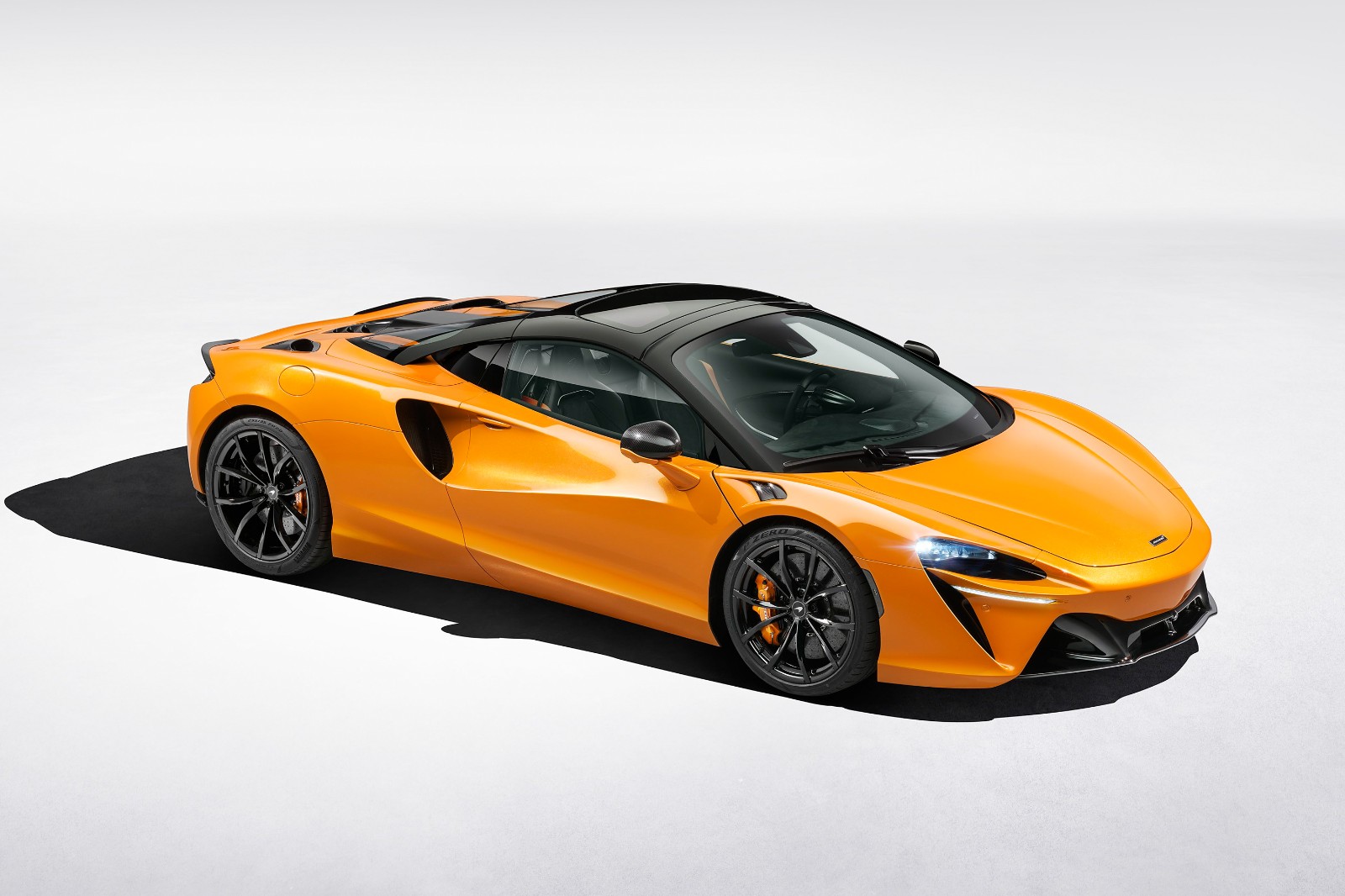
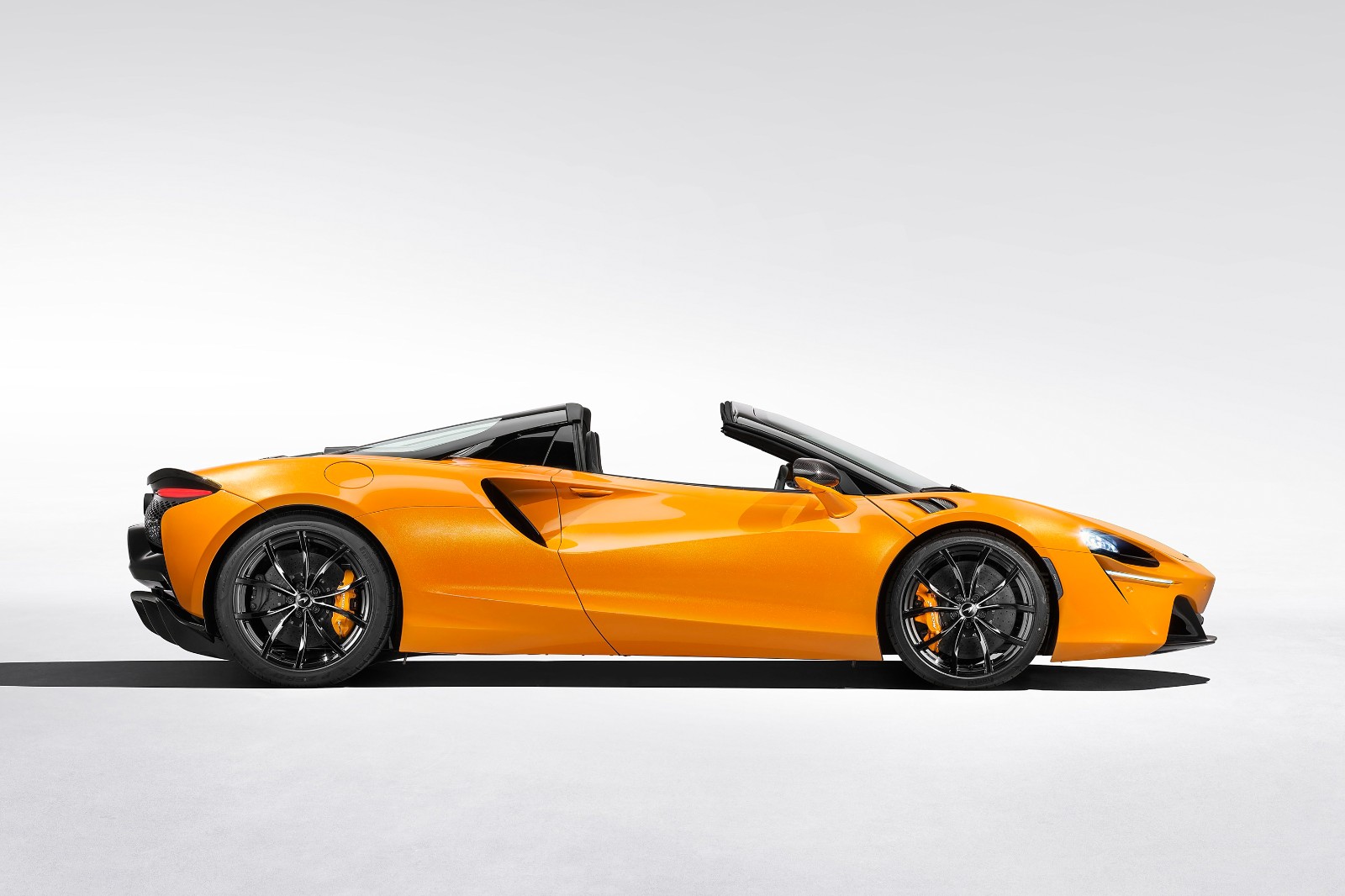
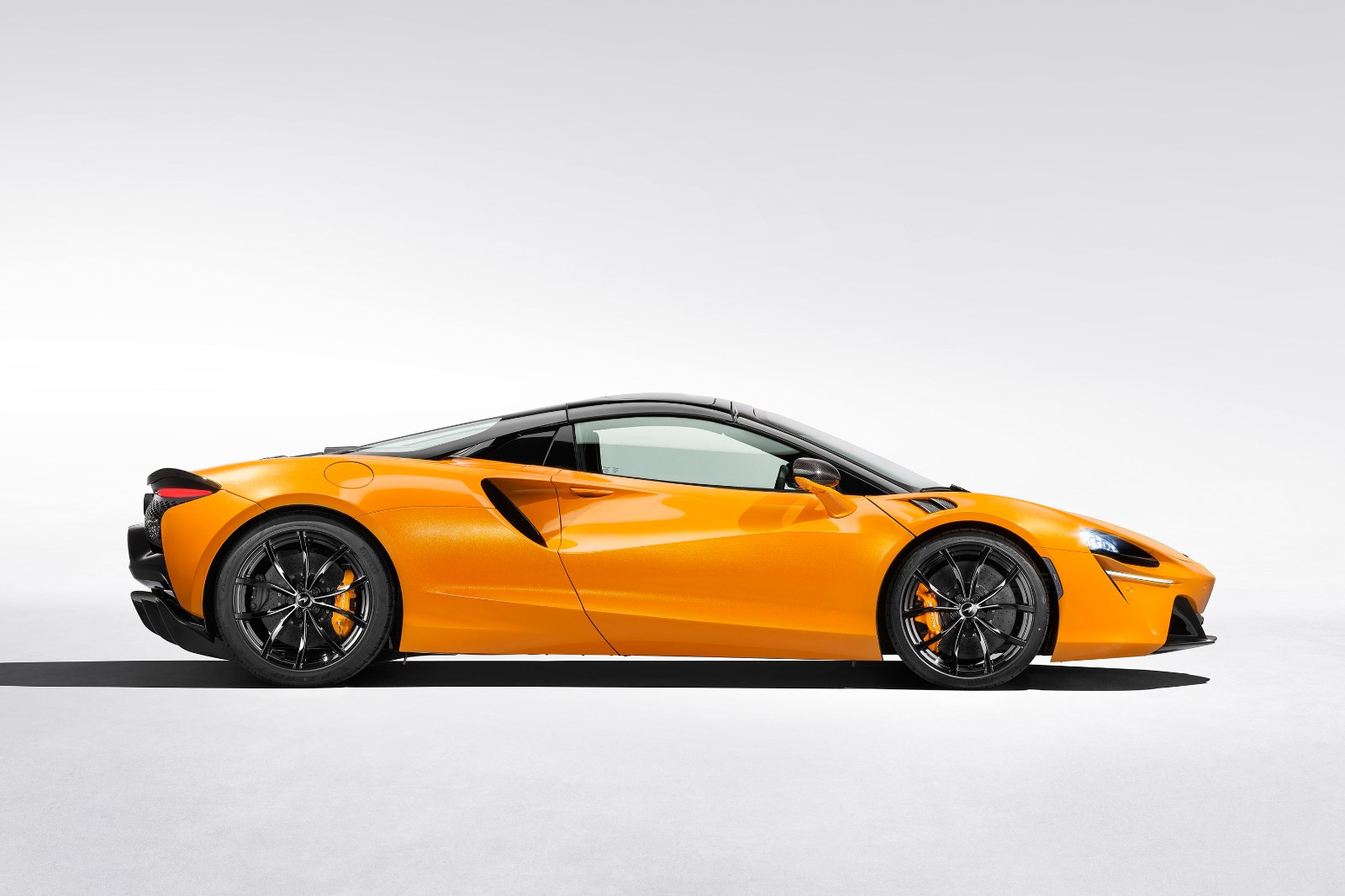
The exterior of the Artura Spider continues McLaren's family-style aerodynamic design, with overall sleek and aggressive lines. The front features a large honeycomb grille, paired with sharp LED daytime running lights on both sides for a highly recognizable look. The butterfly door design on the sides retains the brand's iconic element, and the moment the doors are opened, they immediately grab the attention of passersby. The hardtop, made of lightweight composite materials, can be retracted or deployed within 11 seconds at speeds below 50km/h. When retracted, it seamlessly merges with the body lines without disrupting the overall aesthetic. The rear LED taillight adopts a through-type design, while the diffuser and dual-sided exhausts further enhance its sporty appeal. Both front and rear wheels are equipped with ceramic ventilated brake discs, complemented by 19-inch front and 20-inch rear wheels for a visually striking effect.
Inside, the Artura Spider's interior is driver-centric, with a simple overall layout that emphasizes functionality. The central console features an 8-inch touchscreen that offers a smooth interface and supports basic functions like Bluetooth and CarPlay. The multifunctional steering wheel is wrapped in Alcantara material for a solid grip, and physical buttons on both sides allow quick control of driving modes, volume, and other commonly used functions. The seats are carbon-fiber-wrapped sports seats that provide excellent support, although they are manually adjustable, which may feel slightly inconvenient. Storage space inside the car is limited, with only small compartments in the central armrest and door panels. The trunk has a capacity of 160 liters, just enough to fit two carry-on suitcases. In terms of features, standard equipment includes automatic parking, front and rear parking sensors, and a reversing camera. There are four airbags (driver, front passenger, front side airbags, and front head curtain airbags) to meet basic safety needs.
Regarding space, the Artura Spider, as a two-door, two-seater sports car, has a wheelbase of 2640mm, providing ample front seating space. A 180cm-tall occupant has more than a fist's distance of headroom and legroom in the front seat. However, due to the vehicle's design, there are no rear seats, leaving only minimal space for cargo in the back. The air conditioning system is an automatic dual-zone system with quick cooling effects. Despite the lack of rear air vents, the airflow from the front can cover most of the cabin area. The only power interface is a front USB port, which might be insufficient.
In terms of the powertrain, the Artura Spider is equipped with a 3.0T V6 twin-turbocharged engine combined with an axial flux electric motor in a PHEV setup. The system delivers a total output of 700PS and 720Nm of torque, paired with an 8-speed DCT gearbox. In pure electric mode, it has a range of 33km, suitable for short commutes. In hybrid mode, the electric motor provides strong torque during initial acceleration, allowing a 0-100km/h sprint in just 3 seconds with a solid push-back feeling. During mid-to-high speed acceleration, the engine engages smoothly, delivering ample power even at 7500rpm, with no struggle overtaking. There are three driving modes: Comfort, Sport, and Track. In Sport mode, the transmission's shifting logic becomes more aggressive, and the exhaust note becomes richer and deeper.
The core strengths of the Artura Spider lie in its handling and chassis performance. The front double-wishbone and rear multi-link independent suspension are tuned for sportiness, offering excellent support. The body shows minimal roll during cornering, and the steering is highly precise with clear road feedback. When driving over bumpy roads, the suspension filters out most of the minor vibrations, balancing comfort with sportiness. The rear-wheel-drive layout combined with the lightweight body ensures agile responses, making it capable of tackling consecutive curves effortlessly on the track. As for fuel consumption, the official combined fuel consumption is 4.8L/100km, real-world urban commuting (hybrid mode) consumes about 6.5L/100km, and highway cruising consumes about 5.2L/100km, making it standout in fuel efficiency among supercars.
In terms of driving comfort, with the hardtop closed, the cabin provides excellent sound insulation, keeping wind and tire noise within a reasonable range at speeds below 120km/h. When the convertible top is open, the adjustable wind deflector effectively reduces air disturbance for the driver and passengers. The seats offer strong support, ensuring long drives are not overly tiring, but the manual adjustment for lumbar support may feel slightly inconvenient. The energy recovery system offers three adjustable levels, with the highest level achieving a regenerative force close to one-pedal mode, making it suitable for congested urban roads. The brake pedal feels linear and the braking distance is short, instilling confidence.
Overall, the core strength of the 2024 McLaren Artura Spider lies in “balancing performance with practicality”: its 700PS hybrid system delivers supercar-level acceleration performance, a 33km pure electric range meets daily commuting needs, and its lightweight body and precise handling are well-suited for track driving. Additionally, the hardtop convertible design enhances the fun factor, while features like automatic parking lower the barrier for daily use. Compared to peers like the Ferrari 296 GTS (around 4 million ringgit), the Artura Spider is approximately 600,000 ringgit cheaper, offering higher cost performance; however, it slightly lags behind in terms of brand premium and interior luxury.
This model is suitable for two types of buyers: first, supercar enthusiasts who seek a vehicle they can drive daily with occasional track use – the 33km pure electric range helps reduce commuting costs while the hybrid system ensures great performance. Second, consumers who enjoy the convertible driving experience – the 11-second open-close hardtop adds enough flair for city driving.
Overall, the 2024 McLaren Artura Spider is a versatile hybrid convertible supercar that combines supercar-level performance and handling with a certain degree of everyday usability. Priced at 3.4 million ringgit, it is highly competitive within its class. If you’re looking for a convertible sports car that satisfies both track-day thrills and everyday commuting needs, the Artura Spider is worth considering.
McLaren Artura Car Compare
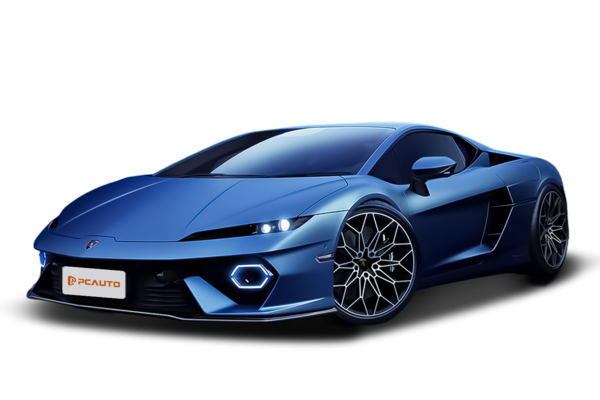
McLaren Artura Loan Calculator
More McLaren Reviews
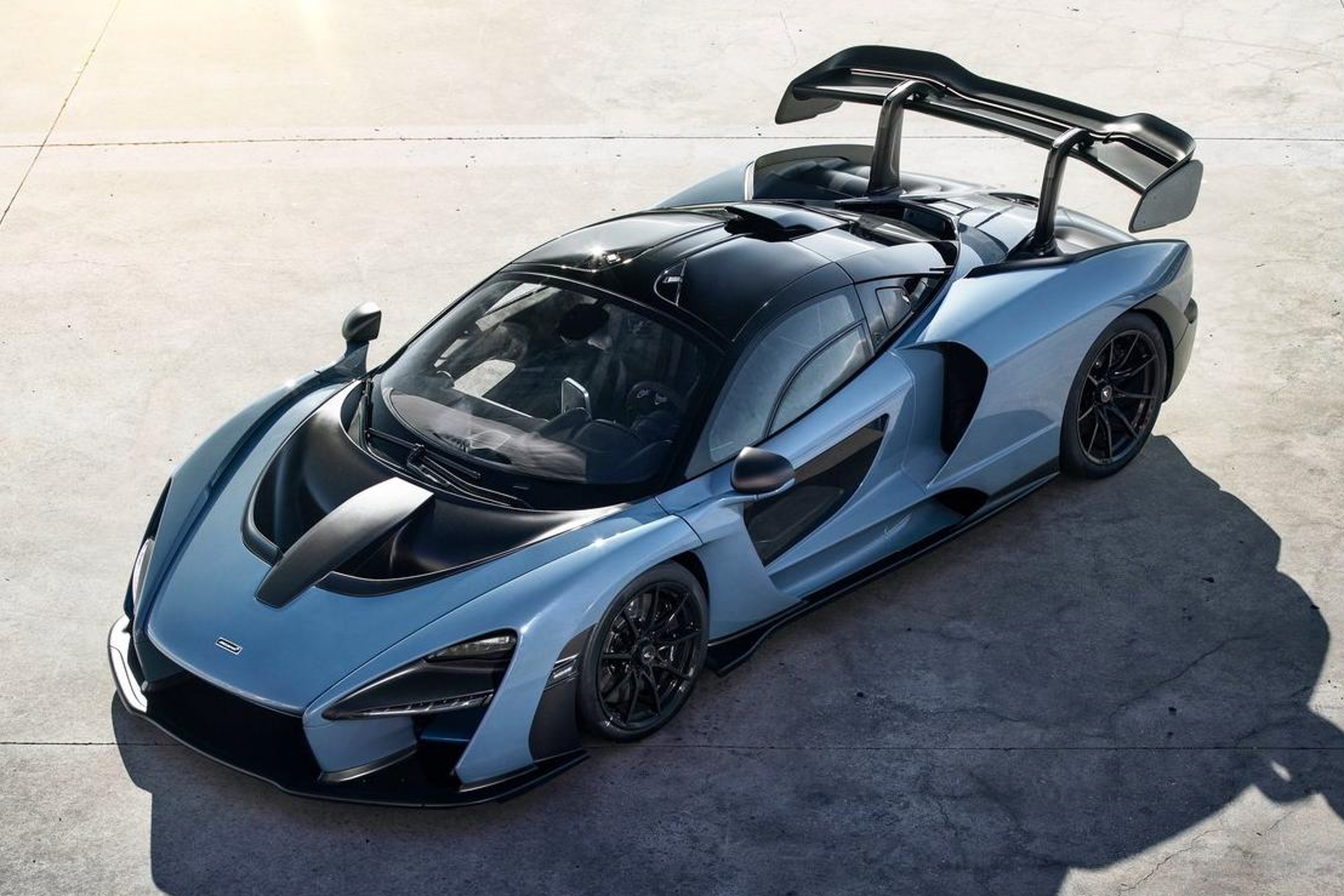
Cars With Similar Price And Features

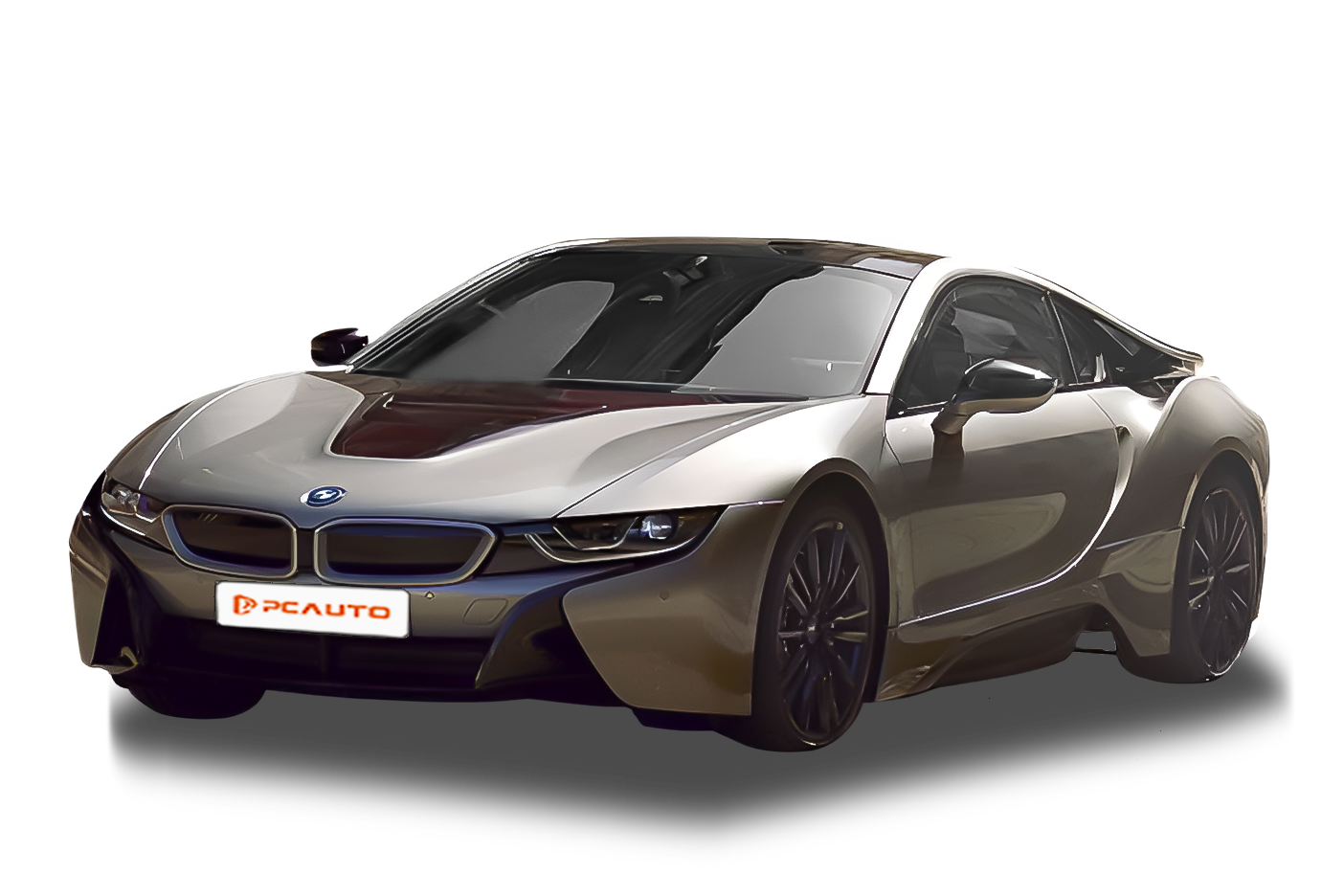
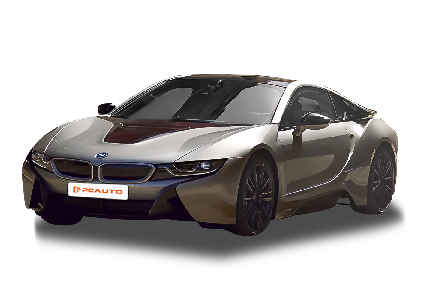
2019 BMW i8 Coupe eDrive is a luxury sports car with futuristic design and plug-in hybrid performance, meeting personalized and eco-friendly travel needs with technological features and agile handling.

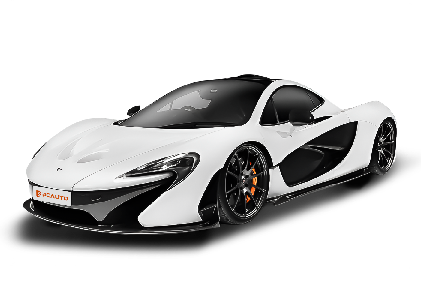
2023 McLaren P1 3.8L V8, as a representative of hybrid supercars, combines 916PS total horsepower, 2.8-second 0-100 km/h performance, handling pleasure, and daily practicality, making it an ideal choice for performance enthusiasts.
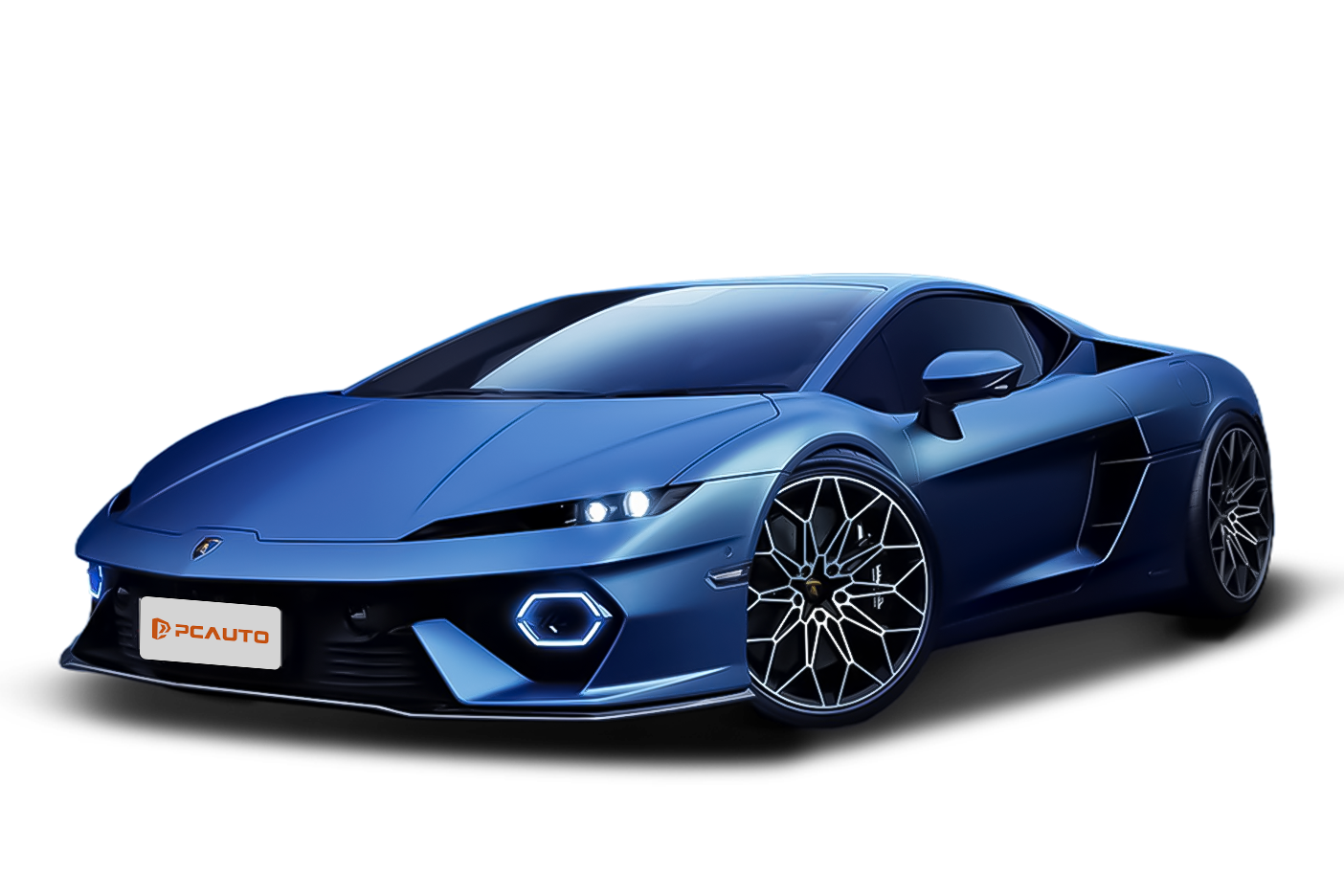
2025 Lamborghini Temerario is a mid-engine rear-wheel-drive hybrid supercar that combines extreme performance with everyday versatility, 920Ps combined power + 2.7 seconds to accelerate from 0 to 100 km/h, and also offers 3.5 kilometers of pure electric range.