

Mercedes-Benz GLB 2020 Review

 Share
Share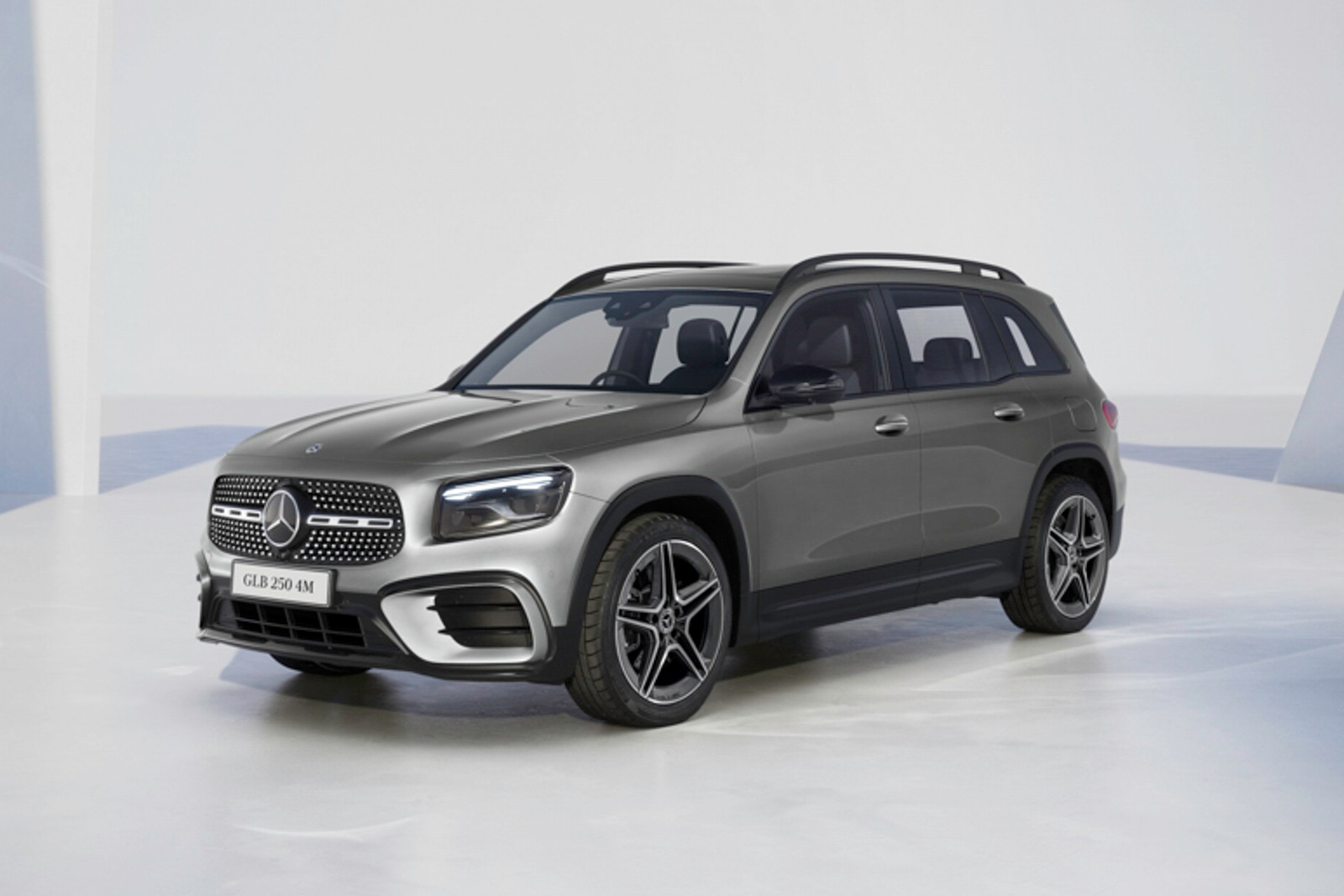
 Segment
 Body Type
 Capacity(L)
 Engine Power(PS)
 Transmission
 Engine Torque(Nm)
In Malaysia's C-Segment SUV market, there aren't many options that balance the potential for seven seats (the GLB series supports optional third-row seats), the luxurious feel of a premium brand, and everyday practicality. The appearance of the 2020 Mercedes-Benz GLB 200 Progressive Line perfectly fills this niche demand—it extends the wheelbase with a compact positioning while retaining Mercedes-Benz's iconic design language. Its key selling points focus on "class-defying space" and "entry-level premium features." This time, we received a test car, and our main goal is to verify whether its space can truly meet the needs of a large family, whether its 1.3T engine performs adequately in urban and highway conditions, and whether its overall experience as an entry-level Mercedes SUV lives up to its pricing.
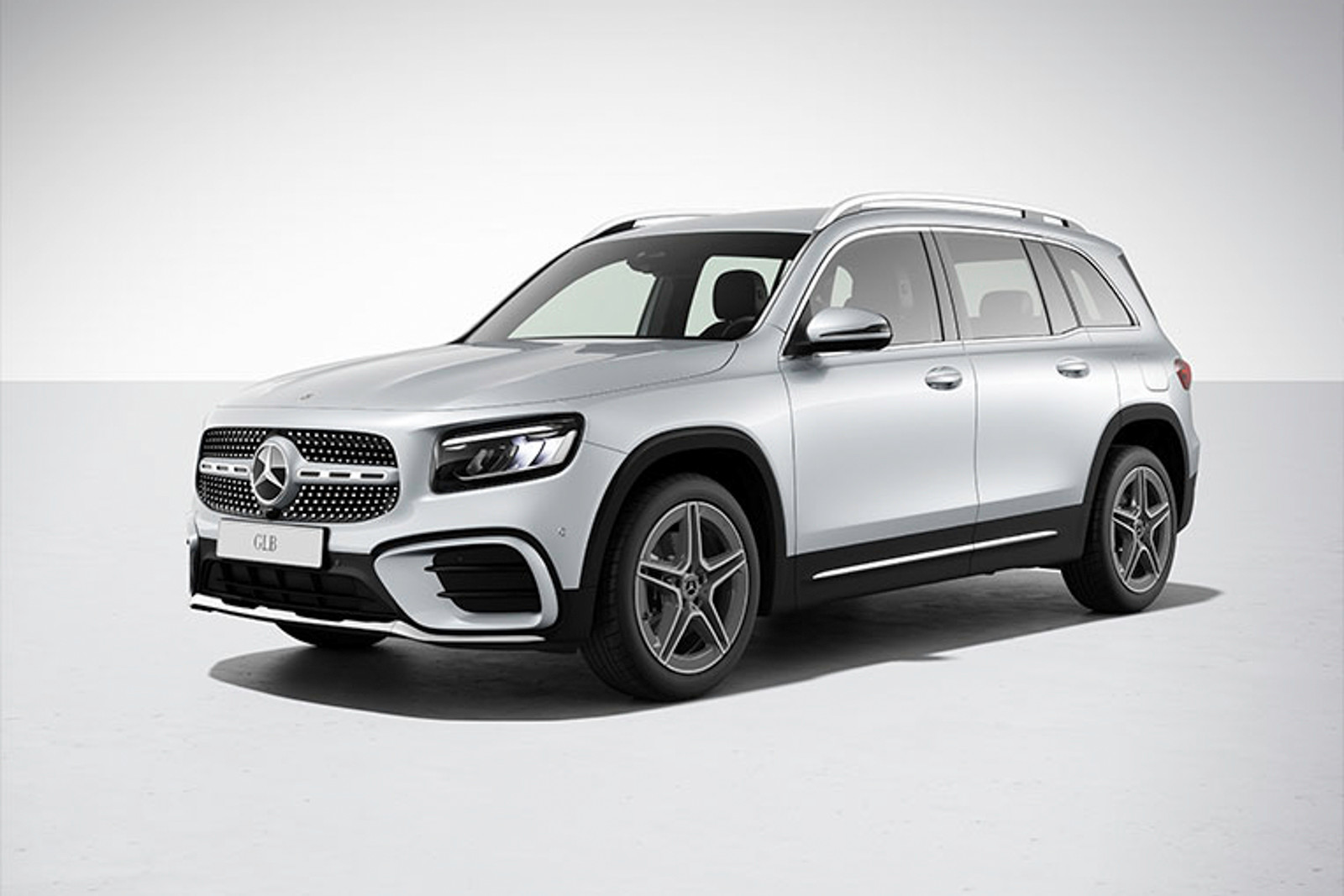
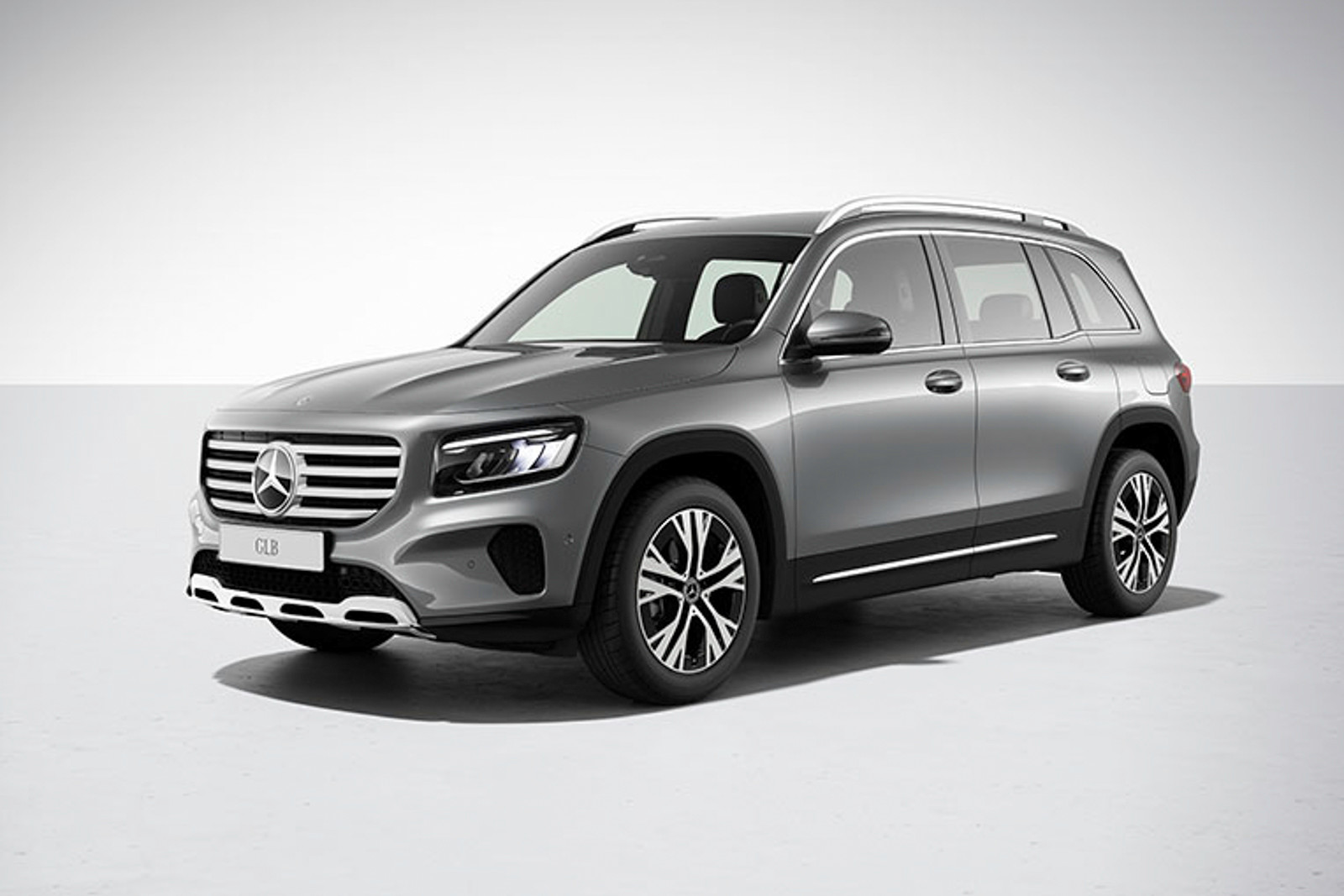
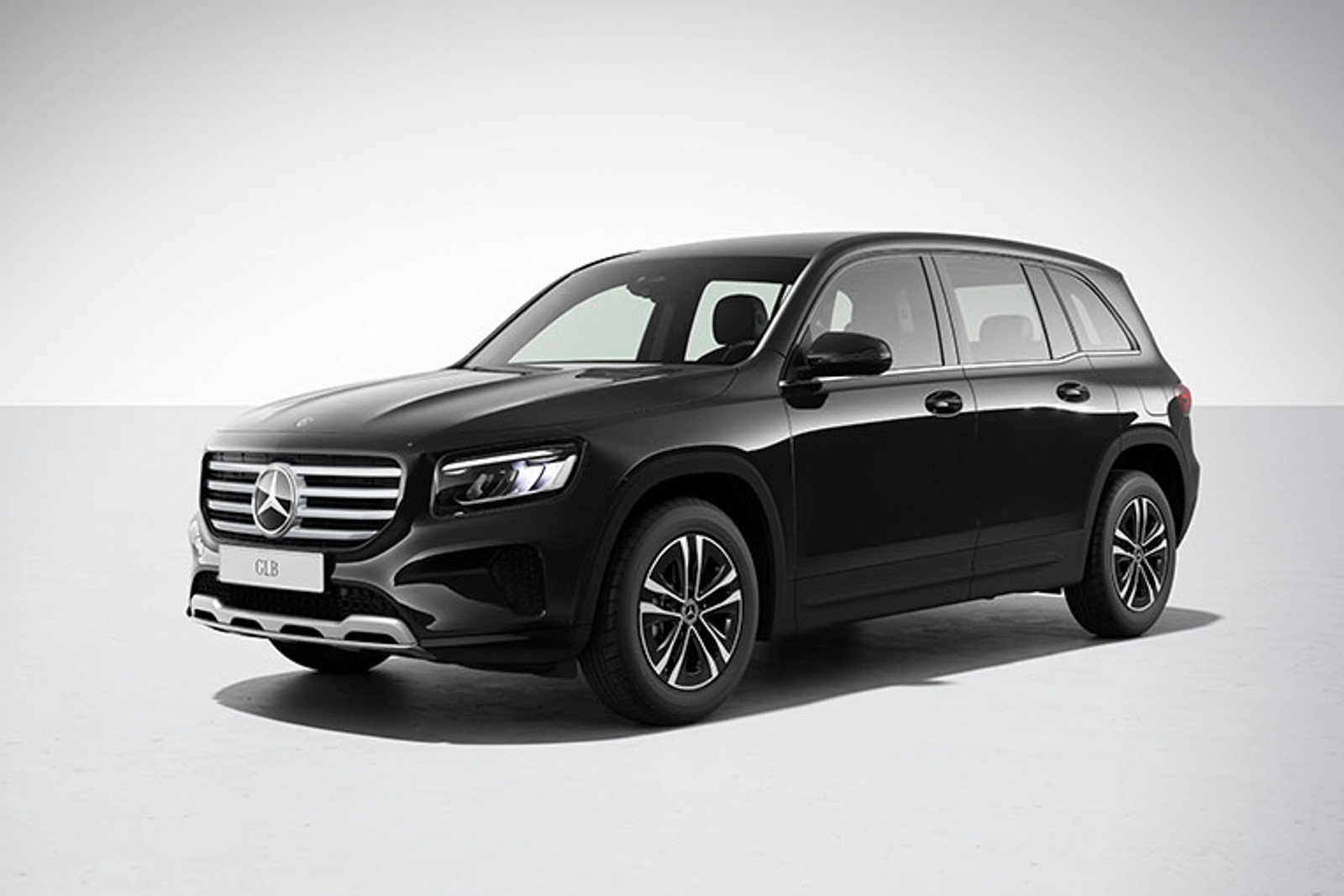
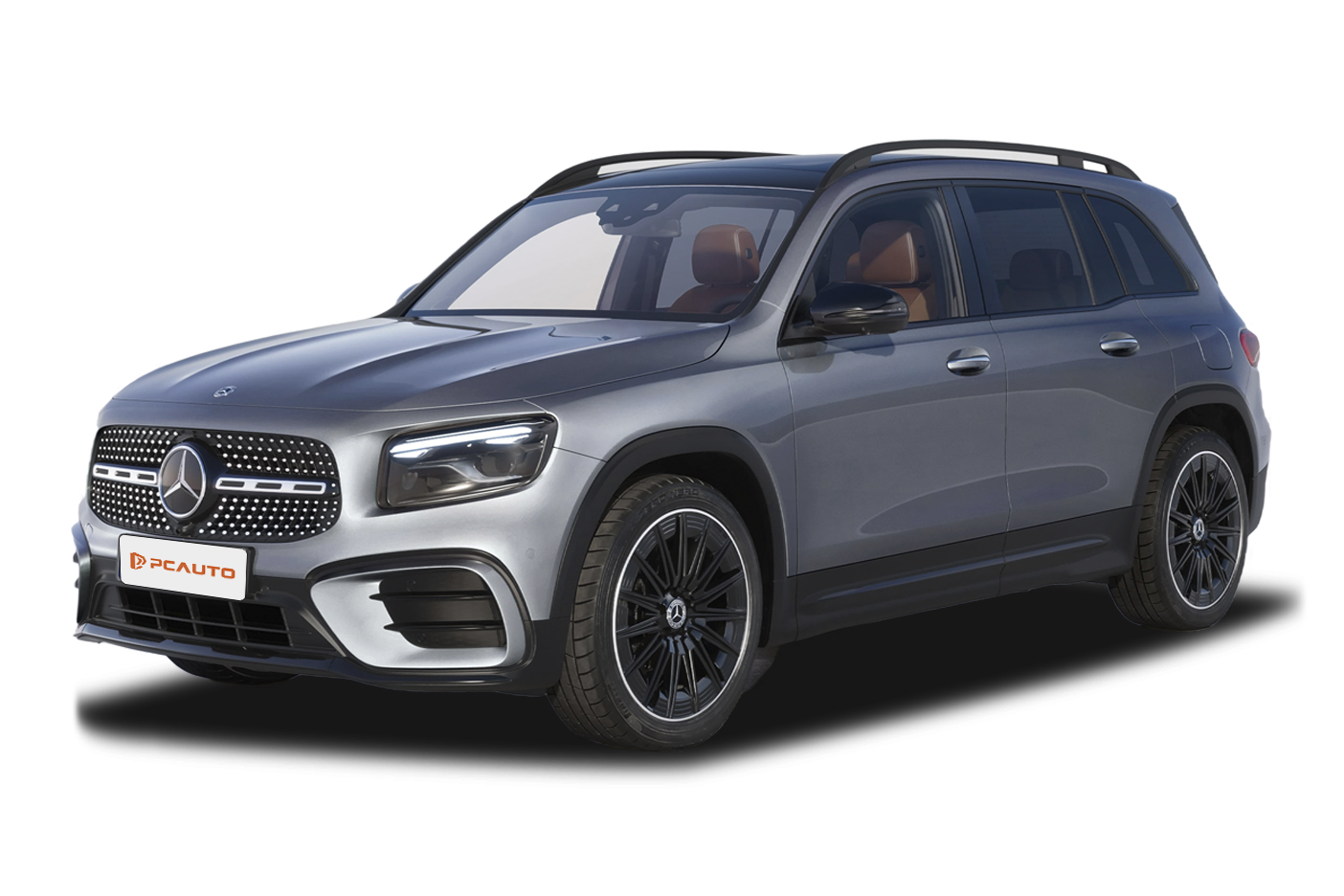
The exterior of the GLB 200 Progressive Line follows a robust design route, with an overall profile that closely resembles a smaller G-Class. The square body lines combined with prominent wheel arches give it a high level of recognition. The front features the family-style dual horizontal bar grille, with the iconic three-pointed star emblem in the center. The sharp LED headlamp design seamlessly integrates with the edges of the grille, and the daytime running lights, when lit, form a simple and elegant "straight line" effect. The body side's waistline runs through from the front fender to the rear, paired with 18-inch multi-spoke alloy wheels (exclusive to the Progressive Line), maintaining the sturdiness of an SUV without appearing too bulky. At the rear, the boxy taillight cluster features a horizontal layout with neatly arranged internal LED light sources. A silver skid plate decorates the lower part of the rear bumper, enhancing the off-road vibe, though it's more of a decorative feature in practice. Notably, while its dimensions classify it as a C-Segment vehicle, its 2829mm wheelbase is close to that of a mid-size SUV, making it compatible with third-row seating—a key advantage.
Stepping inside, the GLB 200's interior continues Mercedes-Benz's signature luxury feel. Even as an entry-level version, the materials are still solid. The top of the dashboard is covered in soft-touch plastic, and the inner side of the door panels, particularly the armrest area, is wrapped in leather, offering a delicate feel. The center console is driver-oriented, featuring a 7-inch floating touch screen paired with physical buttons on the left side, ensuring clear operational logic. The screen supports Apple CarPlay and Android Auto connectivity, making daily usage sufficiently convenient. The instrument cluster comprises a traditional mechanical dial paired with a central small LCD screen. While it isn't as flashy as a fully digital instrument cluster, it provides clear and comprehensive information, with key data like RPM, speed, and fuel level displayed at a glance. In terms of configurations, the Progressive Line comes standard with electric seat adjustments (6-way for the driver, 4-way for the passenger), automatic air conditioning, rear air vents, rain-sensing wipers, and a rearview camera, meeting daily practical needs. A particularly useful feature is the central armrest box, which includes a 220V/230V power outlet—perfect for charging laptops or other devices during long trips.
Space efficiency is the core advantage of the GLB 200. After adjusting the front seats to a comfortable position, a 175cm occupant has a headroom clearance of one fist and two fingers. The rear legroom is even more impressive; with the same occupant seated in the back, there is more than two fists' worth of legroom, ensuring comfort even during long journeys. While the floor has a mild hump in the middle, it does not compromise the comfort of the middle passenger. If the third-row seats are selected as an option, although the space is relatively tight, it's suitable for children under 12 years old for temporary rides—making it a "life-saver" for families with multiple children. The trunk offers a regular capacity of 570L, which can be expanded to 1755L (official data) by folding down the second-row seats. It easily accommodates large items such as strollers or suitcases, meeting storage needs for daily shopping or short trips.
In terms of power, the GLB 200 is equipped with a 1.3T four-cylinder turbocharged engine, delivering a maximum horsepower of 165PS and a peak torque of 250N·m, paired with a 7-speed dual-clutch transmission. During the initial acceleration phase, due to the low turbo engagement speed (maximum torque output is available at just 1620rpm), the throttle response is quite agile, providing decent power output with a light press, making it very flexible for city traffic or starting from a stop. For mid-to-high-speed acceleration, such as from 80km/h to 120km/h on the highway, it requires pressing the accelerator deeper for the transmission to downshift, resulting in a 1-2 second delay in power delivery. However, the overall performance is adequate and does not feel sluggish; though when fully loaded with five passengers and luggage, overtaking on the highway may require more distance to be reserved. The driving modes include Eco, Comfort, and Sport. In Eco mode, the transmission upshifts promptly, keeping the engine speed below 2000rpm, making it suitable for daily commutes; in Sport mode, the throttle sensitivity is enhanced, and the transmission delays upshifting, providing more direct power response, suited for scenarios when you want to experience driving pleasure occasionally.
In terms of handling, the steering wheel of the GLB 200 has a moderate level of effort; the precision is at a medium-to-high level for an SUV, and there is no noticeable play when changing lanes or making U-turns in daily driving. The suspension system uses a front MacPherson independent suspension and rear multi-link independent suspension, tuned for comfort. When going over speed bumps or uneven roads, the suspension effectively filters out most bumps, and the body remains stable without overly rigid feedback. However, during high-speed cornering, the taller body results in noticeable body roll, which is a common issue for SUVs, so aggressive driving is not recommended. The braking performance is average, with a linear feel for the brake pedal. The initial section of the pedal travel is not overly sensitive, and the braking force is evenly distributed in the latter part, making it easy to control in daily driving.
In terms of fuel consumption, after testing in urban traffic conditions (approximately 40% scenarios) and highway conditions (approximately 60% scenarios), the actual combined fuel consumption was around 7.2L/100km, slightly higher than the officially claimed 6.1L/100km. However, considering the aerodynamics of an SUV and real-world driving habits, this result is within an acceptable range. Noise control performance is impressive. During low-speed city driving, engine noise is nearly imperceptible inside the cabin. When cruising at 120km/h on the highway, wind and tire noise can be somewhat audible but do not disrupt normal conversations, and the overall sound insulation level meets the standard for entry-level luxury models. Regarding seat comfort, the front seats offer moderate support and adequate lumbar support, ensuring no backaches during long drives. The rear seat cushions are sufficiently long, providing good thigh support, making long trips comfortable even for longer periods.
Overall, the core advantages of the 2020 Mercedes-Benz GLB 200 Progressive Line are clear: its 2829mm long wheelbase provides class-leading space, and the optional third row can meet the emergency needs of families with multiple children. The luxurious feel and solid materials synonymous with the Mercedes-Benz brand offer strong competitiveness in the entry-level luxury SUV segment. While the 1.3T engine may not be very powerful, it is sufficient for daily city commutes and highway cruising, with relatively economical fuel consumption. Compared to competitors such as the BMW X1 sDrive18i or Audi Q3 35 TFSI, the GLB 200 stands out with its spacious interior and features tailored to family needs (such as rear air vents and a 220V power outlet). However, the X1's 1.5T engine offers slightly better low-end torque performance, while the Q3 boasts a more technologically advanced interior design.
This car is most suitable for families who prioritize spacious practicality—especially those with 2-3 children and occasionally need to travel with elders. Its rear space and optional third row perfectly solve the "not enough seats" issue. At the same time, young people who aspire for the feel of a luxury brand but are on a budget can also consider it. After all, its design is robust enough, and its configuration meets daily needs. Overall, the GLB 200 Progressive Line is not a performance-oriented vehicle but rather a luxury entry-level SUV "born for practicality." It offers a competitive edge in the C-Segment market with its class-leading space and well-balanced configuration. If you need an SUV that balances brand, space, and practicality, it is worth adding to your list.
Mercedes-Benz GLB Car Compare
Mercedes-Benz GLB Loan Calculator
More Mercedes-Benz Reviews
Cars With Similar Price And Features
8
Rank in SUV
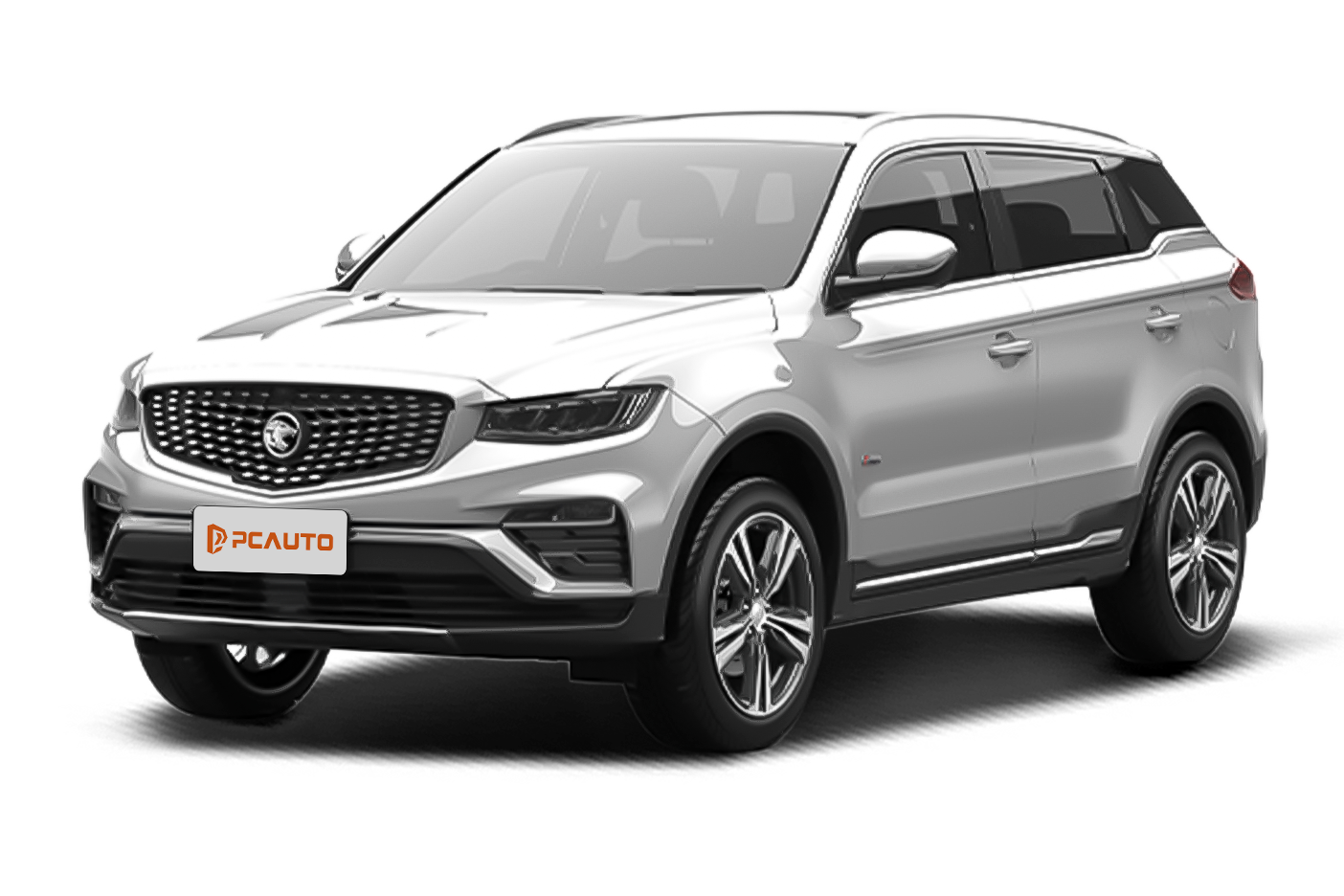
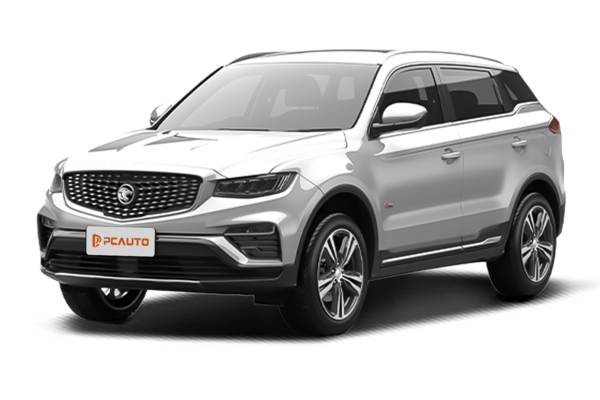
2026 Proton X70 1.5 TGDi Executive focuses on upgrading to a four-cylinder engine, practical configurations, and affordable pricing. It balances family commute practicality with value for money, making it a sensible choice among similarly priced C-segment SUVs.
10
Rank in SUV
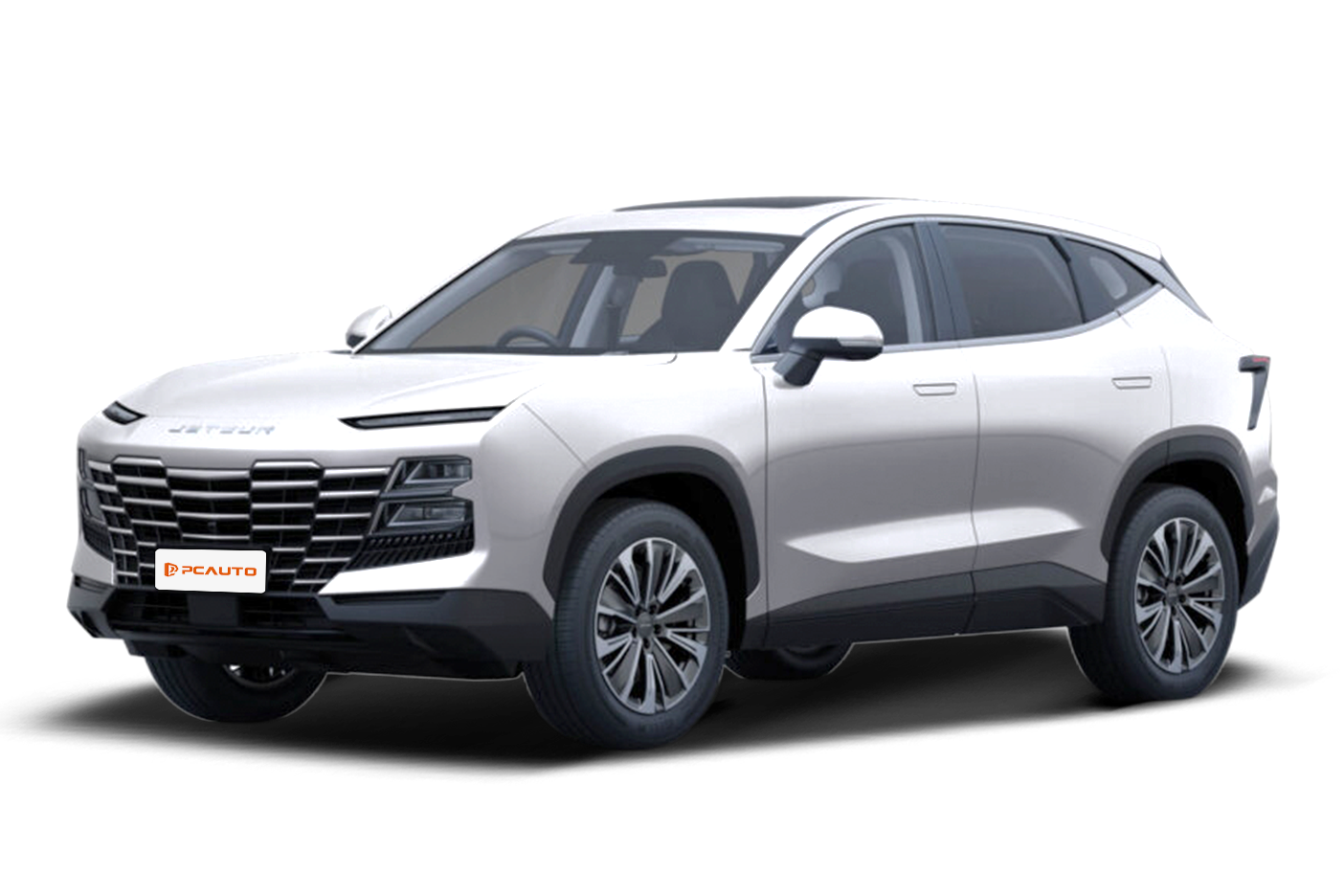
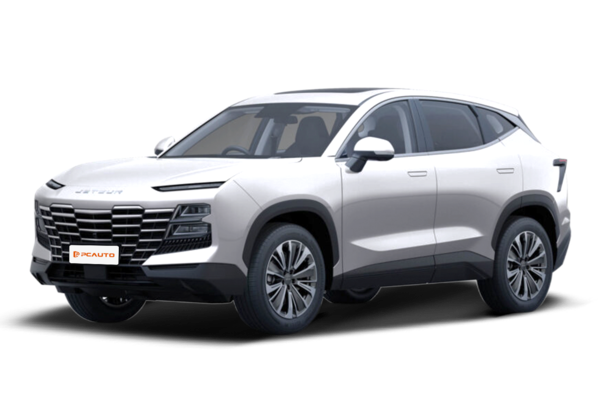
Jetour Dashing 1.5 TCI Comfort 2025 features a 2720mm long wheelbase and a 10.25-inch dual screen as its core, focusing on balanced cost performance to meet family practical needs.
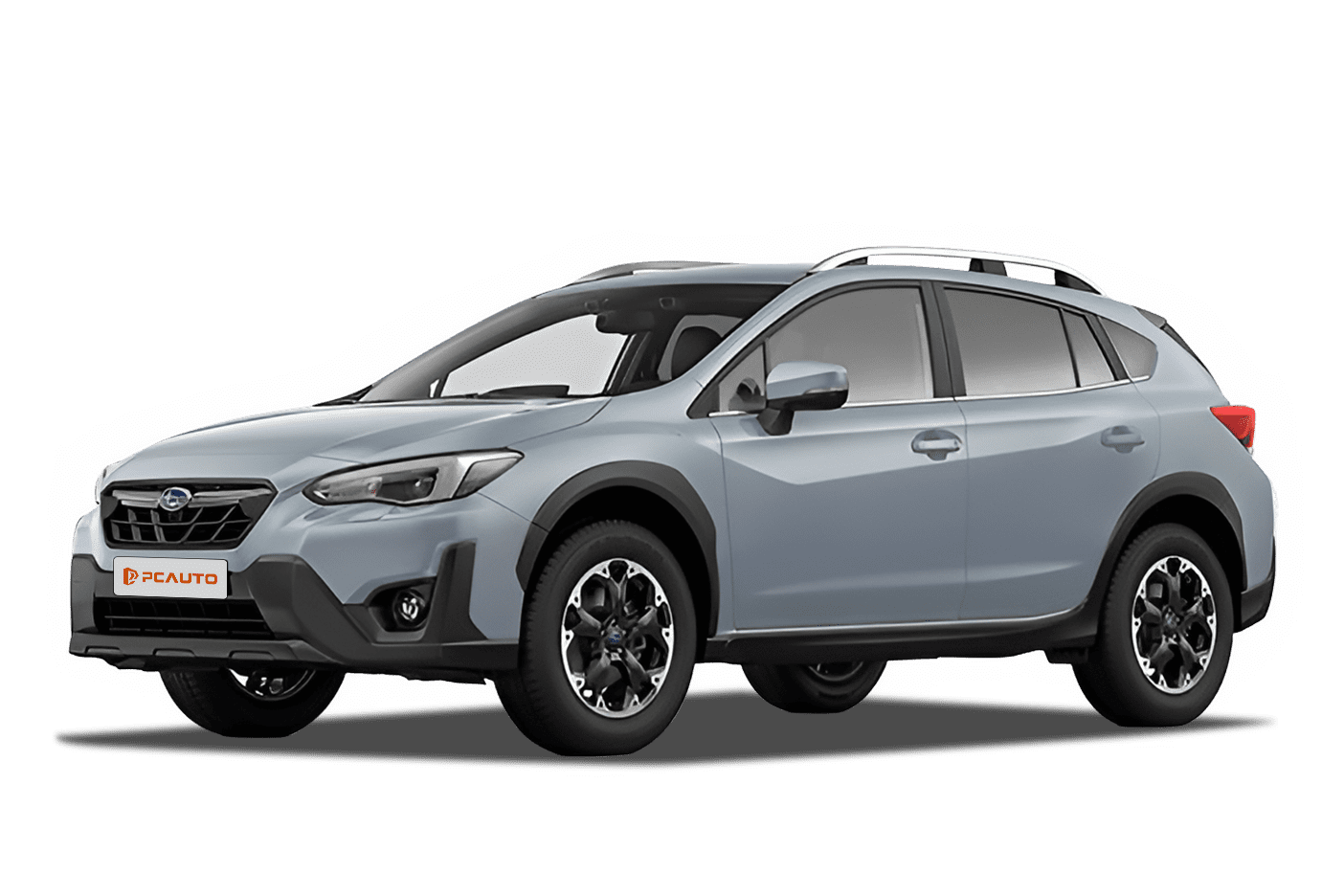
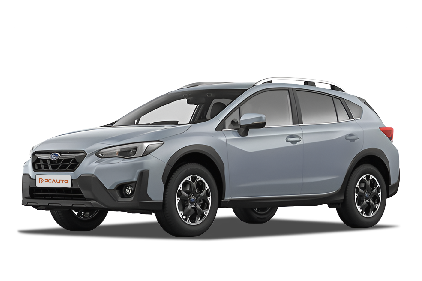
The 2021 Subaru XV 2.0i is a model targeting the C-segment crossover market, equipped with standard all-wheel drive and high safety features, balancing off-road capability and handling, with practical space.

2021 Hyundai Kona 2.0 Standard, as a high-value entry-level compact SUV, retains essential safety and practical features with an affordable price, meeting the daily commuting and loading needs of families.