

MG HS 2024 Review

 Share
Share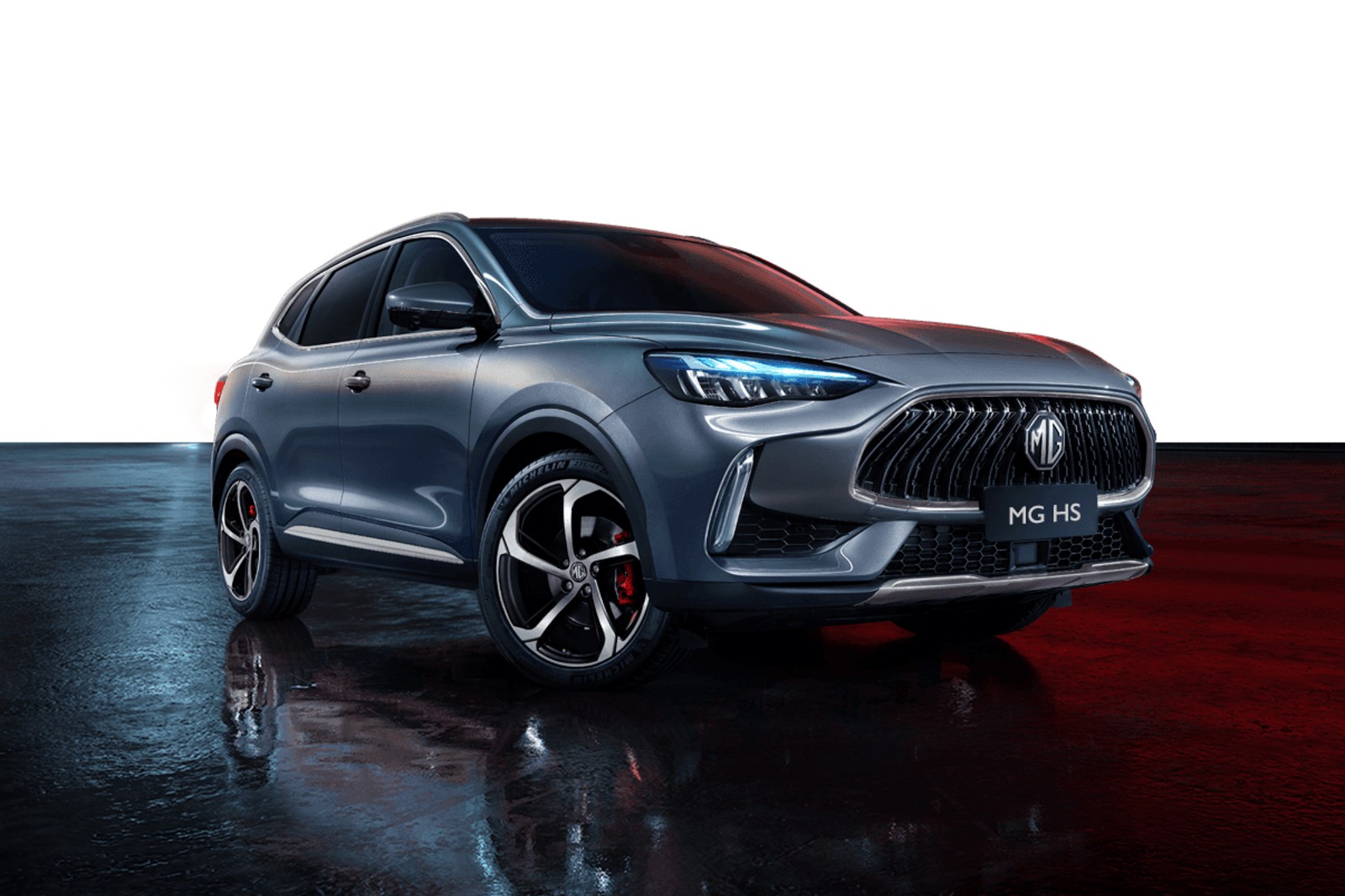

 Segment
 Body Type
 Capacity(L)
 Engine Power(PS)
 Engine Torque(Nm)
 Transmission
The competition in Malaysia's C-Segment SUV market is becoming increasingly intense. Many family users want to get enough space and features on a limited budget without compromising on performance. The 2024 MG HS Standard enters this market with a price of RM 129,900, highlighting its core offering of "1.5T turbocharged engine + 6 airbags + electric seats" as its basic configuration. Compared to entry-level models in the same class, it focuses more on balancing practicality and safety. The main purpose of this test drive is to assess whether its static features can meet daily needs, whether its dynamic performance is suitable for urban and highway environments, and whether its overall cost-effectiveness can attract budget-conscious family users.
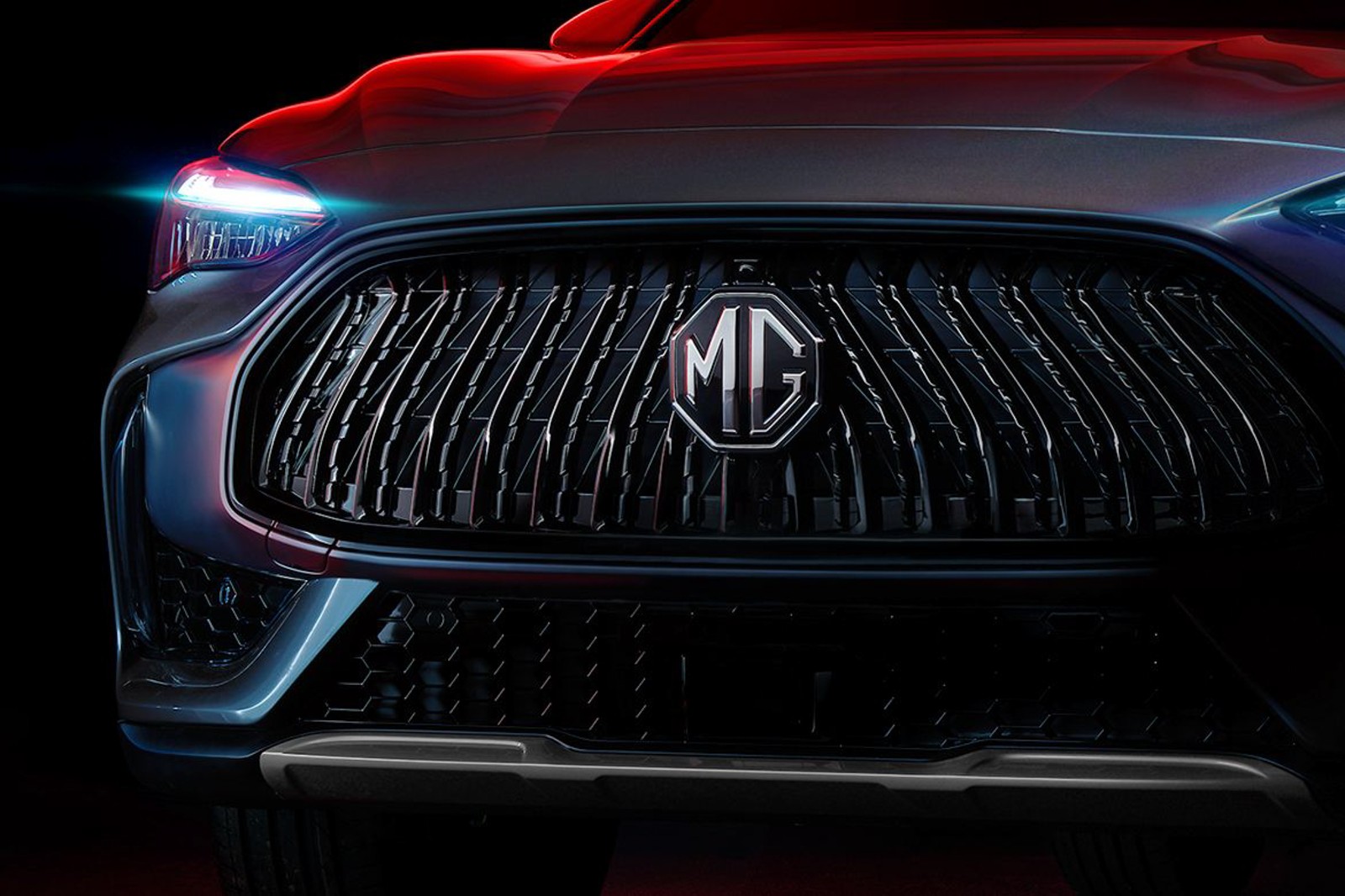
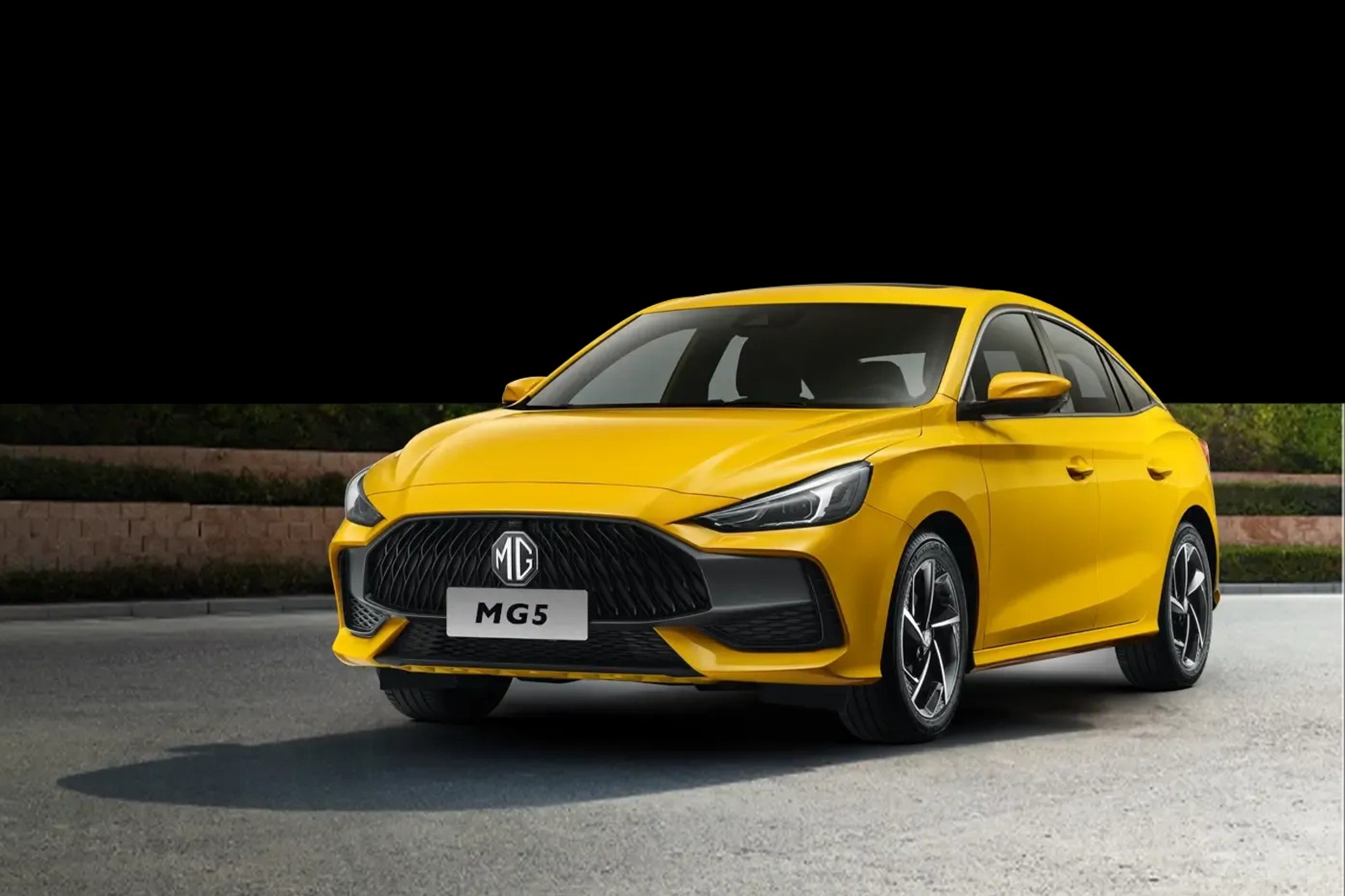
Approaching the 2024 MG HS Standard, the overall exterior continues MG's youthful design language, but the lines are relatively restrained, leaning more towards a family-friendly style. The front features a large hexagonal grille with an internal black mesh design, complemented by sharp LED headlights on either side, offering decent recognition. The chrome trim under the headlights connects to the grille, visually widening the front end. The side of the car avoids overly complex lines, with a waistline extending from the fender to the rear, paired with 17-inch multi-spoke alloy wheels for a well-proportioned look. At the rear, the LED taillights are designed with a through-type style, though the central light strip does not fully illuminate and serves only as decoration. The silver skid plate on the lower rear bumper and the dual exhaust outlet layout add a touch of sportiness.
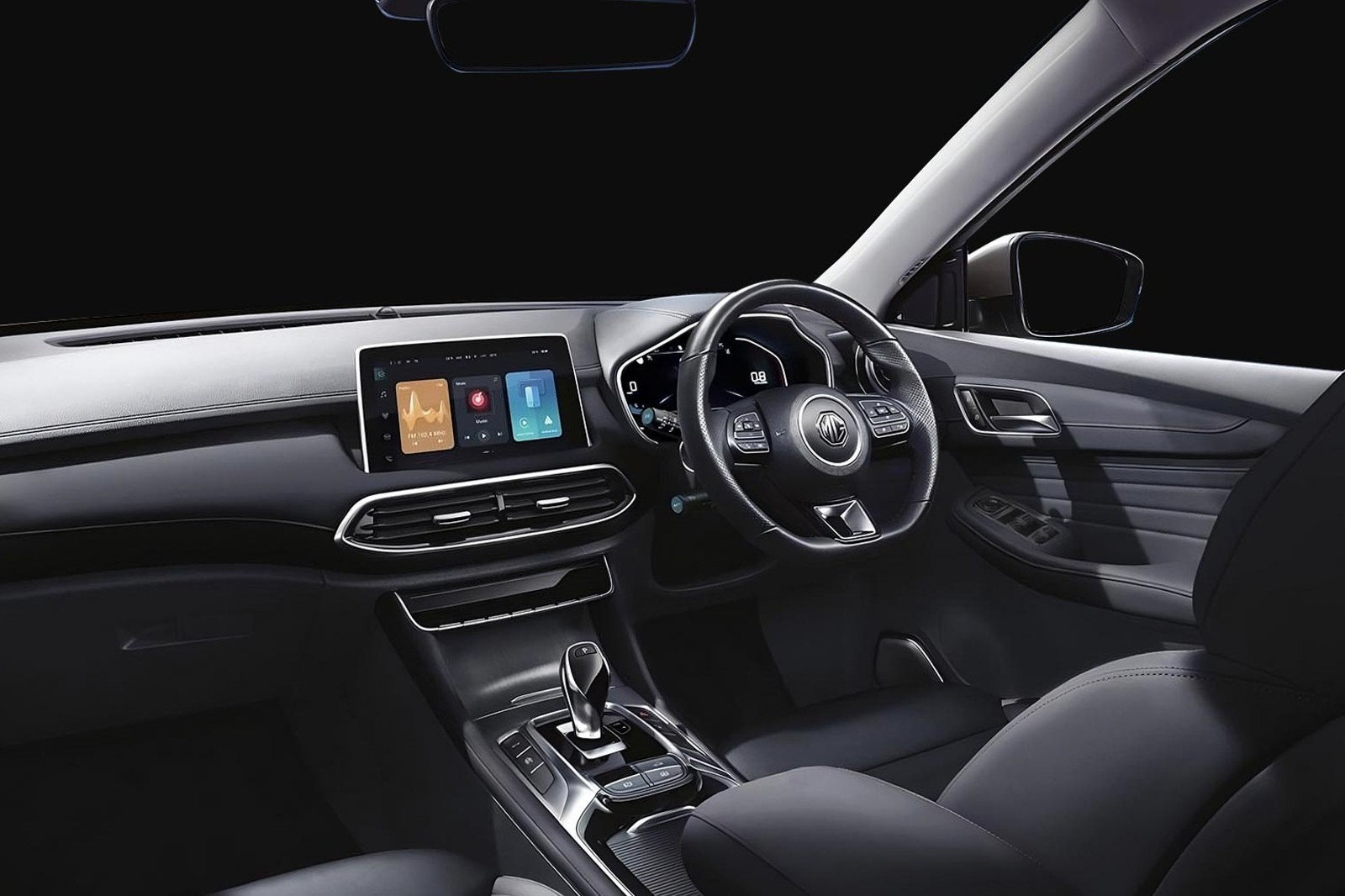
Opening the door, the interior is dominated by a black color scheme. The dashboard is covered with soft-touch materials, which feel moderately high-quality and are on par with other vehicles in the same price range. The center console has a simple layout with a 10.1-inch floating touchscreen in the center. The screen has decent resolution and quick response time, supporting Bluetooth, CarPlay, and Android Auto connections, making it convenient for daily use. The instrument cluster is a 7-inch multifunctional LCD display, showing basic information such as RPM, speed, and fuel consumption during driving, with clear data visualization. In terms of features, keyless entry/start, a multifunction steering wheel, 6-way electrically adjustable driver’s seat with manual lumbar support, and a 4-way electrically adjustable passenger seat are all standard. Especially noteworthy is the electric seat, which is rare in entry-level models and improves everyday convenience. The rear comes equipped with independent air conditioning vents and USB charging ports to meet the needs of rear passengers. The 60:40 split-folding rear seats further expand the trunk space, making it easy to fit a stroller or suitcase.
Sitting in the driver’s seat, the 1.5T turbocharged engine delivers a maximum power of 162PS and a maximum torque of 260N·m, paired with a 7-speed dual-clutch transmission. After starting the vehicle, the engine noise is well controlled at idle. During initial acceleration, the gearbox engages quickly, and the power response is relatively prompt, making it easy to follow traffic in congested urban conditions. When the accelerator is pressed deeply, the turbo kicks in around 1700rpm, and the torque release feels quite linear, providing enough confidence during overtaking maneuvers. It doesn’t feel underpowered even when accelerating again at 100km/h on highways. There are three driving modes to choose from: Eco, Standard, and Sport. In Sport mode, the gearbox delays shifting, maintains engine revs above 2000rpm, and delivers more direct power output.
The chassis adopts a combination of front MacPherson independent suspension and rear multi-link independent suspension, tuned towards comfort. When going over speed bumps or uneven roads, the suspension can filter out most of the jolts, without noticeable stiffness; at high speeds, the body stability is good, and body roll is controlled within a reasonable range during cornering, ensuring passenger comfort. The steering wheel has moderate steering effort with minimal play, making daily driving quite agile. In terms of fuel consumption, the actual fuel consumption in city conditions is approximately 8.5L/100km, and about 6.8L/100km on highways, which is close to the official combined fuel consumption of 7.4L/100km, showing decent fuel efficiency performance.
In terms of interior noise control, tire noise and wind noise are not significant below 60km/h; when the speed exceeds 100km/h, wind noise becomes noticeable from the A-pillar but does not disrupt normal conversations. The seat padding is quite soft with moderate support, keeping drivers from feeling fatigued even during long trips.
Overall, the core advantages of the 2024 MG HS Standard lie in its “strong basic features, sufficient power, and practical space.” Compared to competitors like the entry-level Honda CR-V 1.5T (priced around RM 159,900), the MG HS Standard is nearly RM 30,000 cheaper but comes standard with electric seats, six airbags, and LED headlights, offering excellent value for money. Even when compared with the HS Luxury version, although the Standard version lacks features like ACC adaptive cruise control and a 360-degree panoramic camera, its basic functionalities fully meet the needs of family users.
This car is suitable for family users with a budget of around RM 130,000, who value practicality and safety, especially those who frequently travel with family members. It does not have overly aggressive designs or premium smart features, but it achieves balance in space, power, and essential features, making it suitable for both daily commuting and weekend getaways.
In conclusion, the 2024 MG HS Standard is a “practical” C-Segment SUV that offers sufficient power, practical space, and strong basic features at a reasonable price, making it a reliable choice for families with a limited budget.
MG HS Car Compare
MG HS Loan Calculator
Cars With Similar Price And Features
8
Rank in SUV
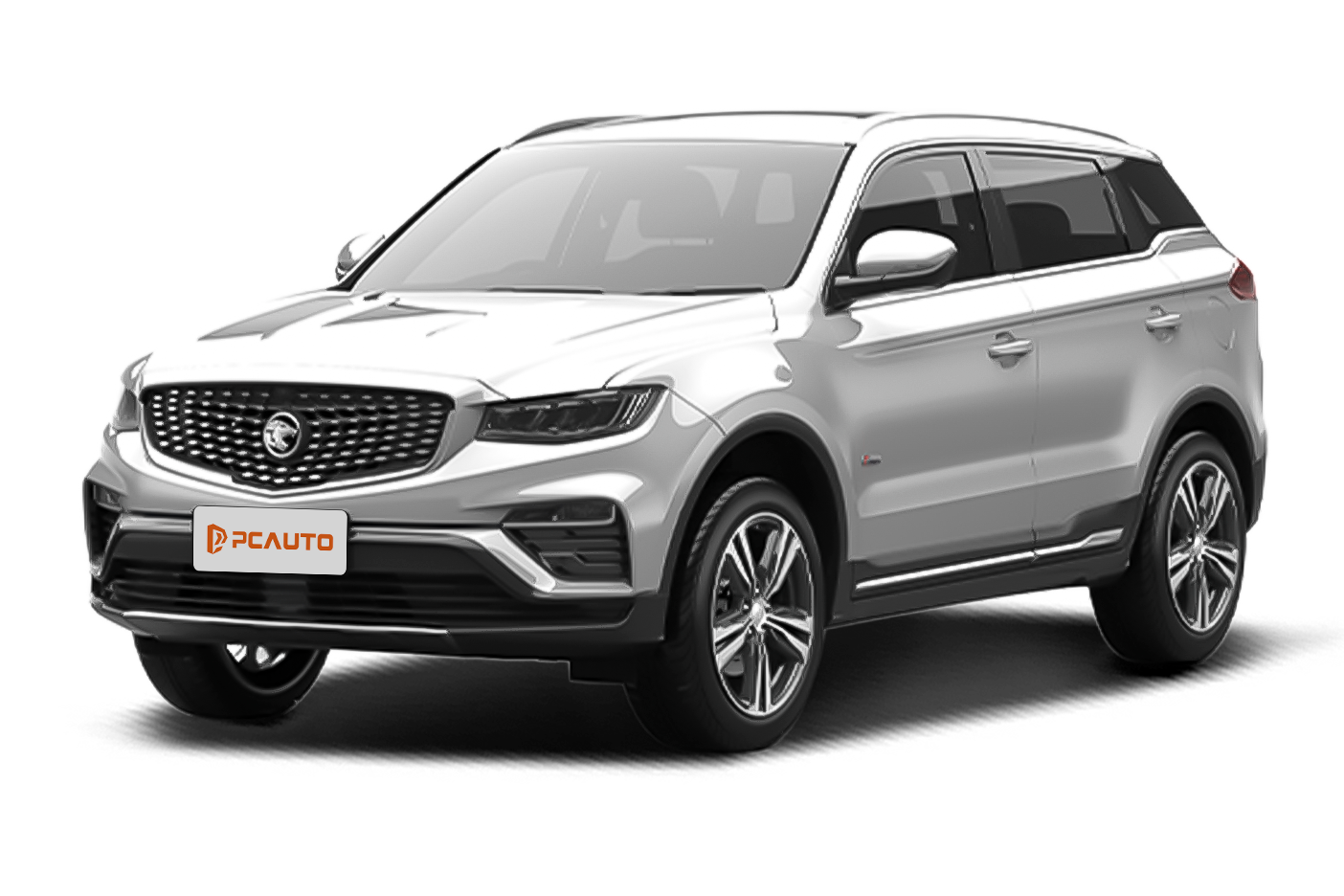
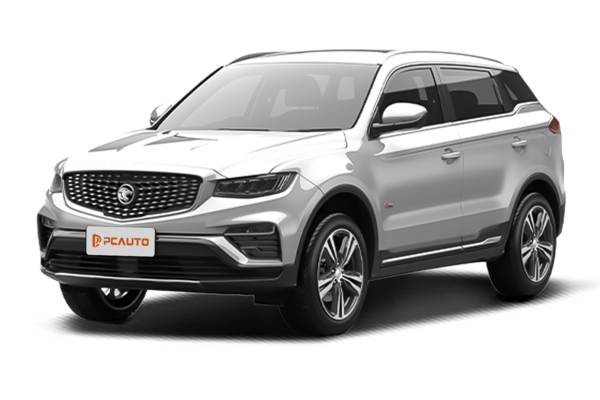
2026 Proton X70 1.5 TGDi Executive focuses on upgrading to a four-cylinder engine, practical configurations, and affordable pricing. It balances family commute practicality with value for money, making it a sensible choice among similarly priced C-segment SUVs.
10
Rank in SUV
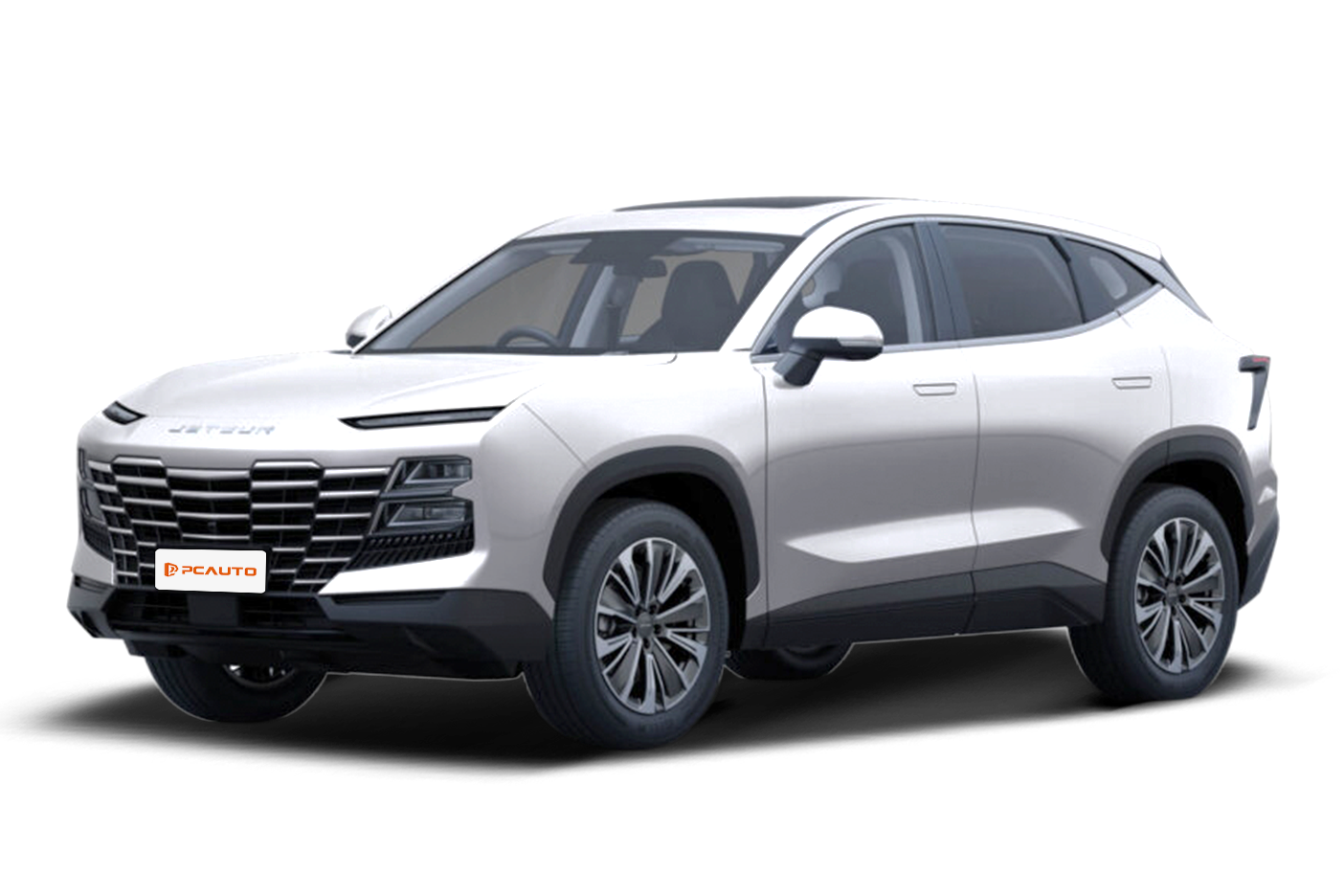
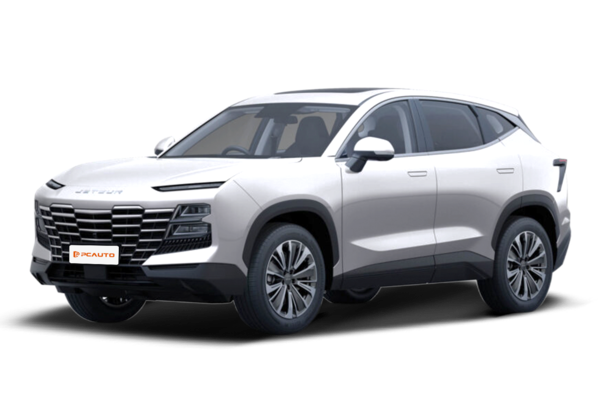
Jetour Dashing 1.5 TCI Comfort 2025 features a 2720mm long wheelbase and a 10.25-inch dual screen as its core, focusing on balanced cost performance to meet family practical needs.
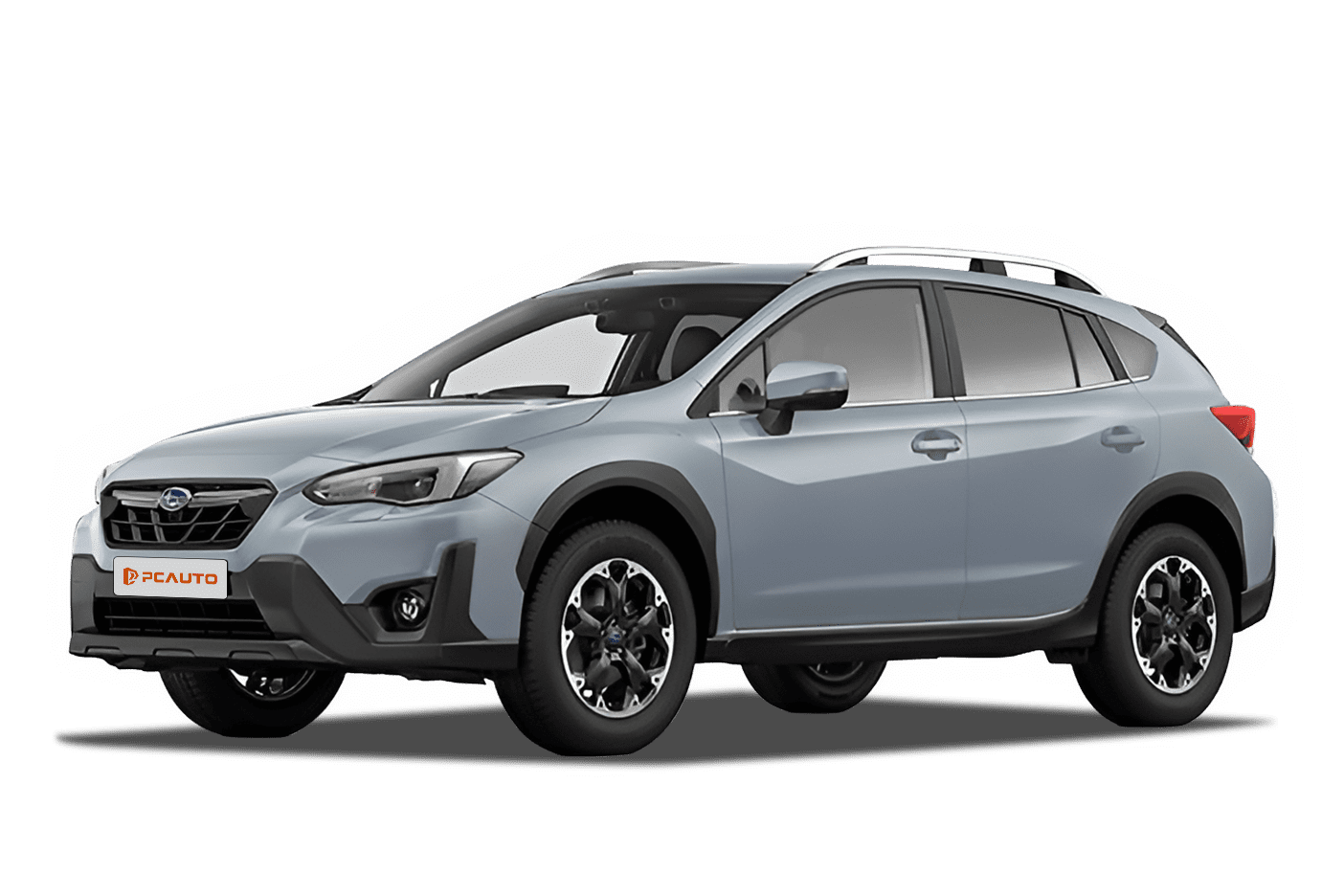
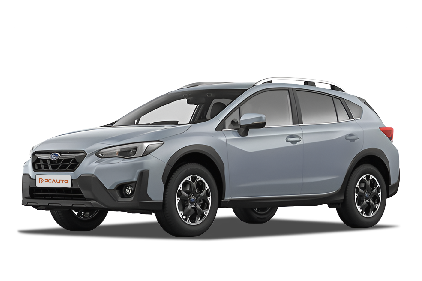
The 2021 Subaru XV 2.0i is a model targeting the C-segment crossover market, equipped with standard all-wheel drive and high safety features, balancing off-road capability and handling, with practical space.

2021 Hyundai Kona 2.0 Standard, as a high-value entry-level compact SUV, retains essential safety and practical features with an affordable price, meeting the daily commuting and loading needs of families.