

MG S5 EV 2025 Review

 Share
Share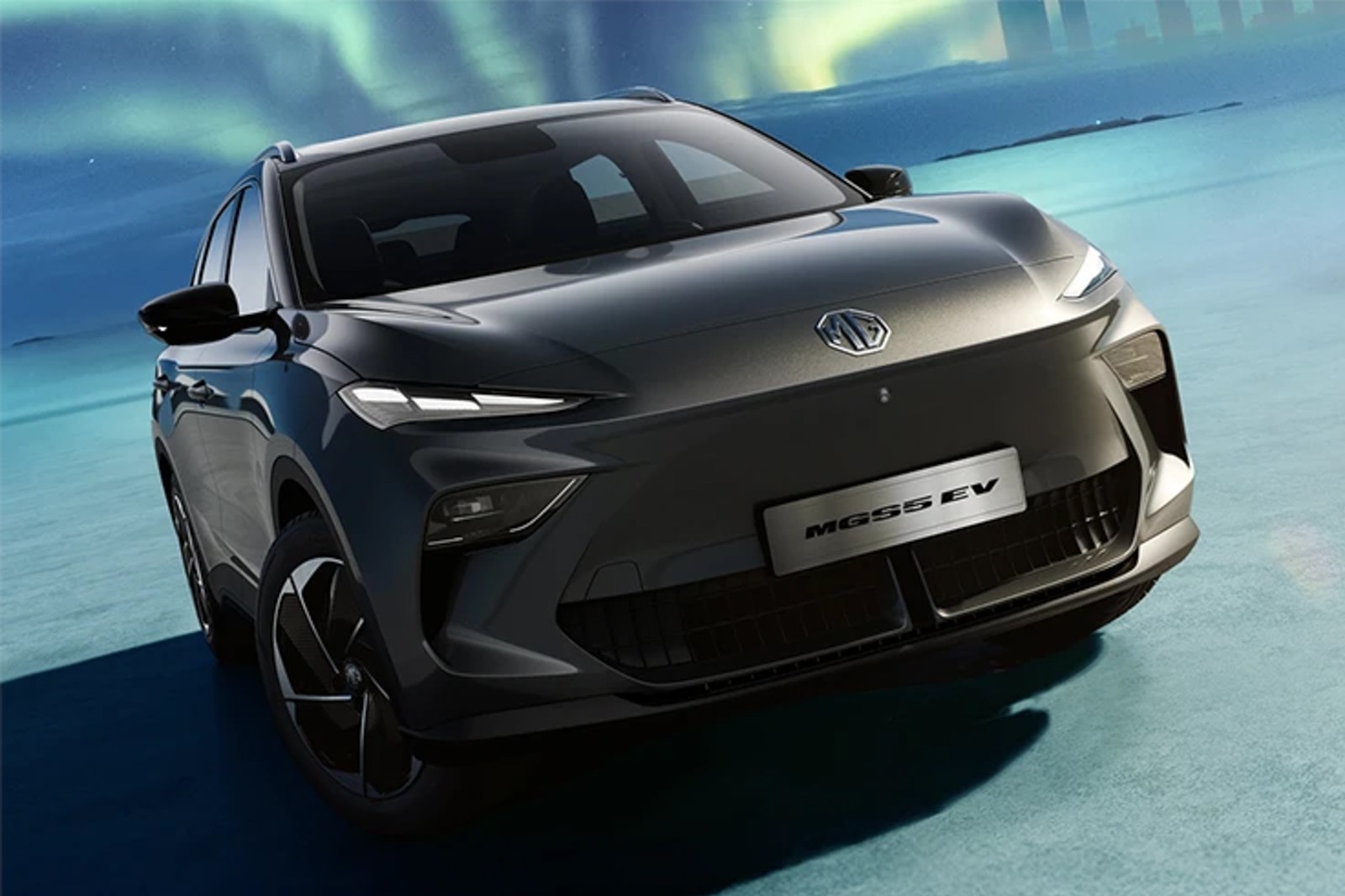
 Segment
 Body Type
 Motor Output(kW)
 Motor Torque(Nm)
 EV Range(km)
 Battery Capacity(kWh)
The competition in the C-segment electric vehicle market has intensified in recent years. Consumers not only value the reliability of range but also pay attention to the balance between features and cost-effectiveness. MG recently launched the 2025 S5 EV series, with an official range of 340-430km, rear-wheel-drive layout, and standard intelligent safety features across the lineup as its core selling points. Offering differentiated choices for family users and young groups, this evaluation covers three configurations: COM, Long Range, and LUX Long Range, focusing on verifying whether their dynamic performance matches the data and assessing the actual value of different versions in use.
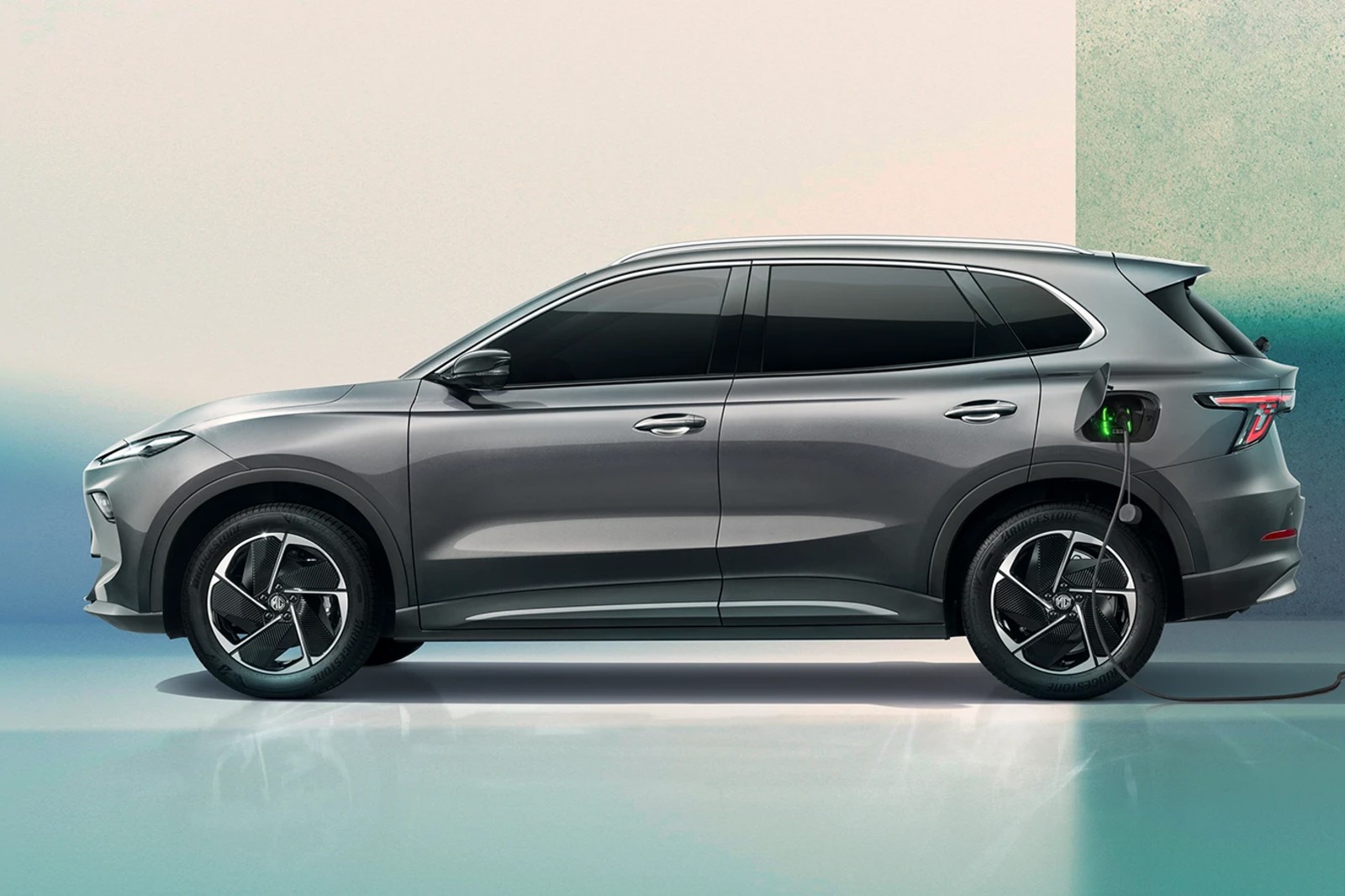
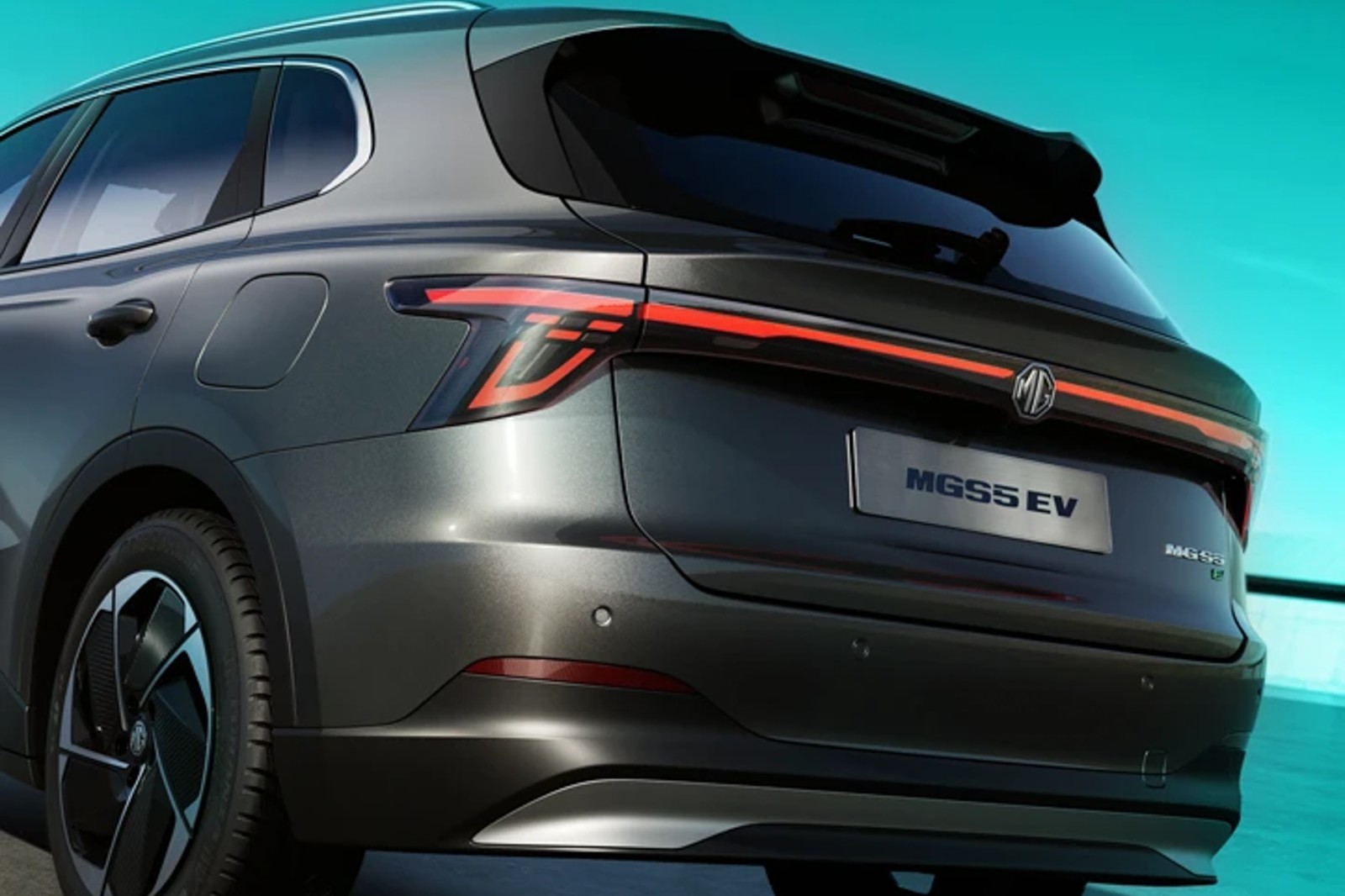
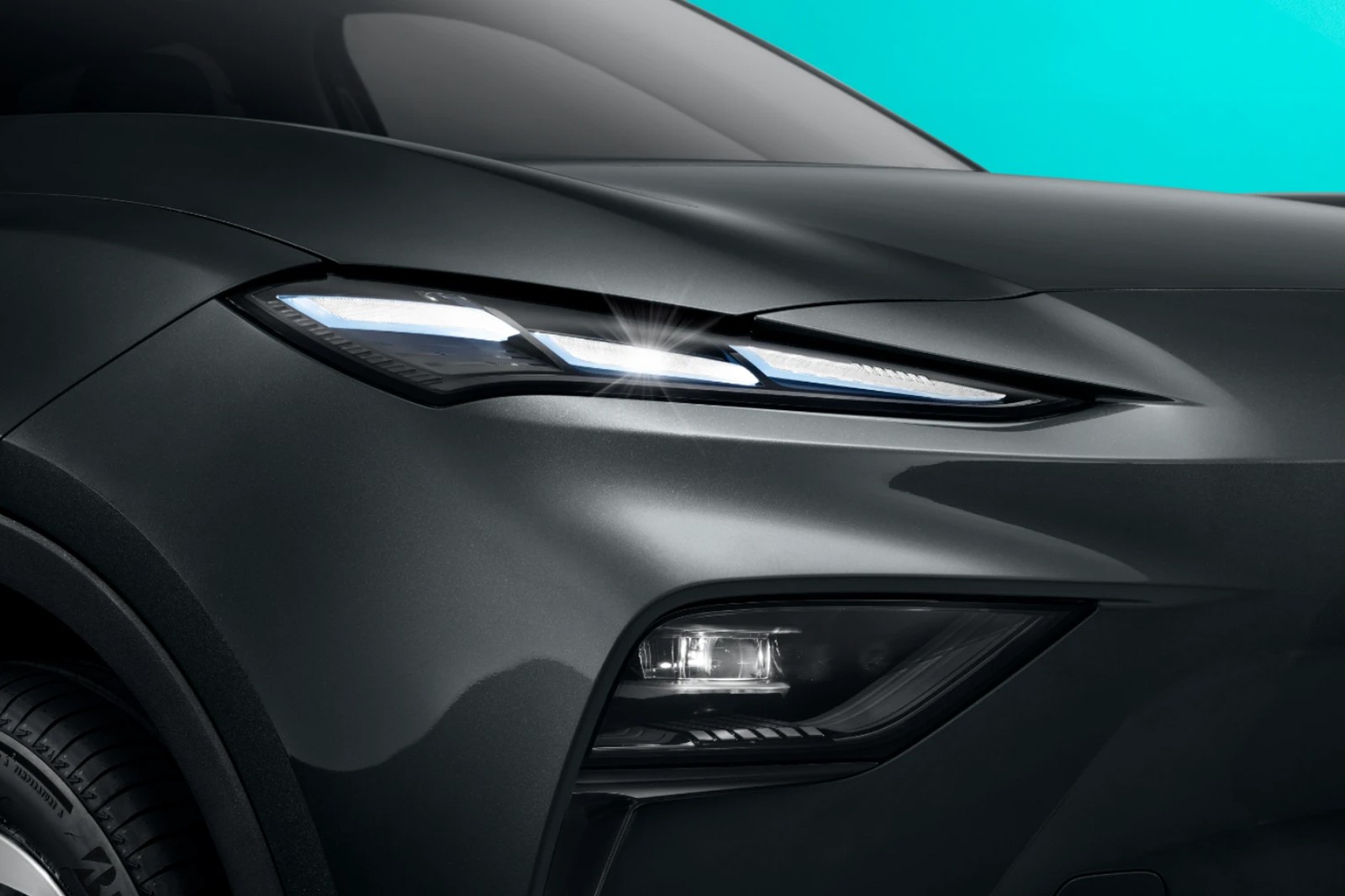
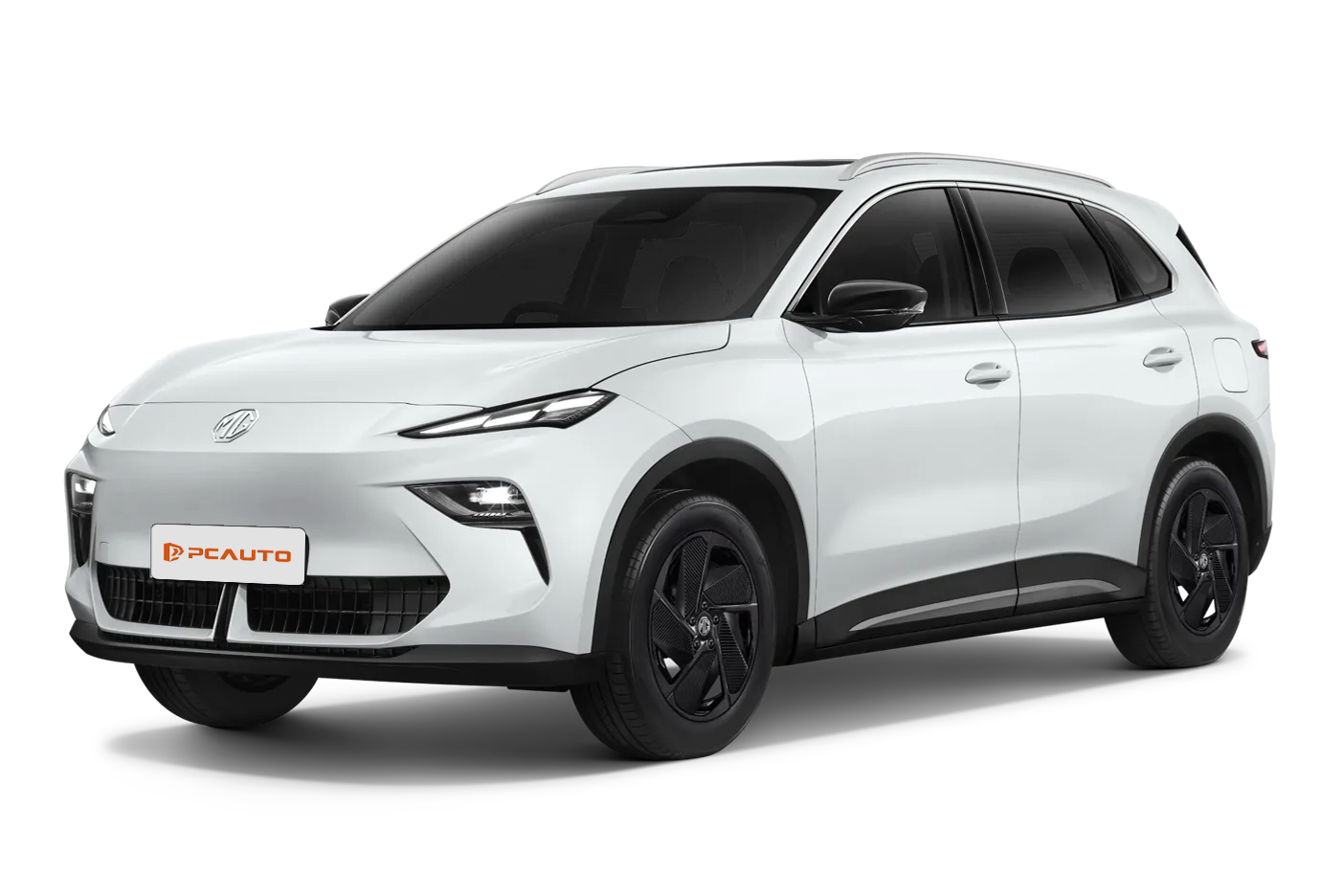
The static experience starts with the exterior. The overall lines of the 2025 S5 EV lean towards a clean and sporty design. The front face adopts a closed grille design, combined with sharp LED daytime running lights, creating high recognition. The side profile features waistlines extending from the fender to the rear, complemented by 17 or 18-inch wheels (LUX version uses R18), visually enhancing its sleekness. The rear end has a through-type LED taillight that echoes the front design, providing clear effects when lit at night. In terms of details, automatic headlights and rear fog lights are standard for the entire series, while the LUX version adds rain-sensing wipers and electrically folding mirrors, further improving practicality.
Entering the car, the interior is mainly dark-toned, and the center console tilts slightly toward the driver. The 12.8-inch floating center screen and 10.25-inch full LCD instrument cluster form dual-screen coordination, with an intuitive operating logic. Regarding materials, the upper part of the center console is covered with soft plastic, accented with silver trim, delivering texture that matches the price range. In terms of configuration, keyless entry, automatic air conditioning, and rear air vents are standard across the lineup. The COM version has front seats with 6-way manual adjustment, while the Long Range and LUX versions upgrade to a driver’s seat with 6-way electric adjustment. The LUX version further includes a fixed panoramic sunroof, enhancing rear seat lighting. Space performance is noteworthy; the 2730mm wheelbase provides spacious rear legroom, with a 175cm passenger having about two fists of space between their knees and the front seat. The trunk has a capacity of 453L, and the rear seats support a 60:40 split fold, making it easy to store strollers or suitcases.
Dynamic driving performance is the focus of this evaluation. All three models are equipped with a rear-mounted permanent magnet synchronous motor, delivering a maximum power of 125kW (170PS) and a peak torque of 250N·m. The rear-wheel-drive layout results in a smoother start-up. During daily driving, power response is direct; a light press on the accelerator pedal provides sufficient thrust. There is no need to press hard when overtaking at low to medium speeds, and the linear output is maintained even during high-speed acceleration (80-120km/h). The suspension system adopts a front MacPherson and rear multi-link independent structure, effectively filtering out small bumps on urban roads and controlling impacts when passing over speed bumps. The body lean during cornering is minimal, steering wheel play is moderate with clear responsiveness, and overall handling leans toward family comfort, while the rear-wheel-drive layout retains some driving pleasure.
In terms of range, the COM version is equipped with a 49kWh lithium iron phosphate battery, with an official range of 340km. In actual tests under urban road conditions (air conditioning set to 24°C), the achieved rate is about 85%, with energy consumption of approximately 14.5kWh/100km. The Long Range and LUX versions are equipped with a 62kWh battery, with an official range of 430km. At highway speeds (110km/h cruise), the range drops to about 350km, and energy consumption rises to 17kWh/100km, performing on par with other vehicles in the same category. The LUX version supports fast charging, reaching 80% in just 0.43 hours, making daily recharging quite convenient. In terms of comfort details, the vehicle provides effective noise reduction for tire and wind noise, maintaining unobstructed conversations inside even at 120km/h on the highway. The seat cushions are of medium firmness, making long journeys less fatiguing.
Overall, the core advantage of the 2025 MG S5 EV series lies in its balance: the entire series comes standard with 7 safety airbags, ACC adaptive cruise control, automatic emergency braking, and other intelligent safety features, making it highly cost-effective; the rear-wheel-drive layout and independent suspension ensure a quality driving experience, and its spaciousness meets family needs. Compared to competitors in the same segment, its price is about RM 5k lower than the entry-level BYD Atto 3, yet its features are not inferior.
For specific version choices, the COM version is suitable for users with mainly daily commuting needs, as the 340km range is sufficient for a week's urban traveling. The Long Range version adds electric adjustment for the driver's seat and extends the range to 430km, making it better suited for intercity travel. The LUX version, equipped with a panoramic sunroof, 360-degree panoramic camera, and 18-inch wheels, targets young people who value configuration and experience. Overall, the 2025 MG S5 EV is a C-segment electric vehicle that balances practicality, safety, and driving enjoyment, especially suitable for budget-conscious family users and young office workers.
MG S5 EV Car Compare
MG S5 EV Loan Calculator
More MG Reviews
Cars With Similar Price And Features

1
Rank in SUV
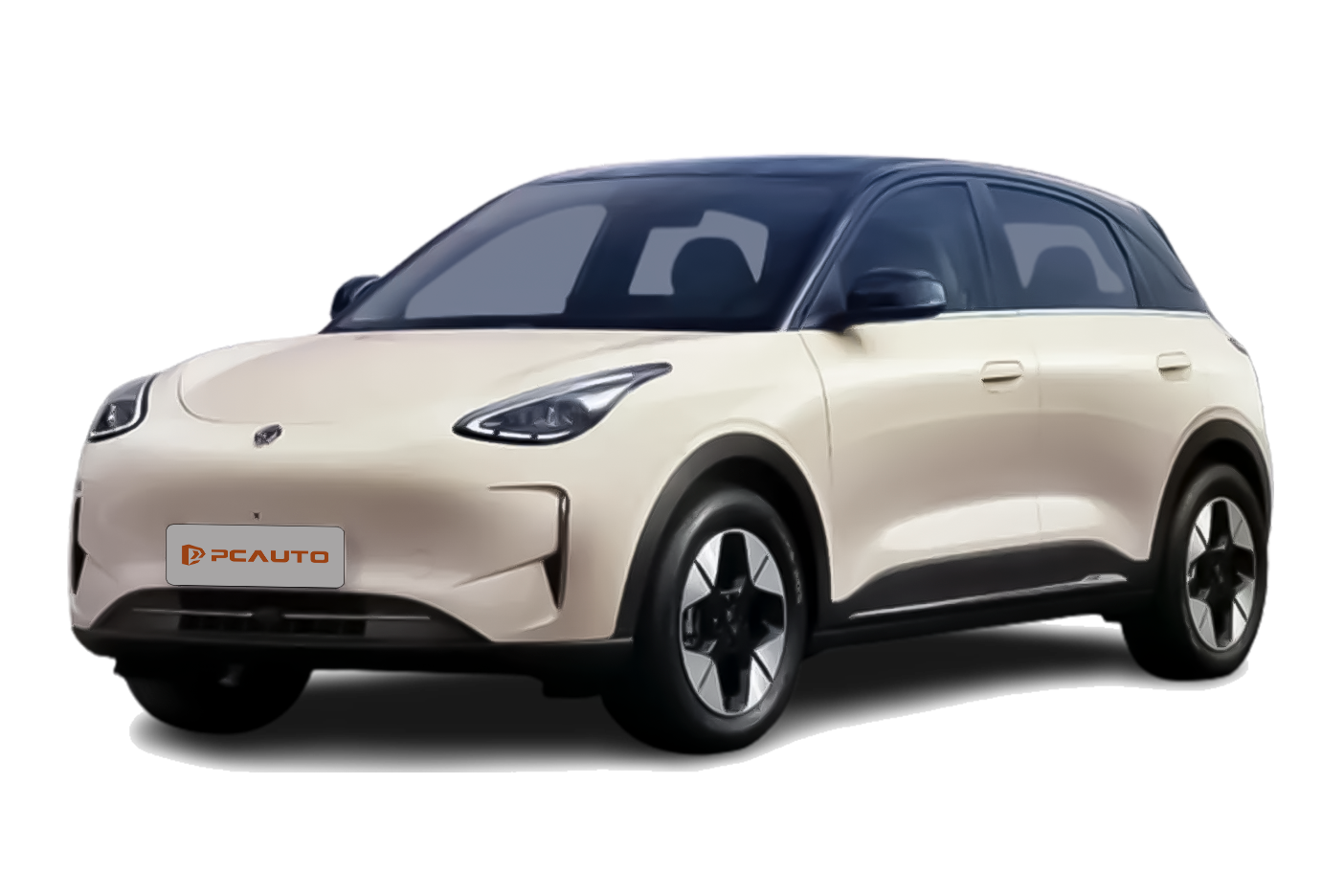
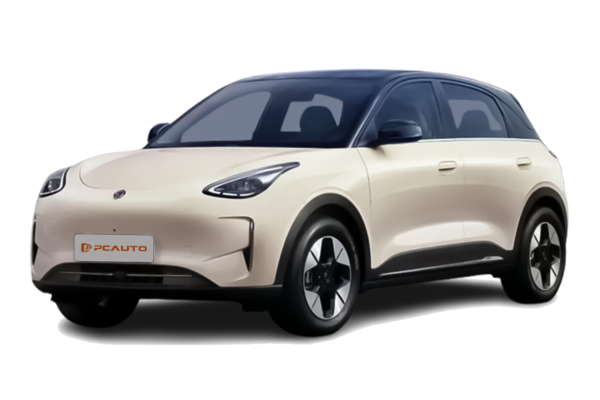
2025 Proton e.Mas 5 Prime is Proton's first entry-level pure electric C-Segment model, priced from 56,800 MYR to target the sub-100,000 MYR market, balancing practical features with commuting range.
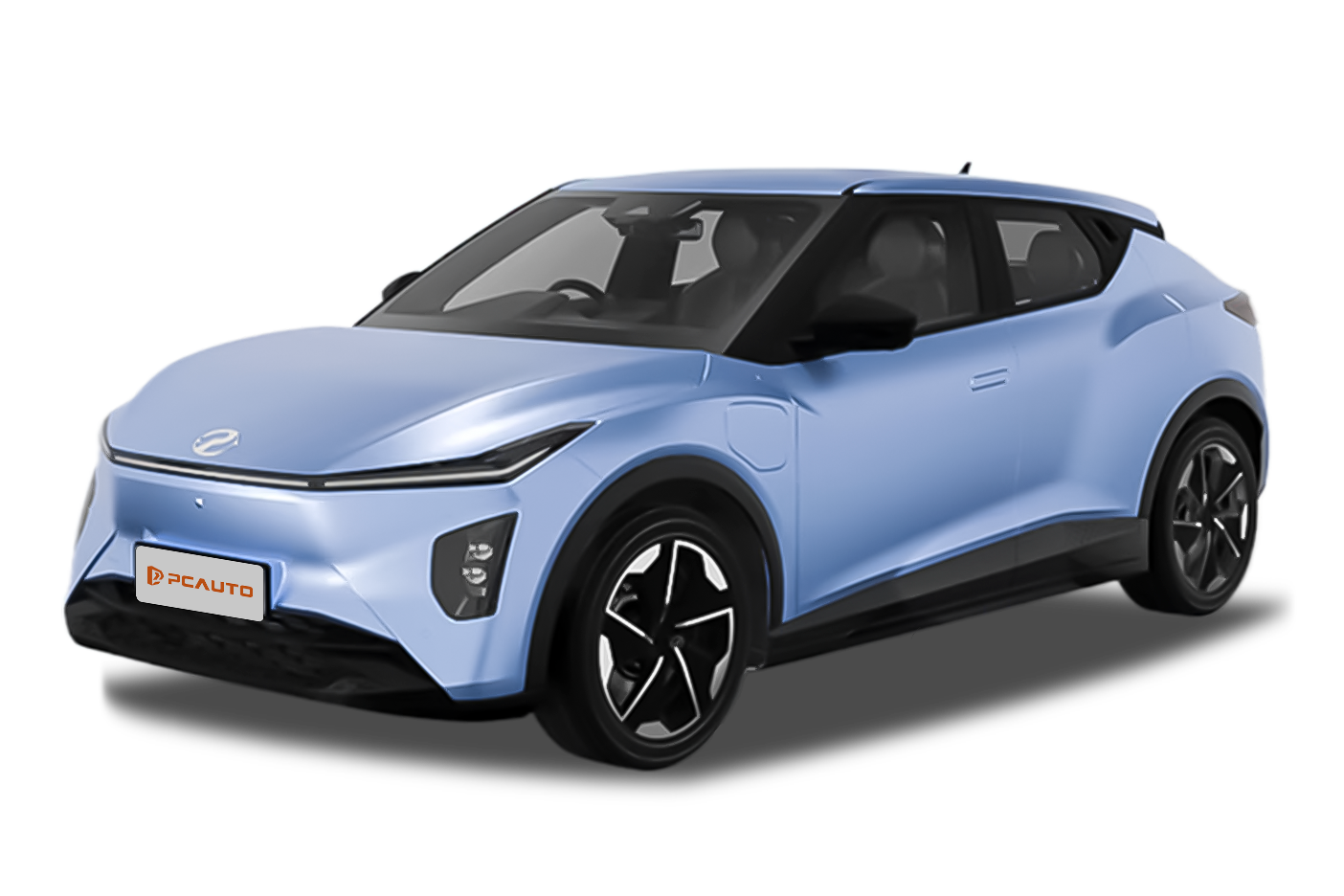
The 2025 Perodua QV-E is an affordably priced, practically ranged class-C pure electric vehicle, precisely tailored for family users and young commuters with its high safety features, spacious interior, and agile driving dynamics.
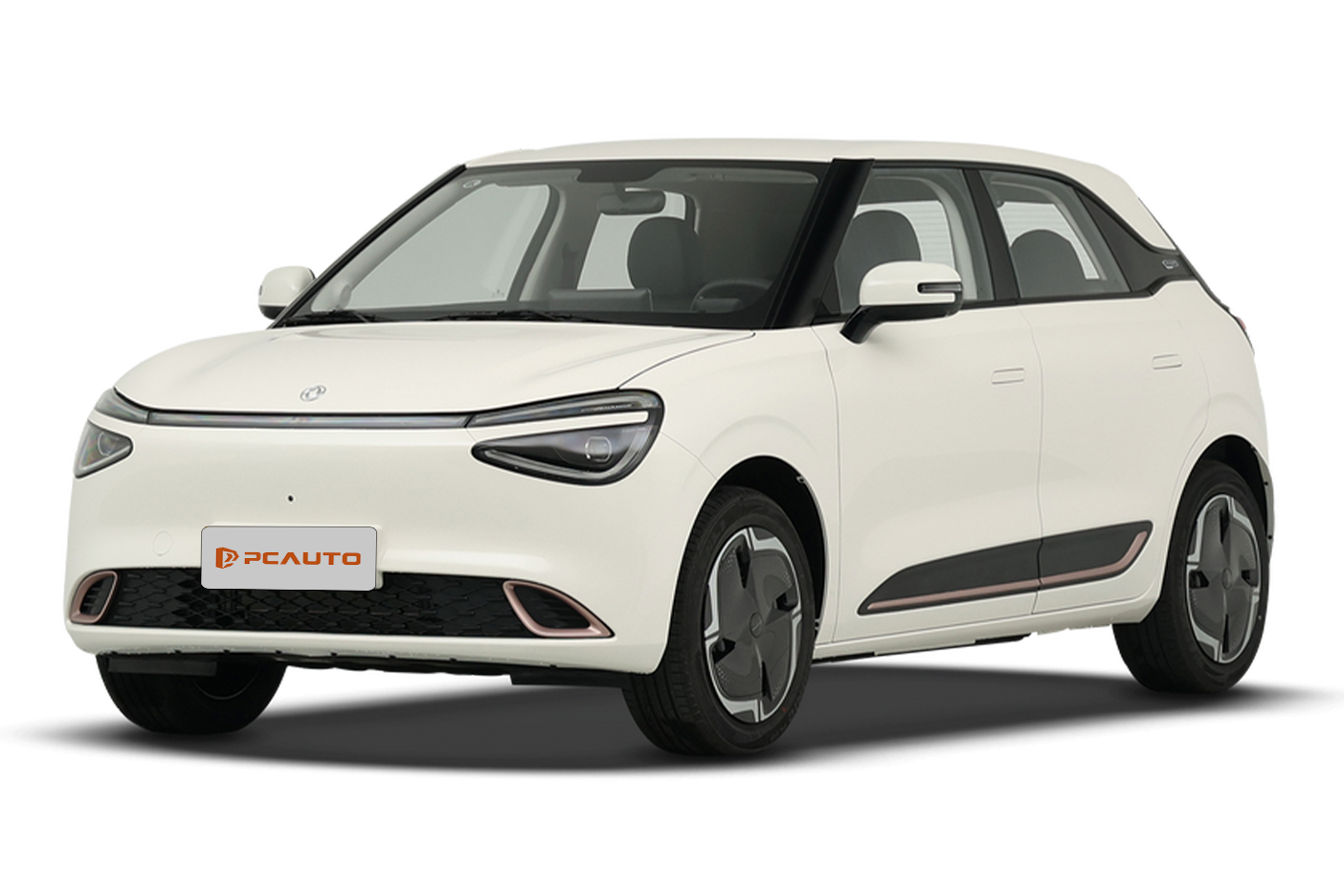
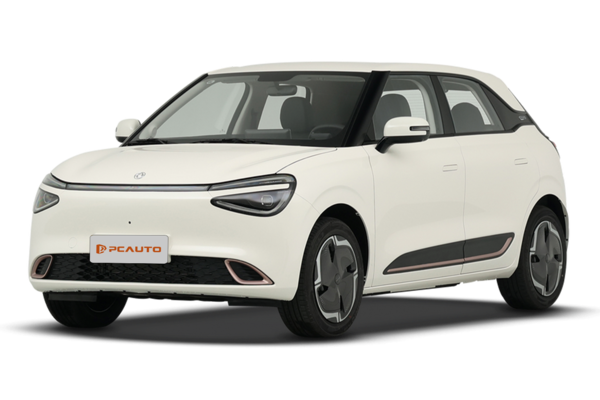
2024 DFSK Box E2 is a household pure electric vehicle in Malaysia priced at around 100,000 Ringgit, featuring a 330 km range, 12.8-inch large screen, and practical space as its main selling points, catering to both commuting and family needs.
30
Rank in SUV
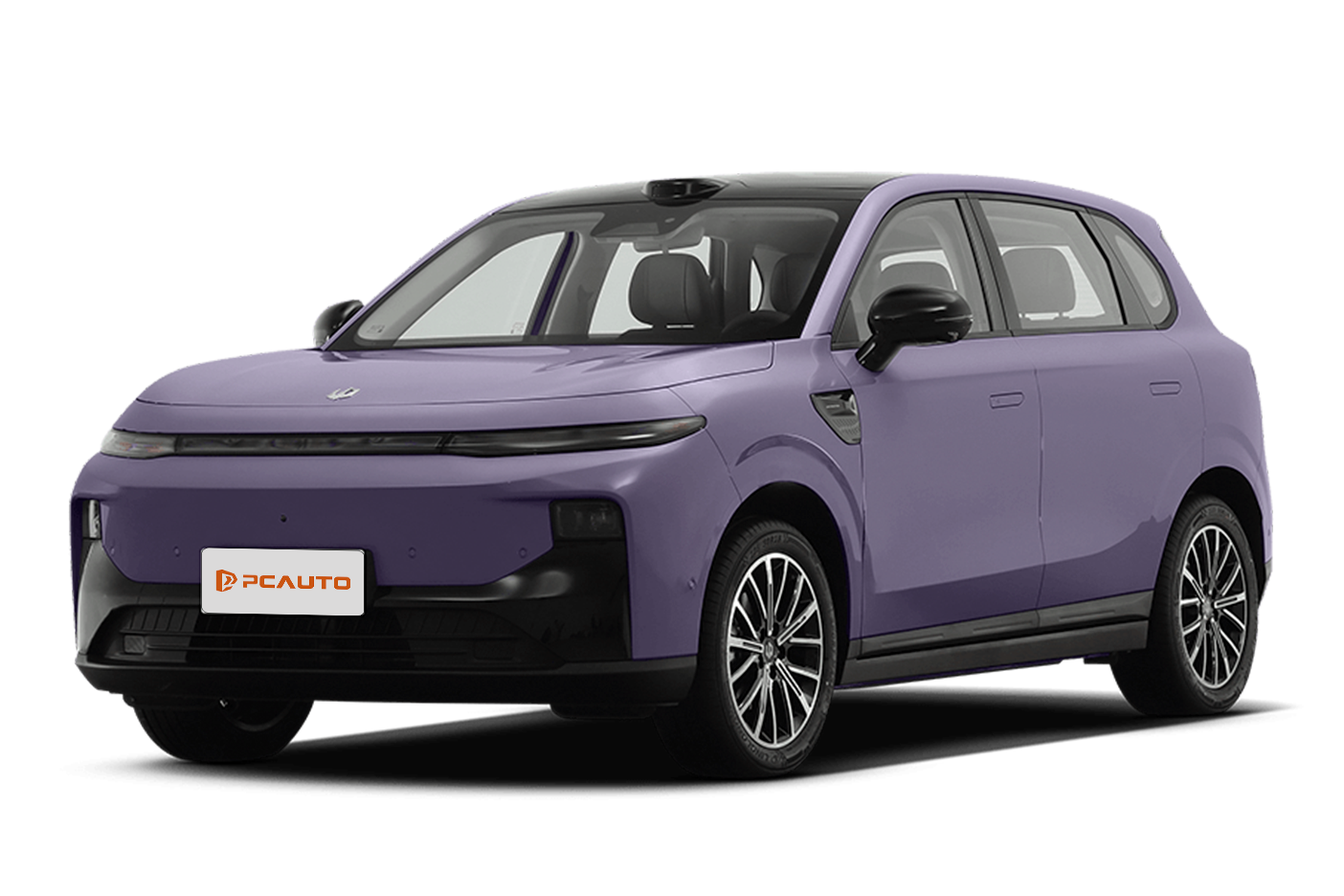
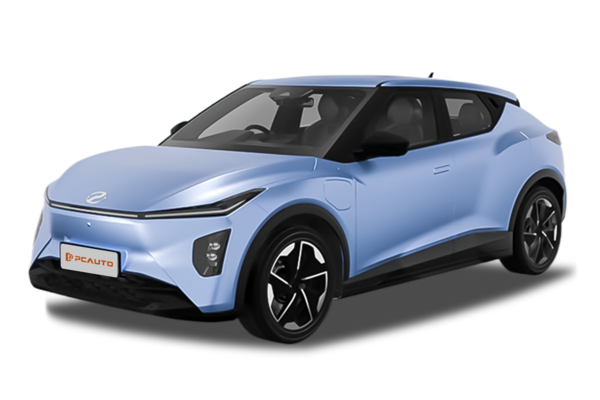
2025 Leapmotor B10 LIFE is a 100,000-level pure electric C-class SUV, equipped with standard L2 assisted driving and other practical features. It offers spacious interior and solid range, making it a go-to choice for family users.