

Mitsubishi Triton 2019 Review

 Share
Share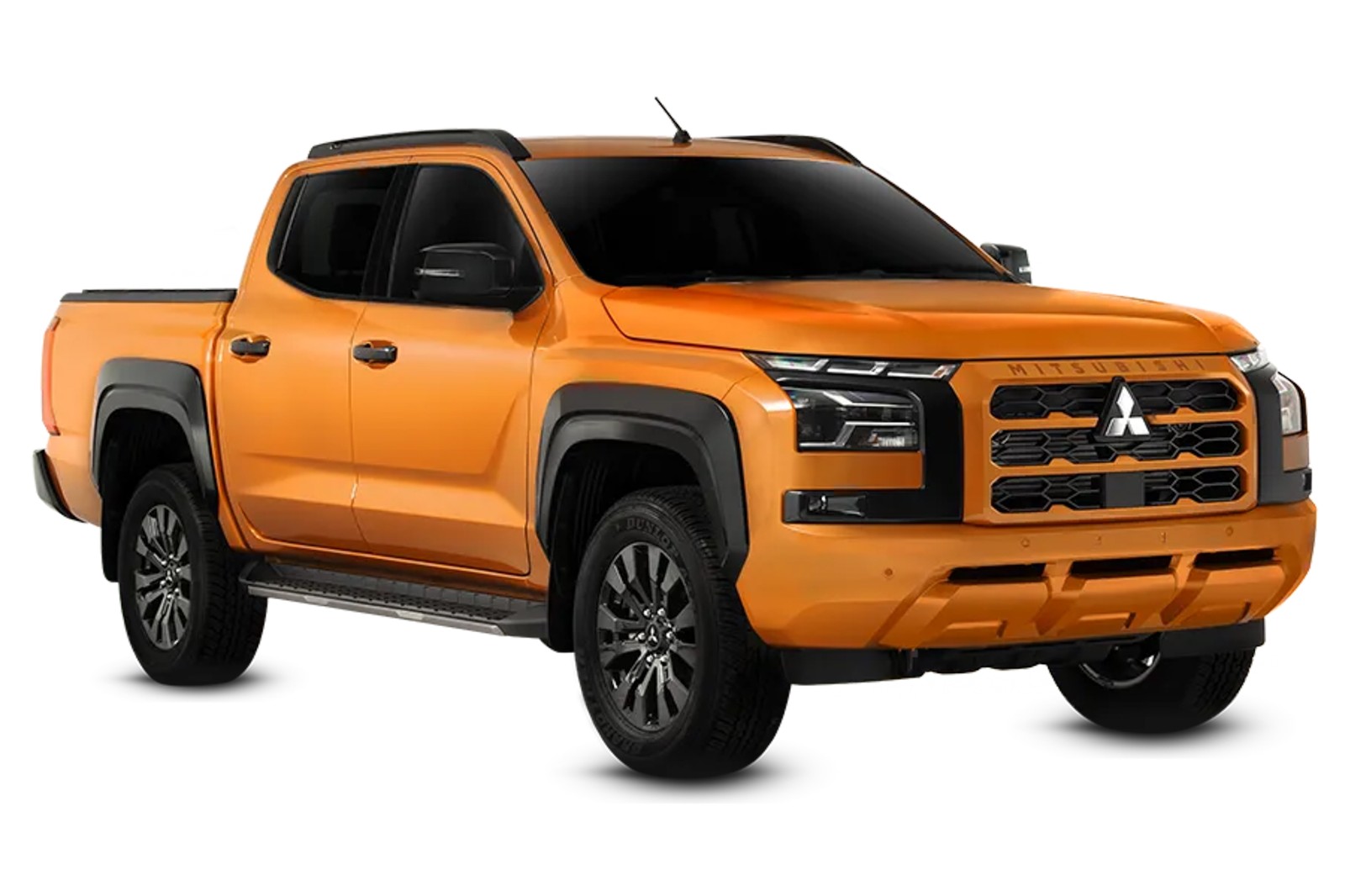
 Segment
 Body Type
 Capacity(L)
 Engine Power(PS)
 Transmission
 Driven Wheels
In the Malaysian pickup truck market, the price range of RM70,000 to RM80,000 has always been the core focus for practical users—those who need a vehicle for daily commuting as well as occasional cargo carrying or light off-roading. The 2019 Mitsubishi Triton Quest is specifically targeting this niche market, offering a 4x4 drive system at a price below RM80,000, while retaining basic smart features, which is uncommon among vehicles in this price range. The main purpose of this test is to evaluate whether this entry-level pickup can strike a balance between cost control and practical needs, and if its performance truly matches the "high value for money" label.
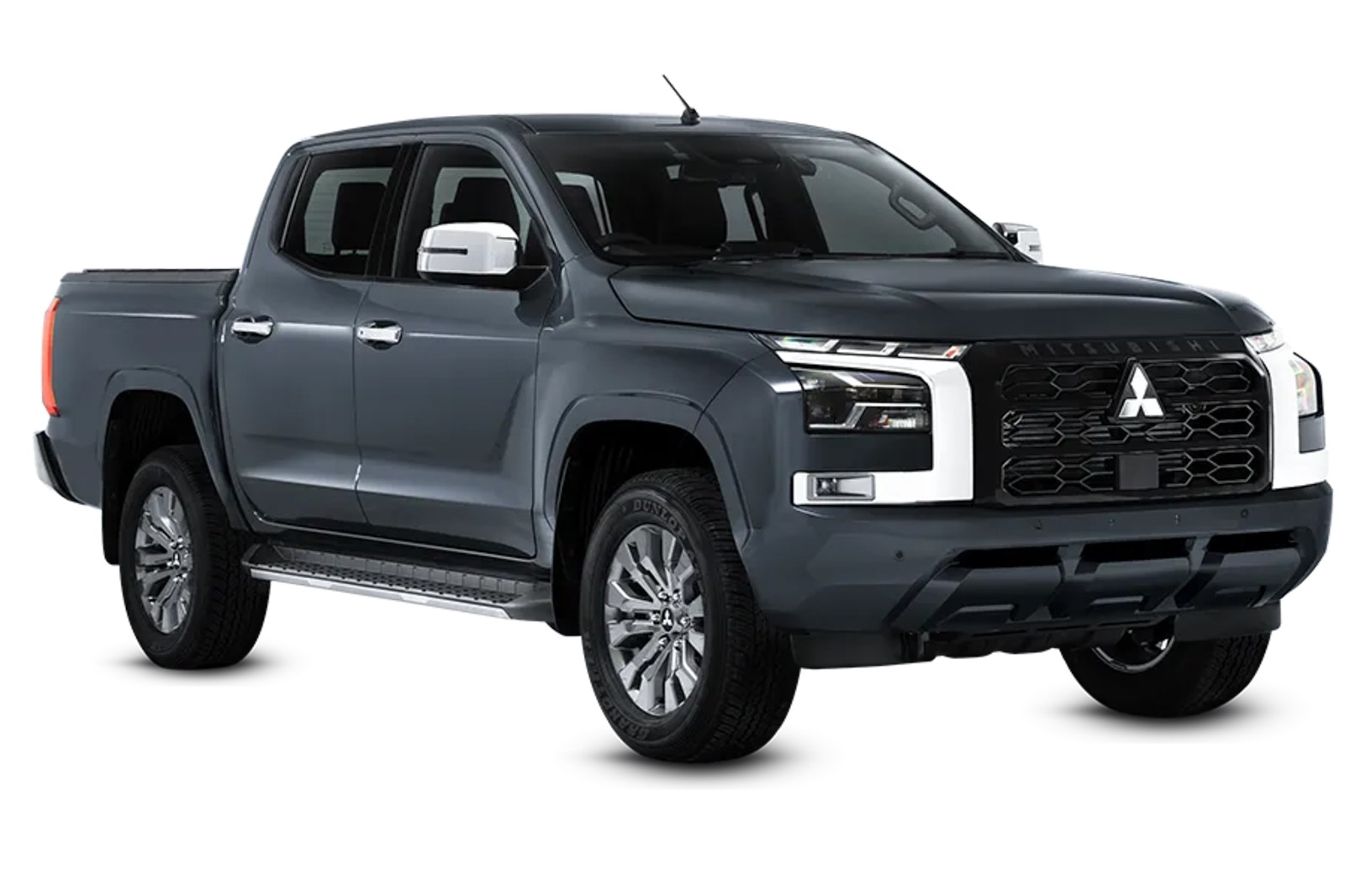
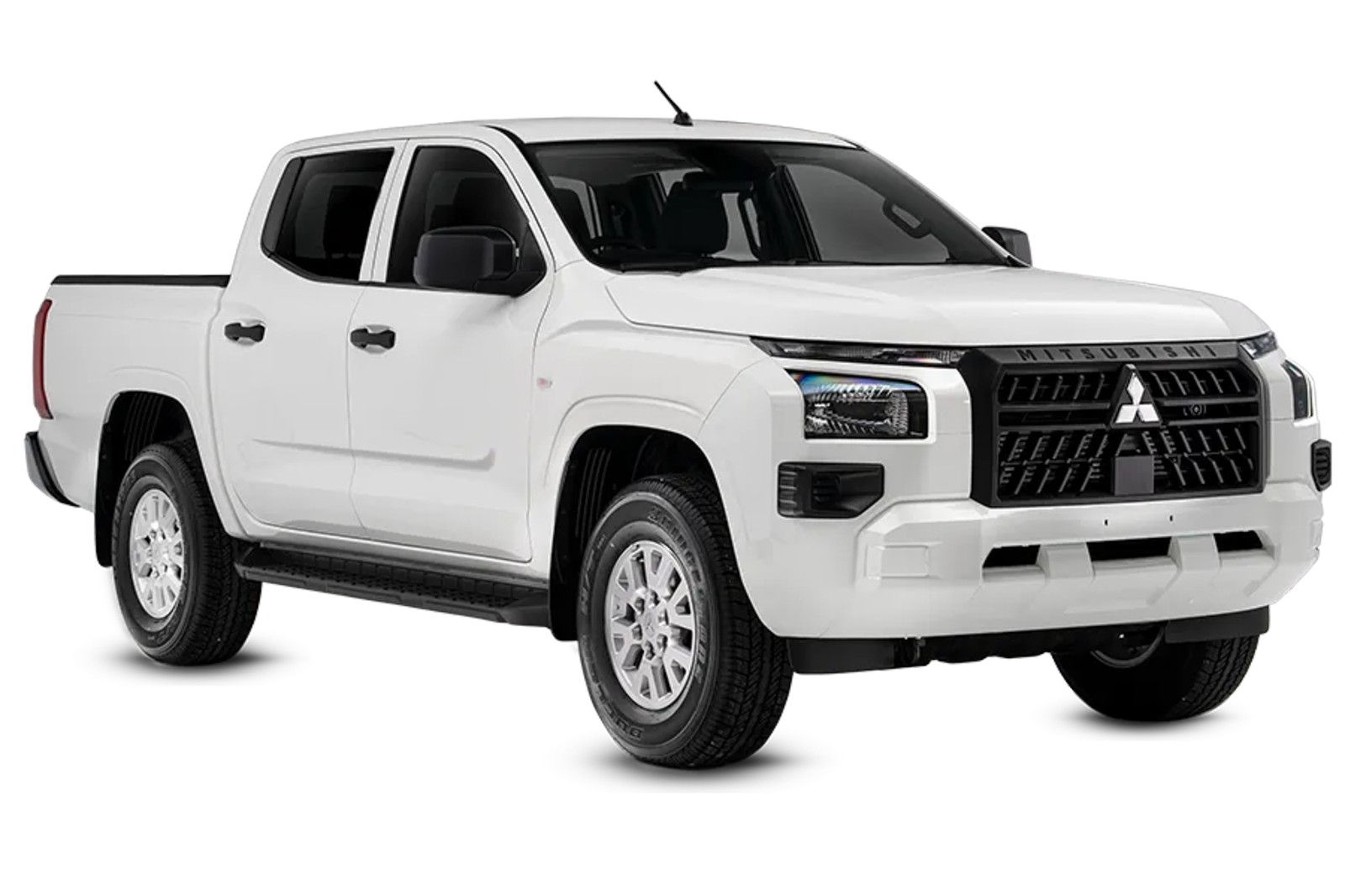
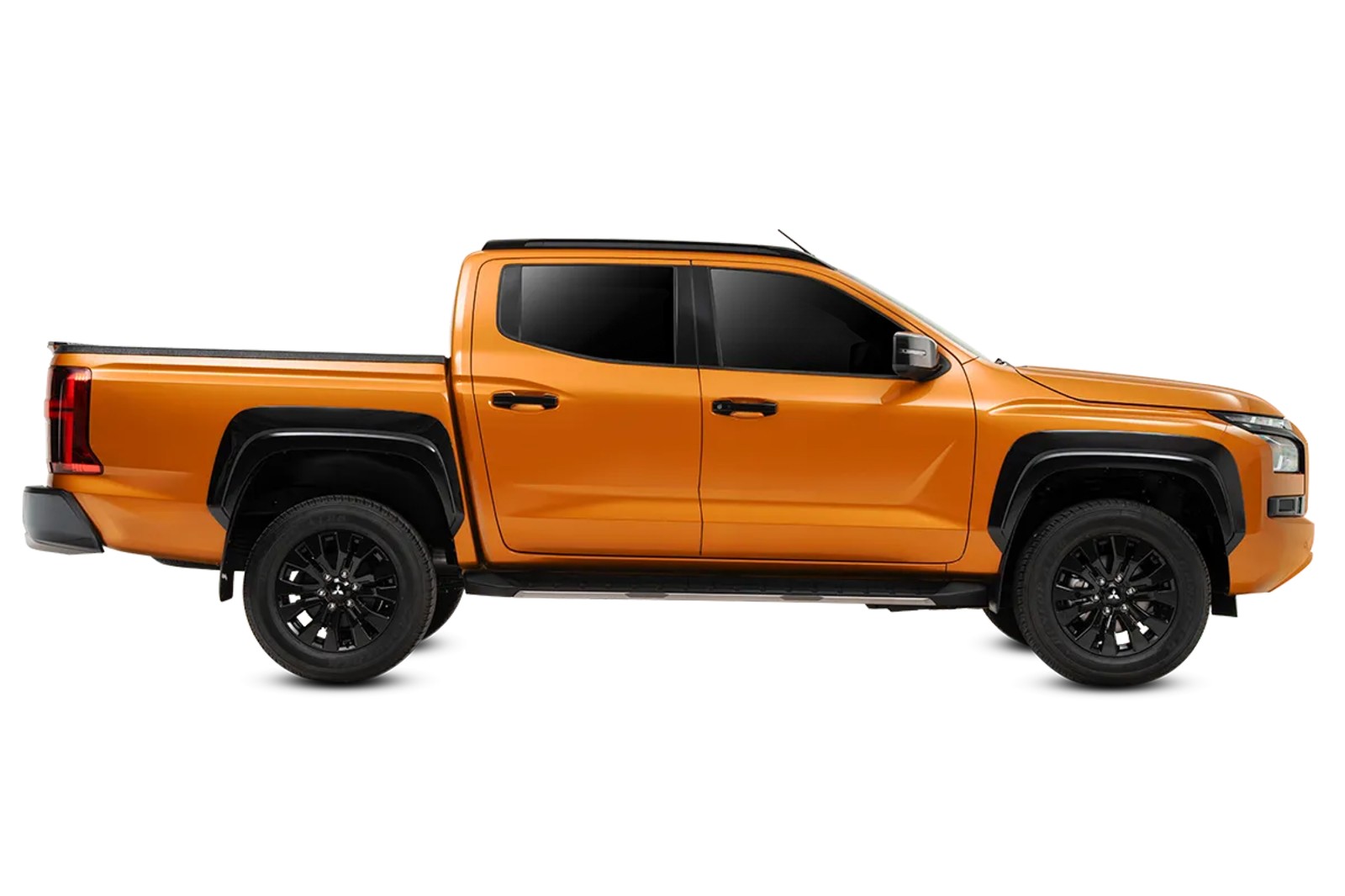
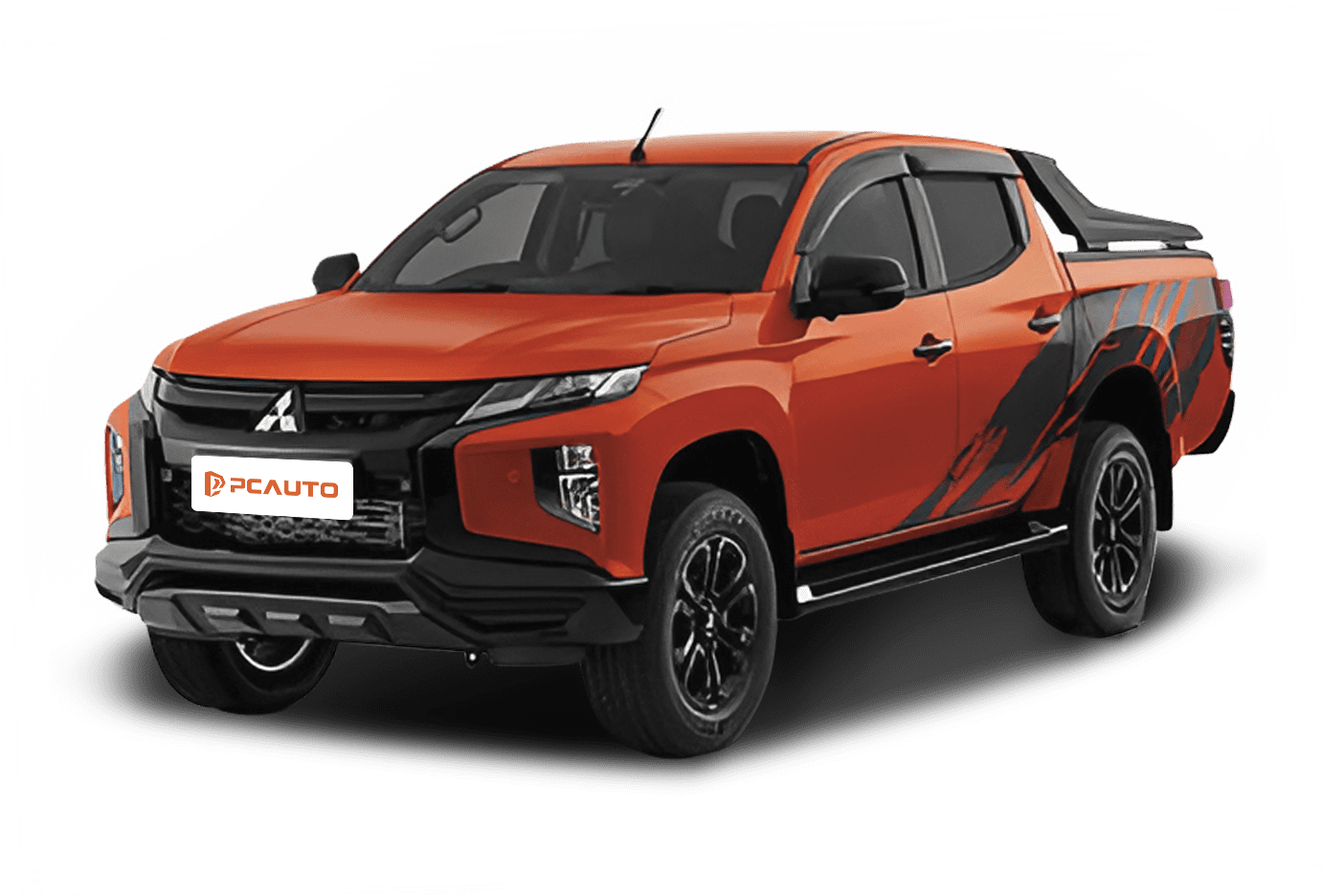
In terms of appearance, the Triton Quest continues the robust family styling, but the details lean more towards practicality. The front fascia features a large black plastic intake grille, paired with halogen headlights, giving it decent recognizability; the body lines are simple and lack excessive decoration, with a length of 5220mm and a width of 1815mm, ensuring adequate cargo space. The rear design is also relatively plain, with vertically-arranged taillights echoing the wheel arch lines on the sides of the body, giving an overall feeling of “ready to get the job done.” One notable feature is the electrically foldable side mirrors, a pleasant surprise for an entry-level pickup, reducing the risk of scratches during daily parking.
Inside the cabin, the Triton Quest's interior predominantly uses plastic materials, but the assembly workmanship is fairly decent, with no noticeable looseness. The dashboard is simple in layout, with a 6.1-inch touchscreen as the visual centerpiece, supporting basic multimedia functions, and offering acceptable operation smoothness. The seats are made of fabric, and the front driver’s seat supports manual adjustment—though less convenient than electric adjustments, the range of adjustment is sufficient to accommodate most drivers' needs. The rear seats are equipped with a foldable armrest, which can improve comfort during long trips, and the standard ISOFIX child seat anchor points cater to family users. In terms of space, the 3000mm wheelbase ensures legroom for both the front and rear rows. Passengers around 175cm tall sitting in the back have about one fist’s worth of space between their knees and the front seat backrest. Storage space is not particularly abundant, but the door pockets and the central armrest box can hold everyday small items, meeting basic needs.
Starting the vehicle, the 2.5L naturally aspirated diesel engine has a fairly noticeable sound, but the vibration at idle is within an acceptable range. This engine delivers a maximum power of 110PS, with peak torque achieved at 2000rpm, paired with a 5-speed manual transmission. Getting the vehicle moving requires a bit of throttle, but once the RPM hits 2000, the torque delivery becomes quite direct, making it adequate for city traffic conditions, such as starting or driving at low speeds. However, during mid to high-speed accelerations, the power reserve feels somewhat lacking, and overtaking requires preemptively downshifting to increase RPM. The inclusion of a 4x4 drive system is a highlight; when switched to four-wheel drive mode, it performs well on slightly muddy or gravel roads, though its performance is limited by the tire specifications (195 R15C), making it unsuitable for tackling high-difficulty off-road terrains.
In terms of handling, the steering wheel of the Triton Quest feels relatively heavy, and the steering response is not particularly precise. However, for a pickup truck, this setup provides a more stable handling feel. The front double-wishbone independent suspension performs moderately, with noticeable bumps when crossing speed bumps or uneven roads; however, the suspension rebounds quickly and does not result in excessive shaking. Body roll control during cornering is average, and speeds need to be moderated during high-speed turns. Fuel consumption aligns with expectations, with an average fuel consumption of 9-10L per 100km under mixed driving conditions. The 75L fuel tank capacity provides a relatively long driving range, making it suitable for long-distance trips or remote areas.
Noise control is a shortcoming of the Triton Quest. Wind noise and tire noise are quite noticeable at high speeds, and engine noise also enters the cabin when the RPM exceeds 3000; however, the noise levels are still acceptable during daily city commutes. The seat comfort is average, and during long drives, you may feel a lack of lumbar support. It is recommended to use a lumbar pillow for long journeys.
Overall, the core advantage of the 2019 Mitsubishi Triton Quest lies in its value for money, offering a "4x4 at an entry-level price," and the practicality of its basic features. Compared to competitors in the same price range, its 4x4 drive system is the biggest highlight. It also retains configurations like a touchscreen and electrically folding side mirrors, while being priced nearly RM30,000 lower than the Triton VGT series equipped with a 2.4T engine. However, its performance and comfort are indeed inferior to higher-end versions, making it suitable for users with limited budgets who occasionally need off-road capability or cargo transportation, such as small business owners or families frequently traveling in suburban areas.
If you need a "workhorse" pickup truck, have a budget below RM80,000, and don't want to compromise on four-wheel drive functionality, the Triton Quest is a good choice. However, if you prioritize power and comfort, you might consider increasing your budget for the Triton VGT series. Overall, the Triton Quest is a model that "puts your money where it counts." It doesn't have luxurious features, but it doesn't compromise on core needs, making it a practical choice in the entry-level pickup market.
Mitsubishi Triton Car Compare
Mitsubishi Triton Loan Calculator
More Mitsubishi Reviews
Cars With Similar Price And Features
5
Rank in Pickup
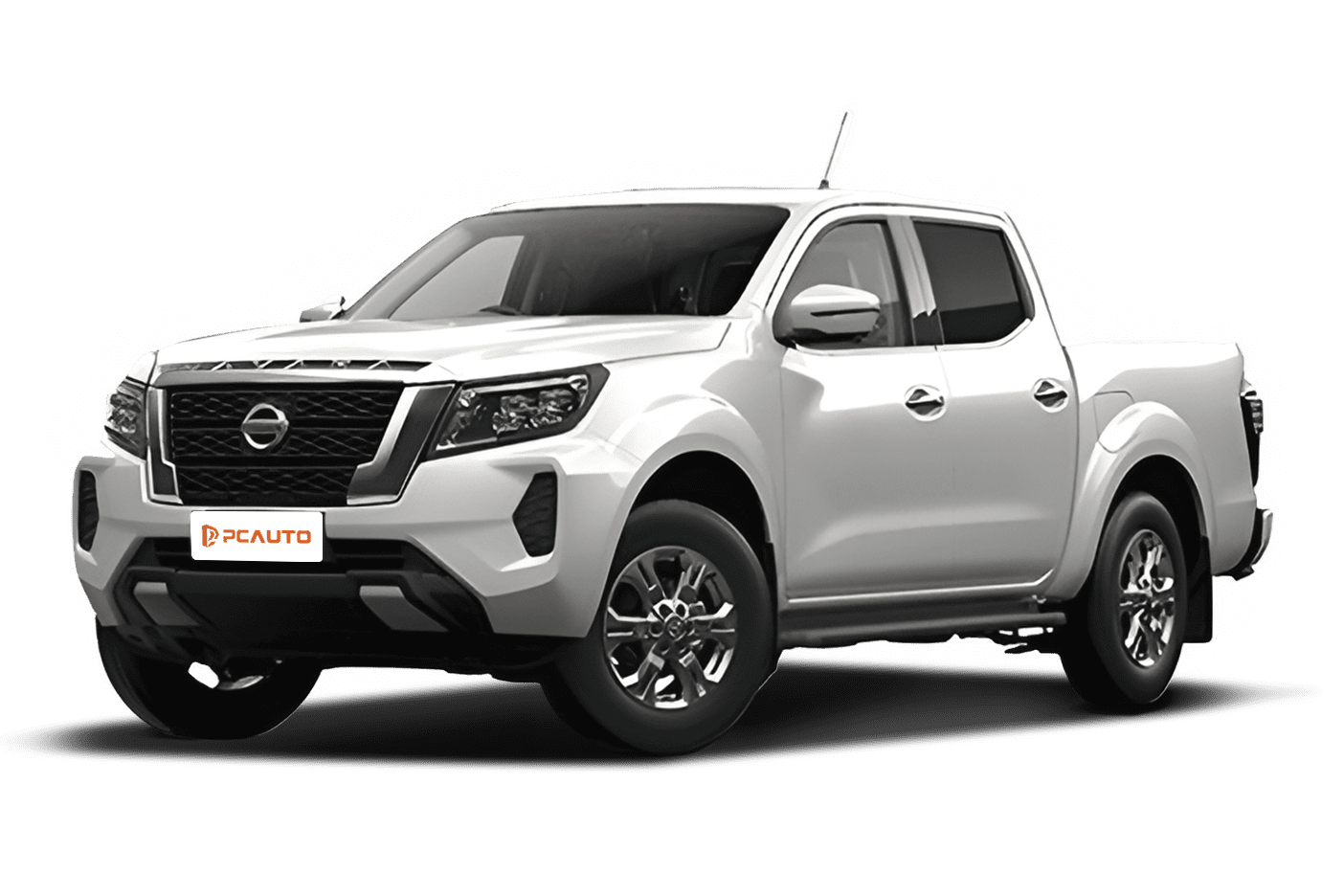
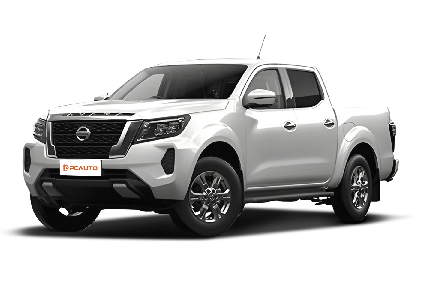
2023 Nissan Navara 2.5 VL Black Edition is a pickup truck that balances household comfort with light off-road capability, featuring exclusive black trims, a full suite of active safety features, and practical configurations, precisely catering to the needs of families and small business owners.
4
Rank in Pickup
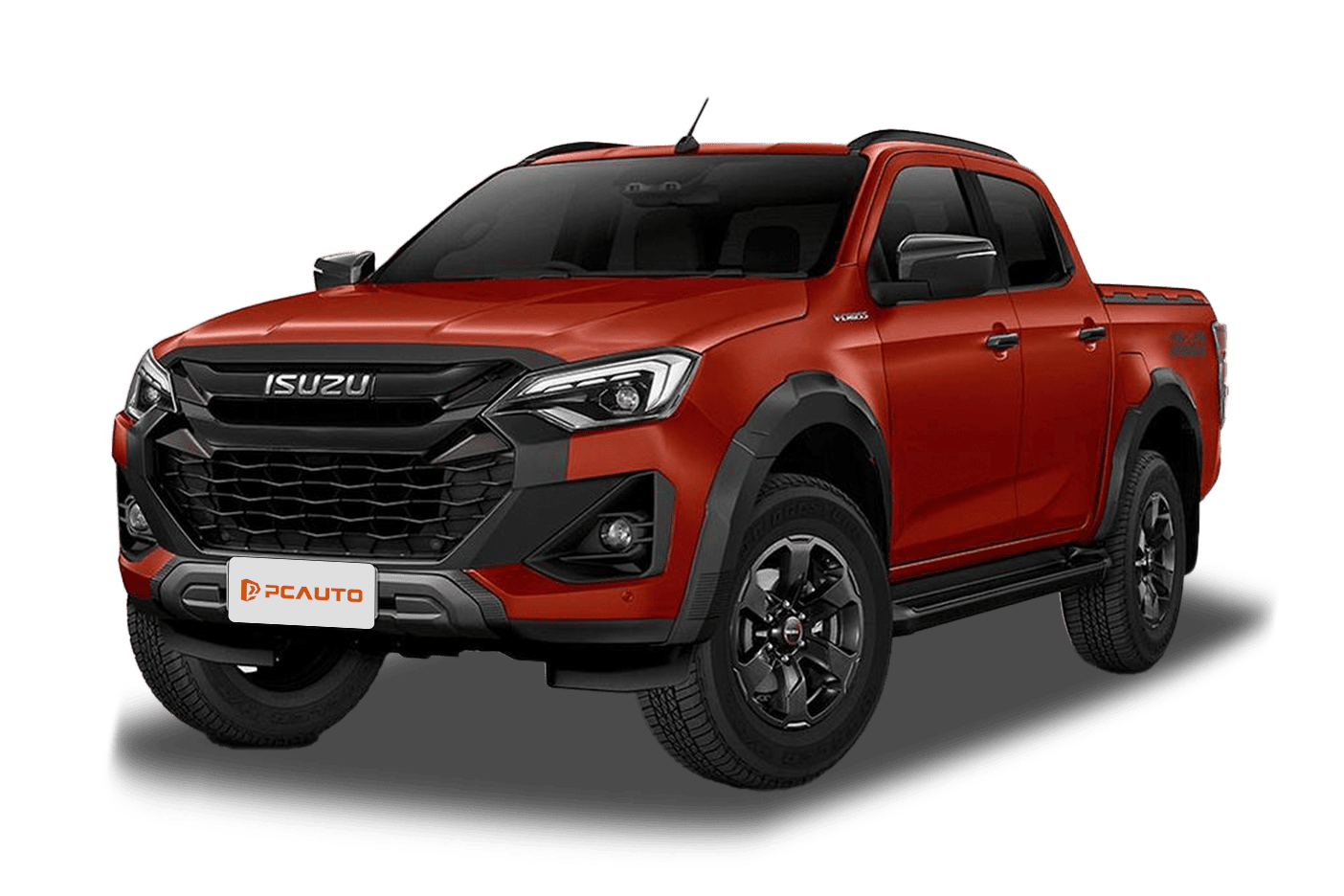
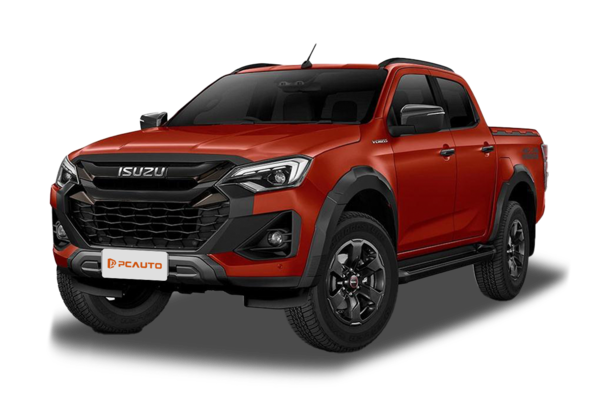
2025 Isuzu D-MAX 1.9L 4x2 Low Ride is an entry-level passenger pickup, offering a balance of practical space, reliable diesel performance, and fuel economy, suitable for family transport and small business cargo needs.
3
Rank in Pickup
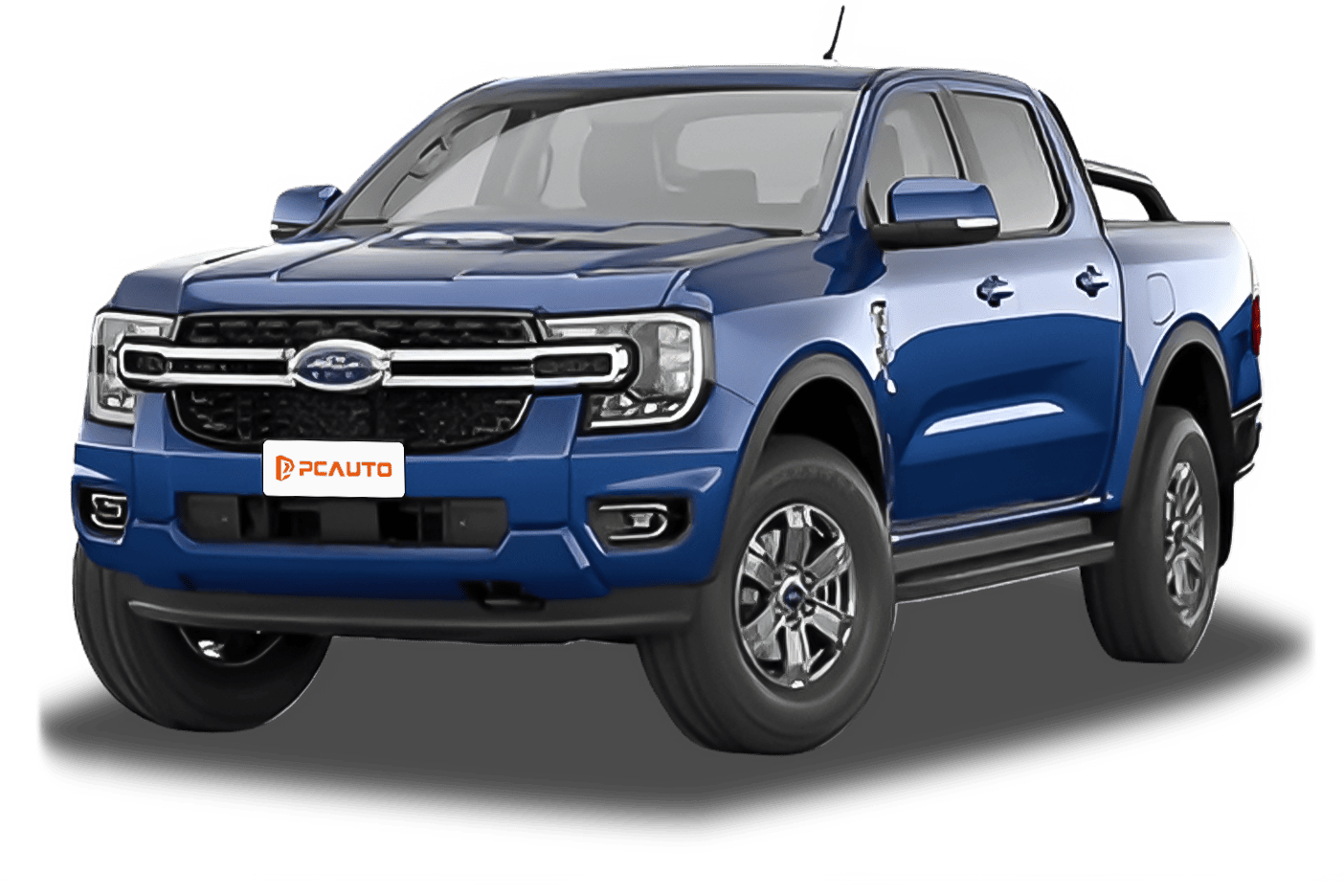
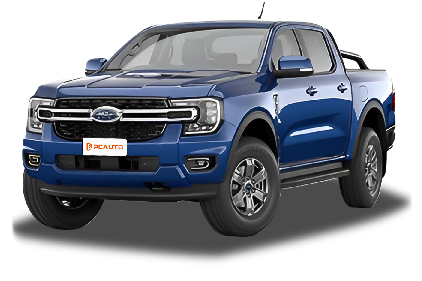
2023 Ford Ranger WildTrak is a mid-to-high-end pickup truck that balances the comfort of daily commuting with the practicality of cargo and off-road capabilities. It features powerful performance, ample space, and practical configurations, making it a versatile choice for both family and work scenarios.

2023 JMC Vigus Pro White Series 2.0L 4WD 8AT combines rugged design, practical features, and powerful diesel performance, balancing everyday durability and mild off-road needs, making it a high-value choice for pickup users.